Gorilla Trekking in Rwanda: Volcanoes National Park & Safari Planning
Gorilla trekking in Rwanda offers an intimate encounter with mountain gorillas in the misty forests of Volcanoes National Park, part of the wider Virunga landscape. The experience combines a guided forest trek with time observing a gorilla family in its natural habitat, surrounded by Rwanda’s volcanic mountain scenery.
For travellers planning a Rwanda safari, gorilla trekking can form the centrepiece of a journey or be combined with other experiences, including Kigali, Akagera National Park, Nyungwe National Park and Lake Kivu. This guide explains where gorilla trekking takes place, what the experience involves, how to prepare, permit and practical considerations, the best time to go, and how to build a Rwanda safari around your trek.
What Is Gorilla Trekking in Rwanda?
Gorilla trekking in Rwanda is a guided forest experience that takes travellers into Volcanoes National Park to observe endangered mountain gorillas in their natural habitat. The park forms part of the Virunga Mountains, a volcanic landscape shared by Rwanda, Uganda and the Democratic Republic of Congo.
The experience begins with a briefing and allocation to a gorilla family before trackers and guides lead visitors into the forest. The trek can involve steep slopes, dense vegetation and changing conditions as the group searches for the assigned gorillas. Once the family is located, visitors spend a regulated period observing their behaviour, social interactions and daily activities before returning through the forest. For many travellers, the experience combines wildlife, mountain scenery and conservation in a single Rwanda safari.
Where Is Gorilla Trekking in Rwanda?
Rwanda’s mountain gorilla trekking takes place in Volcanoes National Park, in the northwestern part of the country. The park protects part of the Virunga mountain range and provides the principal setting for Rwanda’s mountain gorilla experience. For travellers, the most important location is Kinigi, where trekkers gather before entering the park.
From there, the day’s arrangements are confirmed and visitors proceed towards the forest with their guides and trackers. The location also makes it practical to combine gorilla trekking with other experiences in the Musanze area or with a wider Rwanda itinerary beginning or ending in Kigali.
Volcanoes National Park
Volcanoes National Park protects the steep volcanic slopes and montane forests of Rwanda’s Virunga landscape. Its habitats include bamboo forest, evergreen forest, grassland, swamp and high-altitude vegetation. The park is the principal destination for gorilla trekking in Rwanda and is also known for golden monkey tracking, volcano hiking and other nature experiences.
For gorilla trekkers, the important point is that the park is a living forest environment rather than a conventional wildlife-viewing area. The gorillas move freely through their habitat, so the location and length of the trek can vary from one day to another.
The Virunga Mountains
The Virunga Mountains are a chain of volcanic mountains extending across Rwanda, Uganda and the Democratic Republic of Congo. Rwanda’s Volcanoes National Park protects the Rwandan section of this wider landscape. Several prominent volcanoes rise around the park, including Karisimbi, Bisoke, Sabyinyo, Gahinga and Muhabura.
Their slopes create the mountainous backdrop associated with gorilla trekking in Rwanda. For visitors, the Virunga setting is more than scenery. The elevation, forest vegetation and steep terrain shape the trekking experience and influence how physically demanding the walk may feel.
Kinigi and the Trekking Headquarters
Kinigi is the main meeting point for Rwanda’s gorilla trekking experience. Travellers gather here before entering Volcanoes National Park for the day’s trek. The morning begins with registration, briefing and allocation to a gorilla family. Guides explain the trekking procedures and visitor protocols before groups depart towards the forest.
Kinigi is also a practical base for accommodation, transport arrangements and other activities around Volcanoes National Park. Staying nearby can make an early trekking morning considerably easier, particularly for travellers who want to avoid a long transfer immediately before the briefing.
The Rwanda Gorilla Trekking Experience
A day of gorilla trekking in Rwanda begins early and unfolds at the pace of the forest. After the morning briefing, you travel into Volcanoes National Park with guides and trackers and begin walking through changing vegetation and mountain terrain. The trek may be relatively short or require a longer walk, depending on where the assigned gorilla family is located.
Once the gorillas are found, the atmosphere changes. The focus shifts from covering ground to quietly observing the animals as they feed, rest, move through the vegetation and interact with one another. The experience is not a staged wildlife encounter.
You are entering their natural environment and following the guidance of the tracking team throughout the visit. The trek ends with the walk back through the forest, followed by the return to Kinigi with memories of an experience that is both physical and deeply personal.
Arriving for the Morning Briefing
Your Rwanda gorilla trekking day starts early at the designated meeting point in Kinigi. After registration and preparation, visitors receive a briefing on the day’s procedures, safety considerations and responsible behaviour around the gorillas. You are then assigned to a gorilla family and introduced to the team responsible for guiding the trek. This is the point when the day’s experience moves from preparation to exploration.
Meeting Your Guides and Trackers
The guides and trackers are an important part of the experience. They help visitors navigate the forest, interpret signs of gorilla activity and maintain the required protocols once the animals are located. Trackers may move ahead to locate the gorilla family and communicate its position to the guides. Throughout the trek, the team also helps visitors understand the forest and respond appropriately to changing terrain and conditions.
Walking Through the Volcanoes Forest
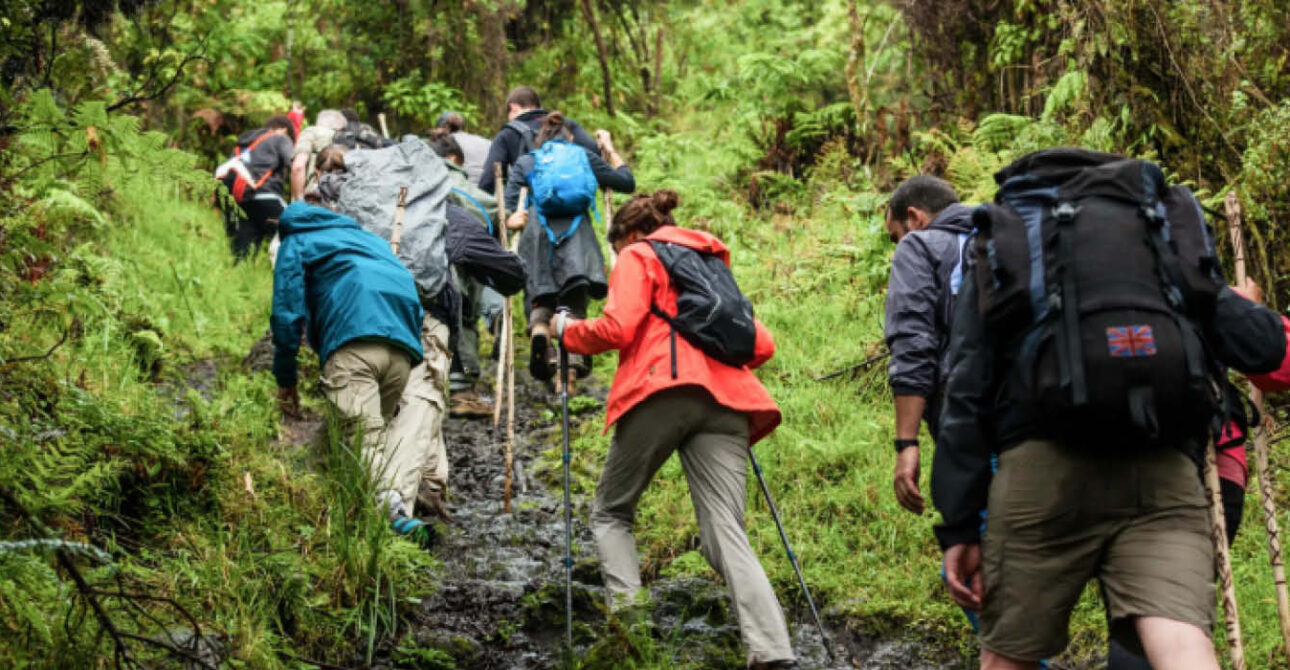
The walk into the forest is part of the experience, not simply a journey to the gorillas. The terrain can include steep slopes, muddy sections, dense vegetation and uneven ground. As you walk, the forest gradually becomes the focus. You may notice bird calls, insects, plants, changing vegetation and signs that gorillas have recently passed through the area.
The pace can change as the tracking team follows information about the location of the gorilla family. Good footwear, suitable clothing and a comfortable level of fitness can make the experience more enjoyable.
Finding Your Gorilla Family
The moment the tracking team locates the gorilla family is often the defining point of the day. After hours of walking, the first sight of a gorilla through the vegetation can feel surprisingly quiet and intimate. The group follows the guides’ instructions as you approach the designated viewing area.
The gorillas may be resting, feeding, moving through the forest or interacting with other members of their family. Their behaviour is unpredictable, so the experience is shaped by what the animals are doing rather than by a fixed sequence of events.
Spending Time With the Gorillas
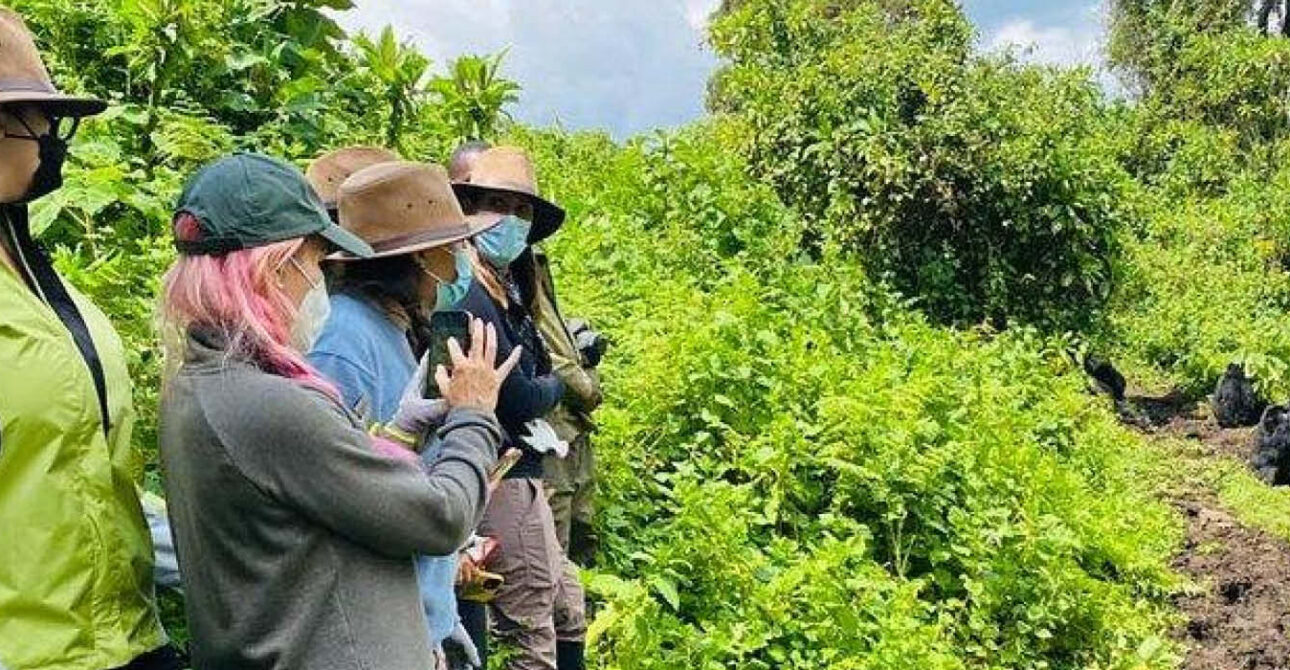
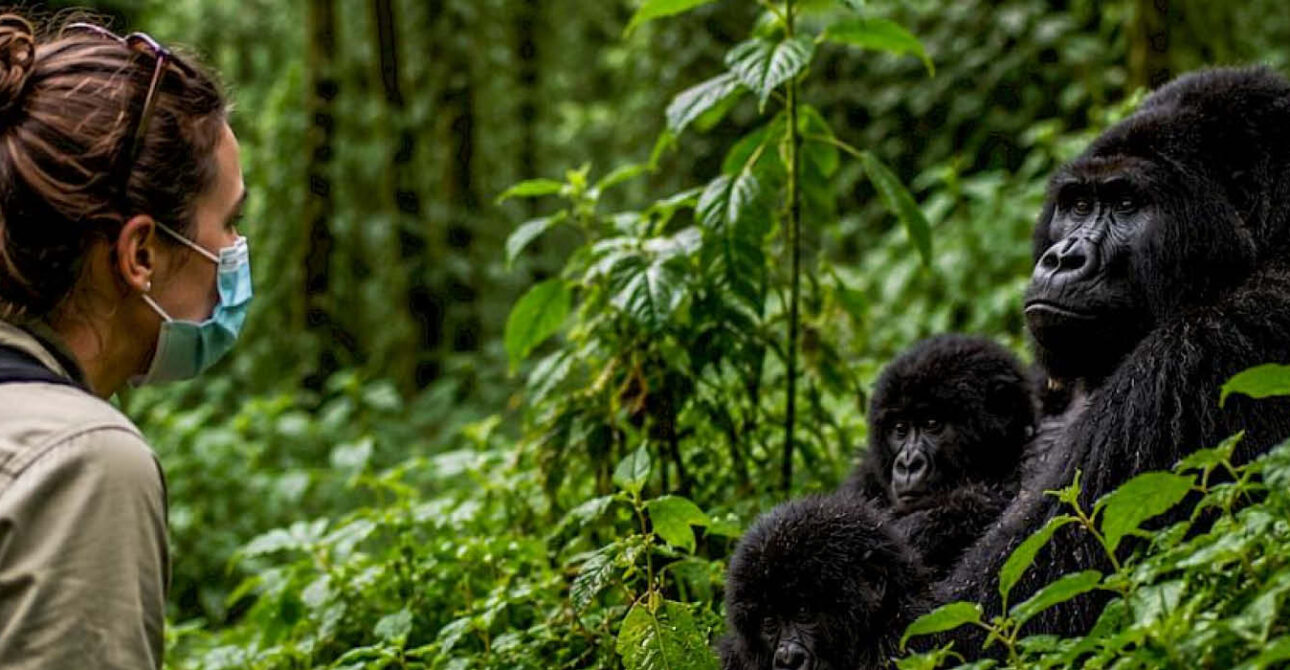
Once the gorilla family is located, visitors have a regulated period to observe the animals. The emphasis is on quiet observation rather than interaction. You may watch a gorilla feeding, moving through vegetation, resting or communicating with other members of the group.
Younger gorillas can add movement and energy to an otherwise calm scene, while larger individuals may remain still for long periods. Photography is possible, but visitors should follow the instructions of the guides and trackers and avoid actions that could disturb the gorillas. The goal is to observe the animals respectfully while allowing them to continue their natural behaviour.
Returning From the Trek
When the viewing period ends, the group leaves the gorillas and begins the journey back through the forest. The return can feel different from the walk in because you now have a sense of the terrain and can reflect on the encounter. Depending on the route and conditions, the return may still involve steep or muddy sections.
Once back in the Kinigi area, the day’s physical effort gives way to the opportunity to rest, reflect and continue with the wider Rwanda safari. For many travellers, the return journey is when the experience begins to sink in: gorilla trekking in Rwanda is not simply about seeing mountain gorillas, but about entering their environment and experiencing the forest on its terms.
Gorilla Trekking in Volcanoes National Park
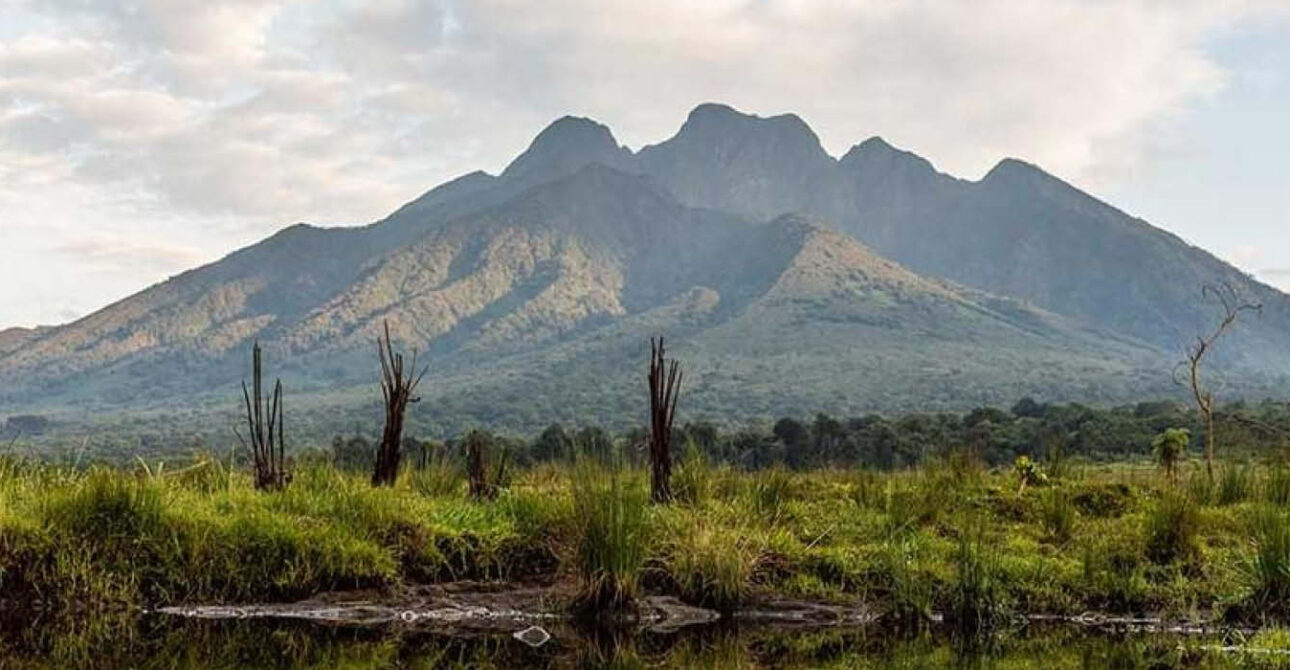
Gorilla trekking in Volcanoes National Park takes place in a high-altitude volcanic landscape where mountain gorillas live in protected forest habitat. The experience is shaped by the terrain as much as by the wildlife: trekkers move through steep slopes, dense vegetation and changing forest environments while following guides and trackers towards an assigned gorilla family.
The park lies within the Virunga Massif and contains a mosaic of montane ecosystems, including evergreen forest, bamboo, grassland, swamp and heath. This gives the trek a distinctive character, with the landscape changing as you move higher into the mountains. The location of the gorilla family determines much of the day’s experience. Some treks may involve a relatively shorter walk, while others require several hours of hiking before the gorillas are located. The focus is therefore on the journey as well as the encounter.
The Mountain Environment
The mountain environment is one of the defining features of gorilla trekking in Rwanda. Volcanoes National Park protects steep slopes rising into the Virunga Mountains, with elevations that can make the trek physically demanding. The terrain is uneven and conditions can change quickly.
A trail that begins comfortably can become steeper, wetter or more challenging as you move through different sections of the forest. The altitude can also make physical exertion feel greater than expected. Rather than treating the trek as a fixed walking route, it is better to prepare for a mountain experience. Sturdy footwear, appropriate clothing, water and a reasonable level of fitness can make a significant difference.
Forest and Bamboo Habitat
The forest is an integral part of the gorilla experience. Volcanoes National Park contains a mixture of montane habitats, including evergreen and bamboo forest, with other vegetation appearing at different elevations. As you walk, the surroundings can change from open sections to dense vegetation, with bamboo and other plants forming part of the gorillas’ habitat.
The forest can feel cool and damp, particularly in shaded areas, while rain and muddy ground can make some sections more demanding. This environment is also part of what makes the experience immersive. You are not travelling along a conventional wildlife-viewing road. You are walking through the habitat itself, following signs and information from the tracking team as they locate the gorillas.
The Virunga Volcanoes
Volcanoes National Park takes its name from the chain of dormant volcanoes forming the Virunga Massif. Rwanda’s five principal volcanoes in this landscape are Karisimbi, Bisoke, Sabyinyo, Gahinga and Muhabura. The mountains provide the dramatic backdrop to the gorilla trekking experience, with their slopes, forests and changing weather creating a distinctive highland environment.
Mount Karisimbi, the highest of the group, rises to 4,507 metres. You do not need to climb one of the volcanoes to go gorilla trekking. The trekking routes follow the forested mountain slopes where the gorilla families range. However, the volcanic terrain helps explain why the experience can involve steep and physically demanding sections.
Gorilla Families and Tracking
Gorilla families in Volcanoes National Park are monitored and protected by trained trackers and park personnel. Visitors do not simply choose a family and set off independently. The day’s gorilla group is allocated as part of the regulated trekking experience, with the tracking team then guiding visitors towards the assigned family.
The location of the group can change from day to day, so the length and character of the trek cannot be guaranteed in advance. Trackers use their knowledge of the forest and recent signs of gorilla movement to locate the group. This approach also means that the experience remains focused on the animals rather than on ticking off a particular family name. Once the gorillas are found, visitors follow the guides’ instructions and observe the family while allowing the animals to continue their natural behaviour.
For travellers planning gorilla trekking in Rwanda, the important consideration is therefore not which family to select, but preparing for a guided mountain trek and an encounter that will naturally vary from one day to the next.
Rwanda Gorilla Trekking Permits and Costs
A gorilla trekking permit is required for the mountain gorilla experience in Rwanda. The permit gives you access to the regulated trek and gorilla viewing experience in Volcanoes National Park, while visitor numbers and trekking procedures are managed to support conservation and responsible tourism.
For most international travellers, the gorilla permit is the largest single cost of the experience. Accommodation, transportation, meals, guiding and other safari activities are additional costs and should be considered when planning the overall budget. Permit prices and special rates can change, so it is important to check the applicable rate for your travel dates before making final arrangements. The official Visit Rwanda Bookings portal provides the current permit information and booking options.
How Much Does Gorilla Trekking Cost in Rwanda?
For international visitors, the current standard gorilla trekking permit is US$1,500 per person. This covers the regulated mountain gorilla tracking experience but does not include accommodation, transportation, meals or other safari services. The total cost of a Rwanda gorilla safari will therefore be higher than the permit price.
Your final budget depends on the level of accommodation, the length of your safari, transportation arrangements and additional experiences included in the itinerary. Special rates may be available for qualifying residents and citizens under specific programmes and travel periods, so the applicable permit category should be confirmed when planning the safari.
How Much Is a Rwanda Gorilla Permit?
The standard gorilla trekking permit for an international visitor is currently US$1,500 per person. Different rates can apply to Rwandan citizens, East African citizens and qualifying residents under specific promotional arrangements. These rates are subject to conditions and may not apply throughout the year.
For this reason, it is better to plan your safari around the permit rate applicable to your own nationality or residency status and travel dates rather than relying on an old published price. The permit is only one part of the safari cost. You will also need to budget for accommodation, transfers, meals and any additional activities included in your Rwanda itinerary.
Who Qualifies for Promotional or Resident Rates?
Special gorilla trekking rates can be available to qualifying Rwandan citizens, East African citizens and residents under specific promotional arrangements. Eligibility depends on the traveller’s nationality or residency status and the conditions attached to the particular rate.
Travellers should therefore have the appropriate identification or residency documentation available when booking. If you are travelling from Uganda or another East African country, Njagi Safaris can check the applicable permit category and incorporate the correct rate into your safari quotation.
How Do You Book a Gorilla Trekking Permit?
A gorilla permit can be arranged directly through the Rwanda booking system or through a licensed safari operator. The booking requires accurate traveller information, including the names and identification details used for the reservation.
It is important to ensure that these details are correct because your documentation is checked before you enter the park.
For travellers booking a complete Rwanda safari, using a tour operator can make the process simpler. The permit can be coordinated with your accommodation, transportation, trekking date and the rest of your itinerary, reducing the risk of creating gaps between the different parts of the trip.
How Far in Advance Should You Book?
It is advisable to arrange your gorilla permit well in advance, particularly if you have specific travel dates or are travelling during a busy safari period. Your permit date becomes one of the key points around which the rest of the Rwanda itinerary is organised.
Accommodation near Volcanoes National Park and transportation from Kigali or elsewhere in Rwanda can then be arranged to allow sufficient time for the morning trekking procedures. For a tailor-made safari, Njagi Safaris can coordinate the permit with the proposed travel dates before finalising the wider itinerary.
What Happens After You Book?
Once your gorilla trekking permit is confirmed, the trekking date becomes an important fixed point in your Rwanda safari. Your accommodation, transfers and other activities can then be arranged around the trek. Staying close to Volcanoes National Park before the trek can make the morning more relaxed and reduce the pressure of a long transfer on the day of the experience.
Keep the identification and booking information used for the permit available during your journey. The information supplied at booking should match the travel documents presented when entering the park. The permit also does not allow you to choose a particular gorilla family. The tracking team determines the group allocation as part of the regulated trekking experience.
Can a Gorilla Permit Be Cancelled or Refunded?
Permit changes, rescheduling and refunds are subject to the conditions applying to the booking. Travellers should therefore understand these conditions before making payment.
Rwanda currently provides a specific permit rescheduling service. Rescheduling more than seven days before the visit is automatically approved, while changes made within seven days are subject to approval. A processing fee of 20% of the application fee applies to the rescheduling service. A no-show on the scheduled visiting date results in the permit being treated as expired.
Refunds can also depend on the circumstances surrounding the missed or unsuccessful trek. For example, specific provisions apply when the gorilla group moves and visitors are unable to make contact during the trekking experience, while late arrival, flight delays or cancellation for other reasons may not qualify for a refund.
For this reason, travellers should check the applicable permit conditions before payment and contact their safari operator promptly if their travel plans change.
Rwanda Gorilla Trekking Requirements
Gorilla trekking in Rwanda is suitable for travellers who meet the minimum age requirement and can manage a physically active forest trek. The experience involves walking on uneven and sometimes steep terrain at altitude, so preparation is important even for travellers who are generally active.
Rwanda sets the minimum age for gorilla trekking at 15 years. Visitors also need to be fit enough to participate safely and should not enter the gorilla habitat when suffering from a cold, flu or another contagious illness.
The aim is to protect both visitors and the mountain gorillas. Anyone planning a trek should consider their age, fitness, health and ability to walk for several hours in changing mountain conditions.
Minimum Age
The minimum age for gorilla trekking in Rwanda is 15 years. This means children below the age of 15 cannot participate in the mountain gorilla trekking experience in Volcanoes National Park.
Travellers aged 15 and above can participate provided they meet the other requirements for the trek. Parents travelling with teenagers should also consider the physical demands of the experience and prepare them for walking on steep, uneven and sometimes muddy terrain.
Physical Fitness
You do not need to be an athlete to go gorilla trekking in Rwanda, but you should be comfortable with walking and moderate physical exertion. The trek can involve steep slopes, uneven ground, mud, dense vegetation and changing altitude.
The distance and difficulty can also vary depending on where the assigned gorilla family is located. Regular walking, hiking or other aerobic activity before your safari can help build confidence and stamina. Travellers should also discuss any significant physical limitations with their doctor before undertaking a demanding mountain trek.
Health Requirements
Good health is important because gorilla trekking takes place in a natural forest environment and involves close proximity to wild animals. Travellers should be physically prepared for walking on uneven terrain and changing weather conditions.
It is also important to take any personal medication that may be required during the day and to inform your safari operator about relevant practical needs before travelling. Most importantly, visitors should not trek when they are suffering from a contagious illness. Protecting the gorillas from human respiratory infections is an important part of responsible gorilla tourism.
What Happens If You Are Sick?
If you have a cold, flu or another contagious illness, you may be denied access to the gorilla trekking experience. This precaution helps reduce the risk of transmitting human illnesses to mountain gorillas, which can be vulnerable to infections carried by people.
If you become unwell before your trek, inform your safari operator as soon as possible rather than simply arriving at the park and hoping to continue. The appropriate arrangements will depend on the circumstances and the applicable permit conditions.
Can Older Travellers Go Gorilla Trekking?
Older travellers can go gorilla trekking in Rwanda, provided they are physically able to manage the conditions of the trek. Age itself is not the main challenge. The more important considerations are walking ability, stamina, balance and comfort on uneven or steep terrain.
Some travellers may find the trek manageable with appropriate preparation and support. If you are unsure about your fitness, speak to your doctor before travelling and discuss the type of hiking involved. A walking programme before the safari can also help you prepare for the experience.
Can Children Go Gorilla Trekking?
Children below the age of 15 years cannot participate in gorilla trekking in Rwanda. Families travelling with younger children can instead consider other activities in the Volcanoes National Park area and elsewhere in Rwanda. Depending on the family’s interests, these may include cultural experiences, nature activities or a wider Rwanda safari.
For families travelling with teenagers aged 15 or above, the same physical and health considerations apply as for adult trekkers. The young traveller should be comfortable with hiking and able to follow the instructions of the guides throughout the experience.
How Difficult Is Gorilla Trekking in Rwanda?
Gorilla trekking in Rwanda is a physically active mountain experience, but its difficulty varies from one trek to another. The terrain around Volcanoes National Park can be steep, uneven, muddy and densely vegetated, while the altitude adds another dimension to the walk.
The most important factor is the location of the assigned gorilla family on the day of your trek. Some groups may be reached after a relatively short walk, while others can require several hours of hiking into the forest. The distance and terrain therefore cannot be guaranteed in advance.
Good preparation makes a difference. Comfortable walking shoes, appropriate clothing, water and a reasonable level of fitness will help you cope with changing conditions and enjoy the experience without focusing entirely on the physical effort.
How Long Does the Trek Take?
There is no fixed duration for a Rwanda gorilla trek. The time spent walking depends largely on where the assigned gorilla family is located and how far the tracking team needs to travel to reach it. Some treks may involve a relatively short walk, while others can continue for several hours.
The terrain, vegetation and movement of the gorillas can also affect the pace of the experience. This is why it is better to plan for a substantial part of the morning rather than booking your day around a specific number of trekking hours. Once the gorillas are located, visitors spend a regulated period observing the family before beginning the return journey.
Does the Terrain Make Trekking Difficult?
The terrain is one of the main reasons gorilla trekking can be physically demanding. Volcanoes National Park lies within a mountainous landscape, and the trails can pass through steep slopes, uneven ground, thick vegetation and muddy sections. Rain can make the ground slippery, while dense vegetation can require careful movement through narrow or less clearly defined sections of the forest.
Good hiking boots with firm grip are therefore important. Long trousers, long sleeves and gloves can also provide useful protection from vegetation. Walking at a comfortable pace and following the guides’ instructions will help you manage the terrain safely.
How Does Altitude Affect the Trek?
Gorilla trekking takes place in the high-altitude environment of the Virunga Mountains. The elevation can make physical exertion feel more demanding, particularly for travellers who are not accustomed to hiking in mountainous areas.
The combination of altitude, steep slopes and sustained walking means that a trek can feel harder than the same distance at lower elevation. Fitness is therefore useful, but pacing yourself is equally important. Take your time, drink enough water and communicate with your guide if you are struggling. The objective is not to walk as quickly as possible, but to reach the gorilla family safely and comfortably.
How Physically Fit Do You Need to Be?
You do not need to be an experienced mountaineer to go gorilla trekking, but you should be comfortable with sustained walking and uneven terrain. Preparing with regular walking, hill walking or other aerobic exercise before your safari can improve your stamina and confidence.
If you already enjoy hiking, the experience may feel more familiar, although the mountain environment can still present unexpected challenges. Your fitness level can also influence the trekking experience, as gorilla groups are allocated with visitor fitness in mind. Be realistic about your abilities and tell your guide if you need to slow down or take a short rest.
Can You Hire a Porter?
Yes. Porters are available to assist travellers during gorilla trekking in Rwanda. A porter can carry your backpack, camera equipment and other items, reducing the physical load during the trek. They can also provide practical assistance on difficult sections of the trail, including steep or slippery ground.
Hiring a porter can therefore be useful even for travellers who consider themselves reasonably fit. It allows you to concentrate more fully on the forest and the gorilla experience instead of carrying your equipment throughout the trek. Porter services also provide an opportunity to contribute directly to local livelihoods around Volcanoes National Park.
What Happens If the Gorilla Family Is Far Away?
If the assigned gorilla family is far from the starting point, the trek can become longer and more physically demanding. The tracking team follows the group’s location rather than taking visitors along a predetermined trail designed to fit a particular duration. This means you should arrive prepared for the possibility of several hours of walking.
The guides and trackers adjust the route according to the location and movement of the gorillas while helping visitors manage the terrain. The longer trek can require more stamina, but it is also part of what makes gorilla trekking different from conventional wildlife viewing.
What to Wear for Gorilla Trekking in Rwanda
The right clothing and equipment can make a significant difference during gorilla trekking in Rwanda. Volcanoes National Park is a high-altitude forest environment where conditions can change during the day, and trails may be wet, muddy, steep or covered by dense vegetation. The priority is comfort, protection and practicality rather than dressing for appearance.
Long clothing helps protect against vegetation, sturdy footwear provides stability on uneven ground, and rain protection is important because rainfall can occur even when the day begins dry. Keep your daypack light and carry the essentials you will need during the trek. Your camera should also be protected from rain and used without flash when you are near the gorillas.
Hiking Boots
Sturdy walking shoes or hiking boots are essential for gorilla trekking in Rwanda. The trails can include uneven, muddy and slippery sections, so footwear should provide good stability and grip. Choose comfortable footwear that you have already worn before the safari.
Avoid taking brand-new boots on the trek because they can cause discomfort or blisters. Good socks are equally useful, particularly when the trail is wet. Your footwear should allow you to walk confidently for several hours while dealing with changing terrain.
Long Trousers and Long Sleeves
Long trousers and long-sleeved shirts are recommended for walking through the forest. They provide protection from vegetation, nettles and other plants that you may encounter along the trail. Choose lightweight, comfortable clothing that allows you to move freely.
Layers are useful because the temperature can change as you move through the mountain environment. The emphasis should be on practical trekking clothing rather than heavy safari clothing. You want protection without carrying unnecessary weight.
Rain Protection
Rain protection should be part of your packing list for gorilla trekking in Rwanda. Conditions in the Virunga mountains can change quickly, and a dry morning does not guarantee that the trek will remain dry. Carry a lightweight waterproof jacket or other suitable rain gear that can be easily reached from your daypack.
Your camera, phone and other sensitive equipment should also be protected from moisture. Even when rain is not forecast, having waterproof clothing available is a simple precaution that can make the trek much more comfortable.
Gardening or Trekking Gloves
A pair of gardening or trekking gloves can be useful during the hike. The trail may pass through dense vegetation, and you may need to use your hands for balance on difficult sections. Gloves provide some protection from nettles, rough vegetation and muddy surfaces while helping you maintain a secure grip when moving through challenging sections. They are a small item but can be particularly useful on steep or densely vegetated sections of the trail.
Daypack
A small, comfortable daypack is ideal for carrying the essentials you need during the trek. Avoid taking a large or unnecessarily heavy backpack because you may be walking for several hours. Your daypack can hold water, a small snack, rain protection, personal items and camera equipment.
Keep items that you may need during the walk easily accessible. If carrying a daypack becomes uncomfortable, a porter can assist with carrying it, allowing you to concentrate more on the trek and the forest experience.
Water and Snacks
Carry sufficient water for the trek and a small snack for the journey. The amount you need depends on the length and physical demands of your particular trek. Keep your water and food securely packed and follow the instructions of your guides about when and where they can be consumed.
Eating and drinking near the gorillas is not permitted, so refreshments should be taken at appropriate times and locations away from the animals. A reusable water bottle is a practical choice and avoids unnecessary single-use plastic during your safari.
Camera and Photography Equipment
A camera is well worth carrying because the gorilla encounter can provide exceptional opportunities for wildlife photography. Keep your equipment protected from rain and moisture, particularly when moving through the forest.
Flash photography is not permitted near the gorillas. Set your camera to disable the flash before approaching the gorilla family so that you can concentrate on observing the animals without disturbing them.
When Is the Best Time for Gorilla Trekking in Rwanda?
Gorilla trekking in Rwanda is possible throughout the year, so the best time depends on the type of experience you want and how much you value easier trail conditions, lower rainfall or flexibility with travel dates. The drier periods generally make walking conditions more comfortable, with firmer trails and less disruption from rain.
The wetter periods can bring muddier and more slippery trails, but they also form part of the natural mountain-forest environment and do not prevent gorilla trekking from taking place. For many travellers, the best approach is to choose the travel period that fits the wider Rwanda safari rather than treating one season as universally superior.
Gorilla Trekking During the Drier Periods
The drier period, particularly from June to mid-September, is often attractive for travellers who prefer easier walking conditions. Trails are generally less muddy and rainfall is less frequent, which can make movement through the mountainous terrain more comfortable.
The main advantage of travelling during a drier period is therefore the likelihood of more manageable trail conditions rather than a guarantee of perfect weather. Travellers planning a wider Rwanda safari may also find this period convenient for combining gorilla trekking with other outdoor experiences.
Gorilla Trekking During the Rainier Periods
The rainier periods bring more frequent rainfall to Rwanda, including the mountain environment around Volcanoes National Park. Trails can become wetter and muddier, making some sections of the trek more physically demanding.
For travellers prepared with waterproof clothing, suitable footwear and a flexible attitude, the wetter periods can still provide a rewarding gorilla trekking experience. The forest can feel particularly lush, and rainfall is part of the environment in which the gorillas naturally live.
Can You Trek Gorillas All Year?
Yes. Gorilla trekking takes place throughout the year in Volcanoes National Park. There is no season in which gorilla trekking simply stops because of rainfall. The experience continues under changing weather and trail conditions, with guides and trackers adapting to the environment on the day.
For travellers planning a Rwanda safari, this provides considerable flexibility. You can choose your travel dates around your wider itinerary, accommodation preferences, available flights and other experiences, while preparing appropriately for the weather expected during your visit.
How Weather Affects the Experience
Weather can influence the physical character of a gorilla trek without determining whether the experience will be worthwhile. Dry conditions generally make trails easier to navigate, while rain can create mud, slippery sections and slower walking.
Weather may also influence photography, visibility and the overall atmosphere of the forest. Mist, cloud and rain can change the appearance of the Virunga landscape, while periods of clearer weather may provide better views of the surrounding mountains.
How to Get to Volcanoes National Park for Gorilla Trekking
Getting to Volcanoes National Park is relatively straightforward once you understand the route. Most travellers arrive through Kigali and continue north towards Musanze, the main town serving the Volcanoes region. From Musanze, the journey continues to Kinigi, where the gorilla trekking arrangements begin.
For a comfortable trekking experience, it is important to allow enough time to reach the area before the early morning briefing. Travelling to Kinigi on the morning of the trek can create unnecessary pressure, particularly if road conditions or traffic cause delays. The route is therefore best planned as part of the wider safari rather than treated simply as a transfer from Kigali to the park.
Travelling From Kigali
Kigali is the main arrival point for most international travellers visiting Rwanda for gorilla trekking. From the capital, the journey heads north towards Musanze and the Volcanoes region. Travellers can arrange a private vehicle or use public transport for the journey to Musanze.
For a tailor-made gorilla safari, private transportation is generally more convenient because the journey can be coordinated with accommodation, sightseeing and the rest of the itinerary. If you are arriving in Rwanda shortly before your trek, allow sufficient time to reach the Volcanoes region and settle in before the following morning’s briefing.
Kigali to Musanze
Musanze is approximately 90 minutes by road from Kigali, making the Volcanoes region relatively accessible from Rwanda’s capital.
The journey takes you north through Rwanda’s countryside towards the mountainous landscape around Musanze.
Road conditions, traffic and the exact starting point can influence the actual travel time, so the 90-minute figure should be treated as an approximate journey rather than a guaranteed transfer time. Musanze is an important base for travellers visiting Volcanoes National Park and provides access to Kinigi and the surrounding mountain experiences.
Musanze to Kinigi
From Musanze, travellers continue to Kinigi, the main starting area for gorilla trekking. Vehicles can be arranged in Musanze for the onward journey. Kinigi is located close to Volcanoes National Park and is the practical base for the morning trekking procedures.
Staying in or near the area can make the start of the trek considerably easier than travelling from Kigali on the same morning.
For travellers booking a complete safari, Njagi Safaris can coordinate the transfer from Musanze to Kinigi as part of the wider itinerary.
Getting to the Trekking Headquarters
The gorilla trekking day begins at the RDB Tourism & Conservation offices in Kinigi, where visitors report for the morning briefing. The scheduled briefing begins at 7:00 AM, so your accommodation and transportation should be arranged around this early start.
This is one of the main reasons we recommend staying near Volcanoes National Park rather than relying on a long morning transfer from Kigali. After the briefing and allocation arrangements, visitors proceed towards the forest with their guides and tracking team.
Staying Near Volcanoes National Park
Staying near Volcanoes National Park the night before your trek makes the morning considerably more relaxed. It reduces the distance you need to travel before the 7:00 AM briefing and gives you more time to prepare for the hike. Accommodation options are available around the Kinigi and Musanze areas, ranging from comfortable mid-range properties to high-end lodges.
The best choice depends on your safari style, budget and the other activities included in your Rwanda itinerary. For a tailor-made safari, the accommodation should be selected alongside the permit and transportation arrangements rather than as a separate decision.
Combining Gorilla Trekking With a Rwanda Safari
Gorilla trekking can be the centrepiece of a Rwanda safari, but it does not have to be the only experience. Rwanda’s compact size makes it possible to combine the mountains of Volcanoes National Park with city experiences, savannah wildlife, rainforest, lakes and cultural activities.
The right combination depends on how much time you have and the type of journey you want to create. A short trip might pair gorilla trekking with Kigali, while a longer itinerary can include Akagera National Park, Nyungwe National Park or Lake Kivu. For travellers interested in a broader wildlife journey, combining destinations also creates a useful contrast: mountain gorillas in the Virunga forest, wildlife on the savannah of Akagera and primates or forest experiences in Nyungwe.
Gorilla Trekking and Kigali
Kigali is the natural starting or finishing point for many Rwanda gorilla safaris. Travellers arriving through Kigali International Airport can spend time exploring the capital before travelling north towards Volcanoes National Park. A Kigali stay can add a cultural and urban dimension to a gorilla-focused journey.
Depending on your interests, the itinerary can include city sightseeing, markets, galleries, restaurants and historical sites before continuing towards the mountains. For travellers with limited time, a night in Kigali combined with a gorilla trek can provide a simple introduction to Rwanda without requiring a long multi-destination itinerary.
Gorilla Trekking and Akagera National Park
Combining gorilla trekking with Akagera National Park creates one of Rwanda’s strongest contrasts. After experiencing mountain gorillas in the forests of Volcanoes National Park, travellers can continue to the eastern part of the country for game drives and other wildlife experiences in Akagera. Akagera offers a very different landscape of savannah, woodland, wetlands and lakes, with opportunities to look for species such as elephants, buffalo, giraffes, zebras, lions and rhinoceros.
Gorilla Trekking and Nyungwe National Park
Nyungwe National Park offers a completely different forest experience from Volcanoes National Park. Instead of mountain gorillas, travellers can explore one of Rwanda’s major rainforest environments, with chimpanzee tracking, primate experiences, birding and forest activities.
Combining Nyungwe with gorilla trekking creates a particularly strong itinerary for travellers interested in primates and rainforest ecosystems. The journey also allows the traveller to experience Rwanda’s changing landscapes as the route moves between the northern volcanic mountains and the forests of the southwest.
Gorilla Trekking and Lake Kivu
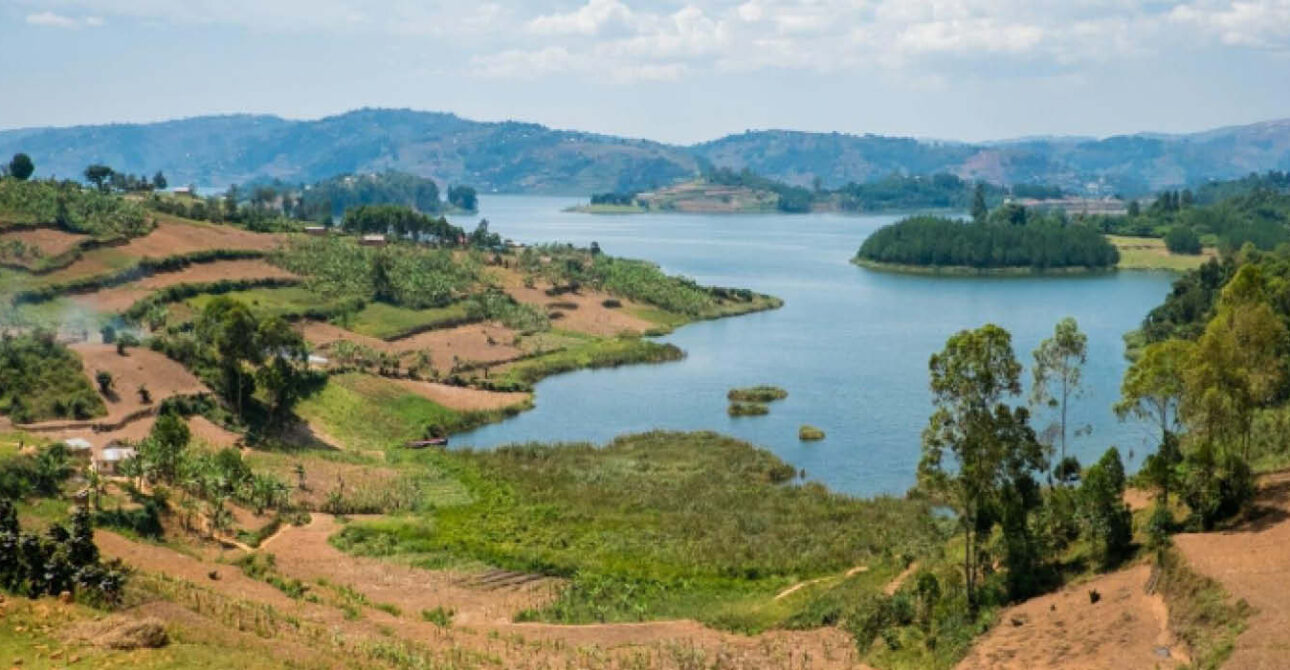
Lake Kivu provides a natural relaxation component after the physical experience of gorilla trekking. The lake’s scenic shoreline, hills and water-based activities offer a different pace from hiking through Volcanoes National Park.
Travellers can combine gorilla trekking with time around destinations such as Rubavu or the Lake Kivu shoreline, depending on the route and length of the safari. Activities can include boat experiences, kayaking, lakeside relaxation and scenic exploration.
How Many Days Do You Need in Rwanda?
The number of days needed depends on how much of Rwanda you want to experience around the gorilla trek. A short itinerary can focus on Kigali and Volcanoes National Park, while a longer safari can add Akagera, Nyungwe or Lake Kivu.
Travellers interested in several national parks should allow enough time for the transfers between regions rather than trying to fit too many experiences into a few days. As a general planning approach, 3–4 days can work for a focused gorilla experience, while 6–9 days or more provides considerably more flexibility for combining gorilla trekking with other parts of Rwanda.
Can Gorilla Trekking Be a Short Rwanda Safari?
Yes. Gorilla trekking can form the centrepiece of a short Rwanda safari. A compact itinerary can include arrival in Kigali, transfer to Volcanoes National Park, an overnight stay near the park, gorilla trekking the following morning and a return to Kigali. Adding golden monkey tracking or another local experience can extend the trip without requiring a full countrywide circuit.
What Else Can You Experience Around Volcanoes National Park?
Gorilla trekking is the main wildlife experience around Volcanoes National Park, but it is not the only reason to spend time in the Virunga region. Travellers with additional time can combine their trek with primate tracking, mountain activities and cultural experiences.
These activities provide different ways to experience the landscape. Golden monkey tracking focuses on another primate species, volcano hiking takes you into the high mountain environment, while the Dian Fossey experience explores the history of gorilla conservation.
Golden Monkey Tracking
Golden monkey tracking offers a different primate experience in the Virunga landscape. Unlike gorilla trekking, the focus is on the endangered golden monkey, a lively species associated with the bamboo forests of the region. The activity involves walking through the forest with guides and trackers while looking for the monkeys in their natural habitat.
Their movement can make the experience more active and fast-paced than observing a gorilla family. For travellers already planning gorilla trekking, golden monkey tracking can be a natural addition, particularly for those interested in primates and forest ecosystems.
Volcano Hiking
The volcanic landscape around Volcanoes National Park provides opportunities for travellers who want to experience the mountains more directly. Hiking routes lead into the Virunga highlands and offer a different physical challenge from gorilla trekking. Volcano hiking is particularly appealing to travellers interested in landscapes, altitude and outdoor adventure.
The experience can also provide a greater appreciation of the volcanic environment surrounding the gorilla habitat. It should, however, be treated as a separate mountain activity rather than an extension of gorilla trekking. Travellers considering both should allow enough time for recovery between demanding activities.
Dian Fossey Experience
The Dian Fossey experience provides an opportunity to learn about one of the most important figures in the history of mountain gorilla conservation. The experience is centred on the work of Dian Fossey and the former Karisoke Research Centre, established in the Virunga Mountains.
Visitors can learn about her research, conservation efforts and the continuing importance of protecting mountain gorillas and their habitat. For travellers interested in the history and conservation story behind gorilla tourism, this experience adds context to the trek itself. It works particularly well before or after gorilla trekking because it connects the forest experience with the history of mountain gorilla research and conservation.
Cultural Experiences
Cultural experiences around the Volcanoes region provide another way to understand the communities and traditions connected to the landscape. Travellers can incorporate community visits, traditional performances, craft experiences and other locally led activities into a wider Rwanda itinerary.
These experiences can complement gorilla trekking by providing a perspective beyond wildlife and protected forests. The strongest cultural experiences are those that involve local communities directly and allow travellers to learn rather than simply observe.
Responsible Gorilla Trekking in Rwanda
Gorilla trekking is carefully managed to protect mountain gorillas, their habitat and the quality of the visitor experience. The best approach is simple: follow your tracking team’s guidance, give the gorillas space and behave quietly and respectfully throughout the encounter. For the complete and current visitor guidance, see the Rwanda Development Board Gorilla Tracking Booking Portal.
Follow Ranger Instructions
Your guides and trackers understand the behaviour of the gorilla family you are visiting and manage the encounter accordingly. Follow their instructions when approaching, observing or leaving the gorillas.
If the animals move, vocalise or react unexpectedly, remain calm and follow the guidance of the tracking team. The safest encounter is one in which visitors allow the guides to determine how the group should move and behave around the gorillas.
Maintain the Required Distance
Visitors should maintain a minimum distance of 7 metres from the gorillas. This helps reduce the risk of disease transmission and gives the animals appropriate space. If a gorilla moves closer to you, do not attempt to approach or touch it. Remain calm and follow your guide’s instructions. The objective is to observe the animals without interfering with their natural behaviour.
Avoid Trekking When Sick
Do not go gorilla trekking if you have a cold, flu or another contagious illness. Mountain gorillas can be vulnerable to human respiratory infections, making disease prevention an important part of responsible tourism. The work of Gorilla Doctors in monitoring and protecting the health of wild gorillas highlights why these precautions matter. If you become sick before your trek, inform your safari operator rather than arriving at the park and attempting to continue.
Keep Your Voice Low
Once you reach the gorilla family, keep your voice low and avoid unnecessary noise. Gorillas are wild animals and should not be treated like performers in a staged wildlife encounter. Avoid shouting, calling to the gorillas or making sudden movements. Quiet observation allows you to watch their behaviour without creating unnecessary disturbance.
Do Not Use Flash Photography
Photography is permitted during gorilla trekking, but flash photography should not be used around the gorillas. Turn your flash off before approaching the family and avoid allowing photography to distract you from the experience or cause you to move closer than permitted. A good photograph is never more important than the welfare of the animals. Follow your guide’s instructions about positioning and camera use throughout the viewing period.
Protect the Forest
The forest is the gorillas’ habitat, so visitors should leave it as they found it. Do not litter, leave food or other objects behind, damage vegetation or take natural items from the forest. Keep personal waste securely in your daypack until it can be disposed of appropriately. Stay with your group and follow the guidance of the tracking team throughout the trek.
Support Conservation and Local Communities
Gorilla tourism creates an important connection between visitors, conservation and communities around Volcanoes National Park. Responsible travellers can strengthen that connection by choosing legitimate tourism services and spending locally where appropriate. The Dian Fossey Gorilla Fund contributes to gorilla protection, research and community programmes in the region.
Learning about this work helps visitors understand that gorilla conservation extends far beyond the few hours spent on the trekking trail. Hiring a porter, using local services and purchasing appropriate locally made crafts can also help tourism benefits reach communities living around the destination.
FAQs About Gorilla Trekking in Rwanda
For international visitors, the standard Rwanda gorilla trekking permit is US$1,500 per person per day. The permit is separate from accommodation, transport, meals and other safari costs. Special rates may apply to eligible residents and regional travellers, subject to current Rwanda Development Board conditions.
Gorilla trekking in Rwanda takes place in Volcanoes National Park, in the Virunga Mountains of northern Rwanda. Trekkers normally gather at the park headquarters in Kinigi before receiving their briefing and entering the forest with guides and trackers.
The minimum age for gorilla trekking in Rwanda is 15 years. Travellers aged 15 and above must also be physically prepared for a mountain trek and able to follow the health and visitor requirements for the experience.
Gorilla trekking can be physically demanding because Volcanoes National Park has steep, uneven and sometimes muddy terrain at high altitude. The difficulty varies according to the location of the assigned gorilla family. Good fitness, proper footwear and a steady pace are important.
There is no fixed trekking duration. The walk can be relatively short or take several hours depending on where the assigned gorilla family is located. Once the gorillas are found, the viewing period is limited to one hour.
Wear sturdy hiking boots or walking shoes, long trousers, long sleeves and protective clothing suitable for dense vegetation and changing weather. Gardening or trekking gloves can help protect your hands, while a lightweight waterproof jacket is useful in the forest.
Pack drinking water, a small snack, waterproof protection, a camera, extra layers and any personal medication you need. A small daypack is usually sufficient, and a porter can help carry it. Eating and drinking are not permitted close to the gorillas.
Gorilla trekking is possible throughout the year. Drier periods can make forest trails easier to manage, while wetter periods can bring muddier conditions but lush forest scenery. The best timing depends on your wider Rwanda itinerary, preferred conditions and travel flexibility.
From Kigali, travellers normally drive to Musanze, which is approximately 90 minutes by road, before continuing to Kinigi for the gorilla trekking experience. Trekkers should stay close enough to reach the Kinigi briefing point early on the morning of the trek.
Yes. Combining gorilla trekking in Volcanoes National Park with Akagera National Park creates a strong contrast between mountain gorillas and Rwanda’s savannah wildlife. The combination works particularly well for travellers with several days available for a broader Rwanda safari.
Yes. A Rwanda itinerary can combine gorilla trekking in Volcanoes National Park with Nyungwe National Park. The two destinations provide very different forest experiences, with Nyungwe adding chimpanzee tracking, primates, birding and rainforest activities to the mountain gorilla experience.
Yes. Njagi Safaris can arrange Rwanda gorilla trekking safaris, including permit coordination, accommodation, transport, guiding and a wider Rwanda itinerary built around your travel plans. Explore our Rwanda Gorilla Safaris to see available options or contact us to plan a tailor-made experience.
Explore Gorilla Trekking by Country
Gorilla trekking is available in both Uganda and Rwanda, with each destination offering its own forest environment, trekking setting and safari possibilities. Explore the country-specific guides below or compare the two destinations through our regional gorilla trekking guide.
- Gorilla Trekking in Uganda: Explore gorilla trekking in Bwindi Impenetrable National Park and Mgahinga Gorilla National Park, including permits, trekking conditions, preparation and planning.
- Gorilla Trekking in Uganda and Rwanda: Compare the gorilla trekking experiences in Uganda and Rwanda, including the Virunga landscape, trekking settings, planning considerations and opportunities to combine both countries.
Explore Our Rwanda Gorilla Safaris
Ready to turn your Rwanda gorilla trekking plans into a complete safari? Explore our Gorilla Trekking Safaris for professionally planned journeys to Volcanoes National Park, with options to combine gorilla trekking with Rwanda’s wildlife, forests, lakes and cultural experiences.
Our Rwanda itineraries can be adapted around your travel dates, preferred accommodation level, interests and available time.
Explore our Gorilla Trekking Safaris or browse the gorilla safari packages below.

Rwanda Explorer

Rwanda Sovereign

The Thousand Hills
Prefer a Custom Gorilla Safari?
Every traveller has different priorities, from the preferred trekking experience and accommodation level to safari duration, wildlife experiences and time available for travel. If you already know your preferred travel dates and gorilla trekking destination, we can build a private Rwanda safari around your interests. If you are still deciding, we can help shape the route around your available time and the experiences you want to include.
Start Planning Your Rwanda Gorilla Safari
Tell us about your preferred travel dates, number of travellers, accommodation preferences and the experiences you would like to combine with gorilla trekking. Our team can then help develop a private Rwanda gorilla safari around your requirements.