Cycling in Uganda and Rwanda
Cycling in Uganda and Rwanda offers an active way to experience landscapes, communities, wildlife areas and rural life at a slower, more personal pace. Instead of travelling entirely by vehicle, you experience the changing scenery directly from the saddle, with routes ranging from gentle countryside rides to more demanding mountain-bike trails.
In Uganda, cycling experiences can include wildlife-focused rides in Lake Mburo, countryside cycling around Jinja, mountain biking around the Mount Elgon and Sipi areas, and longer tailor-made journeys connecting several destinations. Rwanda offers rolling countryside, hill routes, Lake Kivu scenery and the renowned Congo Nile Trail.
What Is Cycling as a Safari Experience?
Cycling as a safari experience combines bicycle travel with opportunities to explore natural landscapes, rural communities, wildlife areas and cultural settings. Depending on the route, a ride may last for a few hours, a full day or form part of a multi-day journey. The experience is different from travelling entirely by safari vehicle. Cycling brings you closer to the landscape and allows more time to notice village life, farms, changing terrain and small details along the route.
A cycling safari does not necessarily mean cycling every kilometre of a trip. Longer journeys can combine cycling with vehicle transfers and other safari activities, allowing the route to match the traveller’s interests, fitness level, available time and logistics.
Where Can You Experience Cycling in Uganda?
Uganda offers several settings for cycling in Uganda, from wildlife areas and riverside landscapes to rural roads, mountain foothills and community routes. The experience can range from wildlife-focused cycling to mountain biking, countryside rides and longer tailor-made cycling journeys.
Lake Mburo National Park
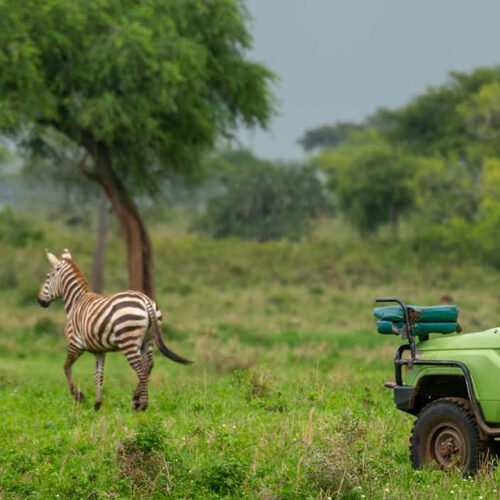
Lake Mburo is particularly significant for wildlife cycling in Uganda, offering opportunities to cycle alongside wildlife such as zebra and impala. The park’s landscape provides a distinctive setting for experiencing Uganda’s savannah environment from a bicycle. Cycling around Lake Mburo can be combined with other safari activities, creating an active alternative or complement to conventional game viewing.
Jinja and the Nile Countryside
Jinja provides opportunities for bike tours in Uganda through countryside and communities around the Nile. Mountain biking can take riders along riverside routes and through surrounding villages and rural landscapes. A Jinja cycling experience can also be combined with other activities around the Source of the Nile and the wider Jinja area.
Mount Elgon and Sipi
The Mount Elgon and Sipi area offers a different cycling environment, with mountain-bike routes associated with coffee-growing landscapes, escarpments and changing elevation. The combination of mountain scenery, agricultural landscapes and rural communities creates opportunities for more active cycling experiences.
Karamoja
Karamoja can form part of longer, tailor-made cycling safaris in Uganda, particularly for travellers interested in remote landscapes, cultural encounters and extended cycling journeys. Our cycling itineraries can incorporate Karamoja alongside destinations such as Kidepo, Mount Elgon, Lake Mburo and Jinja.
Where Can You Experience Cycling in Rwanda?
Cycling in Rwanda is closely associated with the country’s hilly landscapes, rural roads, Lake Kivu and long-distance cycling routes. The combination of rolling terrain, scenic countryside and rural communities creates opportunities for travellers interested in mountain biking, scenic cycling and longer-distance journeys.
The Congo Nile Trail
The Congo Nile Trail is one of Rwanda’s best-known long-distance cycling routes. It extends approximately 227 kilometres from Rubavu to Rusizi, following the landscape around the eastern side of Lake Kivu.
The full route can be experienced as a multi-day cycling journey, while individual sections can be incorporated into shorter itineraries.
The route combines cycling with views of Lake Kivu, hills, villages, plantations and rural communities, making it suitable for travellers looking for a longer cycling safari in Rwanda.
Lake Kivu
Lake Kivu provides an important setting for mountain biking in Rwanda, particularly along sections of the Congo Nile Trail. The combination of hills, lake views and rural settlements creates opportunities for scenic and community-focused cycling.
Cycling around Lake Kivu can also form part of a broader Rwanda itinerary, allowing travellers to combine active exploration with other experiences in the region.
Kigali and Musanze
Rwanda’s cycling experiences extend beyond the Congo Nile Trail. Kigali and Musanze can serve as starting points or components of cycling itineraries, from shorter rides to longer journeys through the surrounding countryside.
Types of Cycling Experiences in Uganda and Rwanda
Cycling can be designed around different interests, from wildlife and landscapes to fitness, culture and longer-distance exploration.
Wildlife Cycling
Wildlife cycling brings the bicycle into a safari setting, with Lake Mburo providing an important example in Uganda. It can offer a slower-paced way to experience savannah landscapes and observe wildlife from the cycling route.
Mountain Biking
Mountain biking involves more demanding terrain, including hills, uneven tracks, climbs and descents. Uganda’s Mount Elgon and Sipi areas and Rwanda’s hilly countryside provide settings for travellers seeking more physically active cycling experiences.
Countryside Cycling
Countryside cycling follows rural roads and tracks through agricultural landscapes, villages and open countryside. It provides opportunities to observe everyday life, farms, landscapes and local movement at a slower pace.
Community Cycling
Community cycling combines riding with opportunities to encounter local communities and learn about rural life. The experience is most meaningful when visits are arranged respectfully and communities benefit appropriately from tourism.
Scenic Cycling
Scenic cycling focuses on landscapes rather than speed or distance. Lake Kivu, Uganda’s countryside, mountain foothills and lakeside routes can provide opportunities for photography, viewpoints and relaxed exploration.
Multi-Day Cycling
Multi-day cycling connects several destinations into a longer journey. These trips can combine cycling with safari vehicles, accommodation, wildlife activities, cultural experiences and other outdoor activities, depending on the route and programme.
How Far Do You Cycle During a Cycling Safari?
There is no single standard distance for a cycling safari. The daily distance depends on the terrain, route, cycling experience, weather, fitness level, available time and the purpose of the journey. A short experience may involve a few hours of cycling, while a full-day route can cover considerably more ground.
Multi-day journeys can be designed around selected cycling sections, with vehicle support used for longer transfers or sections that are less suitable for cycling. The Congo Nile Trail provides an example of long-distance cycling in Rwanda: its full route covers approximately 227 kilometres and takes about five days by bicycle according to Visit Rwanda. Individual stages can also be completed independently of the full route.
Cycling in Uganda vs Rwanda: How Do the Experiences Differ?
Uganda and Rwanda offer different cycling environments within a wider East African safari context. Uganda provides opportunities to combine cycling with wildlife destinations, countryside routes, mountain landscapes and longer safari circuits. Lake Mburo is particularly notable for wildlife cycling, while Jinja offers riverside and community-oriented cycling experiences.
Rwanda is especially suited to hilly countryside cycling and long-distance routes around Lake Kivu. The Congo Nile Trail provides a clearly defined multi-day cycling experience across approximately 227 kilometres from Rubavu to Rusizi.
How Do You Arrange a Cycling Safari in Uganda or Rwanda?
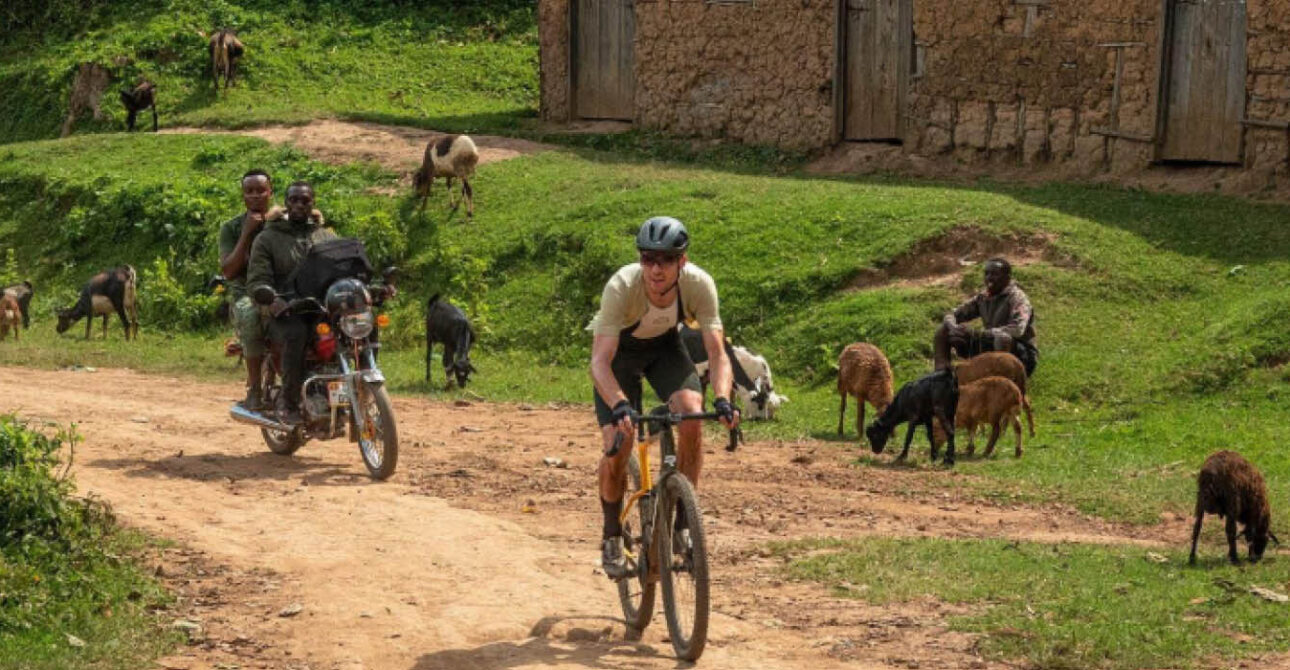
A cycling experience can be planned as a short activity, a full-day excursion or part of a longer safari. The itinerary should consider the cycling route, accommodation, transfers, equipment, guide support and any additional safari activities. For longer journeys, cycling does not have to cover the entire route.
Vehicle transfers can connect cycling sections, wildlife activities, accommodation and other destinations. This makes it possible to build an itinerary around your preferred level of cycling. At Njagi Safaris, cycling can be incorporated into a tailor-made Uganda or Rwanda itinerary based on your interests, available time and preferred safari style. Read. Adventure Activities in Uganda and Rwanda | Traveller’s Guide.
When Is the Best Time for Cycling in Uganda and Rwanda?
Cycling can be planned throughout the year, but route conditions vary with rainfall, terrain and elevation. Drier periods can make some unpaved routes easier to navigate, while wetter conditions can create muddier or more demanding surfaces. Uganda’s relatively drier periods generally fall around June to August and December to February, while wetter periods commonly occur around March to May and September to November.
The most suitable timing also depends on the specific destination. A short countryside ride, a wildlife cycling experience in Lake Mburo and a multi-day mountain-bike journey in Rwanda may have different practical considerations For a broader look at seasonal conditions, Explore Best Time to Visit Uganda. Before confirming a route, we consider the destination, seasonal conditions, cycling distance, terrain and the wider safari programme.
How Difficult Is Cycling in Uganda and Rwanda?
Cycling difficulty varies considerably between routes. A gentle countryside ride may be suitable for travellers with basic cycling experience, while mountain biking and long-distance routes can require stronger fitness, endurance and confidence on uneven terrain. Hills, elevation, road surfaces, heat, distance and weather can all affect the physical demands of a ride.
The Congo Nile Trail, for example, crosses Rwanda’s hilly western landscape and is designed as a substantial multi-day cycling journey. Your itinerary should therefore be matched to your experience, fitness and preferred pace rather than simply the destination name.
What Equipment Is Used for Cycling Safaris?
Equipment depends on the route and cycling style, but a properly planned cycling experience should account for the bicycle, helmet, water and basic repair requirements. For mountain-bike routes, appropriate tyres and a suitable bicycle are particularly important.
Longer journeys may also require arrangements for luggage, vehicle support, spare parts and additional equipment. Travellers should confirm what is provided before departure and bring personal items such as comfortable cycling clothing, suitable footwear, sunglasses, sun protection and any personal cycling accessories they prefer to use.
What Should You Wear and Carry for a Cycling Safari?
Wear comfortable, breathable clothing suitable for active travel and changing weather conditions. Padded cycling shorts can improve comfort on longer rides, while gloves, sunglasses and suitable footwear can be useful. Carry water, sun protection and personal essentials in a secure day pack or cycling bag.
For longer rides, additional snacks and personal medication may be appropriate. The exact packing list depends on the route, duration, accommodation arrangements and level of support included in the itinerary.
How Do You Prepare for a Cycling Safari?
Preparation should begin with an honest assessment of your cycling experience and fitness. If you rarely cycle, start with shorter rides before attempting a demanding multi-day route. Before departure, understand the expected terrain, approximate riding time, elevation, support arrangements and accommodation.
Travellers should also be prepared for changing weather and variations in road or trail conditions. For multi-activity safaris, allow sufficient recovery time between demanding cycling days and activities such as hiking, trekking or long vehicle transfers.
Responsible Cycling and Community Tourism
Responsible cycling means respecting the landscapes, wildlife and communities through which you travel. Stay on designated routes, avoid unnecessary disturbance to wildlife, carry waste with you and follow the instructions of local guides and park authorities.
For travellers interested in the wider cycling community in Uganda, the Uganda Cycling Association provides a useful reference for the country’s organized cycling sector. In Rwanda, responsible cycling also connects with the country’s established cycling community. The Rwanda Cycling Federation oversees the development and promotion of cycling in the country, including road cycling, mountain biking and other disciplines.
Community encounters should be approached respectfully. Ask before photographing people, support locally owned businesses where appropriate and avoid treating communities simply as attractions. Regional initiatives such as the Great African Cycling Safari demonstrate how cycling can connect tourism with community engagement, cultural exchange, environmental stewardship and sustainable mobility.
Can Cycling Be Combined With Other Safari Activities?
Yes. Cycling can form one component of a broader Uganda or Rwanda itinerary rather than the entire holiday. In Uganda, cycling can be combined with wildlife viewing, game drives, boat experiences, cultural activities, forest experiences and other outdoor adventures.
Longer cycling itineraries already demonstrate how cycling can be combined with activities such as gorilla trekking, chimpanzee tracking, game drives and boat cruises. In Rwanda, cycling can be combined with hiking, Lake Kivu experiences, gorilla trekking, wildlife safaris and cultural experiences.
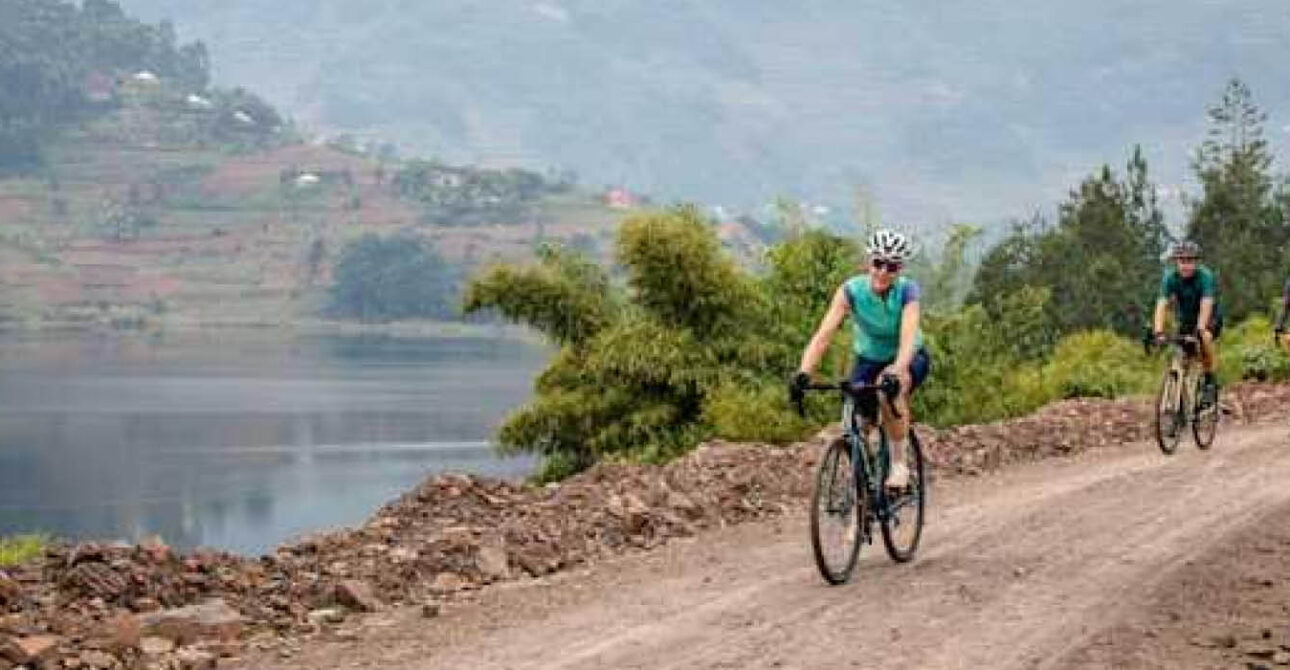
Related Adventure Experiences
Explore more active experiences across Uganda and Rwanda:
- Canoeing in Uganda and Rwanda
Explore lakes and waterways through a quieter, paddle-based adventure. - White Water Rafting in Uganda and Rwanda
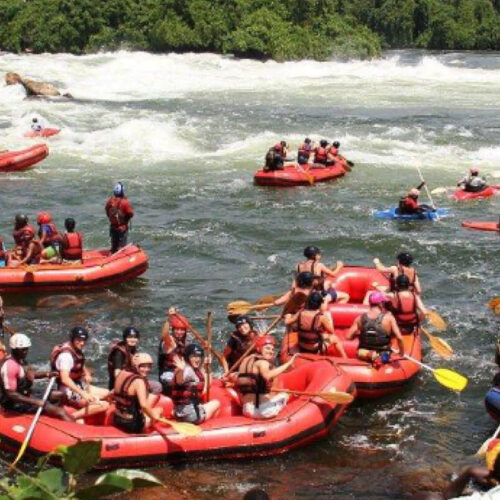
Experience the rivers of the region through a more intensive water-based adventure. - Adventure Safaris in Uganda and Rwanda
Explore the wider collection of active and outdoor experiences available across both countries.
Frequently Asked Questions About Cycling in Uganda and Rwanda
Yes. Beginners can start with shorter, less demanding routes. The appropriate experience depends on fitness, cycling confidence, terrain and distance. A tailor-made itinerary can use shorter cycling sections and vehicle transfers to create a comfortable introduction to cycling in Uganda or Rwanda.
Family cycling can be arranged around suitable routes, ages, fitness levels and available equipment. Shorter countryside rides may be more appropriate than demanding mountain-bike routes. Families should discuss children’s cycling ability and support requirements when planning the itinerary.
A cycling experience can range from a few hours to several days. The appropriate duration depends on the destination and purpose of the trip. Rwanda’s Congo Nile Trail, for example, is approximately 227 kilometres and takes about five days by bicycle in its full itinerary.
Yes, in suitable locations. Lake Mburo is particularly associated with wildlife cycling in Uganda, where cycling experiences can take place in a savannah environment. Wildlife encounters are never guaranteed, and routes must follow applicable park and guide arrangements.
Yes. Cycling can be incorporated into a wider Uganda safari alongside wildlife viewing, cultural experiences, forest activities, boat trips and trekking. The cycling sections can be selected according to your interests, fitness and overall itinerary.
Yes. A combined Uganda and Rwanda itinerary can incorporate selected cycling experiences in both countries, with other safari activities connecting the route. The programme can be designed around your available time, preferred cycling intensity and destinations.
Why Choose Njagi Safaris for Your Cycling Experience?
Njagi Safaris can incorporate cycling into tailor-made Uganda and Rwanda itineraries, allowing the activity to work alongside wildlife, nature, cultural and scenic experiences. From a short cycling experience to a longer multi-destination safari, the itinerary can be structured around the experiences you want to include.
Nile Pulse

Rwanda Explorer
Savannah Crown
Plan Your Cycling Experience
Tell us your travel dates, group size, accommodation preference, cycling experience and what you would like to experience. Njagi Safaris can combine cycling with wildlife viewing, nature, cultural experiences and other Uganda or Rwanda safari activities to create a private itinerary around your interests. Explore Our Safari Collections.
Prefer a Custom Safari? Send Us Your Enquiry
Interested in combining cycling with other experiences? Tell us your travel dates, group size, accommodation preference and the experiences you would like to combine. Your Uganda or Rwanda safari can be customised around your interests.