Nature Tours in Uganda and Rwanda: Forests, Hiking & Nature Walks
Nature tours in Uganda and Rwanda offer travellers a different way to experience East Africa beyond traditional game viewing. Forests, mountains, wetlands, lakes and scenic trails create opportunities to explore natural environments on foot and at a more relaxed pace.
From guided nature walks and forest trails to hiking, mountain experiences and canopy walks, these journeys can be shaped around your interests, fitness, available time and preferred level of activity. Nature experiences can also complement wildlife viewing, primate encounters, birding, photography and cultural experiences, creating a more varied safari.
What Are Nature Tours?
Nature tours are journeys focused on experiencing natural environments through activities such as walking, forest exploration, hiking and scenic outdoor experiences. Instead of concentrating mainly on wildlife sightings from a vehicle, they give travellers time to observe the landscape, vegetation, smaller wildlife and surrounding environment more closely.
In Uganda and Rwanda, nature experiences range from gentle guided walks to forest trails, mountain hikes and more demanding outdoor activities. The experience can be adapted to the destination and the traveller, making nature tours suitable as a dedicated journey or as part of a wider safari.
What Makes Uganda and Rwanda Good Nature Destinations?
Uganda and Rwanda offer a diverse combination of forests, mountains, wetlands, lakes, rivers and protected natural landscapes within relatively varied travel routes. Uganda provides opportunities ranging from forest and nature walks to mountain experiences in areas such as the Rwenzori Mountains. Rwanda offers forest and mountain experiences across destinations including Nyungwe, Volcanoes and the Lake Kivu region.
The two countries also make it possible to combine nature with other interests. A forest experience can connect naturally with chimpanzee tracking, gorilla trekking or birding, while hiking and scenic walks can form part of a wider wildlife, photography, cultural or adventure itinerary.
What Can You Experience on a Nature Tour?
A nature tour can be as gentle or active as you prefer. Short nature walks provide an opportunity to explore forests, wetlands and other natural environments on foot, while forest walks offer closer contact with vegetation, birds, butterflies, primates and the sounds of the surrounding ecosystem.
For travellers seeking greater physical activity, options can include hiking, mountain trails, volcano experiences, peak climbing and canopy walks. You can also combine several experiences within one itinerary, creating a journey that moves from forests and mountains to wildlife areas, lakes and other scenic landscapes.
What Nature Experiences Can You Have?
Nature experiences in Uganda and Rwanda range from gentle walks through forests and wetlands to more active mountain and highland adventures. The right experience depends on the landscape, your interests, available time and the level of physical activity you want from the journey.
Explore the featured experiences below to see how different activities can become part of a wider Nature Tour Experiences.
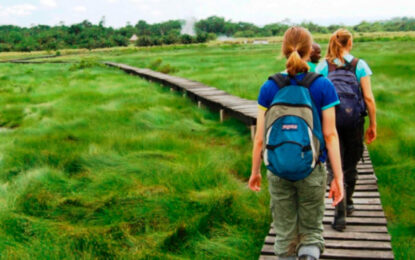
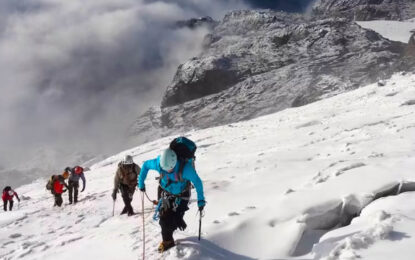
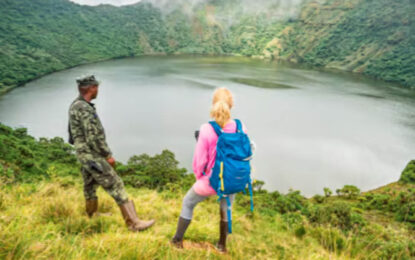
Nature Tours in Uganda
Uganda offers a wide range of nature experiences across tropical forests, mountains, wetlands, lakes and savannah landscapes. Nature tours in Uganda can be shaped around gentle walks, forest exploration, hiking or more demanding mountain experiences, with opportunities to combine nature with wildlife, primates, birding and cultural experiences. Uganda’s protected areas collectively contain forest, montane, savannah, woodland and wetland habitats, creating considerable variety for nature-focused travel.
Forest and Primate Landscapes
Bwindi Impenetrable National Park offers immersive forest experiences that can be combined with Gorilla Trekking, birding and guided walks. Kibale Forest National Park is particularly suited to forest exploration alongside Chimpanzee Tracking and primate experiences. Mgahinga Gorilla National Park adds montane forest, volcanic landscapes and opportunities to combine nature with Gorilla Trekking and Golden Monkey Tracking.
Mountain and Highland Landscapes
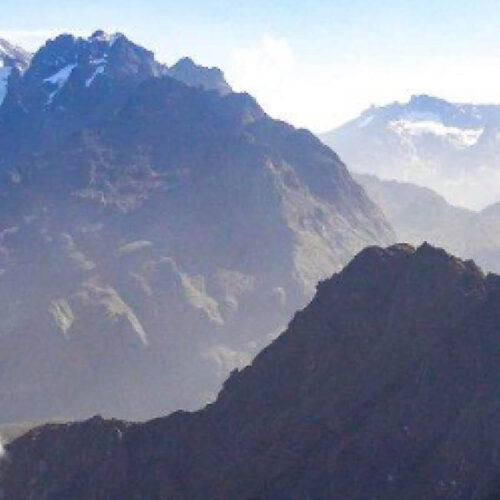
Uganda’s mountain environments provide opportunities for hiking, forest exploration and longer outdoor journeys. The Rwenzori Mountains offer a particularly varied landscape, extending from forest and bamboo zones to higher-altitude environments, with both shorter nature walks and demanding mountain treks available. Other highland areas can also be incorporated into nature-focused itineraries depending on the preferred level of activity.
Savannah, Wetland and Lakeside Nature
Nature experiences in Uganda are not limited to forests and mountains. Murchison Falls National Park combines savannah with the Nile and surrounding natural landscapes, while Queen Elizabeth National Park brings together savannah, wetlands, lakes and the Kazinga Channel. Lake Mburo National Park adds open landscapes, wetlands and lakeside environments, providing a different setting for walking and nature exploration.
Where to Experience Nature in Uganda
- Bwindi Impenetrable National Park — Explore forest landscapes and combine nature walks with gorilla, birding and cultural experiences.
- Kibale Forest National Park — Discover tropical forest environments alongside chimpanzee and primate experiences.
- Mgahinga Gorilla National Park — Experience montane forest and volcanic landscapes with opportunities for gorilla and golden monkey experiences.
- Rwenzori Mountains National Park — Choose from forest and foothill walks to more demanding mountain trekking through distinctive highland environments.
- Murchison Falls National Park — Combine savannah, the Nile, wildlife and scenic landscapes within a broader nature itinerary.
- Queen Elizabeth National Park — Experience the combination of savannah, wetlands, lakes and scenic views alongside wildlife and boat experiences.
- Lake Mburo National Park — Explore a compact landscape of grassland, woodland, wetlands and lakes that works well as part of a shorter nature or wildlife journey.
Nature Tours in Rwanda
Rwanda offers a compact range of nature experiences shaped by rainforest, volcanic mountains, lakes and rolling highland landscapes. Nature tours can focus on walking, hiking, forest exploration, primate encounters, scenic viewpoints or time around Lake Kivu, allowing travellers to experience Rwanda beyond traditional wildlife safaris.
Rainforest Experiences in Nyungwe
Nyungwe National Park provides some of Rwanda’s richest forest experiences, with montane rainforest, hiking trails, primates, birds and other forest wildlife. Visitors can combine guided nature walks with experiences such as the canopy walkway, chimpanzee tracking and specialised birding.
Volcano and Mountain Landscapes
Volcanoes National Park brings together dramatic volcanic scenery, montane forests and hiking opportunities in Rwanda’s north-west. The landscape can be explored through guided walks and mountain experiences, with gorilla and golden monkey trekking providing additional ways to experience the Virunga environment.
Lake Kivu and Western Rwanda
The Lake Kivu region combines water, forested hills, islands and scenic countryside, creating a different type of nature experience from Rwanda’s national parks. Travellers can explore the shoreline, enjoy boat experiences or incorporate lakeside scenery into a wider western Rwanda route.
Forest, Canopy and Walking Experiences
Nature tours in Rwanda can be experienced actively on foot, from rainforest trails in Nyungwe to mountain walks around the Virunga landscape. The canopy walkway in Nyungwe adds another perspective, taking visitors above the forest while hiking provides closer encounters with landscapes, vegetation, birds and other wildlife.
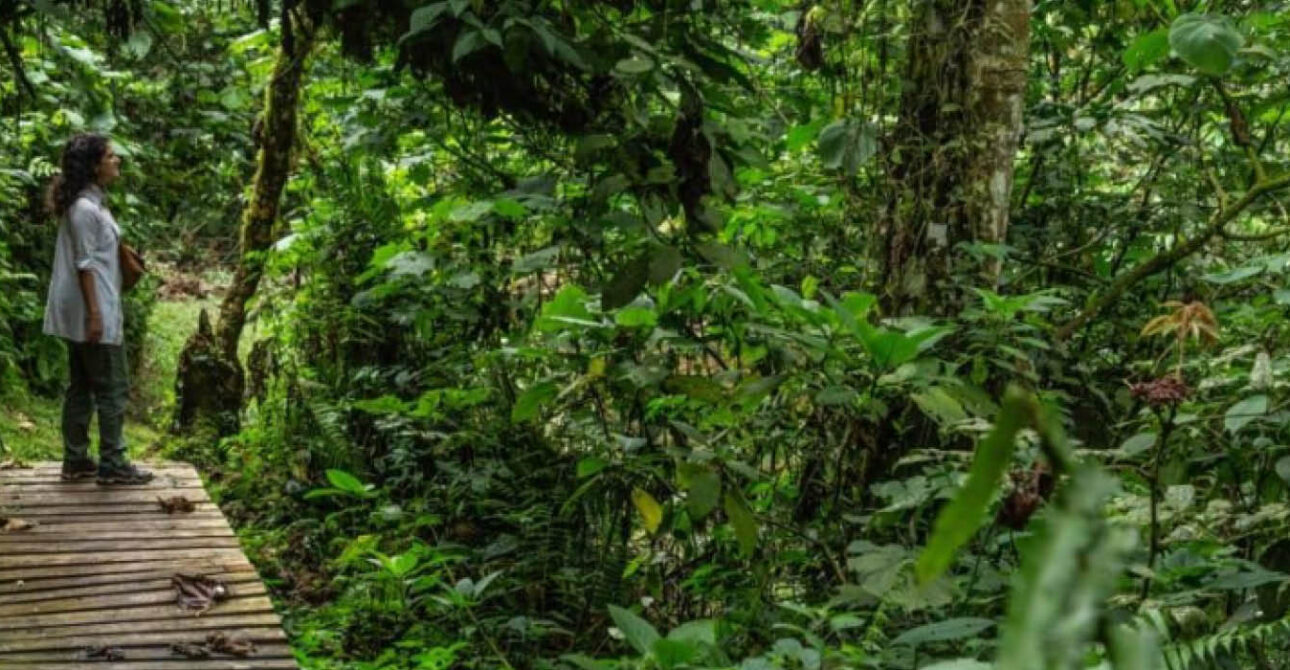
What Can You See on a Nature Tour?
A nature tour is about experiencing the natural environment as a whole, not simply searching for large animals. Forests, mountains, wetlands, rivers and lakes create opportunities to observe vegetation, birds, insects, primates, changing landscapes and the smaller details of an ecosystem. Uganda and Rwanda both offer this variety across their protected natural areas.
The experience can change with the destination and the way you explore it. A forest walk may reveal birds, butterflies and primates, while a mountain trail brings changing vegetation, valleys and views. Around wetlands and lakes, water, vegetation, birdlife and surrounding landscapes become part of the experience.
Forest Wildlife and Primates
Forests provide some of the most immersive nature experiences in Uganda and Rwanda. Along guided trails, you may encounter primates, birds and other forest wildlife while experiencing the vegetation, sounds and changing conditions of the forest. Bwindi, Kibale, Nyungwe, Volcanoes and Gishwati-Mukura offer different forest environments.
Birds, Butterflies and Smaller Wildlife
Nature walks can bring attention to wildlife that is often overlooked on conventional game drives. Birds, butterflies, insects, reptiles and other smaller creatures can become important parts of the experience, particularly in forest and wetland environments. Rwanda’s Nyungwe, for example, is noted for its birds, orchids, butterflies and other biodiversity.
Plants and Forest Ecosystems
Plants are an essential part of a nature experience. Walking through a forest allows you to observe different layers of vegetation, trees, vines, ferns and other plant life while learning how the ecosystem functions. The focus is less on ticking off species and more on understanding the environment surrounding you.
Mountains, Valleys and Waterfalls
Mountain landscapes add another dimension to nature travel, from forested slopes and highland trails to valleys, ridges and waterfalls. Hiking can provide changing views as the elevation and vegetation change. Uganda offers mountain experiences including the Rwenzori, while Rwanda’s volcanic and hilly landscapes create extensive opportunities for exploring on foot.
Lakes, Wetlands and Rivers
Water environments create distinctive nature experiences through lakes, wetlands, rivers and their surrounding habitats. They can support birdlife, aquatic ecosystems, vegetation and scenic viewpoints, while activities such as walking, boating or kayaking provide different ways to experience the landscape. Uganda and Rwanda both offer nature experiences connected to major lakes, rivers and wetlands.
Landscapes and Scenic Views
Sometimes the landscape itself is the experience. Forest canopies, volcanic slopes, rolling hills, open valleys, lakes and changing horizons create opportunities for photography, quiet observation and scenic exploration.
How Do You Choose a Nature Tour?
Nature tours can be adapted to different interests, fitness levels and available time. Some travellers prefer gentle walks focused on forests and scenery, while others want more active hiking or mountain experiences. You can also combine nature with wildlife, primates, birding or other safari activities to create a broader journey.
The right experience depends on the environment you want to explore and how actively you want to experience it. Uganda and Rwanda both provide options ranging from guided forest walks to mountain trails and elevated forest experiences. Rwanda’s Nyungwe, for example, combines hiking, forest exploration and canopy experiences, while Uganda’s Rwenzori region offers nature walks and more demanding mountain trekking.
Gentle Nature Walks
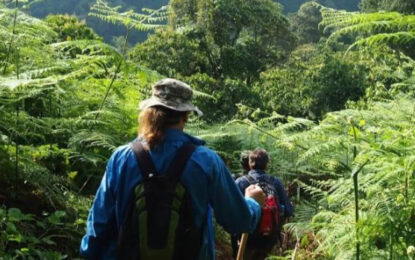
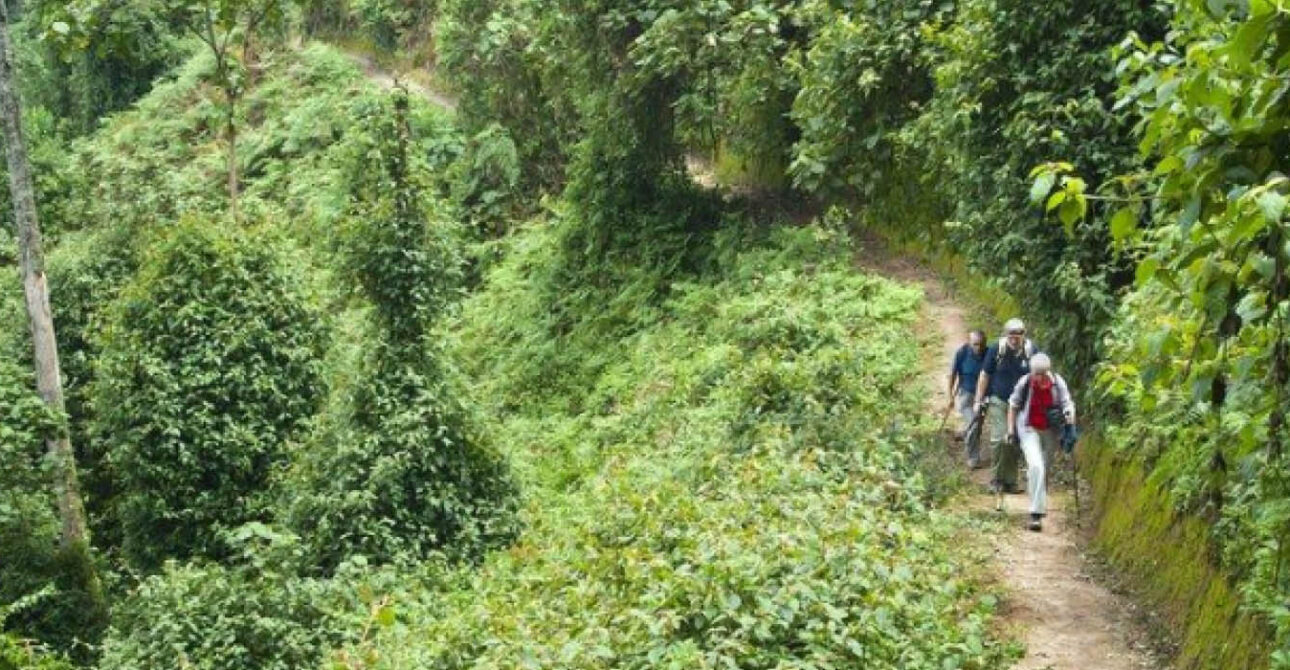
Gentle nature walks are suited to travellers who want to explore natural environments without making the journey primarily about physical challenge. Guided walks can focus on forests, wetlands, lakesides and other landscapes, allowing time to observe plants, birds, butterflies and smaller wildlife at a relaxed pace.
Forest and Primate Experiences
Forest and primate experiences combine nature exploration with opportunities to encounter monkeys, chimpanzees and other forest wildlife. The emphasis remains on the forest environment itself, including vegetation, sounds, trails and changing habitats. These experiences work particularly well in destinations such as Bwindi, Kibale and Nyungwe.
Hiking and Mountain Adventures
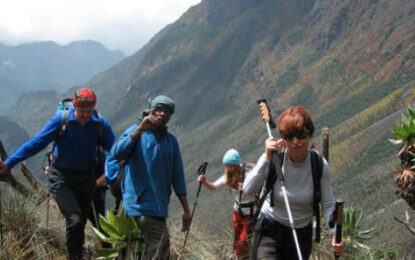
Hiking and mountain experiences are suited to travellers who want nature exploration to include greater physical activity. Routes can range from shorter highland walks to more demanding mountain journeys. Uganda’s Rwenzori landscape, for example, offers trekking through several vegetation zones and more challenging routes toward higher elevations.
Canopy and Elevated Forest Experiences
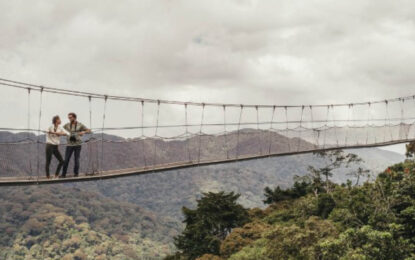
Canopy experiences provide a different perspective on forest ecosystems by taking the experience above the forest floor. In Rwanda’s Nyungwe National Park, the canopy walkway offers views across the rainforest while providing opportunities to observe the forest environment from an elevated position.
Nature and Wildlife
Nature and wildlife can be combined when you want to experience natural landscapes while also allowing time for animal viewing. A safari might include forest walks, game drives, boat experiences or primate encounters, creating a journey where wildlife is part of the wider environment rather than the only focus.
Uganda and Rwanda Combined
Combining Uganda and Rwanda allows you to experience different landscapes within one regional journey. A route can bring together Uganda’s forests, mountains, wetlands and wildlife areas with Rwanda’s rainforest, volcanic landscapes and Lake Kivu region. The itinerary can be structured around the nature experiences that best match your interests and available time.
How Do You Plan a Nature Tour?
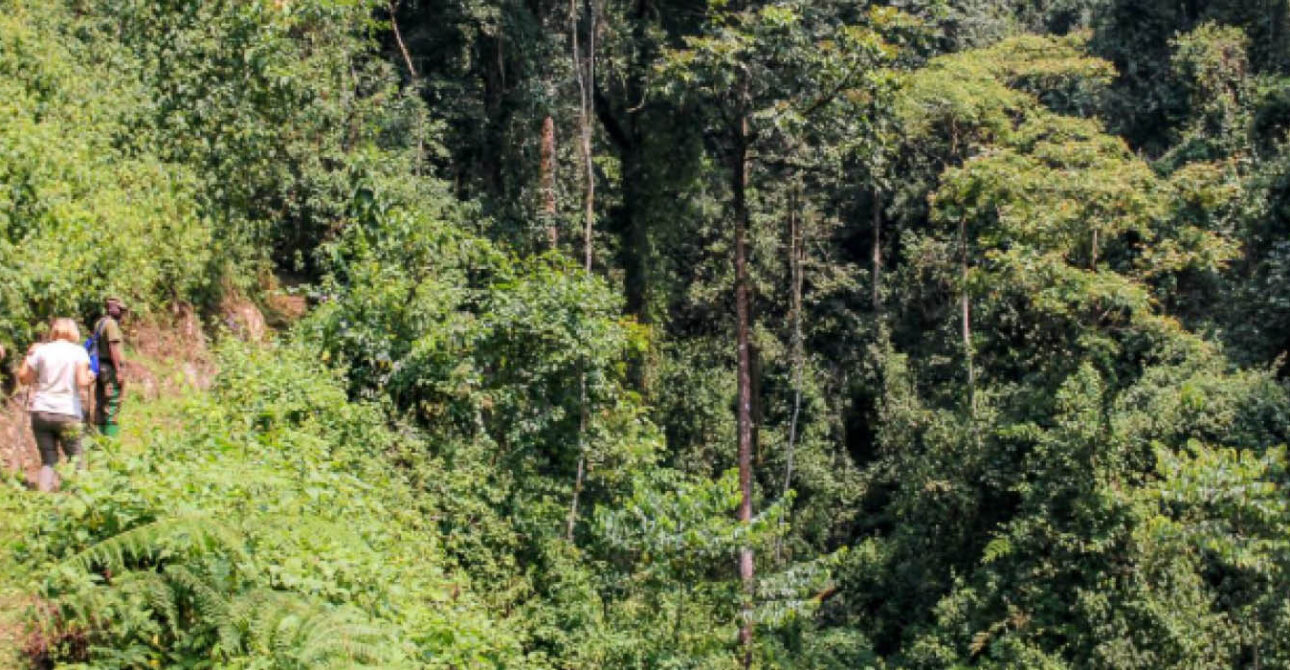
Planning a nature tour starts with matching the experience to your available time, fitness level and interests. A short forest walk requires different preparation from a mountain hike or multi-day trail. The destination also matters because terrain, weather, elevation and trail conditions can vary considerably.
Consider the type of environment you want to explore, the activities you want to combine and the level of physical activity you are comfortable with. Some experiences require a guide or permit, while others can be incorporated into a broader safari itinerary. Rwanda’s official tourism guidance, for example, notes that hiking experiences range from easy walks to demanding mountain trails, with guides and permits required for its protected-area hikes.
How Many Days Do You Need?
The time required depends on the experience. A guided nature walk can fit into a half-day or full-day itinerary, while forest exploration, mountain hiking or a multi-destination nature journey may require several days. Your available time should determine the number and location of experiences included.
What Is the Best Time for Nature Tours?
The best time depends on the destination and activity rather than a single season for all nature experiences. Trails can become wetter and more challenging during rainy periods, while drier conditions may make some routes easier to navigate. Always check current local conditions when planning hiking or forest activities.
How Difficult Are Nature Experiences?
Nature experiences range from gentle walks to demanding mountain hikes. Difficulty can be influenced by distance, elevation, terrain, weather and trail conditions. Rwanda’s hiking routes, for example, include easy trails as well as strenuous climbs such as Mount Karisimbi. Choose an experience that matches your fitness and preparation.
Do You Need a Guide?
Guiding requirements depend on the destination and activity. Protected-area hikes and specialised nature experiences may require an authorised guide and, in some cases, a permit. A guide can also help with navigation, interpretation of the environment and responsible behaviour on the trail.
What Should You Wear and Carry?
Wear comfortable clothing suitable for walking, sturdy footwear and layers that can adapt to changing conditions. A lightweight waterproof jacket, hat, water, sunscreen, insect repellent and a small daypack can be useful. For forest and mountain activities, your guide or operator can advise on destination-specific requirements.
Can Nature Tours Be Combined With Other Activities?
Yes. Nature experiences can form part of a wider itinerary combining wildlife viewing, birding, primate experiences, photography, cultural activities or adventure. Rwanda’s official tourism guidance specifically highlights combinations such as hiking with kayaking, canoeing, boat rides, cycling, bird watching and community activities.
How Can You Practise Responsible Nature Tourism?
Responsible nature tourism begins with respecting the environments you visit. Stay on designated trails, follow the instructions of guides and park staff, avoid disturbing wildlife or removing plants, and leave natural areas as you found them. In protected areas, follow the rules governing walking, photography, permits and other activities. The Uganda Wildlife Authority (UWA) manages Uganda’s protected areas with a focus on conserving wildlife and ecosystems while supporting tourism and community involvement.
Responsible travel also means recognising the connection between conservation, local communities and tourism. Use legitimate local services, respect communities and culturally important places, and avoid activities that place unnecessary pressure on natural environments. In Rwanda, the Rwanda Development Board (RDB) identifies conservation and sustainable tourism as important parts of its tourism and protected-area approach, including community participation around national parks. For broader destination information and sustainable tourism guidance in Uganda, travellers can also consult the Uganda Tourism Board (UTB).
FAQs About Nature Tours in Uganda and Rwanda
Nature tours focus on experiencing natural environments through activities such as nature walks, forest exploration, hiking, mountain trails and scenic experiences. Instead of concentrating mainly on animal sightings, they allow travellers to appreciate vegetation, landscapes, birds, smaller wildlife, rivers, wetlands and the character of different ecosystems.
Uganda offers a wide range of nature experiences, including forest walks, mountain hiking, nature walks and scenic exploration. Bwindi, Kibale, Mgahinga and the Rwenzori Mountains provide different environments, while wetlands, lakes and rivers add opportunities for walking, birding, photography and other outdoor experiences.
Rwanda’s nature experiences include rainforest walks in Nyungwe, canopy experiences, hiking around the volcanic landscape of Volcanoes National Park and scenic exploration around Lake Kivu. These can be combined with primate experiences, birding, photography and other activities depending on the destination and interests of the traveller.
Yes. Nature walks can be incorporated into itineraries in several parts of Uganda, including forest, wetland, lakeside and other natural environments. Depending on the destination, walks can range from relatively gentle trails to more demanding hikes, with the route selected according to your interests, available time and fitness.
Yes. Nature experiences can complement conventional wildlife safaris by adding forest walks, scenic exploration, wetlands, lakes and other environments to a journey. This creates a more varied itinerary in which game drives and wildlife viewing are combined with opportunities to experience the broader landscapes and ecosystems.
Yes. Gorilla trekking can be incorporated into a wider nature-focused journey, particularly in Uganda’s Bwindi or Mgahinga landscapes and Rwanda’s Volcanoes region. The itinerary can combine the gorilla experience with forest walks, hiking, birding, photography or other nature activities based on your available time and interests.
Nature tours can be suitable for families when the experience is matched to the ages, interests and physical abilities of the travellers. Gentle walks, scenic experiences and shorter trails may be appropriate for some families, while demanding mountain hikes require greater physical preparation and careful consideration of individual fitness.
The most suitable period depends on the destination, trail and type of hike. Drier conditions can make some trails easier to navigate, while wetter periods may bring slippery or muddy sections. Mountain weather can change quickly, so current conditions and destination-specific guidance should always be considered before setting out.
Carry comfortable walking shoes, suitable clothing, drinking water and a small daypack. A waterproof jacket, hat, sunscreen and insect repellent can also be useful. For longer or more demanding trails, additional equipment may be required, so check the specific requirements of the destination and follow your guide’s advice.
Yes. Uganda and Rwanda can be combined into a regional nature journey covering different forests, mountains, lakes and other landscapes. A route might connect Uganda’s forest and mountain experiences with Rwanda’s Nyungwe, Volcanoes or Lake Kivu region, depending on the activities, travel time and border arrangements required.
Explore Nature Experiences
Explore individual nature experiences across Uganda and Rwanda, from gentle forest walks to more active mountain and volcanic trails. Choose an experience based on the landscape you want to explore, the level of activity you prefer and the time available.
- Explore Nature Walks — Discover forests, wetlands and other natural environments on foot, with time to observe plants, birds, butterflies, smaller wildlife and surrounding landscapes.
- Explore Forest Walks — Enter Uganda and Rwanda’s forest environments on guided trails where vegetation, birdlife, primates and the sounds of the forest become part of the experience.
- Explore Hiking — Experience hills, mountains and highland landscapes on foot, with routes ranging from shorter walks to more demanding trails.
- Explore Canopy Walks — Experience the forest from above the ground, combining elevated views with opportunities to observe vegetation, birds and the surrounding landscape.
- Explore Peak Climbing — Take on more demanding mountain environments where greater preparation, physical effort and time are required to reach higher elevations.
- Explore Volcano Hiking — Explore volcanic landscapes and mountain environments through guided trails that combine physical activity with forest, highland scenery and expansive views.
Explore Wildlife and Birding Experiences
Nature experiences can be combined naturally with wildlife, primate and birding activities. Explore Wildlife Viewing for broader wildlife experiences, Gorilla Trekking and Chimpanzee Tracking for forest-based primate encounters, or Birding and Bird Watching for more focused observation of Uganda and Rwanda’s birdlife. Photography can also be added when landscapes, wildlife, birds or forest environments are an important part of the journey.
Explore Adventure and Scenic Experiences
Nature can also be combined with more active and scenic experiences. Explore Adventure for a wider range of outdoor activities, or add Cycling, Boat Safari and other water-based experiences to a nature-focused itinerary. For travellers exploring Jinja and central Uganda, a City Tour or Source of the Nile Visit can add cultural and scenic experiences to the journey.
Why Choose Njagi Safaris for Nature Tours?
Nature travel requires more than connecting destinations on a map. The experience can vary from a gentle forest walk to a demanding mountain journey, so the itinerary needs to reflect your available time, interests, fitness level and preferred pace. Njagi Safaris can help coordinate nature-focused journeys across Uganda and Rwanda around the environments and experiences you want to explore.
Nature can also form part of a wider safari rather than standing alone. A journey can combine forest walks, hiking, canopy experiences or mountain trails with wildlife viewing, primate experiences, photography, cultural activities and scenic travel. The route can be structured to give you time to experience the landscapes themselves, rather than simply travelling between individual attractions.
Explore Our Nature Experiences
Explore our Nature Experiences to find journeys that incorporate forest exploration, nature walks, hiking, mountain landscapes and other outdoor experiences across Uganda and Rwanda.
Mountains Of The Moon

Forest Kingdom
Virunga & Bwindi Odyssey
Prefer a Custom Nature Tour?
Nature can be the main focus of your journey or one component of a broader Uganda or Rwanda safari. Tell us the landscapes, activities and destinations that interest you, your travel dates, group size and preferred level of activity, and we can help structure the journey around your priorities.
Start Planning Your Nature Tour
Share your travel dates, group size, preferred nature experiences and destinations you would like to explore. We can help you develop a private nature tour around your interests, available time and preferred pace.