Rhino Tracking in Uganda and Rwanda
Rhino Tracking in Uganda and Rwanda offers two different ways to experience one of Africa’s most iconic mammals. Uganda provides an established on-foot tracking experience at Ziwa Rhino Sanctuary, where southern white rhinos are protected within a dedicated conservation setting.
In Rwanda, rhinos form part of the wildlife recovery at Akagera National Park, where visitors normally encounter them during guided game drives rather than a dedicated tourist tracking excursion. This distinction is important when planning a safari, as Uganda provides the more direct walking experience while Rwanda offers rhino viewing within a broader Big Five safari.
What Is Rhino Tracking?
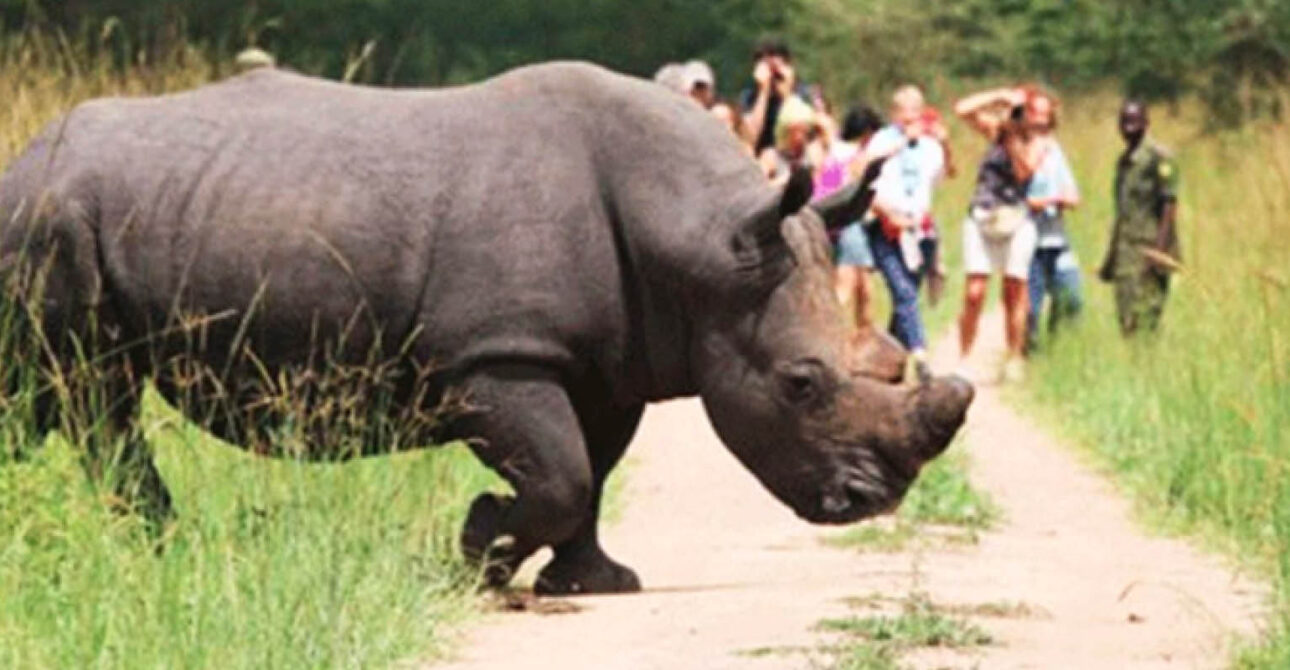
Rhino Tracking is a guided wildlife experience that involves following signs of rhinoceros activity and approaching animals under controlled conditions. In Uganda, the established visitor experience is associated with Ziwa Rhino Sanctuary, where travellers can track southern white rhinos on foot in a protected setting.
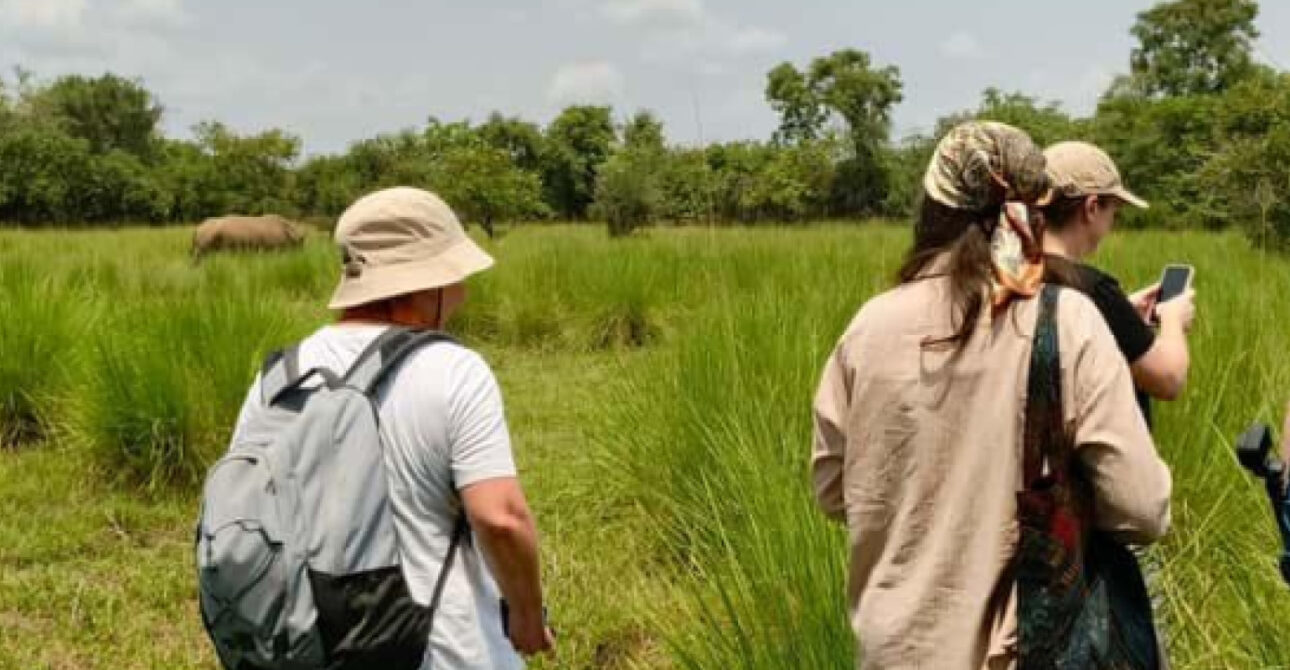
The experience combines wildlife observation with an introduction to rhino conservation. Visitors may walk through grassland and woodland, follow tracks and other signs, and observe rhinos from a safe position with trained guides. In Rwanda, rhinos are part of the wildlife recovered at Akagera, but the visitor experience is primarily safari-based wildlife viewing.
Rhino Tracking in Uganda and Rwanda
Rhino Tracking in Uganda and Rwanda offers two different ways to experience rhino conservation and wildlife. Uganda has an established on-foot rhino tracking experience at Ziwa Rhino Sanctuary, where southern white rhinos form an important part of the country’s recovery programme.
Rwanda’s rhinos are found in Akagera National Park, where eastern black rhinos and southern white rhinos form part of the park’s wider wildlife recovery. Visitors normally look for them during guided game drives rather than joining a dedicated tourist Rhino Tracking activity. This distinction is useful for travellers choosing between an active tracking experience and broader Big Five wildlife viewing.
Where Can You Go Rhino Tracking in Uganda?
The established destination for Rhino Tracking in Uganda is Ziwa Rhino Sanctuary in Nakasongola District. The sanctuary was established as part of Uganda’s rhino recovery programme and provides a protected environment where southern white rhinos can be observed in a natural setting.
UWA identifies Ziwa as an important part of the country’s rhino conservation story, while its sanctuary information lists Rhino Trekking among the visitor experiences available there. Uganda is now also restoring rhinos to protected areas, including Ajai Wildlife Reserve and Kidepo Valley National Park. These locations are important to national recovery, but current visitor arrangements should be confirmed before presenting them as standard tourist tracking destinations.
Where Can You See Rhinos in Rwanda?
In Rwanda, rhino viewing is centred on Akagera National Park, the country’s principal savannah safari destination. Eastern black rhinos were reintroduced to Akagera, followed by southern white rhinos, restoring both species to the park’s wildlife landscape and contributing to its Big Five status.
For travellers, the practical experience is primarily wildlife viewing in Rwanda through guided game drives. Rhinos may be encountered alongside elephants, buffalo, lions, leopards and other savannah species. Akagera’s conservation programme also uses specialist tracking and monitoring teams to protect rhinos, but this conservation work should not be confused with a dedicated visitor Rhino Tracking excursion.
What Is a Rhino Tracking Experience Like?
A Rhino Tracking experience begins with a briefing before visitors enter the tracking area with trained guides. The team explains safety, animal behaviour and visitor conduct, helping keep both people and rhinos comfortable during the encounter.
The walk may involve following tracks, dung, feeding signs or other evidence of recent rhino activity before the animals are located. Once rhinos are found, visitors observe them from an appropriate distance and follow the guide’s instructions. The experience is slower and more observational than a typical game drive, giving travellers time to appreciate rhino behaviour while learning about the conservation work that protects these animals.
Briefing and Preparation: Guides explain the tracking process, safety requirements and appropriate behaviour before visitors begin the walk.
Walking Through the Habitat: The route can pass through grassland, woodland and uneven ground while guides interpret signs of rhino activity.
Observing the Rhinos: Once rhinos are located, visitors observe them quietly from a safe position under the direction of the guide.
Uganda or Rwanda for Rhino Experiences?
Uganda and Rwanda offer different rhino experiences, so the choice depends on the type of wildlife encounter you want to include in your safari. Uganda provides the more direct option for Rhino Tracking, with the established on-foot experience at Ziwa Rhino Sanctuary and a wider national programme restoring rhinos to protected areas.
Rwanda offers rhino encounters within Akagera National Park, where visitors can look for black and white rhinos as part of a broader safari and Big Five wildlife experience. This can work well for travellers combining Game Drives, Boat Safaris and other activities. For a dedicated tracking experience, Uganda provides the clearer visitor format; for broader savannah wildlife viewing, Rwanda offers a different setting.
Rhino Tracking Permits and Park Entry
Planning Rhino Tracking in Uganda requires confirmation of the current sanctuary arrangements, entrance requirements and activity fees before travel. Uganda Wildllife Authority published tariff information has listed Rhino Tracking at Ziwa Rhino Sanctuary separately from general sanctuary entry, but fees and operating arrangements can change, so current details should be confirmed before booking.
For rhino viewing in Rwanda, travellers normally enter Akagera National Park as part of a safari and look for rhinos during guided game drives. There is no need to present Akagera as offering a standard rhino tracking permit simply because conservation teams track and monitor the animals. Confirm current park entry, guiding and activity arrangements before final booking.
What Is the Best Time for Rhino Tracking?
Rhino Tracking in Uganda can be planned throughout the year, but walking conditions can vary with rainfall and ground conditions at Ziwa Rhino Sanctuary. Drier periods may provide firmer trails and more comfortable walking, while wet conditions can make sections muddy and require greater care.
For Rwanda, rhino viewing forms part of the wider Akagera safari experience. Seasonal conditions can influence visibility, road conditions and wildlife movements across the savannah. Travellers planning a wider Uganda safari can also consult our Best Time to Visit Uganda for a Safari guide for broader seasonal considerations. Current sanctuary and park conditions should always be confirmed before travel.
How Difficult Is Rhino Tracking?
Rhino Tracking is an active walking experience, but it does not involve mountain trekking or long-distance hiking. The difficulty depends on the terrain, weather, distance covered and the location of the rhinos on the day.
Visitors should be comfortable walking outdoors on uneven ground and following a guide for an extended period. Good walking shoes, suitable clothing and protection from sun or rain are useful. Travellers who prefer a less active experience can look for rhinos during a guided game drive in Akagera National Park, Rwanda, where wildlife is observed from a safari vehicle.
What to Pack for Rhino Tracking
Packing for Rhino Tracking in Uganda is similar to preparing for other guided wildlife walks. Comfortable lightweight clothing, sturdy closed shoes, a hat, sunscreen, insect repellent and a light waterproof jacket are useful for changing outdoor conditions.
Read: Uganda Safari Guide: How to Plan Your Trip
A small daypack can carry water, personal medication, binoculars, a camera and spare batteries or a power bank. Neutral-coloured clothing provides a practical choice for wildlife walks, while long trousers can help protect against grass and vegetation. Your guide may provide additional advice based on current sanctuary conditions and the day’s tracking arrangements.
Clothing and Footwear: Wear comfortable clothing and sturdy closed footwear suitable for uneven outdoor trails.
Camera and Binoculars: Binoculars and a camera with a suitable lens can help you observe and photograph wildlife without approaching too closely.
Daypack: Carry water, sun protection, rain protection, medication and other personal essentials in a small daypack.
Rhino Tracking Safety and Preparation
Hiring a porter for Gorilla Trekking can make the trek easier by carrying your backpack and personal items and assisting you along the trail. It also provides an opportunity to support local people living around the protected area. A porter can be useful even for fit travellers, allowing you to focus on the forest and Gorilla Trekking experience. Your safari operator can advise on porter arrangements at your chosen trekking location.
Rhino Conservation and Research
Rhino conservation in Uganda and Rwanda combines breeding, reintroduction, monitoring and habitat protection. In Uganda, Ziwa Rhino & Wildlife Ranch has played an important role in the country’s white rhino recovery, while rhino restoration is now extending to protected areas including Ajai Wildlife Reserve and Kidepo Valley National Park.
In Rwanda, African Parks, in partnership with the Rwanda Development Board, manages Akagera’s conservation programme. Eastern black rhinos were reintroduced in 2017 and 2019, followed by southern white rhino reintroductions in 2021 and 2025. Monitoring, research, tracking teams and anti-poaching measures support their protection.
Combining Rhino Tracking with Other Safari Activities
Rhino Tracking in Uganda can form part of a wider safari combining wildlife, primates, birding and nature experiences. Ziwa Rhino Sanctuary can be considered alongside journeys towards Murchison Falls National Park, depending on the overall route and available time.
In Rwanda, rhino viewing in Akagera can be combined with Game Drives, Boat Safaris and birding within the same park. A longer Uganda-Rwanda itinerary can then connect savannah wildlife with Gorilla Trekking, Chimpanzee Tracking and other experiences. Planning the sequence carefully helps avoid unnecessary backtracking while giving each destination enough time.
Frequently Asked Questions About Gorilla Trekking
Dedicated Rhino Tracking in Uganda is centred on Ziwa Rhino Sanctuary, where visitors can follow guides on foot to observe southern white rhinos in a protected conservation setting. Ziwa remains an important part of Uganda’s national rhino recovery programme.
Rhinos can be seen during wildlife viewing in Akagera National Park, where both eastern black rhinos and southern white rhinos are part of the park’s wildlife population. Akagera’s rhino population has expanded through reintroduction and conservation programmes.
Yes. Rhino Tracking can be combined with Game Drives, Birding, Boat Safaris, Chimpanzee Tracking and other safari experiences, depending on your route and available time. In Rwanda, rhino viewing in Akagera can naturally form part of a broader savannah safari.
In Uganda, the minimum age for gorilla tracking is 15 years. Rwanda also sets the minimum age at 15 years. Always confirm the current requirements when booking your trek.
Rhino Tracking is an active walking experience on outdoor trails. The distance, terrain, weather and location of the rhinos can influence the walking conditions, so comfortable walking shoes, suitable clothing and reasonable physical preparation are recommended.
Why Choose Njagi Safaris for Rhino Tracking?
Njagi Safaris can incorporate Rhino Tracking in Uganda into a private safari planned around your interests, available time and wider route. The experience can be combined with Game Drives, Chimpanzee Tracking, Boat Safaris, Birding and other wildlife experiences, creating a varied Uganda itinerary rather than a standalone rhino visit.
For Rwanda, Njagi Safaris can include Akagera National Park as part of a broader safari featuring rhino viewing, wildlife and other savannah experiences. A carefully planned route can connect Akagera with other destinations and activities according to your travel priorities.
Explore a related safari: 12 Days Uganda Safari: Gorillas, Chimpanzees & Wildlife

Pearl Explorer

Rwanda Sovereign

Pearl Sovereign
Plan Your Rhino Tracking Experience
Plan your Rhino Tracking in Uganda and Rwanda around your destination, safari route and preferred wildlife experiences. Before booking, confirm current sanctuary or park access, guiding arrangements and activity conditions. For detailed planning information, visit our Travel Resources, then Contact Njagi Safaris to develop a private itinerary around your interests.