Volcano Hiking in Uganda and Rwanda
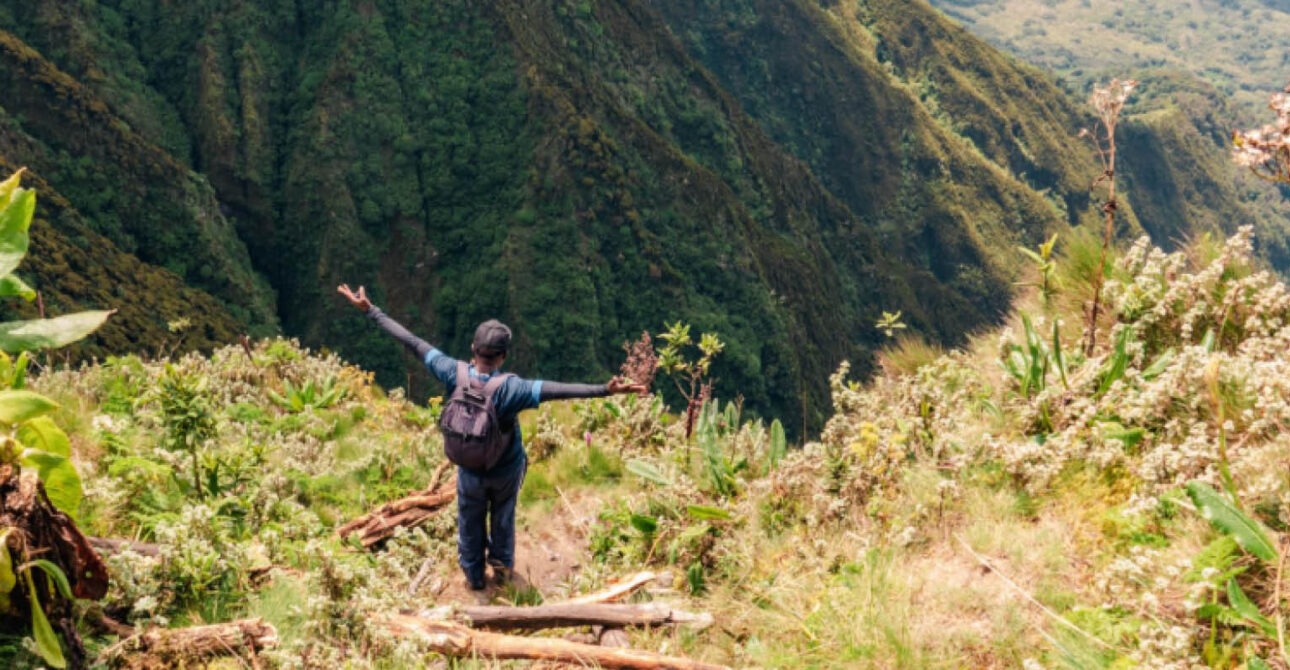
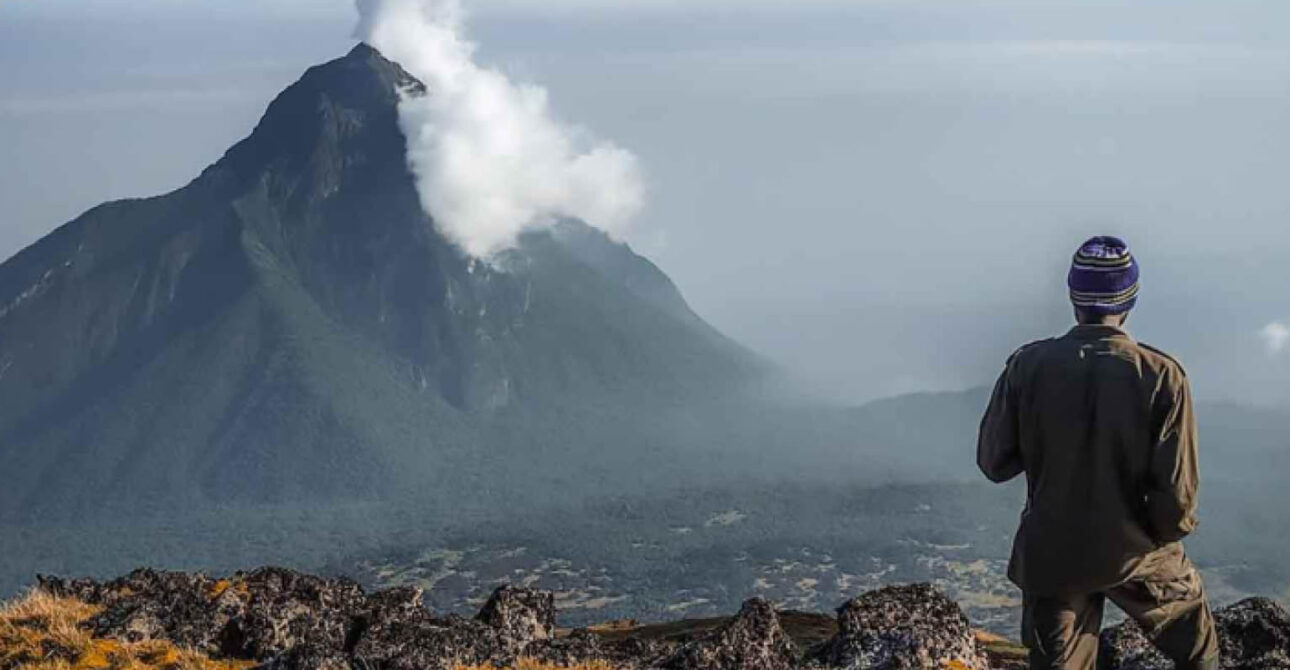
Volcano Hiking in Uganda and Rwanda offers an active way to explore the dramatic volcanic landscapes of the Virunga region. Trails lead through montane forest, bamboo, heath and high-altitude terrain towards volcanic summits and viewpoints. In Uganda, Mgahinga Gorilla National Park provides access to Mount Muhabura, Mount Gahinga and Mount Sabinyo, while Rwanda’s Volcanoes National Park offers hiking experiences associated with several volcanoes of the Virunga Massif.
The experience varies considerably from one mountain to another. Some routes can be completed in a day, while others require a longer and more demanding mountain journey. Volcano hiking can also complement Gorilla Trekking, Golden Monkey Tracking, Birding and other Nature Experiences, creating a more varied itinerary across Uganda and Rwanda.
What Is Volcano Hiking in Uganda and Rwanda?
Volcano hiking is a guided mountain experience centred on the volcanic landscapes and summits of the Virunga region. Unlike a general nature walk, the route normally involves sustained uphill walking and changing vegetation zones, while the objective may be reaching a summit, crater or elevated viewpoint. The Virunga Massif extends across Uganda, Rwanda and the Democratic Republic of Congo, with the Ugandan and Rwandan sectors offering established hiking experiences.
The physical demands vary according to the mountain, route, elevation, weather and trail conditions. Mount Bisoke, Mount Muhabura and Mount Sabyinyo, for example, offer different terrain and hiking experiences. Travellers should therefore choose a volcano according to their fitness, available time and interests rather than treating all volcano hikes as the same type of excursion.
Where Can You Go Volcano Hiking in Uganda?
Mgahinga provides Uganda’s principal setting for Virunga volcano hiking. The park’s visitor centre at Ntebeko serves as a trailhead for volcano climbs, while the surrounding landscape includes montane forest, bamboo and higher-altitude vegetation.
Mount Muhabura
Mount Muhabura is Uganda’s highest volcano within Mgahinga and rises to 4,127 metres. The route passes through several vegetation zones before reaching the summit, where a crater lake and broad views across the Virunga landscape provide the main rewards.
Mount Gahinga
Mount Gahinga rises to 3,474 metres and has bamboo-covered slopes leading towards a crater swamp. Its landscape is also associated with the wider ecosystem of Mgahinga, where visitors may encounter birds and other wildlife during their mountain experience.
Mount Sabinyo
Mount Sabinyo has a rugged summit separated by deep gorges and steep sections. The mountain forms part of the shared Virunga landscape, and its summit area provides distinctive views towards Uganda, Rwanda and the Democratic Republic of Congo. UWA notes fixed-ladder sections on the route to the summit.
Where Can You Go Volcano Hiking in Rwanda?
Rwanda’s main volcano hiking destination is Volcanoes National Park, which protects the Rwandan sector of the Virunga Massif. The park is named after the chain of volcanoes that includes Karisimbi, Bisoke, Sabinyo, Gahinga and Muhabura. Hiking is one of the activities available alongside gorilla and golden monkey experiences.
Mount Bisoke offers a summit hike ending at a crater lake, while Mount Muhabura is a demanding full-day climb. Mount Karisimbi is Rwanda’s highest peak at 4,507 metres and involves a two-day hiking experience with camping. The Sabyinyo trail provides another distinctive volcanic route, including a narrow ridge and views towards neighbouring peaks.
Mount Bisoke
Mount Bisoke is known for its crater lake at approximately 3,700 metres. Visit Rwanda describes the summit hike as taking around five hours to a full day, depending on conditions and pace.
Mount Karisimbi
At 4,507 metres, Mount Karisimbi is Rwanda’s highest peak. The official tourism information describes the hike as strenuous and requiring two days, including camping along the route.
Mount Muhabura
Mount Muhabura reaches 4,127 metres and is described by Visit Rwanda as one of the more demanding volcanic hikes. The route is completed in a day and involves substantial elevation gain.
Mount Sabyinyo
Mount Sabyinyo rises to 3,645 metres and has a distinctive serrated summit. The Rwanda tourism authority describes a route towards the first peak that takes approximately six hours in total, with steep and narrow sections providing views towards Gahinga and Muhabura.
Volcano Hiking vs Peak Climbing vs Hiking: What Is the Difference?
Volcano Hiking focuses specifically on volcanic mountains, particularly the Virunga volcanoes shared by Uganda, Rwanda and the Democratic Republic of Congo. Peak Climbing is broader and focuses on reaching mountain summits, including high-altitude destinations such as the Rwenzori Mountains. Hiking covers a wider range of walking experiences, from forest and mountain trails to scenic countryside routes.
The three experiences can overlap, but their emphasis differs. A traveller climbing Mount Bisoke is undertaking a volcano hike, while a traveller ascending Margherita Peak is undertaking peak climbing. A shorter mountain trail that does not focus on a volcanic summit can simply fall under hiking. On Njagi Safaris, these pages are separated to help travellers identify the type of experience that matches their interests and physical preparation.
How Do You Plan and Access a Volcano Hike?
Volcano hiking takes place within protected areas and should be planned through the relevant park authority and an authorised guide or tour operator. In Uganda, Mgahinga Gorilla National Park provides the principal setting for climbs to Muhabura, Gahinga and Sabinyo. In Rwanda, Volcanoes National Park manages hiking experiences associated with the Virunga volcanoes.
Requirements vary by mountain and destination, so travellers should confirm current permits, guiding arrangements, start times, access conditions and applicable fees before travelling. Rwanda’s official hiking information states that its listed hiking experiences require a permit and guide. Current Uganda requirements should be confirmed directly with UWA before the hike. Njagi Safaris can incorporate these arrangements into a wider private itinerary.
What Is the Best Time for Volcano Hiking in Uganda and Rwanda?
The most suitable time for a volcano hike depends on the mountain, weather and trail conditions. The Virunga region receives rainfall throughout the year, and wet conditions can make steep trails slippery, muddy and more physically demanding. Clearer weather can also improve views from higher elevations, although mountain conditions can change quickly.
Rather than relying on one national travel season, plan around the specific volcano and current conditions. Travellers should also allow flexibility in the itinerary because mountain weather can affect visibility and hiking comfort. Rwanda’s official hiking guidance recommends appropriate clothing, sturdy walking shoes and rain protection, reflecting the changeable conditions encountered on mountain trails.
For wider safari planning, read Best Time to Visit Uganda for a Safari.
Is Volcano Hiking in Uganda and Rwanda Difficult?
The difficulty of volcano hiking varies significantly between mountains. Elevation, distance, steepness, terrain, weather and the time available for completing the route all influence the physical demands. Mount Karisimbi, for example, is a strenuous two-day ascent, while Mount Muhabura involves a demanding full-day climb. Mount Sabyinyo includes steep and narrow sections, while other routes have different terrain and distances.
Fitness preparation is therefore important, particularly for higher peaks. Travellers should be comfortable with sustained uphill walking and should choose a route appropriate to their experience. A slower pace, regular hydration and suitable clothing can make the experience more manageable. Your safari planner can help match the volcano to your interests, available time and physical preparation.
What Should You Wear and Carry for Volcano Hiking?
Wear sturdy hiking boots with good grip, comfortable moisture-managing clothing and layers that can be adjusted as temperatures change with altitude. A lightweight waterproof jacket is useful because mountain weather can change quickly. Rwanda’s official tourism guidance specifically recommends sturdy clothing, solid walking shoes, gaiters and a lightweight waterproof for hiking in Volcanoes National Park.
Carry sufficient drinking water, snacks, sun protection, personal medication, a small backpack and waterproof protection for valuables. Depending on the route, trekking poles can also be useful on steep or uneven sections. Avoid carrying unnecessary weight. Your guide or safari operator should provide current route-specific advice before departure, particularly for longer or higher-altitude hikes.
Is Volcano Hiking Safe in Uganda and Rwanda?
Volcano hiking is a managed outdoor activity, but mountain terrain carries inherent risks. Steep slopes, loose or muddy ground, changing weather, altitude, cold temperatures and fatigue can all affect the experience. Some routes also contain narrow or steep sections; Rwanda’s Sabyinyo trail, for example, includes a narrow ridge, while UWA describes steep and challenging sections on the Ugandan Sabyinyo route.
Safety begins with selecting an appropriate route and following the instructions of the authorised guide. Stay with the group, use designated trails and maintain a sensible pace. Travellers should also disclose relevant fitness or mobility concerns to their safari planner before choosing a climb. Always confirm current park conditions and access requirements before departure.
Responsible Tourism During Volcano Hiking
Responsible volcano hiking means protecting fragile mountain environments while respecting wildlife, guides and surrounding communities. Stay on designated trails, avoid removing plants or rocks, carry waste back with you and keep noise levels low. Do not approach or feed wildlife encountered along the route.
The Virunga landscape supports mountain gorillas, golden monkeys, birds and diverse vegetation across protected areas in Uganda, Rwanda and the Democratic Republic of Congo. Uganda Wildlife Authority (UWA) manages Mgahinga Gorilla National Park as part of Uganda’s protected-area network. Greater Virunga Transboundary Collaboration (GVTC) coordinates conservation, community conservation and tourism development across the wider transboundary landscape.
Respect park regulations, follow your guide’s instructions and support responsible tourism practices that help protect the landscape and contribute to local communities.
Can Volcano Hiking Be Combined With Gorilla Trekking?
Yes. Volcano hiking can form part of a broader Virunga safari that includes Gorilla Trekking. Mgahinga and Volcanoes National Park are both associated with mountain gorilla conservation, while the surrounding volcanic landscapes provide opportunities for hiking and other nature experiences.
The experiences are physically different. Gorilla trekking involves searching through forest for a habituated gorilla group, while volcano hiking focuses on ascending volcanic terrain towards a summit or elevated viewpoint. Combining them creates a varied itinerary, but the hiking route should be selected according to your fitness and the overall pace of the safari. For travellers planning a Uganda-Rwanda journey, the two activities can also be incorporated into a wider itinerary involving primates, wildlife, birding and cultural experiences.
Can Volcano Hiking Be Combined With Birding and Wildlife Experiences?
Yes. Volcano hiking can complement birding and wildlife viewing experiences because the Virunga mountains contain several vegetation zones and habitats. UWA identifies birding locations around Mgahinga’s volcanic landscape, including the Sabinyo Gorge and areas between the volcanoes. Rwanda’s Volcanoes National Park also supports significant birdlife, including Albertine Rift species.
Wildlife sightings are never guaranteed, but hikers may encounter or hear birds and other animals during a mountain experience. Golden monkeys are also associated with the Virunga ecosystem. A traveller interested primarily in wildlife can therefore combine a volcano hike with dedicated wildlife or primate activities rather than relying on the mountain trail alone. Explore Birding in Uganda and Rwanda for a specialist itinerary.
Frequently Asked Questions About Volcano Hiking
Uganda’s principal volcano hiking opportunities are in Mgahinga Gorilla National Park. The park provides access to Mount Muhabura, Mount Gahinga and Mount Sabinyo, each offering a different combination of elevation, terrain, vegetation and summit scenery.
Rwanda’s main volcano hiking destination is Volcanoes National Park. Hiking experiences include Mount Bisoke, Mount Karisimbi, Mount Muhabura and Mount Sabyinyo, with routes varying in duration, terrain and difficulty.
Some volcano hikes can be completed in a day, while others require longer. Visit Rwanda describes Mount Bisoke and Mount Muhabura as day hikes, while Mount Karisimbi requires two days. Route duration depends on the mountain and current conditions.
Volcano hiking in protected areas is guided and subject to park requirements. Rwanda’s official hiking information states that the listed hikes require a permit and guide. In Uganda, confirm current requirements with UWA before travelling.
Yes. Volcano hiking can be incorporated into an itinerary that also includes Gorilla Trekking in Mgahinga or Volcanoes National Park. The activities have different physical demands and should be planned with sufficient time for rest and travel.
Why Choose Njagi Safaris for Volcano Hiking?
Njagi Safaris can include Volcano Hiking in Uganda and Rwanda within a private itinerary designed around your interests, available time and preferred level of activity.
Your volcano hike can be combined with Gorilla Trekking Safaris, Birding, Wildlife Safaris, Chimpanzee Tracking Safaris and Cultural experiences. We can also structure the itinerary around one volcanic destination or combine Uganda and Rwanda for a broader Virunga experience.

Volcanoes and Primates
Virunga & Bwindi Odyssey

Bwindi Royale
Plan Your Volcano Hiking Experience
Plan your Volcano Hiking in Uganda and Rwanda around the mountain, trail conditions, fitness level, available time and other safari experiences you want to include. For practical safari planning, explore our Travel Resources, then Contact Njagi Safaris to develop a private itinerary combining volcano hiking with gorilla trekking, wildlife, birding, nature and cultural experiences.