
Forest Walks in Uganda and Rwanda
A Forest Walk in Uganda and Rwanda offers a slower, ground-level way to experience tropical and montane forests, with opportunities to observe birds, primates, butterflies, plants and other signs of forest life. Guided walks take you beyond the main safari routes and into natural environments where the landscape itself becomes part of the experience.
What Is a Forest Walk?
A forest walk is a guided walking experience through a natural forest environment, allowing travellers to explore vegetation, wildlife habitats, birds, insects, primates and other features of the ecosystem at ground level. Unlike a game drive, the experience moves at walking pace, making the sounds, plants, trails and smaller details of the forest more noticeable.
In Uganda and Rwanda, forest walks take place in different ecological settings, from tropical rainforest to montane forest and other protected natural areas. The experience can be relaxed or physically demanding depending on the destination and trail.
A Forest Walk in Uganda and Rwanda can therefore complement gorilla trekking, chimpanzee tracking, birding, hiking and wildlife viewing by giving travellers more time to explore the forest itself rather than focusing on one particular animal.
Where Can You Experience a Forest Walk in Uganda and Rwanda?
Uganda offers several opportunities for guided walking in forest and protected-area environments. UWA’s activity information includes guided nature walks in destinations such as Bwindi Impenetrable National Park, Mgahinga Gorilla National Park, Kibale National Park, Mount Elgon and Semuliki National Park.
Rwanda’s strongest forest-walking opportunities are concentrated in Nyungwe National Park, where a network of trails provides access to rainforest landscapes, waterfalls, ridges and biodiversity. The wider Volcanoes region also offers guided walking and hiking through montane environments.
Forest Walks in Uganda: Uganda’s forest destinations include Kibale, Bwindi, Mgahinga and Semuliki, each providing a different walking environment. Forest walks can be combined with primate experiences, birding and other activities.
Forest Walks in Rwanda: Rwanda’s Nyungwe National Park provides an extensive rainforest setting for forest trails, birding, primate experiences and hiking. The Volcanoes region provides additional montane walking opportunities.
What Can You See During a Forest Walk?
A forest walk is not primarily about guaranteeing particular animal sightings. Instead, it allows travellers to observe the wider forest ecosystem, including vegetation, birds, butterflies, insects, primates and signs of wildlife.
Kibale, for example, offers nature walks that allow visitors to enjoy the forest without the specific objective of locating chimpanzees. UWA’s information describes these walks as an opportunity to experience the forest itself, making them distinct from dedicated chimpanzee tracking. In Nyungwe, forest trails can reveal birds, butterflies, plants, waterfalls and forest scenery, while the wider park supports numerous primates.
Forest Walk vs Nature Walk: What Is the Difference?
A forest walk focuses specifically on exploring a forest environment, while a nature walk is a broader category that can take place through forests, wetlands, savannah woodland, lakeside environments and other natural habitats.
The distinction is useful when planning a safari. A forest walk may be most appropriate for travellers interested in vegetation, birds, primates and rainforest or montane ecosystems. A nature walk can provide a wider range of landscapes and may include open habitats as well as forest.
The two activities can overlap, and the terminology used by protected-area authorities can vary by destination. In Uganda, UWA officially lists guided nature walks in several protected areas, including forest destinations.
For the broader activity, explore Nature Tours in Uganda and Rwanda.
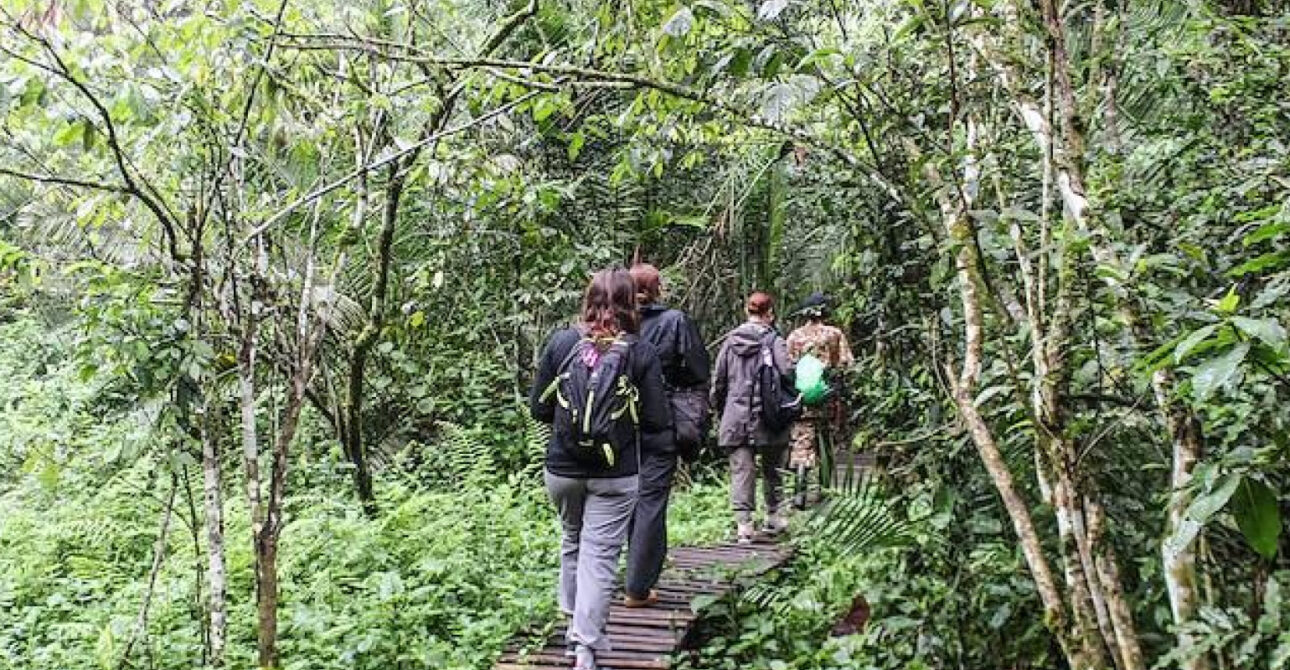
Forest Walks in Kibale Forest
Kibale Forest National Park provides one of Uganda’s important forest environments for walking, particularly around the Kanyanchu and Sebitoli tourism areas. UWA describes nature walks at Kanyanchu as opportunities to experience the forest without the pressure of locating chimpanzees or completing a birding checklist.
A forest walk here can therefore provide a slower complement to dedicated wildlife activities. Travellers can focus on vegetation, forest sounds, smaller wildlife and the character of the ecosystem while accompanied by a guide. For dedicated primate tracking, explore Chimpanzee Tracking in Uganda and Rwanda.
Forest Walks in Bwindi and Mgahinga
Bwindi Impenetrable National Park and Mgahinga Gorilla National Park offer montane forest environments in southwestern Uganda, where guided walks provide an opportunity to experience the forest beyond its famous primate encounters. Uganda Wildlife Authority (UWA) includes guided nature walks among the activities available in these protected areas.
A forest walk allows travellers to focus on the wider forest ecosystem rather than a specific animal encounter. Along the trails, you can observe vegetation, birds, insects and other signs of biodiversity while experiencing the landscape at a slower pace. The experience can complement Gorilla Trekking and, in Mgahinga, Golden Monkey Tracking, adding another dimension to a primate-focused safari. For more information, read our Gorilla Trekking Guide.
Forest Walks in Nyungwe National Park
Nyungwe National Park is one of Rwanda’s principal destinations for forest-based walking. Its trails pass through rainforest landscapes containing diverse vegetation, birds, primates, ridges, wetlands and waterfalls. Official Rwanda tourism information highlights numerous hiking routes across the park.
The forest experience can be combined with chimpanzee tracking, birding and the Nyungwe Canopy Walkway. Trails such as Igishigishigi, Umugote, Uwinka and others provide different levels and scenery. For the elevated experience, explore Canopy Walk in Uganda and Rwanda.
Can a Forest Walk Be Combined With Other Safaris?
Yes. A forest walk can be combined with other safari experiences to create a more varied itinerary. In particular, chimpanzee tracking and forest walking offer different experiences: chimpanzee tracking focuses on locating and observing habituated chimpanzee communities, while a forest walk gives greater attention to the wider ecosystem, vegetation and smaller signs of forest life.
In Kibale, UWA distinguishes nature walks from the dedicated Primate Walk, making the difference useful when planning activities in the forest. In Rwanda, Nyungwe provides opportunities to combine forest trails with chimpanzee tracking, birding and other nature experiences.
Combining these activities allows travellers to experience the forest from different perspectives while making better use of time in a primate-rich destination. Explore our All Safaris to see how forest experiences can fit into a wider Uganda or Rwanda safari.
Can a Forest Walk Be Combined With Birding?
Yes. Forest walks and birding complement each other because walking allows travellers to move slowly through different forest habitats while listening for bird calls and watching for species among the vegetation.
Kibale is an established birding destination, with forest birds encountered around its tourism areas and trails. Nyungwe is also known for its forest birdlife and network of hiking trails, making it possible to combine guided forest exploration with dedicated birding sessions.
For travellers interested in birds, a forest walk can therefore form part of a broader birding Iterinary rather than serving only as a scenic activity. The slower pace also creates opportunities to notice sounds, vegetation and smaller wildlife that may be missed during vehicle-based safari activities. For specialist birding journeys, explore Birding in Uganda and Rwanda.
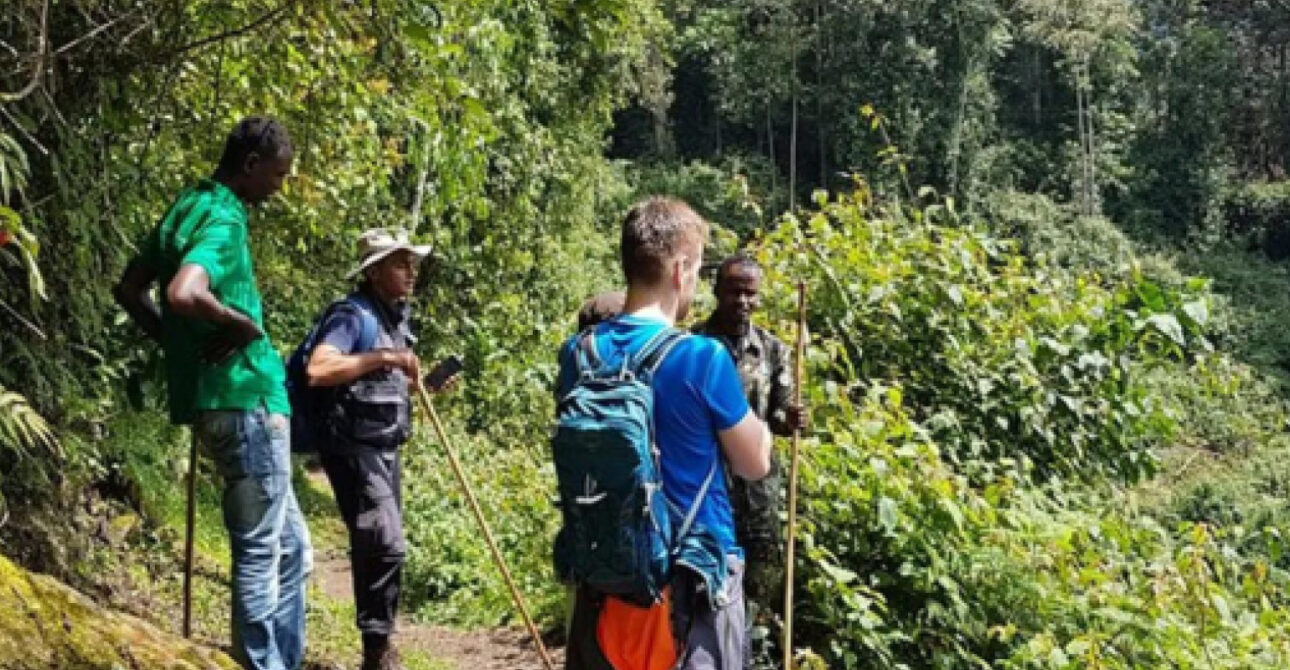
What Is the Best Time for a Forest Walk?
The best time for a Forest Walk in Uganda and Rwanda depends on the destination, trail conditions and activities being combined. Forests can be explored throughout the year, but rainfall can affect ground conditions, visibility and walking comfort. Nyungwe’s forest trails, for example, can become muddy after rain, while conditions on Rwanda’s hiking trails vary with the weather.
In Uganda, conditions also differ among forest destinations and elevations. Travellers planning longer walks should therefore consider the specific destination rather than applying one seasonal rule across the country. For broader seasonal guidance, read Best Time to Visit Uganda for a Safari.
Is a Forest Walk Difficult and Safe?
The difficulty of a Forest Walk in Uganda and Rwanda depends on the trail, elevation, distance, terrain and weather. Some guided walks are relatively gentle, while others include steep slopes, uneven ground, roots or muddy sections. Rwanda’s Nyungwe trails range from routes suitable for novice hikers to more demanding trails for experienced hikers.
A guided forest walk is a managed outdoor experience, but visitors should follow their guide’s instructions, remain on designated trails and avoid approaching wildlife. Appropriate footwear, rain protection and sensible pacing are important, particularly after rainfall when trails can become slippery or muddy. Travellers should choose routes according to their fitness, experience and available time, and confirm current access and trail conditions with the relevant protected-area authority before setting out. In Uganda, the Uganda Wildlife Authority (UWA) provides information on protected areas and visitor activities.
Responsible Tourism During a Forest Walk
Responsible forest walking means protecting the environment while respecting wildlife, guides and local communities. Travellers should remain on designated trails, avoid littering, refrain from removing plants or other natural materials, and keep noise levels low to minimise disturbance to wildlife.
Forest ecosystems support primates, birds, plants and many smaller organisms that may not be immediately visible. A slower walking pace encourages observation without requiring visitors to interfere with the environment. In Rwanda, Nyungwe National Park is a protected forest landscape where conservation and tourism are managed together, while Rwanda promotes responsible tourism as part of its national tourism approach.
For current information on conservation, tourism management and visitor guidance in Rwanda, consult the Rwanda Development Board and Visit Rwanda. Responsible behaviour helps protect these environments for wildlife, communities and future visitors.
Related Nature Experiences
A Forest Walk in Uganda and Rwanda can be combined with other Nature Tours depending on the destination and safari route. Related experiences include Nature Walks, Canopy Walks, Hiking, Peak Climbing and Volcano Hiking.
Forest walking also connects naturally with wildlife and primate activities. Travellers can combine it with Gorilla Trekking, Chimpanzee Tracking, birding and wildlife viewing to create a more varied itinerary. This allows the forest walk to function as part of a broader safari rather than as an isolated activity.
Frequently Asked Questions About Forest Walks
Uganda offers guided walking experiences in several protected areas, including Bwindi, Mgahinga, Kibale, Semuliki and other national parks and reserves. The appropriate destination depends on the forest environment and other activities you want to combine with the walk.
Nyungwe National Park is Rwanda’s principal destination for rainforest walking, with numerous trails through forest landscapes. The Volcanoes region also provides opportunities for guided walking and hiking through montane environments.
Yes. A forest walk and gorilla trekking can be combined in southwestern Uganda around Bwindi or Mgahinga. The activities have different objectives, allowing travellers to experience the forest beyond the dedicated gorilla encounter.
Yes. In destinations such as Kibale and Nyungwe, travellers can combine forest exploration with dedicated chimpanzee tracking. The walk focuses on the wider forest ecosystem, while tracking concentrates on locating habituated chimpanzees.
Guiding requirements depend on the destination and activity. Forest walks within protected areas are generally organised through the relevant park authority or authorised guides. Confirm current requirements before travelling.
Why Choose Njagi Safaris for a Forest Walk?
Njagi Safaris can include a Forest Walk in Uganda and Rwanda within a private itinerary tailored to your interests, available time and preferred pace. Combine the experience with Gorilla Trekking, Chimpanzee Tracking, birding, wildlife viewing, hiking and other nature activities across Uganda and Rwanda. A forest walk can also provide a slower period of exploration between more specialised wildlife and adventure experiences.
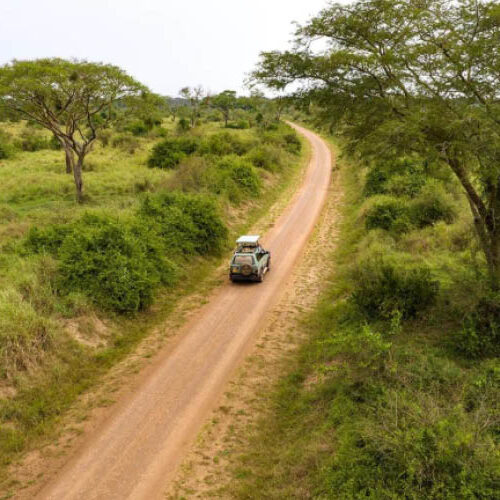
Primate & Savannah
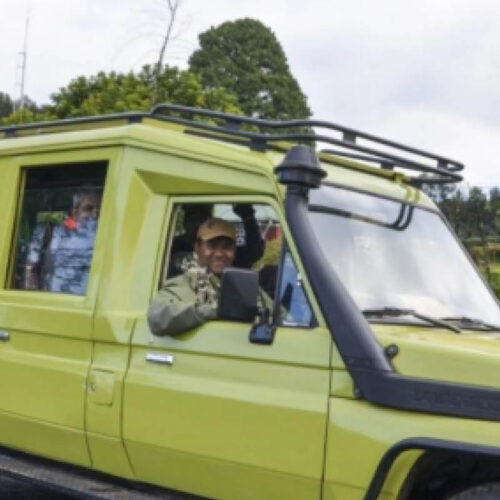
Pearl & Thousand Hills Grand

Pearl Explorer
Plan Your Forest Walk in Uganda and Rwanda
Plan your Forest Walk in Uganda and Rwanda around the destination, trail conditions, fitness level and other experiences included in your safari. For detailed planning information, visit our Travel Resources, then Contact Njagi Safaris to develop a private itinerary around your interests.