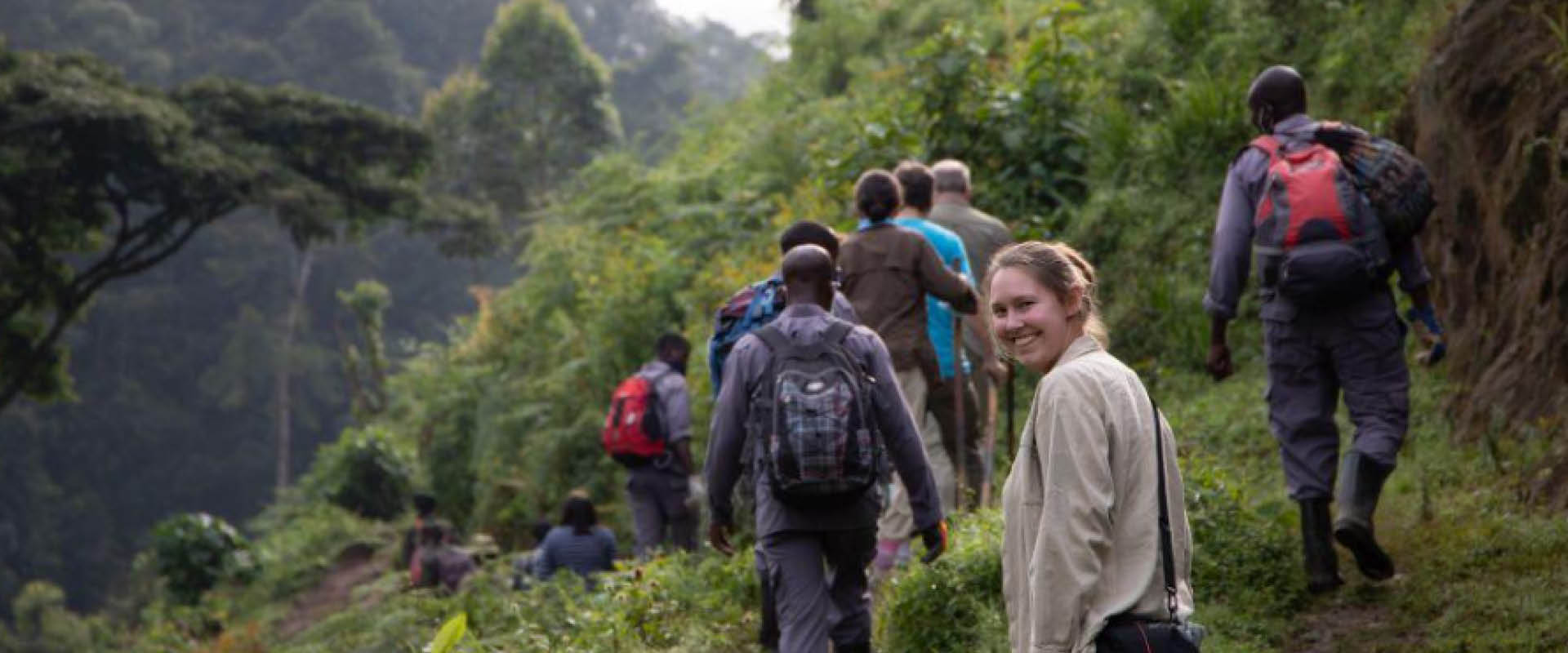
Gorilla Trekking Guide: gorilla trekking is one of Africa’s most remarkable wildlife experiences. It involves travelling into protected forest habitats with experienced guides and trackers to spend a strictly regulated period observing wild mountain gorillas in their natural environment.
For many travellers, gorilla trekking is the highlight of a journey to Uganda or Rwanda. However, planning the experience involves several important considerations, including where to go, when to travel, how permits work, what to wear and how the trek fits into a wider safari. This Gorilla Trekking Guide introduces the essential information you need to begin planning. It also connects you to more detailed resources, destinations and safari experiences as you continue your research.
What Is Gorilla Trekking?
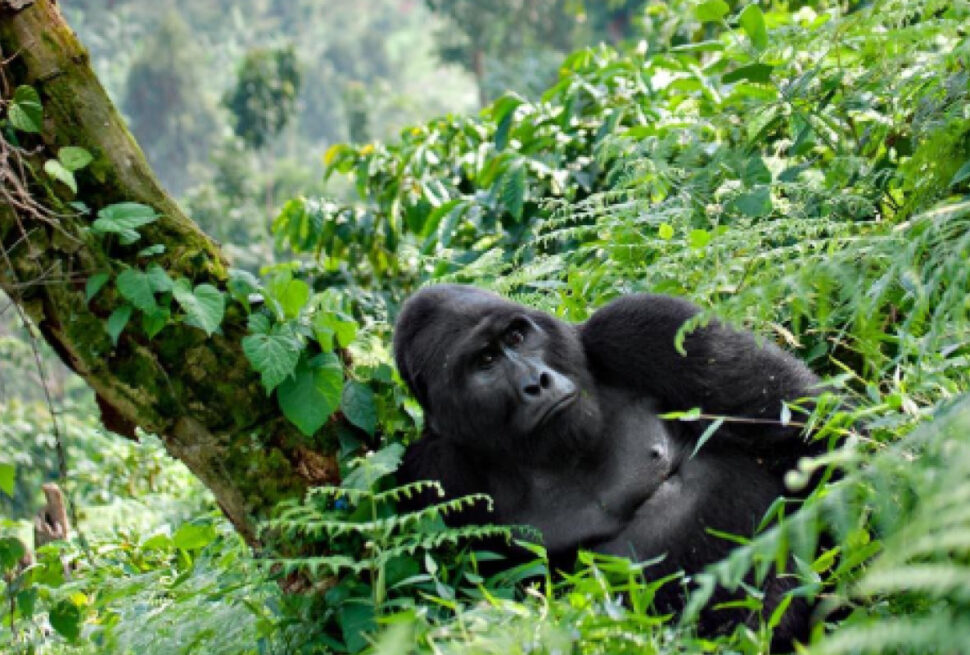
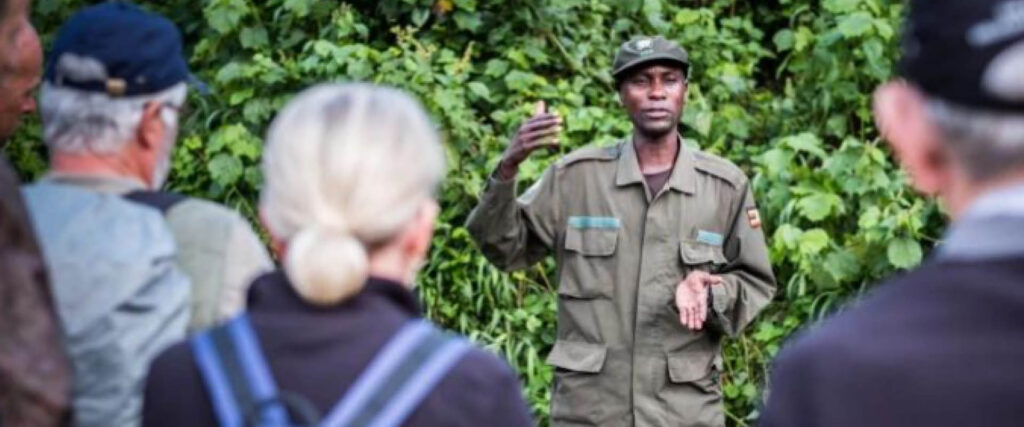
Gorilla trekking is a guided wildlife experience that takes visitors into the natural habitat of habituated mountain gorilla families. Treks are led by trained park guides and trackers, who follow the movements of a gorilla family and guide visitors through the forest to locate them.
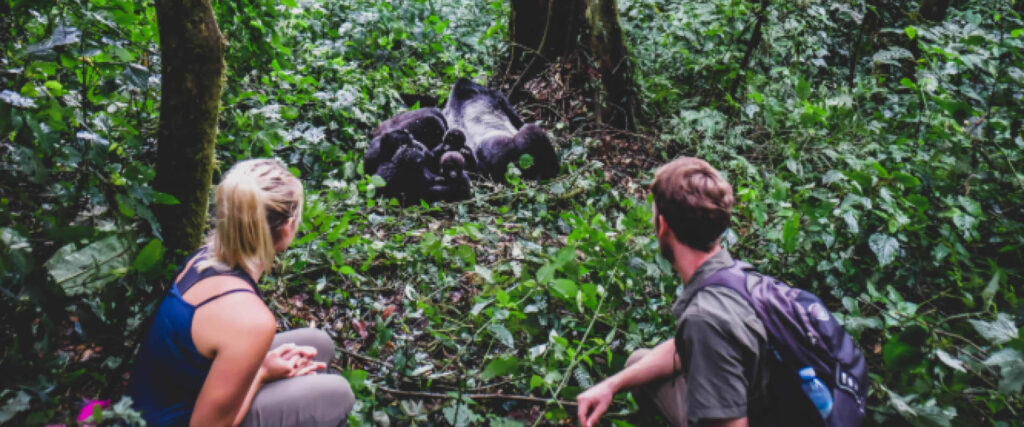
The trekking experience is carefully managed to minimise disturbance to the gorillas and their habitat. Once the group reaches the gorillas, visitors are generally allowed a limited period to observe and photograph them while following the rules provided by park authorities and guides.
No two treks are exactly alike. The distance, terrain and duration can vary depending on where the gorilla family is located on that particular day. For travellers, the experience combines physical adventure, wildlife observation and an opportunity to encounter one of the world’s most closely studied and protected primates.
Where Can You Go Gorilla Trekking?
Mountain gorillas can be visited in a relatively small region of East and Central Africa. The principal destinations for gorilla trekking are Uganda and Rwanda, with the wider gorilla habitat extending across the Virunga landscape into the Democratic Republic of the Congo.
Uganda
Uganda is one of the world’s leading destinations for mountain gorilla trekking. Trekking takes place primarily in Bwindi Impenetrable National Park and Mgahinga Gorilla National Park in the country’s southwest. Uganda is particularly well suited to travellers who want to combine gorilla trekking with other experiences such as chimpanzee tracking, wildlife safaris, birding and scenic journeys through different regions.
Rwanda
In Rwanda, gorilla trekking takes place in Volcanoes National Park, located in the Virunga Mountains in the north of the country. Rwanda can be an attractive option for travellers seeking a shorter gorilla-focused journey or those combining gorilla trekking with other Rwandan experiences such as chimpanzee tracking, wildlife viewing or time around Lake Kivu.
The Wider Gorilla Trekking Region
Uganda and Rwanda form part of the wider mountain gorilla conservation landscape of the Albertine Rift and Virunga region. Mountain gorillas occur in two main populations: one centred on the Virunga Mountains across Uganda, Rwanda and the Democratic Republic of the Congo, and another in and around Bwindi, according to Wildlife Conservation Society Uganda’s information on mountain gorillas.
Gorilla Trekking in Uganda
Uganda offers two national parks where visitors can experience gorilla trekking:
- Bwindi Impenetrable National Park
- Mgahinga Gorilla National Park
Bwindi is widely known for its dense forest, diverse trekking sectors and the opportunity to combine gorilla trekking with a broader Uganda safari. Mgahinga offers a different setting within the Virunga Mountains and can also be combined with experiences such as golden monkey tracking. Bwindi Impenetrable National Park and Mgahinga Gorilla National Park are therefore important destinations to consider when planning a Uganda gorilla safari.
For a broader overview of planning a journey through the country, see our Uganda Safari Guide. A more detailed Gorilla Trekking in Uganda guide will also explore the different trekking areas, itinerary options and how to choose between Uganda’s gorilla trekking destinations.
When Is the Best Time for Gorilla Trekking?
Gorilla trekking takes place throughout the year, but weather conditions can influence trail conditions, photography, travel logistics and the overall trekking experience.
The drier periods are often preferred by travellers because forest trails may be easier to navigate. However, gorilla trekking remains possible during wetter months, and each season has different advantages depending on your travel priorities. When choosing your dates, it is useful to consider the wider safari you are planning. A gorilla trek may be combined with wildlife viewing, chimpanzee tracking or other activities whose seasonal conditions may differ.
For broader seasonal planning, see our guide to the Best Time to Visit Uganda for a Safari. Our dedicated Best Time for Gorilla Trekking guide will provide a more detailed comparison of seasons, rainfall, trekking conditions and safari planning considerations.
How Does a Gorilla Trekking Permit Work?
A gorilla trekking permit is required to take part in the experience. Permits are issued for a specific trekking date and destination and are an essential part of planning a gorilla safari. Because permit availability can influence the entire itinerary, it is usually best to establish your preferred travel dates before confirming accommodation and transport arrangements. For Uganda, the Uganda Wildlife Authority provides official information on gorilla tracking, including the protected areas where the activity takes place and the visitor experience.
When planning with Njagi Safaris, the permit can be incorporated into the wider safari arrangements alongside accommodation, transportation and guiding. A dedicated Gorilla Trekking Permit Guide will explain the booking process, planning considerations and the role permits play when designing a Uganda or Rwanda gorilla safari.
What Should You Wear for Gorilla Trekking?
Gorilla trekking takes place in forest environments where trails may be muddy, steep and covered with dense vegetation. Wear lightweight long trousers, a long-sleeved shirt and sturdy hiking boots with good grip. A lightweight waterproof jacket, long socks, gloves, a small daypack, drinking water, sun protection and insect repellent can also help you prepare for changing conditions. Choose practical clothing and footwear suited to walking through natural forest terrain.
For more practical safari planning information, explore our Travel Resources
How Difficult Is Gorilla Trekking?
Gorilla trekking can range from relatively manageable to physically demanding, depending on the location of the gorilla family, the terrain and conditions on the day.
There is no fixed trekking distance. Some groups may be reached after a relatively short walk, while others require several hours of hiking through steep, uneven or densely vegetated forest. Wetter conditions can also make trails more challenging.
A reasonable level of fitness will help you enjoy the experience, but gorilla trekking is not only for experienced hikers. Park guides and rangers lead the trek at an appropriate pace. When planning your gorilla trekking experience, be realistic about your mobility and fitness level. If you have concerns about the physical demands, discuss them while planning your safari so the itinerary can be designed accordingly.
How Long Does Gorilla Trekking Take?
The length of a gorilla trekking experience varies because gorillas move freely within their natural habitat. The trek may take a relatively short time or several hours, depending on the group’s location and the terrain.
Once the gorillas are located, visitors are allowed a strictly regulated period to observe and photograph them before returning. For planning purposes, treat gorilla trekking as an activity that occupies most of the day, including briefing, trekking and the return journey. Travellers planning a wider Uganda itinerary should also allow time for transfers and other experiences. Our How Many Days for a Uganda Safari? guide can help you plan the right duration.
How Much Does Gorilla Trekking Cost?
The cost of a gorilla trekking experience depends on more than the trekking permit alone. A complete trip may include accommodation, transport, guiding, meals, park fees and, depending on your itinerary, other experiences such as wildlife viewing or chimpanzee tracking.
The main factors that influence the cost include:
- The country where you trek
- The type of accommodation you choose
- The length of your safari
- Private or shared transport arrangements
- If you combine gorilla trekking with other experiences
- The season in which you travel
For many travellers, a longer itinerary can provide better overall value by combining gorilla trekking with wildlife, chimpanzees, scenery and cultural experiences rather than travelling solely for one trekking activity. Explore our Gorilla Trekking Safaris to compare journeys that include different destinations and experiences.
Gorilla Trekking Safaris in Uganda and Rwanda
A well-planned gorilla trekking safari can range from a focused journey centred on Bwindi or Mgahinga to a longer exploration of Uganda or Rwanda.
Uganda Gorilla Trekking Safaris
Our Uganda journeys combine gorilla trekking in Uganda with carefully selected destinations and experiences.
7-Day Bwindi Gorilla Trekking Safari | UG-M1 Classic Explorer Package:
A focused journey designed around the Bwindi experience, with time to enjoy Uganda’s landscapes and prepare for your trek.
Explore the 7-Day Bwindi Gorilla Trekking Safari
12-Day Best of Uganda Safari | UG-UC1 Pearl Heritage Package:
A broader Uganda journey combining gorilla trekking with wildlife, landscapes and other signature experiences.
Explore the 12-Day Best of Uganda Safari
14-Day Uganda Big Five Gorilla Safari | UG-M5 Pearl Explorer Package:
Designed for travellers who want to combine a gorilla trekking safari with a more complete wildlife experience, including Uganda’s major safari landscapes.
Explore the 14-Day Uganda Big Five Gorilla Safari
Rwanda Gorilla Trekking Safaris
Rwanda offers another important option for gorilla trekking, particularly for travellers who want to combine the Volcanoes region with chimpanzee tracking, wildlife or a wider journey through the country.
Our Rwanda collection includes journeys such as:
7-Day Best of Rwanda Safari | RW-CL1 Rwanda Explorer Package:
A well-rounded journey combining Rwanda’s key natural and wildlife experiences, including gorilla trekking and time to explore the country’s scenic landscapes and distinctive destinations.
Explore the 7-Day Best of Rwanda Safari
9-Day Luxury Rwanda Safari | RW-LX1 Rwanda Sovereign Package:
Designed for travellers seeking a more refined Rwanda gorilla trekking safari, combining premium accommodation with gorilla trekking, wildlife experiences and Rwanda’s scenic landscapes.
Explore the 9-Day Luxury Rwanda Safari
12-Day Complete Rwanda Safari | RW-MRT1 The Thousand Hills Package:
A comprehensive journey for travellers who want to explore Rwanda more deeply, combining gorilla trekking with chimpanzee tracking, wildlife experiences, scenic landscapes and cultural discovery.
Explore the 12-Day Complete Rwanda Safari
6-Day Rwanda Gorilla and Chimpanzee Safari | RW-M2 Volcanoes and Primates Expedition Package:
Designed for travellers who want to experience Rwanda’s two most celebrated primate encounters, combining gorilla trekking with chimpanzee tracking in a focused and rewarding safari.
Explore the 6-Day Rwanda Gorilla and Chimpanzee Safari
For a wider selection, visit our Gorilla Trekking Safaris collection.
Planning Your Gorilla Trekking Experience
Planning a gorilla trekking experience begins with deciding where you want to trek and how the experience fits into your wider safari.
A good plan should consider:
- Your preferred trekking destination
- Permit availability
- Your travel dates
- The time of year
- Your preferred accommodation standard
- How many days you have available
- Other experiences you would like to combine with your trek
For travellers visiting Uganda, gorilla trekking can be part of a short focused journey or a longer safari covering wildlife parks, chimpanzee forests, lakes and cultural destinations.
Frequently Asked Questions About Gorilla Trekking
How long does gorilla trekking take?
There is no fixed trekking duration. The search for a gorilla family may take a relatively short time or several hours, depending on the group’s location and movements. Travellers should generally plan for the activity to occupy much of the day.
Is gorilla trekking difficult?
Gorilla trekking can be physically demanding because the duration and terrain vary from one trek to another. Some groups may encounter gorillas relatively quickly, while others may walk for several hours through steep or uneven forest terrain. A reasonable level of fitness and the ability to walk on natural trails will help you enjoy the experience.
Where is the best place for gorilla trekking?
The answer depends on your wider travel plans. Uganda offers trekking in Bwindi Impenetrable National Park and Mgahinga Gorilla National Park, while Rwanda offers trekking in the Volcanoes region. Your preferred itinerary, travel time, accommodation style and budget can all influence the best choice.
What is the best time for gorilla trekking?
Gorilla trekking takes place throughout the year. Seasonal conditions can influence rainfall, trail conditions and the overall travel experience. For a more detailed seasonal guide, see our forthcoming Best Time for Gorilla Trekking resource.
What should I wear for gorilla trekking?
Practical clothing and suitable footwear are important because trekking takes place in natural forest terrain. Clothing should be comfortable and appropriate for changing weather and vegetation. For a complete preparation guide, see our forthcoming What to Wear for Gorilla Trekking article.
Do I need a permit for gorilla trekking?
Yes. Gorilla trekking requires an authorised permit, and availability can influence your safari dates and itinerary. Because permits are an essential part of planning, they should normally be considered early in the booking process.
Can I combine gorilla trekking with a wildlife safari?
Yes. This is one of the strongest reasons to choose a longer Uganda itinerary. Gorilla trekking can be combined with savannah wildlife, chimpanzee tracking, boat safaris and other experiences. Our 12-Day Best of Uganda Safari and 14-Day Uganda Big Five Gorilla Safari are good examples of this approach.
How many days do I need for a gorilla trekking safari?
A dedicated trip can be relatively short, but travellers who want to experience more of Uganda may benefit from a longer itinerary. Our guide, How Many Days for a Uganda Safari?, guide can help you plan the right duration.
Start Planning Your Gorilla Trekking Experience
Gorilla trekking is not simply about reaching the forest. The quality of the overall experience depends on thoughtful planning: choosing the right destination, securing the appropriate dates, allowing enough time and combining the trek with the experiences that matter most to you.
Explore our Gorilla Trekking Safaris or Contact a safari expert to begin planning a journey around your preferred travel dates, trekking destination and accommodation style.