Peak Climbing in Uganda and Rwanda
Peak Climbing in Uganda and Rwanda offers a more demanding way to experience the region’s mountains, with journeys focused on reaching summits, crossing high-altitude terrain and exploring distinctive mountain ecosystems. Uganda’s major climbing destinations include the Rwenzori Mountains, Mount Elgon and the Virunga volcanoes, while Rwanda’s volcanic landscape provides several summit experiences within the Virunga Massif. Some climbs involve multi-day trekking, high elevations and specialised equipment, while others can be completed as demanding day hikes.
The experience depends on the mountain, route, altitude, weather and technical requirements. Peak climbing can also form part of a wider safari that includes Gorilla Trekking, Wildlife Viewing, Birding, Forest Walks and cultural experiences, creating a journey that combines mountain adventure with Uganda and Rwanda’s other landscapes.
What Is Peak Climbing in Uganda and Rwanda?
Peak climbing is a mountain experience centred on ascending toward a defined summit or high point. Compared with general hiking, the objective is more specifically connected to gaining elevation and reaching a mountain peak, although the level of technical difficulty varies considerably between destinations.
In Uganda and Rwanda, peak-climbing experiences range from demanding volcanic ascents to multi-day high-altitude expeditions. The Rwenzori Mountains include several peaks above 4,000 metres, with Margherita Peak on Mount Stanley reaching 5,109 metres. Rwanda’s Virunga region includes peaks such as Karisimbi, Bisoke, Muhabura and Sabyinyo.
The appropriate climb depends on fitness, previous experience, available time, altitude tolerance, weather and the requirements of the selected route. Some mountains require specialist equipment and technical experience, while others are demanding primarily because of steep terrain and elevation.
Where Can You Go Peak Climbing in Uganda?
Uganda’s principal peak-climbing destinations include the Rwenzori Mountains, Mount Elgon and the Virunga volcanoes of southwestern Uganda. Each offers a different mountain environment and level of commitment.
The Rwenzori provides Uganda’s highest summit at Margherita Peak, 5,109 metres, together with other high peaks on Mount Stanley, Mount Speke and Mount Baker. UWA describes the Rwenzori as a major mountain destination and notes the demanding nature of climbing its higher peaks.
Mount Elgon reaches 4,321 metres at Wagagai Peak and offers extensive mountain landscapes, including forests, moorlands and a large caldera. In the southwest, Mgahinga provides access to the Virunga volcanoes, including Muhabura, Gahinga and Sabyinyo.
Peak Climbing in the Rwenzori Mountains
The Rwenzori Mountains provide Uganda’s highest and most demanding summit experiences. Margherita Peak on Mount Stanley reaches 5,109 metres, while Mount Speke and Mount Baker also rise above 4,800 metres. Higher Rwenzori climbs involve multi-day mountain travel, changing weather, high-altitude terrain and specialised equipment.
Peak Climbing on Mount Elgon
Mount Elgon reaches 4,321 metres at Wagagai Peak and provides a different climbing environment from the Rwenzori. The mountain includes forests, bamboo, moorland, cliffs, waterfalls and a large caldera. UWA describes Mount Elgon as a trekking destination with diverse high-altitude landscapes.
Peak Climbing in Mgahinga
Mgahinga Gorilla National Park includes three Virunga volcanoes: Mount Muhabura at 4,127 metres, Mount Sabyinyo at 3,645 metres and Mount Gahinga at 3,474 metres. These mountains provide summit-oriented hiking experiences within a landscape also known for mountain gorillas and golden monkeys.
Where Can You Go Peak Climbing in Rwanda?
Rwanda’s main peak-climbing opportunities are concentrated around the Virunga volcanoes in Volcanoes National Park. The range includes Mount Karisimbi, the country’s highest peak at 4,507 metres, together with Mount Bisoke, Mount Muhabura, Mount Sabyinyo and Mount Gahinga.
The climbs differ in duration, elevation and physical demands. Visit Rwanda describes Karisimbi as a strenuous two-day hike, while Bisoke involves an ascent to a crater lake at approximately 3,700 metres. Muhabura rises to 4,127 metres and is described as a demanding full-day climb.
Rwanda’s mountain experiences can be combined with other activities in the Volcanoes region, particularly Gorilla Trekking, Golden Monkey Tracking and cultural experiences. The mountain setting also provides opportunities to appreciate volcanic landscapes, montane vegetation and views across the Virunga region.
Peak Climbing on Mount Karisimbi
Mount Karisimbi rises to 4,507 metres and is Rwanda’s highest mountain. Visit Rwanda describes the ascent as a strenuous two-day experience with overnight camping. The mountain lies within the Virunga landscape and provides high-altitude views and a demanding multi-day climbing experience.
Peak Climbing on Mount Bisoke
Mount Bisoke reaches approximately 3,700 metres at its crater lake. Visit Rwanda describes the climb as taking around five hours to a full day, depending on conditions and the pace of the group. The summit provides a distinctive volcanic landscape and crater-lake experience.
Peak Climbing on Mount Muhabura
Mount Muhabura rises to 4,127 metres and is one of the more demanding full-day climbs in the Virunga region. The route involves a substantial ascent and rewards successful climbers with views across the surrounding volcanic landscape.
Peak Climbing vs Hiking vs Volcano Hiking: What Is the Difference?
Peak climbing, hiking and volcano hiking overlap, but each has a different emphasis. Hiking is the broadest category and can include short nature trails, mountain walks and longer routes without requiring a summit objective. Volcano Hiking focuses specifically on volcanic landscapes, particularly the Virunga region shared by Uganda, Rwanda and the Democratic Republic of Congo.
Peak climbing places greater emphasis on reaching a defined summit or high point. The experience can involve longer ascents, greater elevation gain, overnight mountain travel and, on some Rwenzori routes, specialised climbing equipment and technical skills.
This distinction helps travellers select an experience that matches their fitness, experience and interests. A traveller may choose hiking for general mountain exploration, volcano hiking for a volcanic landscape, or peak climbing for a more summit-focused mountain journey.
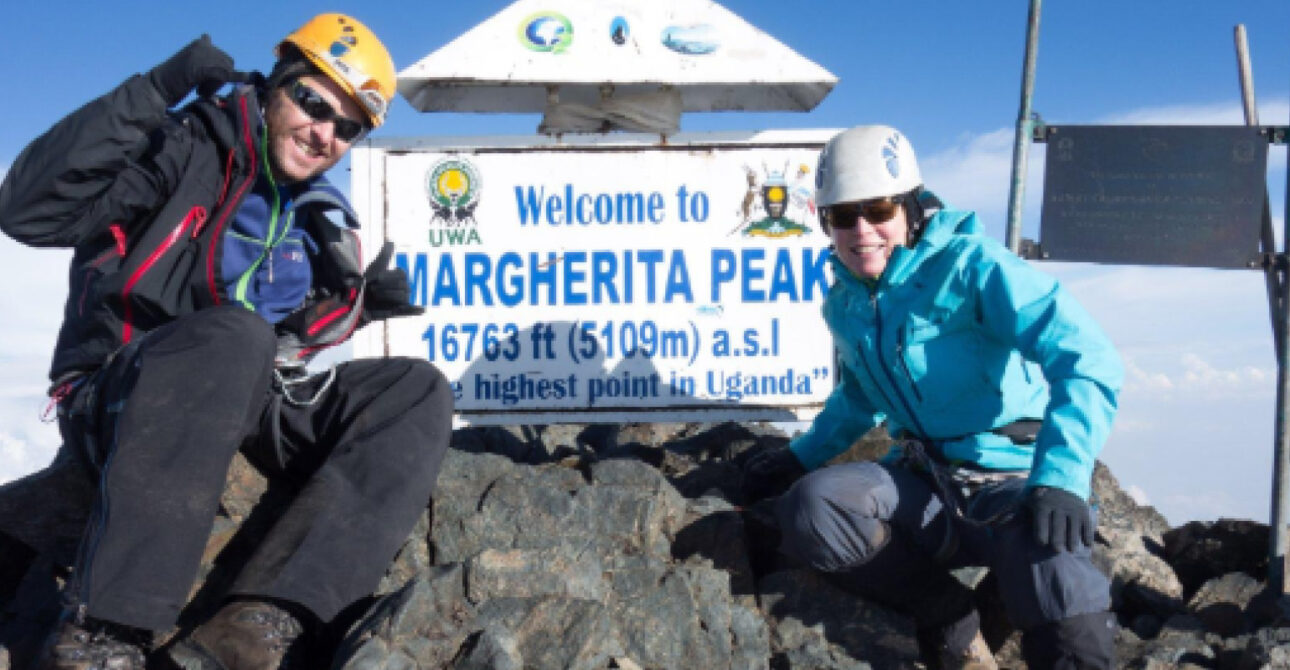
Climbing Margherita Peak in the Rwenzori Mountains
Margherita Peak, on Mount Stanley in the Rwenzori Mountains, rises to 5,109 metres and is Uganda’s highest point. The ascent is a serious high-altitude mountain expedition rather than an ordinary day hike. UWA identifies specialist equipment and safety infrastructure associated with the high Rwenzori routes, including ropes, crampons, ice axes and rescue equipment.
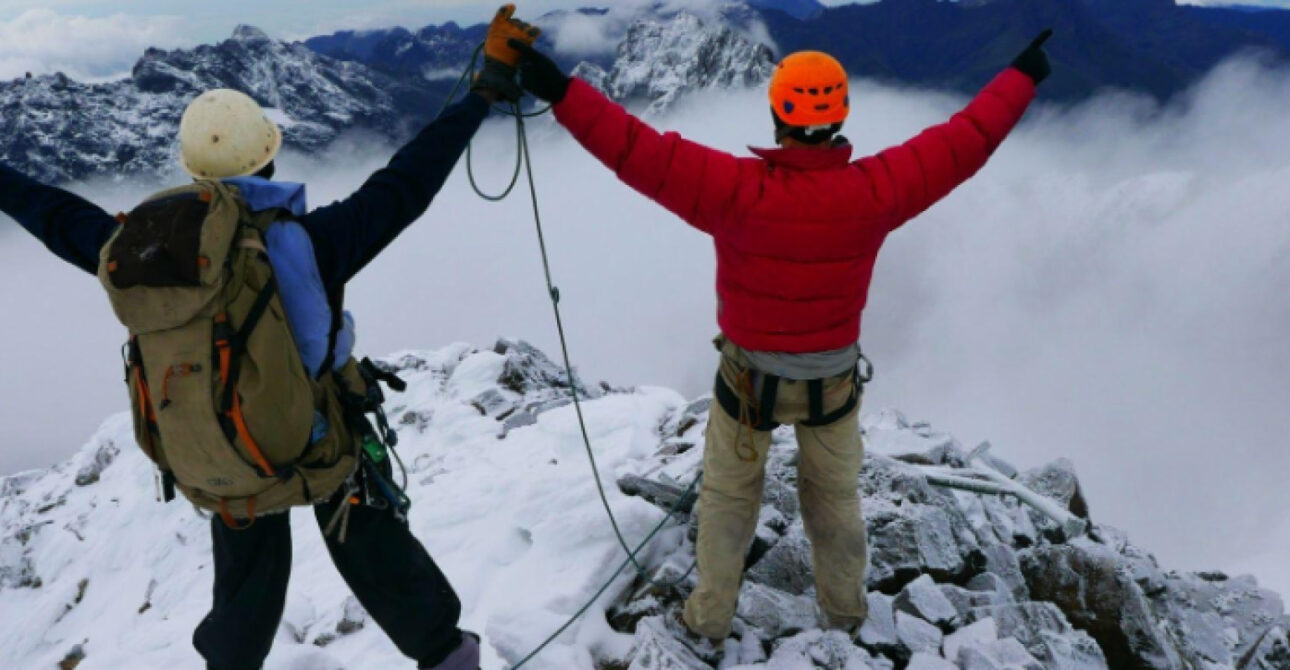
The mountain environment changes substantially with altitude, moving through forest and high-altitude vegetation toward rocky, alpine and glaciated terrain. Climbers should therefore prepare for changing weather, cold conditions, demanding terrain and multiple days on the mountain.
UWA’s 2024 update also noted improvements to accommodation and safety infrastructure, including Elena Camp at approximately 4,500 metres and boardwalks through difficult sections of the mountain.
A Margherita expedition should be planned around the route, current mountain conditions, qualified guiding arrangements, equipment and the climber’s previous experience.
Peak Climbing on Mount Elgon
Mount Elgon offers a different type of peak-climbing experience from the Rwenzori. Its highest point, Wagagai Peak, reaches 4,321 metres, while the mountain’s broad landscape includes forests, bamboo zones, moorlands, cliffs, caves, waterfalls and an extensive caldera.
The mountain provides several trekking routes and can support multi-day climbing experiences. The physical challenge varies according to the selected trail, distance, elevation gain and itinerary. Compared with the Rwenzori’s higher alpine environment, Mount Elgon provides a different combination of volcanic landscapes and high-altitude vegetation.
The climb can also be incorporated into a wider eastern Uganda journey, potentially linking the mountain with Sipi Falls, cultural experiences, birding and other nature activities. Travellers should select their route according to fitness, available time, weather conditions and the current guidance of Uganda Wildlife Authority and the local mountain team.
Peak Climbing on the Virunga Volcanoes
The Virunga volcanoes provide peak-climbing experiences across the Uganda-Rwanda border region. In Uganda, Mgahinga Gorilla National Park includes Mount Muhabura, Mount Gahinga and Mount Sabyinyo. In Rwanda, Volcanoes National Park protects the Rwandan sector of the Virunga Massif, including Karisimbi, Bisoke, Sabyinyo, Gahinga and Muhabura.
Each mountain has its own elevation, trail character and physical demands. Muhabura reaches 4,127 metres, while Sabyinyo rises to 3,645 metres and provides distinctive ridge-top terrain.
These climbs can form part of a broader primate and nature itinerary. Depending on the destination and schedule, travellers can combine a mountain ascent with Gorilla Trekking, Golden Monkey Tracking, forest walks and cultural experiences. Route access, permits, guides and current conditions should be confirmed before travel.
Can Peak Climbing Be Combined With Gorilla Trekking?
Yes. Peak climbing can be combined with Gorilla Trekking in both Uganda and Rwanda, particularly in the Virunga and southwestern mountain regions. The two experiences, however, have different physical and practical demands.
Gorilla trekking focuses on entering the forest to locate and observe a habituated gorilla group, while peak climbing involves sustained ascent toward a mountain summit or high point. A traveller planning both should therefore allow adequate recovery time and avoid placing two demanding activities too close together.
In Uganda, Mgahinga combines mountain landscapes with mountain-gorilla habitat, while Rwanda’s Volcanoes National Park provides both gorilla trekking and several volcanic hiking experiences. The final itinerary should consider fitness, altitude, trail conditions, permits, activity schedules and the number of days available.
Can Peak Climbing Be Combined With Birding and Wildlife Experiences?
Yes. Mountain climbing can form part of a broader nature and wildlife itinerary, particularly in destinations where different habitats occur along the mountain slopes. The Rwenzori and Mount Elgon contain distinct vegetation zones and support diverse birdlife, while the Virunga mountains are associated with forest, bamboo, montane and alpine environments. Rwanda’s Volcanoes region, for example, is home to a range of bird species and other wildlife within the mountain ecosystem.
Birding or wildlife viewing can be scheduled before or after the main climb, allowing the traveller to experience the destination without making every day physically demanding. In Uganda, a mountain journey can also be linked with wildlife destinations elsewhere in the country. The appropriate combination depends on the route, season, activity schedules and available recovery time.
What Is the Best Time for Peak Climbing in Uganda and Rwanda?
The best time for Peak Climbing in Uganda and Rwanda depends on the mountain, route, altitude and weather conditions. Drier periods can provide more manageable trail conditions, but mountain weather can change rapidly at higher elevations and conditions should be assessed close to the climb.
The Rwenzori is particularly sensitive to weather because high-altitude sections can involve cold, wet and difficult conditions. UWA notes that the mountain’s higher peaks require specialist equipment and experience, while recent infrastructure improvements have focused on safety in difficult sections.
Rwanda’s volcanic climbs are also affected by rainfall and trail conditions. Visit Rwanda recommends sturdy clothing and solid walking shoes for Volcanoes National Park, with gaiters and lightweight waterproof clothing useful in rain. For any climb, confirm current route conditions, access arrangements and guidance from the relevant protected-area authority before departure. Read. Best Time to Visit Uganda for a Safari.
Is Peak Climbing in Uganda and Rwanda Difficult?
Peak climbing is generally more physically demanding than ordinary hiking, but the level of difficulty varies considerably between mountains and routes. Factors include altitude, elevation gain, distance, terrain, weather, duration and the need for technical equipment.
The Rwenzori’s highest peaks represent the more demanding end of the spectrum. UWA identifies Margherita and other high peaks as requiring specialist equipment and technical experience. Rwanda’s volcanoes also vary: Mount Karisimbi is described by Visit Rwanda as a strenuous two-day climb, while other volcanic routes are shorter but can still involve substantial elevation gain.
Travellers should select a mountain according to their previous experience and physical preparation rather than treating all peak climbs as equivalent. Professional guiding, appropriate equipment, sensible pacing and preparation are important throughout the experience.
What Should You Wear and Carry for Peak Climbing?
Peak-climbing equipment depends heavily on the mountain, altitude, season and route. For lower volcanic climbs, sturdy walking boots, layered clothing, rain protection, warm clothing, water and a small daypack may be appropriate.
Higher Rwenzori climbs require substantially more specialised preparation. UWA identifies equipment including ropes, crampons, ice axes, carabiners, ascenders and rescue equipment for the high mountain environment.
A typical personal packing list may include moisture-wicking layers, warm insulation, waterproof outerwear, gloves, hat, sturdy boots, water bottles, headlamp, personal medication, sun protection and basic personal items. Your mountain operator should provide the definitive equipment list before departure.
Is Peak Climbing Safe in Uganda and Rwanda?
Peak climbing involves inherent mountain risks, including steep terrain, changing weather, altitude, cold, slippery surfaces, fatigue and, on some routes, technical sections. Safety therefore depends on selecting an appropriate route, using qualified guides, following park instructions and carrying the equipment required for the specific climb.
Uganda Wildlife Authority has invested in Rwenzori safety infrastructure and equipment, including ropes, crampons, ice axes, rescue stretchers and oxygen bags. UWA also reports boardwalk construction through difficult and boggy sections. Rwanda Development Board advises carrying sturdy clothing and solid walking shoes, with rain protection useful in wet conditions.
Before climbing, confirm current route status, weather, access arrangements and equipment requirements. Climbers should also communicate relevant medical or fitness considerations to the operator before undertaking a demanding mountain journey.
Responsible Tourism During Peak Climbing
Responsible peak climbing means protecting fragile mountain environments while respecting guides, porters, wildlife and local communities. Stay on designated routes, carry out all waste, avoid removing plants or natural materials and keep noise levels low.
Mountain ecosystems can be particularly sensitive because vegetation may recover slowly from disturbance. On high-altitude routes, climbers should also follow guide instructions around sensitive terrain, campsites, water sources and wildlife.
In the Rwenzori, tourism supports local guiding, porter and service networks around established climbing routes. UWA’s management information also identifies community involvement in mountain tourism activities.
Responsible behaviour helps reduce environmental pressure while supporting the people who contribute to the mountain experience. Travellers should follow the current conservation and visitor requirements issued by the relevant protected-area authority.
Frequently Asked Questions About Peak Climbing
Margherita Peak on Mount Stanley in the Rwenzori Mountains is Uganda’s highest point at 5,109 metres above sea level. The ascent is a demanding high-altitude expedition requiring appropriate preparation, specialist equipment and experienced mountain support.
Mount Karisimbi is Rwanda’s highest peak at 4,507 metres. It is located in the Virunga Massif within Volcanoes National Park, and Visit Rwanda describes the ascent as a strenuous two-day hiking experience with overnight camping.
Some shorter mountain ascents can suit travellers with limited climbing experience, but peak climbing should not be treated as a single difficulty level. Choose the mountain and route according to fitness, experience, altitude, duration and technical requirements.
Guiding requirements depend on the mountain and protected area. Rwanda’s listed Volcanoes hiking routes require a permit and guide, while Uganda’s mountain routes are also managed through protected-area and authorised guiding arrangements. Confirm current requirements before booking.
Yes. Peak climbing can be incorporated into a broader itinerary with wildlife viewing, Gorilla Trekking, Chimpanzee Tracking, Birding, Forest Walks and cultural experiences. Allow sufficient time for rest and transfers around demanding mountain activities.
Why Choose Njagi Safaris for Peak Climbing?
Njagi Safaris can incorporate Peak Climbing in Uganda and Rwanda into a private itinerary based on your mountain interests, fitness, available time and wider safari plans.
Combine Peak Climbing experiences with Gorilla Trekking safaris, Chimpanzee Tracking Safaris, Wildlife Safaris, Birding, and cultural experiences. For demanding climbs, itinerary planning should account for route duration, recovery time, accommodation, transfers and the equipment and guiding arrangements required for the selected mountain.
Virunga & Bwindi Odyssey

Volcanoes and Primates
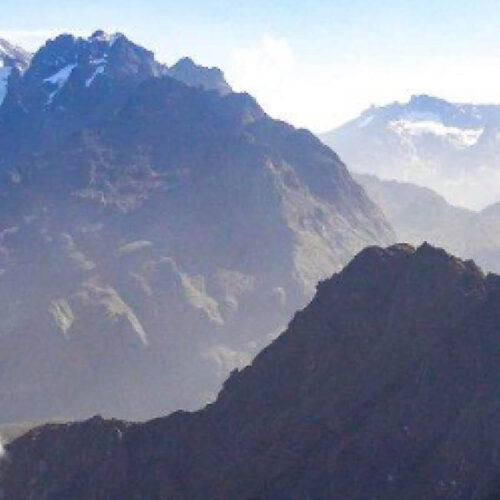
Mountains Of The Moon
Plan Your Gorilla Trekking Experience
Plan your Peak Climbing in Uganda and Rwanda around the mountain, route, altitude, physical requirements, season and wider safari itinerary.
Explore our All Safaris Collections and Safari Packages, then Contact Njagi Safaris to develop a private Uganda or Rwanda itinerary combining mountain experiences with wildlife, primates, birding, culture and scenic travel.