
Bird Watching in Uganda
Bird watching in Uganda offers travellers an opportunity to explore forests, wetlands, lakes, mountains, rivers and savannah landscapes while looking for a remarkable variety of birdlife. From the iconic Shoebill and colourful turacos to forest specialists, waterbirds, raptors and Albertine Rift endemics, birding can become a central focus of a safari or be combined naturally with wildlife, primate and cultural experiences.
Uganda’s varied landscapes create different birding environments across the country. A single journey can move from wetland birding around lakes and swamps to forest trails, open savannah and high-altitude mountain habitats.
For travellers, birding in Uganda can range from relaxed vehicle-based observation to dedicated walking excursions and multi-day specialist birding safaris. The experience can be adapted around your interests, available time, preferred pace and the species or habitats you most want to explore.
What Is Bird Watching in Uganda?
Bird watching in Uganda is the practice of observing and identifying wild birds in their natural habitats. The experience can take place from a safari vehicle, along forest and wetland trails, beside lakes and rivers, or during longer hikes through mountain environments.
Unlike a conventional wildlife safari that may focus primarily on large mammals, birding encourages travellers to pay attention to smaller details in the landscape. Bird calls, movement through vegetation, feeding behaviour, colour and habitat all become part of the experience.
A dedicated birding safari can therefore provide a slower and more detailed way of exploring Uganda, particularly for travellers interested in photography, nature, ecology and wildlife observation.
Why Is Uganda a Birding Destination?
Uganda’s appeal for Uganda birding comes largely from the variety of habitats found within a relatively accessible travel area. Forests, wetlands, lakes, rivers, savannahs and mountains support different bird communities and create opportunities to encounter species with very different behaviours and appearances.
The country also offers opportunities to combine specialist birding with other safari experiences. A traveller can spend time searching for forest birds in the morning, track chimpanzees later in the day, take a boat-based wildlife experience, or continue birding during a game drive.
This diversity makes birding safaris in Uganda suitable for both dedicated birders and travellers who want to include bird watching as part of a broader nature and wildlife journey.
What Birds Can You See in Uganda?
Uganda supports a wide range of birdlife, making it possible to build a safari around particular species, families or habitats. Some travellers are especially interested in large and distinctive species, while others focus on colourful forest birds, raptors, waterbirds or regional endemics.
Among the birds that attract particular interest are the Shoebill, Great Blue Turaco, African Green Broadbill, various sunbirds, kingfishers, hornbills, bee-eaters, weavers, eagles and other birds of prey.
For specialist birders, Uganda’s Albertine Rift forests are particularly important because they contain species with restricted ranges. The country’s wetlands and lakes also provide opportunities for observing waterbirds and other species associated with aquatic environments.
Where Can You Go Bird Watching in Uganda?
The best birding destinations in Uganda depend on the species and habitats you want to experience. Different locations offer different birding opportunities, so a specialist itinerary can combine several destinations rather than relying on one park.
Important birding areas include Mabamba Swamp, Murchison Falls National Park, Budongo Forest, Kibale National Park, Bigodi Wetland Sanctuary, Queen Elizabeth National Park, Bwindi Impenetrable National Park, Mgahinga Gorilla National Park, Semuliki National Park, Lake Mburo National Park and the Rwenzori Mountains.
These destinations provide access to wetland, forest, savannah and mountain habitats, allowing travellers to experience different dimensions of Uganda’s birdlife within one journey.
Uganda’s Main Birding Habitats
Forest Birding
Forest birding in Uganda takes travellers into dense vegetation where calls, movement and careful observation are often essential. Bwindi, Kibale, Budongo and Semuliki provide different forest environments and opportunities to search for forest specialists.
Forest birding can also be combined with primate experiences, nature walks and other activities, making it particularly suitable for travellers who want a broader rainforest experience.
Wetland and Swamp Birding
Wetlands provide some of Uganda’s most distinctive birding environments. Wetland birding in Uganda can involve canoe or boat excursions, walking trails and observation from suitable viewpoints.
Mabamba Swamp is particularly associated with Shoebill encounters, while other wetlands provide opportunities to observe herons, egrets, kingfishers, jacanas, storks and other water-associated species.
Savannah Birding
Savannah birding in Uganda brings a different perspective to the safari experience. Open landscapes make it possible to observe birds of prey, ground-feeding species, hornbills, rollers, bee-eaters, weavers and many other species alongside Uganda’s larger wildlife. Murchison Falls, Queen Elizabeth and Lake Mburo provide opportunities to combine birding with game drives and other wildlife experiences.
Mountain Birding
Mountain birding in Uganda introduces changes in altitude, vegetation and climate as travellers move through different ecological zones. The Rwenzori Mountains, Mgahinga and other highland environments provide opportunities to search for mountain and forest species.
Mountain birding can involve longer walks and more demanding terrain, so the experience should be planned around fitness, altitude, weather and the intended trail.
Lakes and River Birding
Uganda’s lakes and rivers create additional opportunities for bird watching in Uganda. Shorelines, islands, papyrus wetlands and riverine vegetation attract different species from those found in forests and open savannah.
Boat excursions can be particularly useful because they provide access to habitats that are difficult to explore on foot while also offering a different perspective of the surrounding landscape.
Bird Watching in Uganda Compared With Wildlife Safaris
Bird watching changes the pace and focus of a safari. Instead of concentrating primarily on finding large mammals, birders may spend longer in one location waiting for a particular species to appear or listening for calls in the surrounding vegetation.
A vehicle-based game drive can therefore become a birding experience, while a forest walk, wetland excursion or boat trip can be planned specifically around bird observation. For travellers who enjoy both wildlife and birds, there is no need to choose one approach. A well-designed itinerary can combine conventional wildlife viewing with dedicated birding periods.
Bird Watching With Chimpanzee, Gorilla and Wildlife Safaris
Uganda bird watching tours can be combined with some of the country’s best-known wildlife and primate experiences. Kibale can combine forest birding with chimpanzee tracking, while Bwindi and Mgahinga can bring together birding, mountain landscapes and gorilla trekking.
Other combinations can include birding and game drives in Queen Elizabeth, Murchison Falls or Lake Mburo, or wetland birding alongside broader nature experiences. The result is a safari that allows bird watching to become part of a wider journey rather than a separate activity.
When Is the Best Time for Bird Watching in Uganda?
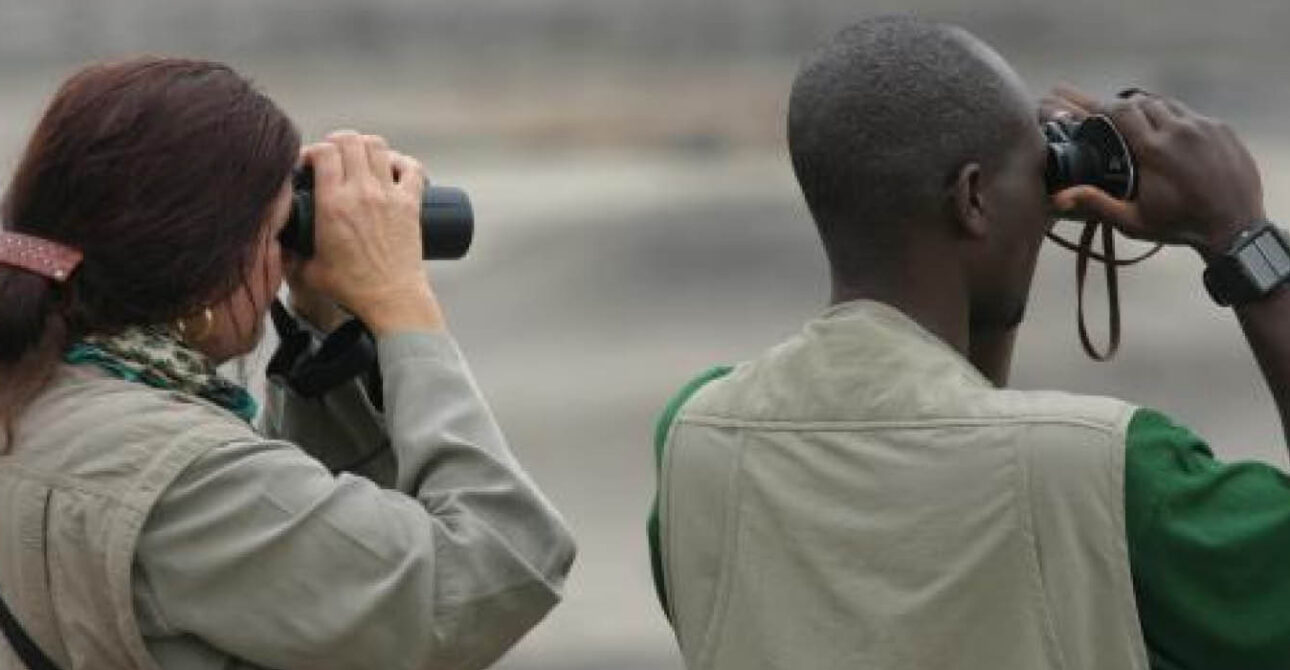
Bird watching in Uganda is possible throughout much of the year, but different seasons offer different advantages. Many birders favour periods with less rainfall because trails and roads can be easier to navigate, while wetter months can bring active vegetation, breeding behaviour and good opportunities for resident bird species.
Uganda also receives migratory birds during parts of the year, adding another dimension to seasonal birding. The best timing therefore depends on your target species, destinations and the type of birding experience you want. A specialist itinerary can be planned around particular habitats and seasonal opportunities rather than relying on one universal birding season.
How Long Do You Need for Bird Watching in Uganda?
The ideal length of a Uganda birding safari depends on the number of habitats and regions you want to explore. A short three- to five-day trip can focus on one area or a small number of accessible birding sites.
A seven- to ten-day journey allows more time for forest, wetland and savannah environments, while a longer specialist safari can cover several major birding regions. Travellers with particular species targets may benefit from spending additional time in the habitats where those birds are most likely to occur.
What Equipment Do You Need for Bird Watching?
Good equipment can make bird watching tours in Uganda more enjoyable and productive. Binoculars are the essential starting point, while a camera with a suitable telephoto lens is useful for travellers interested in bird photography.
Other useful items include comfortable walking shoes, lightweight clothing, rain protection, a hat, sunscreen, insect protection, drinking water and a small daypack. A field guide or specialist guide can also make identification much easier.
Do You Need a Specialist Birding Guide?
A specialist guide can add considerable value to a dedicated birding tour in Uganda, particularly for travellers who have specific species or habitats on their list. Birding often depends on recognising calls, movement and habitat rather than simply spotting an animal in an open landscape.
A knowledgeable guide can help locate birds, identify species and understand their behaviour while keeping the experience focused on the interests of the group. Travellers combining casual bird watching with a conventional safari may prefer a broader wildlife experience, while dedicated birders may want an itinerary built around specialist birding.
Read. Uganda Birding: Destinations, Habitats, Birds and Safari Planning.
How Difficult Is Bird Watching in Uganda?
Bird watching can range from relatively easy vehicle-based observation to demanding forest and mountain walks. Short walks around wetlands, forest edges and accessible trails can suit travellers looking for a relaxed experience.
Dedicated forest birding may involve uneven trails and longer periods on foot, while mountain birding can require greater physical preparation. Your itinerary should therefore match the activities to your fitness, walking ability, age group and preferred pace. Birding does not have to be physically demanding to be rewarding.
Can Bird Watching Be Combined With Other Safari Activities?
Yes. One of the advantages of Uganda birding safaris is that bird watching can be integrated into a wider safari itinerary. Birding can be combined with chimpanzee tracking in Kibale, gorilla trekking in Bwindi or Mgahinga, game drives in major savannah parks, boat experiences, nature walks and cultural activities.
This approach allows dedicated birding periods to sit alongside other safari experiences, creating a more varied journey without requiring the entire trip to follow a specialist birding schedule. Read. Adventure Activities in Uganda and Rwanda: A Traveller’s Guide.
How Can You Prepare for a Uganda Birding Safari?
Preparation begins with identifying your interests. Decide if your priority is a particular species, bird family, habitat, photography or simply experiencing Uganda’s birdlife alongside a broader safari. For additional birding and conservation information, travellers can explore NatureUganda, which works on bird conservation, biodiversity research and monitoring in Uganda, and Avian Conservation Uganda Society (ACUS), which focuses on bird conservation, awareness and birding knowledge.
It is also useful to consider the amount of time you want to spend walking, your preferred accommodation level and the destinations you want to include. For information on birds and protected areas, Uganda Wildlife Authority (UWA) provides birding information and identifies key birding areas across Uganda. For connecting with local birding guides, BirdingPal – Uganda can also be included as a supplementary resource.
A practical itinerary should allow enough time for early starts, travel between destinations, birding stops and rest. Avoid packing too many destinations into a short trip, as rushed transfers can reduce the quality of the birding experience.
Can Bird Watching Be Combined With Gorilla and Chimpanzee Tracking?
Birding can complement both gorilla trekking and chimpanzee tracking, particularly in forest environments. Bwindi and Mgahinga provide opportunities to combine birding with gorilla experiences, while Kibale offers a strong combination of forest birding and chimpanzee tracking. These combinations can create a richer forest experience, allowing travellers to appreciate not only the primates but also the wider ecosystem in which they live.
How Do You Plan a Multi-Destination Birding Safari?
A multi-destination bird watching safari in Uganda should be built around habitats and target species rather than simply the number of places visited. For example, an itinerary might combine wetland birding, forest birding and savannah birding to provide contrasting experiences.
Travellers with specialist interests can instead spend more time in selected forests or highland areas. The route should also consider driving time, accommodation, trail conditions and opportunities for early-morning birding, when activity is often particularly rewarding. Read. Uganda Safari Guide: How to Plan Your Trip.
Shoebill Bird Watching in Uganda
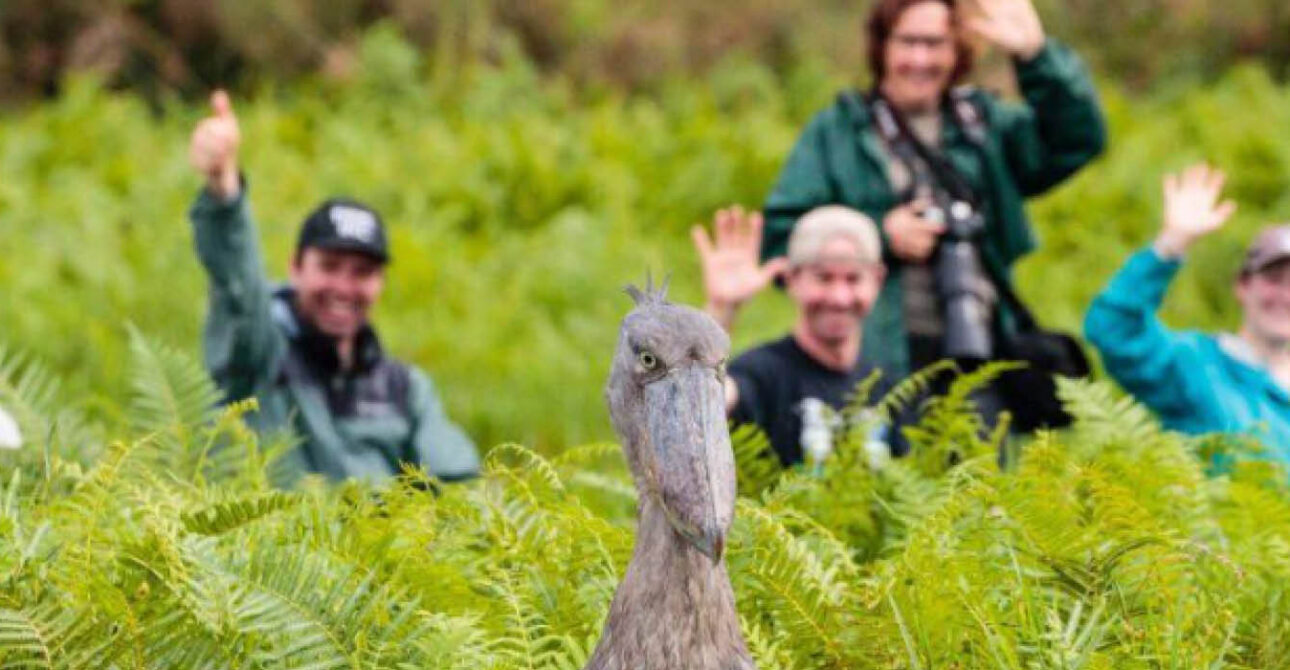
Shoebill birding in Uganda is one of the country’s most distinctive birding experiences. The Shoebill is particularly associated with wetland habitats, where patient observation and an early start can improve opportunities for an encounter.
Mabamba Swamp is a well-known destination for searching for the species, with canoe-based exploration providing access to papyrus channels and open wetland areas. Shoebill-focused excursions can also be combined with broader wetland birding, allowing travellers to observe other water-associated species during the same experience.
Albertine Rift Endemic Birding in Uganda
Albertine Rift birding in Uganda is especially important for specialist birders interested in species with restricted ranges. The region’s forests and mountains support a distinctive collection of birds that cannot be experienced in the same way across Uganda’s savannah and wetland environments.
Bwindi, Mgahinga, the Rwenzori Mountains, Kibale and Semuliki can all contribute to a specialist itinerary, depending on the species and habitats being targeted. These destinations can also be combined with gorilla trekking, chimpanzee tracking and other forest experiences.
Forest Bird Watching in Uganda
Wetland bird watching in Uganda takes travellers into some of the country’s most productive habitats for water-associated species. Swamps, papyrus channels, lake edges and other wetlands can support a variety of herons, egrets, kingfishers, storks, jacanas and other birds.
Mabamba provides an opportunity for canoe-based birding, while Bigodi Wetland Sanctuary and other wetland environments can be explored on foot. Wetland experiences can be particularly rewarding for photographers and travellers interested in observing bird behaviour in a specialised habitat.
Wetland Bird Watching in Uganda
Watching Forest bird in Uganda offers a very different experience from open-country bird watching. Dense vegetation means that observation often involves listening carefully for calls, following movement through the canopy and understory, and spending time in productive areas.
Bwindi and Mgahinga provide opportunities in highland forest environments, while Kibale, Budongo and Semuliki offer different forest habitats and bird communities. Forest birding can be combined with nature walks and primate experiences, creating a broader rainforest-focused safari.
Savannah Bird Watching in Uganda
Savannah bird watching in Uganda combines bird observation with the wider wildlife experience of open grasslands and woodland. Birds can be encountered during game drives, at water sources, along woodland edges and around areas where herbivores and other wildlife are concentrated.
Murchison Falls, Queen Elizabeth, Lake Mburo and Kidepo provide different savannah settings. Raptors, hornbills, rollers, bee-eaters, weavers and many other species can add another dimension to a conventional wildlife safari.
Mountain Bird Watching in Uganda
Mountain bird watching in Uganda introduces travellers to changing vegetation and bird communities across higher elevations. The Rwenzori Mountains and Mgahinga provide opportunities to explore mountain and forest habitats, with some experiences requiring longer walks and greater physical preparation.
Mountain birding can be particularly attractive to specialist birders interested in highland species and Albertine Rift birds. It can also be combined with hiking, gorilla trekking and other mountain experiences, depending on the destination and itinerary.
Bird Photography in Uganda
Uganda offers varied opportunities for bird photography, from large wetland species and colourful forest birds to raptors and birds encountered during game drives. The type of photography experience depends strongly on the habitat and the amount of time available.
Photographers should plan around early starts, suitable lenses and sufficient time at productive locations. A specialist itinerary can also allow more flexibility for repeated sightings and longer observation rather than moving quickly between destinations.
Can Birding Be Combined With Wildlife and Nature Experiences?
A birding safari in Uganda does not have to focus exclusively on birds. Many of Uganda’s best birding destinations also support wildlife, primates, forests, wetlands and scenic landscapes. Travellers can combine birding with game drives, boat trips, chimpanzee tracking, gorilla trekking, nature walks and cultural experiences. This makes it possible to create a varied safari while still allocating dedicated time to bird watching.
Choosing the Right Birding Experience in Uganda
The right Uganda birding experience depends on your interests and the type of environment you want to explore. A Shoebill-focused trip will require a different route from a specialist forest-birding safari, while travellers interested in photography may prefer more time at selected locations.
Consider your target species, available days, walking ability, photography interests and interest in combining birding with other safari experiences. These factors can then guide the choice of destinations and the pace of the itinerary.
FAQs About the Bird Watching Safari in Uganda
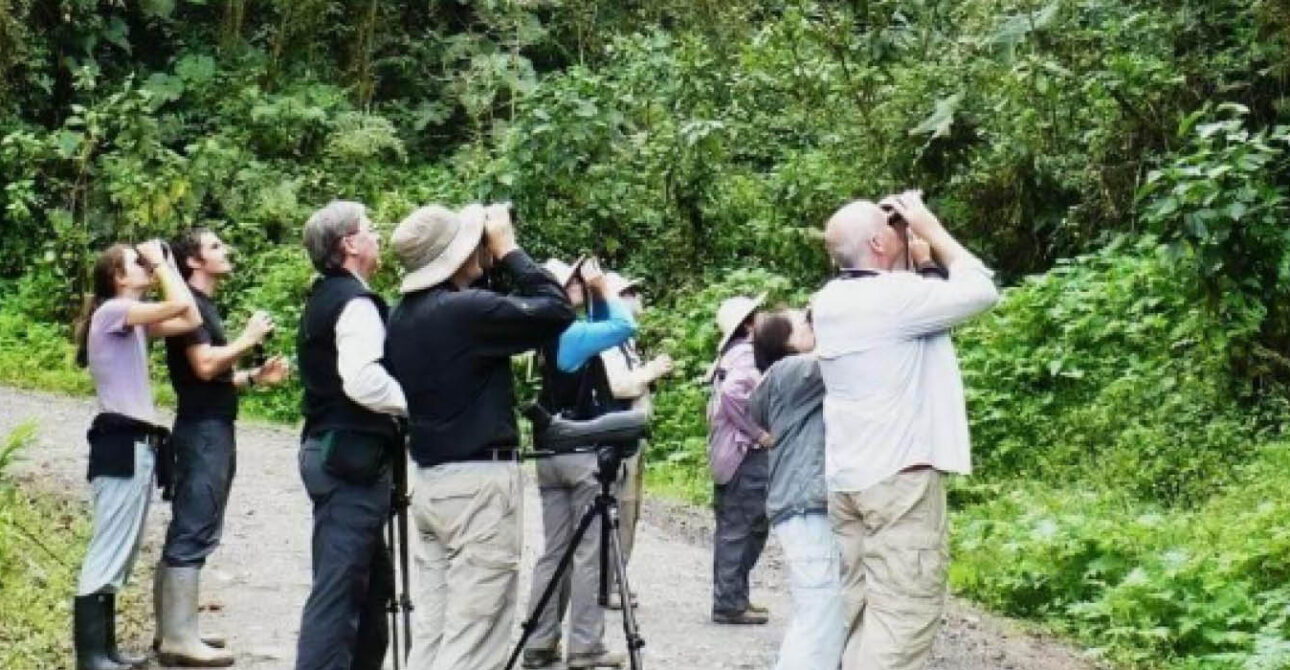
A birding watching itinerary in Uganda should be built around the habitats and species you most want to experience. Instead of simply trying to visit as many destinations as possible, allow enough time for meaningful observation at each location.
A specialist itinerary can combine forests, wetlands, savannah and mountain environments, or concentrate on one particular region. Travel distances, early starts, walking requirements and accommodation locations should all be considered when arranging the route.
Early mornings are often particularly valuable for bird watching in Uganda, as many birds are active during the cooler hours of the day. Starting early can provide more time for listening, observation and photography before temperatures rise and travel activities become busier.
The exact schedule depends on the destination and planned activity. A flexible itinerary can also include afternoon birding, evening observation and opportunistic sightings during transfers and wildlife activities.
Travellers with a specific target list should identify the habitats and destinations associated with their priority species before building the itinerary. This is particularly important for specialist interests such as the Shoebill, Albertine Rift endemics and forest birds.
A target-species approach can help determine how many days to spend in each location and which experiences to prioritise. It also allows the safari to remain realistic instead of trying to cover too many habitats within a limited period.
A specialist Uganda birding watching safari is appropriate for travellers who want birds to be the main focus of the journey. The itinerary can then give greater attention to birding locations, walking opportunities, observation time and species identification.
A general safari can work well for travellers who enjoy birds but also want to prioritise wildlife, primates, landscapes or cultural experiences. Birding can be incorporated into game drives, boat trips, nature walks and transfers without becoming the sole purpose of the trip.
Combining birding watching and gorilla trekking in Uganda can create a particularly rich forest experience. Bwindi and Mgahinga provide opportunities to explore mountain forest habitats while also undertaking gorilla experiences.
The two activities require different types of preparation. Gorilla trekking can involve challenging terrain and strict visitor arrangements, while birding may require additional time for patient observation. Allowing enough time for both activities creates a more balanced itinerary.
Kibale provides an opportunity to combine birding with chimpanzee tracking and other forest experiences. Travellers can dedicate time to bird observation while also exploring the wider forest ecosystem.
The itinerary can include dedicated birding sessions, chimpanzee tracking and visits to nearby wetland environments. This combination is particularly suitable for travellers interested in both primates and forest biodiversity.
Yes. Birding safaris in Uganda can incorporate game drives and boat experiences, allowing travellers to observe birds across different habitats without changing the overall purpose of the safari.
Game drives can produce sightings of savannah and woodland species, while boat excursions provide access to shorelines, wetlands and river environments. Combining these activities can also reduce the need for separate specialist trips.
Bird photographers should consider the amount of time available at each location, the type of habitat and the expected distance from the birds. A fast-moving itinerary can limit photography opportunities, particularly for smaller or more elusive species.
Allowing additional time at selected destinations can provide more opportunities for observation and photography. Camera equipment should also be balanced against walking distances, vehicle space and the conditions expected during forest, wetland and mountain excursions.
The number of days depends on the number of habitats and target species you want to cover. A short itinerary can focus on one region, while a longer journey can combine forest, wetland, savannah and mountain birding.
For specialist birders, additional time can be valuable because sightings are not always predictable. A longer itinerary also reduces pressure to move quickly between destinations and creates more opportunities for repeated observation.
A well-planned bird watching safari in Uganda balances target species, habitats, travel time, accommodation, walking requirements and opportunities for observation. It should allow enough time at productive locations without making the journey unnecessarily rushed.
The strongest itineraries are built around the traveller’s interests rather than a fixed list of destinations. A dedicated birder may need a different route from a family interested in casual bird watching, a photographer seeking particular species or a traveller combining birding with gorilla and wildlife experiences.
Why Choose Njagi Safaris for Your Birding Watching Safari?
At Njagi Safaris, we design tailor-made birding journeys around your interests, available time and preferred pace. We can combine bird watching with wildlife, primate, cultural and nature experiences across Uganda, creating a practical itinerary around the habitats and species you most want to explore.
Prefer a Custom Birding Watching Safari?
Tell us what you would like to see, your preferred travel dates, trip length, group size and accommodation preference. We can build your itinerary around your target species, preferred habitats and other safari interests. Explore Our Birding Safaris Collection.

Pearl Wings
Emerald Avian

Pearl Explorer
Explore More Wildlife and Nature Experiences
Bird watching can be combined with Gorilla Trekking, Chimpanzee Tracking, Wildlife Safaris, Nature Tours and Shoebill Tracking to create a broader safari experience.
Start Planning Your Birding Safari
Ready to explore Uganda’s birdlife? Contact Njagi Safaris and share your travel plans, target species or preferred destinations. We will help you develop a practical birding itinerary around your interests.