Wildlife Viewing in Uganda and Rwanda
Wildlife viewing in Uganda and Rwanda offers diverse wildlife experiences across savannahs, forests, wetlands, lakes and river environments. A wildlife viewing safari can range from game drives and boat experiences to primate encounters, bird watching and forest-based activities. Travellers can combine different habitats and experiences to create a journey suited to their interests, available time and preferred destinations. For a broader guide to destinations, habitats, birds and safari planning, read our Wildlife in Uganda and Rwanda guide.
What Is Wildlife Viewing?
Wildlife viewing is the experience of observing animals and their natural environments while travelling through protected areas and other wildlife-rich landscapes. In Uganda and Rwanda, this can include game drives across savannah, boat-based wildlife viewing, forest experiences, primate encounters and specialist birding.
The experience is not limited to seeing particular species. It also involves observing animal behaviour, landscapes, habitats and the relationship between wildlife and the surrounding environment. Depending on the destination, travellers may encounter large mammals, primates, birds, reptiles and aquatic wildlife as part of the same safari.
What Makes Uganda and Rwanda Good Wildlife Destinations?
Uganda and Rwanda offer different wildlife environments within relatively compact safari regions. Uganda provides extensive savannah, forest, wetland and freshwater habitats, allowing travellers to combine classic game viewing with gorilla trekking, chimpanzee tracking, birding and other nature experiences.
Rwanda offers a complementary combination of savannah, rainforest and mountain environments. Akagera National Park provides classic wildlife viewing, while Nyungwe National Park and Volcanoes National Park provide forest and primate experiences. Combining destinations can therefore create a safari with varied landscapes and wildlife encounters.
What Can You See on a Wildlife Viewing Safari?
A wildlife viewing safari in Uganda and Rwanda can include a wide range of mammals, primates, birds and aquatic species. Depending on the destination, travellers may see elephants, lions, leopards, buffaloes, giraffes, hippos, antelope and other savannah wildlife.
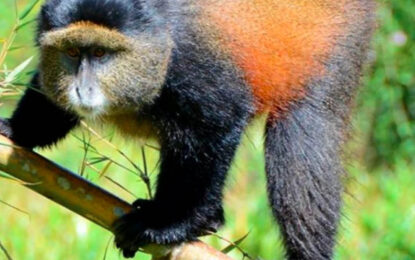
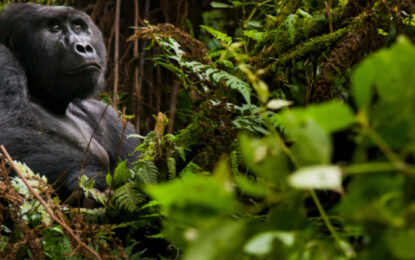
Forest destinations offer different encounters, including mountain gorillas, chimpanzees, golden monkeys and other primates. Wetlands, lakes and rivers add opportunities to observe hippos, crocodiles and water-associated birds, while specialist birding experiences can reveal species that may not be encountered during a conventional game drive.
What Wildlife Experiences Can You Have?
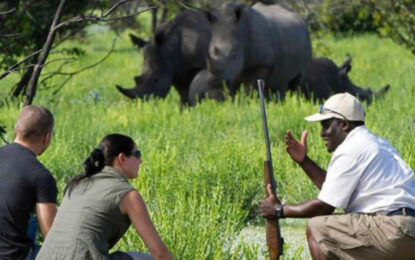
Wildlife viewing in Uganda and Rwanda can take many forms, from game drives and boat safaris to guided encounters with rhinos, primates and forest wildlife. The experience you choose can shape the pace, landscape and type of wildlife you encounter.
Explore the featured experiences below to see how different activities can become part of a wider wildlife viewing safari.
Wildlife Viewing in Uganda
Uganda offers a broad range of wildlife experiences across savannah, forest, wetland and freshwater environments. This variety allows travellers to combine classic game viewing with primate encounters, boat-based wildlife viewing and specialist nature experiences within the same safari.
Savannah Wildlife
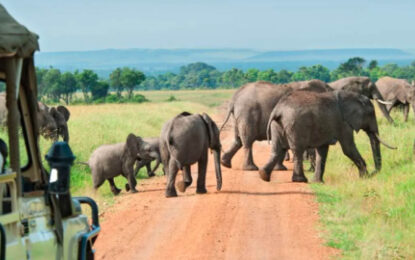
Uganda’s savannah destinations provide some of the country’s most accessible opportunities for traditional wildlife viewing. Murchison Falls National Park, Queen Elizabeth National Park, Kidepo Valley National Park and Lake Mburo National Park each offer different landscapes and wildlife experiences, from open grasslands and woodland to riverine and wetland environments.
Forest and Primate Wildlife
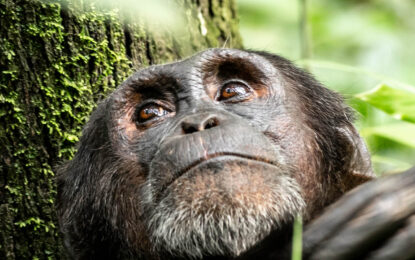
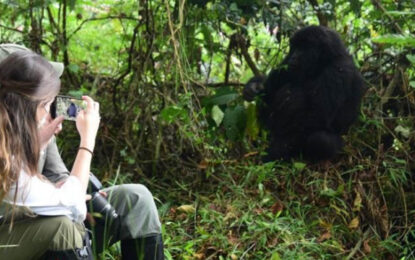
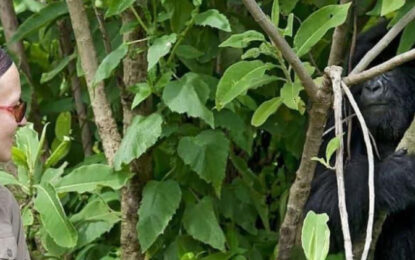
Uganda’s forests offer a different side of wildlife viewing, centred on primates and forest ecosystems. Bwindi Impenetrable National Park is known for mountain gorilla experiences, while Kibale Forest National Park is a major destination for chimpanzee tracking and other primate encounters. Mgahinga Gorilla National Park adds mountain landscapes, gorilla and golden monkey experiences.
Wetland and Aquatic Wildlife
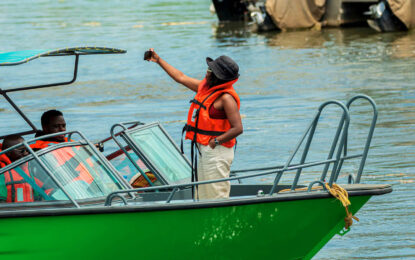
Uganda’s lakes, rivers and wetlands create opportunities to experience wildlife from a different perspective. Boat-based experiences can bring travellers closer to aquatic environments, where hippos, crocodiles and water-associated birds may be encountered. Wetland destinations also complement traditional game drives by adding different habitats and viewing opportunities to a safari.
Where to See Uganda’s Wildlife
Your choice of destination depends on the type of wildlife experience you want to build. Murchison Falls, Queen Elizabeth, Kidepo Valley and Lake Mburo are important choices for savannah wildlife, while Bwindi, Kibale and Mgahinga are suited to forest and primate experiences. These destinations can be explored individually or combined into a wider Uganda safari.
Wildlife Viewing in Rwanda
Rwanda offers a compact combination of savannah, rainforest, mountain and wetland environments, allowing wildlife viewing to extend beyond traditional game drives. Akagera National Park provides the country’s main savannah wildlife experience, while Nyungwe National Park and Volcanoes National Park offer forest-based encounters with primates and other wildlife.
Savannah Wildlife in Akagera
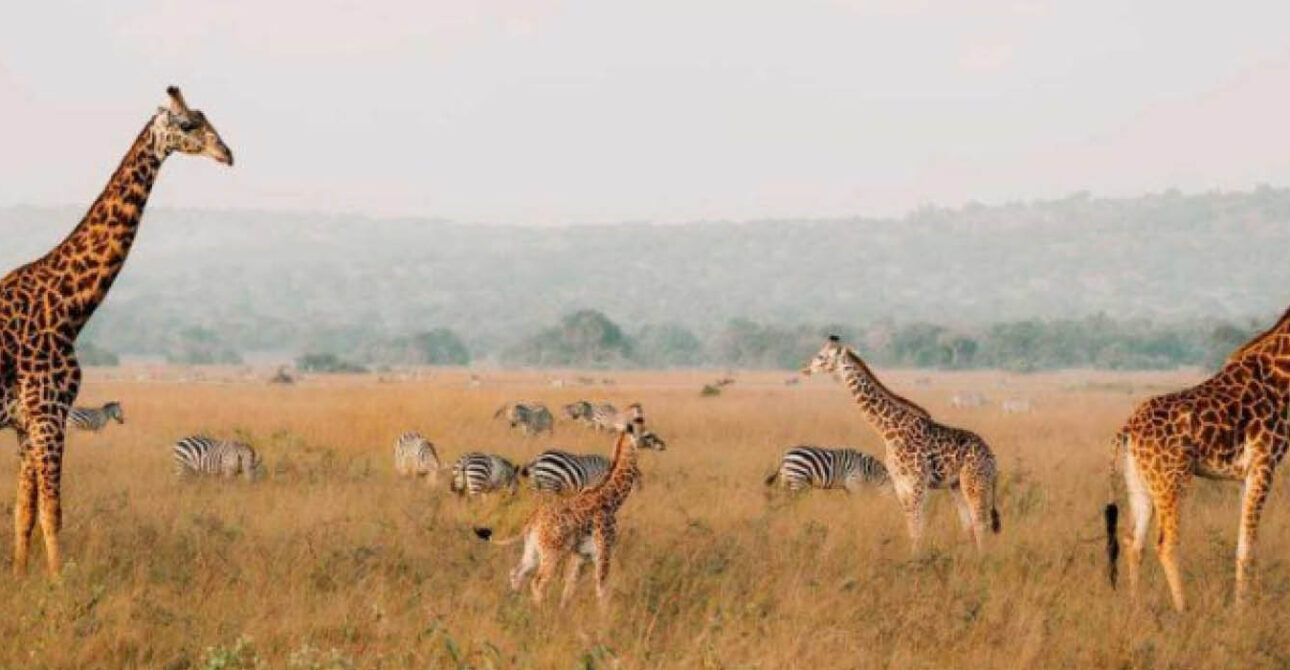
Akagera National Park is Rwanda’s principal destination for savannah wildlife viewing. Game drives take travellers through open grassland, woodland and wetland landscapes where they can look for elephants, buffaloes, giraffes, zebras, antelopes and other wildlife. The park’s lakes and waterways also add an aquatic dimension to the experience.
Primates and Forest Wildlife
Rwanda’s forest environments provide a different form of wildlife viewing, centred on primates and rainforest ecosystems. Nyungwe National Park is particularly suited to chimpanzee tracking and other primate experiences, while its montane forest supports diverse birdlife and other forest species.
Gorilla and Golden Monkey Experiences
Volcanoes National Park is Rwanda’s leading destination for mountain gorilla and golden monkey experiences. These guided forest encounters offer a more immersive alternative to conventional game viewing, taking travellers into the mountain landscape to observe primates in their natural environment.
Wetlands, Lakes and Birdlife
Rwanda’s wetlands and lakes complement its forest and savannah experiences. Akagera contains an extensive network of lakes and wetlands that support hippos, crocodiles and numerous water-associated birds. Wetland habitats elsewhere in the country also provide opportunities for bird watching and nature observation.
Where to See Rwanda’s Wildlife
The best destination depends on the wildlife experience you want to include. Akagera is suited to savannah and aquatic wildlife, Nyungwe to forest and primate experiences, and Volcanoes to gorilla and golden monkey encounters. These destinations can also be combined to create a broader Rwanda wildlife safari.
Wildlife and Nature Experiences in Rwanda
Wildlife experiences in Rwanda can be combined with hiking, birding, nature and scenic travel. This allows travellers to experience animals alongside the forests, mountains, wetlands and landscapes in which they live.
What Wildlife Can You See in Uganda and Rwanda?
Wildlife viewing in Uganda and Rwanda offers more than a search for a few iconic animals. The species you encounter depend on the destination, habitat and activity, with savannah, forest, wetland and freshwater environments each providing different opportunities. A well-planned safari can therefore combine large mammals, primates, birds and specialist wildlife experiences.
Big Cats
Lions and leopards are among the most sought-after predators on a wildlife viewing safari. In Uganda, opportunities to look for them include Queen Elizabeth, Murchison Falls and Kidepo Valley. Rwanda’s Akagera National Park also provides opportunities to encounter lions and other predators during game drives.
Elephants and Large Herbivores
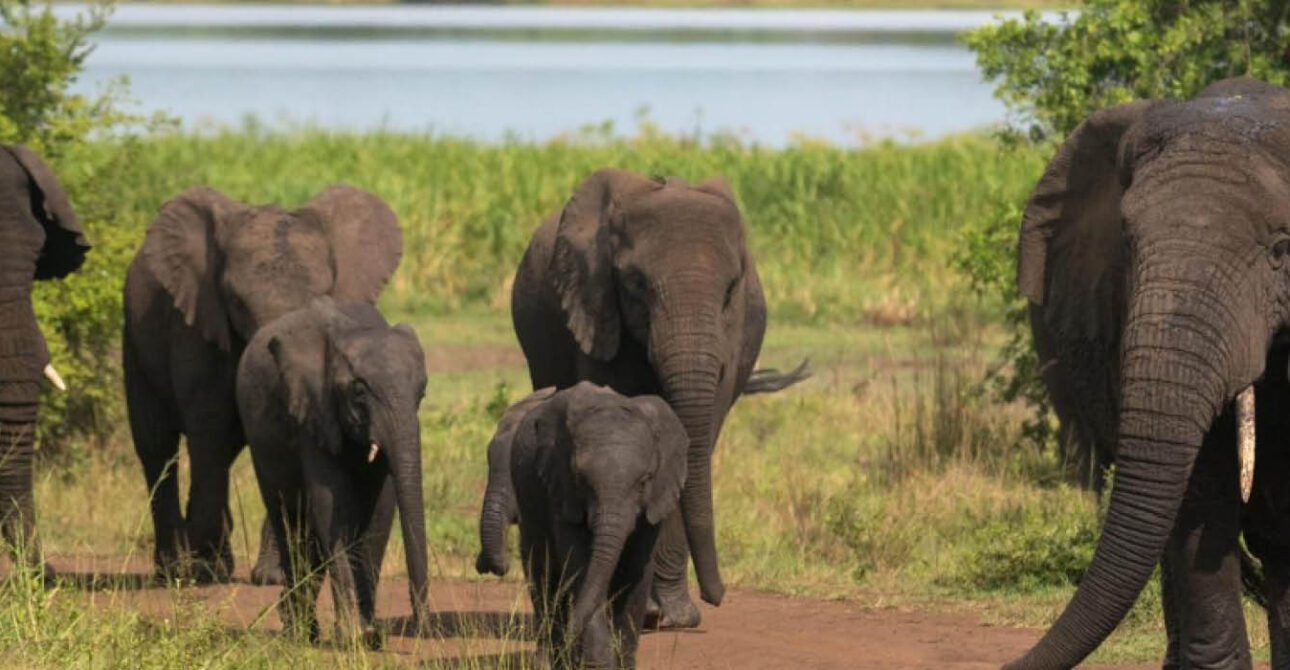
Elephants, buffaloes and hippos are important parts of Uganda and Rwanda’s wildlife landscapes. Elephants can be encountered in several savannah destinations, while buffaloes occur across a range of protected areas. Hippos are particularly associated with lakes, rivers and wetlands, adding an aquatic dimension to wildlife viewing.
Primates
Forest environments provide some of the region’s most distinctive wildlife encounters. Uganda offers mountain gorilla experiences in Bwindi and Mgahinga, chimpanzee tracking in Kibale and other forest destinations, while Rwanda’s Volcanoes National Park is known for mountain gorillas and golden monkeys. Other forests support additional primate species.
Antelope and Savannah Species
Savannah landscapes support a wide variety of herbivores and other wildlife. Depending on the destination, travellers may encounter giraffes, zebras, Uganda kob, impala, waterbuck, topi and other antelope species. The combination changes from one park to another, making different destinations valuable for different wildlife experiences.
Wetland and Aquatic Wildlife
Lakes, rivers and wetlands provide habitats that are quite different from open savannah. Hippos and crocodiles can be observed in suitable freshwater environments, while wetland vegetation supports numerous water-associated species. Boat-based wildlife viewing can provide another perspective on these habitats while complementing conventional game drives.
Birds and Specialist Wildlife
Birds add another dimension to wildlife viewing across Uganda and Rwanda. Wetlands, forests, lakes and savannah support different bird communities, including specialist species sought by dedicated birders. Travellers can combine general wildlife viewing with bird watching, Shoebill tracking, photography and other specialist experiences for a more varied safari.
Where Can You Go for Wildlife Viewing in Uganda and Rwanda?
The right destination depends on the kind of wildlife viewing experience you want to include. Uganda combines savannah, forest, wetland and freshwater environments, while Rwanda offers complementary savannah, rainforest and mountain habitats. The destinations below provide a concise starting point before exploring the individual destination pages.
Murchison Falls National Park
Murchison Falls offers classic savannah wildlife viewing alongside river and wetland environments. Game drives can be combined with boat-based wildlife viewing on the Nile, creating a varied experience within one destination.
Queen Elizabeth National Park
Queen Elizabeth combines open savannah, woodland, wetlands and lakeshores. It is suited to game drives, wildlife viewing around the Kazinga Channel and primate experiences, making it one of Uganda’s most diverse wildlife destinations.
Kidepo Valley National Park
Kidepo Valley provides a more remote savannah wildlife experience in northern Uganda. Its expansive landscapes, seasonal valleys and diverse wildlife make it particularly suited to travellers looking for a distinctive wilderness setting.
Lake Mburo National Park
Lake Mburo offers a compact wildlife experience centred on savannah, woodland and wetland habitats. Giraffes, zebras, antelope and other wildlife can be encountered, with the landscape also supporting nature and birding experiences.
Bwindi Impenetrable National Park
Bwindi is primarily associated with mountain gorilla experiences, but the forest also supports diverse wildlife and birdlife. It provides a very different experience from Uganda’s open savannah parks.
Kibale Forest National Park
Kibale is a leading destination for chimpanzee tracking and forest primate experiences. Its rainforest environment supports a range of primates, birds and other forest wildlife, making it particularly suited to travellers interested in close observation of forest ecosystems.
Mgahinga Gorilla National Park
Mgahinga combines mountain gorilla and golden monkey experiences with volcanic mountain landscapes and forest habitats. It can add a distinctive highland and primate component to a wider Uganda wildlife itinerary.
Akagera National Park
Akagera is Rwanda’s principal savannah wildlife destination, combining game drives with lakes, wetlands and aquatic habitats. Travellers can experience large mammals alongside birds and other wildlife within the park’s varied landscape.
Nyungwe National Park
Nyungwe offers a forest-based wildlife experience, particularly suited to chimpanzee tracking, primate encounters and birding. Its montane rainforest environment provides a strong contrast to Rwanda’s savannah landscapes.
Volcanoes National Park
Volcanoes National Park is best known for mountain gorilla and golden monkey experiences within Rwanda’s volcanic mountain landscape. The forest setting provides a very different form of wildlife viewing from a conventional savannah game drive.
How Do You Plan a Wildlife Viewing Safari?
Planning a wildlife viewing safari in Uganda and Rwanda starts with choosing the destinations and experiences that match your interests. Consider the wildlife you hope to see, the habitats you want to explore, the amount of time available and how you want to move between destinations. A well-planned route can combine game drives with primate, birding, boat and nature experiences.
How Many Days Do You Need?
The ideal duration depends on the destinations and experiences you want to include. A shorter safari can focus on one or two wildlife areas, while a longer journey allows you to combine savannah, forest and wetland environments without making the itinerary too rushed.
What Is the Best Time for Wildlife Viewing?
Wildlife viewing is possible throughout the year, but conditions vary by destination and season. Drier periods can make some wildlife easier to locate around water sources, while wetter periods bring greener landscapes and can offer different viewing conditions. Your route and preferred experiences should guide the timing.
Do You Need a Private Vehicle?
A private vehicle provides greater flexibility over your route, timing and stops, particularly when wildlife viewing is a major focus of the safari. It can also make it easier to combine several destinations and activities according to your interests and available travel time.
Do You Need a Guide?
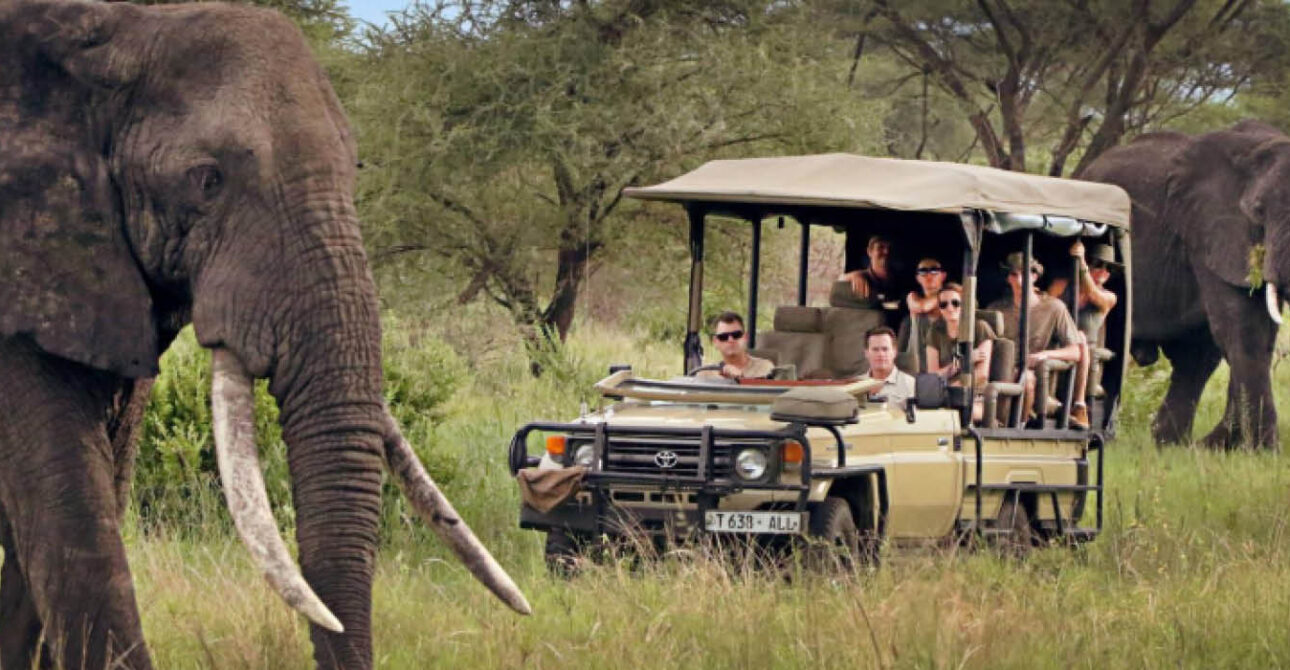
A knowledgeable guide can make wildlife viewing more rewarding by helping identify animals, interpret behaviour and understand the surrounding habitat. Guides also assist with navigation, timing and responsible viewing practices, allowing travellers to concentrate on the experience while following the requirements of each destination.
What Should You Carry?
Useful items include comfortable clothing, sun protection, a hat, binoculars, a camera, drinking water and suitable footwear. Depending on the season and destinations, a light rain jacket and protection for camera equipment can also be helpful. Keep luggage practical for transfers between destinations.
Can Wildlife Viewing Be Combined With Other Activities?
Yes. Wildlife viewing can form part of a broader Uganda or Rwanda itinerary that includes gorilla trekking, chimpanzee tracking, bird watching, nature walks, photography, boat safaris and cultural experiences. Combining complementary activities allows the safari to include different habitats and experiences rather than relying only on game drives.
How Do You Choose a Wildlife Viewing Experience?
The right wildlife viewing experience depends on the habitats, species and activities you want to include. Some travellers may prefer classic game drives, while others may want to combine wildlife with primates, birding, boat experiences or gorilla trekking. These combinations can help shape an itinerary around your interests and available time.
Classic Savannah Wildlife
Choose this approach if your priority is traditional game viewing across open savannah and woodland. Destinations such as Murchison Falls, Queen Elizabeth, Kidepo Valley, Lake Mburo and Akagera can form the core of an itinerary focused on large mammals, predators and changing landscapes.
Primate and Forest Wildlife
A forest-focused itinerary is suited to travellers interested in chimpanzees, gorillas, golden monkeys and other primates. Kibale, Bwindi, Mgahinga, Nyungwe and Volcanoes provide different forest environments and can be combined with savannah destinations for a more varied wildlife journey.
Wildlife and Birding
Wildlife and birding can work naturally together across Uganda and Rwanda. Savannah parks, forests, wetlands and lakes support different bird communities, allowing travellers to combine general wildlife viewing with bird watching or more specialist birding experiences within the same itinerary.
Wildlife and Boat Experiences
Adding a boat experience introduces a different perspective on wildlife and the surrounding landscape. Depending on the destination, travellers can combine game drives with boat-based viewing on rivers, lakes or channels, creating an itinerary that moves between land and water environments.
Wildlife and Gorilla Trekking
For travellers who want both classic wildlife and primate experiences, gorilla trekking can be combined with game viewing. Uganda allows routes linking savannah destinations with Bwindi or Mgahinga, while Rwanda can combine Akagera with Volcanoes National Park for a varied wildlife journey.
Uganda and Rwanda Combined
A combined Uganda and Rwanda itinerary can bring together different landscapes and wildlife experiences across the two countries. The route can include Uganda’s savannah and forest destinations alongside Rwanda’s Akagera, Nyungwe or Volcanoes, depending on the available time and experiences you want to prioritise.
How Can You Practise Responsible Wildlife Viewing?
Responsible wildlife viewing means maintaining appropriate distance from animals, following guide and ranger instructions, avoiding disturbance and respecting the rules of each protected area. Travellers should remain on designated routes, avoid feeding or attempting to attract wildlife, and never chase animals or interfere with their behaviour for photographs.
Responsible travel also means recognising the role of conservation and local communities in protecting wildlife destinations. Support legitimate local services, respect community spaces and follow current guidance for permits, activities and protected areas. For official information and destination guidance, travellers can consult the Uganda Wildlife Authority (UWA), Rwanda Development Board (RDB) and Uganda Tourism Board (UTB).
FAQs About Wildlife Viewing in Uganda and Rwanda
Wildlife viewing is the experience of observing animals in their natural habitats, usually during game drives, boat experiences, forest activities or guided nature experiences. In Uganda and Rwanda, it can include large mammals, primates, birds, reptiles and other wildlife across savannah, forest, wetland and aquatic environments.
Uganda offers a wide range of wildlife, depending on the destination. Travellers may see elephants, lions, leopards, buffaloes, hippos, giraffes, antelope, chimpanzees, gorillas and many other species. Wetlands, forests and waterways also provide opportunities to see birds, primates and aquatic wildlife.
Rwanda offers diverse wildlife experiences across its savannah, forest and wetland environments. Akagera is known for large mammals including elephants, lions, buffaloes, giraffes and zebras, while Nyungwe and Volcanoes provide opportunities for primate and forest wildlife experiences, including chimpanzees, gorillas and golden monkeys.
The right destination depends on the wildlife experience you want. Murchison Falls and Queen Elizabeth offer classic savannah viewing, Kidepo provides a more remote wilderness experience, while Bwindi and Kibale are suited to forest and primate experiences. Lake Mburo adds wildlife, landscapes and wetland environments.
Uganda offers opportunities to see the Big Five like lion, leopard, elephant, buffalo and rhinoceros—across different destinations. Rhino tracking at Ziwa Rhino Sanctuary can complement game viewing in national parks, although sightings of individual species depend on the destination, conditions and natural wildlife movements.
Yes. Wildlife viewing can be combined with gorilla trekking in Uganda or Rwanda. A safari can connect savannah destinations with Bwindi or Mgahinga in Uganda, or Akagera with Volcanoes National Park in Rwanda, creating a journey that combines large-mammal viewing with a forest primate experience.
Yes. Chimpanzee tracking can complement wildlife viewing particularly well in Uganda. Kibale Forest is a major destination for chimpanzee experiences and can be combined with savannah destinations such as Queen Elizabeth or Murchison Falls, creating an itinerary that includes both forest primates and classic game viewing.
Wildlife viewing is available throughout the year, but conditions vary by destination and season. Drier periods can make some animals easier to locate around water sources, while wetter periods produce greener landscapes and different viewing conditions. The best timing depends on your destinations and preferred experiences.
The number of days depends on the destinations and activities you want to combine. A shorter safari can focus on one or two wildlife areas, while a longer itinerary allows more time for game drives, boat experiences, primate activities or other experiences without making the route unnecessarily rushed.
Yes. Uganda and Rwanda can be combined into one wildlife itinerary, depending on your available time and route. A journey can connect Uganda’s savannah and forest destinations with Rwanda’s Akagera, Nyungwe or Volcanoes, creating a varied experience across different landscapes and wildlife habitats.
Explore Wildlife Experiences
Wildlife viewing can take many forms across Uganda and Rwanda, from classic game drives and boat-based encounters to forest experiences focused on primates and specialist birding. Explore individual activities to understand what each experience involves, then combine them to build a wildlife journey around your interests.
Explore Wildlife Experiences:
- Gorilla Trekking — experience Uganda’s mountain forests and encounter mountain gorillas.
- Chimpanzee Tracking — explore forest habitats while tracking chimpanzees and other primates.
- Game Drives — experience classic wildlife viewing across savannah and woodland landscapes.
- Boat Safari — view wildlife from rivers, lakes and channels while experiencing Uganda’s waterways.
- Golden Monkey Tracking — explore forest environments in search of the distinctive golden monkey.
- Rhino Tracking — discover Uganda’s rhinos at Ziwa Rhino Sanctuary.
These experiences can stand alone or become complementary elements within a wider wildlife safari, depending on your destinations, available time and interests.
Explore More Nature and Birding Experiences
Wildlife viewing can be extended beyond game drives and large mammals through experiences that explore Uganda’s forests, wetlands, landscapes and bird habitats. Explore Nature and Birding for broader activity ideas, or choose Bird Watching, Nature Walks and Photography for more focused experiences.
Explore Adventure and Scenic Experiences
Wildlife can also form part of a wider journey that includes active and scenic experiences. Explore Adventure for outdoor activities, while Boat Safari, Photography, City Tour and Source of the Nile Visit provide different ways to experience Uganda’s waterways, landscapes, culture and urban destinations.
Together, these connections allow travellers to move naturally from Wildlife Viewing into the wider Njagi Safaris activity network and build an itinerary around several complementary experiences.
Why Choose Njagi Safaris for Wildlife Viewing?
Wildlife viewing can be planned around the destinations, habitats and experiences that interest you most. Njagi Safaris can help coordinate the route, transport, accommodation and activities into a practical itinerary covering Uganda, Rwanda or both countries.
Our approach allows wildlife viewing to connect naturally with experiences such as gorilla trekking, chimpanzee tracking, bird watching, boat safaris and nature walks. The itinerary can be structured around your available time, preferred travel style and the destinations you want to explore.
Explore Our Wildlife Safaris
Explore our Wildlife Safaris to find itineraries that combine game drives, primate experiences, scenic landscapes and other wildlife activities across Uganda and Rwanda.
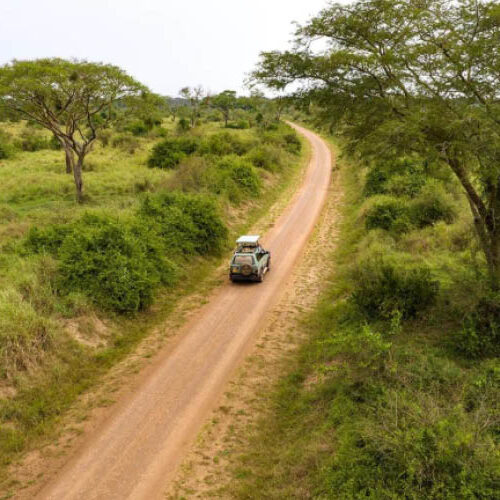
Primate & Savannah

The Thousand Hills
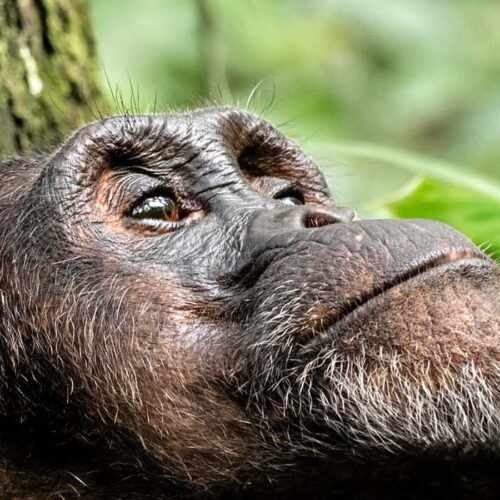
Classic Explorer
Prefer a Custom Wildlife Safari?
Wildlife can be the main focus of your journey or one part of a broader Uganda or Rwanda safari. Tell us your preferred destinations, travel dates, group size and wildlife interests, and we can help structure the itinerary around your priorities.
Start Planning Your Wildlife Safari
Share your travel dates, group size, preferred destinations and the wildlife experiences you want to include. We can help you develop a wildlife safari that fits your interests, available time and preferred route.