Karamoja Experience in Uganda
A Karamoja Experience in Uganda offers an opportunity to learn about the cultural traditions, pastoral heritage and everyday life of communities in northeastern Uganda. The experience can include visits to Karamojong manyattas, conversations with community members, traditional music and dance, craft demonstrations and insights into livestock-based livelihoods. Karamoja is also a landscape of mountains, dry plains and seasonal grasslands, creating a strong connection between culture and environment. A cultural visit therefore adds a human and social dimension to a safari through northeastern Uganda.
What Is the Karamoja Experience?
The Karamoja Experience is a cultural encounter centred on learning about communities, traditions and livelihoods in Uganda’s Karamoja sub-region. Depending on the community and arrangement, travellers may visit a manyatta, meet local hosts, learn about pastoral life, see traditional crafts, listen to stories or experience music and dance.
The experience should be understood as an opportunity to learn and engage respectfully, rather than simply observing people as a tourist attraction. Local hosts and guides provide important context about the community, its traditions and contemporary life.
Around Kidepo Valley National Park, community walks to Karamojong manyattas at Kawalakol, Lorukul and Karenga. Such visits require advance arrangement.
Where Can You Experience the Karamoja Culture?
The wider Karamoja sub-region covers northeastern Uganda, with cultural experiences available around destinations including Moroto, Kotido and the communities surrounding Kidepo Valley National Park.
For safari travellers, the Kidepo Valley area provides an opportunity to combine wildlife viewing with community experiences. Uganda Wildlife Authority identifies Karamojong communities among those living around the park and describes community walks to local manyattas.
Moroto provides another important base for exploring Karamoja’s cultural and mountain landscapes. The experience can therefore be incorporated into a broader journey through northeastern Uganda rather than treated as an isolated cultural visit.
What Can You Experience During a Karamoja Cultural Visit?
A cultural visit can introduce travellers to different aspects of Karamojong community life. The exact programme depends on the host community and arrangements made before arrival. Experiences may include visits to traditional homesteads, music and dance, crafts, and insights into pastoral livelihoods.
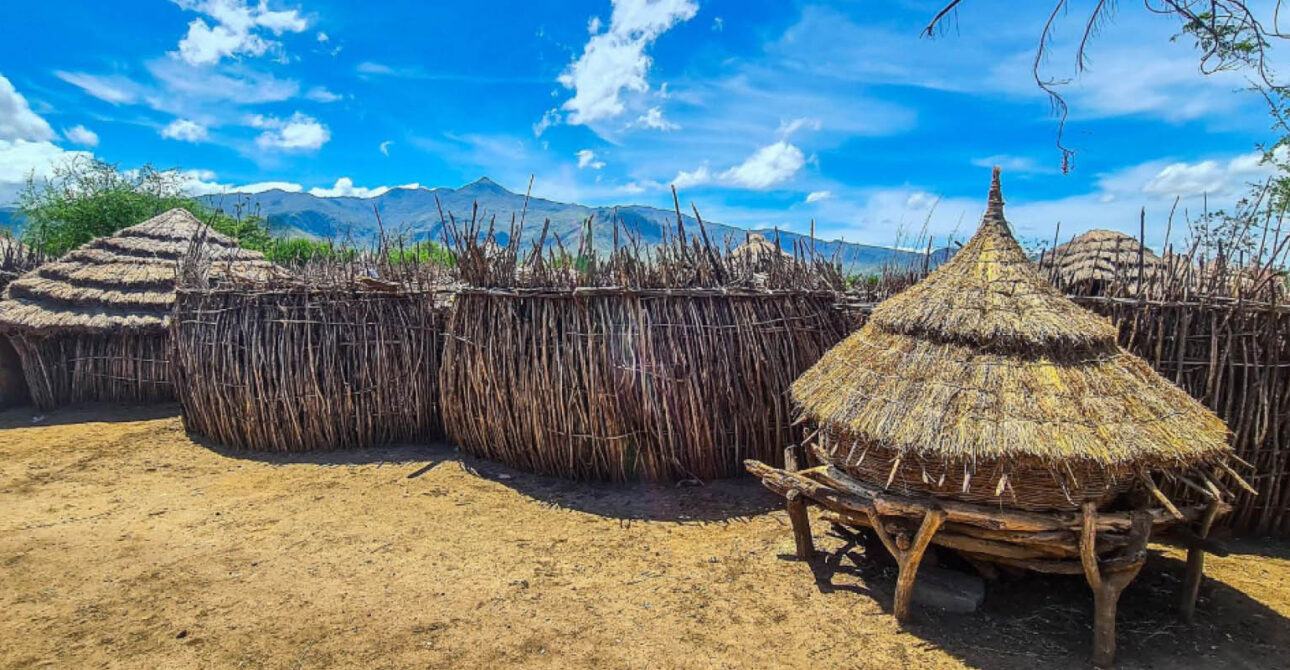
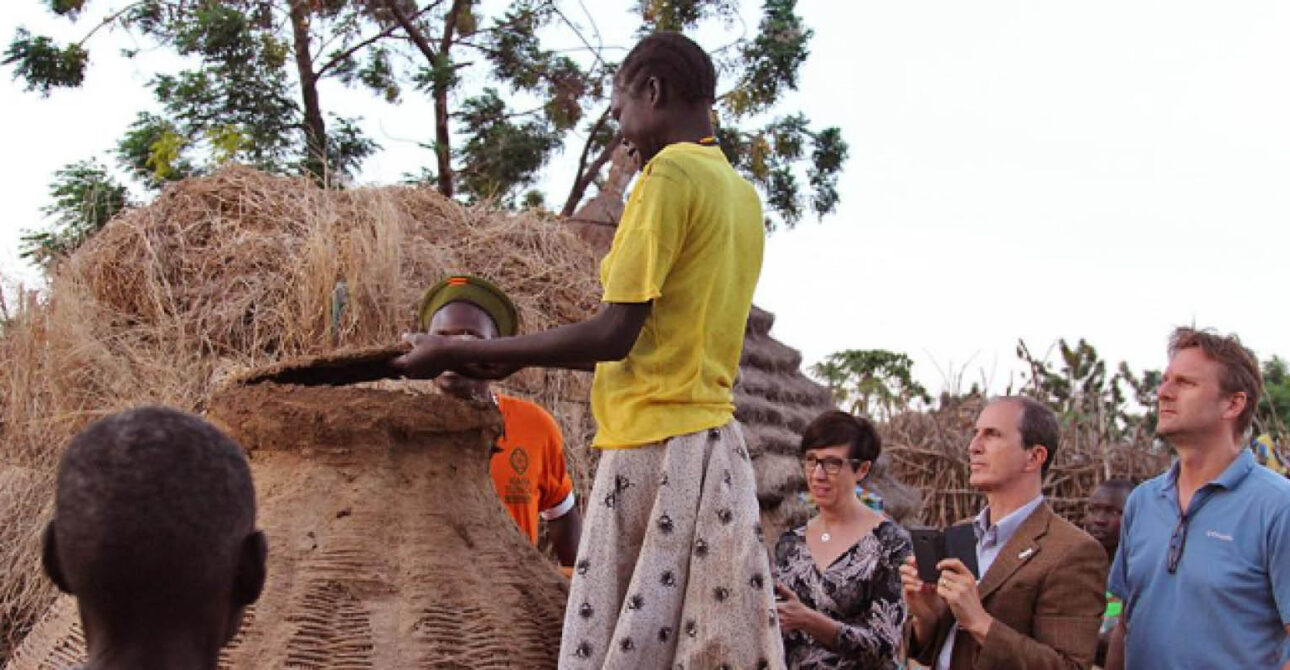
Manyatta Visit: A manyatta is a traditional Karamojong homestead and community setting. A guided visit can provide insight into homestead organisation, family life, livestock keeping, crafts and local traditions while allowing visitors to learn directly from community hosts.
Traditional Music and Dance: Music and dance can form part of a cultural welcome or organised community experience. Visitors can observe or participate according to the invitation and guidance of local hosts, respecting community customs and the nature of the occasion.
Crafts and Beadwork: Beadwork and traditional crafts provide opportunities to learn about local skills and cultural expression. Purchasing directly from community artisans can also provide a practical way for visitors to support local livelihoods while taking home a locally made item.
Pastoral Life and Livestock: Livestock has an important social and economic role in Karamojong communities. A cultural experience can help visitors understand the relationship between cattle, household life, mobility and the surrounding landscape.
Karamoja Culture and the Kidepo Safari
A Karamoja Cultural Experience can complement a safari in Kidepo Valley National Park by adding a community perspective to the wildlife and landscape experience. The combination allows travellers to experience the protected natural environment alongside the communities and cultural traditions of the surrounding Karamoja region.
A cultural visit can include community walks, visits to Karamojong manyattas, traditional music and dance, crafts and opportunities to learn about pastoral livelihoods. The exact experience depends on the community and arrangements made before arrival.
How Do You Arrange a Karamoja Cultural Experience?
A Karamoja Cultural Experience should be arranged in advance with a local guide, community host or responsible tourism operator. Planning ahead allows the visit to be coordinated with the host community and helps establish appropriate expectations before travellers arrive.
This is particularly important for visits involving private homes, community activities or cultural events, where arrangements should respect local customs, privacy and the availability of community hosts.
Njagi Safaris can incorporate the experience into a wider private Uganda itinerary, coordinating the cultural visit with accommodation, transport, Kidepo wildlife activities and other destinations. Learn more about Njagi Safaris.
What Should You Expect During a Community Visit?
Expect a cultural experience centred on conversation, observation and learning rather than a fixed performance. Depending on the host community, visitors may learn about traditional homes, livestock, food preparation, crafts, music, dance and aspects of daily life.
The experience can vary considerably between communities and visits. Some activities may be arranged specifically for visitors, while others may provide an opportunity to observe everyday practices. Travellers should therefore approach the experience with openness and respect rather than expecting a predetermined programme. A local guide is valuable for interpretation and communication and can help visitors understand appropriate behaviour during the visit.
What Should You Wear and Carry?
Comfortable, modest clothing is appropriate for a Karamoja cultural visit, particularly when entering community or household spaces. Lightweight clothing, comfortable walking shoes, sun protection and a hat are useful in the region’s generally dry and warm environment.
A reusable water bottle is also practical, particularly during walks or community visits away from major towns. A camera can be useful, but photographs should be taken only after receiving permission from individuals and hosts.
Small purchases of locally made crafts can provide direct support to artisans when buying is appropriate. Travellers should avoid giving sweets, money or other items directly to children unless this has been specifically discussed with the guide or community host.
Can You Combine Karamoja With Kidepo Wildlife Safaris?
Yes. Combining the Karamoja Experience with Kidepo Valley National Park creates a broader itinerary covering wildlife, landscapes and cultural heritage.
Kidepo offers game viewing, birding, nature walks and mountain landscapes, while the surrounding communities provide opportunities to learn about Karamojong culture and pastoral life. This combination works particularly well for travellers who want more than a conventional wildlife safari and have sufficient time to travel through northeastern Uganda.
Can Karamoja Be Combined With Hiking and Mountain Experiences?
Yes. Karamoja cultural experiences can be combined with hiking and mountain exploration, particularly around Mount Moroto and other mountain landscapes in the region. The combination creates an itinerary that connects cultural learning with the physical landscape in which communities live. Travellers can explore mountain trails with appropriate local guidance and then experience community life in the surrounding area.
The physical demands vary considerably between routes, so hiking should be planned separately according to the specific mountain, trail, weather and available time.
Responsible Cultural Tourism in Karamoja
Responsible cultural tourism begins with respect for people, privacy, traditions and community choices. Ask before taking photographs, follow the guidance of local hosts, avoid entering private spaces without invitation and do not treat cultural practices as spectacles.
Travellers should also avoid imposing their own expectations on communities or making assumptions about how people should live. Purchasing crafts directly from artisans, using local guides and supporting community-based tourism initiatives can help retain tourism benefits within the destination.
Organisations such as Kara-Tunga Foundation support community tourism and cultural initiatives in Karamoja, while the Cross-Cultural Foundation of Uganda (CCFU) works to safeguard cultural heritage and promote cultural rights, including work with Indigenous Minority Groups in Karamoja.
What Is the Best Time for a Karamoja Experience?
The timing of a Karamoja Experience should be considered alongside the wider safari itinerary, road conditions, cultural arrangements and other activities planned in the region. Karamoja has a generally semi-arid climate, with seasonal changes affecting vegetation, water availability and travel conditions.
For a combined Kidepo safari, the timing can also influence wildlife viewing because animals may concentrate around available water during drier periods. However, the cultural experience itself depends more on community availability and advance arrangements than on wildlife sightings. Read. Uganda Safari Guide: How to Plan Your Trip.
Is the Karamoja Experience Suitable for Families?
A Karamoja Cultural Experience can be included in a family safari when the programme is matched to the ages and interests of the children. Community visits can introduce younger travellers to different ways of life, crafts, food, music and traditional knowledge.
Parents should prepare children beforehand by explaining that the visit is an opportunity to learn and interact respectfully with hosts. Photography, touching personal belongings and entering homes should follow the guidance of the community and local guide. For families, shorter community visits can be considered alongside wildlife activities and other attractions in the region.
How Can Karamoja Be Combined With Other Uganda Cultural Experiences?
Karamoja can form one part of a longer Uganda Cultural Safari connecting several regions and communities. Depending on the route, travellers can combine northeastern Uganda with cultural experiences in western, central or southwestern Uganda. Njagi Safaris’ wider cultural Safaris can connect destinations such as Karamoja with other heritage landscapes, creating a journey that explores Uganda’s cultural diversity rather than focusing on one community alone.
For travellers interested in a longer cultural journey, the 24 Day Uganda Heritage Trails can provide a broader framework for combining cultural and natural experiences.
Related Cultural Experiences
Explore other cultural experiences that can complement your Uganda safari:
- Batwa Experience — Discover Batwa cultural heritage and community experiences in southwestern Uganda.
- Traditional Dance — Experience traditional music and dance as part of Uganda’s cultural heritage.
- Village Walk — Explore rural communities and gain insight into everyday life and local traditions.
- Craft Workshop — Learn about traditional crafts and creative skills through hands-on cultural experiences.
FAQs About the Karamoja Experience
The Karamoja Experience is a cultural encounter in northeastern Uganda that introduces travellers to Karamojong communities, traditions, pastoral livelihoods, manyatta life, crafts, music and other aspects of local culture.
Karamojong cultural experiences are available in parts of the Karamoja sub-region, including communities around Kidepo Valley National Park and the wider Moroto area. Specific community visits should be arranged in advance with a local guide, community host or responsible tourism operator.
Photography should always follow local permission and etiquette. Ask before photographing people, homes, ceremonies, children or culturally significant activities. Respect a request not to take photographs and follow the guidance of your community host or local guide.
Yes. A cultural visit can complement a Kidepo safari by combining wildlife viewing with opportunities to learn about communities living around the protected area. This creates a more varied itinerary that brings together wildlife, landscapes and cultural experiences.
The ideal duration depends on your interests and the wider safari route. A cultural visit can form part of a Kidepo safari, while a longer stay allows more time for cultural, hiking, wildlife and landscape experiences across the Karamoja region.
Why Choose Njagi Safaris for a Karamoja Experience?
Njagi Safaris can incorporate a Karamoja Experience into a private Uganda safari based on your interests, available time and preferred travel style. Explore our Culture Safaris in Uganda and Rwanda to discover other cultural experiences that can be combined with Karamoja.

Pearl Odyssey

Heritage Trails

Pearl Heritage
Plan Your Karamoja Experience
Tell us your travel dates, group size, accommodation preference and what you would like to experience in Karamoja. Njagi Safaris can combine a Karamoja Cultural Experience with Kidepo wildlife viewing, hiking and other Uganda safari experiences to create a private itinerary around your interests.
Prefer a Custom Safari? Send Us Your Enquiry
Interested in experiencing Karamoja and Karamojong culture? Tell us your travel dates, group size, accommodation preference and the experiences you would like to combine. Your Uganda safari can be customised around you.