
Shoebill Tracking in Uganda
Shoebill tracking in Uganda offers travellers the opportunity to search for one of Africa’s most distinctive wetland birds in its natural habitat. The experience takes place in papyrus swamps, wetlands, river deltas and other areas where Shoebills find suitable feeding and nesting conditions.
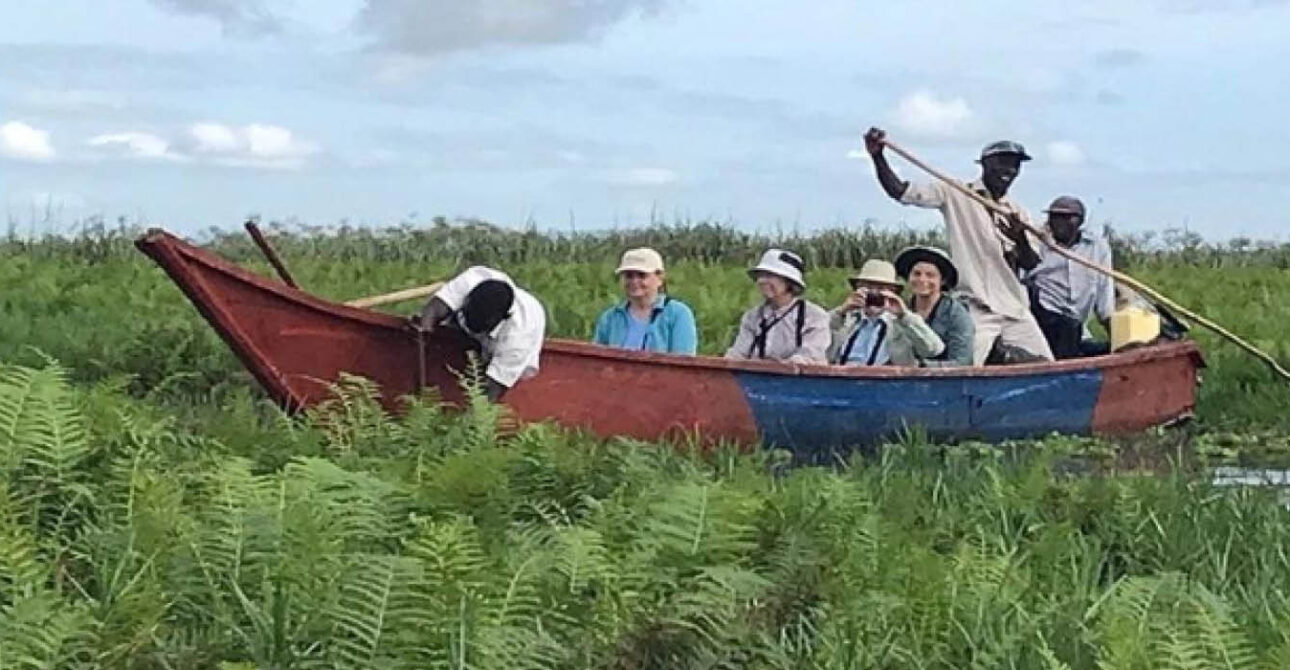
For many birders, the attraction is not simply seeing the bird but experiencing the quiet wetlands where it lives. Depending on the destination, the search may involve a canoe excursion through narrow papyrus channels, a boat trip along a river delta or guided exploration of wetland habitat.
Uganda provides several opportunities to include Shoebill tracking within a wider birding safari in Uganda, making the experience suitable for dedicated birders as well as travellers who want to add a specialist birding experience to a broader safari.
What Is Shoebill Tracking in Uganda?
Shoebill tracking is a specialist birding experience focused on locating and observing the Shoebill in its natural wetland habitat. The species, Balaeniceps rex, is strongly associated with freshwater swamps, papyrus wetlands and shallow waterways where it hunts fish and other aquatic prey.
The experience is different from a conventional game drive. Instead of covering large areas in search of moving wildlife, travellers move slowly through suitable wetland habitat and rely on experienced guides to identify productive areas and locate the bird.
Depending on the destination, Shoebill tracking in Uganda can involve canoe excursions through wetlands, boat-based birding or guided exploration of wetland habitat.
Why Is Uganda a Destination for Shoebill Tracking?
Uganda contains extensive wetland systems that provide suitable habitat for the Shoebill, including papyrus swamps, floodplains, river margins and lake-associated wetlands. This makes the country an important destination for birders specifically interested in finding the species.
The most recognised experiences include Mabamba Swamp, Ziwa Rhino Sanctuary and Murchison Falls National Park. These locations offer different ways of experiencing the bird, from small-boat and canoe excursions to wider wildlife and birding safaris.
Mabamba is particularly practical for travellers with limited time because it can be incorporated into an itinerary around Entebbe. Ziwa provides an opportunity to combine Shoebill tracking with rhino conservation experiences, while Murchison allows the search to form part of a larger wildlife and birding safari.
Why Is the Shoebill Special?
The Shoebill is one of the most sought-after birds in Uganda because of its unusual appearance, impressive size and distinctive behaviour. Its enormous bill, upright posture and habit of remaining almost motionless while hunting make an encounter particularly memorable.
The species is closely associated with wetland environments and is affected by the condition of these habitats. Shoebill conservation therefore goes beyond protecting an individual bird; maintaining healthy wetlands is an important part of protecting the species and the wider ecosystem.
For birders, this makes a Shoebill encounter both a wildlife experience and an opportunity to understand the importance of Uganda’s wetland habitats.
Where Can You See the Shoebill in Uganda?
Shoebills occur in several wetland areas of Uganda, but the experience available to travellers differs considerably between destinations. The most practical locations for a safari itinerary include Mabamba Swamp, Ziwa Rhino Sanctuary and Murchison Falls National Park, with other wetlands providing additional opportunities for specialist birders.
Rather than choosing a location based only on the possibility of seeing a Shoebill, consider accessibility, the type of wetland experience, the time available and the other activities you want to combine with the birding.
Mabamba Swamp
Mabamba Swamp is one of Uganda’s best-known Shoebill tracking destinations and is particularly attractive for travellers staying in or travelling through the Entebbe area. The experience takes place within a papyrus wetland, with local guides helping visitors navigate the channels in search of the bird.
The canoe-based experience makes Mabamba especially suitable for a short specialist excursion. It can also be incorporated at the beginning or end of a longer Uganda safari, depending on flight and transfer arrangements.
Ziwa Rhino Sanctuary
Ziwa Rhino Sanctuary offers a different combination of experiences, bringing together Shoebill tracking, wetland exploration and rhino conservation. The sanctuary’s Lugogo Swamp provides the setting for the Shoebill experience.
Ziwa is particularly useful for travellers heading towards or returning from the Murchison Falls area who want to combine specialist birding with rhino tracking. This makes it possible to include a Shoebill experience in Uganda without creating an entirely separate safari.
Murchison Falls National Park
Murchison Falls National Park offers a broader safari setting in which Shoebill tracking can be combined with wildlife viewing and other birding experiences. The Nile Delta and associated wetlands provide important habitat for waterbirds, creating opportunities to search for the Shoebill as part of a wider safari.
Here, the experience is more closely connected to a wider wildlife safari. Travellers can combine a specialist search for the Shoebill with game drives, boat experiences and exploration of one of Uganda’s major protected areas.
Lake Mburo and Other Wetland Locations
Other wetland areas can also provide opportunities for experienced birders seeking the Shoebill. These locations are more useful when they fit naturally into a wider Uganda birding safari rather than being selected solely for a single-species excursion. The choice should therefore consider the wider route, the habitats being visited and the other birding or wildlife experiences planned for the safari.
What Is a Shoebill Tracking Experience Like?
A Shoebill tracking experience is generally quiet, patient and observation-focused. Rather than expecting constant movement, travellers may spend considerable time scanning papyrus edges, shallow water and wetland vegetation while a guide searches for signs of the bird.
Early starts are common because the cooler morning hours can provide favourable conditions for bird activity and photography. At Mabamba, visitors travel through narrow wetland channels, while at other locations the experience may involve a larger boat or guided exploration of wetland habitat.
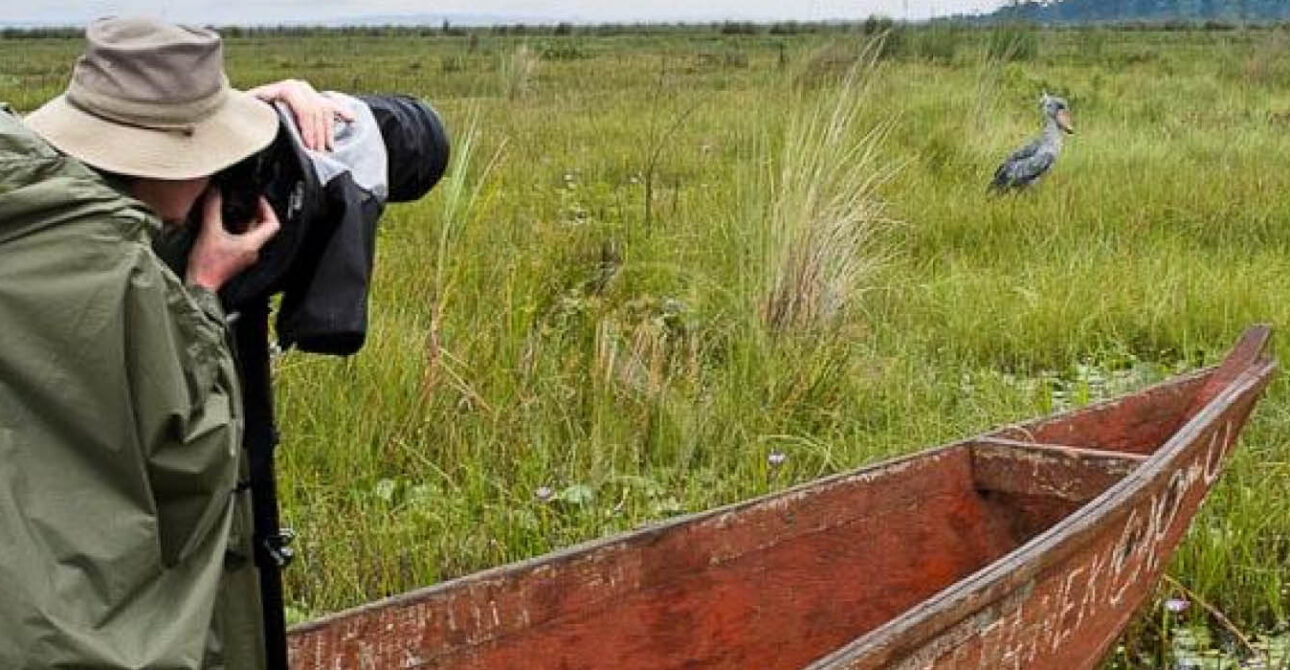
When a Shoebill is located, the emphasis should remain on careful observation without disturbing the bird. The encounter can provide opportunities to watch its feeding behaviour, movement and interaction with its wetland surroundings.
Shoebill Tracking by Canoe, Boat and Wetland Trail
The way you experience Shoebill tracking in Uganda depends on the destination. Mabamba Swamp is associated with canoe-based exploration through papyrus channels, creating an intimate wetland experience. Ziwa Rhino Sanctuary also provides canoe-based wetland exploration, while Murchison Falls offers boat-based opportunities within its river and delta environment.
This variation is useful when designing a safari. A traveller with only a few hours available may prefer an accessible wetland excursion, while a specialist birder can build several destinations into a longer itinerary.
The experience is therefore not simply about where to see Shoebill in Uganda. It is also about choosing the type of wetland encounter that fits your safari.
Shoebill Tracking Compared With General Bird Watching
General bird watching in Uganda can involve hundreds of species across forests, wetlands, savannahs, mountains and lakes. Shoebill tracking is much more focused: the itinerary is built around locating one particularly sought-after species while still allowing opportunities to observe other wetland birds.
This makes Shoebill tracking in Uganda a natural specialist experience within a broader Uganda birding safari. Travellers can dedicate part of their itinerary to the Shoebill and then continue into forest, savannah or mountain habitats for a much wider range of species.
For visitors whose main interest is the Shoebill, a dedicated tracking excursion can be sufficient. For specialist birders, combining several habitats creates a broader and more varied birding journey.
When Is the Best Time for Shoebill Tracking in Uganda?
Shoebill tracking in Uganda can be planned throughout much of the year, but the experience can vary with water levels, weather, vegetation and the condition of wetland habitats. Birders should consider the season alongside their preferred destinations and wider safari itinerary.
For specialist birders, timing should also take into account the amount of time available for observation. A flexible schedule allows more opportunity to explore suitable wetland areas rather than treating the Shoebill encounter as a fixed appointment.
If you are combining Shoebill tracking with wildlife, primate or general birding experiences, the overall safari season and conditions across the different destinations should also influence the itinerary.
What Time Does Shoebill Tracking Start?
Early starts are an important part of many Shoebill tracking experiences in Uganda. Morning excursions provide cooler conditions and allow travellers to begin searching for birds before the day becomes warmer and other safari activities become busy. The exact starting time depends on the destination, access arrangements and the type of experience being booked.
Some excursions may begin very early, particularly when canoeing or boat-based exploration is involved. Travellers should therefore allow sufficient time before the activity for preparation, transfers and meeting their guide. Starting early can also leave time later in the day for additional birding, wildlife viewing or other safari activities.
How Long Does Shoebill Tracking Take?
The duration of Shoebill tracking in Uganda depends on the destination, the type of excursion and the amount of time available within the wider safari. A short wetland excursion may work for travellers with limited time, while specialist birders may prefer several hours dedicated to observation. The experience should not be planned around a guaranteed sighting within a fixed period.
Finding a wild Shoebill can require patience, particularly when exploring large wetlands or areas with dense vegetation. For longer safaris, allocating additional time can make the experience less rushed and provide opportunities to observe other wetland birds alongside the Shoebill.
How Difficult Is Shoebill Tracking?
Shoebill tracking is generally accessible to travellers with different levels of birding experience. The physical demands depend largely on the destination and the way the wetland is explored. Canoe and boat-based experiences may involve limited walking, while some locations can include walking along wetland trails or uneven ground.
Travellers should consider their mobility, comfort on boats and tolerance for outdoor conditions when selecting a destination. The greater challenge for many birders is patience rather than physical exertion. Successful Shoebill watching in Uganda can require quiet observation, slow movement and time spent scanning suitable habitat.
What Should You Wear and Pack for Shoebill Tracking?
Travellers should dress for outdoor conditions and the specific wetland environment they are visiting. Lightweight, comfortable clothing, suitable walking footwear, sun protection and insect protection can all be useful during a Shoebill tracking safari in Uganda.
Binoculars are essential for birders who want to observe the Shoebill and other wetland species from a respectful distance. Photographers should also carry appropriate camera equipment, spare batteries and sufficient memory cards. For canoe or boat-based excursions, it is sensible to protect cameras, phones and other valuables from water. A small daypack, drinking water and any personal essentials can also make the experience more comfortable.
Do You Need a Specialist Birding Guide?
A specialist guide can make a significant difference during Shoebill tracking in Uganda. Experienced guides understand wetland habitats, bird behaviour and the areas where Shoebills may be encountered. A guide can also help identify other birds encountered during the search, turning the experience into a broader wetland birding excursion rather than focusing only on one species.
For travellers with a specific target list, working with a knowledgeable birding guide can also help shape the itinerary around suitable habitats and destinations. This is particularly useful for specialist birders and photographers who want to spend more time observing and documenting birds.
Read. Uganda Birding: Destinations, Habitats, Birds and Safari Planning.
How Do You Improve Your Chances of Seeing a Shoebill?
There is no guaranteed formula for finding a wild Shoebill, but good preparation can improve the quality of the search. Choosing an appropriate wetland, starting early, allowing sufficient time and working with an experienced guide can all contribute to a productive Shoebill tracking experience.
Patience is particularly important. Shoebills can remain still for extended periods, and dense vegetation or changing water conditions can make them difficult to locate.
Travellers should also avoid rushing between different areas. A slower approach allows guides to listen, scan the habitat and investigate promising locations while giving birders more opportunities to observe other species.
What Should Photographers Know About Shoebill Photography?
Shoebill photography in Uganda requires patience, preparation and appropriate equipment. The distance between the photographer and the bird can vary, particularly during canoe or boat-based excursions, so a suitable telephoto lens can be useful. Photographers should avoid approaching too closely or disturbing the bird in pursuit of a better image.
A stable position, quiet observation and careful use of equipment can produce better opportunities without compromising the experience. It is also worth allowing additional time for photography. A specialist photographer may need longer at a destination than a traveller who simply wants to observe the Shoebill before continuing with a wider Uganda birding safari.
Can Shoebill Tracking Be Combined With Wildlife Safaris?
Yes. Shoebill tracking in Uganda can be incorporated into a broader wildlife safari, allowing travellers to combine specialist birding with game drives, boat excursions and other nature experiences. Murchison Falls provides one example of this approach, where birding can be incorporated into a wider safari experience.
Ziwa can also provide an opportunity to combine Shoebill tracking with rhino-related experiences. This approach is particularly useful for travellers who want to experience Uganda’s wildlife without dedicating the entire trip to specialist birding. The itinerary can give the Shoebill sufficient attention while still including the country’s other major wildlife experiences.
Can Shoebill Tracking Be Combined With Gorilla and Chimpanzee Safaris?
Shoebill tracking can be combined with gorilla and chimpanzee experiences as part of a longer Uganda safari. The combination works particularly well for travellers interested in experiencing different ecosystems rather than focusing on one type of wildlife. A multi-destination itinerary can include wetland birding alongside forest experiences in destinations such as Bwindi, Mgahinga or Kibale.
This creates a contrast between searching for the Shoebill in open wetland habitats and exploring forest environments for primates and other bird species. The key is to allow enough time for each experience rather than treating specialist birding as a brief addition to an already crowded itinerary.
How Can You Travel Responsibly While Tracking Shoebills?
Responsible Shoebill tracking in Uganda begins with respecting the bird, its wetland habitat and the communities that depend on these environments. Follow your guide’s instructions, maintain a respectful distance and avoid loud or sudden movements that could disturb birds or affect their natural behaviour.
Wetlands are sensitive ecosystems, so stay on designated routes, avoid damaging vegetation and take all waste with you. Photography should be carried out patiently and responsibly, without approaching birds too closely or putting pressure on them for better views or photographs.
Choosing experienced guides and community-based experiences can help ensure that tourism supports local livelihoods while contributing to wetland conservation. For further guidance on responsible birding and wildlife conservation, travellers can consult NatureUganda, Uganda Wildlife Authority and Ziwa Rhino and Wildlife Ranch.
FAQs About the Shoebill safari in Uganda
A Shoebill safari in Uganda should be planned around the traveller’s available time, preferred destination and wider interests. A short visit can focus on a single wetland such as Mabamba, while a longer itinerary can incorporate Shoebill tracking into a broader birding or wildlife safari.
The most suitable route depends on where the traveller begins and what else they want to experience. Mabamba can fit naturally into an Entebbe itinerary, while Ziwa and Murchison can form part of a longer journey through northern Uganda.
The right Shoebill tracking location in Uganda depends on the type of experience you want. Mabamba is suited to travellers looking for a focused wetland excursion, while Ziwa offers the opportunity to combine Shoebill tracking with rhino conservation experiences.
Murchison Falls is more appropriate for travellers planning a longer wildlife safari in which Shoebill tracking is one component of a wider itinerary. Specialist birders may also choose to include additional wetlands based on their target species and route.
A dedicated Shoebill tracking experience does not necessarily require several days. Travellers staying around Entebbe can include a focused wetland excursion within a short itinerary, while those travelling farther into Uganda can incorporate Shoebill tracking into a multi-day safari.
The number of days becomes more important when Shoebill tracking is combined with other birding destinations, wildlife viewing, chimpanzee tracking or gorilla trekking. A longer itinerary provides greater flexibility and reduces pressure to move between destinations too quickly.
Yes. Shoebill tracking in Uganda can be incorporated into a short safari when the chosen wetland fits naturally into the route. Mabamba is particularly suitable for travellers with limited time because of its proximity to Entebbe.
A short experience can focus on the wetland excursion itself, while a longer safari can combine Shoebill tracking with wildlife, primates, forest birding or other nature experiences. The itinerary should allow enough time for transfers and the early start commonly associated with wetland birding.
Yes. Shoebill tracking can be added to many Uganda safari itineraries as a specialist birding experience. The best approach is to identify a suitable location that fits the existing route rather than adding a distant destination solely for the Shoebill.
Travellers heading towards Murchison Falls, for example, can consider experiences around Ziwa, while visitors beginning or ending their journey around Entebbe can consider Mabamba. This approach makes the specialist experience part of the safari rather than a disconnected excursion.
Yes. Shoebill tracking and rhino tracking in Uganda can be combined at Ziwa Rhino Sanctuary, creating a distinctive conservation-focused experience.
The combination allows travellers to explore wetland habitat in search of the Shoebill while also experiencing Uganda’s rhino conservation programme. For travellers interested in both birds and mammals, this can provide a useful addition to a wider Uganda safari.
Shoebill tracking and Murchison Falls can be combined within a broader northern Uganda safari. Murchison provides opportunities to experience wetlands and the Nile alongside game drives and other wildlife activities.
This combination is particularly suitable for travellers who do not want their safari to focus exclusively on birding. The Shoebill can become one specialist highlight within a wider journey that includes elephants, giraffes, hippos, other wildlife and the landscapes around the Nile.
Yes. Travellers interested in both specialist birding and primates can combine Shoebill tracking with gorilla trekking in Uganda as part of a longer multi-region itinerary.
The two experiences take place in very different environments. Shoebill tracking focuses on wetlands and waterways, while gorilla trekking takes place in mountain forest. Combining them therefore creates a varied safari across Uganda’s different ecosystems.
Shoebill tracking and chimpanzee tracking can also be combined in a longer Uganda itinerary. The experiences introduce travellers to contrasting habitats, from wetland environments to tropical forests.
Kibale and other forest destinations can provide dedicated primate and forest experiences, while Shoebill tracking can be incorporated at a suitable wetland location elsewhere along the route. The itinerary should allow sufficient travel time between the different regions.
What Makes a Good Shoebill Safari?
A good Shoebill safari in Uganda balances the search for the bird with realistic travel times, suitable accommodation, early starts and enough time for observation. It should be built around the traveller’s interests rather than simply adding as many destinations as possible.
For specialist birders, this may mean allowing more time at selected wetlands and combining several habitats. For general safari travellers, a focused Shoebill excursion may provide enough specialist birding while leaving the majority of the itinerary available for wildlife, primates, landscapes and cultural experiences.
Why Choose Njagi Safaris for Your Shoebill Safari?
At Njagi Safaris, we design tailor-made Shoebill safaris in Uganda around your interests, available time and preferred travel style. We can incorporate Shoebill tracking into a specialist birding itinerary or combine it with wildlife, chimpanzee, gorilla, cultural and nature experiences.
We can also help match the tracking location to your wider route, accommodation preferences and safari priorities, creating an itinerary that gives the Shoebill experience enough time without making the overall journey unnecessarily complicated.
Explore Our Birding Experiences
Birding Safaris in Uganda and Rwanda
Explore specialist and general birding safaris in Uganda and Rwanda, from wetlands and forests to savannah, mountain and lake habitats.
Explore More Wildlife and Nature Experiences
Shoebill tracking can be combined with other specialist and wildlife experiences, including Bird Watching in Uganda, Gorilla Trekking, Chimpanzee Tracking, Wildlife Safaris and Nature Tours. These experiences can be incorporated into a wider itinerary based on your interests, available time and preferred travel style.
Emerald Avian

Pearl Wings

Forest Kingdom
Ready to experience Shoebill tracking in Uganda?
If you want to combine the experience with wildlife, primates or other birding destinations, we can build the Shoebill tracking experience into a broader Uganda safari. Contact Njagi Safaris to start planning a tailor-made Shoebill safari around your interests and travel plans.