Chimpanzee Tracking in Uganda and Rwanda
Wildlife Safaris across Uganda and Rwanda combine classic African wildlife viewing with diverse landscapes, private travel and carefully selected accommodation. Explore savannahs, wetlands, rivers, lakes and conservation areas through Game Drives, Boat Safaris and other wildlife experiences. Choose a focused Uganda Wildlife Safari, explore Rwanda Wildlife Safaris, or combine both countries in a private Uganda Rwanda Wildlife Safari.
Wildlife Safaris in Uganda and Rwanda
Uganda and Rwanda offer contrasting wildlife landscapes that can be explored through private and tailor-made journeys. Uganda Wildlife Safaris provide access to some of East Africa’s most varied wildlife destinations, while Rwanda Wildlife Safaris combine savannah wildlife with the country’s compact tourism circuit. A private Uganda Rwanda Wildlife Safari can bring together wildlife, primates, scenic landscapes and cultural experiences within one carefully planned journey.
Uganda Wildlife Safaris
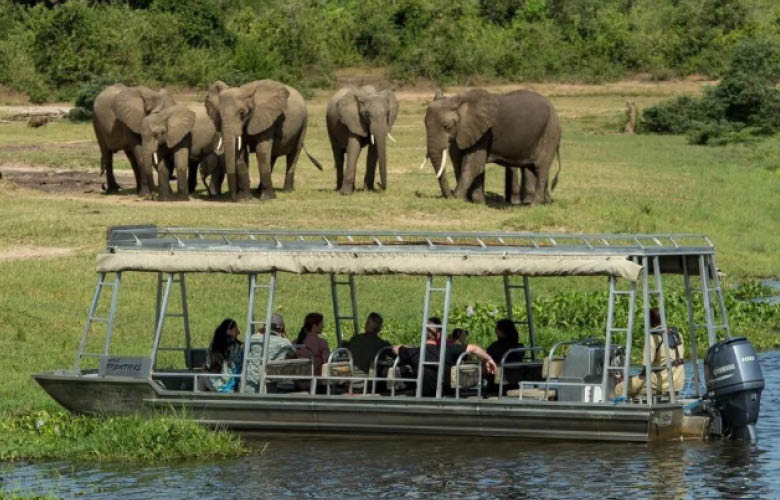
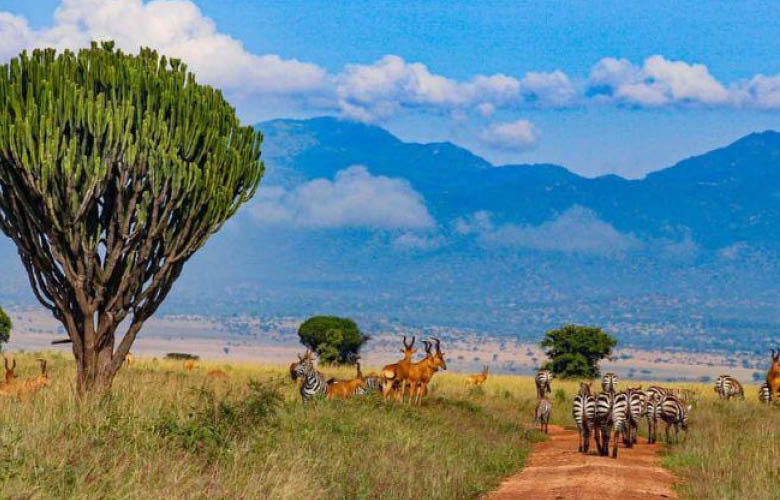
Uganda Wildlife Safaris offer some of East Africa’s most varied wildlife experiences, from the savannahs of Murchison Falls, Queen Elizabeth, Kidepo Valley and Lake Mburo to wildlife along the River Nile and Kazinga Channel. Uganda journeys can also combine wildlife with chimpanzee tracking, Gorilla Trekking, birding and cultural experiences.
Rwanda Wildlife Safaris
Rwanda Wildlife Safaris centre on Akagera National Park, where savannah landscapes and Big Five wildlife complement the country’s forest and volcanic destinations. A Rwanda journey can combine wildlife viewing with Volcanoes, Nyungwe, Kigali and Lake Kivu for a broader exploration of the country.
Uganda Rwanda Wildlife Safaris
A private Uganda Rwanda Wildlife Safari combines the wildlife destinations of both countries with the flexibility to include primates, Gorilla Trekking, scenic landscapes and cultural experiences. The route can be designed around your interests, available time, accommodation preferences and international flights.
Choose Your Wildlife Safari Experience
Classic Wildlife Safaris
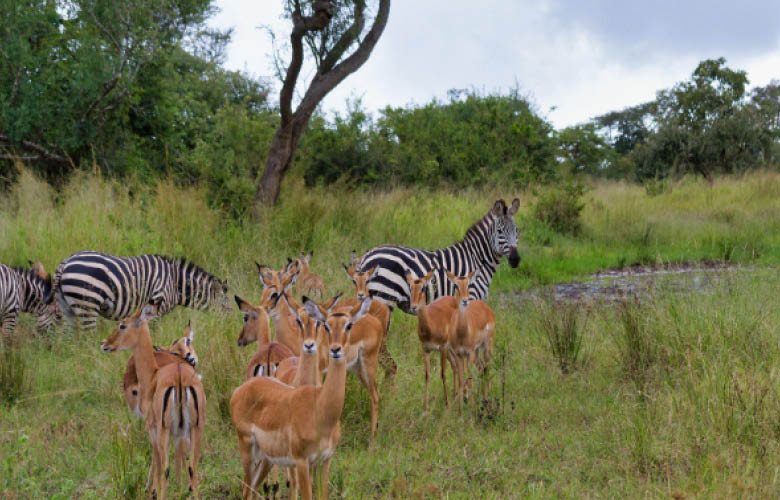
Classic Wildlife Safaris focus on game drives through Uganda and Rwanda’s principal savannah destinations, offering opportunities to observe elephants, buffaloes, giraffes, lions, antelopes and other wildlife in their natural habitats.
Wildlife and Boat Safaris
Wildlife and Boat Safaris combine game viewing with experiences on rivers and lakes. Uganda’s River Nile and Kazinga Channel provide particularly memorable opportunities to observe wildlife from the water.
Wildlife and Primates
Wildlife and Primate Safaris combine classic game viewing with Chimpanzee Tracking, Gorilla Trekking or other primate experiences. These journeys are ideal for travellers who want greater variety than a conventional wildlife safari.
Wildlife and Birding
Wildlife and Birding Safaris combine game viewing with Uganda and Rwanda’s exceptional birdlife. Journeys can incorporate forests, wetlands, lakes and savannah habitats for travellers interested in both mammals and birds.
Wildlife and Scenic Experiences
Wildlife and Scenic Safaris combine game viewing with dramatic landscapes, lakes, mountains and other scenic destinations. This approach works particularly well for longer private journeys where wildlife is one of several priorities.
Explore Wildlife Safari Destinations
The destination determines the wildlife, landscapes and activities available during your journey. Uganda provides a particularly broad range of wildlife environments, while Rwanda adds Akagera’s savannah landscapes to its compact tourism circuit.
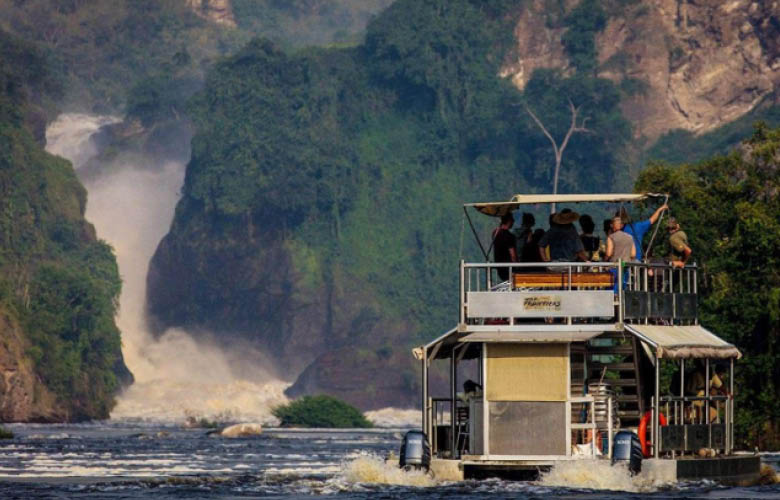
Murchison Falls National Park
Murchison Falls Wildlife Safaris combine classic game drives with the River Nile and the dramatic Murchison Falls landscape. The destination is particularly well suited to journeys combining savannah wildlife with a Boat Safari.
Queen Elizabeth National Park
Queen Elizabeth Wildlife Safaris combine game drives with the Kazinga Channel, creating opportunities to experience both terrestrial and aquatic wildlife. The park also works well within longer Uganda journeys that combine wildlife with chimpanzees and Gorilla Trekking.
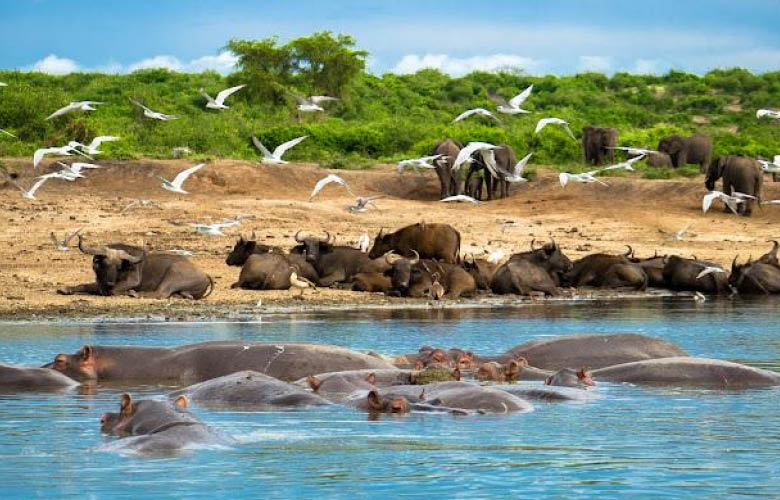
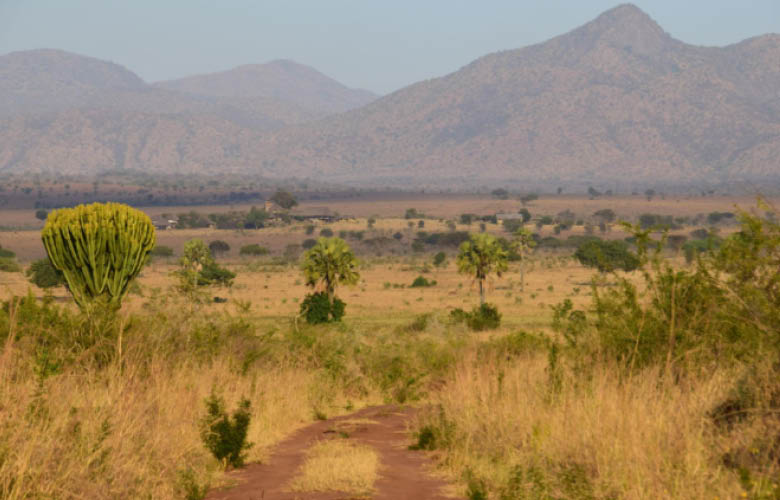
Kidepo Valley National Park
Kidepo Wildlife Safaris offer a more remote safari experience through expansive savannah landscapes and distinctive wildlife. Kidepo is particularly suitable for travellers looking for a less conventional Uganda wildlife journey.
Lake Mburo National Park
Lake Mburo Wildlife Safaris provide a compact wildlife experience that can work well as a shorter safari or as part of a broader Uganda itinerary. The park also offers scenic landscapes and opportunities for nature-based activities.
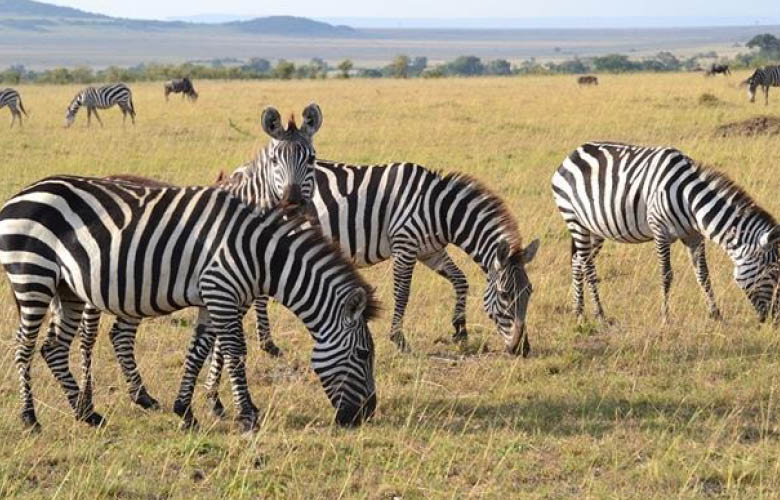
Akagera National Park
Akagera Wildlife Safaris introduce Rwanda’s savannah environment, with opportunities for game drives and Big Five wildlife experiences. Akagera can complement Volcanoes, Nyungwe, Kigali and Lake Kivu within a broader Rwanda journey.
What Can You Combine with Wildlife Safaris?
Wildlife Safaris can form the centrepiece of a broader private journey. Depending on the destination and itinerary, travellers can combine wildlife viewing with Game Drives, Boat Safaris, Chimpanzee Tracking, Gorilla Trekking, Birding, Nature Walks, Cultural Experiences, scenic lakes and other activities.
Choose Your Wildlife Safari Style
Your Wildlife Safari can be adapted to the way you prefer to travel.
- Private Wildlife Safaris: Enjoy private transportation, professional guiding and greater flexibility around daily pacing, activities and accommodation.
- Tailor-Made Wildlife Safaris: Build your journey around preferred destinations, wildlife interests, activities, accommodation and available time.
- Luxury Wildlife Safaris: Combine wildlife viewing with refined accommodation, elevated service and a more relaxed safari experience.
- Mid-Range Wildlife Safaris: Enjoy comfortable accommodation, private travel and carefully planned wildlife experiences with a strong balance of quality and value.
- Honeymoon Wildlife Safaris: Combine wildlife viewing with privacy, scenic landscapes, carefully selected accommodation and memorable experiences.
- Family Wildlife Safaris: Adapt the journey around children’s ages, interests, activity requirements and the family’s preferred pace.
Wildlife Safari Packages
Our Wildlife Safari Packages bring together private journeys focused on classic game viewing, Game Drives, Boat Safaris and broader wildlife experiences across Uganda and Rwanda. Choose a focused wildlife journey or a longer itinerary combining wildlife with primates, Gorilla Trekking, birding, scenic landscapes and cultural experiences.
Selected Wildlife Safari Packages
Wildlife Safari Planning
Planning a Wildlife Safari involves more than choosing a national park. The route, season, accommodation, driving time, activities and preferred wildlife experiences all influence how the journey feels. We can design a private itinerary around the destinations and species you most want to see while allowing time for Game Drives, Boat Safaris, photography and other experiences.
For Uganda, the principal wildlife destinations include Murchison Falls, Queen Elizabeth, Kidepo Valley and Lake Mburo National Parks. Uganda Wildlife Authority’s current national parks information confirms these protected areas among Uganda’s national parks.
In Rwanda, Akagera National Park provides the country’s principal savannah wildlife experience and Big Five safari destination, making it the natural focus for Rwanda Wildlife Safaris.
Best Time for Wildlife Safaris
Wildlife Safaris can be enjoyed throughout the year, with different seasons offering different conditions for game viewing, landscapes and photography. Drier periods can make some wildlife easier to locate around water sources and can provide favourable conditions for road-based game viewing, while wetter periods bring greener landscapes and seasonal changes in wildlife activity.
The best travel period depends on the destinations you want to visit, the activities you want to combine and the overall pace of your safari. A private itinerary allows the timing and route to be structured around your priorities.
For Rwanda, Akagera’s official tourism information identifies June to September and December to February as its two drier periods.
Accommodation for Wildlife Safaris
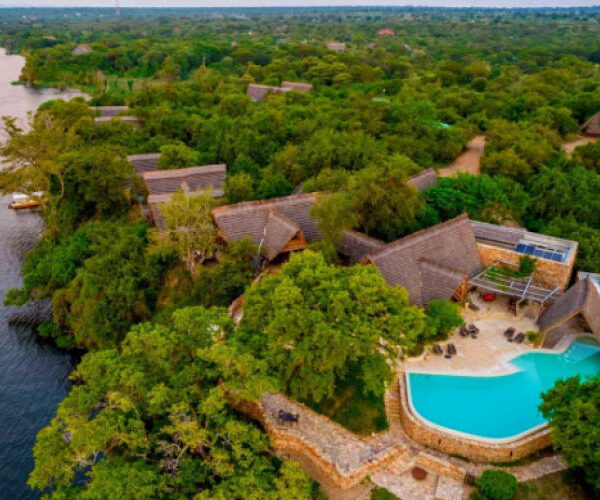
Accommodation contributes to the comfort, pace and character of a Wildlife Safari. Our Mid-Range, Premium and Signature Collections provide different levels of accommodation, service and exclusivity, allowing your stay to complement the destinations and style of journey you prefer.
Properties can be selected around major wildlife destinations and combined with private transportation, professional guiding and carefully planned daily activities. The right accommodation can also provide valuable opportunities to relax between Game Drives and Boat Safaris.
Responsible Wildlife Tourism
Responsible Wildlife Safaris should support the long-term protection of wildlife, habitats and communities surrounding protected areas. Travellers can contribute by following park regulations, respecting wildlife, remaining with authorised guides, avoiding disturbance and supporting responsible local tourism services.
Uganda Wildlife Authority emphasises conservation, community involvement, tourism development and sustainable management of Uganda’s wildlife and protected areas.
Rwanda also places strong emphasis on conservation and community participation around its protected areas. The Rwanda Development Board describes conservation and tourism as important components of the country’s tourism development, while its tourism strategy includes community participation and responsible tourism.
Why Choose Njagi Safaris for Wildlife Safaris?
Choose Njagi Safaris for private Wildlife Safaris built around local destination knowledge, carefully planned routes, professional guiding and personalised travel support across Uganda and Rwanda. We can combine wildlife with primates, Gorilla Trekking, birding, scenic landscapes and cultural experiences while matching the journey to your preferred pace and accommodation level.
Useful Wildlife Safari Resources
For official information when planning Uganda Wildlife Safaris and Rwanda Wildlife Safaris, consult the Uganda Tourism Board for destination information, the Uganda Wildlife Authority for national parks and wildlife conservation information, Visit Rwanda for Akagera and Rwanda’s tourism information, and the Rwanda Development Board for tourism and conservation information.
Frequently Asked Questions
What is included in a Wildlife Safari?
A Wildlife Safari can include private transportation, professional guiding, accommodation, game drives and other activities depending on the itinerary. Specific inclusions vary by package and accommodation collection.
Which countries are best for Wildlife Safaris with Njagi Safaris?
Njagi Safaris focuses on Uganda Wildlife Safaris, Rwanda Wildlife Safaris and journeys combining both countries. Uganda provides a particularly broad range of wildlife destinations, while Rwanda adds Akagera’s savannah and Big Five experiences.
Which animals can I see on a Uganda Wildlife Safari?
Depending on the destination, travellers may encounter elephants, buffaloes, giraffes, lions, leopards, antelopes, hippos, crocodiles and many other species. The exact wildlife experience varies by park, season and location.
Can I combine Game Drives with Boat Safaris?
Yes. Some destinations are particularly well suited to combining the two. Murchison Falls can combine game drives with a Boat Safari on the River Nile, while Queen Elizabeth can combine game viewing with a Boat Safari on the Kazinga Channel.
Can I combine wildlife with Gorilla Trekking?
Yes. A private Uganda Rwanda Wildlife Safari can combine classic wildlife with Gorilla Trekking, Chimpanzee Tracking and other experiences. The current Njagi Safaris catalogue includes broader Uganda and Rwanda journeys that combine wildlife with primate experiences.
Can I combine wildlife with Chimpanzee Tracking?
Yes. Uganda is particularly suitable for combining wildlife and Chimpanzee Tracking, with destinations such as Murchison Falls, Queen Elizabeth and Kibale providing different wildlife and forest experiences. The current package catalogue includes journeys combining these experiences.
How many days do I need for a Wildlife Safari?
A shorter safari can focus on one or two wildlife destinations, while longer journeys allow more time for game viewing and combinations with primates, scenery, birding or cultural experiences. The current Njagi Safaris catalogue ranges from short journeys to 24-day itineraries.
Can I arrange a private Wildlife Safari?
Yes. Private Wildlife Safaris can be adapted around your preferred destinations, travel dates, accommodation, activities, photography interests and available time. Njagi Safaris currently offers private and tailor-made travel options across Uganda and Rwanda.