Culture Safaris in Uganda and Rwanda
Culture Safaris in Uganda and Rwanda offer travellers opportunities to discover traditional dance, music, crafts, community life, historical heritage and everyday traditions. Across both countries, travellers can experience cultural activities alongside wildlife, primates, nature, adventure and scenic journeys.
Uganda offers a diverse cultural landscape shaped by different communities, traditional kingdoms, music, dance, crafts, food and historical heritage. The Uganda Tourism Board currently promotes cultural heritage tours featuring traditional kingdoms, historical sites, culinary experiences and community experiences.
Rwanda offers its own distinctive cultural heritage, including traditional Intore dancing, basketry, pottery, Imigongo art, museums, royal heritage and community traditions. For travellers, Cultural Experiences in Uganda and Rwanda can add another dimension to a safari, providing opportunities to understand the people, traditions and heritage connected to the landscapes they visit.
Cultural Experiences in Uganda and Rwanda
Cultural experiences in Uganda and Rwanda range from traditional performances and craft workshops to community visits, village walks and heritage attractions. Cultural Safaris in Uganda and Rwanda can be designed around specific interests or incorporated into wider journeys combining wildlife, primates, nature and adventure.
Featured Cultural Experiences
Popular cultural experiences that can be incorporated into a Uganda or Rwanda safari include:
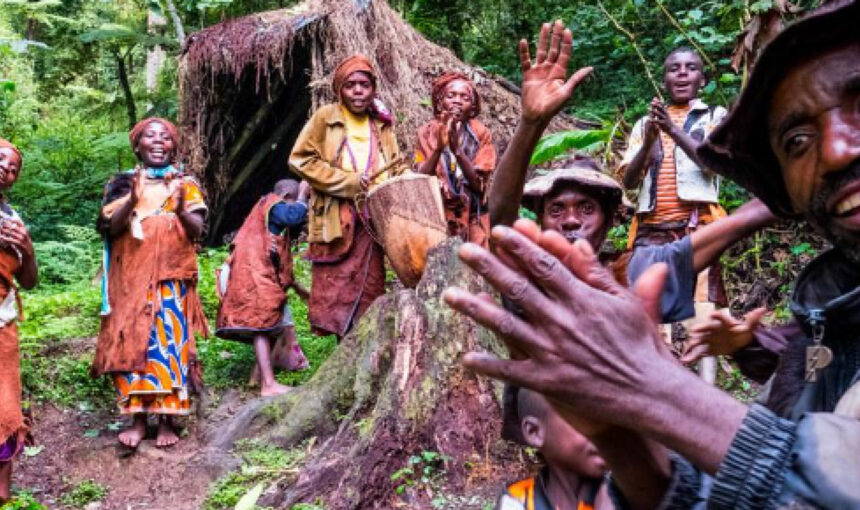
Explore Batwa Experiences
Learn about Batwa heritage, traditional knowledge and forest connections in southwestern Uganda.
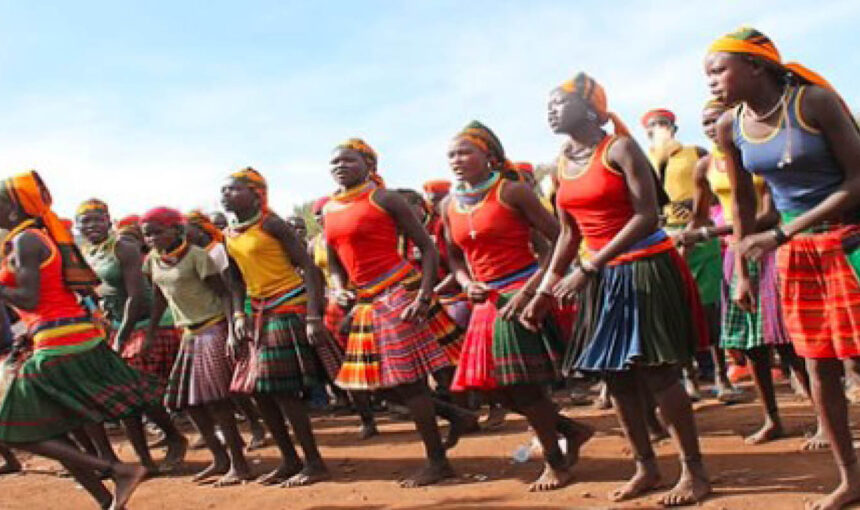
Explore Karamoja Experience
Explore the distinctive cultural heritage and traditions of northeastern Uganda.
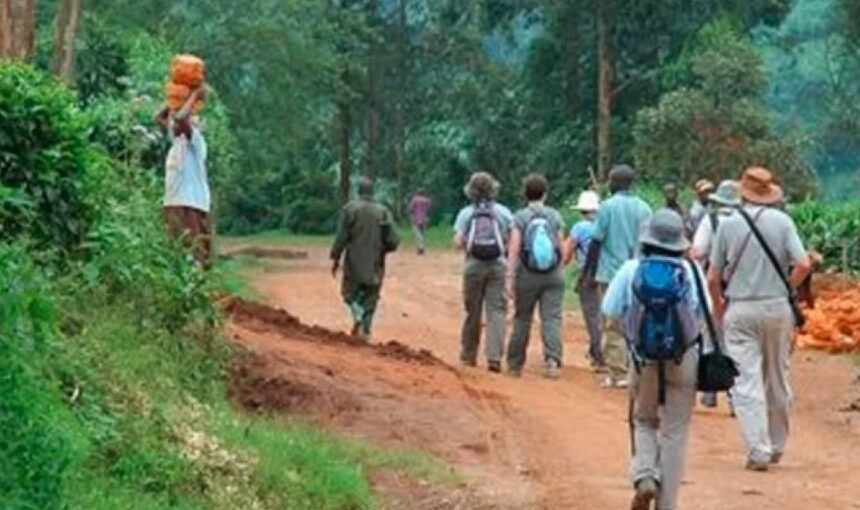
Explore Village Walk
Explore rural communities and gain insight into local life, livelihoods and traditions.

Explore Craft Workshops
Discover traditional skills such as basketry, pottery, weaving and beadwork.
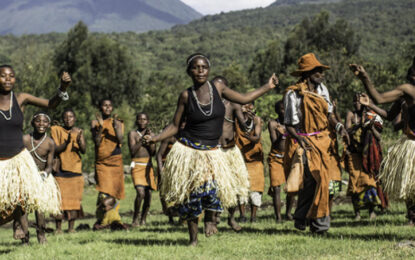
Explore Traditional Dances
Experience music, movement, costumes and performances representing different cultural traditions.
Cultural Experiences in Uganda
Uganda’s cultural landscape extends from the kingdoms and heritage sites of central Uganda to the communities, traditions and cultural landscapes of the west, north and northeast. Uganda cultural experiences can include traditional dance, music, storytelling, crafts, food, historical sites, community encounters and visits to places associated with Uganda’s different cultural traditions.
Batwa Experience
The Batwa Experience Uganda provides an opportunity to learn about Batwa cultural heritage and traditional knowledge in southwestern Uganda. A guided experience can introduce travellers to aspects of Batwa history, forest knowledge, traditional practices and community life. It can also complement a wider journey through southwestern Uganda, including Gorilla Trekking, forest walks and other nature experiences.
Karamoja Experience
A Karamoja cultural experience provides an opportunity to explore the distinctive cultural heritage of northeastern Uganda. Travellers can learn about local traditions, community life, pastoral heritage, traditional crafts, music and other aspects of the region’s cultural identity. Karamoja can also be combined with wildlife and landscape experiences, creating a broader northern Uganda journey that includes culture alongside nature and wildlife.
Craft Workshops
Craft workshops in Uganda and Rwanda provide a hands-on way to experience local culture. Depending on the destination, travellers may encounter basketry, pottery, weaving, beadwork, textiles and other forms of local craftsmanship. In Rwanda, weaving, basket making, pottery and Imigongo are recognised elements of the country’s cultural traditions.
Traditional Dance in Uganda
Traditional dance in Uganda is an important expression of the country’s cultural diversity. Different communities have their own music, rhythms, costumes and forms of dance. Cultural performances can be experienced during organised cultural visits and events. Uganda Tourism Board has highlighted traditional dance and music as important expressions of the country’s diverse cultural heritage, including performances that allow visitors to participate and learn.
Village Walks in Uganda
Village walks in Uganda provide an opportunity to experience aspects of everyday life beyond the country’s national parks and major tourism attractions. Depending on the destination, a village experience may include interactions with local residents, traditional homes, farming activities, crafts, food preparation, community projects or local storytelling.
Cultural Experiences in Rwanda
Rwanda offers a compact cultural tourism landscape combining traditional heritage, museums, royal history, crafts, dance, contemporary creativity and community experiences. Rwanda cultural experiences can therefore form part of both dedicated cultural tours and wider journeys combining culture with wildlife, primates, nature and scenic experiences.
Village Walks in Rwanda
Village walks in Rwanda provide a closer look at rural landscapes, community life and local traditions. They can be incorporated into a private Rwanda itinerary alongside nature, wildlife and cultural attractions. A locally guided experience can help visitors understand the relationship between communities, landscapes, agriculture, traditions and tourism.
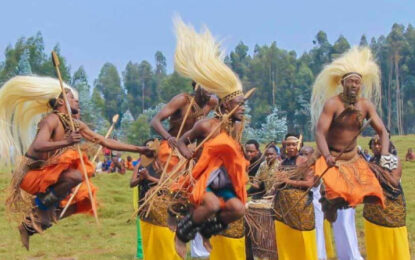
Traditional Dance in Rwanda
Traditional dance in Rwanda is an important part of the country’s cultural heritage, with Intore dancing among the best-known traditional performance styles. Intore performances combine dance, music, movement and traditional presentation, providing travellers with an engaging introduction to Rwandan heritage.
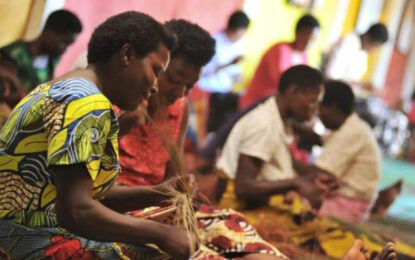
Craft Workshops in Rwanda
Craft workshops in Rwanda provide an opportunity to discover traditional craftsmanship and meet artisans involved in preserving local skills. Depending on the location, travellers may encounter basketry, pottery, weaving and Imigongo art. These experiences provide insight into traditional techniques as well as contemporary creative expression.
Cultural Experiences for Different Travel Styles
Culture can be incorporated into different types of Uganda and Rwanda journeys, from short city-based experiences to longer private safaris.
General Cultural Experiences
Travellers who simply want to learn more about local culture can choose a combination of community visits, traditional performances, craft experiences, historical sites and local food. These experiences can be added to a conventional wildlife safari without making culture the central focus of the entire journey.
Immersive Cultural Experiences
Travellers looking for deeper cultural engagement can spend more time with local communities, explore traditional crafts, visit heritage sites and include locally guided experiences. Longer journeys can combine several cultural experiences across different regions, allowing travellers to discover how traditions and lifestyles vary between communities.
Family-Friendly Cultural Experiences
Cultural experiences can add variety to family safaris. Craft activities, traditional performances, museums, village experiences and food-related activities can provide opportunities for children and adults to learn about Uganda and Rwanda beyond wildlife.
Cultural Experiences and Wildlife Safaris
Culture can complement wildlife and primate experiences, creating a more varied safari journey. In Uganda, travellers can combine cultural experiences with Wildlife Viewing, Chimpanzee Tracking, Gorilla Trekking, birding and nature activities. In Rwanda, cultural experiences can be combined with Gorilla Trekking, primate experiences, Akagera wildlife safaris, birding and scenic journeys.
This combination allows travellers to experience not only the landscapes and wildlife of Uganda and Rwanda, but also the communities, traditions and heritage connected to these destinations.
Where to Experience Culture in Uganda and Rwanda
Culture in Uganda and Rwanda can be experienced in cities, rural communities, cultural centres, historical sites and regions where traditional practices remain an important part of community life. The best destinations depend on the type of cultural experience you want to include in your safari, from traditional performances and crafts to community visits and historical heritage.
Kampala and Central Uganda
Kampala provides an accessible introduction to Ugandan culture, with opportunities to experience traditional music and dance, local crafts, food, museums and contemporary cultural life.
Central Uganda also provides access to heritage associated with the Buganda Kingdom and other historical and cultural sites. Cultural experiences around Kampala can work particularly well at the beginning or end of a safari, giving travellers an introduction to Uganda before travelling to the country’s wildlife and nature destinations.
Southwestern Uganda
Southwestern Uganda offers opportunities to combine cultural experiences with some of the country’s best-known forest and wildlife destinations. The Batwa Experience can provide insight into Batwa heritage and traditional forest knowledge, while cultural encounters in the region can be combined with Gorilla Trekking, nature walks, birding and scenic journeys.
This makes southwestern Uganda particularly suitable for travellers who want culture to form part of a broader nature and wildlife itinerary.
Karamoja
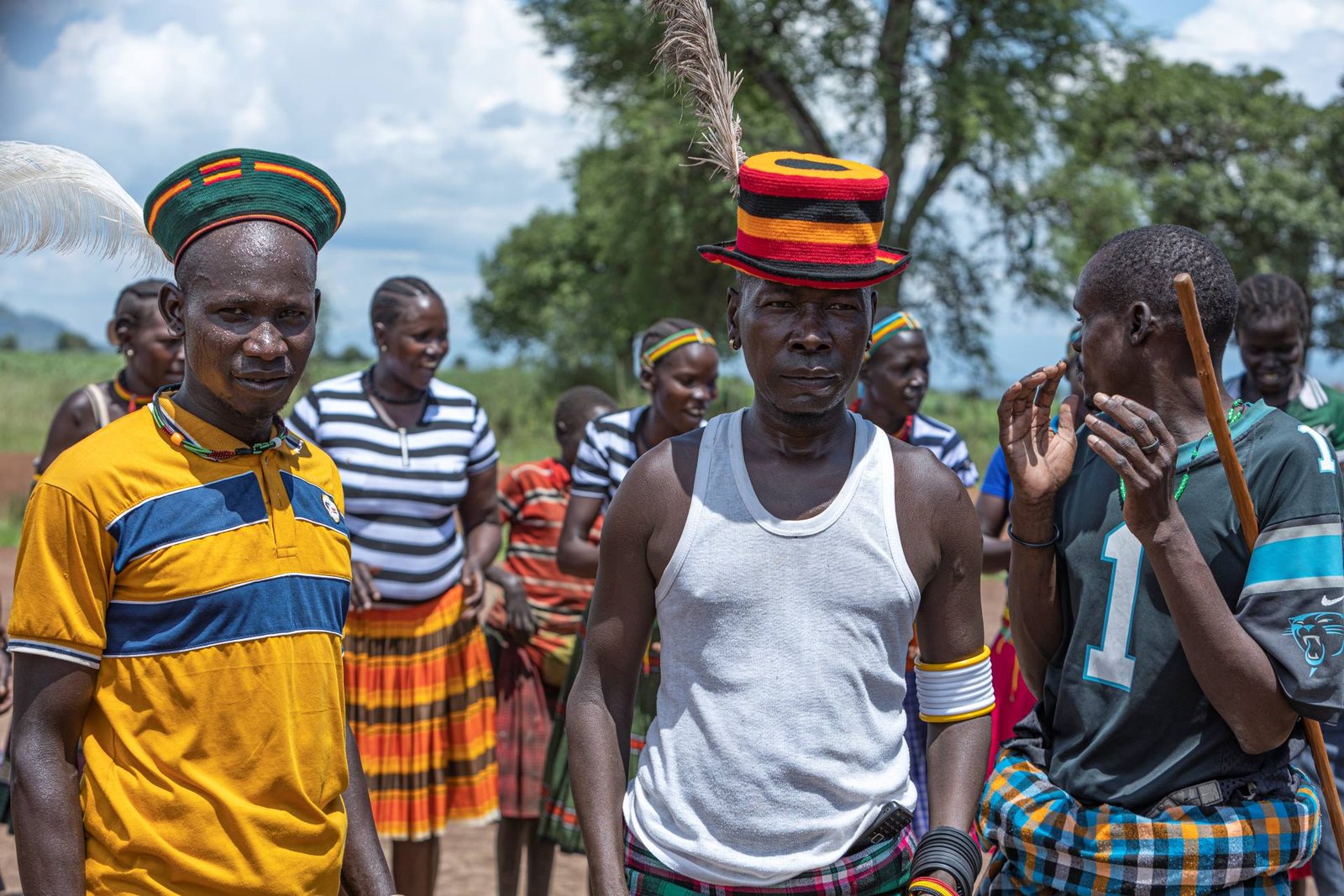
Karamoja provides a distinctive cultural experience in northeastern Uganda, where travellers can discover local traditions, community life, pastoral heritage, crafts and cultural practices. A Karamoja journey can combine cultural experiences with the region’s landscapes and wildlife, including destinations such as Kidepo Valley National Park.
The region is also increasingly promoted through cultural tourism initiatives. The Uganda Tourism Board currently highlights Karamoja among Uganda’s cultural heritage tourism experiences.
Kigali
Kigali offers an accessible introduction to Rwandan culture and heritage, with museums, cultural spaces, markets, crafts, food and contemporary creative experiences. The city can be used as the cultural starting point for a Rwanda safari, allowing travellers to experience aspects of Rwandan life before continuing to destinations such as Volcanoes National Park, Nyungwe or Akagera.
Kigali is also useful for travellers with limited time who want to add a cultural component without travelling far from the country’s main urban centre.
Nyanza and Rwanda’s Royal Heritage
Nyanza is particularly important for travellers interested in Rwanda’s royal heritage. The King’s Palace is a reconstruction of the traditional royal residence and provides an opportunity to learn about Rwanda’s former monarchy and cultural history. The nearby Ethnographic Museum in Huye can also be combined with a visit to the palace.
Cultural Experiences and Nature
Cultural experiences can be combined naturally with nature-based activities in both Uganda and Rwanda. In Uganda, travellers can combine community and cultural experiences with forest walks, birding, chimpanzee tracking, gorilla trekking, hiking and scenic journeys.
In Rwanda, cultural experiences can be combined with forest exploration in Nyungwe, mountain landscapes around Volcanoes National Park, Lake Kivu experiences and wildlife viewing in Akagera. Combining culture and nature creates a more varied itinerary, allowing travellers to experience landscapes alongside the communities and traditions connected to them.
Cultural Experiences and Adventure
Culture can also complement Adventure Safaris in Uganda and Rwanda. A Uganda itinerary could combine cultural experiences with cycling, canoeing, hiking or white water rafting, while a Rwanda journey could combine cultural visits with hiking, cycling and other outdoor experiences.
For active travellers, this approach creates a journey that combines physical activity, landscapes, community encounters and local heritage rather than focusing on one type of experience.
Best Time for Birding in Uganda and Rwanda
Cultural experiences are available throughout much of the year in Uganda and Rwanda. The best timing depends mainly on the destinations, activities and wider safari itinerary.
Cultural performances, museums, craft workshops and city-based experiences can generally be incorporated into an itinerary at different times of year. For village walks, community visits and outdoor cultural activities, seasonal weather can influence road conditions and the comfort of travelling between destinations.
Travellers planning a cultural safari should therefore consider the cultural activities they want to experience alongside the wider wildlife, nature and adventure experiences included in the journey.
Also Read: Best Time to Visit Uganda for a Safari
What to Bring for a Cultural Experience
Pack comfortable, modest clothing, comfortable walking shoes, sun protection, a hat, sunglasses, insect repellent, a reusable water bottle and a small daypack. A camera or smartphone, personal medication and a lightweight rain jacket are also useful for Cultural Experiences in Uganda and Rwanda, particularly during outdoor community visits and village walks.
For community visits and village walks, dress modestly and follow local guidance on photography, interactions with residents and participation in cultural activities. Respectful behaviour helps create positive experiences for both travellers and host communities.
Responsible Cultural Tourism
Responsible cultural tourism means engaging with communities and heritage respectfully while ensuring that tourism provides meaningful benefits to local people. Travellers should respect local customs, dress appropriately, ask permission before photographing people, follow local guidance and approach cultural practices with understanding and respect. In Uganda, UNESCO’s recent work at the Kasubi Tombs and Rwenzori Mountains highlights sustainable tourism, community participation and locally rooted heritage livelihoods.
Travellers can support community tourism in Uganda and Rwanda by using locally guided experiences and purchasing crafts directly from artisans and cooperatives. Visitors should avoid removing cultural objects, damaging heritage sites or making assumptions about communities based on a short visit. In Rwanda, Visit Rwanda’s Responsible Tourism programme highlights the country’s approach to sustainable tourism and community benefits.
Frequently Asked Questions about Cultural Experiences
Some of the cultural experiences that can be incorporated into a Uganda safari include the Batwa Experience, Karamoja Experience, traditional dance, craft workshops, village walks, community visits and heritage experiences. The most suitable combination depends on the regions included in the itinerary and the traveller’s interests.
Rwanda offers cultural experiences including traditional dance, craft workshops, village experiences, museums, royal heritage and cultural visits in destinations such as Kigali, Nyanza and Huye. Traditional Intore dance is particularly significant within Rwanda’s cultural heritage and was inscribed on UNESCO’s Representative List of the Intangible Cultural Heritage of Humanity in 2024.
Yes. Cultural experiences can be incorporated into wildlife, primate, birding, nature and adventure safaris. For example, a Uganda journey could combine a cultural experience with wildlife viewing in Queen Elizabeth or Murchison Falls, chimpanzee tracking in Kibale and gorilla trekking in Bwindi.
In Rwanda, cultural experiences can be combined with gorilla trekking in Volcanoes National Park, wildlife viewing in Akagera or primate experiences in Nyungwe.
Yes. A combined Uganda and Rwanda itinerary can include cultural experiences in both countries alongside wildlife, primates, nature and scenic attractions. A journey could include cultural experiences in Kampala or southwestern Uganda before continuing to Rwanda for traditional dance, crafts, museums or royal heritage around Kigali, Nyanza and Huye.
This approach is particularly suitable for travellers who want to experience both countries beyond their wildlife attractions.
Yes. Many cultural experiences can be suitable for families, particularly craft workshops, traditional performances, museums, food experiences and selected village visits. Activities should be selected according to the children’s ages, interests and attention spans, with enough time for rest between longer safari activities.
Why Choose Njagi Safaris for Cultural Experiences?
Choose Njagi Safaris for private cultural journeys built around local destination knowledge, carefully planned routes, professional guiding and personalised travel support across Uganda and Rwanda. Cultural experiences can be combined with wildlife, primates, birding, nature, adventure and scenic journeys, creating a private itinerary around your interests, available time and preferred pace. Explore Cultural Experiences in Uganda and Rwanda
Heritage Trails
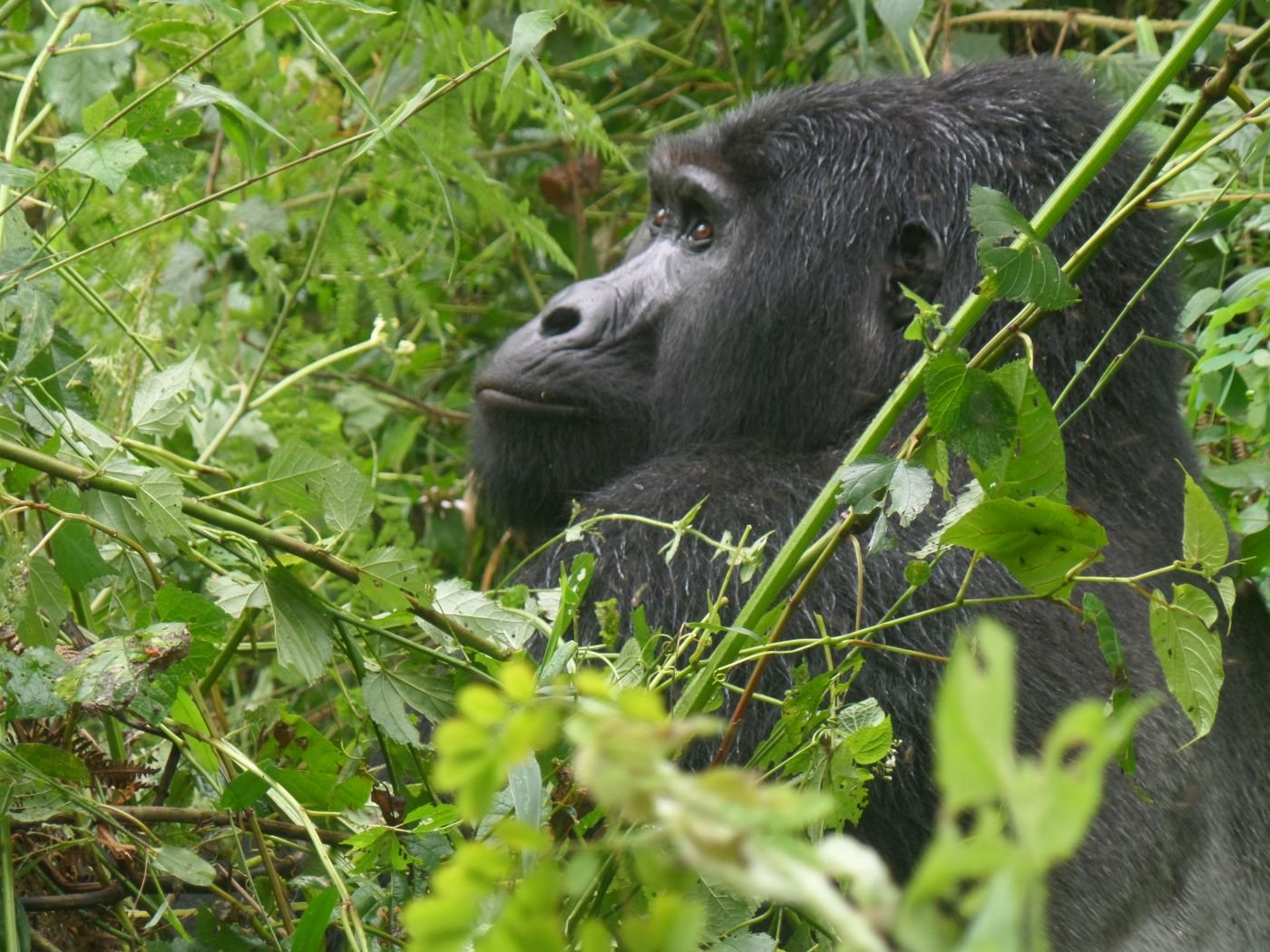
Forest Kingdom
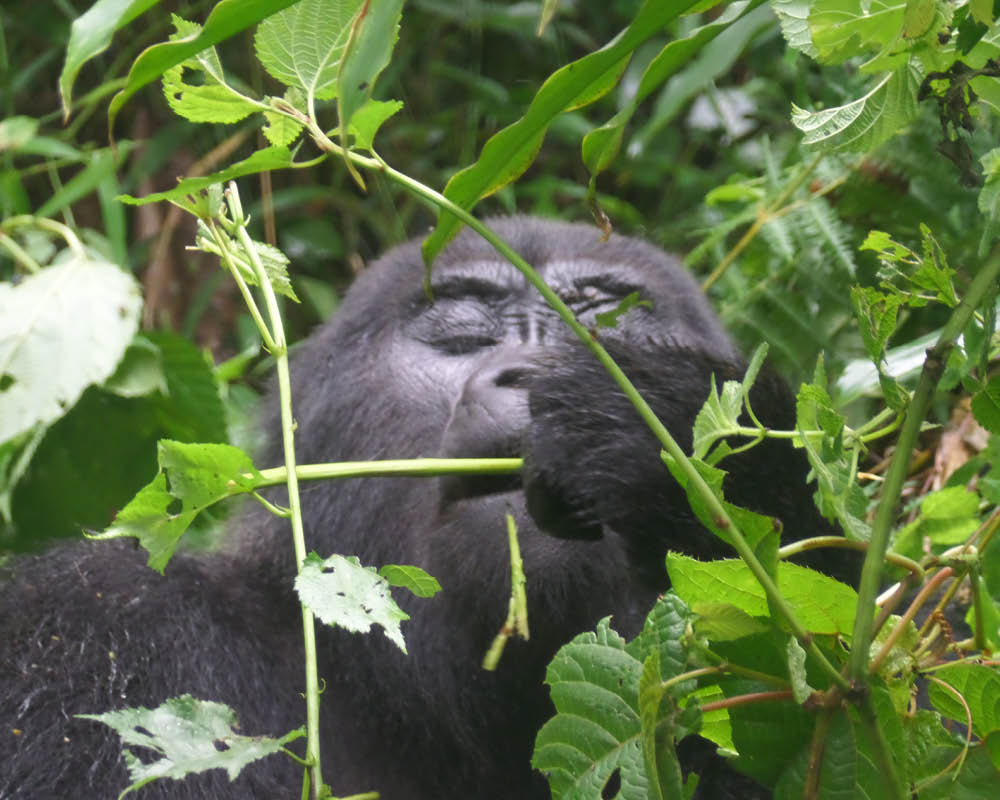
Rwanda Explorer
Plan Your Cultural Experience
Plan your Culture in Uganda and Rwanda journey around traditional dance, craft workshops, community experiences, village walks, heritage sites or specialist experiences such as the Batwa and Karamoja experiences. Culture can also be combined with wildlife viewing, chimpanzee tracking, gorilla trekking, birding, nature and adventure activities.
Explore All Safari Activities or Contact Njagi Safaris to create a private journey around your interests, available time and preferred pace