Village Walks in Uganda and Rwanda
A Village Walk in Uganda and Rwanda offers travellers an opportunity to explore rural communities on foot while learning about everyday life, local traditions, livelihoods and the landscapes surrounding the village. Instead of focusing on a single attraction, the experience provides time to observe how people live, work and interact with their environment.
Depending on the community and programme, a village walk can include visits to farms, homes, craft activities, local markets, community projects and other places of interest. In Rwanda, community walking experiences can introduce visitors to rural villages, farmland, local businesses and scenic countryside. The experience provides an opportunity to see another side of the destination beyond its major wildlife and nature attractions.
Where Can You Experience Village Walks in Uganda?
Uganda Village walks can be incorporated into cultural and community experiences in different parts of Uganda. The exact activities depend on the community, destination and local arrangements.
Around some tourism destinations, visitors can walk through rural settlements, observe farming activities, learn about local food production and meet community members involved in crafts or other livelihoods. Community-based experiences can also provide opportunities to support locally run initiatives.
For example, community tourism around rural settlements can provide opportunities to see local crops, learn how they are processed and understand some of the activities that contribute to household livelihoods. The experience should be arranged with local hosts or guides so that visits respect community routines, privacy and expectations.
Where Can You Experience Village Walks in Rwanda?
Rwanda village walk and community experiences in several parts of the country. Rural walks can provide opportunities to explore villages, farmland and scenic countryside while learning about local life. Around destinations such as Lake Kivu, Nyanza and the Volcanoes region, community experiences can introduce travellers to rural livelihoods, local crafts, farming and cultural traditions.
Village walks can also complement wildlife and nature-focused itineraries by providing time to meet communities and understand the relationship between people and the surrounding landscape. The specific experience depends on the destination, community hosts and activities arranged before arrival.
What Can You Experience During a Village Walk?
A village walk can introduce travellers to different aspects of community life. The exact programme depends on the destination, hosts and activities available during the visit.
- Farming and Livelihoods: Learn about crops, livestock, food production and other activities that contribute to household livelihoods.
- Local Crafts: Visit artisans or community groups working with weaving, pottery, basketry or other traditional and contemporary crafts.
- Food and Cooking: Depending on the arrangement, visitors may learn about local ingredients, food preparation and traditional cooking methods.
- Community Life: Walking through a village provides opportunities to meet local residents, learn about daily routines and understand the relationship between communities and their surrounding environment.
How Do You Arrange a Village Walk?
A Village Walk should be arranged in advance with a local guide, community organisation or responsible safari operator. Planning ahead helps coordinate the visit with community hosts and establish expectations around timing, activities, photography and appropriate interaction.
Njagi Safaris can incorporate a village walk into private Uganda and Rwanda itineraries alongside cultural, wildlife, primate, nature and scenic experiences. The programme can be tailored to your destination and interests, from a short community visit to a longer experience involving farming, crafts or food. For practical planning, read our Uganda Safari Guide: How to Plan Your Trip.
What Should You Expect During a Community Visit?
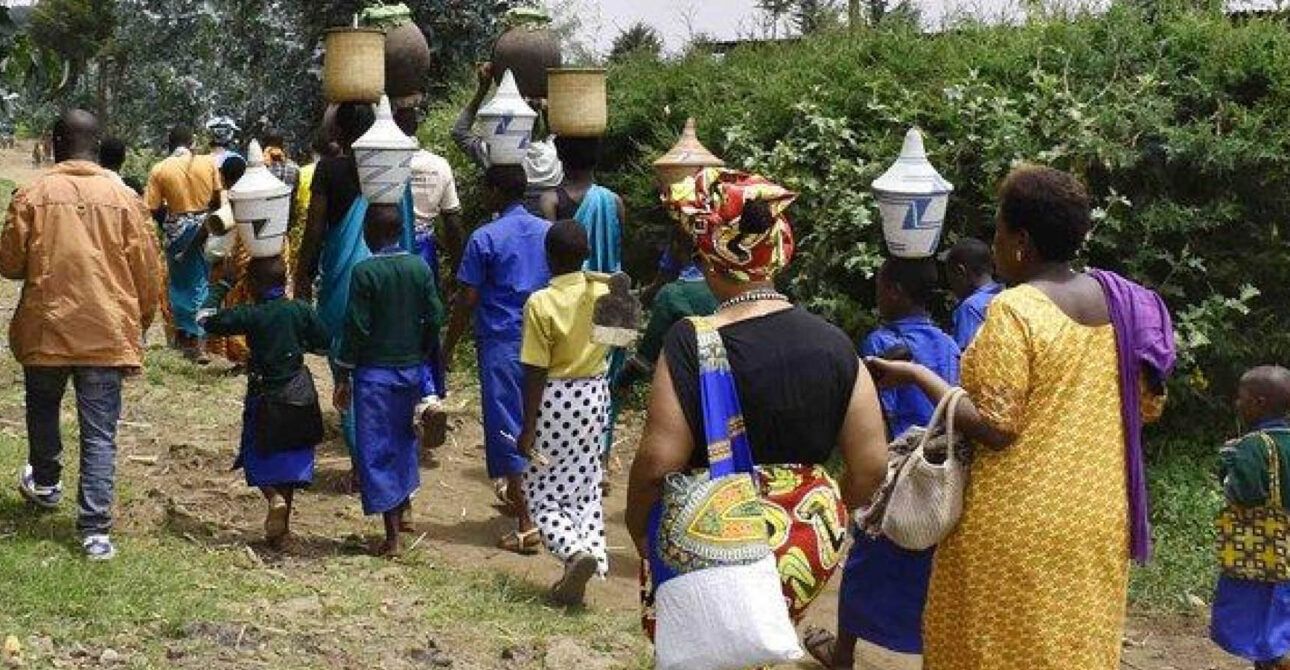
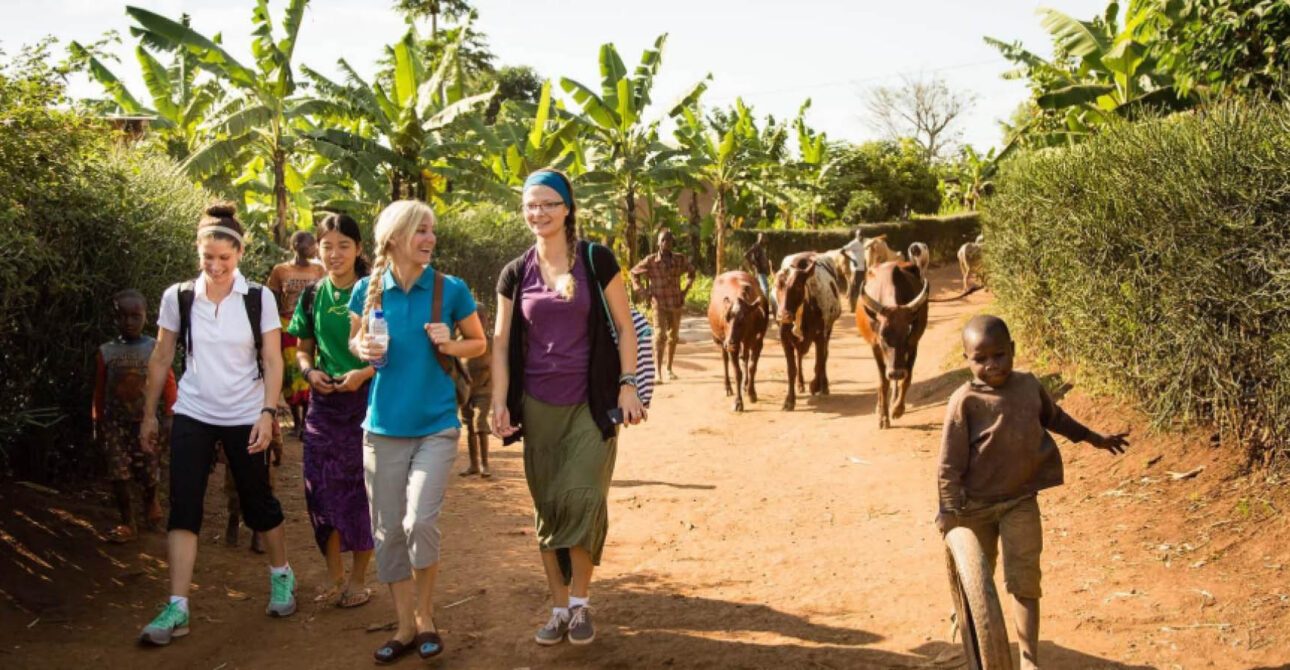
A village walk is a guided community experience rather than a sightseeing tour with a fixed programme. The activities and places visited depend on the community and arrangements made before arrival. Travellers may walk along village paths, visit farms or community projects, meet local residents and learn about livelihoods, crafts, food and daily routines.
The experience is best approached with curiosity and respect. Community members should be treated as hosts rather than attractions, and visitors should follow their guide’s advice about photography, conversations and entering private spaces.
Can a Village Walk Be Combined With Other Cultural Experiences?
Yes. A village walk can complement other cultural activities by providing a closer look at everyday community life. In Uganda, it can be combined with Karamoja Experience, Batwa Experience, Traditional Dance and Craft Workshops, depending on the route.
In Rwanda, community experiences can be combined with cultural villages, traditional dance, crafts, coffee experiences and heritage sites. Combining several cultural activities creates a broader understanding of local traditions while allowing each experience to focus on a different aspect of community life.
Can a Village Walk Be Combined With Wildlife and Nature Safaris?
Yes. A village walk can be included alongside wildlife, primate and nature experiences to create a more varied safari.
In Uganda, community experiences can complement Gorilla Trekking, Chimpanzee Tracking, wildlife viewing, birding and forest experiences.
In Rwanda, village experiences can be combined with Gorilla Trekking, wildlife viewing, hiking and scenic journeys. This combination allows travellers to experience both the natural landscapes and the communities connected to them, rather than focusing the entire itinerary on wildlife activities.
What Should You Wear and Carry for a Village Walk?
Wear comfortable clothing and sturdy footwear suitable for walking on village paths, farmland and uneven ground. The amount of walking varies according to the community and programme. Carry drinking water, sun protection and rain protection according to the destination and season. A camera can also be useful, but always ask before photographing people, homes, children, ceremonies or private activities.
Responsible Cultural Tourism During a Village Walk
Responsible village visits begin with respect for community members, their privacy, livelihoods and traditions. Ask before taking photographs, follow the guidance of local hosts and avoid entering private homes or spaces without an invitation.
Using local guides, purchasing crafts directly from community artisans and supporting locally organised experiences can help retain tourism benefits within the destination. In Uganda Tourism Board (UTB) promotes sustainable tourism and inclusive participation, while Exclusive Sustainable Tour Operators Association (ESTOA) promotes responsible and sustainable tourism practices among tourism businesses.
In Rwanda, Rwanda Chamber of Tourism (RCT) represents the private tourism and hospitality sector and supports sustainable tourism development, while Rwanda Development Board (RDB) provides the country’s tourism regulatory and development framework, including community-based tourism guidance.
What Is the Best Time for a Village Walk?
Village walks can be incorporated into Uganda and Rwanda safaris throughout the year. The most suitable timing depends on the destination, local activities and the wider safari itinerary. For outdoor walks, weather and ground conditions can affect walking comfort, particularly on rural paths and agricultural areas. Your safari planner can coordinate the experience with other activities and arrange the visit at a practical time during your journey.
Is a Village Walk Suitable for Families?
A village walk can be suitable for families interested in learning about local communities, food, farming, crafts and everyday life. The walking distance and activities vary by destination, so families should choose an experience appropriate for the children’s ages and interests. It can also provide a slower cultural activity between wildlife, primate or adventure experiences.
How Can a Village Walk Be Combined With Other Uganda and Rwanda Safaris?
A village walk can form part of a broader cultural itinerary alongside traditional dance, craft workshops, community visits and heritage experiences. It can also complement wildlife, Gorilla Trekking, Chimpanzee Tracking, birding and nature activities. In Rwanda, village experiences can be incorporated around destinations such as Volcanoes, Lake Kivu and Nyanza, while Uganda offers community experiences across several tourism regions.
Related Cultural Experiences
Explore other cultural experiences that can complement your Uganda and Rwanda safari:
- Karamoja Experience — Discover Karamojong culture, community life and pastoral heritage in northeastern Uganda.
- Batwa Experience — Learn about Batwa cultural heritage, traditional knowledge and community life in southwestern Uganda.
- Traditional Dance — Experience traditional music, dance and cultural expression in Uganda and Rwanda.
- Craft Workshop — Discover traditional crafts and creative skills through hands-on cultural experiences.
Each should link to its respective Culture child page. Village Walk should not link to itself.
FAQs About Village Walks in Uganda and Rwanda
A Village Walk is a guided community experience that allows travellers to explore rural surroundings on foot while learning about everyday life, livelihoods, traditions, farming, crafts and local community activities. It provides a closer look at communities and landscapes beyond the main tourist attractions.
Village walks can be arranged in different parts of Uganda through community-based tourism initiatives and local hosts. The experience varies by destination and may include farming, crafts, food, community projects and opportunities to meet local residents.
Village experiences are available in several parts of Rwanda, including rural areas around Lake Kivu, Nyanza and the Volcanoes region. Activities vary by destination and can include walking, farming, crafts and other community-based experiences.
Photography should follow the guidance of community hosts. Always ask before photographing people, homes, children, ceremonies or private activities, and respect requests not to take photographs. This helps maintain respectful relationships between visitors and the communities they visit.
The duration depends on the destination and activities included. Some village walks can take a few hours, while longer community experiences can form part of a full-day cultural programme or wider walking itinerary. For example, documented village walks in Uganda range from around two to three hours.
Why Choose Njagi Safaris for a Village Walk?
Njagi Safaris can incorporate a Village Walk in Uganda and Rwanda into a private safari based on your interests, available time and preferred travel style. Explore our Culture Safaris in Uganda and Rwanda to discover other cultural experiences that can be combined with village visits, wildlife, primates, nature and scenic journeys.

Heritage Trails

Rwanda Explorer
Pearl & Thousand Hills Grand
Plan Your Village Walk
Tell us your travel dates, group size, accommodation preference and the cultural experiences you would like to combine. Explore our Safari Collections to find private and tailor-made journeys across Uganda and Rwanda that can incorporate cultural experiences into your safari.
Prefer a Custom Safari? Send Us Your Enquiry
Interested in experiencing village life and local culture in Uganda or Rwanda?
Tell us your travel dates, group size, accommodation preference and the experiences you would like to combine. We can design a private safari around your interests, destinations and preferred pace.