Gorilla Trekking in Uganda and Rwanda: Virunga Region, Experiences & Planning
Gorilla trekking in Uganda and Rwanda offers travellers the opportunity to encounter endangered mountain gorillas in protected forest environments across two closely connected destinations. In Uganda, trekking takes place in Bwindi Impenetrable National Park and Mgahinga Gorilla National Park, while Rwanda’s principal gorilla trekking destination is Volcanoes National Park.
For travellers interested in more than one destination, Uganda and Rwanda can also be incorporated into a combined gorilla journey. The right approach depends on the trekking destinations, available time and wider safari interests. For broader context on wildlife across the two countries, explore our Wildlife in Uganda and Rwanda guide, or read our Gorilla Trekking Guide for a wider introduction to the experience.
What Is Gorilla Trekking?
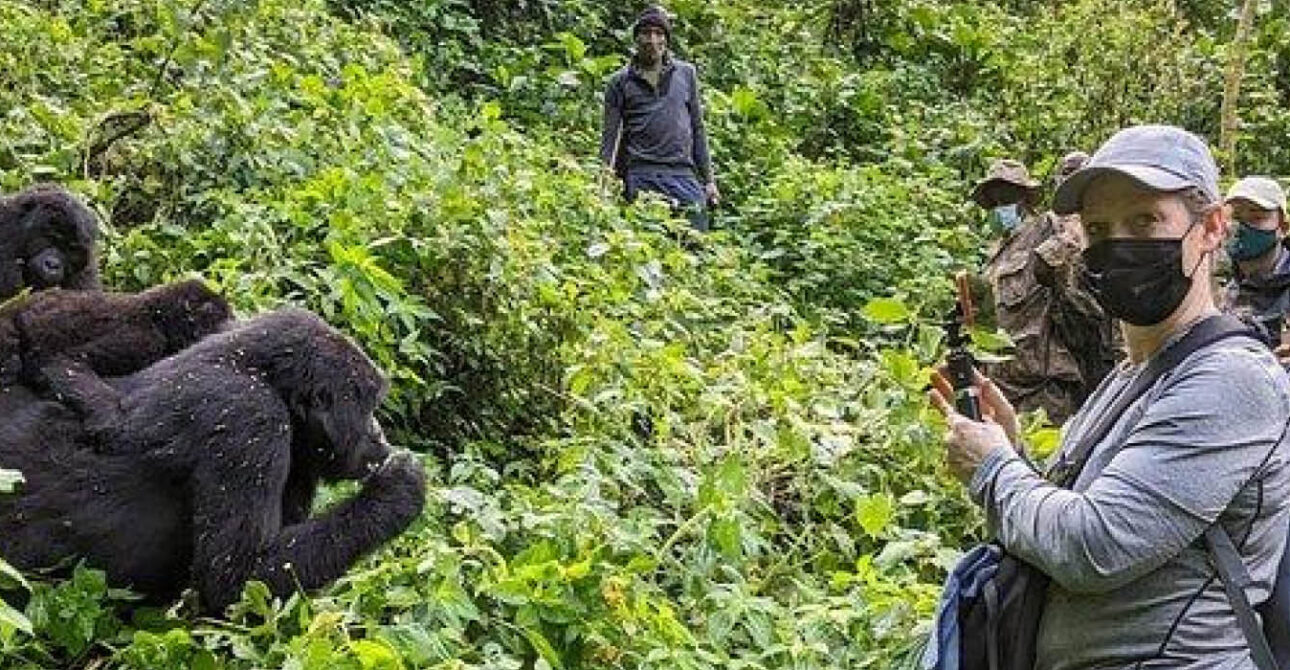
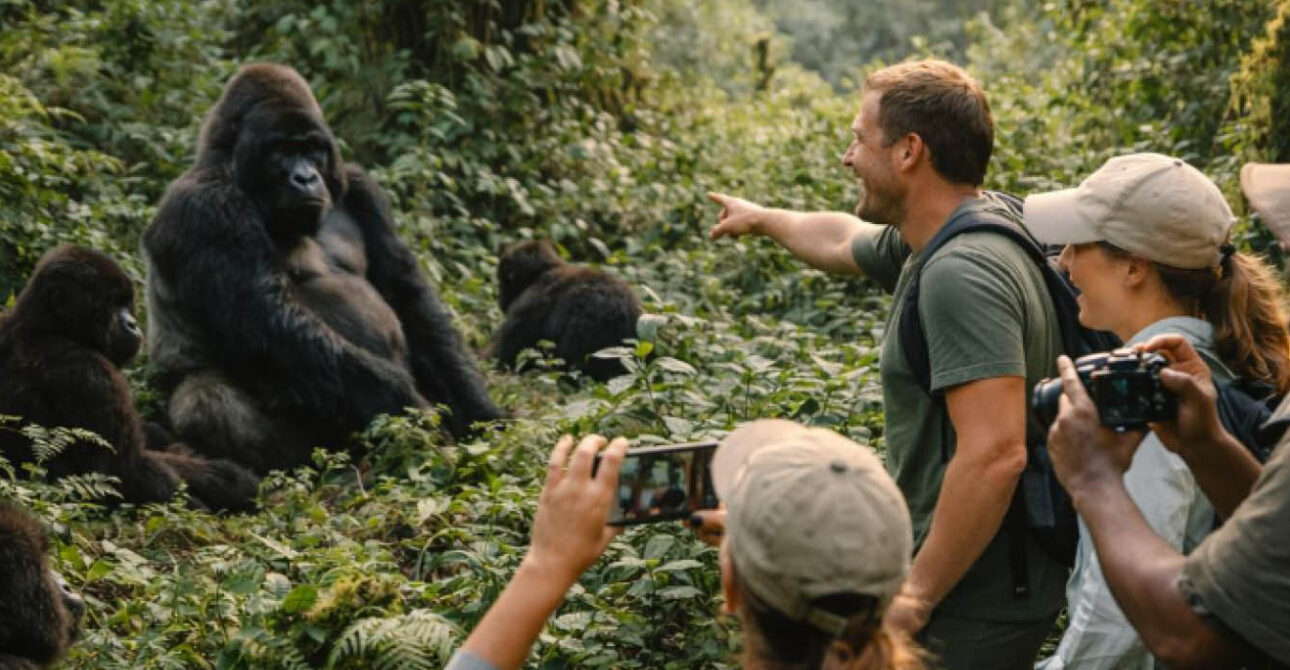
Gorilla trekking is a guided wildlife experience that takes travellers into protected forest to search for and observe habituated mountain gorilla families in their natural environment. The experience combines walking through forest terrain with the anticipation of locating a gorilla family, followed by a carefully managed period observing the animals.
This unpredictability is part of what makes gorilla trekking different from wildlife viewing from a safari vehicle. Uganda and Rwanda offer two closely connected settings for mountain gorilla trekking. The experience in each country has its own landscape, access arrangements and wider safari possibilities, which become important when deciding where to trek.
Gorilla trekking is also part of the wider wildlife experience available across Uganda and Rwanda. For a broader look at wildlife destinations, habitats and experiences across both countries, explore our Wildlife in Uganda and Rwanda guide.
Where Can You Trek Mountain Gorillas?
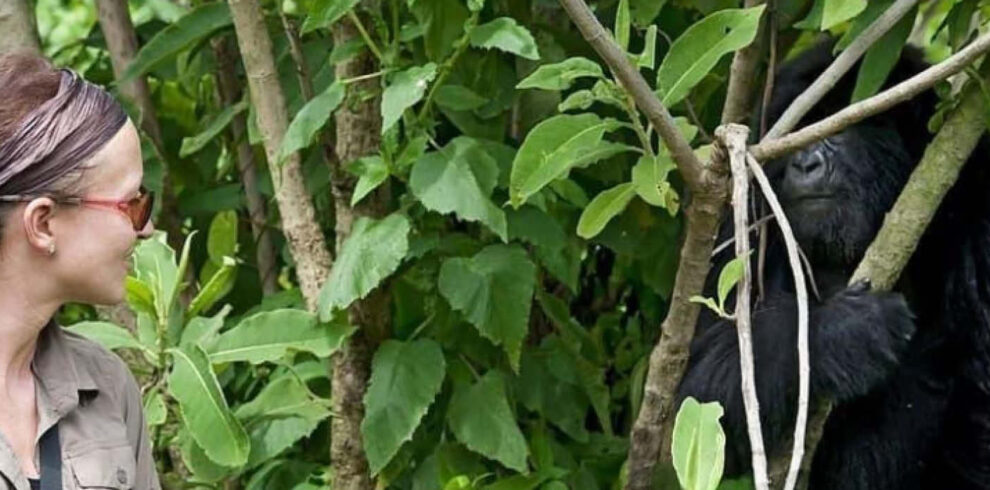
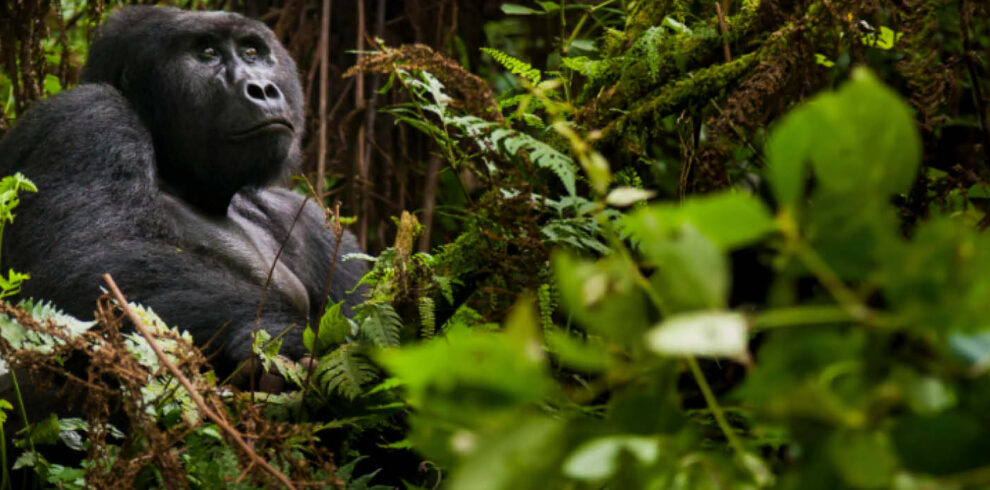
Mountain gorilla trekking is available in Uganda and Rwanda, with each country offering protected forest environments where habituated gorilla families can be visited. Uganda has two gorilla trekking destinations: Bwindi Impenetrable National Park and Mgahinga Gorilla National Park. Bwindi is a dense montane forest with several trekking areas, while Mgahinga lies within the volcanic landscape of southwestern Uganda.
Rwanda offers gorilla trekking in Volcanoes National Park, part of the Virunga mountain landscape in the country’s northwest. The park protects mountain gorillas within a dramatic volcanic setting and is connected ecologically to the neighbouring gorilla habitat in Uganda and the Democratic Republic of Congo.
The Wider Virunga Landscape
The Virunga landscape extends across Uganda, Rwanda and the Democratic Republic of Congo. Within this transboundary mountain environment, Mgahinga Gorilla National Park, Volcanoes National Park and Virunga National Park form connected protected areas associated with the mountain gorilla population.
This regional connection is important when comparing gorilla trekking in Uganda and Rwanda. The countries offer distinct trekking experiences, but they are part of the same wider conservation landscape. Bwindi Impenetrable National Park is separate from the Virunga landscape, making Uganda particularly distinctive because it offers gorilla trekking both within the Virunga setting at Mgahinga and in the separate Bwindi forest ecosystem.
Gorilla Trekking in Uganda
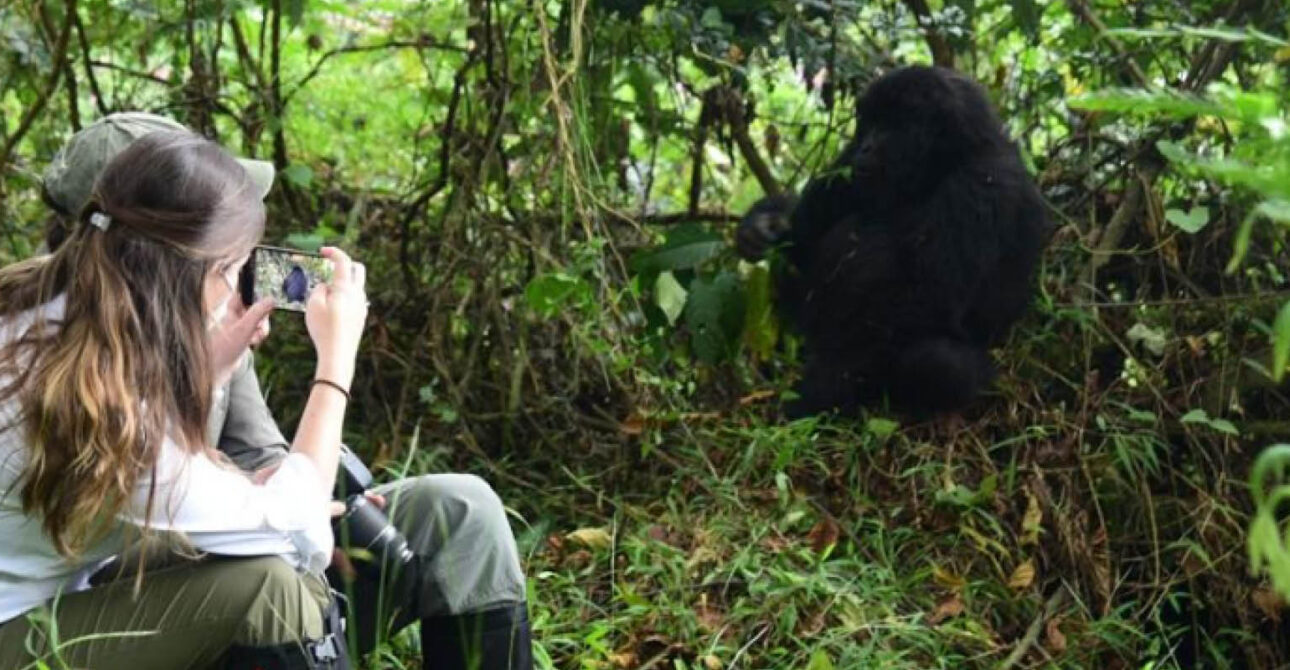
Uganda offers mountain gorilla trekking in Bwindi Impenetrable National Park and Mgahinga Gorilla National Park, two protected forest destinations in the country’s southwest. Bwindi is the larger and more established gorilla trekking destination, with several trekking sectors spread across its forested landscape. Mgahinga forms part of the Virunga mountain landscape and provides a different setting, with volcanic terrain and montane forest.
The character of a Ugandan gorilla trek is shaped by the forest environment, the location of the gorilla family on the day and the terrain encountered along the route. Visitors trek with trained guides and trackers to locate a habituated gorilla family. Habituation allows selected wild gorilla groups to become accustomed to the presence of people under controlled conditions, making carefully managed tourism encounters possible. Uganda also offers a separate Gorilla Habituation Experience for travellers seeking a longer involvement with the habituation process.
For detailed country-specific planning, explore our Gorilla Trekking in Uganda guide.
Gorilla Trekking in Rwanda
Rwanda offers mountain gorilla trekking in Volcanoes National Park, in the country’s northwestern corner. The park forms part of the Virunga landscape, a volcanic mountain environment shared across Rwanda, Uganda and the Democratic Republic of Congo. Its steep forested slopes provide the setting for a gorilla encounter that combines mountain scenery with guided walking through montane and bamboo forest.
Rwanda’s location makes Kigali a practical starting point for a gorilla journey. The capital is connected by road to the Volcanoes region, allowing travellers to combine time in Kigali with a stay near the park before their trek. The gorilla experience can form the centrepiece of a broader Rwanda safari itinerary.
For detailed country-specific planning, explore our Gorilla Trekking in Rwanda guide.
Gorilla Trekking in Uganda vs Rwanda
Choosing between gorilla trekking in Uganda and Rwanda is less about identifying one universally better destination and more about matching the experience to your route, available time, budget, preferred landscape and wider safari plans. Both countries offer access to habituated mountain gorilla groups, but the settings and the way a gorilla experience fits into a wider journey are different.
Where Is Gorilla Trekking Available?
In Uganda, gorilla trekking takes place in Bwindi Impenetrable National Park and Mgahinga Gorilla National Park. Bwindi offers several trekking areas within its extensive forest, while Mgahinga lies within the volcanic Virunga landscape.
In Rwanda, gorilla trekking takes place in Volcanoes National Park, which protects the Rwandan sector of the Virunga Massif. This means Rwanda has one principal gorilla trekking destination, while Uganda offers two distinct settings.
How Do the Trekking Environments Differ?
The landscapes are one of the clearest differences. Bwindi is characterised by dense, steep forest, creating an immersive rainforest trekking experience. Mgahinga and Volcanoes National Park are part of the volcanic Virunga landscape, with forested mountain slopes and the dramatic presence of the volcanoes.
This does not mean one destination is automatically easier or more difficult. Gorilla families move through their natural habitat, and the duration and physical demands of a trek can vary from day to day. Terrain, elevation, weather and the location of the assigned gorilla family all influence the experience. Ugandan treks can last from around two to seven hours, while Rwanda’s tracking times ranging from shorter walks to several hours.
How Does Access Differ?
Access can influence the choice significantly. For Rwanda, Kigali provides a relatively straightforward gateway to Volcanoes National Park. Rwanda’s tourism information places the park at roughly a two-and-a-half- to three-hour road journey from Kigali, making it practical to build a gorilla trek into a shorter Rwanda itinerary.
Uganda requires more route planning because Bwindi and Mgahinga are in the country’s far southwest. The journey can therefore form part of a longer Uganda circuit, particularly when the gorilla experience is combined with destinations such as Queen Elizabeth National Park, Kibale Forest or other western and southwestern attractions. Mgahinga can also be reached by air through Kisoro, providing another option for travellers planning a more focused itinerary.
How Do the Overall Safari Experiences Differ?
The difference becomes more noticeable when the gorilla trek is considered as part of the whole safari. Uganda provides considerable scope for building a longer multi-destination journey around the gorilla experience. A traveller can combine gorilla trekking with chimpanzee tracking, savannah wildlife, birding, nature experiences and other activities across the country.
Rwanda can offer a more compact combination of gorilla trekking with Kigali, Akagera National Park, Nyungwe National Park, Lake Kivu and other experiences. Rwanda itineraries demonstrate how gorilla trekking can be incorporated into wider multi-park journeys.
Which Destination Fits a Shorter Trip?
Rwanda can be particularly practical for a shorter gorilla-focused journey because Volcanoes National Park is relatively close to Kigali. A traveller can arrive in Kigali, transfer to the Volcanoes region, trek gorillas and return to Kigali within a compact itinerary.
Uganda can also work for a short trip, particularly if the itinerary is built specifically around Bwindi or Mgahinga and efficient road or air transfers are used.
However, travellers should allow sufficient time for the distances involved rather than choosing Uganda solely because the gorilla trek itself may be the main activity.
Which Destination Fits a Longer Safari?
Uganda can be especially attractive for a longer safari because gorilla trekking can be combined with a broader range of wildlife and nature destinations. A longer route might connect the southwestern forests with Queen Elizabeth, Kibale, Murchison Falls, Kidepo or other parts of the country, depending on the traveller’s interests and available time.
Rwanda also supports longer itineraries. Gorilla trekking can be combined with Akagera, Nyungwe, Lake Kivu and other experiences, creating a varied journey within a relatively compact country.
Can You Trek in Both Countries?
Yes. Travellers can design a journey that includes gorilla trekking in both Uganda and Rwanda, although this requires more deliberate route planning than choosing one destination. A combined experience can be particularly appealing to travellers interested in seeing the differences between Bwindi, Mgahinga and Volcanoes National Park, while also exploring other parts of Uganda and Rwanda.
The practical considerations include permit availability, border and road arrangements, the order of the itinerary, time available and the wider destinations included. For most travellers, however, trekking in both countries is not necessary simply to have a complete gorilla experience. The decision makes most sense when the regional journey itself is part of the attraction.
Can You Go Gorilla Trekking in Both Uganda and Rwanda?
How Can a Combined Gorilla Journey Work?
A gorilla journey can be designed to include both Uganda and Rwanda, allowing travellers to experience mountain gorilla trekking in two different destinations within the same wider trip. A route can begin in Bwindi Impenetrable National Park or Mgahinga Gorilla National Park, continue across the Uganda–Rwanda border and proceed to Volcanoes National Park. The journey can also be arranged in the reverse direction, beginning in Rwanda and continuing into southwestern Uganda.
The practical routing depends on the selected trekking destinations, available time, border arrangements and the wider itinerary. Combined trekking is therefore a planning decision rather than simply adding a second trek to an existing trip.
Why Choose Both Uganda and Rwanda?
Travellers may choose both countries because they want to experience different trekking environments, with Bwindi’s dense forest contrasting with the volcanic landscape associated with the Virunga region. For others, the attraction is experiencing Uganda and Rwanda together, particularly when gorilla trekking is the principal purpose of the journey.
A combined trip can also extend beyond gorillas. Uganda offers opportunities to add wildlife, chimpanzee tracking, birding and other nature experiences, while Rwanda can introduce Kigali, Volcanoes National Park, Akagera, Nyungwe or Lake Kivu. The result can be a broader Uganda–Rwanda journey rather than two separate gorilla experiences.
Is Trekking in Both Countries Necessary?
No. Combining Uganda and Rwanda is an option, not a requirement. One well-planned gorilla experience can form the centre of a memorable safari. Trekking in both countries makes particular sense for travellers who have the time and want to explore the regional differences more fully.
The important consideration is to design the journey around the traveller’s available time, preferred trekking environments and wider interests rather than adding a second country simply for the sake of doing so.
Planning a Gorilla Trekking Experience
How Many Days Do You Need for Gorilla Trekking?
A gorilla trekking experience can fit into a relatively short journey, but the number of days needed depends on the destination, transport arrangements and what else you want to experience. For a single-country gorilla trip, allowing several days gives enough time for travel, an overnight stay near the trekking area and the trek itself without making the itinerary unnecessarily rushed.
Travellers planning a broader Uganda–Rwanda gorilla journey should allow more time for transfers, border arrangements and the possibility of experiencing both trekking destinations. Additional days can also be used for wildlife, primate, cultural or nature experiences. The key consideration is not simply the length of the trek itself, but the time required to reach the forest, prepare for the experience and integrate it comfortably into the wider itinerary.
When Is the Best Time for Gorilla Trekking?
Gorilla trekking is possible throughout the year in Uganda and Rwanda. The experience takes place in high-altitude forest environments where conditions can change quickly, so the choice of travel period often comes down to rainfall, trail conditions, personal preference and the wider safari itinerary.
Drier periods can make forest trails more manageable, while wetter periods can bring muddy and slippery conditions. At the same time, rain does not prevent gorilla trekking, and conditions can vary considerably even within the same season. For broader seasonal planning, see our Best Time to Visit Uganda for a Safari guide. Country-specific gorilla planning is covered in our Gorilla Trekking in Uganda and Gorilla Trekking in Rwanda guides.
How Difficult Is Gorilla Trekking?
Gorilla trekking requires moderate physical fitness, but the level of difficulty can vary significantly. Treks take place in forest and mountain environments, where steep slopes, uneven ground, vegetation, mud and changes in elevation can all influence the walk.
The location of the gorilla family on the day also matters.
Some encounters may involve a relatively manageable walk, while others can require several hours of hiking before the group is located. Travellers should therefore prepare for an active forest experience rather than expect a predictable walking route. Fitness, suitable footwear and appropriate clothing can make a significant difference to comfort.
What Should You Pack?
Packing for gorilla trekking is primarily about comfort, protection and flexibility in a forest environment. Useful essentials include sturdy walking shoes or boots, long trousers, long-sleeved clothing, a lightweight waterproof jacket, gardening or trekking gloves and a small daypack.
Sun protection, insect protection, drinking water and personal essentials are also useful. A camera or phone can document the experience, but photography should always follow the instructions of the guides and applicable park rules.
Avoid overpacking. You will be walking through forest terrain, so a practical, lightweight daypack is generally more useful than carrying unnecessary equipment. The exact clothing and equipment recommendations can differ according to the trekking destination, season and planned itinerary, so the country-specific guides should be used for detailed preparation.
Do You Need a Gorilla Trekking Permit?
Yes. A gorilla trekking permit is required for a gorilla trekking experience in both Uganda and Rwanda. The permit is tied to the destination and trekking arrangements, so travellers should plan this well in advance rather than treating it as something to arrange after arrival.
A permit is more than an entry ticket. It forms part of the system used to manage visitor access to habituated gorilla families and support the controlled nature of the experience. The cost, booking arrangements, eligibility and applicable conditions can differ between Uganda and Rwanda and may also change over time.
Can Gorilla Trekking Be Combined With Other Wildlife Experiences?
Yes. Gorilla trekking can form one part of a much broader wildlife and nature itinerary in Uganda or Rwanda. In Uganda, travellers can combine the forest experience with chimpanzee tracking, savannah wildlife viewing, birding and other nature experiences. Depending on the route, gorilla trekking can become part of a longer journey through the country’s western or southwestern safari destinations.
In Rwanda, gorilla trekking can be combined with experiences in Akagera National Park, Nyungwe National Park, Kigali and the Lake Kivu region, creating a varied itinerary within the country. The strongest itineraries usually give the gorilla experience enough time and breathing space rather than treating it as a quick activity between long transfers.
Responsible Gorilla Tourism
Gorilla trekking takes place in the natural habitat of wild mountain gorillas. Responsible behaviour helps protect the animals, their forest environment and the communities around the protected areas.
Respect Gorillas andFollow Ranger Instructions
Remain calm, quiet and attentive during the encounter. Follow the instructions of guides and rangers, and never attempt to touch, feed or attract the attention of a gorilla. Visitor behaviour should not interfere with the animals’ natural activity.
For Uganda-specific conservation and visitor guidance, see the Uganda Wildlife Authority.
Keep an Appropriate Distance
Maintain the required distance from the gorillas and allow them space to move naturally. Do not approach an animal for a better photograph or attempt to change your position without guidance from the trekking team. In Rwanda, visitor guidance also emphasises maintaining an appropriate distance and avoiding trekking when experiencing a contagious illness.
For Rwanda’s official tourism information, see the Rwanda Development Board.
Consider Your Health
Human illnesses can pose a serious risk to mountain gorillas. Do not participate in a trek if you are experiencing a contagious illness, and follow the health precautions provided by the trekking authorities. Good respiratory hygiene, including covering your mouth and nose when coughing or sneezing, is also important.
For information on gorilla veterinary care and conservation, see Gorilla Doctors.
Avoid Disturbing the Forest
Stay on appropriate trails, avoid unnecessary noise and never leave rubbish behind. Do not remove plants or other natural materials from the forest. Photography should remain secondary to the welfare of the animals. Follow instructions regarding camera use and avoid actions that could disturb the gorillas.
Support Gorilla Conservation
Gorilla tourism can contribute to conservation by supporting protected areas, tourism-related employment and communities around the parks. Its long-term value depends on maintaining responsible visitor practices and protecting the habitats on which the gorillas depend.
The International Gorilla Conservation Programme promotes gorilla conservation, responsible tourism and community engagement across the mountain gorilla range.
Respect Local Communities
Communities around the gorilla habitats are part of the wider conservation landscape. Respect local customs, use local services where appropriate and support legitimate community enterprises. Responsible gorilla tourism should therefore benefit gorillas, forests and people.
Frequently Asked Questions About Gorilla Trekking in Uganda and Rwanda
Yes. Mountain gorilla trekking is available in Uganda and Rwanda. Uganda offers trekking in Bwindi Impenetrable National Park and Mgahinga Gorilla National Park, while Rwanda’s gorilla trekking takes place in Volcanoes National Park. The three destinations are connected through the wider mountain gorilla conservation landscape.
Yes. A journey can be planned to include a gorilla trek in Uganda and another in Rwanda. The route can be arranged in either direction, depending on the chosen trekking destinations, available time, border arrangements and the wider itinerary. A combined trip is best treated as a regional journey rather than simply two separate treks.
There is no universal answer. The choice depends on trekking environment, access, budget, available time and the rest of your safari. Uganda offers Bwindi and Mgahinga, while Rwanda offers Volcanoes National Park. The most suitable destination is the one that fits your priorities and overall journey.
Yes. The Virunga landscape extends across parts of Uganda, Rwanda and the Democratic Republic of Congo. In the context of gorilla trekking, Mgahinga Gorilla National Park in Uganda and Volcanoes National Park in Rwanda are part of this wider volcanic landscape. Bwindi, however, is a separate forest ecosystem in Uganda.
The main differences relate to landscape, access and how the experience fits into a wider safari. Bwindi offers a dense forest environment, while Mgahinga and Volcanoes are associated with the volcanic Virunga landscape. Rwanda can fit naturally into a compact itinerary from Kigali, while Uganda offers broader possibilities for an extended safari.
Yes. Gorilla trekking can be combined with Uganda’s wider wildlife and nature experiences. Depending on the route and available time, travellers can add chimpanzee tracking, savannah wildlife viewing, birding, cultural experiences and other destinations. This makes gorilla trekking a natural component of a longer Uganda safari rather than a standalone activity.
Yes. In Rwanda, gorilla trekking can be combined with experiences in Kigali, Akagera National Park, Nyungwe National Park and the Lake Kivu region, among others. The combination allows travellers to experience more of Rwanda beyond the Virunga mountains while keeping gorilla trekking as a central part of the journey.
There is no single ideal duration. A combined trip needs enough time for two trekking experiences, transfers between destinations and any additional wildlife or cultural experiences you want to include. A longer itinerary allows the journey to feel less rushed and creates more opportunity to explore both countries beyond the gorilla encounters.
Yes. Njagi Safaris can help design a private, tailor-made journey combining gorilla trekking in Uganda and Rwanda, based on your preferred trekking destinations, travel dates, available time and wider safari interests. The actual route, accommodation and inclusions should be developed around your requirements rather than presented as a fixed regional formula.
Explore Gorilla Trekking by Country
If you are deciding between Uganda and Rwanda, the country-specific guides provide the deeper planning information that this regional guide intentionally keeps concise.
Gorilla Trekking in Uganda
Explore the dedicated Uganda guide for a closer look at Bwindi Impenetrable National Park and Mgahinga Gorilla National Park, including the trekking experience, destinations, planning considerations and country-specific practical information.
Explore Gorilla Trekking in Uganda →
Gorilla Trekking in Rwanda
Explore the dedicated Rwanda guide for detailed information on Volcanoes National Park, the trekking experience, planning considerations, access and other Rwanda-specific information.
Explore Gorilla Trekking in Rwanda →
Gorilla Trekking Guide
For a broader introduction to gorilla trekking, including the experience itself, preparation and the wider context of mountain gorilla tourism, read our Gorilla Trekking Guide.
Explore Gorilla Safaris
If you are ready to turn your gorilla trekking plans into a complete journey, explore our Gorilla Safaris for carefully planned experiences in Uganda, Rwanda and combined Uganda–Rwanda itineraries.
Our safari packages move from the planning stage into the practical details of a complete journey, including destinations, itineraries, accommodation, activities and other arrangements that bring a gorilla experience together.
Explore Gorilla Safaris → or explore our cross-border packages below.
Virunga & Bwindi Odyssey

Volcanoes and Primates
Pearl & Thousand Hills Grand
Plan Your Gorilla Trekking Experience
Start by choosing your preferred gorilla destination in Uganda or Rwanda, then consider the length of your safari, the experiences you want to include and the time available for travel. For further planning information, explore our Travel Resources, then Contact Njagi Safaris to develop a private itinerary around your interests.