Birding in Uganda and Rwanda: Birds, Habitats & Birding Experiences
Birding in Uganda and Rwanda offer travellers opportunities to explore wetlands, forests, savannahs, mountains and other habitats while observing a remarkable variety of birdlife. From specialist experiences such as Shoebill tracking to forest birding and Albertine Rift species, birding can be shaped around particular birds, habitats or destinations.
Uganda and Rwanda provide different but complementary birding environments. Uganda offers extensive wetland, forest and savannah habitats, while Rwanda combines montane forests, highland landscapes, wetlands and protected areas within a relatively compact destination. Birding can also be combined with wildlife, primates, nature, culture and photography, creating a broader safari experience.
For a broader guide to destinations, habitats, birds and safari planning, explore our Uganda Birding: Destinations, Habitats, Birds and Safari Planning guide.
What is Birding?
Birding is a journey planned around observing and experiencing birds in their natural habitats. Depending on the destination, a safari can include wetland birding, forest birding, savannah birding, montane habitats and specialist experiences focused on particular species.
Birding does not have to be the only purpose of a safari. Travellers can combine birding with wildlife viewing, primate experiences, nature walks, photography or cultural activities. The itinerary can therefore range from a dedicated birding journey to a wider safari with selected birding experiences incorporated along the route.
What Makes Uganda and Rwanda Good Birding Destinations?
Uganda and Rwanda offer a variety of habitats within relatively accessible safari destinations. Uganda’s wetlands, forests, savannahs and Albertine Rift landscapes provide different birding environments, while Rwanda’s forests, mountains, wetlands and lakes create opportunities to explore birdlife across varied landscapes.
The two countries can also complement each other within a combined itinerary. A journey can focus on specialist birding in selected habitats or connect birding with wildlife, primates, nature and cultural experiences. The right route depends on the birds and environments you want to experience, the time available and the wider interests included in the safari.
What Can You Experience on a Birding Safari?
A birding safari can be built around different types of experience. Travellers may focus on specialist birds such as the Shoebill, explore forest habitats for Albertine Rift species, search wetlands for waterbirds or combine birding with savannah and woodland wildlife viewing.
The experience can also be adapted to different interests and levels of specialisation. Dedicated birders may build an itinerary around several complementary habitats, while travellers with a broader interest in nature can include birding alongside wildlife, primates, photography or cultural experiences.
Birding Experiences in Uganda and Rwanda
Birding can range from relaxed bird watching during a broader safari to focused excursions designed around particular habitats or target species. Uganda and Rwanda offer opportunities across wetlands, forests, lakes, mountains and savannah landscapes.
Featured Birding Experiences
The main birding experiences featured by Njagi Safaris include Bird Watching and Shoebill Tracking, with opportunities to explore different habitats across Uganda and Rwanda.
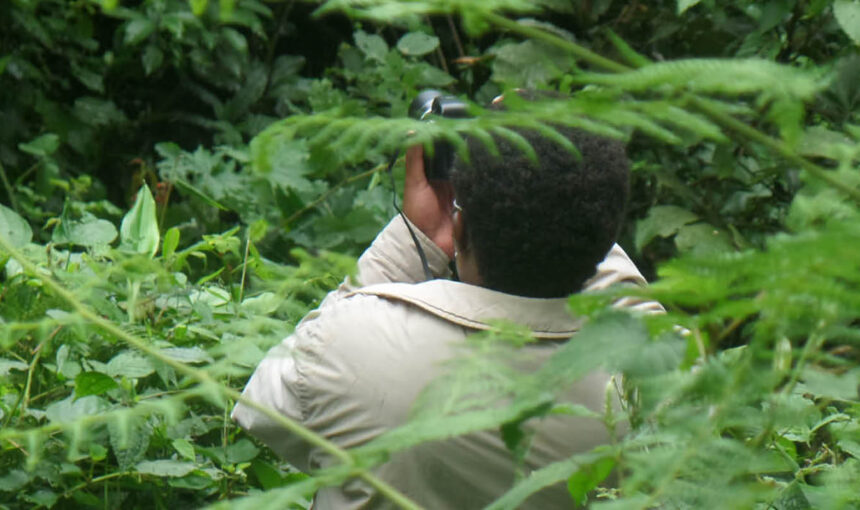
Bird Watching in Uganda and Rwanda
Bird Watching in Uganda and Rwanda can be enjoyed by both dedicated birders and travellers who simply want to discover the region’s birdlife during a wider safari.
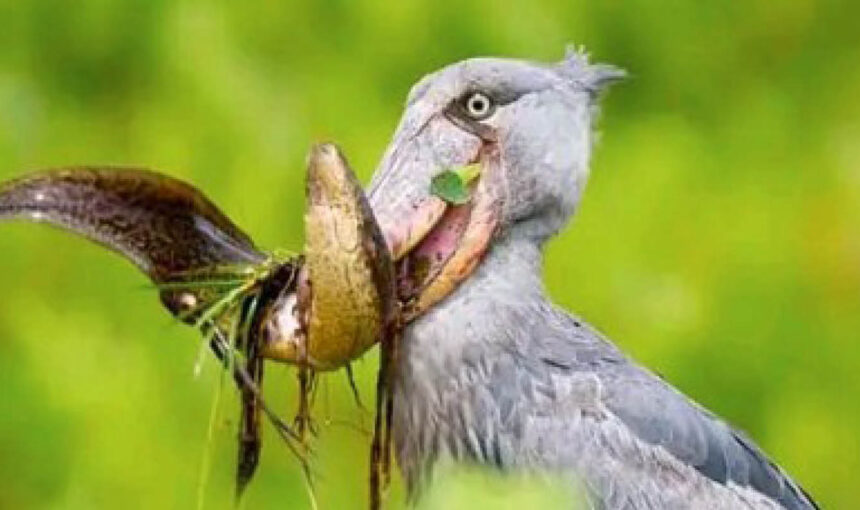
Shoebill Tracking in Uganda
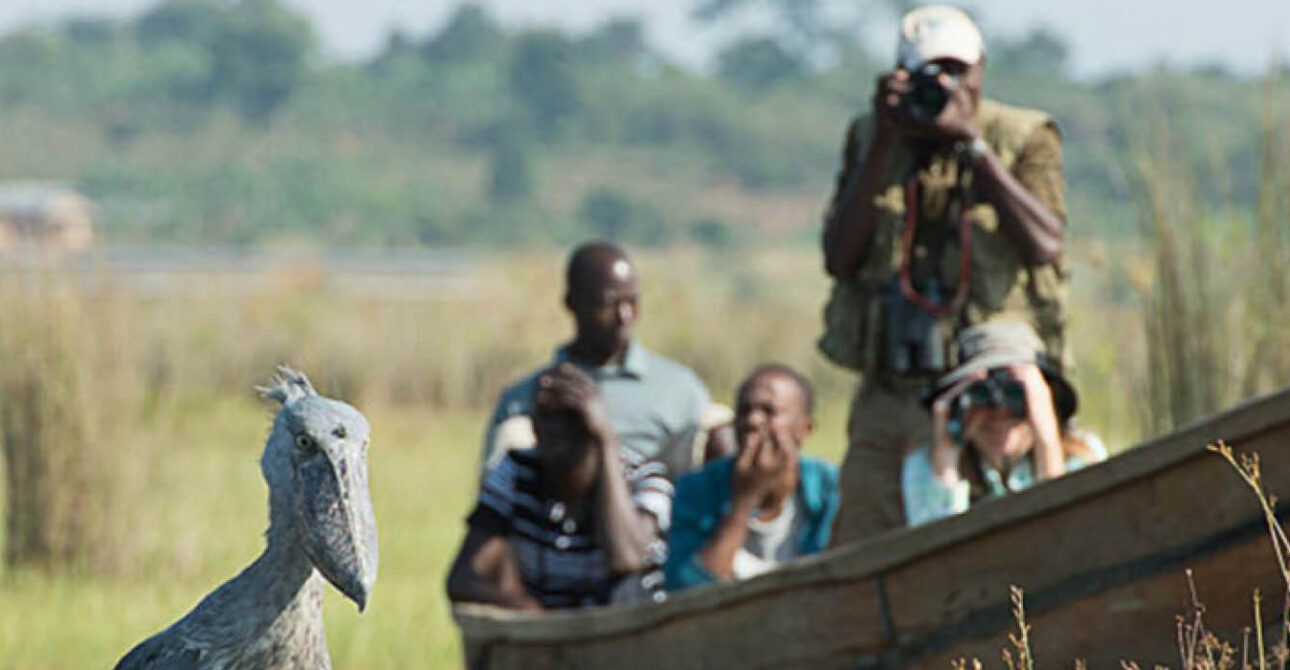
The Shoebill is one of Uganda’s most distinctive birding attractions. Mabamba Wetland, close to Entebbe on the shores of Lake Victoria, provides a specialised setting for searching for this iconic wetland species.
Birding in Uganda
Where Can You Go on a Birding in Uganda?
Uganda offers birding opportunities across wetlands, forests, savannahs, mountains and other habitats. The destinations below represent different birding environments, from Shoebill-focused wetlands and Albertine Rift forests to savannah parks and lowland forests. This diversity allows a birding safari to be built around particular habitats, target species or a combination of experiences.
Mabamba Wetland
Mabamba is one of Uganda’s best-known wetland birding destinations and is particularly associated with the Shoebill. Located near Lake Victoria and accessible from the Entebbe area, it can work well as a short birding experience or as the starting point for a longer Uganda birding safari.
Bwindi Impenetrable National Park
Bwindi is an important destination for forest birding and Albertine Rift species. Its montane forest habitats support a wide range of birds, including species with restricted ranges. Birding can also be combined naturally with gorilla trekking and other forest experiences.
Kibale National Park
Kibale provides forest birding alongside one of Uganda’s major primate destinations. The combination of forest habitats, birdlife and chimpanzee tracking makes it particularly useful for travellers who want to combine birding with primate experiences rather than focus exclusively on birds.
Murchison Falls National Park
Murchison Falls offers a combination of savannah, woodland, riverine and wetland habitats that support diverse birdlife. The park is also associated with opportunities to search for the Shoebill, making it useful for birders interested in combining specialist targets with broader wildlife and landscape experiences.
Queen Elizabeth National Park
Queen Elizabeth provides varied birding environments around savannah, wetlands, lakes and the Kazinga Channel. Its birdlife can be incorporated into a wider wildlife safari, allowing travellers to combine bird watching with game drives, boat experiences and other activities within the park.
Semuliki National Park
Semuliki is particularly important for birders interested in lowland forest and Guinea-Congo species. Its location in the Albertine Rift and proximity to the Congo Basin gives it a different birding character from Uganda’s savannah parks and makes it valuable for specialist birding itineraries.
Lake Mburo National Park
Lake Mburo combines open savannah, woodland and wetland habitats, creating opportunities to observe a variety of birds alongside wildlife. Its location and relatively compact setting can make it a practical addition to western Uganda itineraries, particularly when birding is combined with other safari experiences.
Kidepo Valley National Park
Kidepo offers a different birding environment in Uganda’s remote northeast, with dry savannah and semi-arid landscapes supporting species associated with the region. Birding here can form part of a longer safari that combines specialist birding with wildlife, scenery and exploration of the wider Karamoja landscape.
Mgahinga Gorilla National Park
Mgahinga provides montane forest birding within the Albertine Rift, with opportunities to search for species associated with high-altitude habitats. Birding can also be combined with gorilla trekking, golden monkey tracking and other experiences in the Virunga landscape.
Budongo Forest
Budongo offers lowland forest birding within the wider Murchison Falls landscape. It can be incorporated into a northern Uganda route alongside wildlife viewing and chimpanzee experiences, giving birders an opportunity to explore a different forest habitat within a broader safari.
Birding in Rwanda
Where Can You Go on a Birding in Rwanda?
Rwanda offers a diverse range of birding environments despite its relatively compact size. From the montane forests of Nyungwe and Volcanoes to the wetlands, lakes and savannahs of Akagera, birding can be combined with wildlife, primate, nature and scenic experiences. Lake Kivu and its surrounding landscapes provide another setting for observing birds around the lakeshore and nearby habitats.
Nyungwe National Park
Nyungwe is one of Rwanda’s most important forest birding destinations and lies within the Albertine Rift. Its extensive montane forest supports a high diversity of birdlife, including species restricted to the Albertine Rift. Birding can also be combined with chimpanzee tracking, primate experiences, nature walks and the forest canopy experience.
Akagera National Park
Akagera combines savannah, woodland, wetlands and lakes, creating a varied environment for birding alongside wildlife viewing. The park supports a wide range of bird species, including the Shoebill and other wetland and savannah birds. Birding can be incorporated into game drives, boat experiences and other activities within the park.
Volcanoes National Park
Volcanoes National Park provides montane and forest habitats within the Virunga landscape. Birding here can complement gorilla trekking, golden monkey tracking, hiking and other forest experiences. Its location within the Albertine Rift makes it relevant for travellers interested in combining mountain landscapes with specialist birding.
Lake Kivu and Surrounding Landscapes
Lake Kivu provides a different birding environment, with lakeshore habitats, islands, hills and surrounding landscapes supporting a variety of water and woodland birds. Birding can be combined with boat experiences, cycling, hiking and scenic exploration around destinations such as Rubavu and Karongi.
How Do You Choose a Birding Safari?
Birding safaris in Uganda and Rwanda can be shaped around the birds you want to see, the habitats you want to explore and the other experiences you want to include. Some travellers may prefer specialist birding focused on target species, while others may combine birding with wildlife, primates, photography or a broader safari.
The strongest itineraries usually combine complementary habitats rather than trying to visit every major birding destination. Your available time, preferred destinations and level of interest in specialist birding can therefore guide the route.
Specialist Birding
Specialist birding focuses primarily on observing a wide range of bird species across carefully selected habitats. These journeys can be designed around particular bird groups, target species or regional diversity and may involve spending more time in forests, wetlands, savannahs and other productive habitats. Uganda’s varied birding environments support specialist itineraries across several regions.
Shoebill-Focused Birding
A Shoebill-focused safari places greater emphasis on wetlands where this distinctive species can be encountered. Mabamba Wetland is particularly associated with Shoebill tracking in Uganda, while Akagera also provides wetland habitats where Shoebills occur. This focus can be combined with other birding and wildlife experiences.
Forest Birding
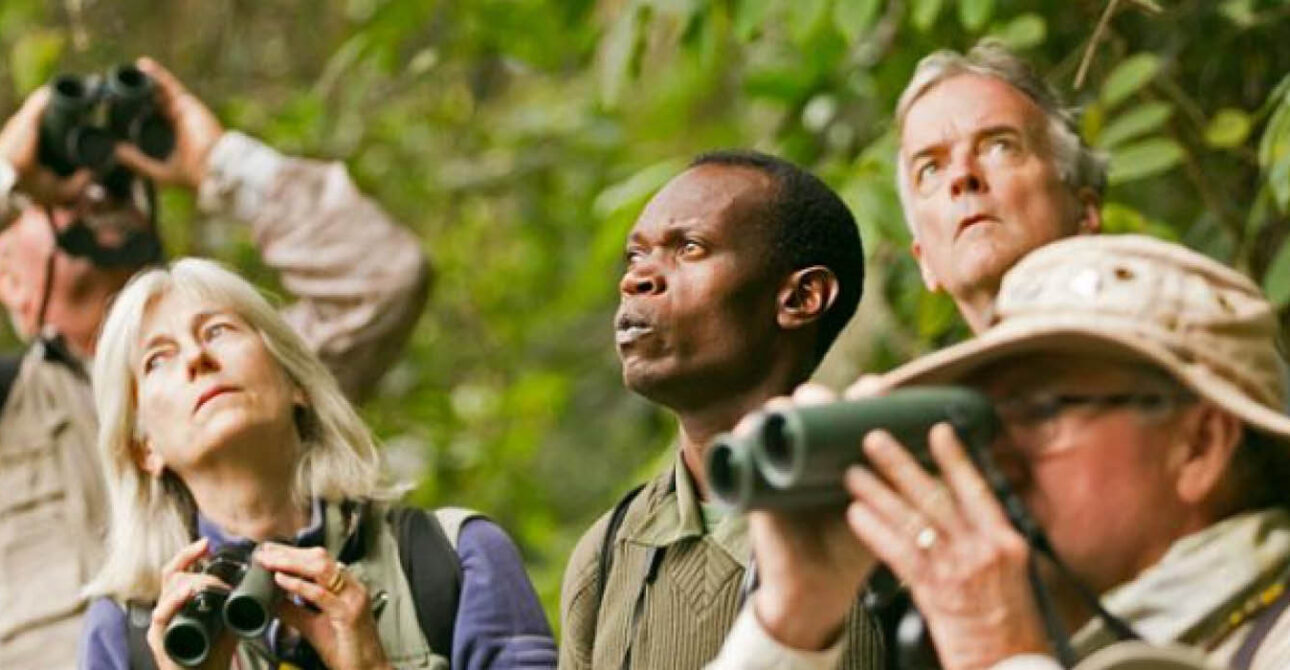
Forest birding takes you into habitats where many forest-dependent species occur. Bwindi, Kibale, Semuliki and Budongo provide different forest environments in Uganda, while Nyungwe and other forest landscapes in Rwanda add opportunities for specialist forest birding. Forest birding can also complement primate and nature experiences.
Wetland Birding
Wetland birding focuses on lakes, swamps, marshes and other water-associated habitats. It can provide opportunities to observe waterbirds and wetland specialists while experiencing the surrounding landscape. Mabamba is an important example in Uganda, while Akagera offers a combination of wetlands, lakes and savannah habitats in Rwanda.
Albertine Rift Birding
Albertine Rift birding is particularly relevant to travellers interested in species associated with the region’s forests and mountain habitats. Bwindi, Mgahinga and Semuliki provide important Ugandan settings, while Nyungwe offers forest and Albertine Rift birding in Rwanda. These destinations can form part of a specialist route across the two countries.
Birding and Wildlife
Birding can be combined with conventional wildlife viewing to create a broader safari. Destinations such as Queen Elizabeth, Murchison Falls, Lake Mburo and Akagera allow travellers to include birding alongside game drives, wetlands, lakes and other wildlife experiences. This approach suits travellers who want birds to be an important part of the journey without making them the sole focus.
Birding and Primates
Birding and primate experiences can work particularly well in forest destinations. Travellers can combine birding with chimpanzee tracking in places such as Kibale or Nyungwe, while Bwindi and Mgahinga allow birding to be incorporated into wider mountain-forest journeys that include gorilla or golden monkey experiences.
Birding and Photography
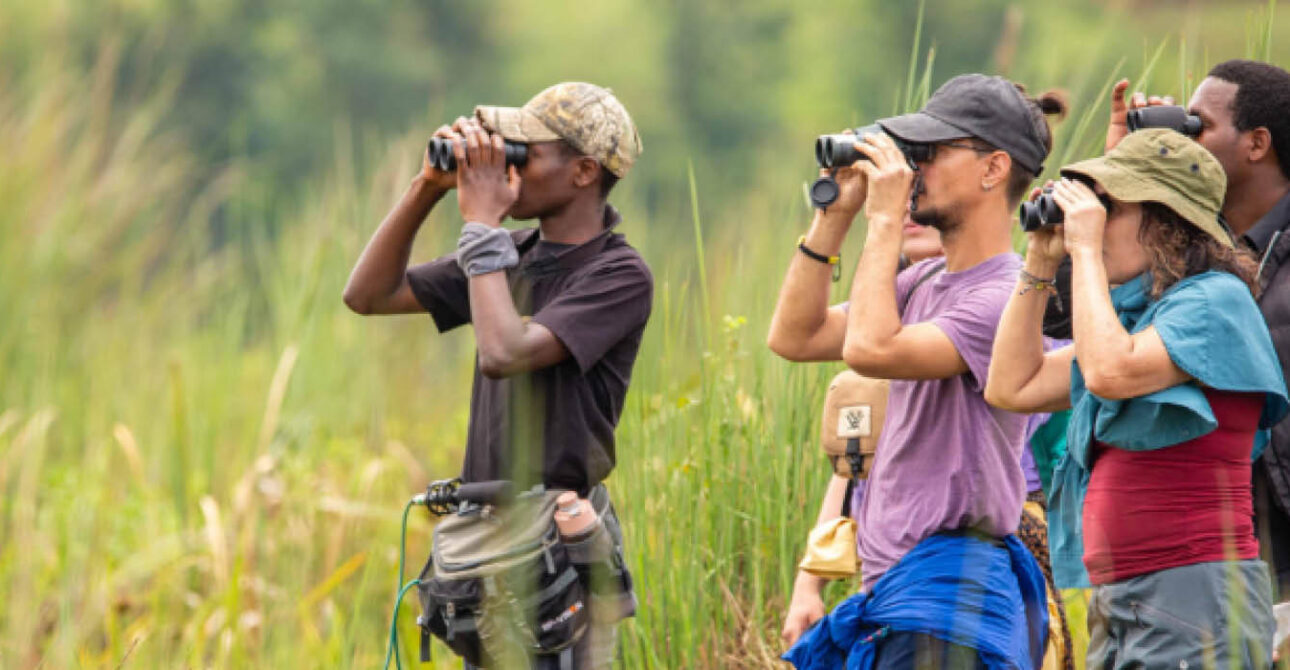
Birding and photography naturally complement each other, particularly for travellers interested in documenting species, habitats and landscapes. A photography-focused birding safari can allow additional time for observation and image-making, with binoculars and suitable camera equipment forming part of the experience. Rwanda’s tourism guidance also recommends binoculars and cameras for guided birding safaris.
Planning Your Birding Safari
How Many Days Do You Need for a Birding Safari?
The number of days depends on your birding interests, target species and the destinations you want to include. A short birding experience can focus on one habitat or destination, while a dedicated safari covering forests, wetlands and savannah may require several days.
Longer itineraries allow more time for different habitats and reduce the need to rush between destinations. If birding is combined with wildlife, primates or photography, the available time should also allow enough time for those experiences.
What Is the Best Time for Birding?
Birding can be enjoyed throughout the year in Uganda and Rwanda, although the species and conditions encountered can vary by season and destination. Different habitats may offer different opportunities at different times, so the ideal period depends on the focus of your safari.
Seasonal conditions can also affect roads, trails and time spent in the field. If migratory birds are an important part of your interests, your itinerary should take their seasonal movements into account.
Do You Need a Specialist Birding Guide?
A specialist birding guide can be particularly valuable for travellers whose main purpose is observing birds. Experienced guides can help locate and identify species, recognise bird calls and choose suitable habitats and observation points.
A specialist guide can also make it easier to adapt the day’s activities around weather, habitat conditions and target species. For broader safaris, a guide with strong general wildlife knowledge can also support birding as part of the wider itinerary.
What Equipment Do You Need for Birding?
Binoculars are among the most useful items for birding, while a camera with an appropriate lens can be useful for travellers interested in photography. A field guide or bird identification app can also help with recording and identifying species.
Comfortable clothing, suitable footwear, sun protection, drinking water and protection from rain are practical additions. Your equipment should reflect the habitats and activities included in the itinerary, particularly for forest, wetland and longer walking experiences.
Can Birding Be Combined With Wildlife?
Yes. Birding can form part of a wider wildlife safari, allowing travellers to observe birds alongside mammals and other wildlife. Destinations such as Queen Elizabeth, Murchison Falls, Lake Mburo and Akagera provide opportunities to combine birding with game drives, wetlands, lakes and other wildlife experiences.
This approach works well for travellers who have a strong interest in birds but also want to experience the broader wildlife of Uganda or Rwanda.
Should You Choose Uganda, Rwanda or Both?
The choice depends on your birding priorities, available time and the habitats you want to explore. Uganda offers extensive opportunities across wetlands, forests, savannahs and Albertine Rift landscapes, while Rwanda provides varied birding environments within a more compact destination.
A combined Uganda and Rwanda itinerary can bring together different habitats and experiences, particularly for travellers with more time available. The route should be built around complementary destinations rather than trying to cover every major birding location in both countries.
How Can You Practise Responsible Birding?
Responsible birding means enjoying birds without disturbing them or damaging their habitats. Keep a respectful distance, avoid disturbing nests or breeding birds, minimise noise and remain on established paths where appropriate. Follow the instructions of your guide, rangers and protected-area authorities, and avoid removing plants or other natural materials. Where birding takes place in community areas, respect local people, property and established access arrangements.
Responsible birding also means supporting the conservation of birds and their habitats. In Uganda, Uganda Wildlife Authority (UWA) provides information on protected areas and wildlife conservation, while NatureUganda supports bird conservation, research, monitoring and public awareness. In Rwanda, the Rwanda Development Board (RDB) provides tourism and conservation information relating to protected areas and birding experiences.
For broader bird conservation information, BirdLife International provides international resources on bird conservation and responsible birdwatching. These resources can help travellers understand the importance of protecting birds, their habitats and the wider environments in which birding takes place.
FAQs About Birding Safaris in Uganda and Rwanda
Yes. Uganda offers a wide range of birding habitats, including wetlands, forests, savannahs, woodlands and Albertine Rift landscapes. This diversity allows travellers to combine specialist birding with wildlife, primate, nature and photography experiences across different destinations.
Yes. Rwanda offers varied birding environments across montane forests, wetlands, savannahs, lakes and surrounding highland landscapes. Nyungwe, Akagera, Volcanoes and the Lake Kivu area can be incorporated into birding itineraries depending on the habitats and experiences you want to explore.
Mabamba Wetland is one of Uganda’s best-known destinations for Shoebill tracking. Other wetland environments can also be incorporated into a wider birding safari. A specialist guide can help structure the experience around suitable habitats and other birding interests.
The duration depends on your target species, preferred habitats and destinations. A short itinerary can focus on one location or specialist experience, while a longer safari can combine forests, wetlands and savannahs. Additional time is useful if birding is combined with wildlife, primates or photography.
A specialist birding guide can be particularly useful for dedicated birders. Guides can assist with identifying species by sight and sound, locating birds and selecting suitable habitats. Travellers combining birding with a broader safari can also work with a guide who has strong general wildlife knowledge.
Binoculars are essential for most birding experiences, while a camera and suitable lens can be useful for photography. A field guide or bird identification app can also help. Comfortable clothing, suitable footwear, sun protection, drinking water and rain protection are practical additions.
Yes. Birding can be incorporated into a wider wildlife safari, allowing you to observe birds alongside mammals and other wildlife. Destinations such as Queen Elizabeth, Murchison Falls, Lake Mburo and Akagera can provide opportunities to combine birding with game drives, wetlands, lakes and other safari experiences.
Yes. Birding can complement primate experiences in forest destinations. Kibale and Nyungwe can combine birding with chimpanzee experiences, while Bwindi and Mgahinga provide opportunities to incorporate birding into wider mountain-forest journeys that include gorilla or golden monkey experiences.
The choice depends on your target birds, preferred habitats, available time and other safari interests. Uganda offers extensive birding environments across several regions, while Rwanda provides varied habitats within a more compact destination. A combined itinerary can connect complementary birding environments in both countries.
The choice depends on your target birds, preferred habitats, available time and other safari interests. Uganda offers extensive birding environments across several regions, while Rwanda provides varied habitats within a more compact destination. A combined itinerary can connect complementary birding environments in both countries.
Explore Birding Experiences
Birding in Uganda and Rwanda can be tailored around different habitats, target species and levels of interest. Explore our dedicated birding experiences to find a focused activity that can form part of a specialist birding safari or a wider journey.
- Bird Watching: Discover Bird Watching in Uganda, from wetlands and forests to savannah and Albertine Rift habitats. This experience can be incorporated into a dedicated birding safari or combined with wildlife, nature and other interests.
Explore Bird Watching → - Shoebill Tracking: Experience Shoebill Tracking in Uganda with a focus on wetland habitats where this distinctive bird can be encountered. Shoebill tracking can form part of a specialist birding itinerary or a wider Uganda safari.
Explore Shoebill Tracking →
Explore Wildlife and Nature Experiences
Birding can be combined with Wildlife Viewing for travellers who want to experience birds alongside mammals and other wildlife, while Nature Tours provide opportunities to explore forests, wetlands, mountains, lakes and other natural environments. Gorilla Trekking and Chimpanzee Tracking can also complement birding in Uganda and Rwanda’s forest habitats.
Explore Culture and Scenic Experiences
Birding can also form part of a wider journey that includes Cultural Experiences, allowing travellers to connect birding with communities, heritage and local traditions. Photography Tours, Kampala City Tours and a Source of the Nile Visit can add cultural, scenic and photographic experiences to a Uganda itinerary
Why Choose Njagi Safaris for Birding Safaris?
Birding can be the main focus of your journey or one part of a wider Uganda or Rwanda safari. Njagi Safaris can help coordinate destinations, birding experiences, transport and timing around the habitats and species you want to explore.
Our approach allows specialist birding to connect naturally with wildlife, primates, nature, photography and cultural experiences. The itinerary can be structured around your available time, preferred destinations and level of birding interest.
Explore Our Birding Safaris
Explore our birding safari itineraries for journeys that combine Uganda’s diverse birding habitats with wildlife, primates, nature and other safari experiences.
Explore our Safari Packages, itineraries, accommodation collection and travel styles to help arrange accommodation and transport around the relevant highland destinations.

Pearl Wings
Emerald Avian

Rwanda Explorer
Prefer a Custom Birding Safari?
Tell us about the birds or habitats you want to explore, your preferred destinations, travel dates and the time you have available. We can help structure a birding-focused journey around your priorities. Birding can also be combined with wildlife, primates, photography, nature and cultural experiences, allowing the itinerary to reflect the way you want to travel.