
Kampala City Tour: History, Culture and Urban Experiences
A Kampala city tour brings together history, culture, religious heritage, architecture, markets and everyday urban life, allowing travellers to experience the capital beyond its role as a starting point for a safari.
From Buganda heritage and historic landmarks to museums, places of worship, craft markets and busy city neighbourhoods, Kampala offers varied experiences within one urban destination. The best city tour is therefore not simply a drive between attractions, but an opportunity to understand the history, people and character of Uganda’s capital.
What Is a Kampala City Tour?
A Kampala city tour is a guided exploration of the capital’s important historical, cultural, religious and urban sites. Depending on the itinerary, a tour can include heritage landmarks, museums, places of worship, markets, craft centres, viewpoints and other locations that help explain Kampala’s development and contemporary character.
The experience can be structured around particular interests. Travellers interested in history may focus on Buganda heritage and significant historical sites, while those interested in culture can explore traditional arts, crafts and local life. Religious and architectural landmarks can also form an important part of the experience.
What Makes Kampala Worth Exploring?
Kampala is more than a transit point for travellers heading to Uganda’s national parks. The city brings together historical traditions, different cultural influences, religious landmarks, commerce, food and contemporary urban life. Its setting across a series of hills also creates different perspectives of the city as you move between neighbourhoods and viewpoints.
The city’s heritage is particularly important to the Kampala city tour experience. Places associated with the Buganda Kingdom, historic religious institutions, museums and other landmarks provide context for understanding Uganda’s past and present. The Kampala Tourism Portal currently identifies sites such as the Kasubi Royal Tombs, the Royal Mile, Uganda Museum, Old Kampala National Mosque, Namirembe Cathedral and the Bahá’í Temple among the city’s attractions.
Kampala also offers a more contemporary experience through markets, crafts, restaurants, arts and cultural spaces. This combination of heritage and everyday city life makes a guided tour useful for travellers who want to understand more than the major landmarks alone.
What Can You Experience on a Kampala City Tour?
A Kampala sightseeing tour can be tailored around the interests and time available to the traveller. Historical and cultural experiences may include the Buganda royal heritage sites, Uganda Museum and other places connected to Kampala’s development. Religious experiences can include some of the city’s major churches and mosques, while cultural visits may introduce travellers to crafts, music, dance and local traditions.
The experience can also include markets, craft centres, urban viewpoints and selected neighbourhoods, providing a closer look at contemporary Kampala. For travellers with wider safari plans, the city tour can complement wildlife, primate, nature or cultural experiences elsewhere in Uganda.
The focus should ultimately be on creating a route that gives travellers enough time to understand and experience the places they visit rather than simply trying to include as many attractions as possible.
Which Places Can You Visit on a Kampala City Tour?
A Kampala city tour can bring together royal heritage, religious landmarks, museums, architecture, markets and places that reveal different aspects of Uganda’s history and contemporary life. Rather than treating the city as a checklist of attractions, a well-planned tour connects places that tell related stories.
The sites below represent different dimensions of Kampala. Some introduce travellers to the history of the Buganda Kingdom, others highlight Uganda’s religious and cultural heritage, while museums, markets and craft experiences provide a closer look at the country’s broader social and artistic traditions.
Kasubi Royal Tombs
The Kasubi Royal Tombs are one of Kampala’s most significant heritage sites and an important place for understanding the history and traditions of the Buganda Kingdom. The site is the burial place of four Kabakas of Buganda and remains an important spiritual and cultural centre for the Baganda.
The tombs are also recognised as a UNESCO World Heritage Site, with the traditional palace and burial complex representing important achievements in Ganda architecture and living cultural traditions. A visit provides an opportunity to learn about royal history, traditional beliefs, architecture and the continuing cultural significance of the site.
For travellers interested in history and culture, Kasubi can provide an important foundation for understanding other Buganda-related sites encountered during a Kampala heritage tour.
Kabaka’s Palace and the Royal Mile
The Kabaka’s Palace at Mengo, commonly known as Lubiri, together with Bulange and the Royal Mile, forms an important historical and cultural area associated with the Buganda Kingdom. The Royal Mile connects the palace area with Bulange, the seat of the Buganda Parliament and royal offices.
A guided visit can introduce travellers to the history of the Buganda Kingdom, royal traditions, clan identity and aspects of the kingdom’s political and cultural organisation. The Royal Mile also provides a distinctive urban heritage experience within Kampala, linking important institutions through a historic route.
This part of the city works particularly well for travellers who want their Kampala cultural tour to explore the relationship between Uganda’s modern capital and the historical kingdom around which much of the area’s heritage developed.
Uganda National Mosque
The Uganda National Mosque, located on Old Kampala Hill, introduces another important dimension of Kampala’s religious and architectural heritage. Its elevated position also provides an opportunity to appreciate Kampala’s urban landscape from one of the city’s historic hills. The Kampala Tourism Portal identifies the mosque as a major landmark in the Old Kampala area.
A visit can form part of a broader Kampala sightseeing tour focused on the city’s religious landmarks and architectural diversity. Travellers should approach the mosque as a place of worship as well as a tourist attraction, observing appropriate dress and local guidance during the visit.
Uganda Museum
The Uganda Museum adds a broader national perspective to a city tour. While Buganda heritage helps explain the history of the Kampala area, the museum provides an opportunity to explore Uganda’s wider cultural and historical heritage.
For travellers with limited time in the country, including a museum visit can help provide context for experiences encountered later on safari or during visits to different communities. It can therefore complement a Kampala historical tour by moving beyond the capital’s local history to Uganda’s broader cultural story.
Namirembe and Rubaga Cathedrals
Namirembe Cathedral and Rubaga Cathedral provide two important landmarks for understanding Kampala’s Christian heritage. Their locations on prominent hills also contribute to the distinctive landscape encountered during a city tour.
Rubaga Cathedral, a major Roman Catholic landmark, has particular historical significance and is associated with the history of Christianity in Uganda. The Kampala Tourism Portal describes the cathedral as a prominent landmark overlooking the city.
Visiting the two cathedrals can therefore add an architectural and religious dimension to a Kampala city tour, particularly when combined with other places of worship such as the National Mosque. Visitors should remain respectful of worshippers and observe any restrictions or guidance provided at the sites.
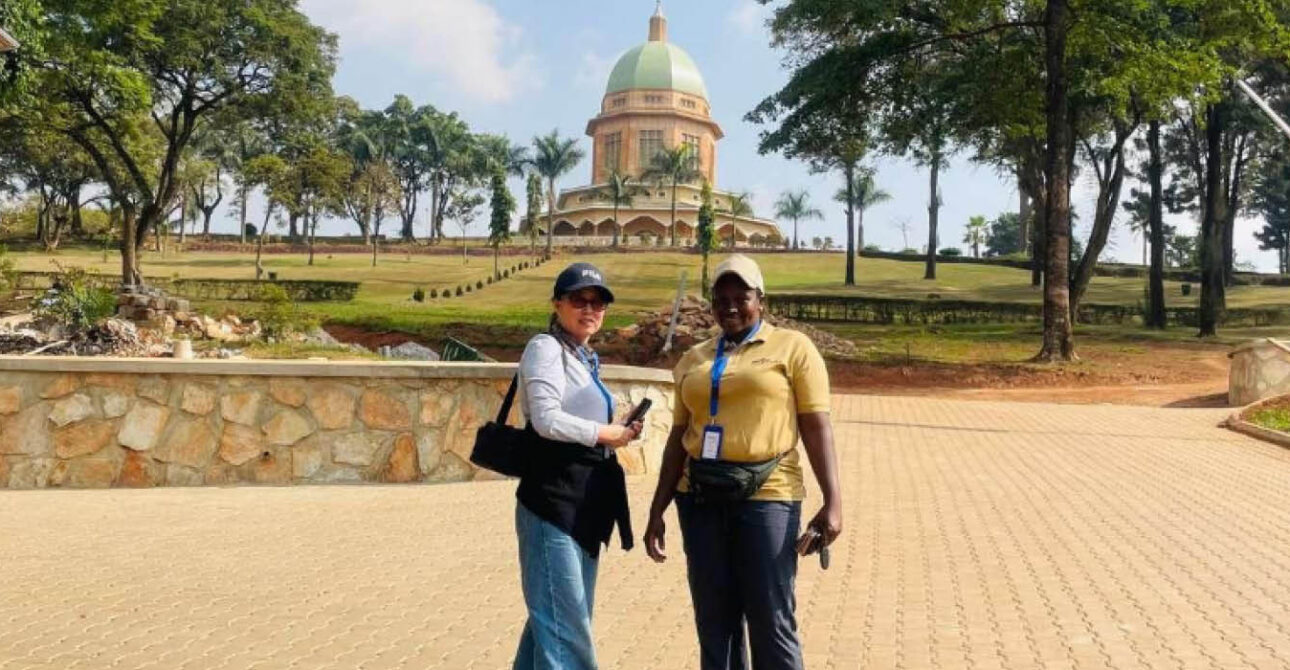
Bahá’í Temple
The Bahá’í Temple in Kampala offers a different architectural and spiritual experience from the city’s churches and mosques. Set within landscaped grounds, it provides a quieter environment in contrast to Kampala’s busy urban areas.
For a city tour, the temple can be included as part of an itinerary exploring religious and cultural landmarks in Kampala. The visit also gives travellers an opportunity to experience the diversity of religious traditions represented in the capital.
Its setting can make it particularly suitable for travellers interested in architecture, gardens, photography and the cultural diversity of Kampala.
Namugongo Martyrs Shrine
The Namugongo Martyrs Shrine is an important religious and historical site associated with the Uganda Martyrs. It can be incorporated into a wider Kampala cultural tour for travellers interested in Uganda’s Christian history and religious heritage.
The site is particularly relevant when viewed alongside Kampala’s major cathedrals and other places of worship, helping travellers understand how religious history has become part of Uganda’s cultural landscape.
Because Namugongo lies outside the central concentration of many Kampala landmarks, it is best considered when planning the overall route and available time rather than simply adding it as another stop on a tightly scheduled city tour.
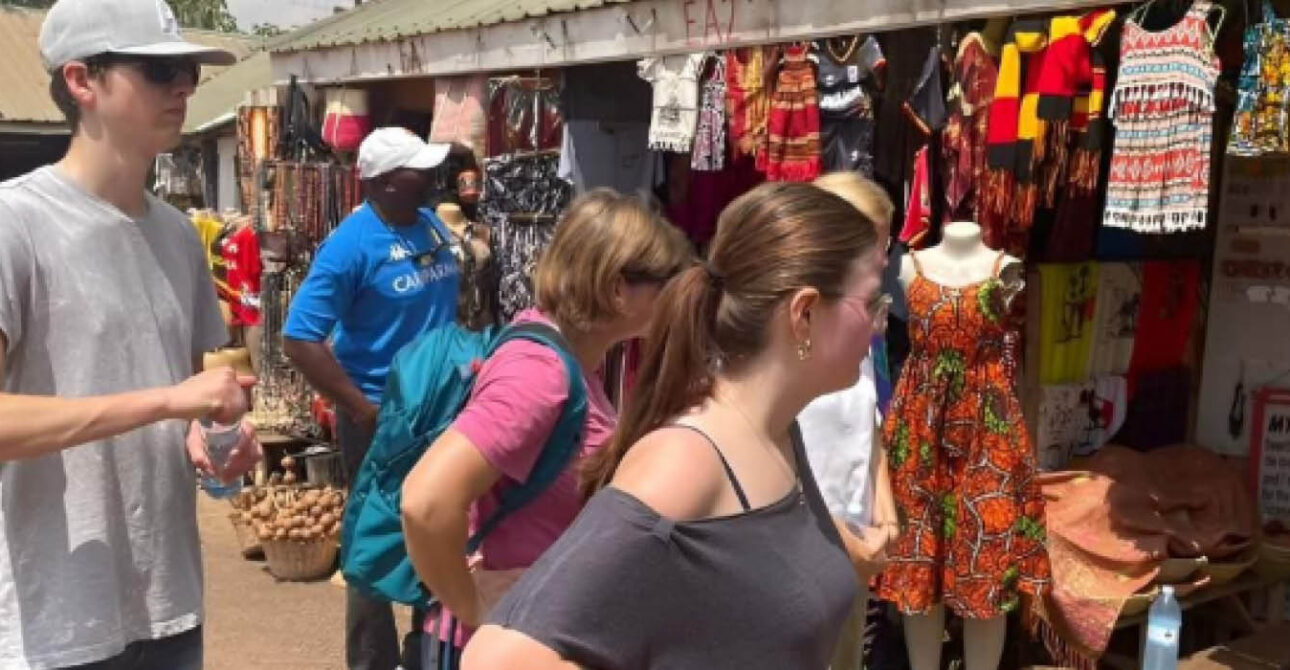
Markets and Craft Experiences
Markets and craft centres introduce a more contemporary and everyday dimension to the Kampala city tour. Instead of focusing only on historic buildings and formal heritage sites, travellers can experience local commerce, handmade products, artistic traditions and the movement of daily city life.
Depending on the itinerary, a visit can include opportunities to browse crafts, textiles, artwork and locally produced items. The National Theatre and Craft Village, for example, is listed among Kampala’s tourism attractions and combines cultural activities with craft experiences.
These experiences work particularly well toward the later part of a city tour, when travellers have already explored some of Kampala’s historical landmarks and want to see how culture continues to be expressed in contemporary urban life.
What Does a Kampala City Tour Feel Like?
A Kampala city tour is as much about experiencing the character of the city as it is about visiting individual attractions. The route moves between historic sites, places of worship, markets, neighbourhoods, viewpoints and cultural spaces, creating a changing picture of Kampala along the way.
The experience can feel lively and contrasting. A quiet heritage site may be followed by a busy road or market, while a historic building can sit within a rapidly changing urban environment. This combination of history, culture and everyday activity is what gives a Kampala sightseeing tour its distinctive character.
History and Heritage
Kampala’s history is closely connected to the Buganda Kingdom, the development of Uganda and the growth of the capital itself. Sites such as the Kasubi Royal Tombs, Kabaka’s Palace and the Royal Mile provide opportunities to explore this heritage beyond dates and historical events.
A guided visit can explain the significance of these places and connect them with the wider cultural landscape of Kampala. For travellers interested in history, the experience becomes more meaningful when individual landmarks are understood as part of the city’s continuing heritage.
Religious and Cultural Landmarks
Religion is an important part of Kampala’s cultural landscape, with churches, mosques, shrines and other religious institutions found across the city. Landmarks such as the Uganda National Mosque, Namirembe Cathedral, Rubaga Cathedral, Bahá’í Temple and Namugongo Martyrs Shrine can introduce visitors to different aspects of Uganda’s religious heritage.
These visits also reveal elements of architecture, community life and historical development. Travellers should approach places of worship respectfully, particularly when services or other religious activities are taking place.
Markets, Crafts and Local Life
Markets and craft experiences provide a more immediate connection with everyday Kampala. Instead of observing the city only through major landmarks, travellers can see how people trade, create, commute and interact within the urban environment.
Craft centres can introduce visitors to locally made artwork, textiles, souvenirs and other products, while markets provide a busier and more informal experience. These stops can also create opportunities to meet local people and learn about contemporary life in the capital.
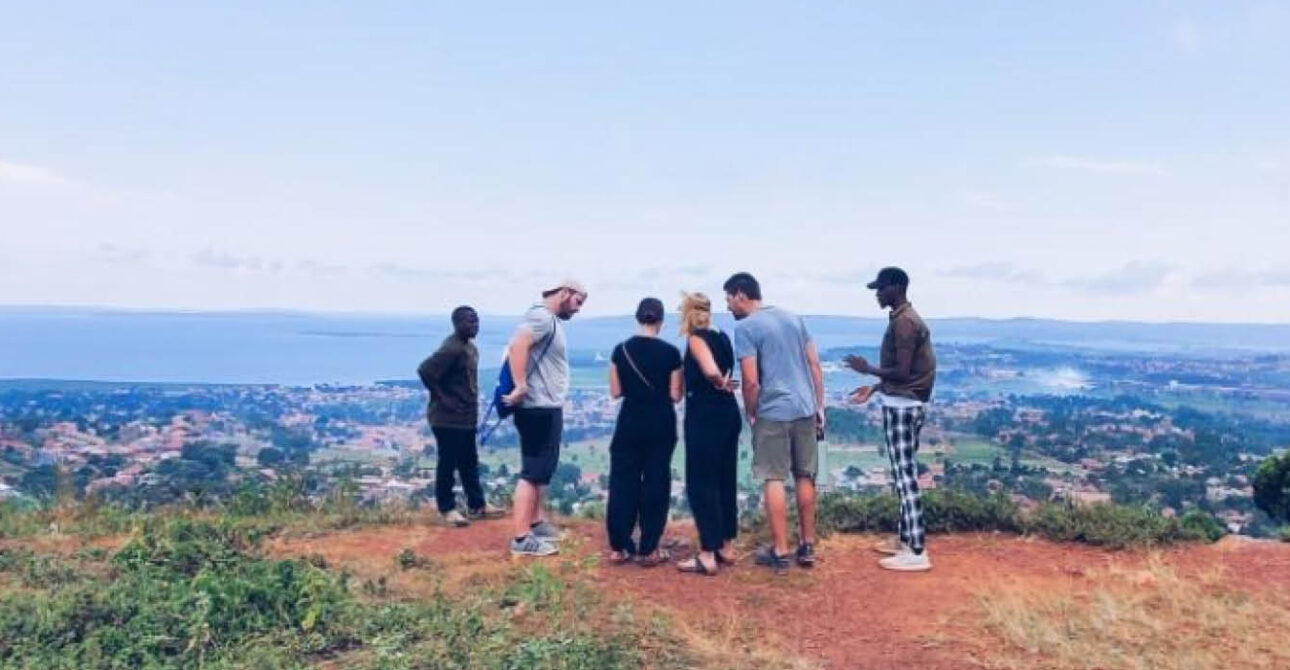
City Views and Urban Landscapes
Kampala’s changing elevations create different perspectives across the urban landscape. From selected viewpoints and elevated locations, travellers can look across neighbourhoods, roads, commercial areas and surrounding green spaces.
The city views also help put the scale of Kampala into perspective. Instead of seeing individual attractions in isolation, visitors can appreciate how historic areas, residential neighbourhoods and modern commercial districts form one expanding capital.
For photographers, these viewpoints can provide opportunities to capture Kampala’s urban landscapes, changing light and everyday movement.
Food and Everyday Kampala
Food adds another dimension to experiencing Kampala. A city tour can incorporate opportunities to encounter Ugandan dishes, local ingredients, street-side food culture or selected restaurants, depending on the traveller’s interests and the structure of the itinerary.
Food experiences can also provide a simple way to understand everyday life in the capital. Local dishes and eating traditions reflect Uganda’s diverse communities and regional influences.
For travellers spending only a short time in Kampala, combining sightseeing with a carefully selected food experience can make the city tour feel less like a sequence of attractions and more like an introduction to life in Uganda’s capital.
How Long Do You Need for a Kampala City Tour?
The ideal duration depends on the number of sites you want to visit and the pace of the experience. A half-day city tour works for a focused introduction, while a full day allows more time for heritage, religious, cultural and local-life experiences.
Half-Day City Tour
A half-day tour is suitable for travellers with limited time. The itinerary can focus on a few key landmarks, such as Buganda heritage sites, the Uganda National Mosque, Uganda Museum or a selected cultural experience.
Full-Day City Tour
A full-day Kampala sightseeing tour allows a more relaxed route with several heritage sites, religious landmarks, markets, craft experiences and city viewpoints. It also provides more flexibility for travellers with specific interests.
City Tour Before or After a Safari
Kampala can easily be incorporated at the beginning or end of a Uganda safari. A city tour before travelling to the national parks provides an introduction to Uganda, while a tour after a safari can offer a contrasting urban experience before departure.
What Is the Best Time for a Kampala City Tour?
City tours can be arranged throughout the year. Starting earlier in the day can provide a more comfortable sightseeing experience, while the itinerary can be adjusted around weather, traffic and the sites being visited.
How Do You Get Around Kampala?
A guided tour using a private vehicle is practical for covering several parts of the city. Walking can be incorporated at suitable sites and neighbourhoods where it adds to the experience. The route should allow for Kampala’s traffic and the time needed at each attraction.
What Should You Wear and Carry?
Wear comfortable clothing and walking shoes. Carry sun protection, drinking water, a phone or camera and some local currency for personal purchases. Modest clothing is appropriate when visiting religious and cultural sites.
Do You Need a Guide for a Kampala City Tour?
A guide can add considerable context to a Kampala city tour, particularly at heritage, religious and cultural sites. A knowledgeable local guide can explain the history behind the places you visit, help structure the route and make it easier to understand Kampala beyond its major landmarks.
How Do You Choose a Kampala City Tour?
The right Kampala city tour depends on your interests, available time and wider travel plans. Some travellers may want to understand Kampala’s history, while others may prefer cultural experiences, religious landmarks, markets or a combination with a Uganda safari.
A well-planned itinerary can combine several themes without trying to visit every attraction. The aim is to create a route that matches your interests and gives you enough time to experience each stop.
History and Heritage Tour
A Kampala historical tour can focus on places connected with Buganda’s heritage and the development of the city. Sites such as the Kasubi Royal Tombs, Kabaka’s Palace and the Royal Mile can provide a foundation for understanding Kampala’s historical and cultural background. This option suits travellers who want more context about the traditions and institutions that have shaped the capital.
Cultural Kampala Tour
A Kampala cultural tour can bring together heritage sites, crafts, local traditions and opportunities to experience contemporary city life. The itinerary can be adapted around particular interests, including arts, crafts, music, food or local communities. This approach works well for travellers who want to go beyond major landmarks and gain a broader impression of Kampala’s culture.
Religious and Architectural Tour
Travellers interested in religion and architecture can focus on Kampala’s churches, mosques, temples and other significant buildings. The Uganda National Mosque, Namirembe Cathedral, Rubaga Cathedral, Bahá’í Temple and Namugongo Martyrs Shrine can form part of such an itinerary. Visits should be planned respectfully around worship and other activities taking place at religious sites.
Markets and Local Life
A markets-and-local-life itinerary provides a more informal view of Kampala. Craft centres and markets allow travellers to see local products, interact with vendors and experience the movement and activity of the city. This option can also be combined with selected heritage or cultural sites, creating a Kampala sightseeing tour that balances landmarks with everyday urban experiences.
Kampala City Tour and Uganda Safari
For international visitors, a Kampala city tour and Uganda safari can work well as part of the same journey. Kampala can be explored before travelling to national parks, forests and other destinations, or included toward the end of a safari. The combination provides two contrasting experiences: the history, culture and energy of Uganda’s capital alongside the country’s wildlife and natural landscapes.
How Can You Practise Responsible City Tourism?
Responsible city tourism means experiencing Kampala with respect for its people, culture, heritage and public spaces. Follow local guidance at religious and cultural sites, dress appropriately where required, ask permission before photographing people, and avoid touching or removing objects from heritage locations.
Supporting locally owned businesses, craft makers, guides and other tourism services can also help tourism contribute to the city’s communities. The Kampala Capital City Authority’s Visit Kampala portal provides official visitor information and highlights the importance of supporting local economic development and preserving Kampala’s cultural heritage.
For broader guidance on sustainable tourism in Uganda, travellers can consult the Uganda Tourism Board, whose mandate includes promoting Uganda as a sustainable tourism destination and supporting standards across the tourism sector.
When visiting heritage sites, follow the instructions of site custodians and heritage authorities. Uganda’s Sites & Monuments Department is responsible for the protection, conservation and management of the country’s archaeological sites, national monuments and cultural heritage.
FAQs About Kampala City Tours
A Kampala city tour can be arranged as a half-day or full-day experience. The duration depends on the number of sites, the interests of the traveller and time available for each stop. A longer tour allows more time for heritage, cultural and local experiences.
Major attractions can include the Kasubi Royal Tombs, Kabaka’s Palace and Royal Mile, Uganda Museum, Uganda National Mosque, Namirembe and Rubaga Cathedrals, Bahá’í Temple and Namugongo Martyrs Shrine, alongside markets and cultural centres.
Yes. A half-day tour can focus on a small selection of attractions based on your interests. For example, the itinerary can concentrate on Buganda heritage, religious landmarks, museums or a combination of nearby sites rather than trying to cover the entire city.
Yes. Kampala can be included at the beginning or end of a Uganda safari. This creates a contrast between the capital’s history, culture and urban life and the wildlife and natural landscapes experienced in Uganda’s national parks.
Walking can be included in a Kampala city tour, particularly around suitable heritage areas, markets, craft centres and individual attractions. A mixed approach using a vehicle between locations and walking at selected sites is practical for covering more of the city.
A guide is not essential for every visitor, but a knowledgeable local guide can add historical and cultural context and help organise the route. Guided experiences are offered at attractions such as the Kasubi Royal Tombs and Uganda Museum.
Yes. Markets and craft centres can be incorporated into a Kampala sightseeing tour, giving travellers an opportunity to see local commerce, crafts and everyday city life. Kampala’s tourism portal specifically highlights shopping, souvenirs, markets and the National Theatre and Craft Village among its visitor experiences.
Wear comfortable clothing and shoes suitable for walking. Modest clothing is recommended when visiting religious and cultural sites. Carry sun protection, drinking water and a camera or phone, and follow any specific guidance provided at the places you visit.
A Kampala city tour can be arranged throughout the year. The itinerary can be adjusted according to weather, traffic, opening arrangements at individual attractions and the traveller’s interests. Starting earlier can also provide more time for sightseeing during the day.
Why Choose Njagi Safaris for Your Kampala City Tour?
Njagi Safaris can arrange a Kampala city tour around your interests, available time and wider Uganda travel plans. We focus on creating practical, well-paced experiences that combine relevant landmarks with opportunities to understand Kampala’s history, culture and everyday life.
Explore City and Scenic Experiences
Your Kampala city tour can be part of a wider Uganda journey. Continue exploring the capital through another City Tour experience, discover Uganda through Photography, or extend your itinerary to the Source of the Nile Visit for a different scenic and cultural experience.
These experiences can be arranged as individual activities or incorporated into a broader Uganda itinerary, depending on your interests and available time.
Explore More Cultural Experiences
Go beyond Kampala and discover Uganda through experiences that connect travellers with local communities, traditions and creative expression. The Batwa Experience offers an introduction to Batwa cultural heritage, while the Karamoja Experience provides an opportunity to explore the traditions and way of life of northeastern Uganda.
You can also experience Uganda through Traditional Dance, a Village Walk or Craft Workshops. Together, these experiences provide different ways to connect with Uganda’s people, culture and everyday life beyond the country’s major attractions.
Explore Our Kampala and City Experiences
Explore our Kampala city tour and other city and scenic experiences to discover different sides of Uganda. Choose from experiences focused on sightseeing, photography, cultural encounters and places of natural or historical interest.
Prefer a Custom Kampala City Tour?
Tell us what you would like to experience in Kampala, and we can help structure the route around your priorities.
Nile Pulse

Pearl Explorer

Heritage Trails
Prefer a Custom Kampala City Tour? Send Us Your Enquiry
Ready to explore Kampala? Start planning your Kampala city tour with Njagi Safaris. Share your preferred travel dates, interests, group size and any wider Uganda safari plans, and we will help you develop a suitable city-tour experience.