Photography Tours in Uganda and Rwanda: Wildlife, Landscapes and Culture
The Photography Tours in Uganda and Rwanda offers varied photography experiences, from wildlife and primates to birds, forests, mountains, landscapes and cultural encounters. A photography tour in Uganda and Rwanda can be designed around the subjects you want to photograph while allowing time to experience the destinations beyond the camera.
For some travellers, photography is the main purpose of the journey. For others, it is an important part of a wider safari. The itinerary can therefore be shaped around your interests, available time and preferred pace.
What Are Photography Tours in Uganda and Rwanda?
Photography tours in Uganda and Rwanda are travel experiences designed to give photographers opportunities to capture wildlife, birds, primates, landscapes, culture and everyday life. Depending on the itinerary, they can include national parks, forests, wetlands, mountain areas, cultural sites and urban environments.
The experience can range from a dedicated photography safari to a private Uganda or Rwanda safari where photography is an important focus. This allows the itinerary to be planned around suitable locations, time in the field and the subjects you want to photograph.
What Makes Uganda and Rwanda Good Photography Destinations?
Uganda and Rwanda bring together a wide variety of environments within relatively accessible travel routes. Savannah landscapes, tropical forests, wetlands, mountains and lakes provide different backgrounds and subjects, while wildlife, birds and primates create opportunities for nature photography.
Photography can also extend beyond wildlife. Cultural experiences, local communities, historic places, markets and cities provide opportunities to capture people, architecture and everyday life. This combination makes the two countries suitable for travellers who want a Uganda photography safari or a broader photography-focused journey.
What Can You Photograph on a Safari?
A safari can provide opportunities to photograph wildlife, birds, primates, landscapes and natural environments, depending on the destinations included in the itinerary. Uganda’s forests can offer opportunities for gorilla and chimpanzee photography, while savannah areas provide subjects such as elephants, lions, buffalo and other wildlife.
Bird photographers can explore wetlands, forests and open habitats, while landscape photographers can focus on mountains, lakes, forests, rivers and changing light. Photography can also extend to cultural encounters, traditional activities, architecture and urban scenes, creating a more varied visual record of the journey.
What Can You Photograph in Uganda and Rwanda?
Photography in Uganda and Rwanda extends well beyond traditional game viewing. The combination of savannah, forests, wetlands, mountains, lakes, cultural sites and urban environments gives photographers a wide range of subjects and settings. Your itinerary can be shaped around the types of photography that interest you most.
Wildlife Photography
Uganda and Rwanda offer opportunities to photograph wildlife in different environments, from open savannah to woodland and wetland habitats. Depending on the destination, subjects can include elephants, lions, buffalo, antelope and other wildlife.
A photography-focused safari can allow more time for observation and positioning, helping you respond to changing light, animal behaviour and interesting photographic moments.
Bird Photography
Uganda’s wetlands, forests, lakes and savannah habitats provide varied opportunities for bird photography. Shoebills, forest species, waterbirds and other birdlife can be encountered in different parts of the country.
Birding and photography can also be combined, allowing the itinerary to include specialist birding destinations alongside other wildlife and nature experiences.
Primate and Gorilla Photography
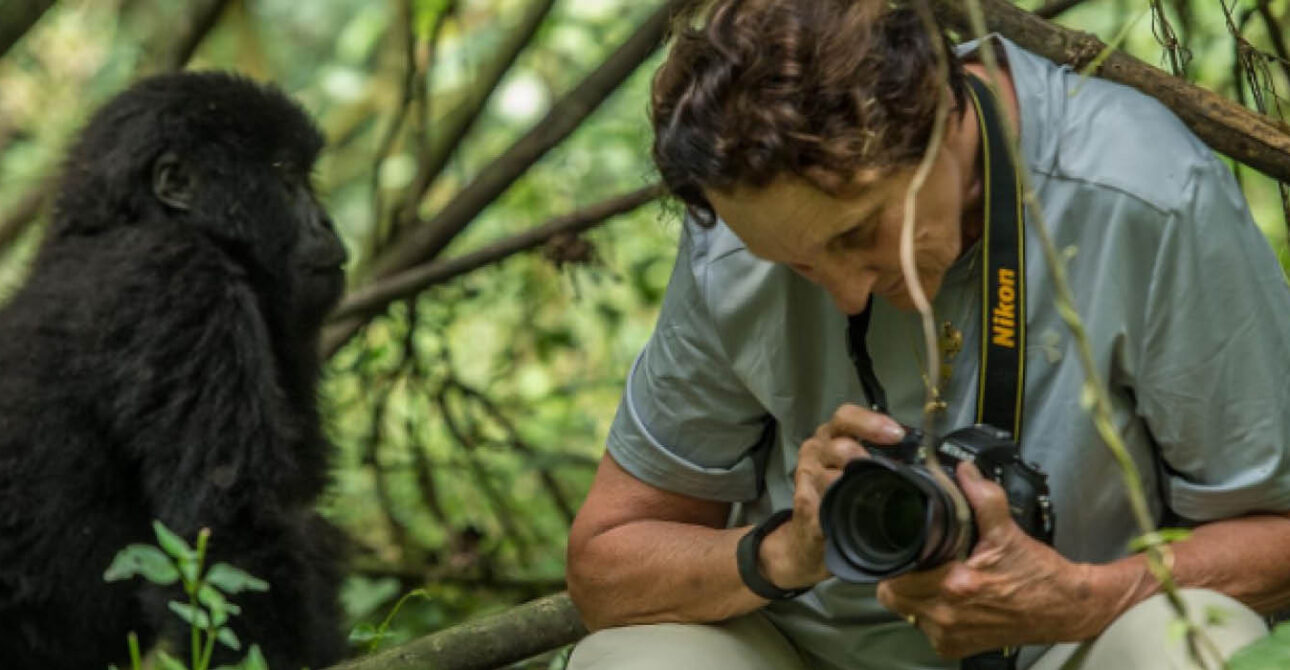
Forests in Uganda and Rwanda provide opportunities to photograph primates in natural environments. Gorilla photography is a major attraction in Bwindi and Rwanda’s Volcanoes region, while chimpanzees and other primates can be photographed in forest destinations.
These experiences require patience and respect for wildlife guidelines. The priority is to observe the animals responsibly while taking photographs without disturbing their natural behaviour.
Landscape Photography
Uganda and Rwanda offer varied landscapes, including mountains, lakes, rivers, wetlands, forests and open savannah. Changing weather and light can create different photographic opportunities throughout the day.
Landscape photography can therefore be incorporated into a wider safari rather than treated as a separate experience, allowing photographers to capture the environments in which Uganda and Rwanda’s wildlife and communities live.
Forest and Nature Photography
Forests provide a different photographic environment, with dense vegetation, filtered light, trees, plants, insects, birds and primates creating opportunities for close observation and detail.
Destinations such as Bwindi, Kibale and Nyungwe can add forest photography to an itinerary, particularly for travellers interested in nature, biodiversity and atmospheric woodland scenes.
Cultural and Community Photography
Photography can also be part of cultural experiences, from traditional activities and crafts to architecture, markets and everyday community life. These encounters can add people, colour and cultural context to a photographic journey.
When photographing people, it is important to respect privacy and ask permission where appropriate. A responsible approach allows photography to become part of a meaningful cultural experience rather than simply documenting people as subjects.
City and Urban Photography
Kampala and other urban centres provide opportunities to photograph architecture, streets, markets, public spaces, transport, crafts and everyday city life.
City photography can complement a wildlife-focused itinerary, particularly at the beginning or end of a safari. A Kampala city tour can provide a different perspective on Uganda through its heritage, architecture, markets and contemporary urban environment.
Where Can You Go for Photography in Uganda and Rwanda?
Uganda and Rwanda offer photography opportunities across savannah, forest, wetland, mountain and urban environments. The best destination depends on the subjects you want to photograph, from gorillas and primates to birds, large mammals, landscapes and cultural scenes.
Bwindi Impenetrable National Park
Bwindi is particularly suited to gorilla and forest photography, with dense rainforest providing an atmospheric setting for primates, birds and other forest life. The experience can also include surrounding landscapes and community encounters.
Queen Elizabeth National Park
Queen Elizabeth combines open savannah, woodland, wetlands and lakes, creating varied opportunities for wildlife and landscape photography. Elephants, buffalo, antelope, lions and other wildlife can provide subjects across different habitats.
Murchison Falls National Park
Murchison Falls offers a combination of savannah, woodland and the Nile River. Photography opportunities include large mammals, birds, river landscapes and the dramatic scenery around the falls.
Kibale Forest National Park
Kibale is a strong destination for primate and forest photography. Chimpanzees and other primates are among the key subjects, while the forest environment also provides opportunities for bird, plant and nature photography.
Kidepo Valley National Park
Kidepo offers expansive savannah landscapes and a distinctive wilderness setting in northeastern Uganda. The park provides opportunities for photographing wildlife against broad valleys, mountains and open grasslands.
Lake Mburo National Park
Lake Mburo combines savannah, woodland, wetlands and lakes within a compact wildlife destination. Zebra, antelope, buffalo, birds and scenic landscapes provide varied subjects for photographers.
Mabamba Swamp
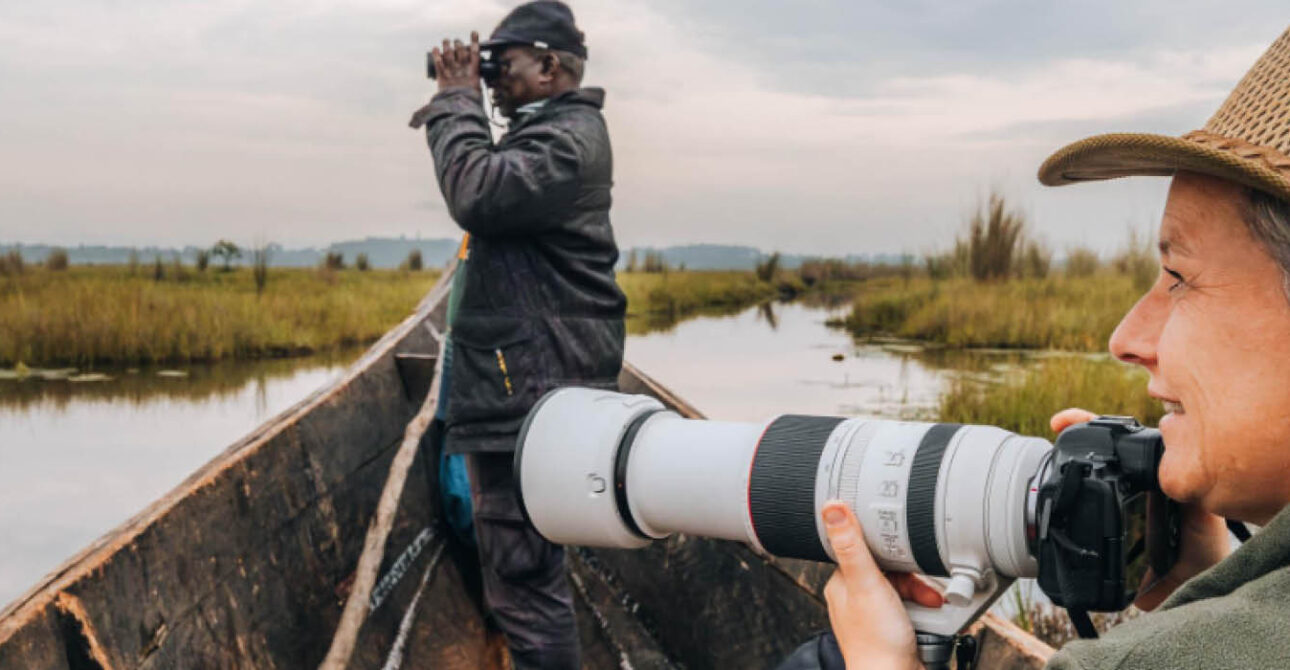
Mabamba is especially important for bird photography, with its wetland environment providing an opportunity to search for the Shoebill and other waterbirds. Boat-based exploration also creates a distinctive way to photograph the surrounding wetland landscape.
Kampala and Buganda Kingdom
Kampala and Buganda Kingdom provide opportunities for city, cultural, architectural and everyday-life photography. Markets, heritage sites, streets, gardens, lakeside environments and local activities can add an urban and cultural dimension to a photography itinerary.
Akagera National Park
Akagera offers savannah, woodland, lakes and wetlands, providing a varied setting for wildlife and landscape photography. Large mammals, birds and water-based scenery can all form part of a photography-focused visit.
Nyungwe National Park
Nyungwe’s montane rainforest provides opportunities for forest, primate and bird photography. Its dense vegetation, changing light and varied forest environments create a very different photographic experience from Rwanda’s open savannah landscapes.
Volcanoes National Park
Volcanoes National Park is best known for its mountain gorillas and other primates, making it an important destination for primate and wildlife photography. The volcanic landscape and surrounding communities can also add landscape and cultural subjects to the experience.
How Do You Plan a Photography Safari?
A successful photography safari needs more planning than simply choosing destinations. The route should allow enough time for photography, account for travel distances and focus on the subjects, habitats and photographic style you want to pursue. It is also useful to consider light, vehicle access, equipment, weather and the level of support you need before finalising the itinerary.
How Many Days Do You Need?
The ideal duration depends on your photographic interests and the number of destinations you want to visit. A short safari can focus on one or two locations, while a longer journey allows more time for wildlife, birds, primates, landscapes and cultural photography.
Avoid packing too many destinations into a short itinerary. More time in fewer locations can provide better opportunities to observe and photograph changing conditions.
What Is the Best Time for Photography?
The best time depends on the subjects and destinations you want to photograph. Drier periods can make some wildlife easier to observe in open habitats, while wetter periods can bring greener landscapes, dramatic skies and different photographic conditions.
For bird photography, seasonal movements and breeding activity can also influence the experience. Your itinerary should therefore be planned around your specific photographic interests rather than one universal season.
Why Does Light Matter?
Light has a major influence on photography. Early morning and late afternoon often provide softer, warmer light and can create stronger landscape and wildlife images than harsh midday conditions.
A photography-focused itinerary should allow enough flexibility to take advantage of changing light. Time in the field can be just as important as the number of destinations visited.
Do You Need a Private Vehicle?
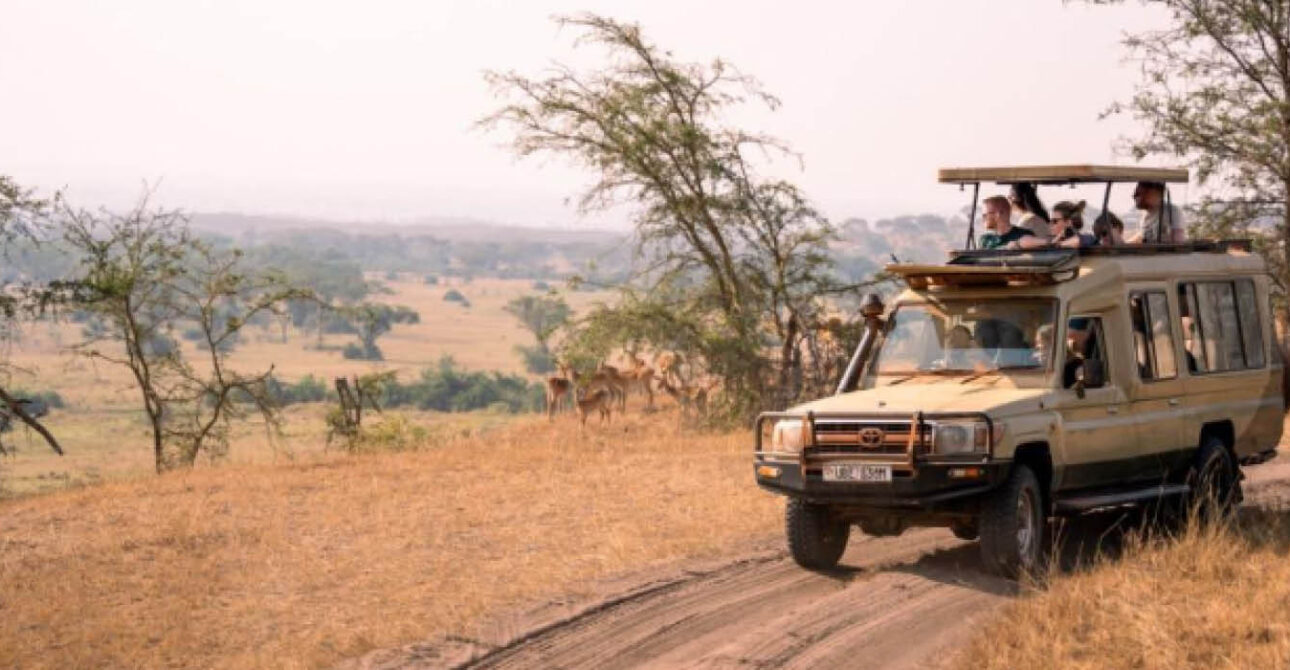
A private safari vehicle can be particularly useful for photography because it provides greater flexibility over positioning, timing and the amount of time spent at a sighting.
It can also make it easier to carry camera equipment and adapt the day’s schedule around photographic opportunities. Shared vehicles can still work well, particularly for travellers whose photography is part of a wider safari experience.
Do You Need a Photography Specialist Guide?
A specialist guide can add value by helping with wildlife behaviour, bird identification, positioning and the practical conditions of different destinations. However, the level of specialist support needed depends on your experience and photographic goals.
For dedicated wildlife or bird photography, specialist knowledge can be particularly useful. Travellers combining photography with a general safari may prefer a knowledgeable safari guide who can also support their photography needs.
What Camera Equipment Should You Bring?
Equipment should match the subjects you plan to photograph. A camera body, suitable telephoto lens, wide-angle lens, spare batteries, memory cards and a secure camera bag provide a practical starting point.
Bird and wildlife photographers may benefit from longer focal lengths, while landscape and cultural photography can require wider lenses. Bring equipment you are comfortable using rather than carrying more gear than you can realistically manage.
What Should You Carry for Rain and Dust?
Rain and dust are normal considerations on safari. Carry a waterproof cover or dry bag for camera equipment, together with lens cloths and cleaning materials.
A lightweight rain jacket, protective bag and dust-resistant storage can help protect both you and your equipment during changing conditions. Keep essential equipment accessible but securely protected when not in use.
How Do You Protect Your Equipment?
Keep cameras and lenses protected from moisture, dust and unnecessary impact. Use padded bags or protective cases, change lenses carefully and avoid exposing equipment unnecessarily in dusty or wet conditions.
It is also wise to carry spare batteries and memory cards and to have a reliable system for backing up photographs during a longer safari. A simple routine for cleaning and protecting equipment can prevent small problems from becoming major interruptions.
How Do You Choose a Photography Tour?
The right photography tour depends on what you most want to photograph and how much of the journey you want to dedicate to photography. Some travellers may want long periods focused on wildlife, birds or primates, while others prefer to combine photography with landscapes, culture and a broader safari experience.
Consider your subjects, preferred pace, destinations and level of photographic experience when planning the itinerary. Uganda and Rwanda can also be combined where this adds complementary photography opportunities.
Wildlife Photography Safari
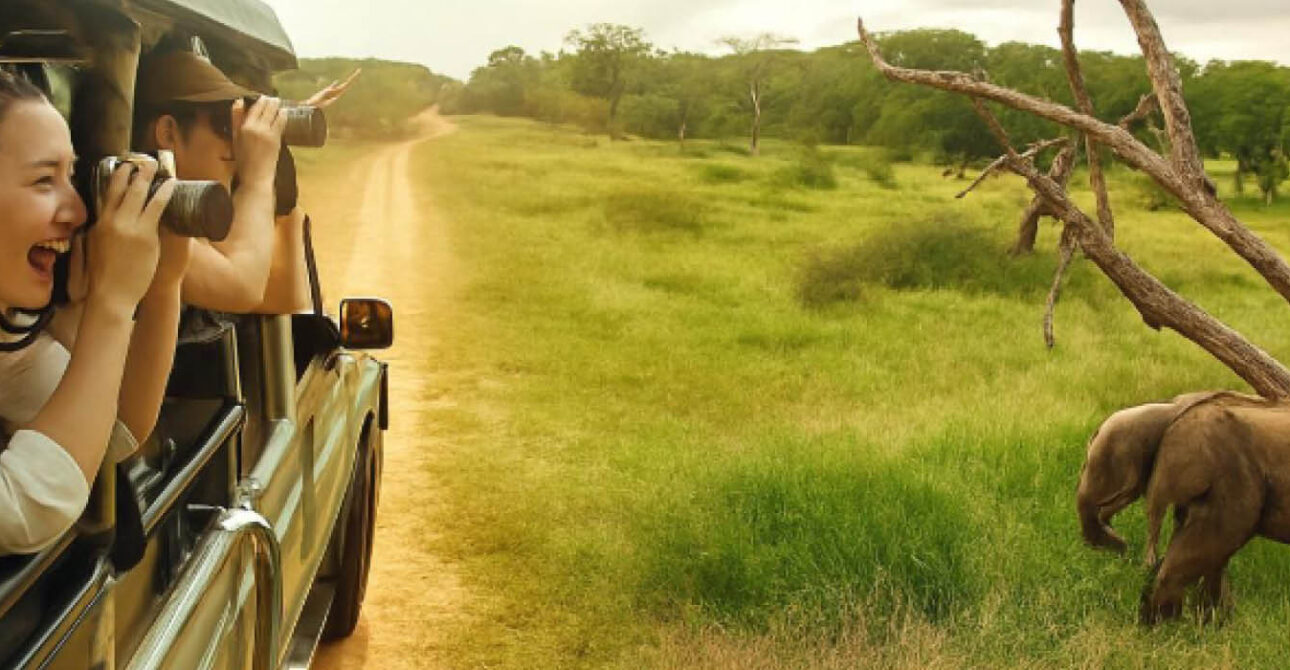
A wildlife photography safari focuses on photographing animals in their natural habitats. Uganda’s savannah parks and Rwanda’s Akagera National Park provide opportunities to combine wildlife with varied landscapes and habitats. This style suits photographers who want more time in the field to observe animal behaviour, work with changing light and respond to photographic opportunities.
Landscape Photography Journey
A landscape-focused journey gives greater attention to mountains, lakes, forests, wetlands, rivers and open savannah. Uganda and Rwanda offer contrasting environments that can be incorporated into a wider route. The itinerary can be paced to allow time for changing light, viewpoints and scenic stops rather than concentrating entirely on wildlife sightings.
Bird Photography Safari
A bird photography safari is designed around habitats and destinations that offer strong birding opportunities. Uganda’s forests, wetlands and savannah provide a wide range of bird habitats, while Rwanda adds forest and wetland environments.
This style is particularly suitable for photographers who want to dedicate more time to locating, observing and photographing specific bird species.
Gorilla and Primate Photography
A primate-focused photography experience can include gorillas, chimpanzees and other forest primates. Bwindi and Mgahinga in Uganda, together with Volcanoes and Nyungwe in Rwanda, provide different forest environments and primate experiences.
Photography around habituated primates must follow the applicable park and wildlife guidelines. For dedicated gorilla experiences, permit and photography requirements should be confirmed when planning the safari.
Cultural and People Photography
A cultural photography journey focuses on people, crafts, architecture, traditional activities, markets and everyday life. It can be incorporated into a wider safari or developed around specific cultural experiences.
Good people photography begins with respect. Ask permission where appropriate, avoid intrusive photography and allow the interaction to remain more important than the photograph.
Photography and General Uganda Safari
Photography does not have to be the sole purpose of your safari. A general Uganda safari can incorporate wildlife, landscapes, birds, primates, culture and city experiences while still allowing time for photography.
This approach works well for travellers who want to enjoy Uganda broadly while keeping photography as an important part of the journey. The itinerary can then balance photographic opportunities with other safari activities and experiences.
How Can You Practise Responsible Photography?
Responsible photography means putting the welfare of wildlife, people, communities and heritage sites ahead of getting a particular photograph. In protected areas, photographers should follow the instructions of guides, rangers and park authorities and respect the rules governing visitor activities.
When photographing wildlife, maintain the distance required by the guide and avoid actions that could cause animals to change their behaviour. Do not crowd wildlife, block its movement, call animals closer for a photograph or ask a driver to disregard park rules simply to improve a shot. The Uganda Wildlife Authority provides current protected-area information and visitor resources through its official website, including its parks, conservation publications and tourism guidance.
In Rwanda, photographers should follow the requirements of the Rwanda Development Board, which has responsibility for tourism and conservation and oversees protected areas and tourism activities. RDB’s official tourism resources should be checked for current regulations and permit requirements before travelling.
Photography of people also requires sensitivity. Ask permission before taking identifiable photographs, particularly during community visits, cultural experiences or personal interactions. A respectful conversation should come before the photograph, and people should never feel pressured to participate simply because they are part of a tourist experience.
Culturally and historically significant places require similar care. Follow site-specific instructions, respect restricted areas and avoid intrusive photography during religious, ceremonial or culturally sensitive moments. Uganda Tourism Board promotes sustainable tourism that respects Uganda’s natural environment and cultural heritage.
Finally, do not assume that a drone can be used simply because a location looks suitable for aerial photography. Protected areas and other sensitive locations can have specific restrictions or permit requirements. Check the applicable authority before carrying or operating a drone, and follow all instructions from park management and your guide.
FAQs About Photography Tours in Uganda and Rwanda
A photography safari is a journey designed around opportunities to photograph wildlife, birds, landscapes, primates, culture or other subjects. The itinerary can allow more time for observation, favourable light and photographic opportunities while still including the wider safari experience.
Uganda offers opportunities to photograph wildlife, birds, gorillas, chimpanzees and other primates, as well as forests, wetlands, mountains, lakes and savannah landscapes. Cultural experiences, markets, architecture and urban life can also add variety to a photography itinerary.
Yes. Uganda offers varied wildlife photography opportunities across savannah, woodland, wetland and forest environments. Depending on the destination, photographers can capture elephants, lions, buffalo, antelope, primates and other wildlife while also working with changing light and different landscapes.
Yes. Gorilla photography can be incorporated into a gorilla trekking experience in Uganda’s protected forest areas. Photography must follow the applicable wildlife and trekking guidelines, including instructions from guides and rangers and requirements concerning appropriate behaviour around the gorillas.
Yes. Birding and photography complement each other particularly well in Uganda. A specialist itinerary can include wetlands, forests and other birding habitats while allowing sufficient time to locate, observe and photograph target species rather than simply moving quickly between destinations.
No. Professional equipment is not essential. A good camera or capable digital device can produce excellent photographs when combined with patience, good light and careful composition. Photographers should choose equipment they understand and can comfortably carry throughout the safari.
A private vehicle can provide greater flexibility over positioning, timing and the amount of time spent at photographic sightings. However, it is not essential for every photography experience. The choice depends on your itinerary, photographic priorities, group size and preferred level of flexibility.
There is no single best time for every type of photography. Drier periods can offer useful wildlife-viewing conditions, while wetter periods can produce greener landscapes and different light. Bird photography may also benefit from seasonal changes, so timing should match your photographic interests.
Absolutely. Photography can be incorporated into a general Uganda safari without making it the sole purpose of the trip. Wildlife, primates, birds, landscapes, culture and city experiences can all be included while allowing reasonable time for photography along the route.
Explore Scenic and Photography Experiences
Photography can be part of a wider Uganda journey that combines urban experiences, scenic landscapes and cultural discovery. Explore the Kampala City Tour for history, architecture, markets and everyday city life, or continue towards the Source of the Nile Visit for a different scenic and cultural experience.
These experiences can be arranged as individual activities or incorporated into a broader photography-focused or tailor-made Uganda itinerary.
Explore More Wildlife, Birding and Nature Experiences
Photography can also be combined naturally with Uganda and Rwanda’s wildlife and nature experiences. Explore Wildlife Viewing for broader safari experiences, or focus on Bird Watching for bird-focused photography opportunities.
For primate photography, consider Gorilla Trekking or Chimpanzee Tracking. Forest and nature photographers can also explore Nature Walks, while Boat Safaris provide opportunities to photograph wildlife, birds, waterways and changing landscapes from the water.
Why Choose Njagi Safaris for Your Photography Tour?
Njagi Safaris can help you build a photography-focused journey around your interests, available time and preferred destinations. We can combine wildlife, birding, primates, landscapes, culture and scenic experiences into a practical itinerary across Uganda and Rwanda.
Our approach is to give photography enough space within the journey while keeping the wider safari experience enjoyable. Depending on your priorities, the itinerary can be structured around particular photographic subjects, destinations or a broader Uganda or Rwanda safari.
Explore Our Photography and Scenic Experiences
Explore our Photography experiences alongside scenic and nature activities that can complement a photography-focused journey. You could also explore the 16 Days Uganda Safari: Gorillas, Chimpanzees, Wildlife & Rwenzori Itinerary, which combines wildlife, primates, landscapes and scenic experiences that can provide varied photographic opportunities throughout the journey.
Choose individual experiences or combine several activities into a tailor-made route based on the subjects and environments you want to photograph.

The Thousand Hills

Pearl Explorer
Primate & Savannah
Prefer a Custom Photography Safari?
Photography can be the main focus of your journey or an important part of a wider Uganda or Rwanda safari. Tell us the subjects you want to photograph, the destinations you are interested in, your travel dates and the level of photographic support you need, and we can help structure the itinerary around your priorities.
Nile Pulse
Pearl Explorer

Heritage Trails
Start Planning Your Photography Safari! Send Us Your Enquiry
Share your preferred travel dates, group size, photography interests and any destinations you already have in mind. We can help you develop a photography-focused safari around wildlife, birds, primates, landscapes, culture or a combination of experiences.