What Makes Uganda a Birding Destination?
What Can You Expect From Birding in Uganda?
How Many Bird Species Can You See in Uganda?
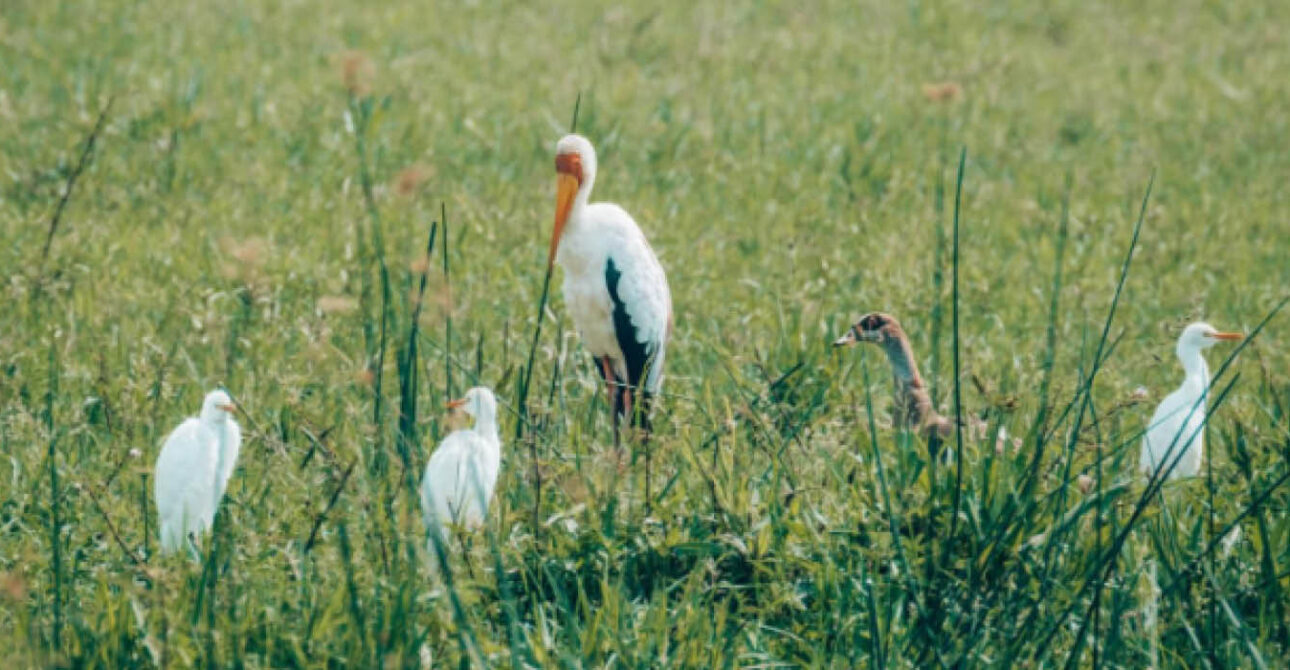
Wetland and Swamp Birding
Forest Birding
Savannah and Woodland Birding
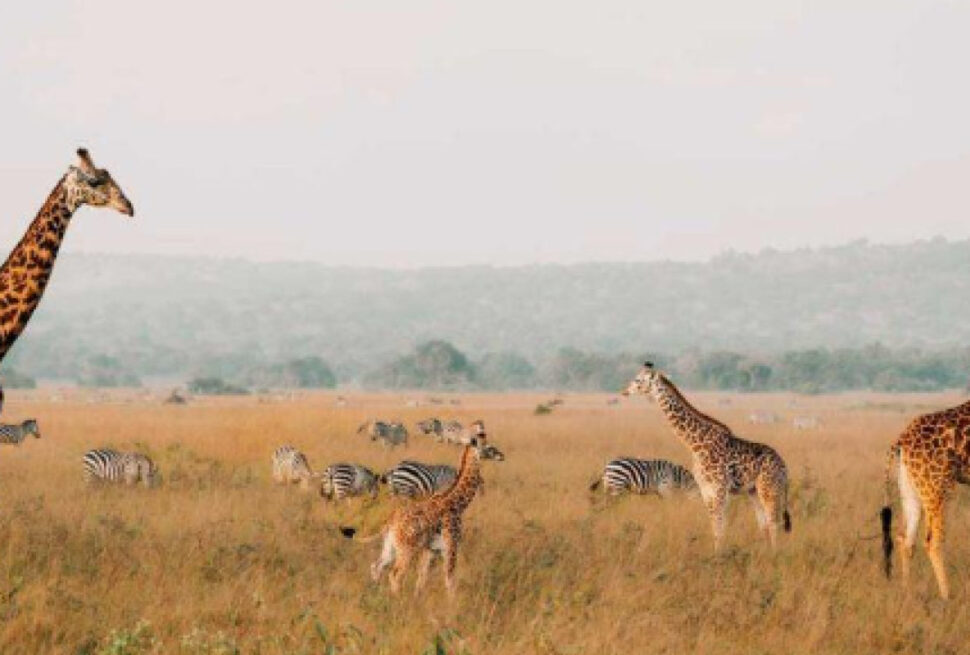
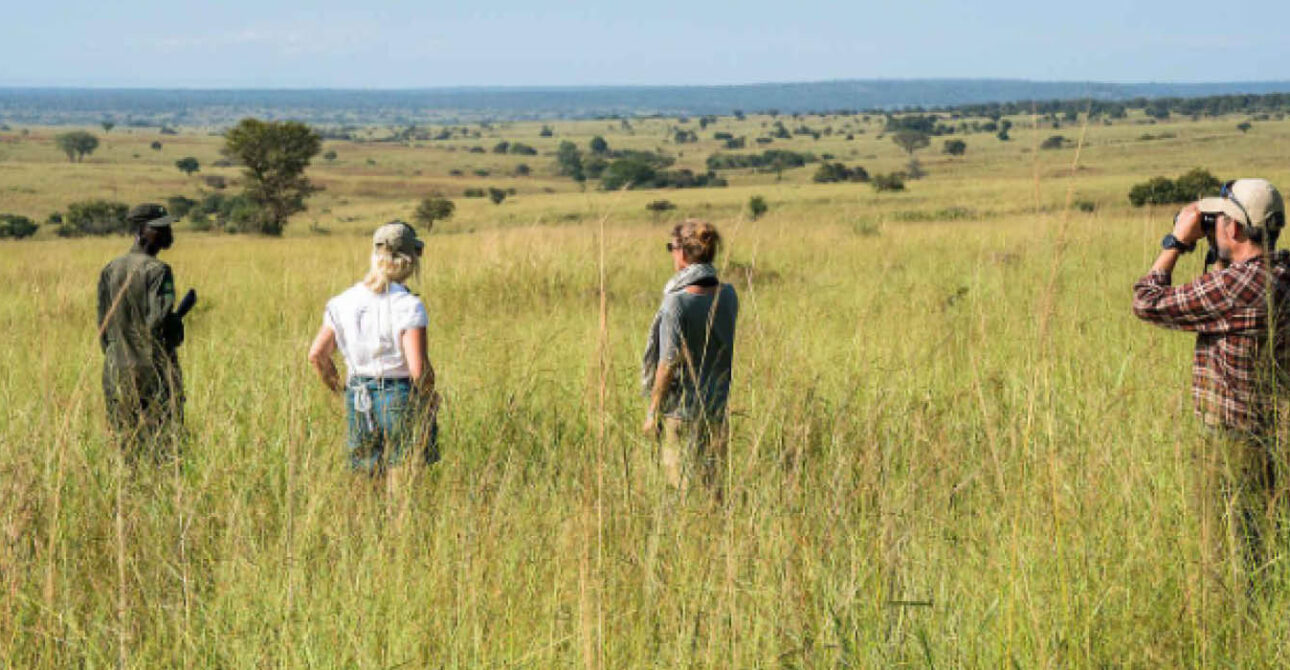
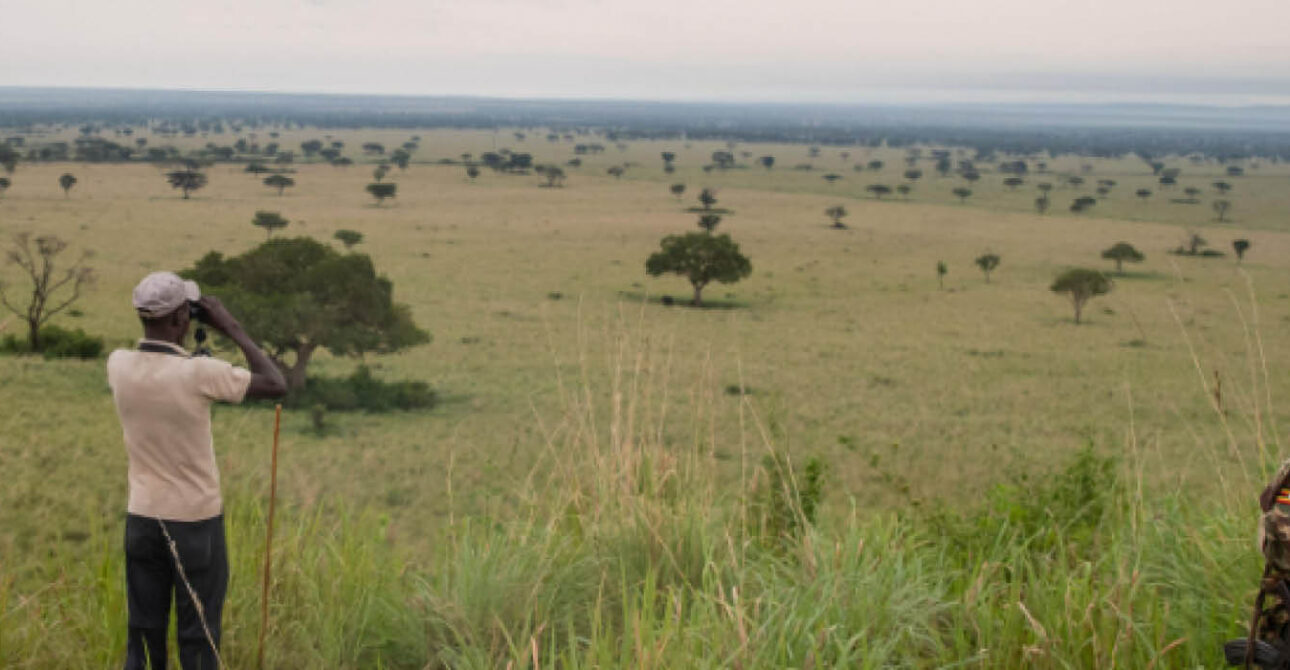
Savannah and woodland habitats provide a more open birding environment, often allowing travellers to observe birds across grasslands, scattered trees, woodland edges and seasonal water sources. These landscapes can be particularly rewarding as part of a wider wildlife safari because birding can take place alongside game viewing.
What Can You See in Uganda’s Savannah Habitats?
Savannah birding in Uganda can include raptors, hornbills, rollers, bee-eaters, starlings, weavers, kingfishers and numerous other species associated with open and semi-open environments. Large birds may be easier to spot against open skies, while smaller species can require closer attention around trees, shrubs and grassland.
The diversity of habitats within a savannah landscape is important. Woodland edges, grassland, riverine vegetation and seasonal wetlands can each attract different birds, making a single game drive capable of producing a varied birding experience.
Can Savannah Birding Be Combined With Wildlife Viewing?
Yes. Savannah birding works naturally alongside game drives and other wildlife experiences. Travellers can observe birds while moving between wildlife-viewing areas, around water sources or through woodland and grassland habitats.
This makes savannah environments particularly suitable for travellers who want a Uganda birding safari that also includes mammals and other wildlife. The itinerary can be structured around both interests rather than treating birding and wildlife viewing as completely separate activities.
Montane and Albertine Rift Birding
Where Are the Main Birding Destinations in Uganda?
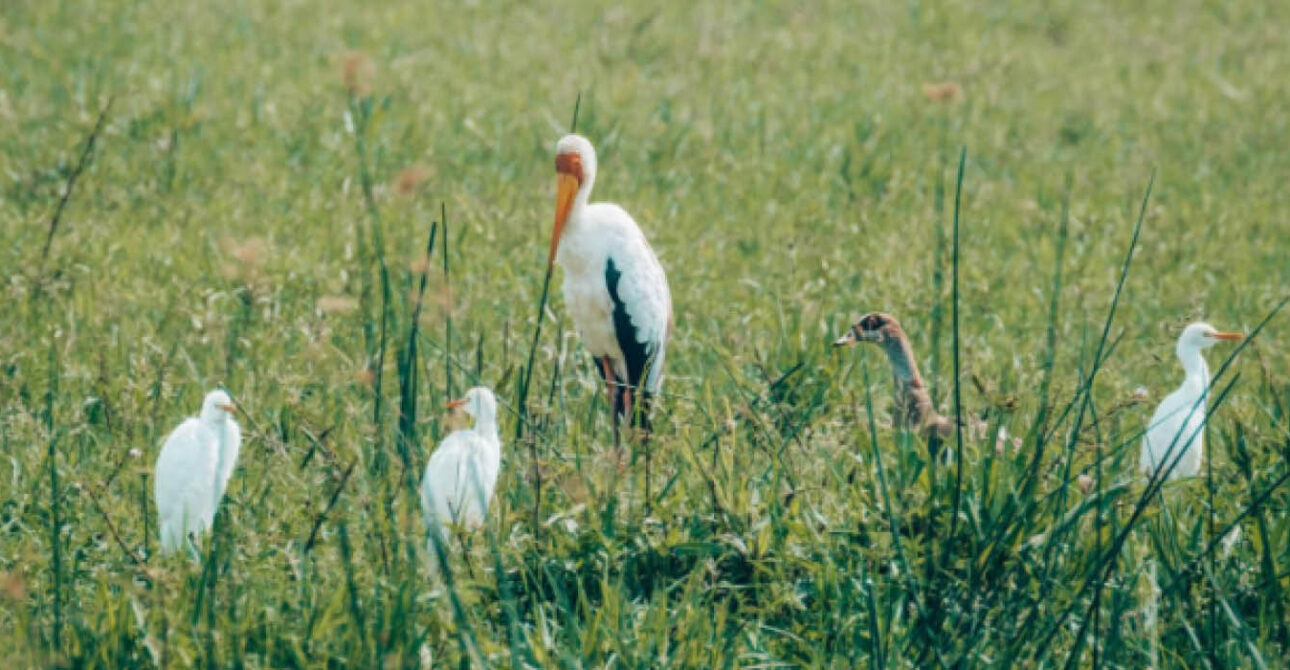
Uganda’s main birding destinations in Uganda are spread across different regions and habitats, from the wetlands of Lake Victoria to western Uganda’s forests and the northern savannah landscapes. Each destination offers a different combination of habitats, bird species and wider safari experiences.
The right destination depends on what a traveller wants to see and how much time is available. A short birding trip can focus on accessible wetlands and nearby forest habitats, while a longer Uganda birding safari can connect several destinations across the country. Travellers interested in specialist forest birds may prioritise western Uganda, while those looking for a combination of birds and large mammals can include major savannah parks.
Mabamba Swamp
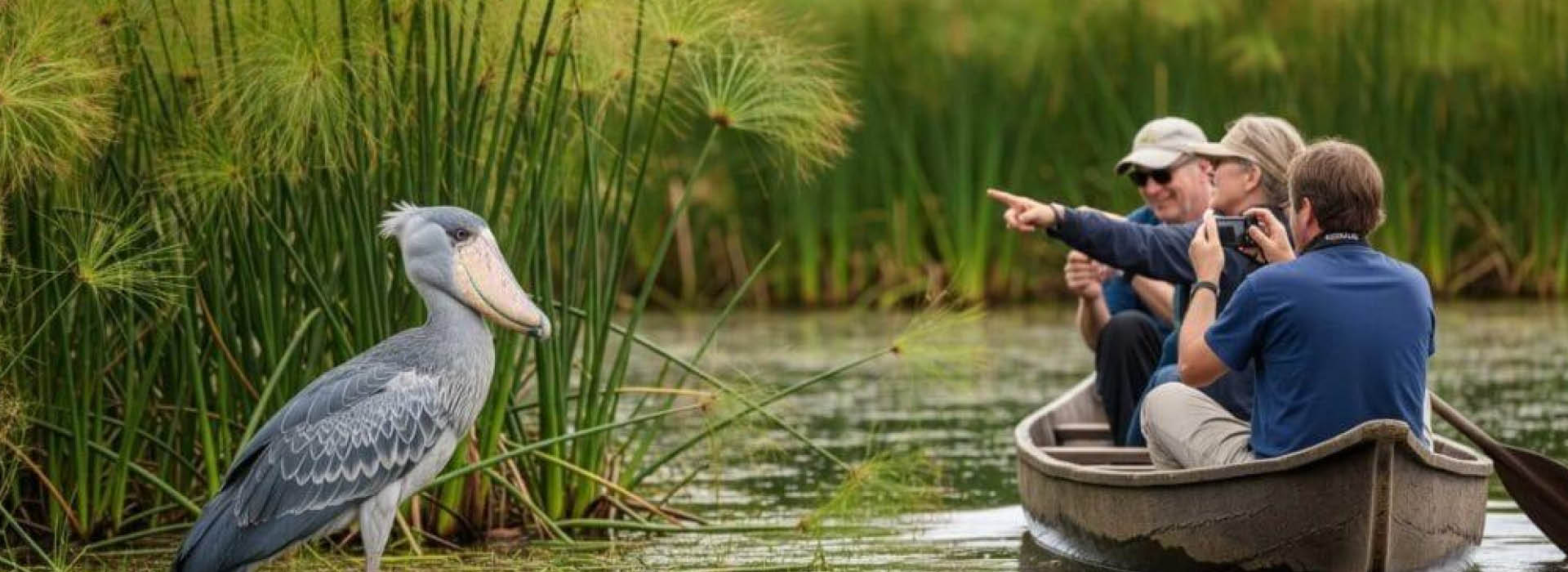
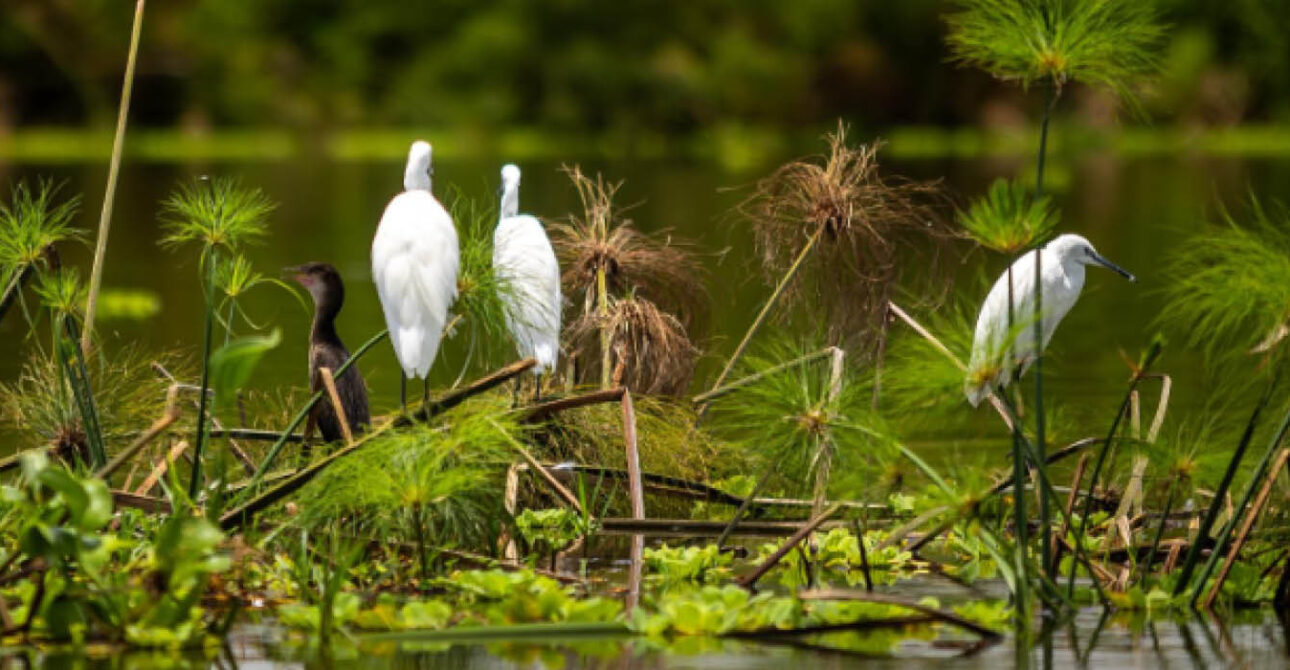
Mabamba Swamp, on the shores of Lake Victoria west of Entebbe, is one of Uganda’s most accessible wetland birding destinations. Its network of channels, papyrus and open wetland habitat makes it particularly known for opportunities to search for the Shoebill and other water-associated birds.
The experience is commonly conducted by canoe, allowing visitors to move quietly through the wetland while searching the vegetation and open channels. Mabamba is especially useful for travellers with limited time because it can be incorporated into an itinerary around Entebbe or Kampala without requiring a long journey into the country.
For travellers beginning or ending a Uganda birding trip near Entebbe, Mabamba can provide an effective introduction to Uganda’s wetland birding.
Bwindi Impenetrable National Park
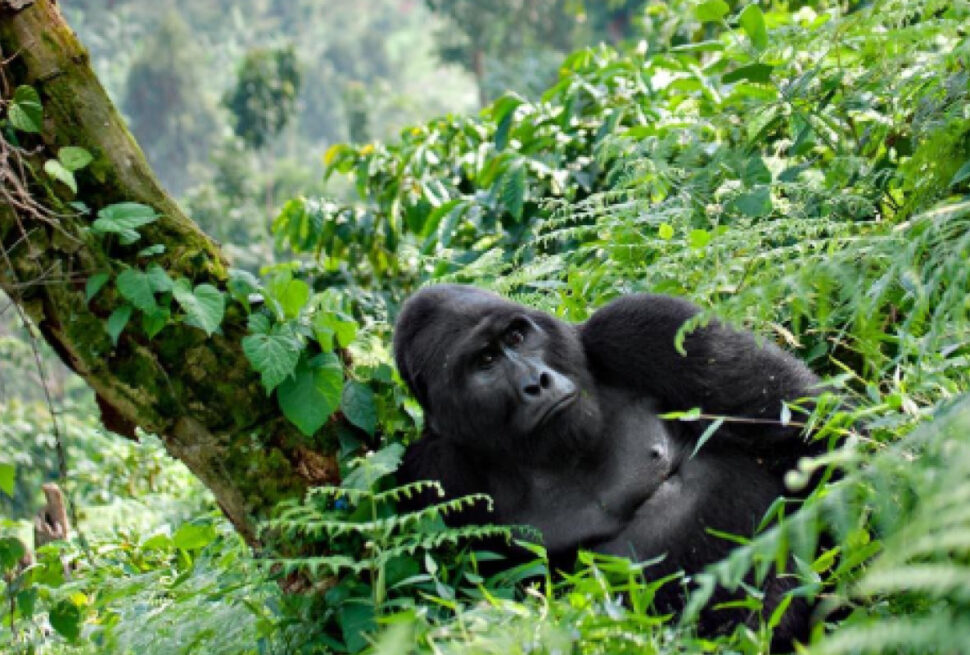
Bwindi is one of Uganda’s most important forest destinations for specialist birding. Its dense montane forest forms part of the Albertine Rift and supports a range of forest species, including birds that are difficult to encounter in Uganda’s open landscapes.
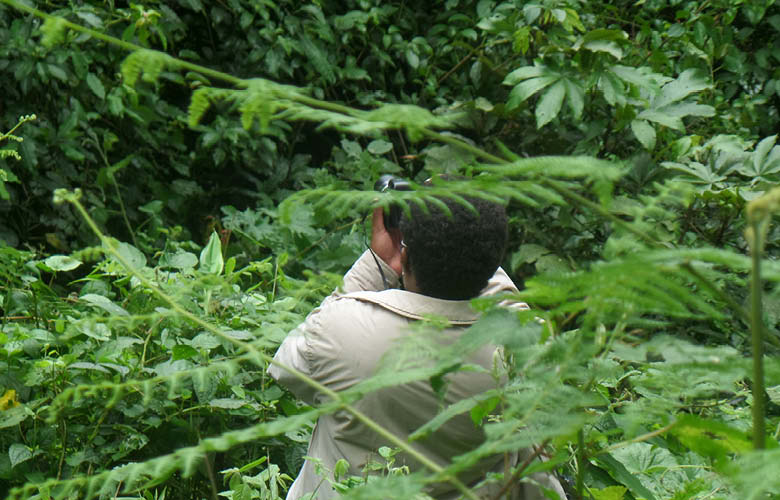
Birding in Bwindi requires patience because much of the forest is dense and birds may be heard before they are seen. Specialist guides can help locate birds by their calls and movements through different layers of the forest.
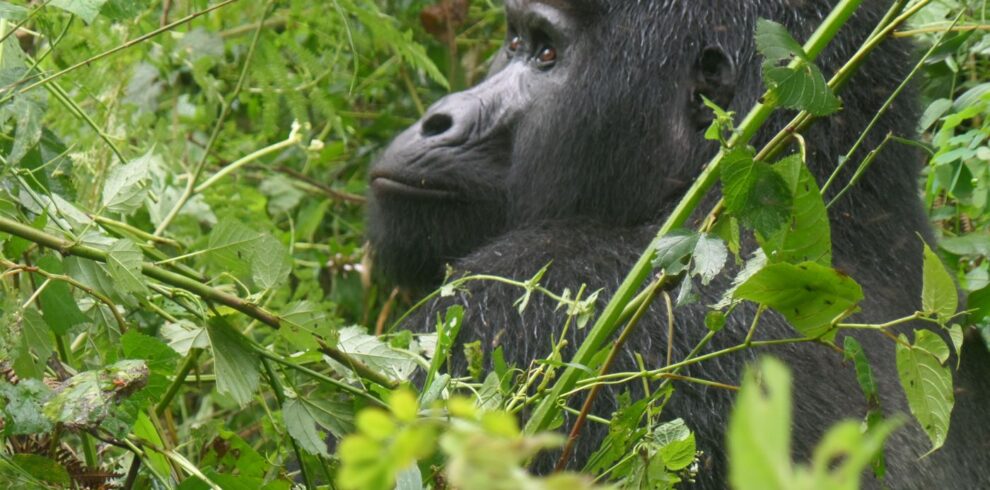
Bwindi is also important for travellers combining birding with other experiences. A Uganda birding safari can incorporate forest birding alongside gorilla trekking, creating a multi-interest itinerary centred on the same forest environment.
Kibale Forest National Park
Kibale is best known for its primate diversity, but its forest environment also makes it an important destination for forest birding in Uganda. The combination of mature forest, woodland edges, wetlands and surrounding agricultural landscapes creates varied opportunities for bird observation.
Birding around Kibale can complement chimpanzee tracking and other forest experiences. The nearby Bigodi area is also associated with community-based nature experiences where birding can be combined with exploration of wetland and forest-edge habitats.
For travellers interested in both birds and primates, Kibale can therefore form an important part of a western Uganda itinerary without requiring birding to be treated as a separate journey.
Murchison Falls National Park
Murchison Falls National Park offers a very different birding environment from Uganda’s western forests. Its broad savannahs, woodlands, riverine habitats and wetlands create opportunities to observe birds across open and semi-open landscapes.
Birding can take place during game drives, around water and along routes through woodland and grassland. The Nile and surrounding habitats add another dimension, with water-associated birds complementing the species found in the savannah.
Murchison Falls is particularly suitable for travellers who want to combine Uganda birding with a conventional wildlife safari. Birding can be incorporated into game drives and boat experiences while the wider itinerary focuses on the park’s landscapes and wildlife.
Queen Elizabeth National Park
Queen Elizabeth National Park contains a mixture of savannah, woodland, wetlands, lakeshores and other habitats that make it a productive destination for both birding and wildlife viewing. Its position in western Uganda also allows it to connect naturally with forest destinations farther south and north.
Birding opportunities can arise during game drives, around the Kazinga Channel and within wetland and woodland environments. The variety of habitats means that the park can contribute different birding experiences within the same safari.
For travellers planning a broader Uganda birding safari, Queen Elizabeth can also serve as a link between wildlife-focused areas and the forests of the Albertine Rift.
Semuliki National Park
Semuliki provides a distinctive forest birding experience in western Uganda. Its lowland tropical forest environment differs from the montane forests of Bwindi and Mgahinga, making it valuable for travellers seeking greater habitat diversity within a birding itinerary.
The forest contains species associated with the Congo Basin and Central African ecological zone, giving Semuliki particular interest for specialist birders. Birding here is primarily a forest experience, with patience and good listening skills important when searching through dense vegetation.
For a comprehensive Uganda birding guide, Semuliki is important because it demonstrates why birding routes should be designed around habitats rather than simply the number of national parks visited.
Lake Mburo National Park
Lake Mburo provides a combination of savannah, woodland, wetlands and lakeshore habitats in southwestern Uganda. Its relatively accessible location makes it useful for shorter safaris and itineraries connecting Kampala with western Uganda.
The park’s open landscapes allow birders to observe a range of species associated with grassland, woodland and wetland environments. Birding can also be incorporated naturally into game drives and other wildlife activities.
For travellers with limited time, Lake Mburo can contribute both birding and wildlife experiences without requiring the longer travel distances associated with some of Uganda’s more remote destinations.
Kidepo Valley National Park
Kidepo Valley National Park offers a remote northern Uganda birding experience characterised by expansive savannah, mountains, valleys and dry-country habitats. Its location and landscape give it a different ecological character from the forest and wetland destinations of western Uganda.
Birding in Kidepo can be combined with game drives and exploration of the park’s distinctive landscapes. The open terrain can also make some birds easier to observe than in dense forest, while the diversity of habitats around the valleys and mountains adds variety.
Kidepo is particularly suited to travellers planning a longer Uganda birding safari who want to include remote northern landscapes alongside Uganda’s western birding destinations.
Mgahinga Gorilla National Park
Mgahinga Gorilla National Park occupies part of the Virunga volcanic landscape in southwestern Uganda. Its montane forest and high-altitude environments make it relevant to travellers interested in Albertine Rift birding in Uganda.
Birding here involves forest habitats and mountain terrain, so conditions can be different from those experienced in wetlands and lowland savannahs. The elevation and vegetation create opportunities to search for specialised species associated with the Albertine Rift.
Mgahinga also allows birding to be combined with other mountain and forest experiences, including gorilla trekking and golden monkey tracking. It can therefore contribute both specialist birding and broader nature experiences to a western Uganda itinerary.
Budongo Forest
Budongo Forest, within the greater Murchison Falls conservation landscape, provides an important forest component within a predominantly savannah-focused safari region. Its mature forest habitat supports bird species that may not be encountered during open-country game drives.
Birding in Budongo is a forest experience, requiring attention to calls, canopy movement and activity within the different vegetation layers. The forest can therefore complement birding in Murchison Falls by adding a substantially different habitat to the same wider safari region.
For travellers building a multi-habitat Uganda birding itinerary, combining Budongo with Murchison Falls can create a useful contrast between forest and savannah birding without requiring a completely separate regional journey.
Which Birds Can You See?
What Are the Specialist Birding Experiences?
Specialist birding in Uganda can be organised around a particular bird, habitat, region or photographic objective. Instead of attempting to cover every type of birding in one journey, travellers can build an itinerary around the experiences that match their interests.
This approach is especially useful for experienced birders with target species, photographers requiring suitable conditions, or travellers who want to combine birding with wildlife, primates and other safari activities.
Shoebill Tracking
Shoebill tracking in Uganda is a specialist wetland experience focused on finding and observing one of the country’s most distinctive birds. Mabamba Swamp is particularly associated with Shoebill experiences, while other suitable wetlands can be incorporated into wider itineraries.
The experience requires patience because sightings are not guaranteed. Travellers should follow the guidance of local or specialist guides, maintain an appropriate distance and avoid actions that could disturb the bird or its habitat.
For more detailed information about the activity itself, travellers can explore Shoebill Tracking in Uganda as the dedicated specialist page.
Forest Birding
Forest birding in Uganda focuses on species associated with forest ecosystems and can be particularly rewarding in the country’s western and southwestern forests. The experience may involve walking trails, listening for calls and carefully scanning different levels of the forest.
A specialist guide can help identify birds that are difficult to locate visually and can adjust the pace of the experience according to bird activity. Forest birding can also be combined with chimpanzee tracking, gorilla trekking and other forest-based experiences.
Wetland Birding
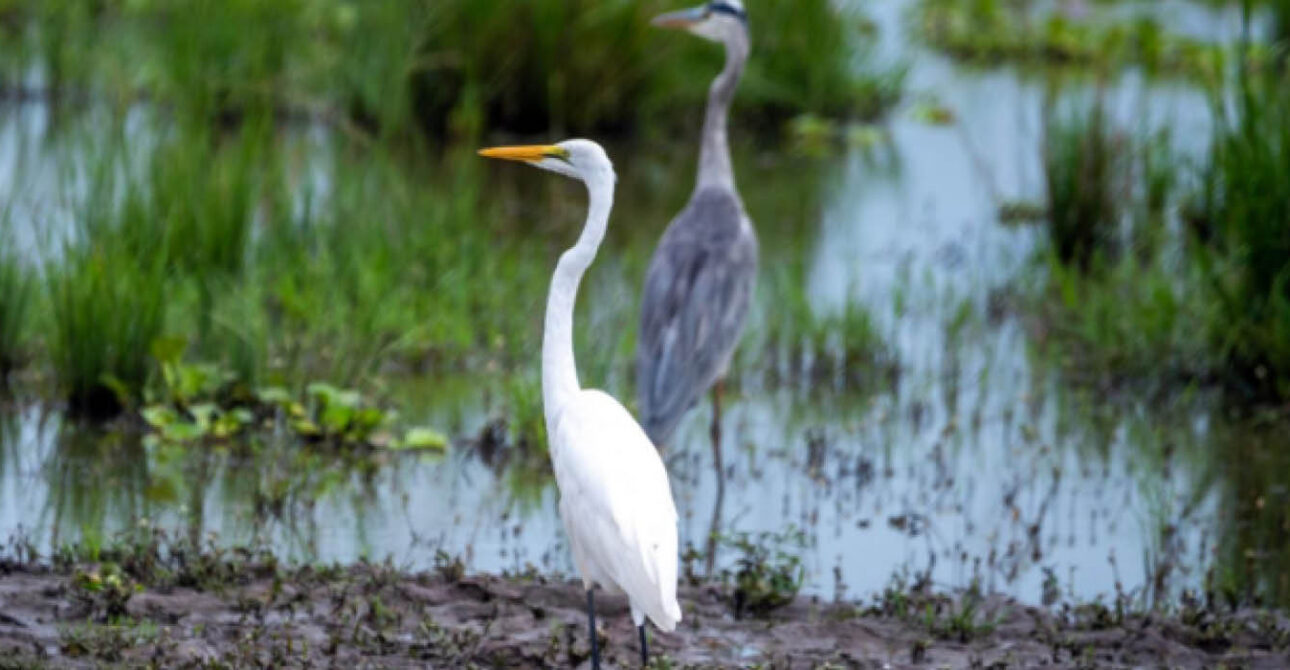
Wetland birding in Uganda focuses on the country’s swamps, marshes, lakeshores and other water-associated habitats. It can involve walking, canoeing or boating, depending on the location and conditions.
Wetlands are particularly important for waterbirds and provide some of Uganda’s most suitable environments for searching for the Shoebill. They can also be productive for photographers because open water and vegetation can sometimes provide clearer views than dense forest.
Responsible observation is essential in these sensitive environments. Travellers should follow established routes and guide instructions while avoiding unnecessary disturbance to birds and wetland vegetation.
Albertine Rift Birding
Albertine Rift birding in Uganda focuses on the forest and montane environments of southwestern Uganda. The region is important for birders interested in species with restricted ranges and adds a specialist dimension to a wider Uganda itinerary.
This type of birding generally benefits from careful route planning and specialist guiding. Travellers may need to spend sufficient time in suitable forest habitats rather than moving quickly between destinations. The experience can also be combined with gorilla trekking, golden monkey tracking and other mountain or forest activities.
Bird Photography
Bird photography in Uganda can be incorporated into almost any type of birding itinerary, but the requirements differ according to the habitat and photographic objective. Wetlands and open landscapes can provide different opportunities from dense forests, where light, distance and vegetation can make photography more challenging.
Photographers should allow sufficient time for patient observation rather than treating birding as a rapid sequence of sightings. Appropriate lenses, binoculars, weather protection and comfortable field clothing can all contribute to the experience.
Responsible photography is equally important. Birds should not be pursued, cornered or deliberately disturbed for a photograph. A good Uganda birding safari allows photographers to work within appropriate distances while keeping the welfare of birds and the protection of their habitats central to the experience.
What Is the Best Time for Birding in Uganda?
Do You Need a Specialist Birding Guide?
A specialist guide can make birding in Uganda more productive, particularly when you are looking for specific species or learning to identify birds by their calls, behaviour and habitat. A knowledgeable guide can select suitable trails, locate birds in dense vegetation and adjust the pace according to bird activity. The level of specialist support should reflect your interests, experience and the type of birding safari you are planning.
What Equipment Should You Take?
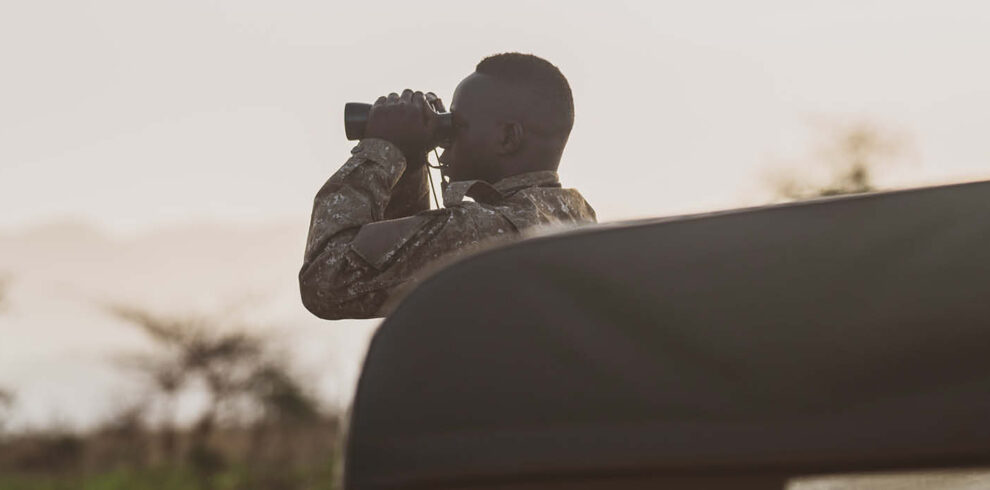
Binoculars are the most important item for general birding in Uganda, allowing you to observe birds without approaching them closely. Bird photographers may also need a camera with a suitable telephoto lens, while a field guide or digital identification resource can assist with unfamiliar species. Carry water, sun and insect protection, a daypack and weather protection appropriate to the habitats on your route.
What Should You Wear?
Choose comfortable, breathable clothing suited to the habitat and expected weather. Long trousers and sleeves can provide useful protection during walks, while neutral or subdued colours are practical for birding. Comfortable walking shoes and a lightweight rain jacket are useful, particularly for forest and wetland routes. Higher-elevation destinations may require warmer layers.
How Do You Build a Birding Itinerary in Uganda?
Begin with your target birds, habitats and experiences, then select destinations that support those interests. Consider geography and travel time so that the itinerary leaves enough time for actual birding rather than long transfers. A route combining wetlands, forest and savannah can provide greater habitat diversity, while specialist birders may concentrate on a particular ecological region. Allow flexibility for weather, road conditions and bird activity.
Can Birding Be Combined With Other Safaris?
Yes. Birding can be integrated naturally into many types of Uganda safari. Because birds occur throughout wetlands, forests, savannahs and other landscapes, birding does not always require a completely separate itinerary.
Birding and Gorilla Trekking
Travellers visiting Bwindi or Mgahinga can combine forest birding with gorilla trekking and other mountain experiences. This creates an opportunity to explore the forest from different perspectives while making better use of time in southwestern Uganda.
Birding and Chimpanzee Tracking
Kibale provides a natural combination of birding and chimpanzee tracking. Forest birding can be scheduled alongside primate experiences, allowing travellers to explore the same broader ecosystem through different activities.
Birding and Wildlife Viewing
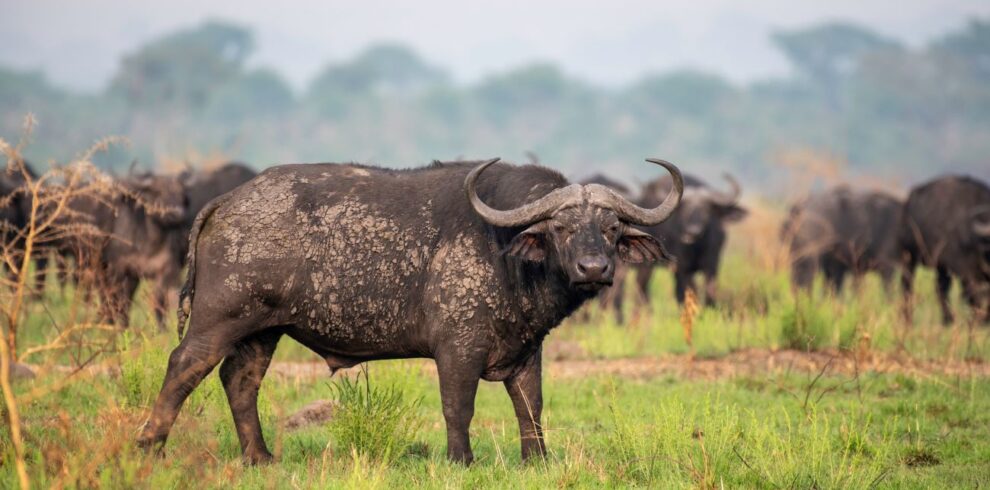
Savannah destinations such as Murchison Falls, Queen Elizabeth and Lake Mburo allow birding to be incorporated into game drives and other wildlife viewing activities. Birds can be observed around grasslands, woodland, water sources and riverine habitats during a wider safari.
Birding and Nature Experiences
Birding can also be combined with forest walks, nature walks, hiking and other outdoor experiences. This approach is particularly useful for travellers who want a varied itinerary rather than a safari dedicated exclusively to birds.
How Do You Choose Destinations?
Choosing birding destinations in Uganda should begin with the type of experience you want rather than the number of places you can fit into an itinerary. The strongest itineraries usually combine complementary habitats rather than trying to visit every major birding destination in Uganda. Uganda offers a wide range of wetlands, forests, savannah, woodland and montane habitats, so the right route depends on your target birds, available time and preferred experiences.
Geography is also important. Travelling between distant regions can take a significant part of a safari day, especially when several specialist birding locations are included. A well-planned Uganda birding itinerary should therefore group destinations logically and leave enough time for actual birding. It is also useful to consider how much specialist birding you want alongside other safari interests.
Dedicated birders may prefer longer stays in fewer habitats, while first-time visitors may want to combine birding with primates, wildlife, landscapes or cultural experiences. A practical route starts with three questions: What do you want to see? Where is it found? How much time do you have? These provide a clear foundation for building a rewarding Uganda birding safari.
Short Entebbe Birding Experience
A short birding experience around Entebbe suits travellers with limited time or those beginning or ending a wider Uganda journey in the area. The Lake Victoria environment provides access to wetland and lakeshore habitats without requiring a long journey into the country. Mabamba Swamp can form the centre of a short specialist experience, particularly for travellers interested in the Shoebill.
The wetland can be explored by canoe, providing opportunities to move through channels and vegetation while searching for birds. This itinerary works well as an introduction to birding in Uganda or as an addition to a longer safari. It can also suit travellers with a spare day before a flight or before continuing to another region.
Western Uganda Forest Route
A western Uganda forest route is suited to travellers whose main interest is forest birding in Uganda. Depending on available time and birding objectives, the route can connect destinations such as Kibale, Bwindi, Mgahinga, Semuliki and Budongo. The value of this route lies in habitat diversity as much as the number of forests visited.
Different forest environments support different bird communities, while some locations provide opportunities to search for species associated with the Albertine Rift. Forest birding often requires patient searching and early starts, so the itinerary should allow sufficient time at each location. Trying to include too many forests in a short journey can reduce the time available on the trails.
Birding and Primate Route
A birding and primate route combines specialist birding with Uganda’s major primate experiences. This approach can be particularly effective in western Uganda, where forest habitats provide opportunities for both activities. Kibale can combine birding with chimpanzee tracking, while Bwindi and Mgahinga provide opportunities to combine forest birding with gorilla trekking and other mountain experiences.
The route therefore suits travellers looking for a varied safari rather than a journey dedicated exclusively to birds. Dedicated birding time should still be protected. Early-morning forest sessions can be planned separately from primate activities, allowing travellers to experience the forest without trying to fit every activity into the same short period.
Comprehensive Birding Circuit
A comprehensive Uganda birding safari can connect several major habitats and regions for travellers with sufficient time. Rather than concentrating on one ecosystem, the route can incorporate wetlands, forests, savannah and Albertine Rift birding environments. A circuit might begin around Entebbe and the Lake Victoria wetlands, continue towards western Uganda’s forests and then incorporate selected savannah destinations.
The sequence should be guided by the traveller’s target species and the habitats most relevant to the trip. A longer circuit also provides greater flexibility to allocate time to specialist birding locations while allowing for travel between regions. The objective is not to visit every major destination, but to create a coherent journey in which each habitat adds something meaningful to the overall birding itinerary in Uganda.
Birding + Wildlife Safari
Birding can be incorporated into a conventional wildlife safari without turning the entire itinerary into a specialist birding expedition. Destinations such as Murchison Falls, Queen Elizabeth and Lake Mburo provide opportunities to observe birds during game drives, around water and within woodland and grassland habitats. This approach works particularly well for travellers who want to experience Uganda’s mammals while also exploring its birdlife.
Game drives can include deliberate birding stops, while boat experiences can provide additional opportunities to observe water-associated species. A Uganda birding safari combined with wildlife viewing can therefore create a balanced itinerary for couples, families or private groups with different interests. Dedicated birding sessions can be incorporated where appropriate while wildlife and other safari experiences remain part of the wider journey.
How Many Days Do You Need for a Uganda Birding Safari?
The number of days needed for a Uganda birding safari depends on the habitats, destinations and bird species a traveller wants to experience. A short trip can focus on one or two accessible areas, while a longer itinerary can connect wetlands, forests, savannah and Albertine Rift habitats across different regions.
A focused birding trip of several days can be designed around a particular objective, such as Shoebill tracking, forest birding or bird photography. Travellers with more time can build a multi-region itinerary that includes several major birding destinations in Uganda and allows sufficient time at each location.
Longer trips are particularly useful for specialist birders with target species because moving between regions takes time. Allowing additional days also creates flexibility for weather, trail conditions and unexpected sightings. Rather than trying to visit as many locations as possible, a good itinerary should allow enough time to experience each habitat properly.
How Can You Practise Responsible Birding?
Responsible birding in Uganda begins with respecting birds, their habitats and the communities around the places where birding takes place. In protected areas, follow the instructions of your guide and park authorities, maintain an appropriate distance from birds and avoid loud or sudden movements that could cause unnecessary disturbance. Uganda Wildlife Authority provides information on Uganda’s protected areas and conservation responsibilities.
Birders should remain on appropriate trails and routes, particularly in forests, wetlands and protected areas. Avoid damaging vegetation, disturbing nests or handling birds unless this forms part of an authorised conservation activity. Take all waste with you and avoid leaving anything behind in sensitive habitats. NatureUganda works on the conservation of birds, important sites and habitats across Uganda, including wetland and community-based conservation initiatives.
Photography should also be carried out responsibly. Do not approach, chase or corner birds simply to obtain a closer photograph. Excessive use of playback or repeated attempts to attract a bird can interfere with natural behaviour, so specialist guidance is important when photographing sensitive species. BirdLife International similarly recommends minimising disturbance, avoiding nests and staying on roads or paths where possible.
Choosing experienced guides and locally based services can help connect tourism with conservation and community livelihoods. A responsible Uganda birding safari should leave the habitats and communities visited with their value and integrity respected.
Frequently Asked Questions About Birding in Uganda
Yes. Uganda offers a wide range of birding habitats, including wetlands, forests, savannahs, woodlands and montane environments. This diversity allows travellers to experience different bird communities within the same country and to combine birding with wildlife, primate and nature experiences.
Uganda has more than 1,000 recorded bird species. The exact number can vary according to the checklist and taxonomic system used. The country’s main advantage for travellers is the diversity of habitats supporting different bird communities.
Birding can be enjoyed throughout the year. Drier periods can make travel and access easier, while wetter periods can provide different conditions and opportunities, including the presence of migratory birds. The most suitable timing depends on the destinations and species being targeted.
Mabamba Swamp is one of Uganda’s best-known locations for a Shoebill experience. Other suitable wetland areas can also be incorporated into specialist itineraries. Sightings are not guaranteed, so patience, appropriate timing and experienced local guiding are important.
Important forest birding destinations include Bwindi, Kibale, Semuliki, Mgahinga and Budongo. Each has different ecological characteristics, so the most suitable forest depends on the species, habitats and wider experiences a traveller wants to include.
Yes. Birding can be combined with gorilla trekking in destinations such as Bwindi and Mgahinga. Travellers can allocate dedicated time for forest birding before or after trekking, creating a broader forest experience without requiring a separate safari.
The required time depends on the purpose of the trip. A short itinerary can focus on one or two accessible destinations, while specialist birders may need a longer journey to cover several habitats and regions. More time also allows greater flexibility for birding.
A specialist guide is particularly useful for travellers interested in identifying many species or searching for specific birds. Guides can help interpret calls, locate birds in dense vegetation and select appropriate routes. Casual birding during a wildlife safari may require less specialised guiding.
Yes. Uganda offers wetlands, forests, savannahs and other environments with different photographic opportunities. Photographers should allow sufficient time for patient observation and use appropriate equipment. Responsible photography is important, particularly when photographing sensitive species or birds in fragile habitats.
Explore Birding Experiences in Uganda
Bird Watching in Uganda
Explore the broader bird watching in Uganda experience, including birding environments, practical planning and the country’s varied birdlife.
Shoebill Tracking in Uganda
Discover the specialist Shoebill tracking in Uganda experience, including where to look for the Shoebill, what the experience involves and how to plan it responsibly.
Birding Safaris in Uganda and Rwanda
Explore the wider collection of birding experiences in Uganda and Rwanda, including opportunities to combine specialist birding with wildlife, primates, nature and other safari experiences.
Birding Safaris
Ready to turn your birding interests into a planned safari? Explore Njagi Safaris’ birding safari packages for itineraries designed around Uganda and Rwanda’s diverse habitats, birdlife and wider safari experiences.
Explore More Wildlife and Nature Experiences
Why Choose Njagi Safaris for Your Birding Safari?
Start Planning Your Birding Safari