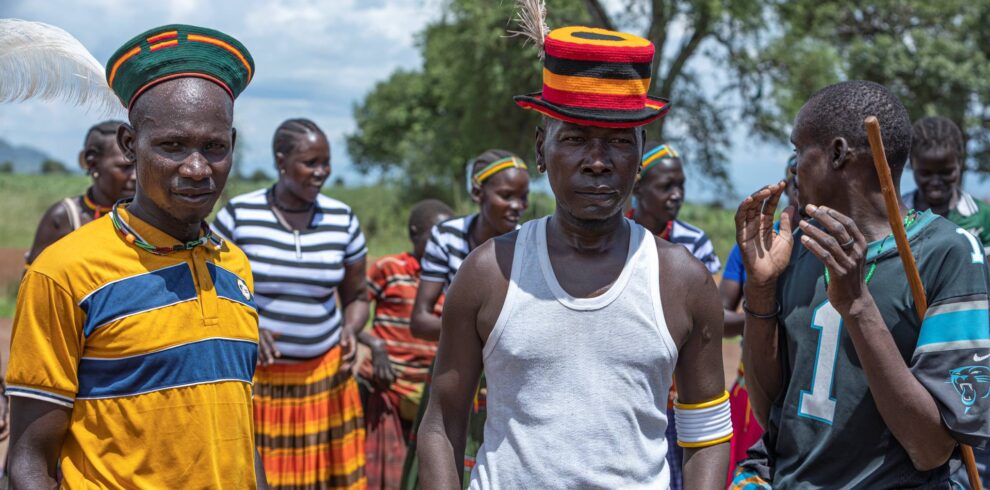
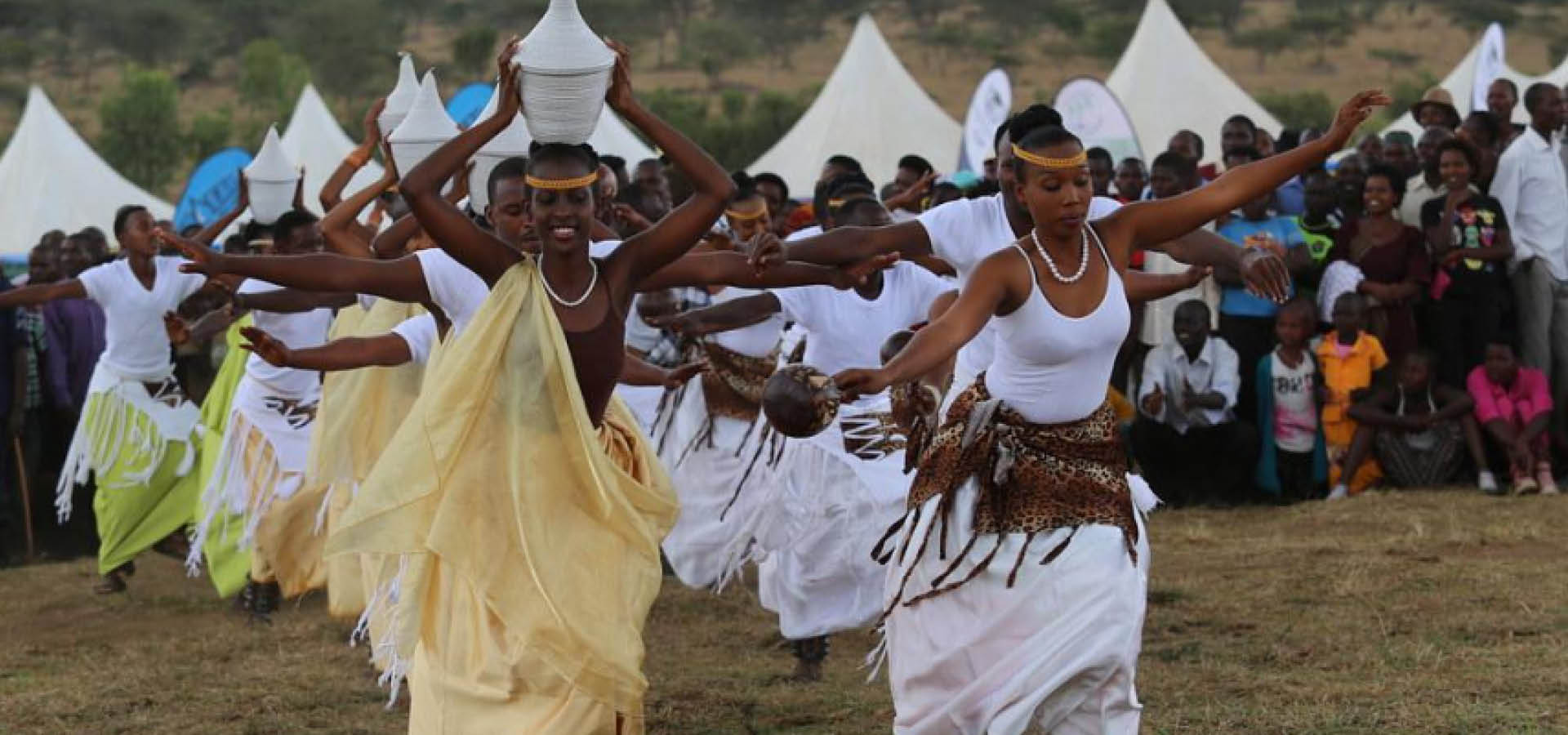
Culture and Heritage in Uganda and Rwanda are expressed through the traditions, knowledge, communities, languages, music, crafts, food, stories and historical places that shape life across both countries. While Uganda and Rwanda are well known for their wildlife, landscapes and national parks, their cultural character is equally connected to the people and communities who live within these environments.
Culture is not limited to a performance, monument or organised visitor activity. It is lived through everyday practices, passed between generations and continually shaped by contemporary life.
For travellers, exploring this heritage provides another way to understand Uganda and Rwanda through their people, traditions, histories, local skills and the relationship between communities and the landscapes around them.
What Does Culture and Heritage Mean in Uganda and Rwanda?
Uganda’s Cultural Heritage: Diversity, Traditions and Living Knowledge
Rwanda’s Cultural Heritage: Identity, Expression and Living Traditions
Culture Is More Than a Tourist Attraction
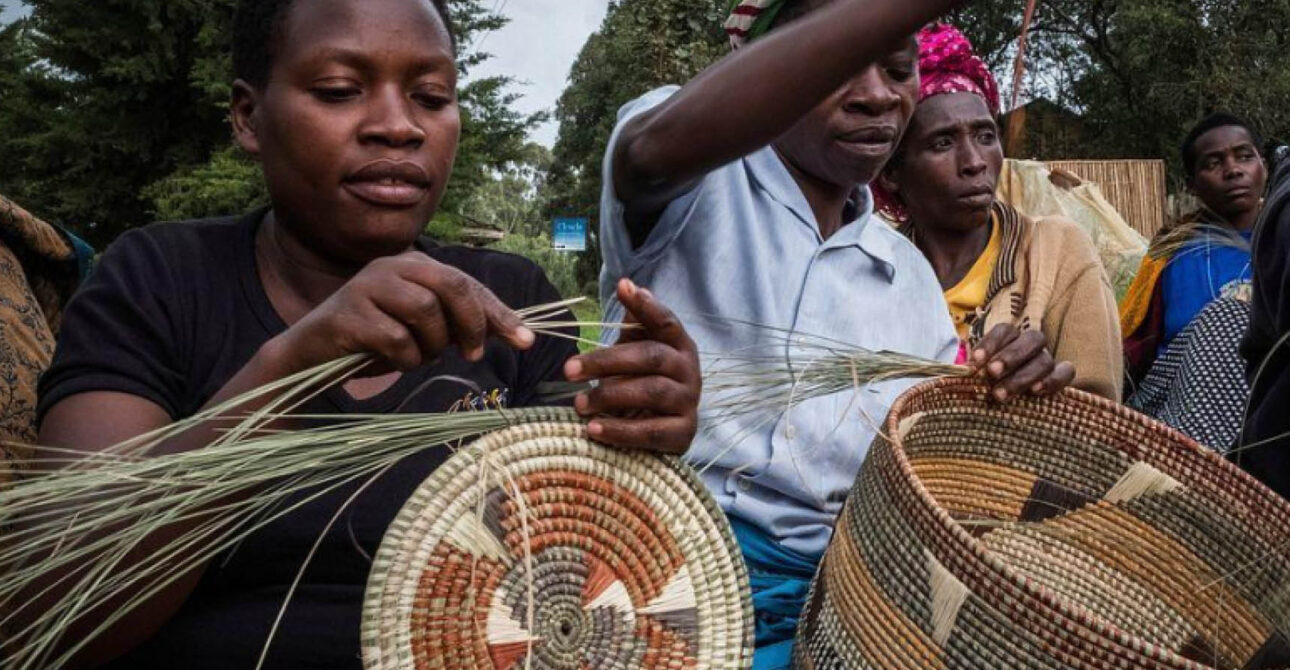
Communities Are at the Centre of Cultural Heritage
Traditional Livelihoods Are Part of Cultural Heritage
Music, Dance, Stories and Craft Keep Heritage Visible
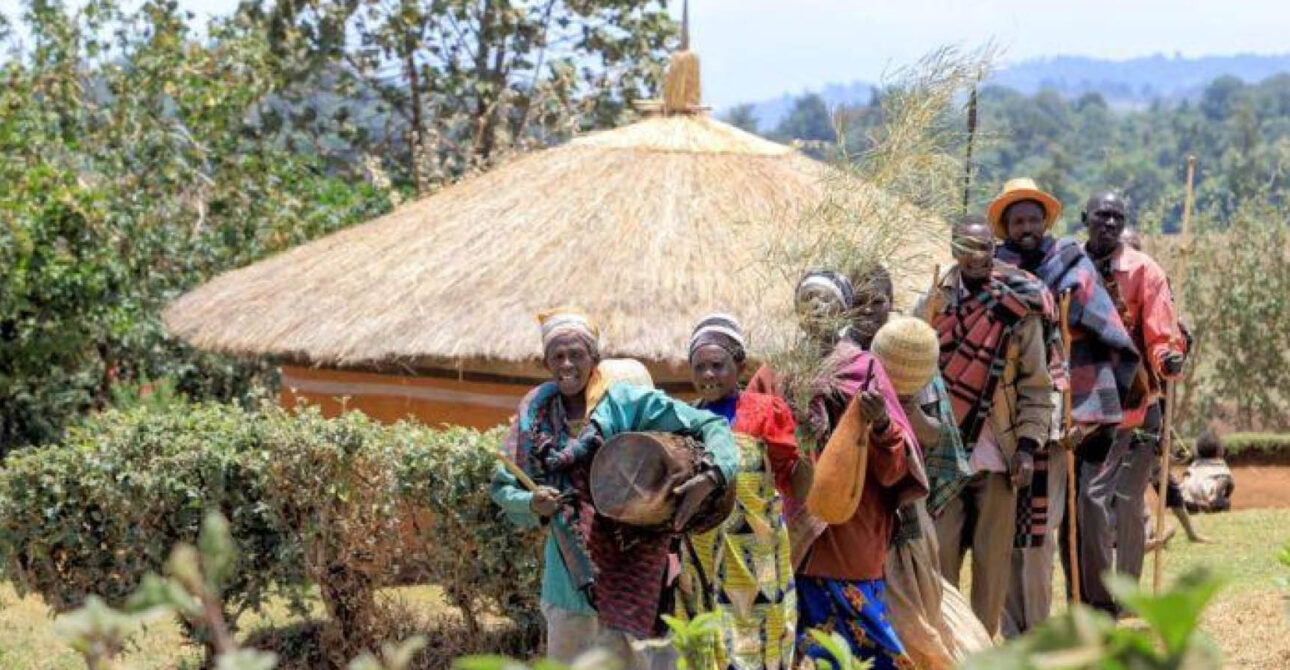
Music and Dance as Expressions of Cultural Identity
Traditional Crafts Preserve Skills and Creativity
Food and Everyday Cultural Life
Cultural Landscapes Connect People, Heritage and Place
Historical Heritage and Cultural Identity
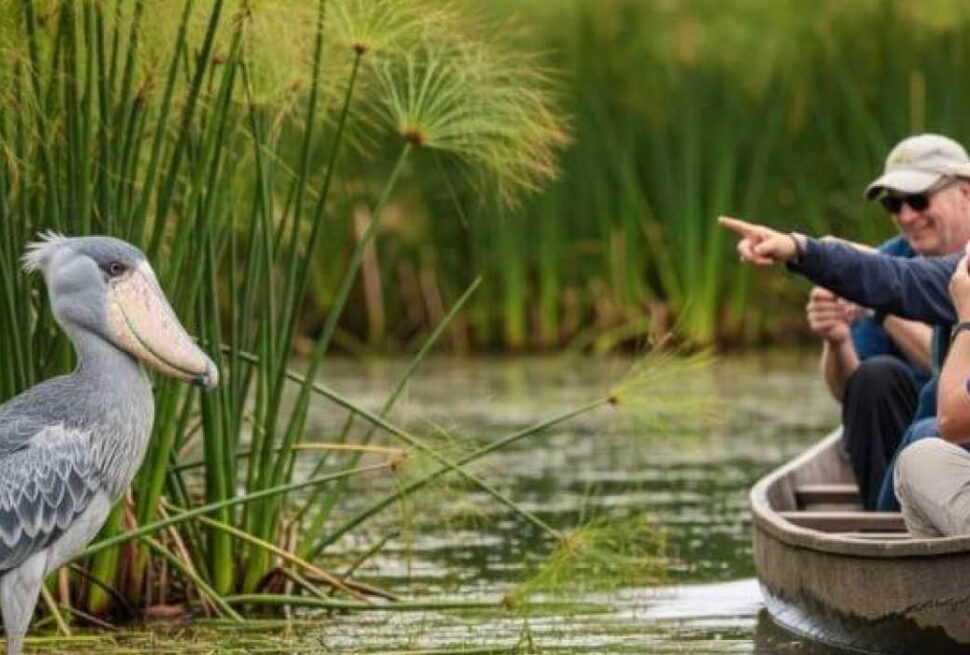
Culture and Nature Are Part of the Same Journey
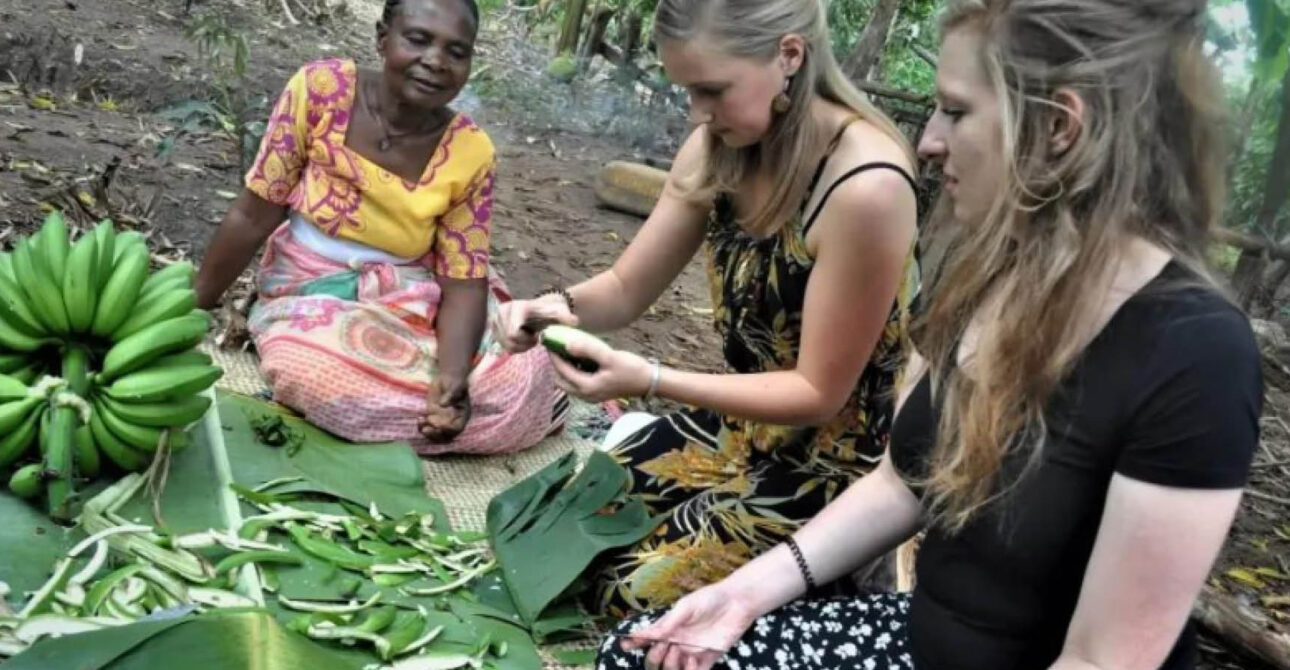
Support Local Skills and Community Livelihoods
Appreciate Traditional Knowledge Without Appropriating It
How to Prepare for a Cultural Experience
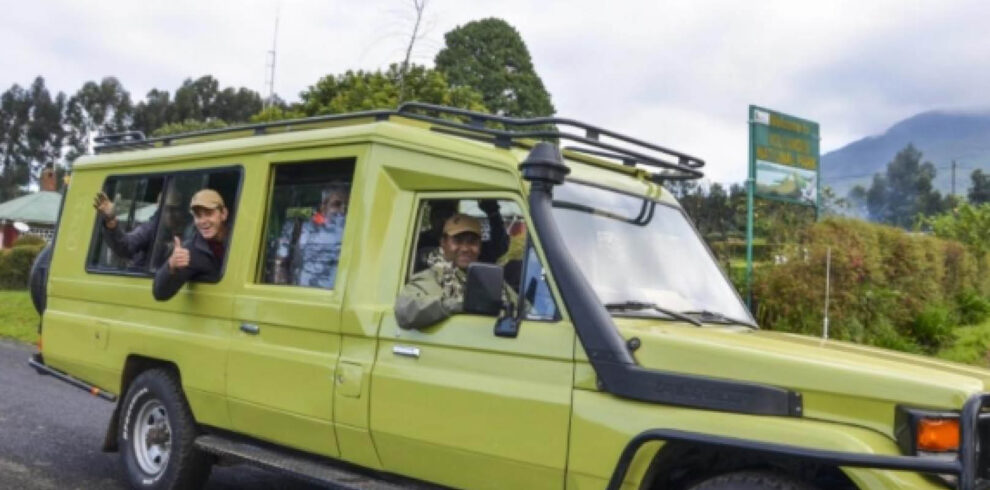
How Culture Can Complement a Uganda or Rwanda Safari
A Deeper Way to Experience Uganda and Rwanda
FAQs About Culture and Heritage in Uganda and Rwanda
Uganda has a diverse cultural landscape shaped by many communities, regional traditions and historical institutions. Cultural expression can include music, dance, storytelling, crafts, food, ceremonies, traditional knowledge and community practices. Experiences vary considerably between regions, so there is no single tradition that represents all of Uganda.
Rwanda’s culture includes traditional music and dance, crafts, storytelling, food, historical heritage and community traditions. Cultural practices can vary according to context and location, while some traditions continue to be maintained and adapted within contemporary life. Travellers can explore this heritage through cultural sites, community encounters and organised cultural activities.
Cultural traditions include music, dance, storytelling, crafts, food preparation, traditional knowledge, community practices and forms of livelihood. Uganda and Rwanda each have their own cultural histories and regional variations. Travellers can encounter these traditions through community visits, cultural performances, craft activities, heritage sites and other locally organised experiences.
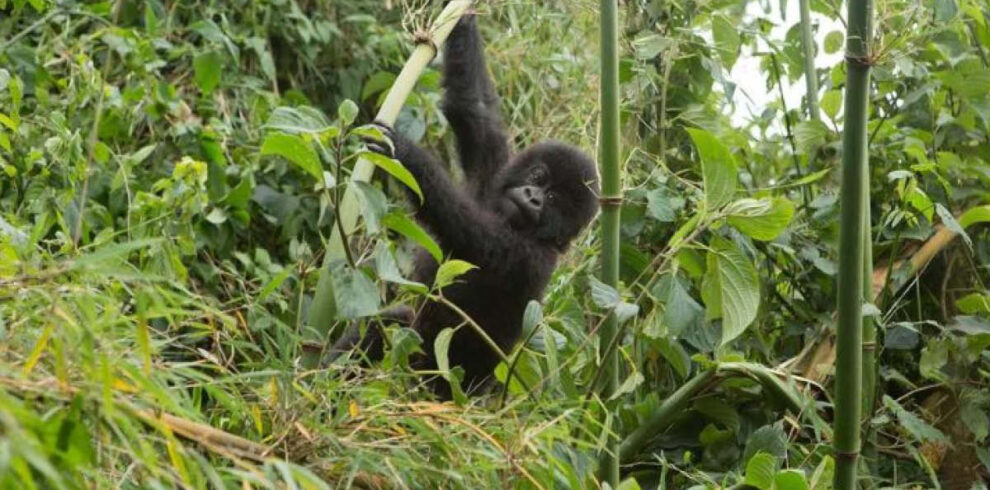
Yes. Cultural experiences can complement wildlife, primate, birding, nature and scenic activities in Uganda. Depending on the route, travellers can combine community experiences with Gorilla Trekking, Chimpanzee Tracking, wildlife viewing or other activities. The practical combination depends on available time, destinations and the interests of the traveller.
Yes. Cultural activities can form part of a broader Rwanda itinerary alongside Gorilla Trekking, wildlife viewing, hiking, scenic travel and community experiences. The combination depends on the destinations included and the time available. Cultural activities can provide a different perspective on Rwanda alongside its natural and wildlife attractions.
Many cultural experiences can be suitable for families, particularly activities involving crafts, music, community visits and learning about local life. The most appropriate experience depends on the children’s ages, interests, walking requirements and the programme available. Families should discuss these considerations when planning the cultural elements of their safari.
Explore Cultural Experiences Across Uganda and Rwanda
The culture and heritage in Uganda and Rwanda can be explored through different types of community and cultural encounters. Each experience provides a different perspective rather than attempting to represent an entire culture.
For travellers interested in exploring the subject further, Njagi Safaris has developed a dedicated collection of cultural experiences covering community life, traditional knowledge, music, dance and craftsmanship.
Culture Safaris in Uganda and Rwanda: Explore the wider Culture Safaris in Uganda and Rwanda collection to understand how cultural experiences can form part of a private safari itinerary.
Cultural Experiences in Uganda and Rwanda: Our Cultural Experiences in Uganda and Rwanda collection brings together individual experiences that can be incorporated into a wider journey.
Karamoja Experience in Uganda: Learn about Karamojong community life, pastoral heritage, traditional practices, crafts and cultural expression through a Karamoja Experience in Uganda.
Batwa Experience in Uganda: Explore Batwa heritage, traditional forest knowledge, cultural expression and community life through a Batwa Experience in Uganda.
Traditional Dance in Uganda and Rwanda: Discover music, drumming, movement and cultural expression through Traditional Dance in Uganda and Rwanda.
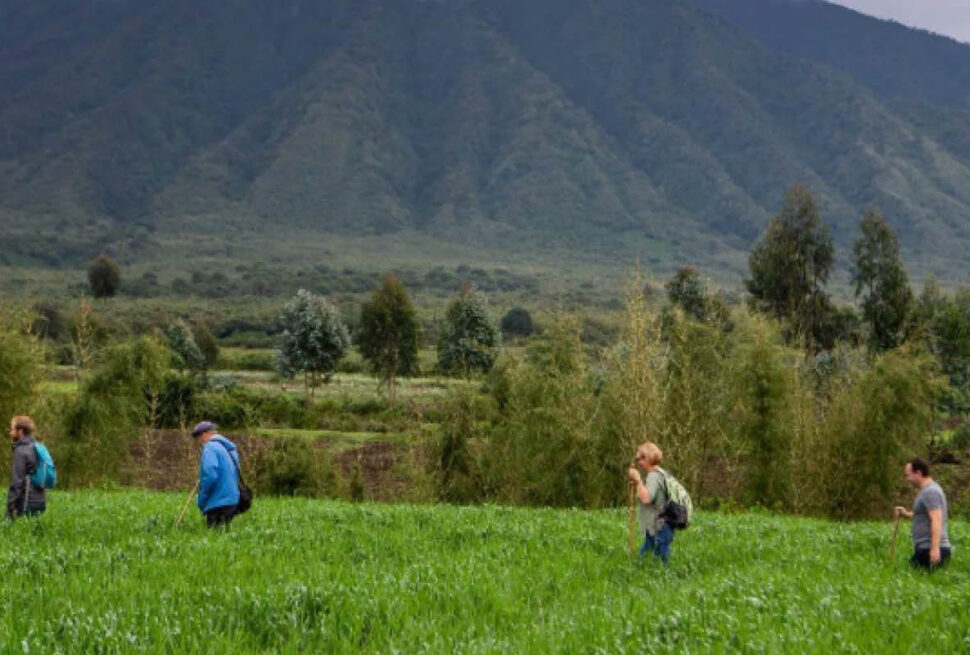
Village Walk in Uganda and Rwanda: Explore rural surroundings, community life, farming, crafts and everyday livelihoods through a Village Walk in Uganda and Rwanda.
Related Uganda Safari Guides
- Best Time to Visit Uganda for a Safari
Understand how timing varies according to the experiences and destinations included in your journey. - Uganda Safari Guide: How to Plan Your Trip
Explore practical guidance on choosing destinations, experiences, timing and the structure of a Uganda safari.
Plan Your Safari