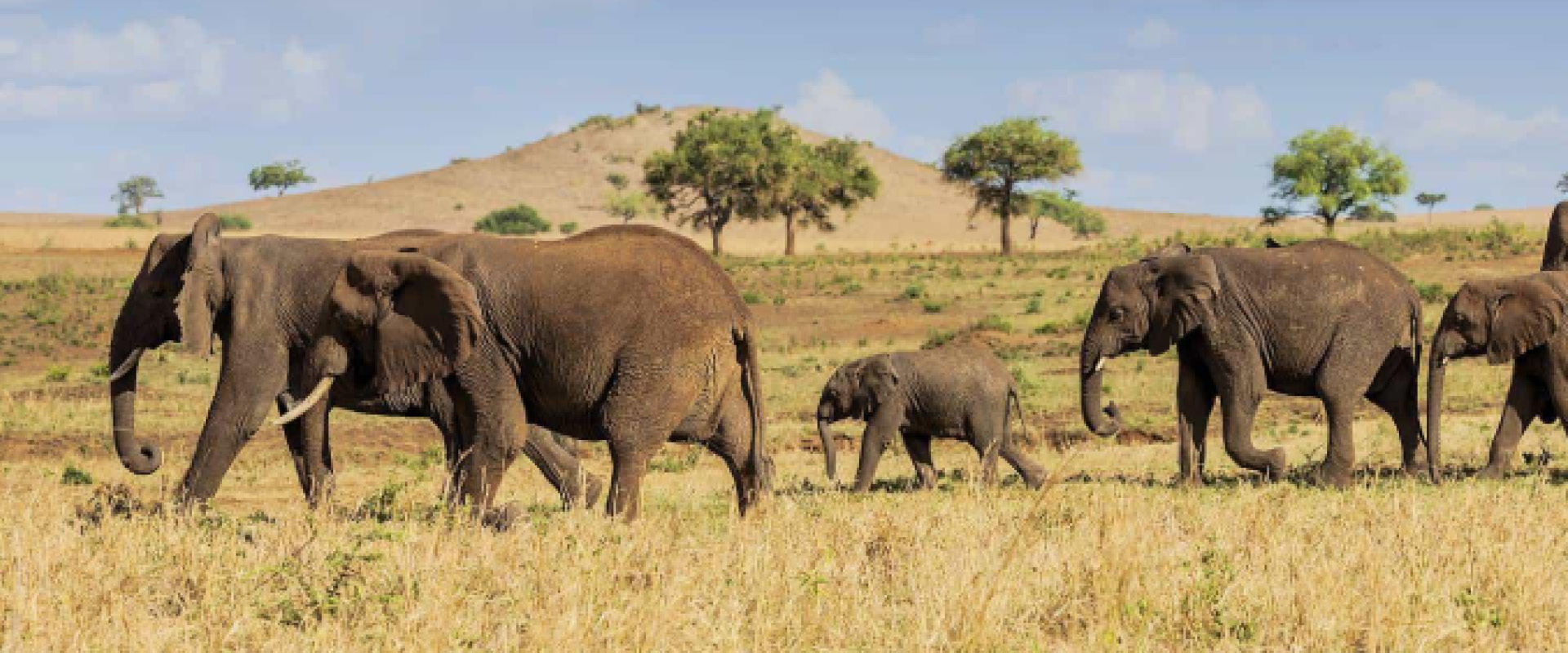
Best Time to Visit Uganda depends on the experiences you want to include, the destinations you plan to visit and the travel conditions you prefer. Uganda can be visited throughout the year, with seasonal changes influencing wildlife viewing, forest trekking, landscapes and travel between destinations.
When Is the Best Time to Visit Uganda?
The best time to visit Uganda depends largely on your safari priorities. The generally drier periods around June to August and December to February are often preferred for wildlife viewing, Birding and primate tracking, while the wetter months bring greener landscapes and different travel conditions.
Uganda’s Dry Seasons
Uganda’s relatively drier periods generally occur around June to August and December to February. These months can offer more comfortable conditions for adventure experiences, game drives, Cultural Experiences road travel and forest activities, although rain can still occur and conditions vary between regions.
Uganda’s Rainy Seasons
The wetter periods generally occur around March to May and September to November. These months can bring greener scenery and changing road and trail conditions, making them particularly relevant when planning a route through different regions.
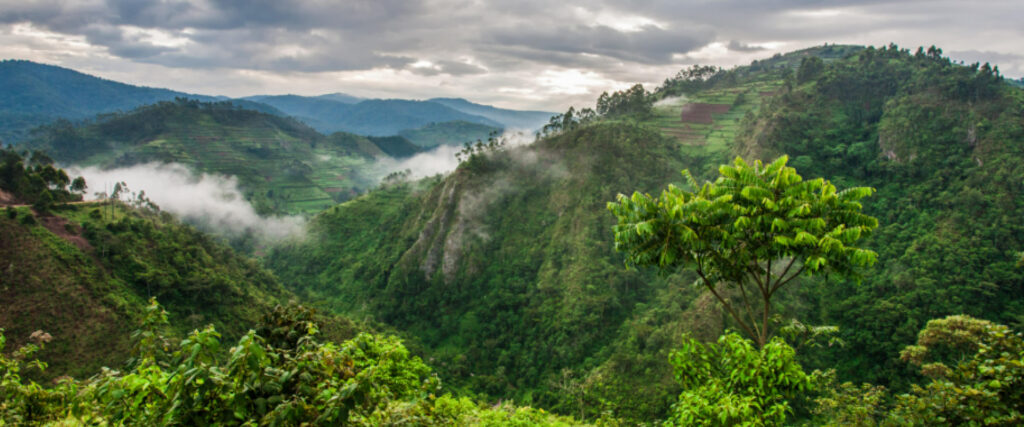
Uganda’s Seasons and What They Mean for Your Safari
Seasonal conditions can influence the practical experience of a safari without making any period unsuitable for travel.
- Roads and transfers: Rain can affect travel conditions on some routes.
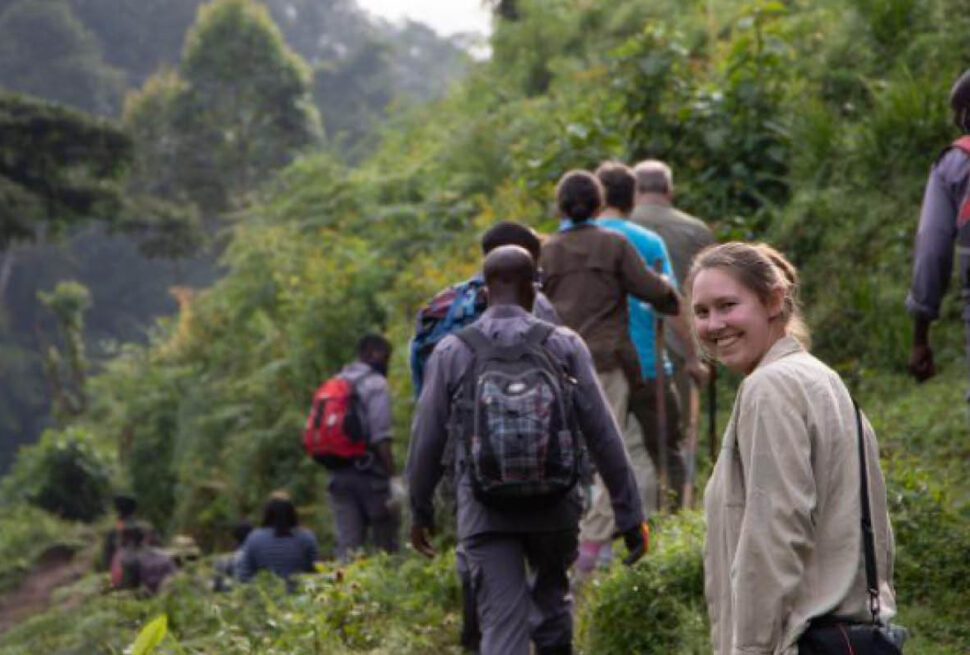
- Forest trekking: Wetter conditions may make trails muddier and more challenging.
- Wildlife viewing: Drier conditions can make some wildlife areas easier to explore.
- Landscapes: Rainy periods often bring greener scenery.
- Accommodation availability: Popular travel periods can create greater demand for selected lodges and camps.
The most useful approach is to consider the season alongside the destinations and experiences included in your itinerary. For a broader introduction to planning your journey, read our Uganda Safari Guide: How to Plan Your Trip.
Uganda’s weather patterns can vary between regions and from year to year. Travellers planning around specific travel dates can also consult the Uganda Department of Meteorological Services seasonal weather and climate outlooks for current official information.
Best Time for Gorilla Trekking in Uganda
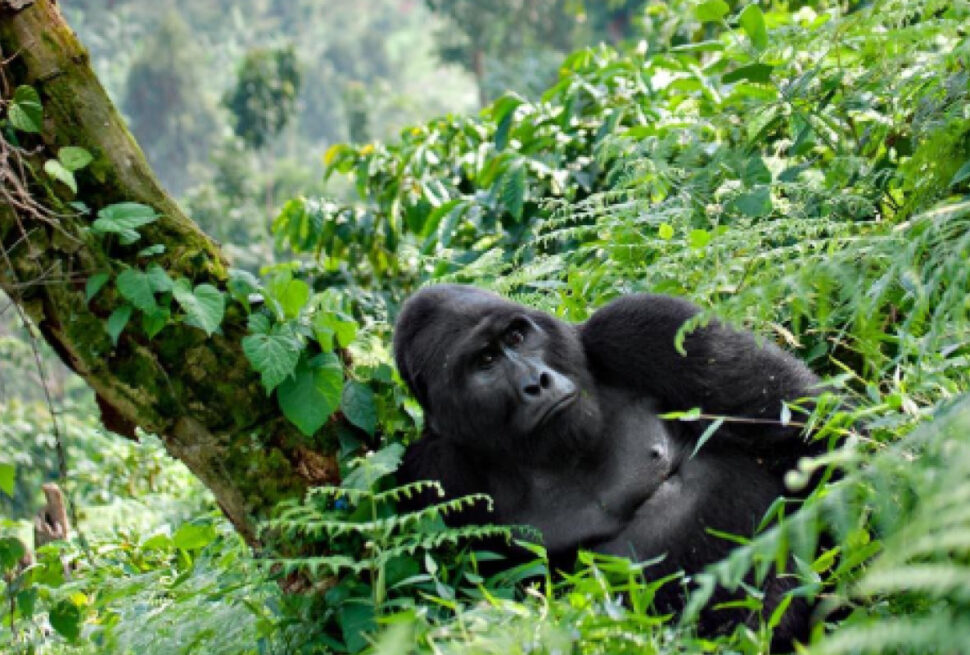
Gorilla trekking takes place throughout the year in Bwindi Impenetrable National Park and Mgahinga Gorilla National Park. Seasonal conditions can affect trail conditions and the comfort of trekking, but the experience itself is not limited to a particular season.
Travellers who prefer generally drier conditions often consider the periods around June to August and December to February. During wetter months, trails can become muddier, but the forest remains lush and trekking continues.
Explore our Gorilla Trekking Safaris, discover Bwindi Impenetrable National Park, or consider the 7-Day Bwindi Gorilla Trekking Safari | UG-M1 Classic Explorer Package. For official information about gorilla tracking and protected-area activities, visit Uganda Wildlife Authority Gorilla Tracking Guide.
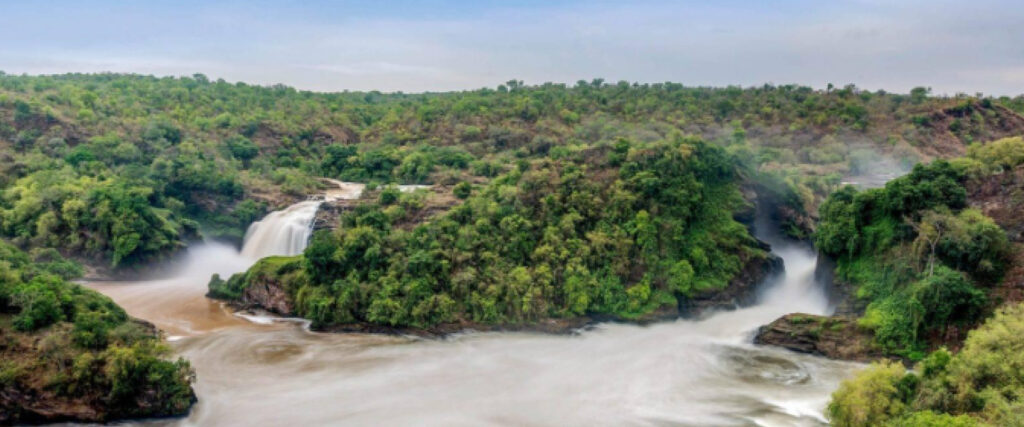
Best Time for Wildlife Viewing in Uganda
Wildlife can be seen throughout the year, although seasonal conditions can influence game drives, access and animal concentrations in particular areas. The drier months are commonly preferred for a traditional Uganda wildlife safari, especially in savannah destinations.
Murchison Falls National Park
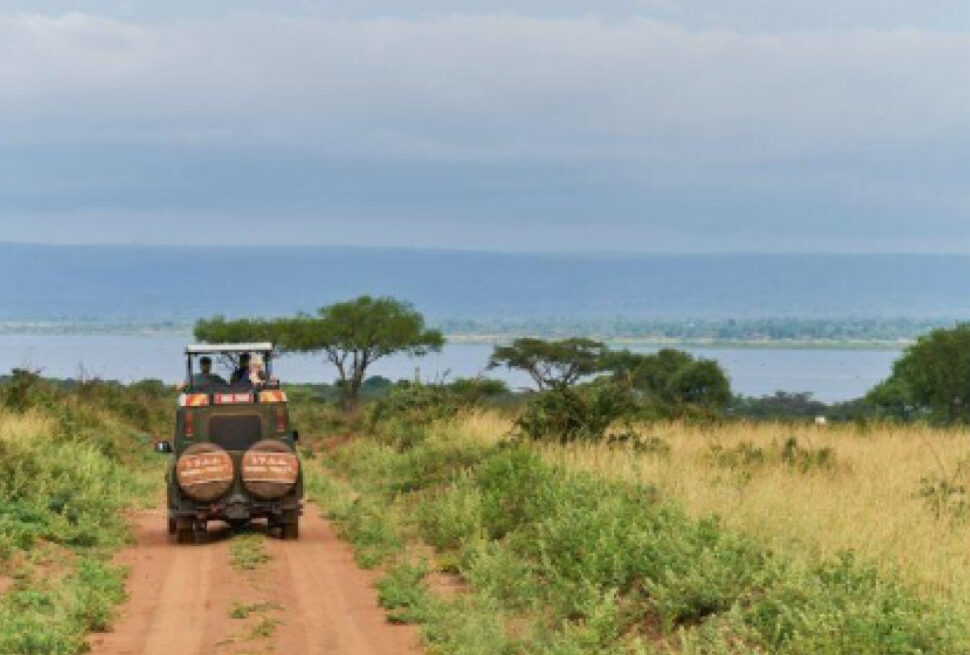
The drier periods around December to late February and June to September are particularly favourable for wildlife viewing in Murchison Falls, when animals may concentrate around available water sources. Explore Murchison Falls National Park and our Wildlife Safaris.
Queen Elizabeth National Park
Queen Elizabeth National Park can be visited throughout the year. Seasonal conditions may influence game drives, vegetation and travel conditions, while the park’s combination of savannah, waterways and varied habitats provides a broad safari experience. Explore Queen Elizabeth National Park and our Wildlife Safaris.
Kidepo Valley National Park
Kidepo’s semi-arid landscapes make the dry months particularly interesting for wildlife viewing, especially around the Narus Valley, where reliable water sources can attract concentrations of animals. Explore Kidepo Valley National Park and our Wildlife Safaris.
Best Time to Visit Uganda for Chimpanzee Tracking
Chimpanzee tracking takes place throughout the year, particularly in Kibale National Park, one of Uganda’s leading primate destinations. Drier periods can offer more comfortable forest conditions, while wetter months bring lush vegetation and continue to support trekking experiences. The best travel period can therefore be considered alongside your preferred itinerary and the other experiences you want to combine.
Explore our Chimpanzee Tracking Safaris, discover Kibale National Park, or consider the 6-Day Uganda Chimpanzee Safari | UG-P1 Chimpanzee Kingdom Package.
Best Time to Visit Uganda for Birding
Uganda offers year-round birding across forests, wetlands, lakes and savannah landscapes. Seasonal conditions can influence bird behaviour, habitat conditions and the species that may be easier to observe at different times.
For specialist birdwatching, the wetter periods can be particularly rewarding because of lush habitats and increased bird activity, while longer journeys allow time to explore several ecosystems. Explore our Birding Safaris, including the 15-Day Luxury Uganda Birding Safari | UG-BRLX1 Emerald Avian Package and 16-Day Uganda Birding Safari | UG-BR1 Pearl Wings Package.
Uganda Month-by-Month Travel Guide
The best time to visit Uganda can also be understood by looking at the year in broader seasonal periods. Conditions can vary between regions, but this guide provides a practical overview for safari planning.
January to February
This is generally one of Uganda’s drier periods and can be a good time for wildlife safaris, gorilla trekking and chimpanzee tracking. Road and trail conditions may be more comfortable in many areas, although rain remains possible.
March to May
This period generally includes heavier rainfall in many parts of Uganda. Landscapes become greener, while some roads and forest trails may become more challenging. It can suit travellers interested in lush scenery, birding and potentially quieter travel periods.
June to August
These months are commonly among the most popular for safari travel. Generally drier conditions can support wildlife viewing, gorilla trekking and chimpanzee tracking, although accommodation and gorilla permits may experience greater demand.
September to November
Rainfall generally increases again, bringing greener landscapes and changing travel conditions. This period can be particularly attractive for travellers interested in scenery, birdlife and a different pace of travel.
December
December often marks the beginning of another relatively drier period. It can be popular for holiday travel, gorilla trekking and wildlife safaris, so planning accommodation and permits in advance can be useful.
When Should You Book a Uganda Safari?
The best time to visit Uganda and the best time to book a safari are not always the same. Once you have identified your preferred travel period, it is useful to begin planning early. Gorilla trekking permits are limited, and popular accommodation can have higher demand during busy travel periods. Longer itineraries involving several destinations may also require more coordination. Travellers planning a gorilla trekking journey or travelling during popular periods should consider securing their itinerary well in advance.
For more practical information to help you prepare and plan your journey, explore our Travel Resources, including guides on Uganda safari planning, travel preparation and travellers information for visitors.
Plan Your Uganda Safari
Uganda can offer rewarding safari experiences throughout the year. The right travel period depends on the destinations you want to visit, the experiences you want to include and the type of journey you would like to create. Explore our Uganda Safaris, Gorilla Trekking Safaris and Wildlife Safaris, or begin creating a personalised journey through our Tailor-Made Safaris.
Frequently Asked Questions for Best Time to Visit Uganda
What is the best month to visit Uganda?
June to August and December to February are generally among the drier periods and are popular for wildlife safaris and primate trekking. However, Uganda can be visited throughout the year, and the best month depends on your itinerary and travel priorities.
What is the best time for gorilla trekking in Uganda?
Gorilla trekking takes place throughout the year. The relatively drier periods around June to August and December to February are often preferred for more comfortable trail conditions, although trekking continues during wetter months.
What is the rainy season in Uganda?
The wetter periods generally occur around March to May and September to November, although rainfall patterns can vary between regions.
Can you visit Uganda all year round?
Yes. Uganda can be visited throughout the year. Seasonal conditions may influence road travel, forest trekking, wildlife viewing and landscapes, but safari experiences remain available across different periods.
What is the best time for a wildlife safari in Uganda?
The relatively drier months are commonly preferred for wildlife viewing and game drives. However, wildlife safaris can take place throughout the year, with each season offering different landscapes and travel conditions.