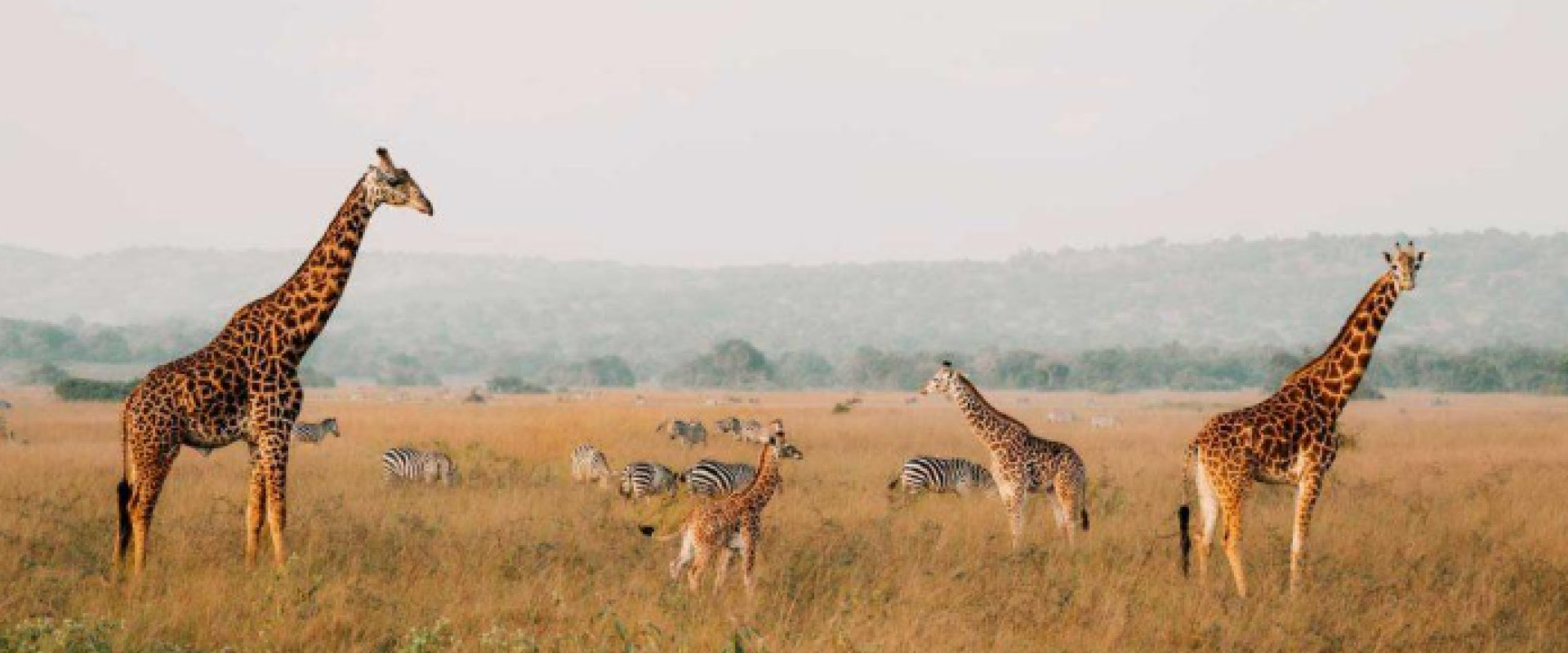
What Wildlife Can You See in Uganda and Rwanda?
Uganda and Rwanda offer wildlife across rainforest, savannah, wetlands, lakes, rivers and mountain ecosystems. Visitors can encounter mountain gorillas and chimpanzees in forest landscapes, alongside lions, elephants, buffalo, giraffes and antelopes across open savannah. Rhinos add an important conservation dimension, while hippos and crocodiles can be observed around major waterways. Diverse birdlife and smaller primates add further variety to the experience.
The two countries also allow wildlife encounters to be combined with gorilla trekking, chimpanzee tracking, game drives, boat safaris, birding and other safari experiences. Uganda includes major wildlife destinations such as Murchison Falls, Queen Elizabeth, Kidepo Valley, Kibale, Bwindi and Mgahinga, while Rwanda’s principal wildlife destinations include Akagera, Nyungwe and Volcanoes.
Wildlife in Uganda
Uganda combines tropical forests, extensive savannah landscapes, wetlands, lakes and river systems, allowing travellers to experience very different wildlife environments during the same journey.
For many visitors, the headline experiences are mountain gorilla trekking, chimpanzee tracking and traditional savannah game drives. But Uganda’s wildlife story extends considerably further.
The country’s major wildlife areas support large mammals such as elephants, buffalo, lions, leopards, giraffes, hippos and several antelope species. Forest destinations add chimpanzees, mountain gorillas, golden monkeys and other primates, while wetlands and lakes create opportunities for waterbirds and aquatic wildlife.
Uganda’s Big Five and Other Large Mammals
The term Big Five refers to lion, leopard, elephant, buffalo and rhinoceros. It remains one of the most commonly used wildlife-safari search terms, but it represents only part of Uganda’s wildlife offering.
Lions can be encountered in several savannah landscapes, while leopards are generally more elusive and require patient searching. Elephants and buffalo occur in several major protected areas, often providing some of the more regular large-mammal encounters on game drives.
Lion
Lions are among the major predators associated with Uganda’s savannah ecosystems. Queen Elizabeth National Park, Murchison Falls National Park and Kidepo Valley National Park are important destinations for travellers interested in lion viewing.
Leopard
Leopards are present in Uganda’s major savannah landscapes but are generally more elusive than lions, elephants or buffalo. They are most often searched for during game drives, particularly around areas offering cover, trees and suitable prey.
Elephant
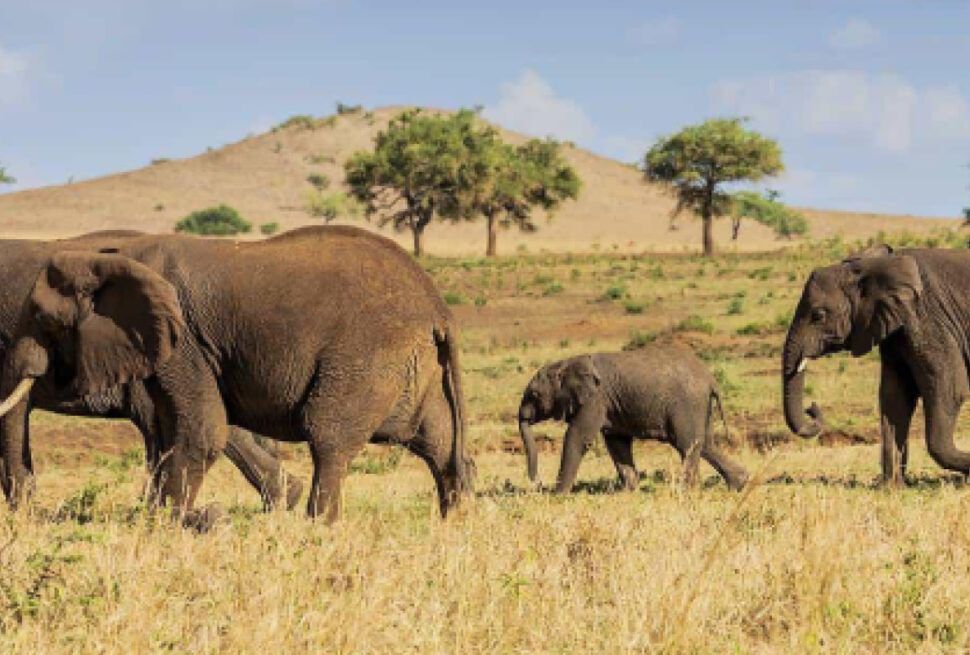
African elephants occur across several Ugandan wildlife landscapes. They may be encountered on game drives and, in some destinations, from boats or along waterways. Murchison Falls National Park, Queen Elizabeth National Park and Kidepo Valley National Park are among the destinations that can form part of an elephant-focused safari route.
Buffalo
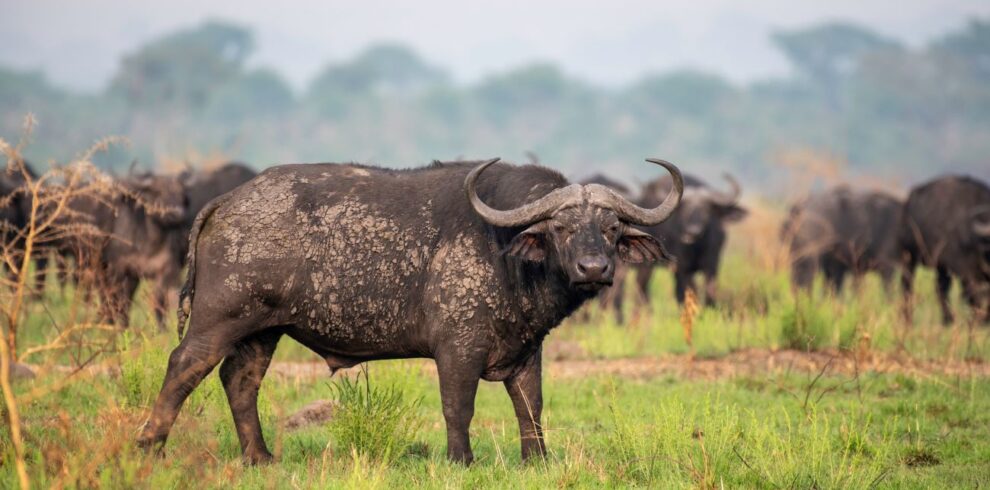
African buffalo are widely associated with Uganda’s savannah ecosystems and can occur in substantial herds. They are commonly encountered during game drives and contribute to the wider predator-prey dynamics of Uganda’s protected landscapes.
Giraffe and Antelope
Uganda’s large-herbivore diversity adds depth to a game drive beyond the headline species. Giraffes can be encountered in several savannah landscapes, while different antelope species occupy grassland, woodland and wetland habitats.
Uganda’s Primates: Gorillas, Chimpanzees and More
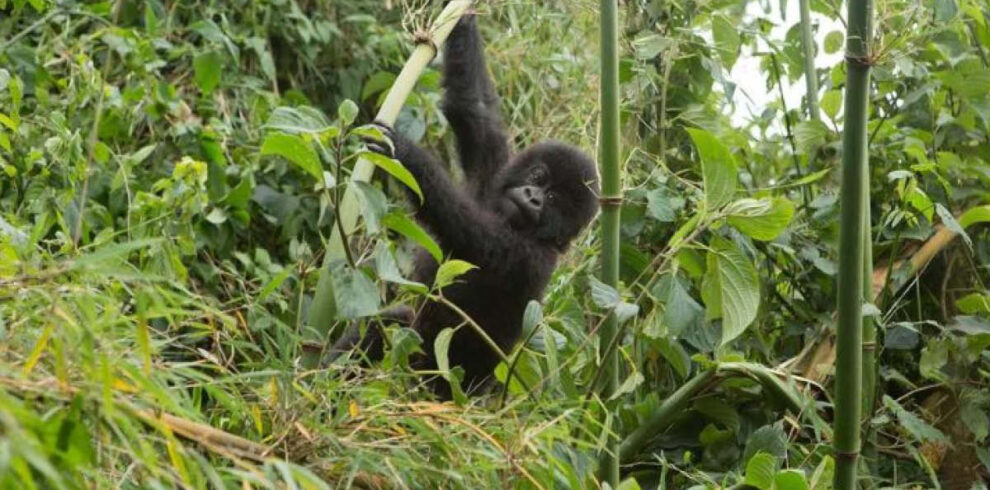
Gorilla Trekking are associated primarily with Bwindi Impenetrable National Park and Mgahinga Gorilla National Park. Chimpanzee tracking is strongly associated with Kibale Forest National Park, while additional chimpanzee experiences are available in other forest destinations.
Uganda’s forests also support monkeys and other primates, creating opportunities to extend a primate-focused itinerary beyond the two internationally recognised great apes.
Wildlife Beyond the Big Mammals
Uganda’s wetlands, forests, rivers and lakes support an extensive range of birds and aquatic species. Hippos and crocodiles are important parts of river and lake ecosystems, while forest environments provide monkeys, chimpanzees and other smaller mammals.
Birding adds another layer. The country’s varied habitats support species associated with forests, wetlands, lakeshores, savannah and agricultural landscapes. For some travellers, the most memorable wildlife encounter may therefore be a shoebill, a forest primate, a hippo emerging from a river, or a troop of monkeys rather than one of the traditional Big Five.
Wildlife in Rwanda
Rwanda offers a different geographical pattern, with three major wildlife environments forming the foundation of its safari experience. Akagera National Park provides Rwanda’s principal savannah wildlife experience. It supports elephants, buffalo, lions, leopards, giraffes, zebras, hippos and eastern black rhinos, among other species. Rwanda’s tourism authority describes Akagera as a Big Five destination, with eastern black rhinos reintroduced to the park.
Nyungwe National Park represents a very different environment: a highland rainforest landscape associated with chimpanzees and numerous primate species. Volcanoes National Park is internationally associated with mountain gorilla trekking and golden monkey tracking.
Rwanda’s Big Five Wildlife
Akagera National Park is Rwanda’s principal destination for savannah wildlife and is now recognised as a Big Five safari destination. Its restoration and conservation programme has supported the return of important large mammals, including lions and eastern black rhinos. Visitors can also encounter elephants, buffalo and leopards during game drives, alongside giraffes, zebras, antelopes and other wildlife.
The park’s combination of savannah, woodland, wetlands and lakes gives Rwanda a distinct wildlife-viewing environment. Boat excursions on Lake Ihema add another perspective, with opportunities to see hippos, Nile crocodiles and waterbirds alongside the terrestrial wildlife.
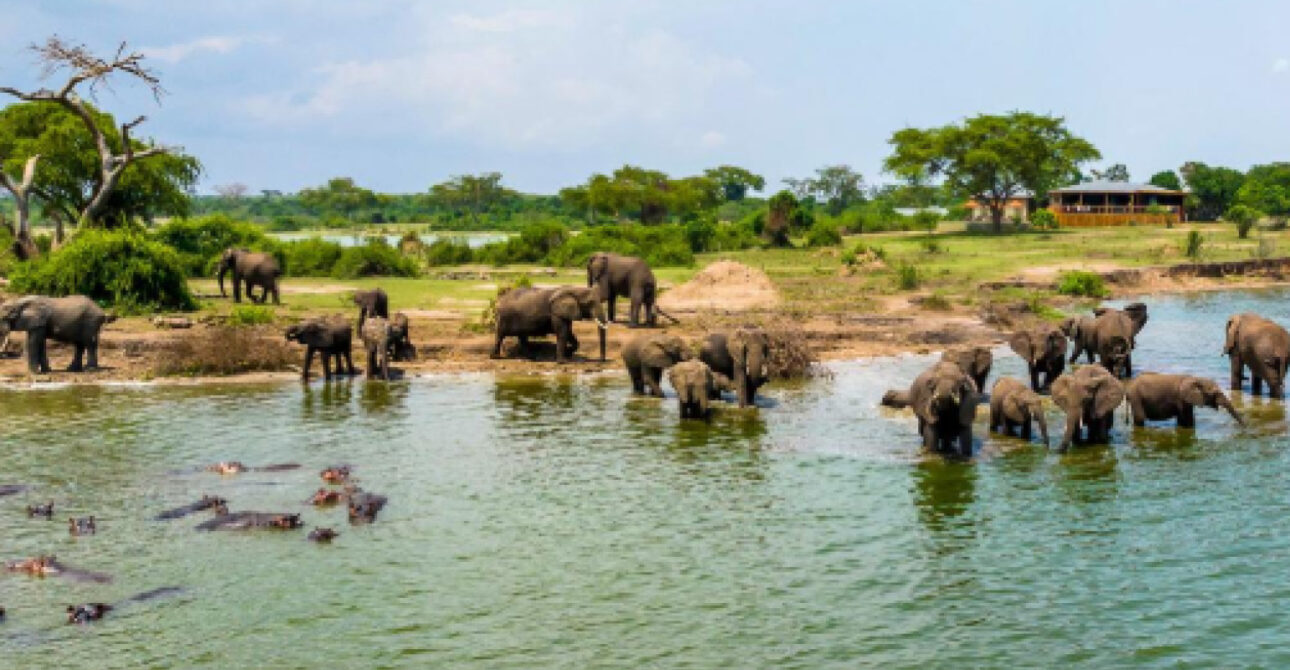
Where Can You See Wildlife in Uganda and Rwanda?
Knowing which animals live in Uganda and Rwanda is only the first step. The more useful planning question is where each wildlife experience fits into a safari route. Uganda’s major wildlife destinations are spread across different regions, from the forests of the southwest and west to the savannah of the north and northeast.
This creates opportunities for multi-park journeys combining primates, game drives, boat safaris and conservation experiences. Rwanda’s principal wildlife destinations form a more compact national circuit, with Akagera in the east, Nyungwe in the southwest and Volcanoes in the northwest.
Where to See Wildlife in Uganda
Murchison Falls National Park
Murchison Falls National Park is one of Uganda’s principal savannah destinations and combines game drives with a major river-based wildlife experience along the Victoria Nile. The park is particularly relevant for travellers interested in elephants, buffalo, giraffes, lions, antelopes, hippos, crocodiles and a wide range of birds.
A major advantage of the destination is the ability to combine game drives and boat safari experiences within the same broader wildlife journey.
Queen Elizabeth National Park
Queen Elizabeth National Park brings together savannah, wetlands, lakes and the Kazinga Channel. The destination is well suited to travellers interested in elephants, buffalo, lions, hippos, antelopes, birds and other wildlife.
The Ishasha sector adds another dimension to the park, particularly for travellers interested in the area’s tree-climbing lions. A route through Queen Elizabeth can also be combined naturally with chimpanzee tracking in Kibale and gorilla trekking in Bwindi, creating a strong western Uganda wildlife circuit.
Kidepo Valley National Park
Kidepo Valley National Park offers a remote savannah experience in northeastern Uganda. Its location and landscapes give it a distinct character from the more frequently visited western parks. It is particularly relevant to travellers looking for broad savannah scenery, large mammals and a less conventional safari route.
Kibale Forest National Park
Kibale Forest National Park is one of Uganda’s leading destinations for chimpanzee tracking and forest primate experiences. Its wildlife experience differs significantly from the open savannah environments of Murchison Falls and Queen Elizabeth National Parks.
Rather than focusing primarily on large mammals and game drives, Kibale takes travellers into a tropical forest ecosystem where chimpanzees and other primates are central to the experience. The destination can therefore add a forest-based wildlife encounter to an itinerary that also includes savannah parks, boat safaris or other wildlife activities.
Bwindi Impenetrable National Park
Bwindi Impenetrable National Park is one of Uganda’s principal destinations for mountain gorilla trekking. The experience differs from a conventional game drive because travellers explore the forest on foot with guides and trackers while searching for habituated gorilla groups.
Bwindi is therefore important to a broader wildlife itinerary not simply because mountain gorillas live there, but because it demonstrates another way of experiencing wildlife in Uganda. The forest environment, guided trekking and close encounters with gorillas create an experience that complements Uganda’s savannah-based wildlife destinations.
Mgahinga Gorilla National Park
Mgahinga Gorilla National Park provides another Ugandan setting for mountain gorilla trekking and is also the country’s key destination for golden monkey tracking. The park forms part of the Virunga landscape and is characterised by volcanic mountains and montane forest.
Ziwa Rhino Sanctuary
Ziwa Rhino Sanctuary has an important place in Uganda’s rhino conservation and tourism story. It has provided an established visitor-facing rhino experience while supporting the country’s rhino breeding and restoration programme. UWA reported that Uganda’s rhino population had grown through the Ziwa breeding programme and that rhinos began being translocated from Ziwa to Ajai and Kidepo in 2026.
Where to See Wildlife in Rwanda
Akagera National Park
Akagera National Park is Rwanda’s principal destination for savannah wildlife and Big Five experiences. Its combination of open plains, woodland, wetlands and lakes supports elephants, buffalo, lions, leopards, eastern black rhinos, giraffes, zebras, antelopes and other wildlife. The park also has important birdlife, with hundreds of recorded species.
Wildlife viewing in Rwanda can be experienced through game drives and boat excursions, with Lake Ihema providing opportunities to see hippos, Nile crocodiles and waterbirds from the water. This makes Akagera particularly useful in a Rwanda itinerary that combines large mammals, birding and aquatic wildlife experiences.
Nyungwe National Park
Nyungwe National Park provides a very different wildlife environment from Akagera. Its extensive rainforest supports chimpanzees and a wide variety of forest primates, making it one of Rwanda’s principal destinations for chimpanzee tracking and primate experiences.
The forest also adds important birding and biodiversity experiences to a Rwanda safari, with visitors able to combine wildlife exploration with activities such as the canopy walkway and guided forest trails.
Volcanoes National Park
Volcanoes National Park is Rwanda’s principal destination for mountain gorilla trekking and also provides an established golden monkey tracking experience. The park protects the Rwandan sector of the Virunga Massif, with steep volcanic slopes covered by montane ecosystems including bamboo and evergreen forest.
Its wildlife experience is therefore fundamentally different from Akagera’s savannah-based game viewing and Nyungwe’s rainforest primate tracking. For travellers interested in primates, Volcanoes adds mountain gorillas and golden monkeys to a wider Rwanda wildlife itinerary.
Uganda vs Rwanda: How the Wildlife Experience Differs
Uganda and Rwanda offer complementary wildlife experiences, but their safari landscapes and routes are organised differently. Uganda has a broader range of wildlife destinations spread across several regions, making it possible to combine savannah game viewing with chimpanzee tracking, gorilla trekking, boat safaris and other experiences within longer multi-destination journeys.
Rwanda provides a more compact combination of wildlife environments. Akagera National Park provides the country’s principal savannah wildlife experience, while Nyungwe and Volcanoes National Park offer rainforest and mountain wildlife experiences centred on chimpanzees, gorillas and golden monkeys.
The practical choice therefore depends on the wildlife experiences a traveller wants to combine, the time available and the preferred safari route. A traveller interested in gorillas and savannah wildlife, for example, can build a different itinerary from someone whose priority is chimpanzee tracking, birding or a longer multi-park journey.
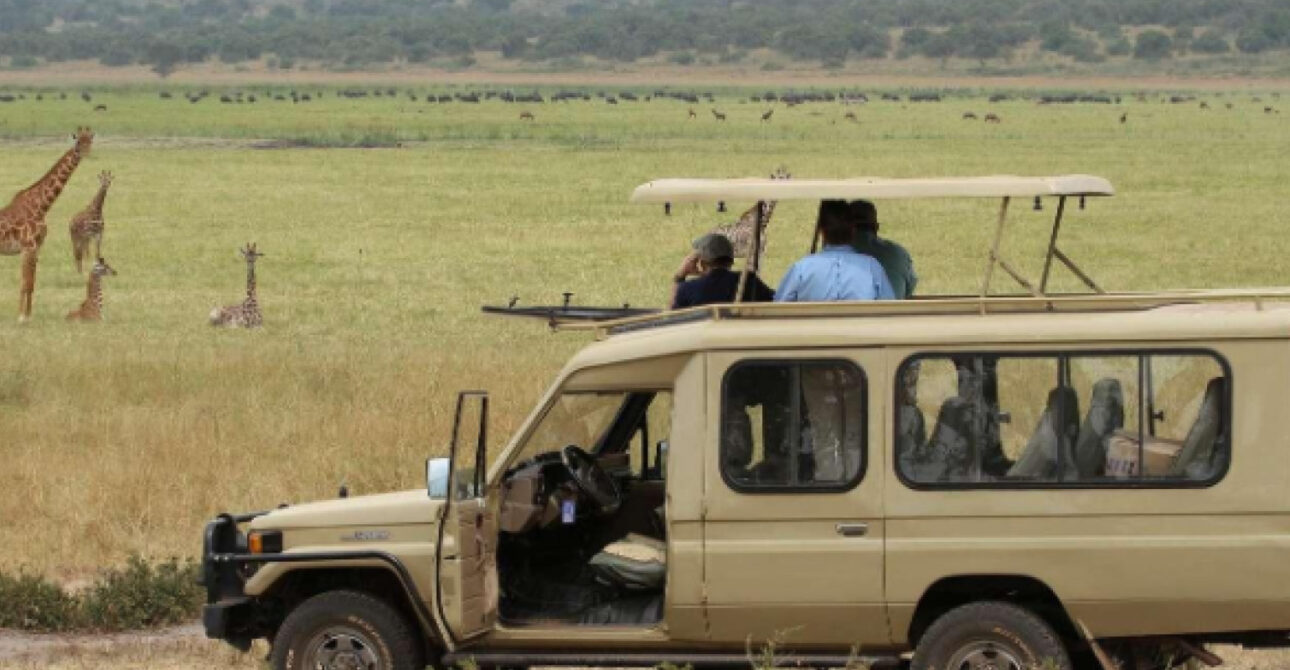
How Can You Experience Wildlife in Uganda and Rwanda?
Wildlife in Uganda and Rwanda can be experienced through several forms of guided exploration, from gorilla trekking and chimpanzee tracking in forest environments to game drives and boat safaris across savannahs, wetlands and waterways.
Uganda offers a particularly broad range of wildlife experiences across its protected areas, while Rwanda brings together savannah, rainforest and mountain ecosystems across three principal wildlife destinations. The Uganda Wildlife Authority (UWA) provides information on Uganda’s protected areas and activities, including gorilla tracking, chimpanzee tracking, game viewing and other wildlife experiences.
Gorilla Trekking in Uganda and Rwanda
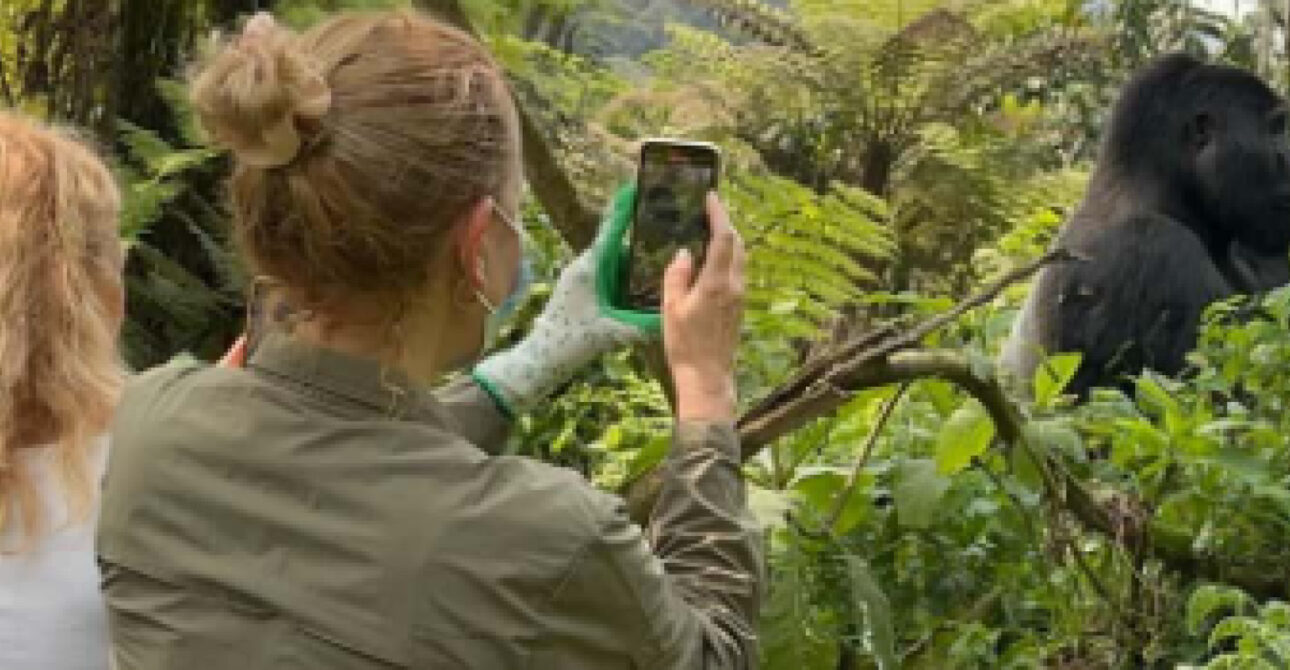
Gorilla trekking in Uganda and Rwanda is a guided forest experience focused on habituated mountain gorilla groups. In Uganda, trekking takes place in Bwindi Impenetrable National Park and Mgahinga Gorilla National Park, while Rwanda’s experience is centred on Volcanoes National Park. The activity combines wildlife observation, forest exploration and conservation awareness.
Chimpanzee Tracking in Uganda and Rwanda
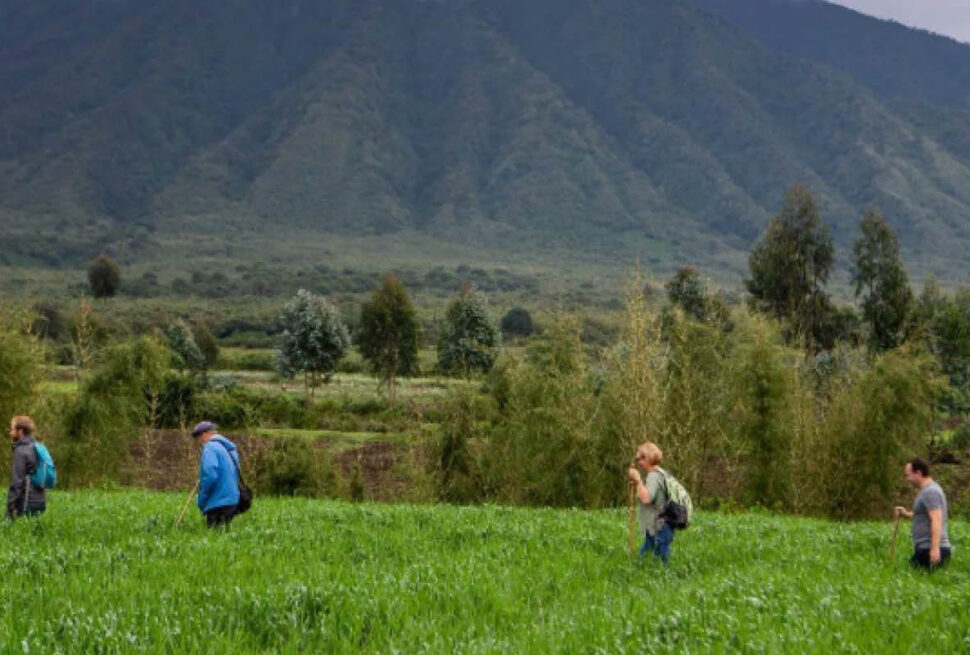
Chimpanzee tracking in Uganda and Rwanda takes travellers into forest habitats to search for wild chimpanzee communities with trained guides and trackers. Kibale is a major Ugandan destination, while Nyungwe provides Rwanda’s principal chimpanzee experience. Tracking can involve uneven, muddy or steep forest terrain, making suitable footwear and reasonable fitness important.
Game Drives in Uganda and Rwanda
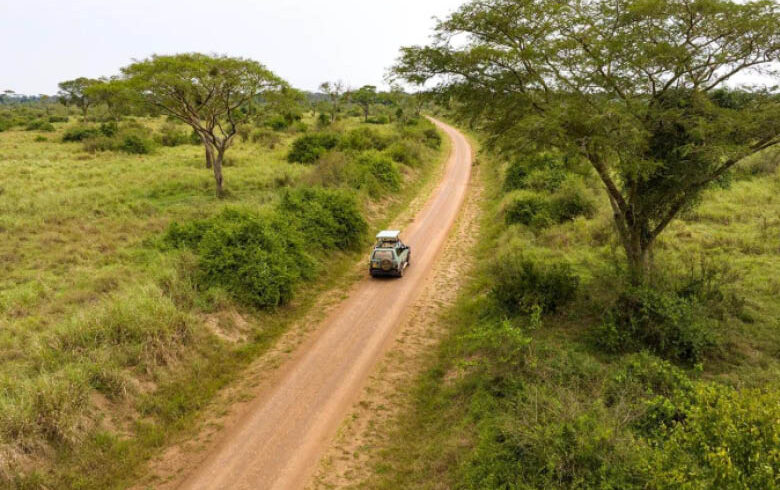
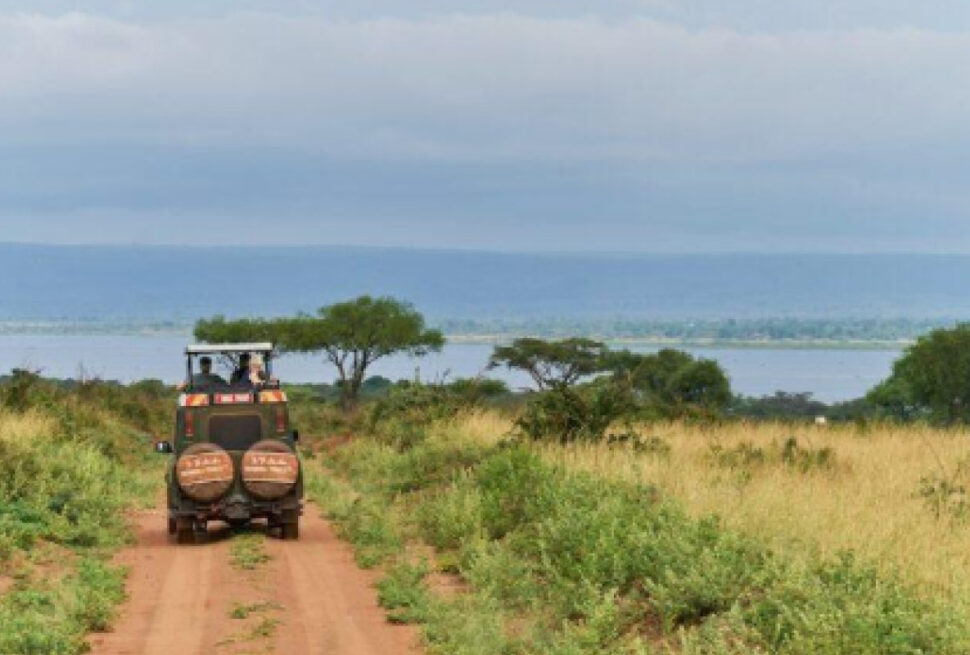
Game drives in Uganda and Rwanda provide the classic savannah wildlife experience. Travellers explore protected landscapes by safari vehicle in search of elephants, buffalo, lions, leopards, giraffes, antelopes and other wildlife. Uganda offers several major savannah destinations, while Akagera provides Rwanda’s principal game-drive experience and supports the country’s Big Five wildlife story.
Boat Safaris in Uganda and Rwanda
A boat safari in Uganda and Rwanda adds a different perspective to wildlife viewing. In Uganda, waterways such as the Victoria Nile and Kazinga Channel provide opportunities to observe hippos, crocodiles, birds and animals approaching the water. In Rwanda, boat trips on Lake Ihema in Akagera provide opportunities to see hippos, crocodiles and waterbirds.
Golden Monkey Tracking in Uganda and Rwanda
Golden Monkey Tracking in Uganda and Rwanda is a specialised primate experience associated with the Virunga landscape. In Uganda, Mgahinga Gorilla National Park provides a dedicated setting for golden monkey tracking. Rwanda offers golden monkey tracking in Volcanoes National Park. The experience complements gorilla trekking by focusing on a smaller, highly active forest primate.
Rhino Tracking in Uganda
Rhino tracking in Uganda offers a guided experience at Ziwa Rhino Sanctuary, where visitors can observe Southern white rhinos on foot in a protected conservation setting. The sanctuary combines wildlife viewing with conservation education and forms part of Uganda’s wider efforts to restore and protect rhino populations.
Explore Rhino Tracking in Uganda →
Rhino Viewing in Rwanda
In Rwanda, rhino viewing is associated with Akagera National Park, where rhinos can be observed as part of the park’s wider wildlife experience. This is best presented as wildlife viewing rather than as an on-foot rhino tracking experience, distinguishing it from the visitor experience at Ziwa Rhino Sanctuary in Uganda.
Gorilla Trekking in Uganda
Gorilla trekking in Uganda is a guided forest experience focused on habituated mountain gorilla groups. Trekking takes place in Bwindi Impenetrable National Park and Mgahinga Gorilla National Park, where travellers explore forest habitats while observing gorillas in their natural environment. The experience combines wildlife observation, forest exploration and conservation awareness.
Gorilla Trekking in Rwanda
Gorilla trekking in Rwanda is a guided forest experience centred on habituated mountain gorilla groups in Volcanoes National Park. Travellers explore the montane forest of the Virunga landscape while observing gorillas in their natural environment. The experience combines wildlife observation, forest exploration and conservation awareness.
Wildlife Viewing, Game Drives and Tracking: What Is the Difference?
Wildlife viewing is the broadest term, covering encounters with animals through game drives, boat safaris, forest walks and guided tracking. Game drives are vehicle-based experiences commonly used to explore savannah and woodland habitats, while tracking involves following signs or movements of specific animals such as gorillas, chimpanzees, golden monkeys or rhinos. Boat safaris provide a different perspective on lakes and rivers, where hippos, crocodiles and waterbirds can become an important part of the experience.
Understanding these distinctions helps travellers plan a safari around the type of wildlife experience they want, rather than simply the number of animals they hope to see. For practical planning information, explore Travel Resources.
Can You Combine Several Wildlife Experiences on One Safari?
Yes. One of the strengths of wildlife in Uganda and Rwanda is the ability to combine different ecosystems and wildlife experiences within one journey.
A Uganda itinerary can bring together chimpanzee tracking, game drives, boat safaris and gorilla trekking, while a Rwanda itinerary can combine Akagera’s savannah wildlife with gorilla trekking in Volcanoes and chimpanzee tracking in Nyungwe. Additional interests such as birding and cultural experiences can also be incorporated into a tailor-made route.
For travellers planning a broader safari, explore Njagi Safaris’ Gorilla Trekking Safaris, Wildlife Safaris, Chimpanzee Tracking Safaris, Birding Safaris and Cultural Experiences.
How Many Days Do You Need for a Wildlife Safari?
What Is the Best Time for Wildlife Viewing?
Responsible Wildlife Tourism in Uganda and Rwanda
Wildlife Conservation in Uganda and Rwanda
Frequently Asked Questions About Wildlife in Uganda and Rwanda
Wildlife in Uganda includes mountain gorillas, chimpanzees, lions, leopards, elephants, buffalo, giraffes, hippos, antelopes, rhinos, golden monkeys and many bird species. The exact wildlife experience depends on the destination and activity selected.
Rwanda wildlife includes mountain gorillas, chimpanzees, golden monkeys, lions, elephants, buffalo, leopards, giraffes, zebras, hippos, rhinos and extensive birdlife. Akagera, Nyungwe and Volcanoes provide contrasting wildlife environments.
The Big Five in Uganda can be experienced across major savannah wildlife destinations including Murchison Falls, Queen Elizabeth and Kidepo, with Uganda’s rhino conservation story also involving Ziwa and ongoing reintroduction efforts.
The principal destination for the Big Five in Rwanda is Akagera National Park. Rwanda’s tourism authority identifies lion, leopard, elephant, buffalo and eastern black rhino among Akagera’s wildlife.
Yes. Gorilla trekking and wildlife safaris can be combined in both Uganda and Rwanda. Uganda offers combinations involving Bwindi or Mgahinga and savannah destinations, while Rwanda can connect Volcanoes National Park with Akagera.
Yes. A Uganda and Rwanda safari can combine experiences such as gorilla trekking, chimpanzee tracking, game drives, boat safaris, birding and cultural experiences. The route should be designed around the selected activities, border crossing arrangements and available travel time.
Yes. Wildlife viewing in Uganda and Rwanda can involve forest tracking, boat safaris, nature walks and other guided experiences. Gorillas and chimpanzees, for example, are experienced primarily through guided forest tracking rather than conventional game drives.
Why Choose Njagi Safaris for Wildlife Experiences?