What Are Adventure Activities in Uganda and Rwanda?
Why Choose Adventure Travel in Uganda and Rwanda?
Adventure Activities in Uganda
Adventure Activities in Rwanda
What Types of Adventure Activities Can You Experience?
The best adventure experiences in Uganda and Rwanda cover several levels of activity, from relaxed outdoor exploration to more physically demanding experiences.
Cycling
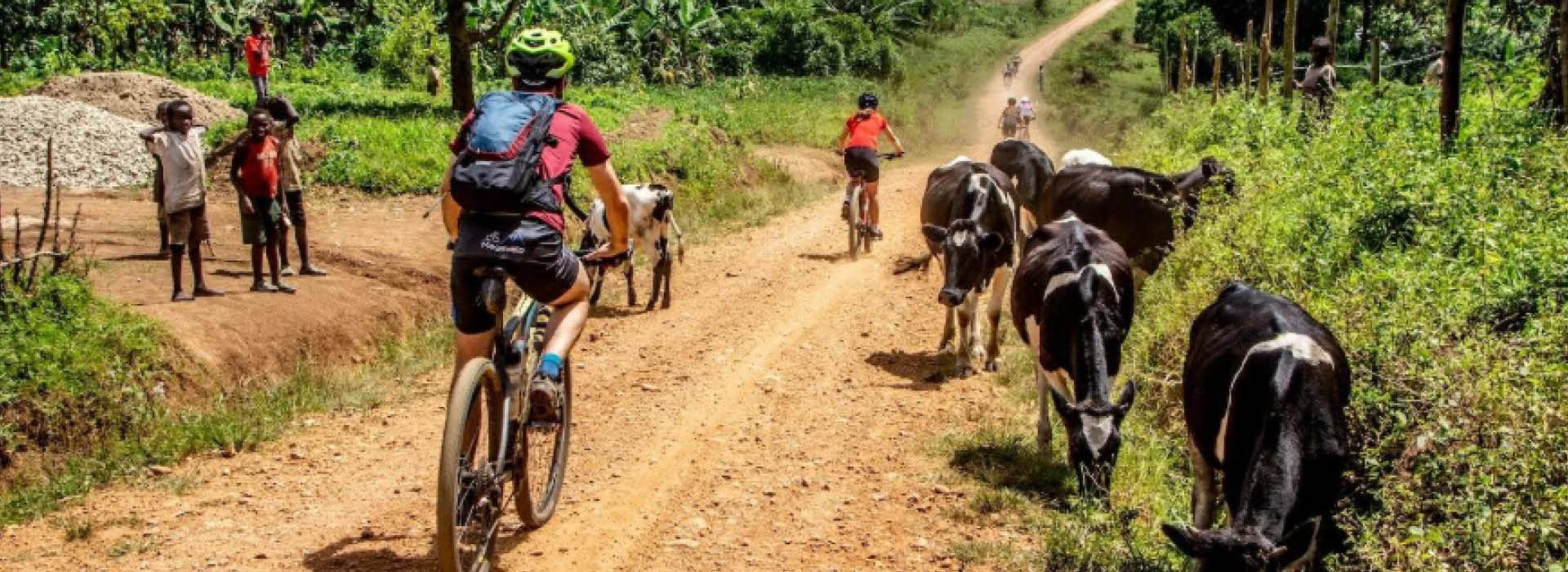
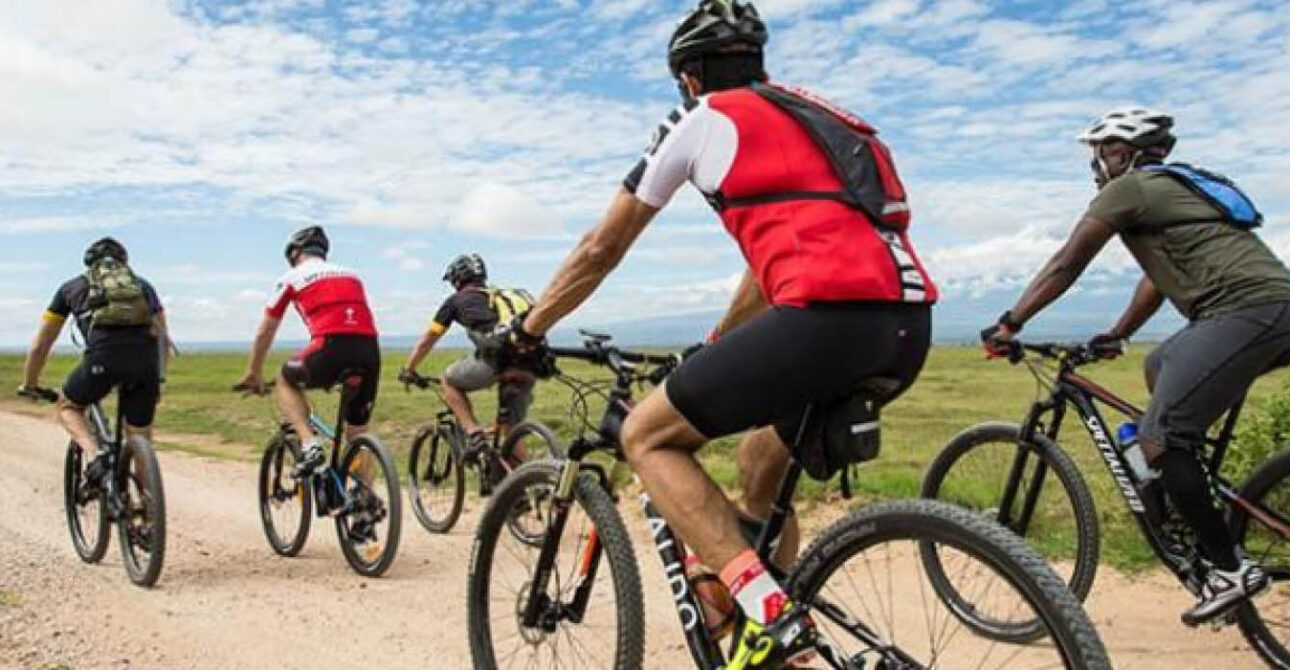
Cycling provides an active way to explore rural landscapes, countryside roads, wildlife areas and scenic trails. Routes can range from shorter excursions to more extended cycling experiences.
Canoeing and Kayaking
Canoeing and kayaking offer a quieter form of water-based adventure in Uganda and Rwanda. Lakes, rivers and wetlands provide opportunities to explore scenery from the water while combining paddling with nature and birdwatching.
White Water Rafting
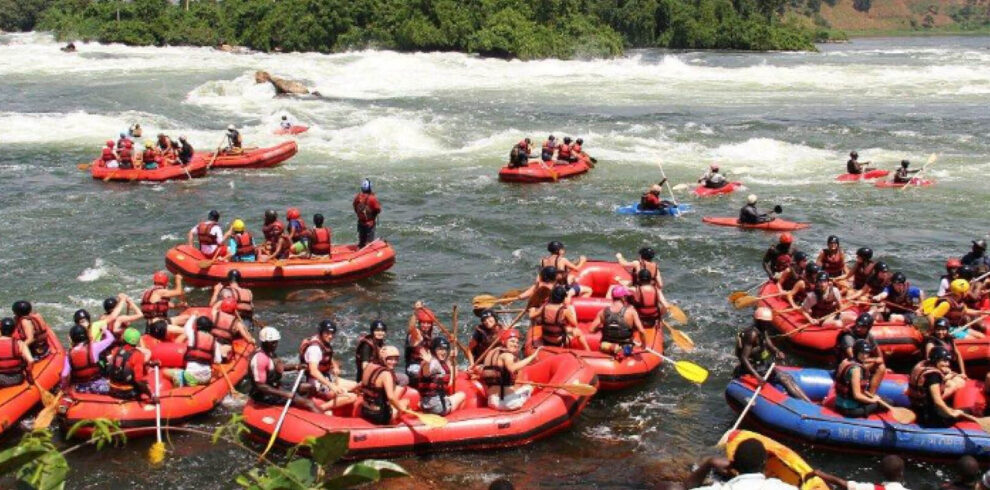
White water rafting in Uganda is one of Uganda’s more energetic water adventures, particularly around Jinja and the River Nile. Different rafting experiences provide different levels of intensity.
Hiking and Mountain Experiences
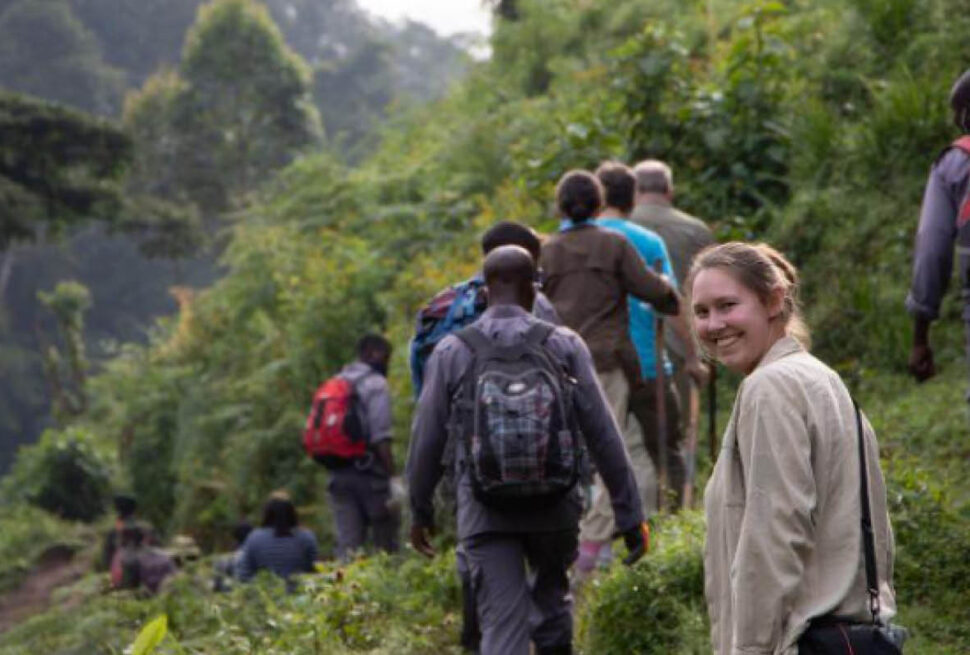
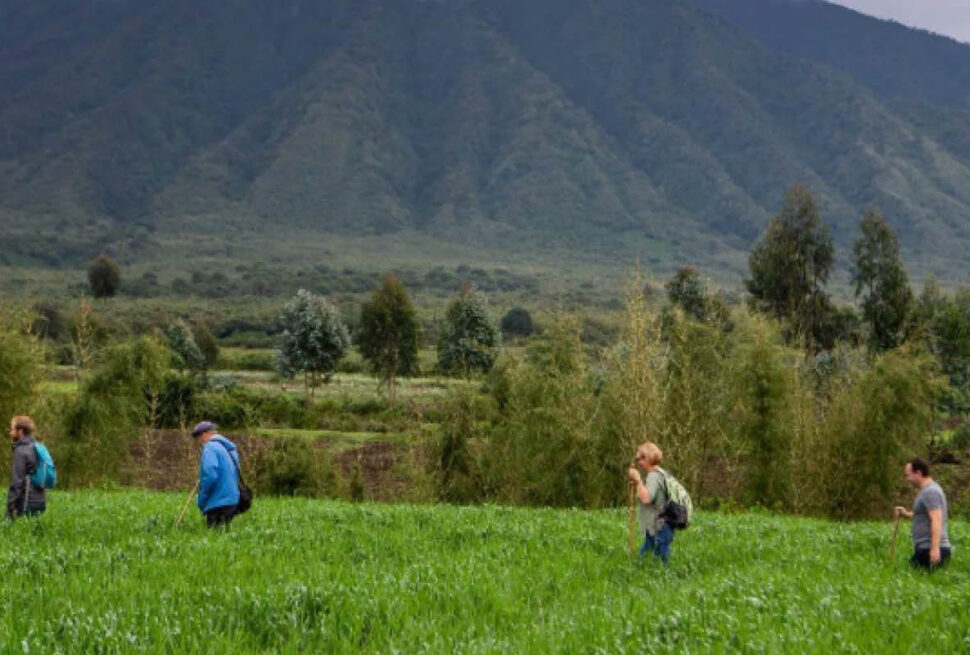
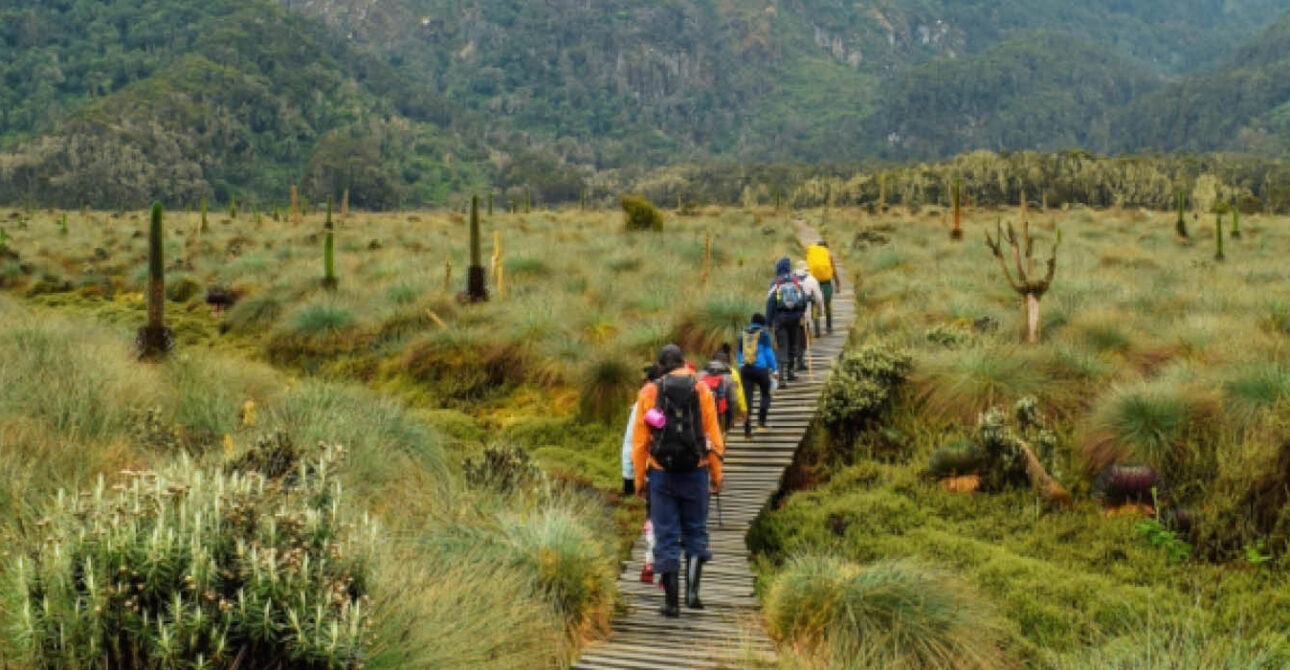
Hiking connects travellers with mountains, forests, volcanic landscapes and viewpoints. The experience can range from shorter nature walks to more demanding mountain excursions.
Other Outdoor Experiences
Outdoor activities in Uganda and Rwanda can also include other active experiences depending on the destination, itinerary and local conditions. These may complement cycling, water activities, hiking, wildlife viewing and cultural experiences.
Uganda and Rwanda: How Do Their Adventure Experiences Differ?
Uganda and Rwanda can both support active safari itineraries, but the character of the experiences differs according to their geography, landscapes and the destinations included in a journey.
Uganda offers a broader range of environments across a larger country, including the Nile, extensive lakes, national parks, forests, mountains and countryside. This can make outdoor adventures in Uganda part of longer journeys connecting several regions.
Rwanda is more compact, with a landscape shaped by hills, volcanoes, forests and Lake Kivu. This can make it practical to combine several outdoor experiences within a relatively concentrated itinerary. The choice therefore depends on the type of adventure you want, the destinations you plan to visit and how you want active experiences to fit into the wider safari.
How Do You Choose the Right Adventure Experience?
Choosing an adventure activity starts with understanding the experience you want rather than simply selecting the most demanding option. Consider your fitness, confidence, previous experience, available time and interest in particular landscapes.
For a relaxed outdoor experience, cycling on a scenic route or canoeing on a calm lake may be appropriate. Travellers seeking stronger physical participation may prefer mountain activities or white-water rafting. Families and mixed groups may need to consider age requirements and different ability levels when planning activities.
It is also useful to consider how the activity fits into the rest of your safari. An adventure experience can be a short addition to a wildlife itinerary or become one of the central themes of a journey. Explore Adventure Safaris in Uganda and Rwanda to see how these experiences can form part of a wider itinerary.
Cycling and Mountain Biking in Uganda
Canoeing and Kayaking in Uganda
White Water Rafting on the River Nile
Hiking and Mountain Adventures in Uganda
Nature Walks and Forest Adventures
Rock Climbing and Abseiling in Uganda
Water-Based Adventures Beyond Rafting and Canoeing
Uganda’s extensive network of lakes, rivers and wetlands creates opportunities for several types of water adventures in Uganda and Rwanda. Depending on the destination, travellers can explore waterways through canoeing, kayaking, boat experiences and sport fishing.
Lake Victoria provides a particularly broad setting for water-based activities, while other lakes and rivers offer experiences connected with wildlife, scenery and local communities. The type of activity available depends on the specific water body and local arrangements.
This diversity makes water activities easy to incorporate into a wider safari. A traveller interested in wildlife might add a boat or canoe experience, while someone seeking a more active itinerary could combine paddling with cycling, hiking or rafting.
Where Are Uganda’s Main Adventure Destinations?
Uganda’s adventure destinations in Uganda and Rwanda are spread across several distinct landscapes rather than concentrated in one destination.
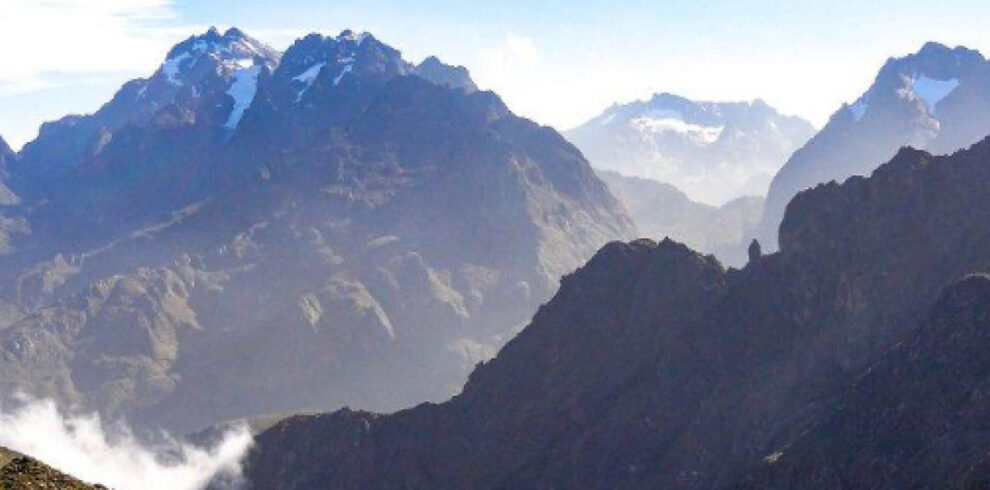
Jinja is strongly associated with River Nile adventure, particularly white water rafting and other water-based activities. Lake Mburo provides opportunities to combine cycling and wildlife experiences. Mount Elgon and Sipi offer mountain landscapes, hiking, cycling and selected climbing activities, while the Rwenzori Mountains provide more demanding trekking and mountaineering.
Southwestern Uganda adds another dimension through the Virunga highlands, lakes and forest landscapes around destinations such as Kisoro and Mgahinga. This geographic spread means an adventure safari in Uganda can be designed around one activity or built as a multi-destination journey combining several forms of active travel.
Can Adventure Activities Be Combined With Wildlife and Nature?
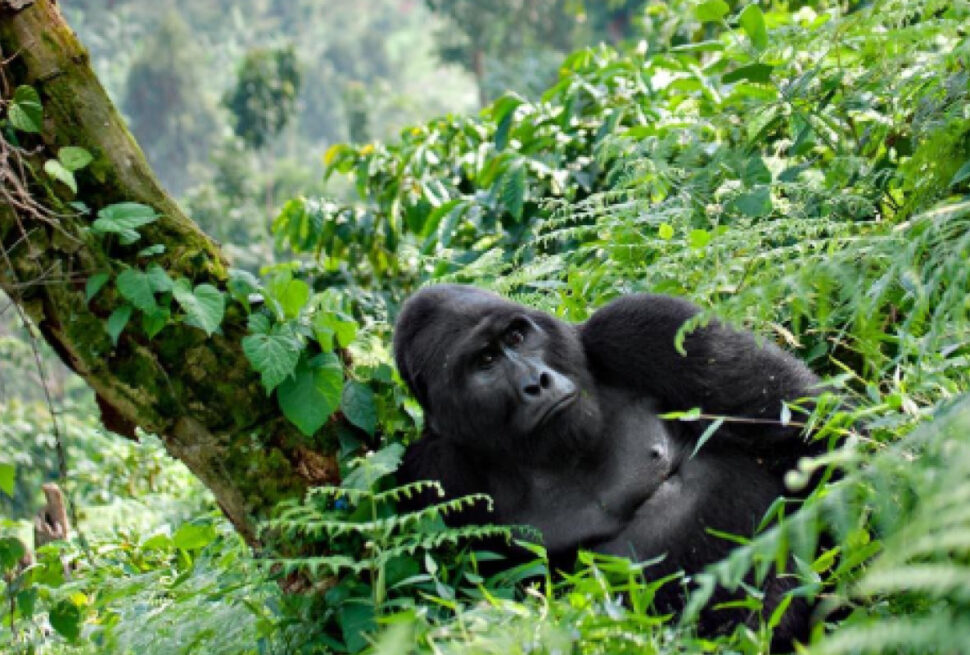
Yes. One of the advantages of planning adventure travel in Uganda is that active experiences can be incorporated alongside the country’s established wildlife and primate attractions.
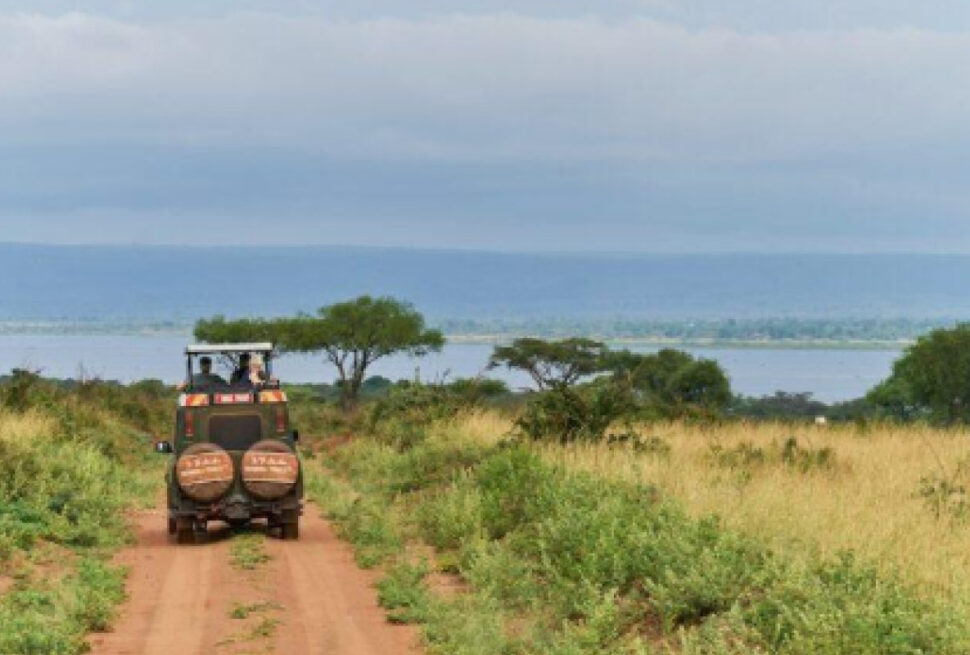
Cycling can complement wildlife experiences in destinations such as Lake Mburo, canoeing can add a water-based dimension to lake and nature itineraries, while rafting can introduce an energetic experience during a stay in Jinja. Hiking and mountain activities can similarly be combined with forest, birding, cultural or scenic experiences.
This approach avoids treating adventure as a separate category of travel. Instead, an itinerary can move between active experiences and slower wildlife or cultural activities, creating a more varied safari while allowing each destination to contribute something different.
Choosing the Right Adventure Activity in Uganda
The right Uganda adventure experience depends on the traveller rather than simply on the activity’s level of excitement. Consider the physical effort involved, duration, terrain, water conditions, previous experience and the amount of preparation required.
For a relatively relaxed experience, scenic cycling, canoeing or a guided nature walk may be appropriate. Travellers seeking greater physical challenge can consider rafting, mountain biking, hiking, climbing or multi-day mountain trekking.
It is equally important to consider the wider itinerary. A demanding mountain trek may require several days and additional equipment, while a shorter cycling or canoeing experience can often be fitted around wildlife or cultural activities. Matching the activity to the rest of the journey helps create a more practical and enjoyable safari.
Planning an Adventure Safari Across Uganda
Uganda’s adventure activities can be arranged as individual experiences or combined into a wider itinerary connecting several regions. The practical sequence depends on travel dates, accommodation, road transfers, activity duration and the physical demands of each experience.
A traveller might begin with rafting in Jinja, continue towards western Uganda for primate and wildlife experiences, and then add cycling, canoeing or hiking according to the destinations included. Another itinerary might focus primarily on mountain activities around the Rwenzori or Mount Elgon.
The important consideration is to allow sufficient time for each activity rather than attempting to fit too many demanding experiences into one journey. A well-planned adventure safari in Uganda should balance active days with travel, rest, wildlife viewing and other experiences.
Cycling and Mountain Biking in Rwanda
Cycling in Rwanda provides an active way to explore the country’s hills, countryside and rural communities. Roads and trails cross different parts of the country, allowing travellers to experience changing landscapes while travelling by bicycle.
The Congo Nile Trail is one of Rwanda’s most prominent multi-day cycling experiences. It follows the eastern side of Lake Kivu between Rubavu and Rusizi, covering approximately 227 kilometres and allowing travellers to complete the full route or selected sections. Kigali and Musanze also provide opportunities for cycling experiences.
Kayaking and Canoeing in Rwanda
Hiking and Mountain Adventures in Rwanda
The Congo Nile Trail
Canopy Walks and Forest Adventures
Caving and Other Outdoor Adventures in Rwanda
Rwanda’s adventure offer extends beyond cycling, hiking and kayaking. The Musanze Cave area provides a different type of outdoor experience, taking travellers into a volcanic landscape shaped by the region’s geological history.
Other activities can also add variety to an adventure-focused itinerary, including selected scenic and recreational experiences around Rwanda’s major destinations. The appropriate choice depends on the destination, available time, physical ability and the interests of the traveller.
The advantage of Rwanda’s compact geography is that several different experiences can be combined within one journey without requiring the itinerary to cross the entire country. This makes it possible to create an active itinerary that balances cycling, hiking, water-based experiences and nature.
Where Are Rwanda’s Main Adventure Destinations?
Rwanda’s adventure destinations in Uganda and Rwanda are concentrated around several distinctive landscapes. Lake Kivu provides a setting for kayaking, cycling and hiking, while Rubavu and Karongi offer access to different sections of the lakeside landscape and the Congo Nile Trail.
The Volcanoes National Park area provides hiking and mountain experiences within the Virunga landscape. Further south, Nyungwe National Park combines forest hiking, canopy experiences and other nature-based activities.
The Congo Nile Trail connects several of these western landscapes, creating an opportunity to experience Rwanda through a longer active journey rather than a series of isolated excursions.
Can Adventure Activities Be Combined With Gorilla Trekking and Wildlife?
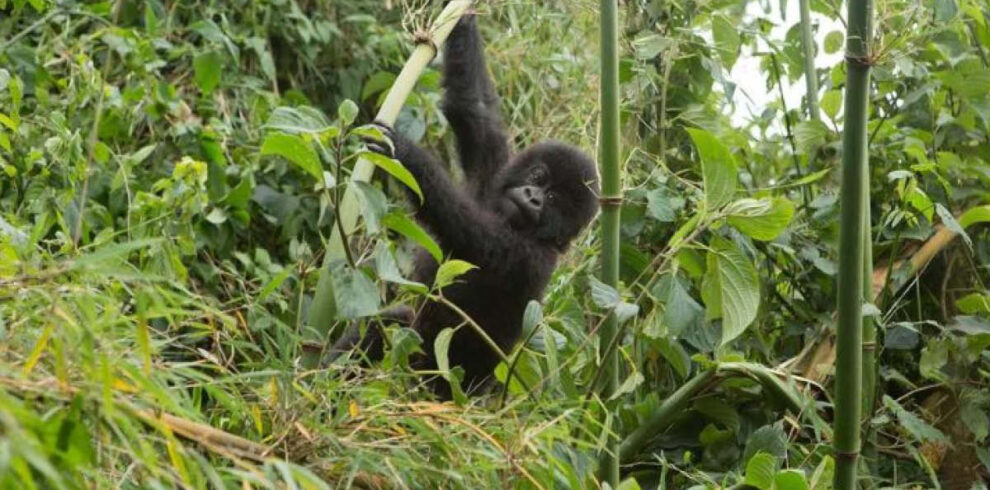
Adventure activities can complement Rwanda’s better-known wildlife and primate experiences. For example, travellers visiting the Volcanoes region can incorporate hiking and other outdoor experiences around their gorilla or golden monkey activities, while Lake Kivu provides opportunities for kayaking, cycling and scenic exploration after time in the mountains.
In the south, hiking and forest experiences around Nyungwe can be combined with chimpanzee tracking and other nature-focused activities. The result can be an itinerary that balances active exploration with wildlife and primate experiences.
This combination is particularly useful for travellers who want their Rwanda safari to include more than one style of experience. Active days can be balanced with wildlife viewing, cultural encounters, scenic drives and time around the lakes.
Choosing the Right Adventure Experience in Rwanda
Choosing an adventure activity in Rwanda starts with considering the type of landscape and level of activity you want to experience. Cycling and hiking can involve sustained physical effort, while kayaking offers a different pace on the water. Multi-day routes such as the Congo Nile Trail require additional time and preparation.
Consider your fitness, experience, available time and interest in particular environments before selecting an activity. Travellers looking for mountains may prefer hiking around the volcanoes, while those attracted to lakes and countryside can consider kayaking or cycling around Lake Kivu.
The activity should also fit naturally into the wider safari. This allows active experiences to complement gorilla trekking, wildlife, primate, cultural and nature activities rather than competing with them for time.
Planning an Adventure Safari Across Rwanda
Rwanda’s relatively compact geography makes it possible to combine several adventure experiences within one itinerary, provided sufficient time is allowed for transfers and activities. A journey can connect the northern volcanoes with Lake Kivu and continue south towards Nyungwe, creating a progression through different landscapes.
A traveller might combine hiking or gorilla trekking in the Volcanoes region with kayaking or cycling around Lake Kivu, then continue south for forest experiences in Nyungwe. Another itinerary can focus more heavily on the Congo Nile Trail and selected stages of its cycling or hiking route.
The best structure depends on travel dates, interests, fitness, accommodation and the amount of time available. A tailor-made itinerary can therefore combine active experiences with wildlife, primates, culture and periods of rest.
How Do Water-Based Adventure Experiences Differ?
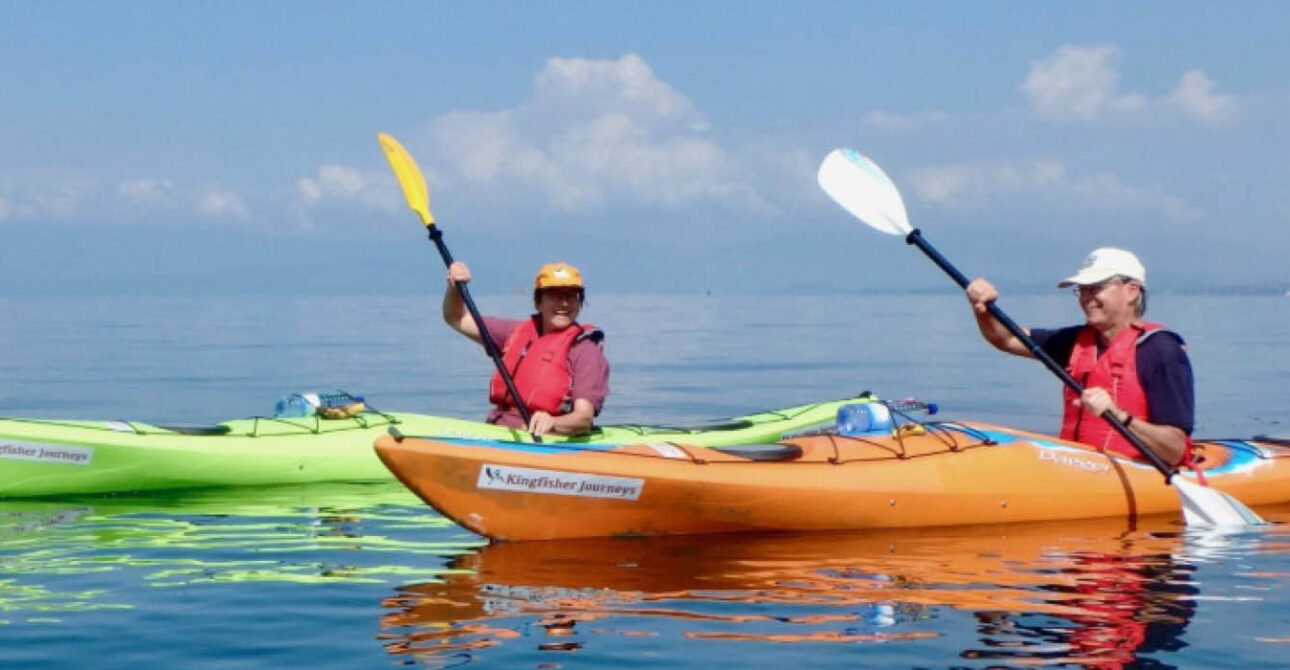
Uganda has a particularly strong range of water adventures in Uganda and Rwanda, from white-water rafting on the Nile near Jinja to canoeing and kayaking on lakes and selected waterways. The Nile provides a high-energy rafting experience, while its lakes and wetlands provide opportunities for slower paddling, birding and scenic exploration.
Rwanda’s water-based experiences are centred strongly around Lake Kivu and selected inland waterways. Kayaking along Lake Kivu combines paddling with views of the surrounding hills, islands and lakeside communities. The Mukungwa River also provides opportunities for kayaking experiences.
How Does Cycling Differ Between Uganda and Rwanda?
Cycling in Uganda can be incorporated into wildlife, countryside and mountain-oriented itineraries. Lake Mburo, Jinja, Mount Elgon and other areas provide different settings, allowing cycling to become one component of a broader safari rather than necessarily the central focus of the trip.
Cycling in Rwanda has a strong connection with the country’s hilly countryside. The Congo Nile Trail extends approximately 227 kilometres between Rubavu and Rusizi, with the full route taking about five days by bicycle and individual sections available for shorter journeys.
How Do Hiking and Mountain Experiences Differ?
Uganda provides a wide geographical range for hiking and adventure in Uganda and Rwanda. The Rwenzori Mountains offer high-altitude mountain environments, while Mount Elgon, Mgahinga and forest destinations provide different forms of walking and trekking. Hiking can also be incorporated into wildlife, primate and nature-focused safaris.
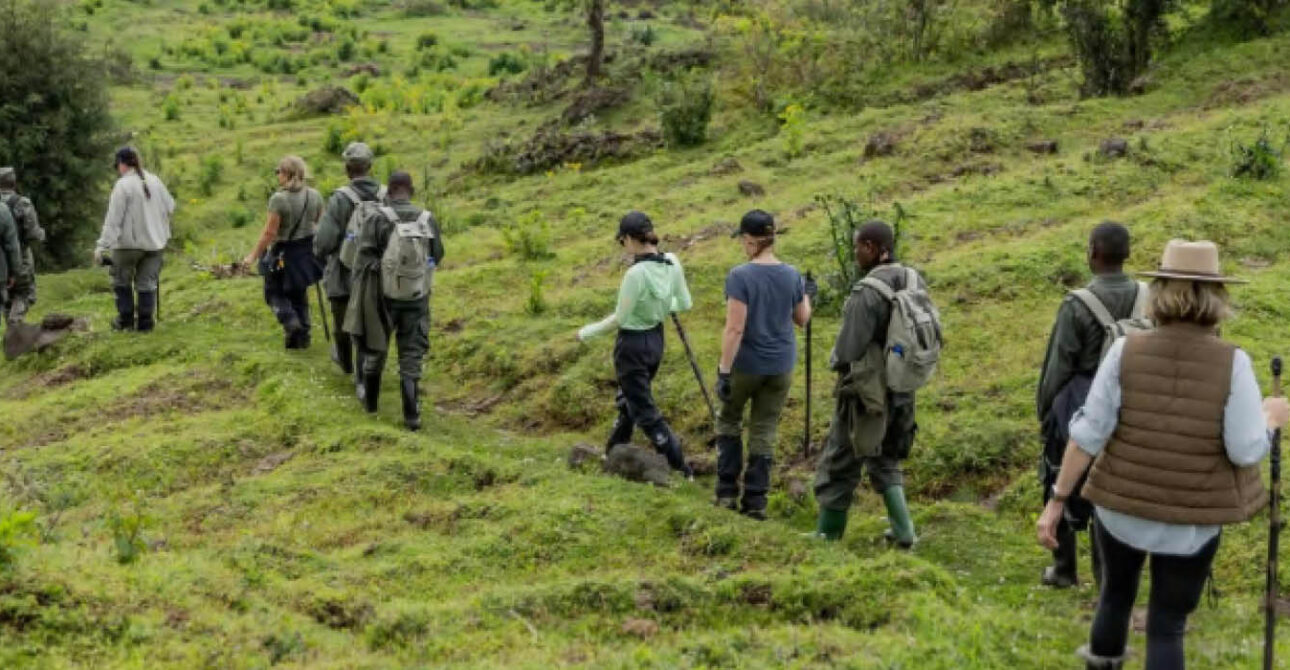
Rwanda’s hiking opportunities are strongly associated with the western and northern parts of the country. Routes extend from the Volcanoes region through the Lake Kivu landscape towards Nyungwe, while the Congo Nile Trail combines hiking with villages, forests, plantations and lakeside scenery.
Combining Multiple Activities in Uganda and Rwanda
A multi-activity safari can combine active experiences with wildlife, primate viewing, cultural encounters and scenic exploration. In Uganda, for example, cycling or rafting can form part of a longer journey that also includes national parks and forest experiences.
Rwanda’s compact geography also allows different adventure activities in Uganda and Rwanda to be connected within one journey. Lake Kivu, the Congo Nile Trail, Volcanoes National Park and Nyungwe provide different settings for cycling, kayaking, hiking, forest experiences and wildlife activities.
Combining Adventure With Wildlife and Culture
Adventure does not need to stand apart from the rest of a safari. In Uganda, cycling, walking and water activities can be combined with wildlife viewing, primate experiences and community encounters. Community walks, nature walks and cycling can provide ways to connect active travel with forest landscapes and surrounding communities.
In Rwanda, the connection between adventure, landscapes and community life is particularly visible along the Congo Nile Trail. The route passes through villages, coffee and tea areas, forests and lakeside landscapes, creating opportunities to experience local life alongside physical activity.
A multi-activity safari can combine active experiences with wildlife, primate viewing, cultural encounters and scenic exploration. In Uganda, for example, cycling or rafting can form part of a longer journey that also includes national parks and forest experiences.
Rwanda’s compact geography also allows different adventure activities in Uganda and Rwanda to be connected within one journey. Lake Kivu, the Congo Nile Trail, Volcanoes National Park and Nyungwe provide different settings for cycling, kayaking, hiking, forest experiences and wildlife activities.
Choosing Between Uganda and Rwanda for Adventure Travel
The choice can be based on the type of experience you want to build into your safari. Uganda offers a broad combination of river, lake, forest, mountain and wildlife environments, making it possible to create longer journeys with several different activity types. Its Nile rafting experience is also a distinctive component of its adventure offering.
Rwanda provides a more concentrated combination of cycling, hiking, kayaking, mountain and forest experiences, particularly around Lake Kivu, the Congo Nile Trail, Volcanoes and Nyungwe. The two countries can also be combined, allowing an itinerary to incorporate different landscapes and activity styles within one East African journey.
How Do You Choose the Right Adventure Activity?
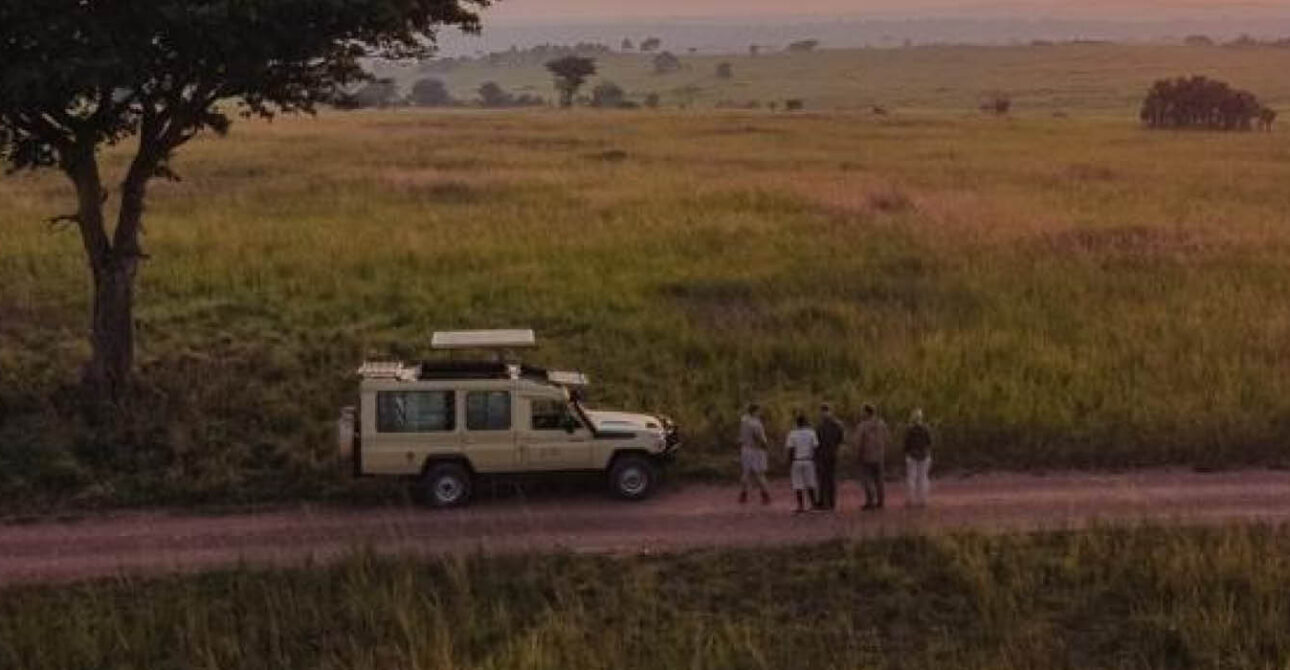
Start with the experience you want rather than simply selecting the most demanding activity. Cycling can provide an active way to explore countryside and communities, while canoeing and kayaking offer slower experiences on lakes and waterways. White-water rafting provides a more energetic river experience, while hiking allows travellers to explore mountains, forests and scenic landscapes on foot.
Fitness, previous experience and comfort in outdoor environments should also guide the choice. Some experiences are accessible to beginners, while longer cycling routes, mountain hikes and strenuous activities require greater preparation. The choice should reflect your interests, ability and the type of experience you want from the safari.
How Many Adventure Activities Should You Include?
The number of activities depends on the length and purpose of the safari. A short trip might focus on one principal adventure, while a longer itinerary can combine several experiences with wildlife, primate viewing, cultural activities and relaxation.
Avoid making every day an intensive activity day. A rafting excursion can be followed by a wildlife or cultural experience, while a demanding hike can be balanced with a scenic drive or relaxed lakeside stay. This approach creates a varied itinerary while allowing adequate time for recovery and enjoyment.
When Is the Best Time for an Adventure Safari?
The best timing depends on the activity and destination rather than a single travel season. Uganda can be visited throughout the year, with dry periods generally offering more favourable conditions for many outdoor activities and wildlife experiences. Mountain and forest environments can still experience rain, so appropriate waterproof equipment remains useful.
Rwanda’s adventure experiences in Uganda and Rwanda also vary by landscape. Cycling, hiking and kayaking are available across different destinations, but weather and trail conditions can influence the experience. It is therefore useful to build flexibility into the itinerary and confirm activity conditions before departure. Read. Best Time to Visit Uganda for a Safari.
Do Adventure Activities Require Permits or Advance Booking?
Some activities require permits, reservations, professional guides or advance arrangements, while others can be organised more flexibly. The requirements depend on the specific experience and location.
This is particularly important when an adventure is combined with activities such as gorilla trekking, primate tracking or protected-area experiences. The relevant requirements should be confirmed when planning the safari, particularly for activities that have limited availability or require advance arrangements. For popular activities, arranging the experience in advance allows the safari schedule, accommodation and transport to be coordinated properly.
What Should You Pack for an Adventure Safari?
Packing should reflect the activities and environments included in the itinerary. Comfortable clothing, sturdy footwear, sun protection, a reusable water bottle and a light rain layer are useful for many outdoor experiences. Hiking and mountain activities may require additional layers and more specialised footwear.
For water-based activities, quick-drying clothing and secure protection for personal items can be useful. A small daypack is practical for carrying essentials during walks, cycling excursions and other activities. The final packing list should be based on the specific activities confirmed for the safari.
How Should You Prepare Physically?
Preparation should match the demands of the planned activities. Regular walking and basic cardiovascular exercise can help prepare travellers for cycling, hiking and longer active days. More demanding mountain activities may require more specific preparation, particularly where elevation, distance or sustained effort is involved.
Travellers should communicate their experience and fitness level when planning the safari. This allows activities, distances and daily schedules to be matched more appropriately. The aim is to create an experience that is challenging at the right level without making the itinerary unnecessarily exhausting.
What Safety Considerations Should You Know?
Adventure activities should be undertaken with qualified guides, professional operators and appropriate safety equipment. Travellers should follow instructions provided before and during an activity and disclose relevant experience or limitations to the activity provider.
Travel insurance is also important for adventure itineraries. Travellers should confirm that their policy provides appropriate coverage for the activities included in their safari, particularly for activities involving greater physical or environmental risks.
For water activities, mountain excursions and remote trails, the itinerary should also account for weather, access, emergency procedures and communication arrangements.
How Can You Travel Responsibly During an Adventure Safari?
Responsible adventure travel means respecting local communities, protected areas, wildlife and the natural environment throughout your journey. In Uganda, travellers should follow guidance from the Uganda Wildlife Authority (UWA) when visiting protected areas. In Rwanda, Rwanda Development Board (RDB) provides official tourism and conservation guidance. Travellers can also consult the Uganda Tourism Board (UTB) for broader tourism information.
How Do You Plan a Multi-Country Adventure Safari?
A Uganda–Rwanda adventure itinerary can be structured around the activities that matter most to the traveller, with the route then built around geography and available time. For example, a journey might combine cycling or rafting in Uganda with kayaking, hiking or cycling in Rwanda.
The itinerary should allow enough time for border arrangements, transfers, accommodation and rest while preserving the main purpose of the journey. A multi-country safari is particularly useful for travellers who want to experience different landscapes and activity styles rather than concentrating on one adventure.
What Makes a Well-Planned Adventure Safari?
A strong adventure safari in Uganda and Rwanda balances activity, scenery, wildlife, culture, travel time and rest. It should be built around the traveller’s interests rather than filling every available day with activities.
The most important planning decisions are the destinations, activities, duration, physical demands, seasonal conditions, permits or reservations and the quality of the local arrangements. With these elements considered together, cycling, canoeing, rafting, hiking and other outdoor experiences can become part of a coherent safari rather than isolated activities.
Frequently Asked Questions about adventure activities in Uganda and Rwanda
Popular adventure activities include cycling, mountain biking, canoeing, kayaking, hiking, forest walks and white-water rafting. Uganda offers Nile rafting alongside lake, forest and mountain experiences, while Rwanda features cycling, kayaking and hiking around Lake Kivu, the Congo Nile Trail and its national parks.
Beginners can consider guided countryside cycling, shorter nature walks and introductory canoeing or kayaking excursions. The appropriate choice depends on the route, conditions and individual comfort. More demanding mountain hikes, extended cycling journeys and challenging rafting experiences require additional preparation and professional guidance.
White-water rafting in Uganda is associated primarily with the River Nile near Jinja. Different excursions may cater to different levels of experience and comfort. Travellers should confirm the available rafting options, minimum participation requirements, safety arrangements and activity duration before booking.
Yes. Uganda offers paddling experiences on Lake Bunyonyi, Lake Mutanda and selected other waterways. Rwanda is particularly known for kayaking on Lake Kivu, with canoeing also available on the Mukungwa River. The scenery, duration and activity arrangements vary by location.
The most suitable period depends on the activity and destination. Drier conditions can make some cycling and hiking routes easier to navigate, while rain remains possible in mountain and forest environments. Travellers should consider seasonal conditions alongside the specific experiences planned for their safari.
Fitness requirements vary considerably. Short guided walks and introductory paddling excursions may be suitable for travellers with limited experience, while extended cycling routes and demanding mountain hikes require greater endurance. Discussing your fitness and previous experience during planning helps match activities to your abilities.
Yes. Adventure activities can be incorporated into itineraries that include gorilla trekking in Uganda or Rwanda. Cycling, kayaking, nature walks and other outdoor experiences can add variety before or after a trekking excursion. The itinerary should account for travel time, physical demands and trekking permit arrangements.
Some experiences can be suitable for families, particularly shorter guided walks, scenic cycling and selected paddling excursions. Participation requirements vary according to the operator, activity, age and conditions. Families should confirm minimum ages, supervision, safety equipment and suitable activity options before making reservations.
A short itinerary can focus on one or two activities, while a longer journey allows time to combine cycling, canoeing, hiking and other experiences with wildlife or cultural encounters. The appropriate duration depends on travel distances, activity intensity and the number of destinations included.
Advance booking is advisable for guided activities, specialised equipment, popular excursions and experiences requiring permits. It also helps coordinate transport and accommodation. Some activities can be arranged locally, but availability and participation requirements should be confirmed before the safari begins.
Yes. A combined Uganda–Rwanda itinerary can bring together experiences such as Nile rafting, countryside cycling, Lake Kivu kayaking and mountain or forest walks. The route should be planned around available time, border arrangements, activity bookings and opportunities for rest between demanding experiences.
Discover More Adventure Safaris
Plan Your Adventure Safari in Uganda and Rwanda
Your adventure safari can be built around one activity or combine several experiences across Uganda and Rwanda. Cycling, canoeing, white-water rafting, hiking and other outdoor activities can be integrated with wildlife viewing, gorilla trekking, cultural experiences and scenic travel.
The itinerary can be adapted around your available time, preferred destinations, activity level and travel style. A shorter safari might focus on one main adventure, while a longer journey can connect several destinations and experiences across the two countries.
Explore Our Safari Collections
Explore our safari collections to find an itinerary that can incorporate your preferred adventure experiences:
- Uganda Safaris: Discover tailor-made Uganda safaris combining wildlife, primates, landscapes, culture and adventure.
- Rwanda Safaris: Explore Rwanda through gorilla trekking, wildlife, forests, Lake Kivu, cultural experiences and outdoor adventures.
- Safari Collections: Browse our curated safari collections and find options that can be adapted around your preferred destinations and experiences.
Why Choose Njagi Safaris for Your Adventure Safari?
At Njagi Safaris, we design tailor-made journeys around your interests, time and travel style. We can combine cycling, canoeing, rafting, hiking, wildlife and cultural experiences into a practical Uganda, Rwanda or combined safari.
Start Planning Your Adventure Safari
Ready to explore Uganda, Rwanda or both? Contact Njagi Safaris and share your travel plans. We will discuss your interests and help shape a practical adventure itinerary around your preferred experiences.