LGBTQ+ Safaris in Uganda
LGBTQ+ Safaris in Uganda bring together opportunities to experience mountain gorilla trekking, chimpanzee tracking, savannah wildlife, birdwatching and remarkable natural landscapes through thoughtfully planned journeys. For LGBTQ+ travellers, preparing for a Uganda safari also requires an understanding of the country’s legal environment, social attitudes and practical travel considerations.
Uganda is internationally recognised for its biodiversity and distinctive wildlife experiences. From the ancient forests of Bwindi Impenetrable National Park to the savannah landscapes of Queen Elizabeth and Murchison Falls National Parks, the country offers varied experiences for travellers interested in nature, conservation and cultural exploration.
At Njagi Safaris, our approach to safari planning centres on respectful communication, individual travel preferences and professional service. We recognise that travellers have different expectations concerning accommodation, transport, activities and personal comfort.
However, Uganda’s laws concerning same-sex sexual activity and related matters create serious risks for LGBTQ+ people. Private safari arrangements do not remove those risks. Travellers should review current official advice and carefully assess their circumstances before deciding whether to visit.
Those researching Uganda’s wildlife experiences can explore our Uganda Safaris destination guide and learn more about the arrangements involved in Private Safaris or Luxury Safaris.
Understanding LGBTQ+ Travel in Uganda
Planning LGBTQ+ travel in Uganda involves considering two distinct aspects of the destination: its established wildlife tourism opportunities and the legal and social environment affecting LGBTQ+ people.
Uganda attracts visitors for mountain gorilla encounters, chimpanzee tracking, game drives, birdwatching, scenic landscapes and cultural experiences. These activities are organised through national parks, tourism service providers and local communities.
At the same time, Uganda’s legal framework criminalises same-sex sexual activity and includes provisions concerning the promotion of homosexuality. LGBTQ+ people and those perceived to be LGBTQ+ may also face discrimination, harassment, blackmail or violence.
These circumstances require more than general advice about respecting local customs. Travellers should understand the relevant laws, consult current government advisories and consider how their individual circumstances may affect their decision to travel.
What Are LGBTQ+ Safaris in Uganda?
LGBTQ+ Safaris in Uganda is a term used to describe safari travel considered from the perspective of lesbian, gay, bisexual, transgender, queer and other LGBTQ+ travellers.
It does not represent a separate category of wildlife activity. Gorilla trekking, chimpanzee tracking, game drives and guided nature experiences remain subject to the same conservation regulations and operational arrangements established by the relevant authorities.
The distinction concerns the additional questions some travellers may have about destination laws, accommodation arrangements, professional communication, personal information and practical travel planning.
An informative guide should address these considerations accurately without suggesting that an operator’s inclusive approach changes the legal conditions in the destination.
Why Choose a Private Safari?
A private safari provides flexibility over travel dates, itinerary design, ground transport, accommodation preferences and the pace of the journey. Travellers can select experiences that reflect their interests rather than following a fixed group itinerary.
Dedicated transport and professional guiding can also simplify logistics between destinations, particularly when combining several national parks or travelling over longer distances.
However, private arrangements cannot guarantee confidentiality, prevent discrimination or eliminate legal and social risks. Activities organised by national park authorities may also involve other visitors, regardless of whether the wider safari itinerary is private.
For more information about personalised itineraries, dedicated guiding and flexible travel arrangements, explore our Private Safaris travel guide.
Uganda’s Legal Environment and Travel Considerations
Understanding Uganda’s legal environment is essential when researching travel to the country. Uganda’s Anti-Homosexuality Act, 2023 introduced severe criminal penalties relating to same-sex sexual activity and certain other offences. The law also contains provisions concerning the promotion of homosexuality.
Although Uganda’s Constitutional Court invalidated some provisions in April 2024, the principal criminal prohibitions remained in force. Travellers should not assume that the court decision removed the legal risks associated with same-sex relationships or LGBTQ+ identity.
Official travel advisories warn that LGBTQ+ people, including those perceived to be LGBTQ+, may experience harassment, blackmail, violence and difficulties involving law enforcement. Before making travel arrangements, visitors should consult current advice from the UK Foreign, Commonwealth & Development Office and the US Department of State, together with any relevant guidance issued by their own government.
Is Same-Sex Activity Legal in Uganda?
No. Consensual same-sex sexual activity is criminalised in Uganda. The Anti-Homosexuality Act, 2023 provides for severe penalties, including life imprisonment for certain offences and the death penalty for offences classified as aggravated homosexuality.
The legislation also contains provisions affecting activities described as promoting homosexuality. Its scope and potential application should be assessed through qualified legal advice rather than informal interpretations.
Travellers should distinguish between their right to seek accurate information and the practical risks that may arise under the country’s laws. Njagi Safaris cannot provide legal advice or guarantee how legislation will be interpreted or enforced.
Social Attitudes and Cultural Expectations
Uganda is home to diverse communities, cultural traditions and religious beliefs. Attitudes towards sexuality, relationships and gender expression vary between individuals and social settings.
LGBTQ+ Ugandans exist within these communities, although some may choose not to disclose their identities publicly because of legal, social or personal circumstances.
Their existence should not be used to suggest that the destination is universally accepting or that visitors can avoid legal risks simply by remaining discreet. Travellers may encounter discrimination or hostility based on actual or perceived sexual orientation or gender identity. Such treatment should not be attributed to a traveller’s failure to respect local customs.
Understanding the social environment is part of informed travel planning, but it does not replace a careful assessment of the legal situation.
Travel Safety and Informed Decision-Making
No safari operator can guarantee that LGBTQ+ travellers will be free from discrimination, harassment, arrest or other difficulties while visiting Uganda. Individual circumstances may affect travel decisions, including nationality, travel documentation, gender identity, personal relationships and the activities planned during a visit.
Transgender and gender-diverse travellers may also need to review official guidance concerning identity documents, border procedures and recognition of gender markers.
Before departure, travellers should:
- Review current government travel advisories and relevant legal information.
- Consider whether their travel insurance provides appropriate coverage.
- Understand available consular assistance and emergency contacts.
- Assess the risks associated with their individual circumstances.
- Seek qualified legal advice where necessary.
- These considerations should be addressed before making non-refundable travel commitments.
Planning a Private Uganda Safari
A well-designed private Uganda safari begins with understanding the destinations and experiences travellers wish to explore.
Uganda offers a combination of tropical forests, savannah national parks, wetlands, lakes and mountain landscapes. Its principal safari destinations are spread across different regions, making realistic travel times an important part of itinerary planning.
Some travellers prioritise mountain gorilla trekking, while others prefer chimpanzee tracking, wildlife photography, birdwatching, scenic relaxation or cultural exploration. Private safari planning can help coordinate these interests within a practical itinerary. However, the decision to visit Uganda should also take account of the legal and personal considerations discussed earlier.
Designing an Itinerary Around Your Interests
Uganda’s national parks offer different wildlife environments and visitor experiences. Bwindi Impenetrable National Park and Mgahinga Gorilla National Park are associated with mountain gorilla trekking. Kibale National Park is an important destination for chimpanzee tracking, while Queen Elizabeth and Murchison Falls National Parks offer savannah wildlife experiences.
Travellers interested in more remote landscapes may consider Kidepo Valley National Park, while Lake Mburo National Park offers opportunities for wildlife viewing and selected guided activities. The preferred itinerary should reflect the traveller’s interests, available time, physical abilities and current destination conditions. Our Uganda Safaris guide provides a broader introduction to the country’s principal safari destinations.
Choosing the Right Safari Duration
The appropriate safari duration depends on the number of destinations included and the time required to travel between them. Shorter journeys may concentrate on one principal wildlife experience, such as gorilla trekking in southwestern Uganda. Longer itineraries can combine primate tracking with savannah wildlife, birdwatching and scenic destinations.
Travellers should allow sufficient time for road transfers, scheduled activities, rest periods and possible changes caused by weather or operational requirements. An itinerary that includes several national parks should not be compressed simply to accommodate more attractions.
Personalised Travel Arrangements
Private safari planning may include dedicated ground transport, a professional driver-guide, accommodation reservations and assistance coordinating authorised wildlife activities. Travellers can discuss practical requirements such as room configurations, dietary preferences, mobility needs, activity interests and preferred travel pace.
Where arrangements depend on accommodation providers, park authorities or other third parties, confirmation must be obtained before they are represented as available. Private planning provides greater control over logistics, but it does not alter Uganda’s laws or guarantee how third parties will respond to individual travellers.
Gorilla Trekking and Primate Experiences
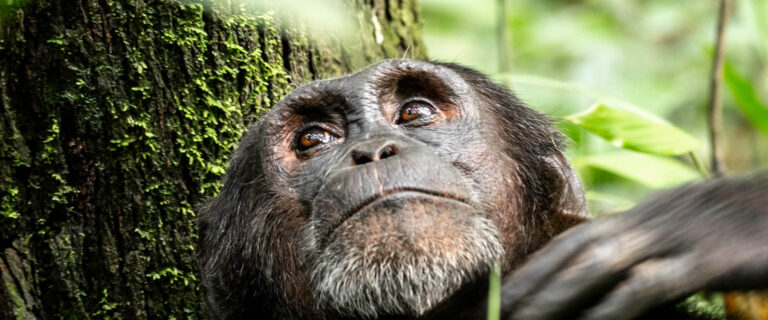
Uganda’s primate experiences are among its most internationally recognised tourism attractions. Mountain gorilla trekking and chimpanzee tracking take place within protected environments where visitor numbers, permits and wildlife encounters are regulated by the relevant authorities.
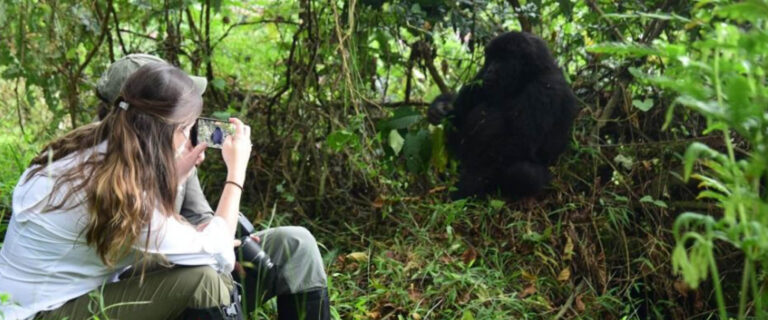
Travellers researching LGBTQ+ gorilla trekking in Uganda should understand both the operational requirements of these activities and the wider destination risks. A private safari can coordinate transport and accommodation, but it does not automatically provide an exclusive trekking group or exemption from national park regulations.
Gorilla Trekking in Bwindi Impenetrable National Park
Bwindi Impenetrable National Park protects mountain gorillas within a biologically rich rainforest environment in southwestern Uganda. Gorilla trekking involves joining an authorised group led by park personnel. Participants receive a briefing before entering the forest and must follow the instructions of their guides and rangers.
The experience may involve steep terrain, muddy trails, variable weather and several hours of walking.Gorilla trekking permits should be arranged in advance, particularly during popular travel periods. Travellers seeking a detailed explanation of the experience can read our Gorilla Trekking in Uganda specialist guide.
Gorilla Trekking in Mgahinga Gorilla National Park
Mgahinga Gorilla National Park lies within the Virunga volcanic landscape near Uganda’s borders with Rwanda and the Democratic Republic of the Congo. The park offers mountain gorilla trekking in a distinctive environment characterised by volcanic slopes, bamboo vegetation and montane habitats.
Trekking conditions vary according to the location of the gorillas, weather and terrain. Visitors must follow authorised park procedures and any applicable security or access restrictions.
Chimpanzee Tracking in Kibale National Park
Kibale National Park is one of Uganda’s principal destinations for chimpanzee tracking. The forest supports several primate species and offers opportunities to observe chimpanzees in their natural habitat during authorised tracking activities.
Chimpanzee movements are unpredictable, and sightings cannot be guaranteed. Tracking may involve walking through forest vegetation under variable weather conditions. Travellers can learn more about activity arrangements, conservation requirements and visitor expectations through our Chimpanzee Tracking in Uganda guide.
Other Primate and Forest Experiences
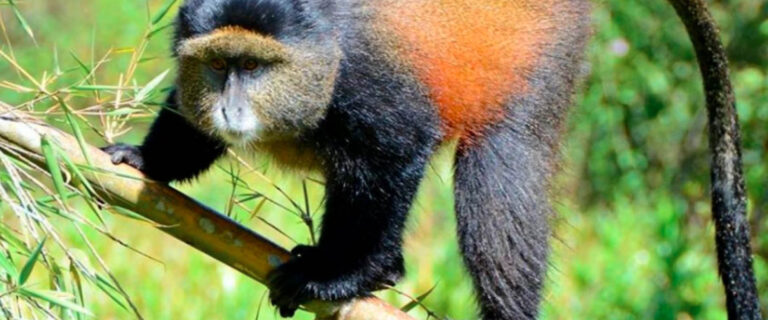
Uganda offers additional forest experiences beyond mountain gorillas and chimpanzees. Depending on the itinerary, travellers may explore guided forest walks, birdwatching activities and selected nature experiences around protected areas.
These activities can provide opportunities to learn about forest ecology, conservation and the relationships between wildlife habitats and surrounding communities. All activities should be arranged through authorised providers where required.
Wildlife and Nature Experiences
Beyond its primates, Uganda offers diverse wildlife and nature experiences across savannahs, wetlands, lakes and mountain environments. These destinations can be incorporated into a private safari according to individual interests, available travel time and prevailing conditions.
Wildlife encounters remain unpredictable, and sightings depend on animal movements, weather, habitat conditions and the activities undertaken.
Wildlife Viewing in Queen Elizabeth National Park
Queen Elizabeth National Park is one of Uganda’s best-known savannah wildlife destinations. Its varied landscapes include grasslands, wetlands, crater lakes and the Kazinga Channel.
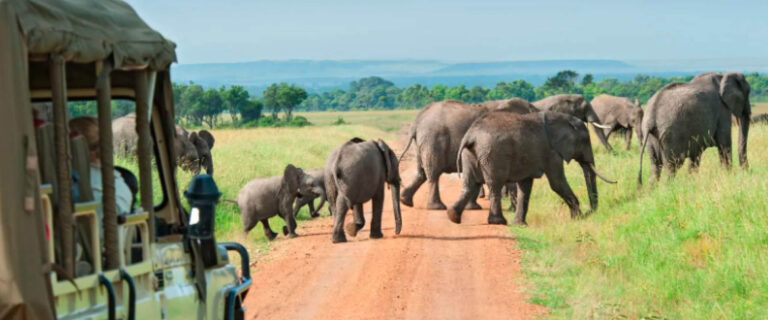
Game drives provide opportunities to observe elephants, buffaloes, antelopes and other wildlife. The Ishasha sector is particularly associated with tree-climbing lions, although sightings are never guaranteed. Boat excursions on the Kazinga Channel offer opportunities to observe hippos, birds and other wildlife associated with the waterway.
Wildlife Viewing in Murchison Falls National Park
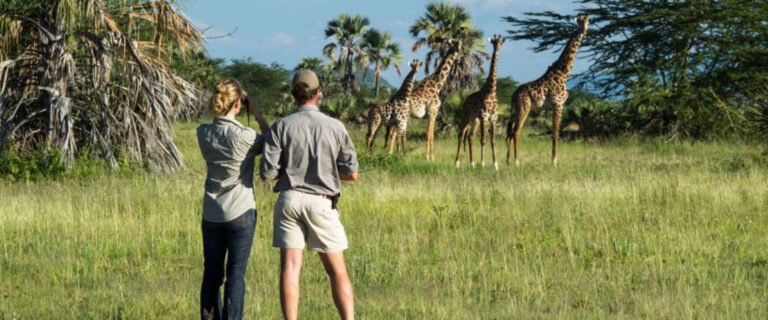
Murchison Falls National Park combines savannah wildlife habitats with the dramatic landscape of the River Nile. Game drives may provide opportunities to observe giraffes, elephants, buffaloes, antelopes and predators.
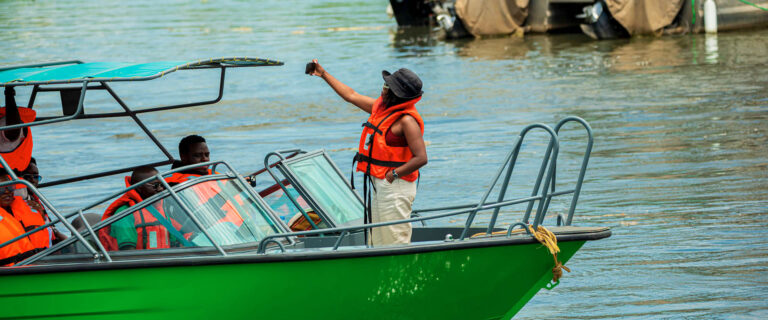
Boat excursions offer a different perspective on the river environment and the wildlife found along its banks. The waterfall itself is a major scenic attraction, where the Nile passes through a narrow rocky gorge. Travellers can explore additional wildlife activities through our Wildlife Viewing guide.
Birdwatching and Specialist Wildlife Interests
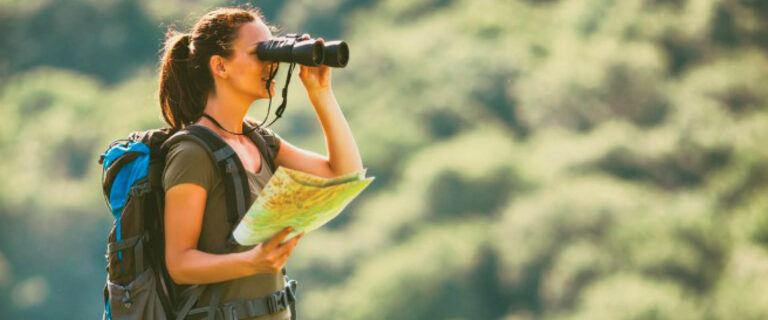
Uganda is an important birdwatching destination because of its varied habitats, including tropical forests, wetlands, savannahs and highland environments. Birdwatchers may be particularly interested in Mabamba Wetland, the forests of Bwindi and Kibale, and the wetland and savannah habitats of major national parks.
Specialist interests can influence the itinerary, guiding requirements and amount of time allocated to individual locations. Our Birding Safaris guide provides further information about Uganda’s birdwatching opportunities.
Lake Bunyonyi and Scenic Relaxation
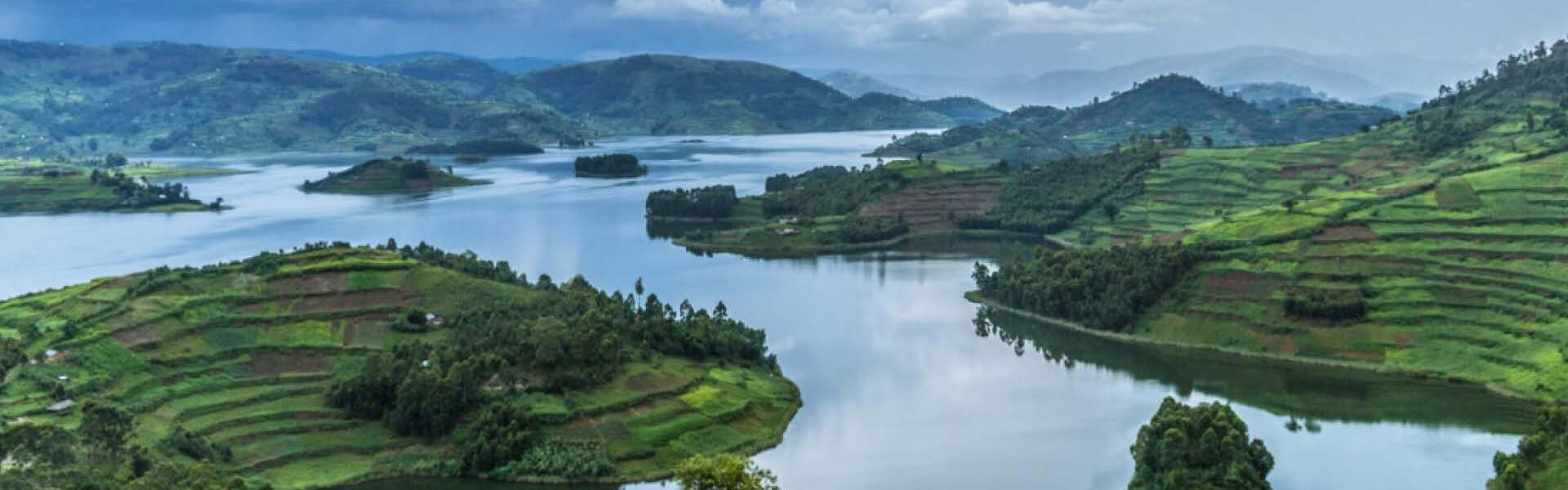
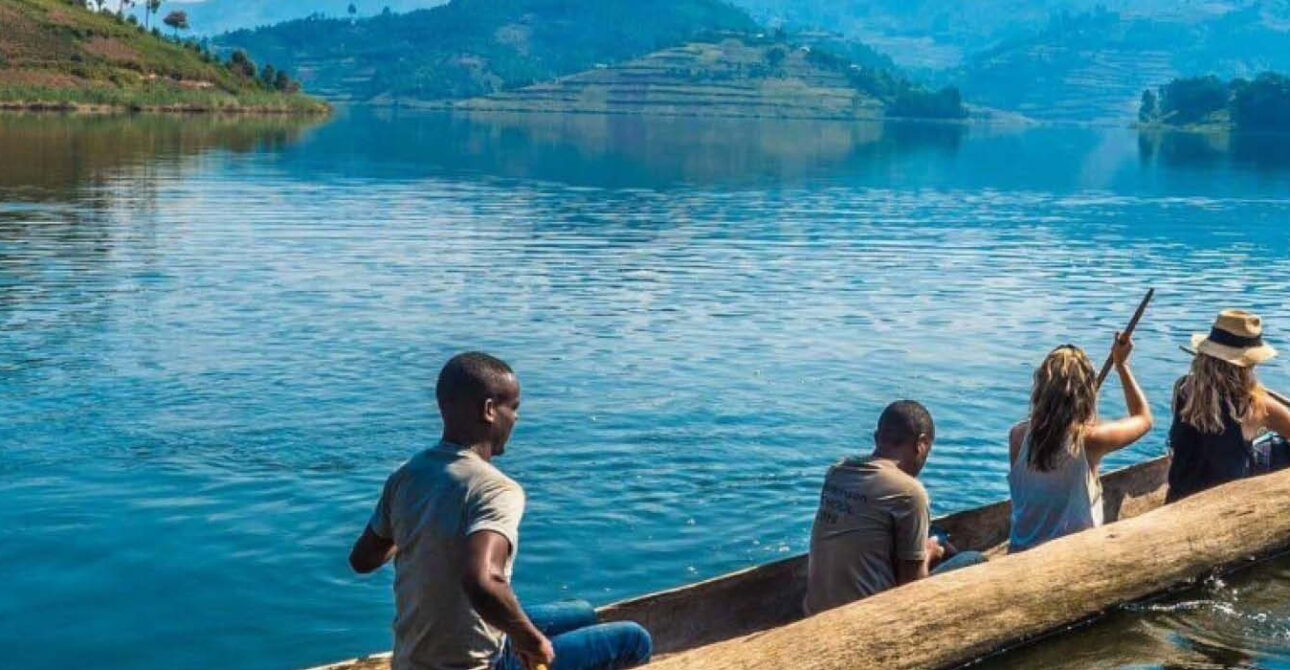
Lake Bunyonyi, in southwestern Uganda, is known for its islands, surrounding hills and peaceful scenery. It can provide a slower-paced experience after forest trekking or longer road journeys.
Visitors may enjoy lakeside relaxation, scenic viewpoints and selected activities offered by local providers. The lake is particularly suitable for travellers who wish to balance active wildlife experiences with time to appreciate the landscape.
Kampala and Entebbe Experiences
Kampala and Entebbe can form part of a wider Uganda itinerary, particularly at the beginning or end of a safari. Depending on travel arrangements, visitors may explore selected cultural attractions, botanical environments, museums and other established visitor experiences.
Entebbe also provides access to Lake Victoria and several nature-related activities. Urban experiences should be planned with reference to current travel advice, transport arrangements and the traveller’s interests.
Accommodation and Respectful Guest Service
Accommodation contributes significantly to the comfort and overall experience of a Uganda safari. The country offers a range of lodges, hotels, tented camps and other accommodation options near its principal tourism destinations.
When selecting accommodation, travellers may consider location, service standards, facilities, accessibility, room arrangements and the surrounding environment. For LGBTQ+ travellers, questions about accommodation policies and the treatment of guests may also be relevant. These matters should be considered without assuming that all properties operate under identical policies.
Selecting Suitable Safari Accommodation
Njagi Safaris considers accommodation location, comfort, facilities, service standards and the requirements of the proposed itinerary when discussing available options. Properties should be evaluated individually rather than described as universally welcoming or suitable for every traveller.
Where a guest has a specific concern about a room arrangement or accommodation policy, the relevant details should be checked with the property before a reservation is confirmed. Such confirmation does not remove the wider legal or social risks associated with the destination.
Accommodation for Couples
Couples may prefer double rooms, private cottages, scenic terraces or accommodation offering a quieter environment. Room preferences can be communicated during the reservation process, but availability and applicable property policies must be confirmed directly.
Travellers should not assume that the availability of a shared room constitutes an assurance about legal protection, privacy or the treatment they may receive. Accommodation arrangements should be considered alongside current official travel advice.
Professional and Respectful Service
Njagi Safaris aims to provide courteous communication, clear itinerary information and professional attention to travellers’ practical requirements. Our approach is to understand the services guests are requesting without making unnecessary assumptions about their relationships, identities or personal circumstances.
Respectful service is an important business principle, but it should not be presented as a guarantee that every third-party provider or authority will respond in the same way.
Safari Planning for Couples, Solo Travellers and Friends
Uganda’s wildlife and nature experiences may appeal to couples, independent travellers and groups of friends with different interests. The most suitable itinerary depends on the actual travellers, their preferred activities, available time and practical requirements.
For LGBTQ+ travellers, the legal and social environment must also form part of the decision-making process. Private safari arrangements can offer flexibility in transport and itinerary design, but they should not be represented as a way to eliminate destination risks.
Private Safaris for LGBTQ+ Couples
Couples may be interested in combining gorilla trekking, wildlife viewing, scenic accommodation and opportunities for relaxation. A private itinerary can help balance these experiences according to shared interests and the preferred pace of travel.
However, same-sex couples should carefully review Uganda’s legal framework and current government advisories before deciding whether the destination is appropriate for them. Accommodation arrangements and private transport do not provide immunity from legal or social risks.
Travellers researching romantic safari experiences more generally can explore our Honeymoon Safaris travel style.
Uganda Safaris for Solo LGBTQ+ Travellers
Solo travellers may appreciate organised transport, professional guiding and clear communication about scheduled activities. A private safari can provide an established itinerary while allowing travellers to concentrate on particular interests such as wildlife photography, primate tracking or birdwatching.
Nevertheless, solo LGBTQ+ travellers should assess the destination’s legal and social environment independently and consider the availability of appropriate support if difficulties arise. An organised itinerary cannot guarantee personal safety or freedom from discrimination.
Small Groups and Friends
Friends travelling together may wish to share wildlife experiences, photography opportunities, guided nature activities and scenic journeys. Group size, room preferences, vehicle arrangements and activity requirements should be established during the planning process.
Where travellers have different interests or physical abilities, a flexible itinerary can help balance the group’s expectations. As with other travel arrangements, the existence of a private group does not remove legal or social considerations.
Privacy, Communication and Practical Arrangements
Clear communication is an important part of responsible safari planning. Travellers may need information about accommodation, transport, travel documentation, activity requirements or other practical matters before deciding whether to proceed.
For LGBTQ+ travellers, the handling of personal information may be particularly important because disclosure can carry additional risks in Uganda. Njagi Safaris should therefore request only the information reasonably necessary to provide the services being discussed and explain when details must be shared with third parties.
Discussing Individual Travel Preferences
Guests can discuss preferred destinations, accommodation arrangements, dietary requirements, mobility needs and other practical travel considerations. A traveller should not be required to disclose their sexual orientation or gender identity merely to request general safari information.
Where an individual raises a sensitive concern, the discussion should focus on the practical information needed to answer the enquiry. Travellers should also understand that safari operators cannot provide legal immunity or guarantee confidentiality in every circumstance.
Confidentiality and Guest Information
Personal information collected during safari enquiries should be handled in accordance with Njagi Safaris’ published privacy practices and applicable data protection requirements. Information should not be collected or shared unnecessarily.
Where a reservation requires personal details to be provided to accommodation establishments, park authorities, transport providers or other parties, the purpose of that disclosure should be explained.Guests should not be promised absolute confidentiality, particularly where legal obligations or third-party procedures may apply.
Arrival, Transfers and Local Guiding
Safari arrangements may include airport reception, scheduled transfers, accommodation coordination and dedicated ground transport. Clear arrival instructions, confirmed itineraries and reliable contact information can help travellers understand how their journey will be organised.
Professional guiding can also support the practical management of travel between destinations and participation in scheduled activities. However, guides and safari operators cannot guarantee protection from law enforcement actions, discrimination or other risks outside their control.
Responding to Concerns During Travel
Travellers should know how to contact their safari operator if an operational concern arises during the journey. Njagi Safaris can assist with matters such as transport changes, accommodation coordination and communication with relevant service providers.
Where a concern involves discrimination, harassment or a legal issue, the circumstances may require assistance beyond the role of a tourism operator. Travellers should review available consular support and appropriate emergency contacts before departure. Njagi Safaris cannot guarantee the outcome of any intervention or provide legal representation.
Best Time to Visit
Uganda can be visited throughout the year, although seasonal rainfall influences road conditions, forest trekking and other outdoor activities. The preferred travel period depends on the destinations included, wildlife interests, available dates and the traveller’s tolerance for variable weather.
Seasonal planning should be considered separately from legal and personal safety considerations, which require current information regardless of the month of travel.
Visiting During the Drier Seasons
Uganda generally experiences relatively drier conditions during December to February and June to August, although seasonal patterns vary between regions. These periods can be attractive for gorilla trekking, chimpanzee tracking and savannah wildlife experiences.
Forest environments may still receive rain, and trekking trails can remain muddy or slippery. Popular travel periods may require earlier arrangements for accommodation and wildlife permits.
Visiting During the Greener Seasons
The wetter periods, particularly around March to May and September to November in many parts of Uganda, bring lush vegetation and changing landscape conditions.
These months can offer rewarding scenery and birdwatching opportunities. However, heavy rainfall may affect roads, forest trails and the scheduling of certain activities. Travellers should consider the physical requirements of their preferred experiences and allow appropriate flexibility.
Planning Around Personal Preferences
Some travellers prioritise trekking conditions, while others prefer birdwatching, photography, scenic landscapes or quieter travel periods. Njagi Safaris can discuss seasonal conditions and the practical implications of different travel dates.
The final choice should reflect the proposed itinerary, current activity availability and the traveller’s individual circumstances. Weather suitability should not be confused with an assurance about personal or legal safety.
Responsible Travel and Local Considerations
Responsible travel in Uganda involves respecting protected-area regulations, wildlife habitats, local communities and the people encountered during a journey. Visitors should follow authorised guides’ instructions, observe required wildlife distances and avoid activities that disturb animals or damage habitats.
Responsible travel also requires accurate information. LGBTQ+ travellers should not be given misleading assurances about legal protection, social acceptance or personal safety. For regulations and official park information, travellers can consult the Uganda Wildlife Authority and Uganda Tourism Board.
Frequently Asked Questions
Uganda presents serious legal and social risks for LGBTQ+ people. Same-sex sexual activity is criminalised, and official government advisories warn of possible harassment, blackmail, violence and imprisonment. Private safari arrangements cannot eliminate these risks. Travellers should consult current official advice and assess their circumstances before deciding whether to visit.
Consensual same-sex sexual activity is illegal in Uganda. The Anti-Homosexuality Act, 2023 provides for severe criminal penalties, including life imprisonment for certain offences and the death penalty for offences classified as aggravated homosexuality. Travellers should consult current official legal information rather than relying on informal assurances.
Private safari planning can accommodate different travel interests and practical requirements. However, Uganda’s laws create serious risks for same-sex couples, and booking private transport or accommodation does not remove those risks. Travellers should obtain current destination information and consider whether Uganda is appropriate for their circumstances.
Gorilla trekking is organised through authorised park procedures, permits and visitor requirements. Travellers considering the activity must also assess Uganda’s wider legal and social environment. A private safari itinerary does not guarantee an exclusive trekking group or protection from legal risks.
Accommodation policies and service practices vary between properties. It would be inaccurate to describe all Uganda safari lodges as LGBTQ+-friendly without verification. Travellers should seek confirmation of relevant arrangements while recognising that accommodation policies do not override national laws or eliminate personal risks.
Yes. Private safari arrangements can include dedicated ground transport and guiding, subject to availability and the agreed itinerary. However, a private guide cannot guarantee confidentiality, legal protection or freedom from discrimination. Activities organised by national parks may also involve other participants.
Uganda offers remarkable wildlife and scenic experiences, but its legal environment creates significant risks for same-sex couples. Scenic accommodation or private transport should not be interpreted as evidence that those risks have been removed.
Solo travellers can research Uganda’s established wildlife destinations and available safari arrangements.
For wildlife and trekking conditions, relatively drier periods are often attractive, particularly December to February and June to August. Travel decisions should therefore consider current official advice as well as weather and wildlife interests.
Travellers can review Uganda’s destinations and general private safari planning information through Njagi Safaris. Njagi Safaris can explain ordinary safari logistics and available services but cannot provide legal advice or guarantee personal safety.
Plan Your Safari with Njagi Safaris
At Njagi Safaris, our approach to travel planning is based on understanding individual interests, coordinating practical arrangements and providing professional service.
We believe travellers should have access to accurate destination information that enables them to make informed decisions. This includes recognising circumstances in which legal, social or personal considerations may influence whether a destination is appropriate.
For general itinerary planning, travellers can also use our Plan Your Safari service to enquire about destinations, travel dates, accommodation preferences and wildlife activities.