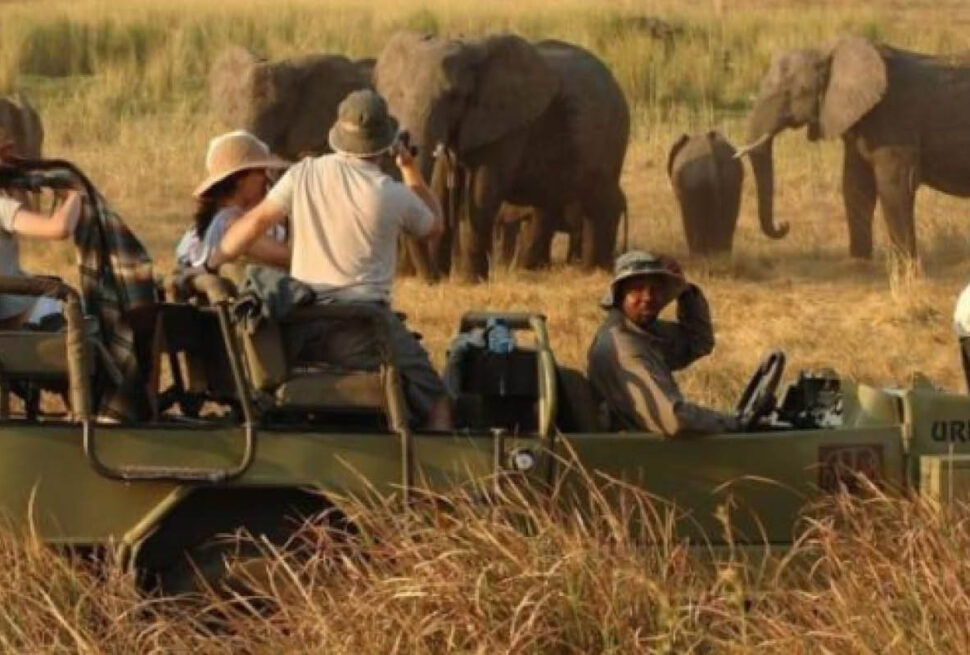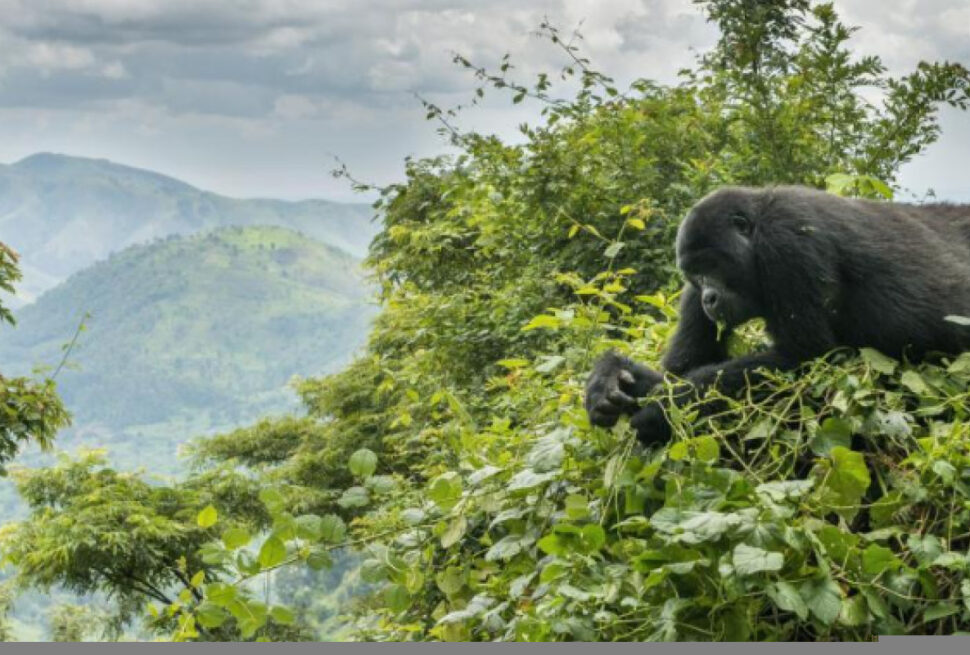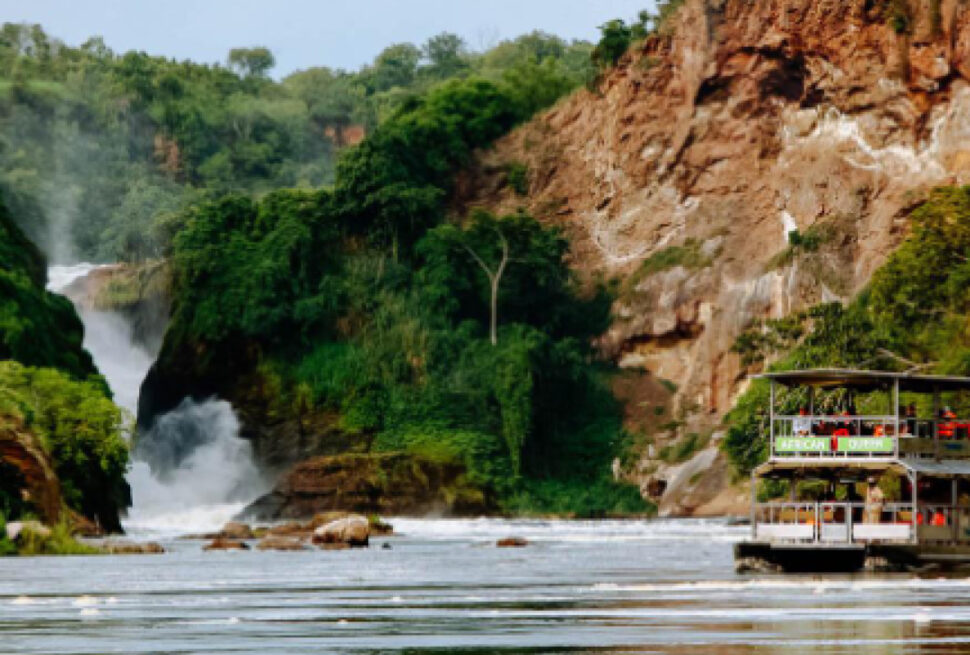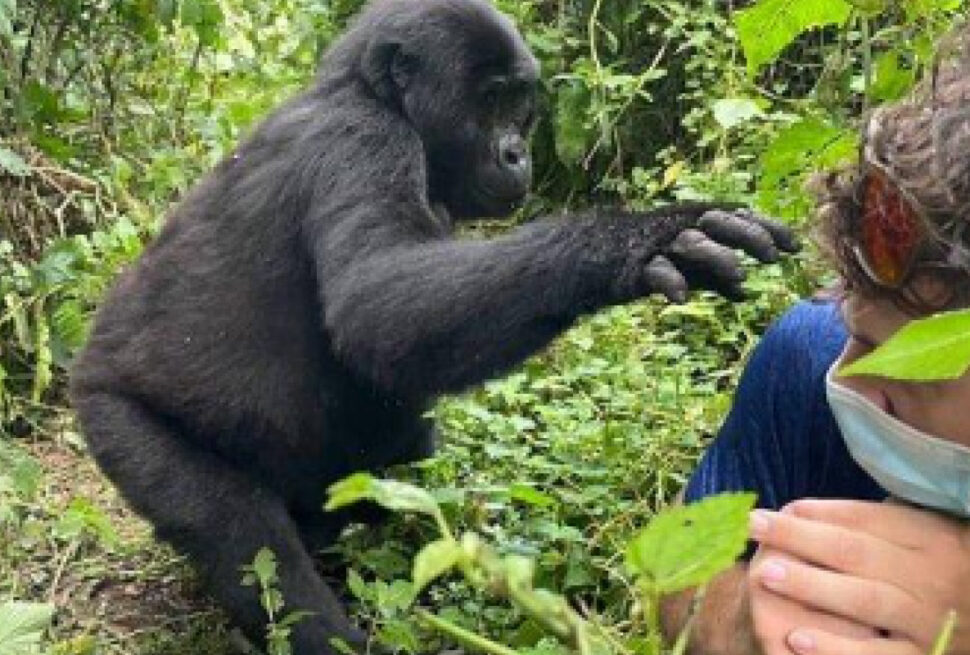
The journey also includes time around Lake Bunyonyi, creating a balance between active wildlife experiences, forest landscapes and scenic relaxation. For travellers planning their first Uganda journey, this itinerary provides a practical example of how a Uganda gorilla safari can combine primates, wildlife and landscapes within one week.
7 Days Gorilla Safari at a Glance
| Day | Destination / Experience |
| Day 1: | Travel to Kibale National Park |
| Day 2: | Chimpanzee Tracking in Kibale |
| Day 3: | Travel to Queen Elizabeth National Park |
| Day 4: | Wildlife Viewing and Kazinga Channel Boat Safari |
| Day 5: | Ishasha Wildlife Viewing and transfer to Bwindi |
| Day 6: | Gorilla Trekking in Bwindi and Lake Bunyonyi |
| Day 7: | Lake Bunyonyi and return to Entebbe |
This route combines chimpanzee tracking, wildlife viewing, boat safari and gorilla trekking while moving through some of southwestern Uganda’s most distinctive landscapes.
Why Choose 7 Days Gorilla Safari in Uganda?
A 7-day Uganda gorilla safari is a good option for travellers who want more than a single gorilla trekking experience but have limited time for a longer Uganda journey. The itinerary combines Kibale’s rainforest and chimpanzees with Queen Elizabeth’s savannah and wetlands before continuing to Bwindi’s mountain forest. This creates considerable variety within seven days, while Lake Bunyonyi provides a scenic setting around the gorilla trekking experience. The itinerary can also be adapted around accommodation preferences, travel dates and additional interests. Travellers who have more time may choose a longer Uganda safari combining gorillas with additional wildlife destinations and experiences.
Day 1: Travel to Kibale National Park
The first day begins the journey towards Kibale National Park, one of Uganda’s key destinations for chimpanzee tracking and forest-based primate experiences. The journey introduces travellers to Uganda’s changing landscapes as they move towards the forest region. Depending on the starting point and itinerary arrangements, the day can also include suitable stops along the route. Arriving in Kibale allows time to settle into the forest environment before the following day’s chimpanzee experience.
Day 2: Chimpanzee Tracking in Kibale
Day two is dedicated to chimpanzee tracking in Kibale National Park. Guided forest walks provide opportunities to search for habituated chimpanzee communities while experiencing the wider rainforest environment. Kibale is particularly important for travellers interested in primates and can complement the later gorilla trekking experience in Bwindi. The two forest experiences provide different encounters with Uganda’s great apes and create a strong primate-focused component within the itinerary.
Travellers interested in combining chimpanzees and gorillas can also explore our Chimpanzee Tracking activity for additional itinerary ideas. Uganda’s Kibale National Park is recognised within Njagi Safaris’ destination planning as a leading chimpanzee and primate destination.
Day 3: Travel to Queen Elizabeth National Park
After the Kibale experience, the safari continues towards Queen Elizabeth National Park. The transition from tropical forest to savannah and wetland landscapes creates a noticeable change in scenery and wildlife habitat. The journey also positions the safari for the following day’s wildlife viewing and Kazinga Channel boat safari. Queen Elizabeth is an important component of this itinerary because it adds a traditional African wildlife experience between the chimpanzee forests of Kibale and the gorilla forests of Bwindi.
Day 4: Wildlife Viewing and Kazinga Channel Boat Safari
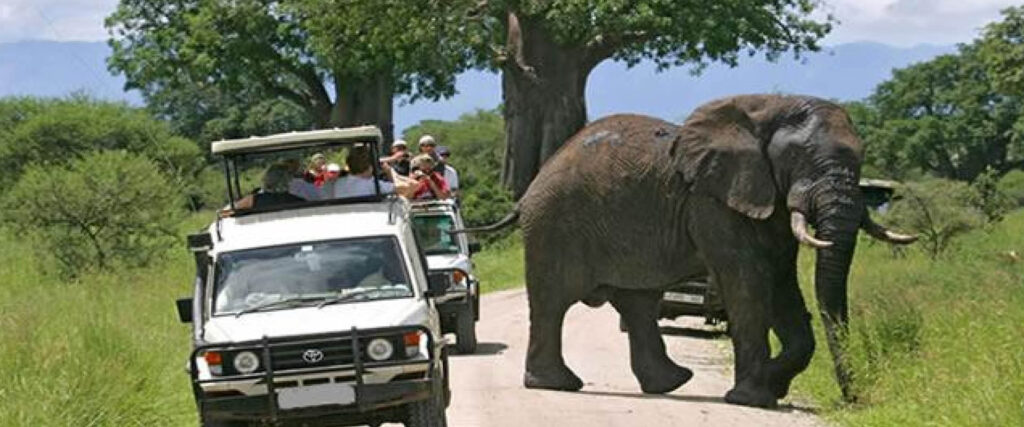
Day four combines wildlife viewing with a Kazinga Channel boat safari, offering two different ways to experience Queen Elizabeth National Park. Game drives provide opportunities to explore the park’s savannah landscapes and search for wildlife, while the boat journey offers a different perspective from the water. The Kazinga Channel is known for its concentration of hippos, crocodiles, elephants, buffaloes and waterbirds.
The combination of land and water-based wildlife viewing makes this one of the most varied days of the itinerary. Queen Elizabeth is specifically identified within Njagi Safaris’ destination structure for wildlife, game drives and the Kazinga Channel.
Day 5: Ishasha Wildlife Viewing and Transfer to Bwindi
Day five continues through the Ishasha sector before transferring towards Bwindi Impenetrable National Park. Ishasha adds another wildlife viewing to the journey and provides a scenic transition from the open landscapes of Queen Elizabeth towards the forested highlands of southwestern Uganda.
The transfer to Bwindi is an important part of the itinerary because it positions travellers for the following day’s gorilla trek. Depending on the final trekking sector and accommodation selected, the route and overnight arrangements can be adjusted to create a practical connection between Ishasha and Bwindi.
Day 6: Gorilla Trekking in Bwindi and Transfer Towards Lake Bunyonyi
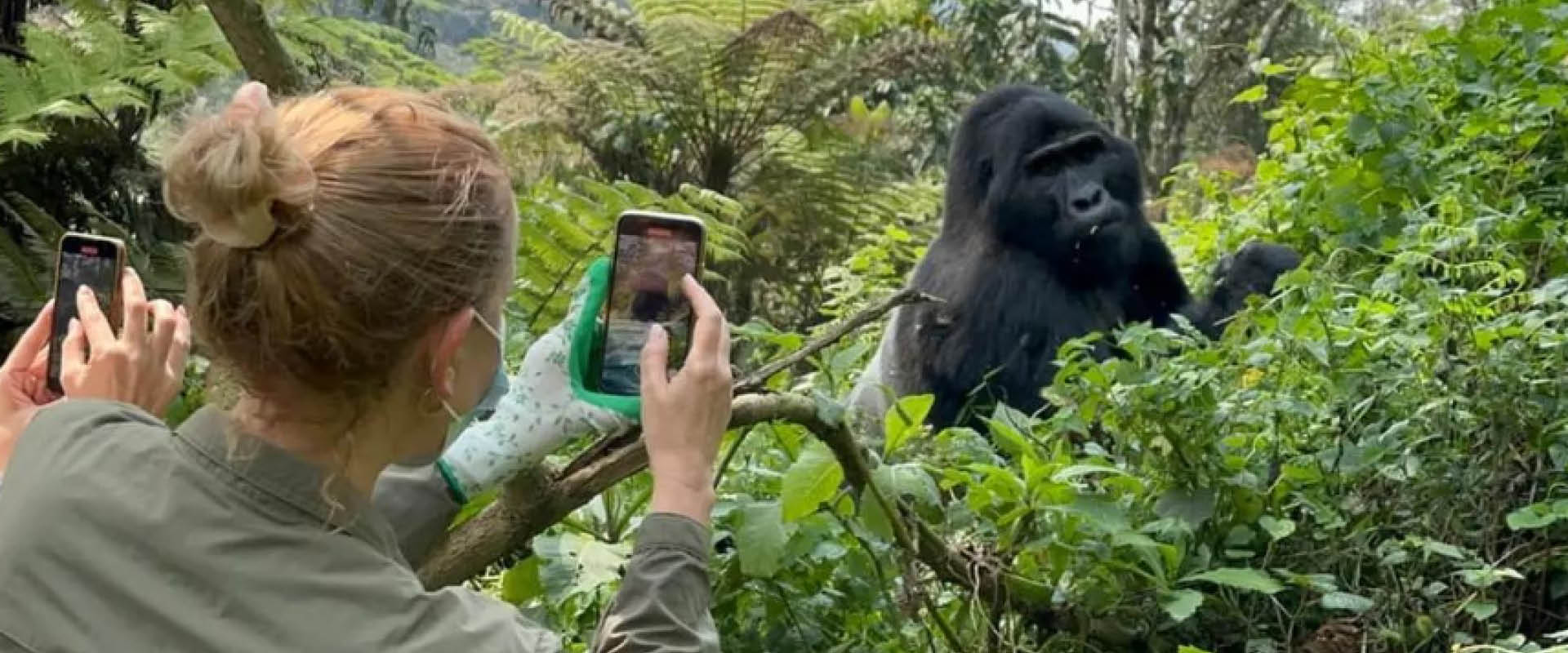
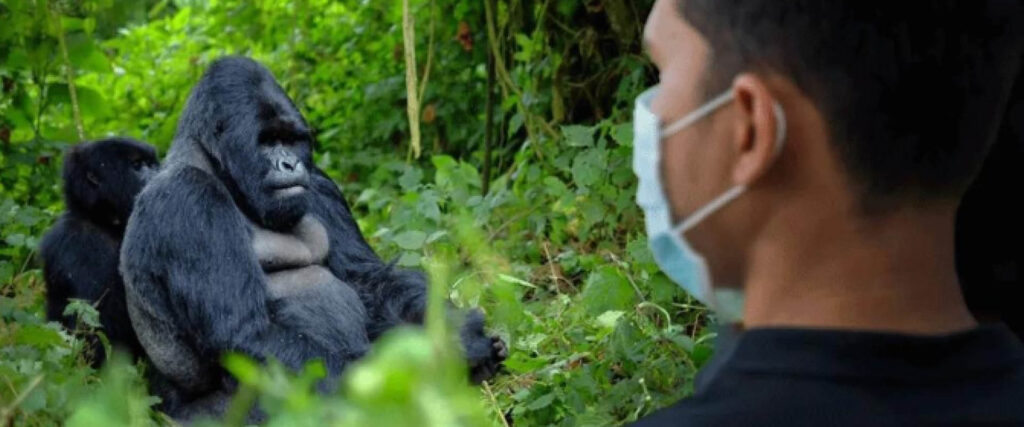
Day six is the defining day of the 7-day gorilla safari, with gorilla trekking in Bwindi Impenetrable National Park. After the necessary briefing and preparations, travellers enter the forest with authorised guides and trackers in search of a habituated mountain gorilla family. The duration and difficulty of the trek can vary depending on the location of the gorillas and the forest conditions. This day is dedicated to the main highlight of the itinerary: Gorilla Trekking.
After the trekking experience, the journey continues towards Lake Bunyonyi, one of southwestern Uganda’s most scenic highland lakes. The lake provides an opportunity to slow the pace after the physical demands of gorilla trekking. Travellers can learn more about the destination through Bwindi Impenetrable National Park and explore relevant Gorilla Trekking Safaris for alternative itineraries.
Day 7: Lake Bunyonyi and Return to Entebbe
The final day provides time to enjoy the scenery around Lake Bunyonyi before beginning the return journey towards Entebbe. After several days of forest, wildlife and primate experiences, the lake provides a quieter setting before departure. Depending on the final travel arrangements and flight schedule, the return journey can be adjusted to accommodate onward international travel. The journey concludes with a combination of memories from chimpanzee tracking, savannah wildlife, the Kazinga Channel and the defining gorilla trekking experience.
What This 7-Day Gorilla Safari Includes
A well-planned 7 Days Gorilla Safari in Uganda combines several of the country’s strongest wildlife and primate experiences without trying to cover too much ground. The precise inclusions depend on the accommodation level, travel arrangements and activities selected, but a typical itinerary can include accommodation, meals as specified, private safari transportation, an English-speaking driver-guide, park activities and the relevant permits or activity fees.
The most important activity to arrange well in advance is the gorilla trek. Gorilla trekking in Uganda takes place in Bwindi Impenetrable National Park and Mgahinga Gorilla National Park. Uganda Wildlife Authority notes that gorilla treks can last between two and seven hours depending on the location of the gorilla family, terrain and other conditions, so the trekking day should not be treated as a fixed-duration excursion.
The itinerary also includes chimpanzee tracking in Kibale. This provides a useful contrast to gorilla trekking because the two activities take place in different forest environments and involve different primate species. UWA describes guided chimpanzee tracking walks in Kibale as typically lasting two to five hours, with the duration influenced by chimpanzee movements, weather and terrain.
Depending on the safari arrangement, the journey can also include wildlife viewing in Queen Elizabeth National Park and a boat safari on the Kazinga Channel. The channel connects Lakes Edward and George and provides opportunities to observe hippos, crocodiles, elephants, buffaloes and water birds from the water.
For travellers comparing different trip lengths, our How Many Days for a Uganda Safari? guide can help put a seven-day itinerary into perspective. Or, if you have limited time, explore the 5 Days Uganda Safari: Wildlife, Chimpanzees & Gorilla Trekking and if you more time in Uganda, explore 12 Days Uganda Safari: Gorillas, Chimpanzees & Wildlife.
What Can Be Customised?
One advantage of a Uganda Gorilla Safari Itinerary is that it does not have to follow a single rigid formula. The seven-day framework can be adjusted around your preferred accommodation standard, travel style, fitness level, flight arrangements and interest in wildlife or primates.
For example, travellers who place greater emphasis on primates can give more attention to Kibale and Bwindi, while those who want a stronger traditional safari component may prefer to maximise their time in Queen Elizabeth National Park. The itinerary can also be adjusted according to the gorilla trekking sector in which the permit is secured. Bwindi has four principal trekking sectors; Buhoma, Ruhija, Rushaga and Nkuringo and the choice of sector can influence where you stay and how the safari is routed.
Accommodation is another important area for customisation. A seven-day journey can be designed around mid-range, premium and signature accommodation Collections or a more Luxury safari style. The choice should take into account not only the quality of the lodge but also its location relative to the following day’s activity.
Travel arrangements can also be modified. A road-based itinerary provides a more gradual journey through western Uganda, while selected sectors of Bwindi can be reached using scheduled or chartered flights from Entebbe, followed by a ground transfer. UWA confirms air access to Kihihi and Kisoro for different parts of Bwindi.
The most important principle is to customise the itinerary without making the schedule unnecessarily tight. Gorilla permits, chimpanzee tracking slots, road conditions, weather and wildlife movements can all influence how a safari should be organised.
Alternative 7-Day Uganda Safari Options
The itinerary above is designed for travellers who want to combine chimpanzee tracking, wildlife viewing and gorilla trekking within seven days. It is not, however, the only way to structure a 7-Day Uganda Safari. Travellers primarily interested in gorillas could reduce the number of wildlife stops and devote more time to Bwindi. This can create a slower-paced journey with greater emphasis on the forest environment and the gorilla experience.
Another option is to combine gorilla trekking with more extensive wildlife viewing. This may suit travellers who want their Uganda Gorilla Safari to include a stronger traditional safari component, although fitting additional destinations into seven days requires careful routing.
A more comprehensive alternative is to extend the trip beyond seven days. For example, the 12-Day Best of Uganda Safari | UG-UC1 Pearl Heritage Package allows substantially more time for wildlife, landscapes and cultural experiences. Travellers looking for a longer primate-and-wildlife journey can also consider the 14-Day Uganda Big Five Gorilla Safari | UG-M5 Pearl Explorer Package.
For travellers specifically looking for gorilla-focused journeys, the Gorilla Trekking Safaris collection provides a broader range of possible itineraries. The right choice therefore depends less on the number seven itself and more on what you want the seven days to achieve. If you plan many days in Uganda, Explore 16 Days Uganda Safari: Gorillas, Chimpanzees, Wildlife & Rwenzori.
Planning Your 7 Days Gorilla Safari
The most important part of planning a Gorilla Trekking Safari Uganda is securing the gorilla permit and then building the rest of the itinerary around the confirmed trekking date and sector. Gorilla and chimpanzee permits should be treated as advance-planning items rather than activities to arrange after arrival. UWA’s current guidelines state that Foreign Non-Resident gorilla and chimpanzee tracking permits are purchased through tour operators licensed by the Uganda Tourism Board.
Your physical preparation also matters. Gorilla trekking involves walking through forest terrain that can be steep, muddy and uneven. UWA recommends moderate fitness for gorilla tracking, with the duration depending on where the gorilla family is located. It is equally important to allow flexibility. A Uganda Safari Itinerary is a framework rather than a guarantee that every activity will unfold at exactly the planned time. Road conditions, rainfall, animal movements, trekking conditions and permit availability can all affect the final sequence.
When choosing accommodation, consider location as carefully as the property itself. A lodge that is attractive but far from the trekking trailhead may be less convenient than a property that places you closer to the briefing point. Travellers should also consider the appropriate vehicle. Some routes around Bwindi include winding and unpaved roads, and UWA recommends a four-wheel-drive vehicle for several approaches to the park.
Finally, build some breathing room into the itinerary. A seven-day safari should be rewarding rather than a race between destinations. A well-designed route balances travel, wildlife viewing, rest and the major experiences that motivated the journey in the first place. For broader planning guidance, explore our Travel Resources or the Gorilla Trekking Guide before finalising your itinerary.
Frequently Asked Questions About a 7-Day Gorilla Safari in Uganda
Is seven days enough for a gorilla safari in Uganda?
Yes. The 7 Days Gorilla Safari can provide a well-rounded introduction to Uganda’s primates and wildlife, particularly when the itinerary combines Kibale, Queen Elizabeth and Bwindi. The key is to keep the routing practical and avoid adding too many destinations.
Can I combine chimpanzee tracking and gorilla trekking in seven days?
Yes. This is one of the strongest reasons to choose this itinerary. Kibale provides the chimpanzee-tracking experience, while Bwindi provides the mountain-gorilla experience. The two activities create a distinctive primate-focused journey through western Uganda.
How long does gorilla trekking take?
The duration varies. Uganda Wildlife Authority states that gorilla treks may last approximately two to seven hours, depending on circumstances such as the location and movement of the gorilla family and the terrain. Visitors are allowed one hour with a habituated gorilla family once the group has been located.
Can I do a gorilla trek and travel to Lake Bunyonyi on the same day?
It can be possible, depending on the trekking sector, the duration of the trek and the location of your accommodation. However, it should not be treated as a guaranteed timetable. A longer trek or difficult road conditions can make the day substantially longer than expected. For this reason, the Lake Bunyonyi component should be planned with sufficient flexibility.
Is Queen Elizabeth National Park worth including in a seven-day gorilla safari?
For travellers who want more than primates, yes. Queen Elizabeth adds a traditional wildlife dimension to the itinerary, while the Kazinga Channel provides a different perspective from a conventional game drive. The park is also strategically positioned on routes through western Uganda.
Can I customise a 7-day Uganda gorilla itinerary?
Yes. The itinerary can be adjusted according to your gorilla trekking sector, accommodation preference, transport arrangements, interests and available budget. Some travellers may prefer a stronger primate focus, while others may want more time for wildlife viewing.
When should I book a gorilla safari in Uganda?
It is advisable to plan well in advance, particularly because gorilla permits are limited and must be coordinated with the intended trekking date and sector. UWA’s current permit guidelines provide specific procedures for gorilla and chimpanzee tracking reservations.
What happens if weather or road conditions affect the itinerary?
A professionally planned safari should allow for reasonable flexibility. Weather, road conditions, trekking conditions and wildlife movements can affect the timing of activities. The itinerary may therefore be adjusted while maintaining the main objectives of the trip.
Conclusion
A 7 Days Gorilla Safari in Uganda works particularly well for travellers who want to experience several of western Uganda’s highlights without committing to a much longer journey. By combining chimpanzee tracking in Kibale, wildlife viewing in Queen Elizabeth, the Ishasha route, gorilla trekking in Bwindi and time around Lake Bunyonyi, the itinerary brings together forests, savannah, lakes and some of Uganda’s most important primate experiences.
The greatest value comes from careful sequencing rather than simply adding more activities. Securing the right gorilla permit, choosing the appropriate trekking sector, allowing realistic travel time and leaving room for changing field conditions will make the seven days more comfortable and rewarding.
For travellers ready to explore specific options, the Njagi Safaris Gorilla Trekking Safaris collection provides a starting point for comparing Uganda gorilla safari itineraries. For wider preparation, return to the Gorilla Trekking Guide, Travelers Information and the broader Travel Resources section.