
Akagera National Park
Akagera National Park is Rwanda’s leading savannah wildlife destination, known for its Big Five animals, rolling grasslands, wooded hills, lakes and extensive wetlands. Located in eastern Rwanda along the border with Tanzania, the park offers a distinctive safari experience that contrasts with the country’s mountain gorilla habitats and tropical rainforests.
From guided game drives and Lake Ihema boat safaris to birding and scenic wildlife viewing, Akagera brings together diverse habitats within a remarkable conservation landscape. Its recovering wildlife populations and ongoing habitat protection make it an important destination for travellers interested in both African wildlife and responsible tourism.
Akagera can be explored as a dedicated Rwanda wildlife safari or combined with Volcanoes National Park, Nyungwe Forest and other destinations to create a more varied journey.
Akagera National Park at a Glance
- Location: Eastern Rwanda, bordering Tanzania, within the country’s lowland savannah and wetland region.
Landscape: Open grasslands, wooded savannah, rolling hills, lakes, papyrus swamps and extensive wetland habitats.
Best known for: Big Five wildlife viewing, game drives, Lake Ihema boat safaris and the recovery of important wildlife populations.
Other experiences: Birding, guided nature experiences where permitted, photography and scenic exploration.
Principal wildlife: Lions, elephants, buffaloes, leopards, rhinoceroses, giraffes, zebras, antelopes, hippos and crocodiles.
Main visitor areas: Southern entrance near Kayonza, Lake Ihema and the southern lakes region, central savannah and northern plains.
Safari style: Suitable for private wildlife safaris, short Rwanda extensions, Mid-Range, Premium and Signature itineraries.
Planning priority: Decide how much time to spend in the park, confirm the preferred accommodation area and plan game-drive routes around the park’s size and access arrangements.
A landscape of conservation recovery: Akagera is an important example of protected-area restoration in Rwanda. Conservation management, wildlife reintroductions and strengthened protection have helped restore species that had disappeared from the park, including lions and rhinoceroses. Its savannahs, wetlands and lakes now support a broad range of wildlife and offer visitors a different perspective on Rwanda’s natural heritage.
Akagera is more than a short wildlife stop. Its varied habitats and extensive road network reward thoughtful planning, particularly for travellers who want time to explore both the southern lakes and northern savannah.
Why Visit Akagera National Park?
Akagera National Park offers an opportunity to experience Rwanda’s savannah wildlife within a landscape of open plains, woodland, lakes and wetlands. Unlike the forest environments associated with gorilla and chimpanzee tracking, Akagera is primarily explored through game drives, allowing visitors to observe wildlife across different habitats.
The park is home to the Big Five: lions, leopards, elephants, buffaloes and rhinoceroses. Other animals include giraffes, zebras, hippos, crocodiles and several antelope species. Sightings vary according to animal movements, weather, vegetation and the areas visited, making each game drive a different experience.
Akagera is also particularly rewarding for birdwatchers. Its wetlands, lakes, woodland and grasslands support diverse birdlife, including waterbirds and species associated with Rwanda’s eastern savannah.
The park’s conservation story adds another dimension to a visit. Wildlife restoration and ongoing protected-area management demonstrate how conservation efforts can help rebuild ecosystems and support nature-based tourism.
For travellers combining several Rwanda destinations, Akagera creates a strong contrast with the Virunga volcanoes and Nyungwe’s montane rainforest. Explore our Rwanda Safari Destinations to discover how these different landscapes can form part of one itinerary.
Things to Do in Akagera National Park
Akagera offers a range of wildlife and nature experiences suited to private Rwanda safaris. The most suitable combination depends on the length of your stay, wildlife interests, seasonal conditions and the activities operating during your visit.
Guided Game Drives
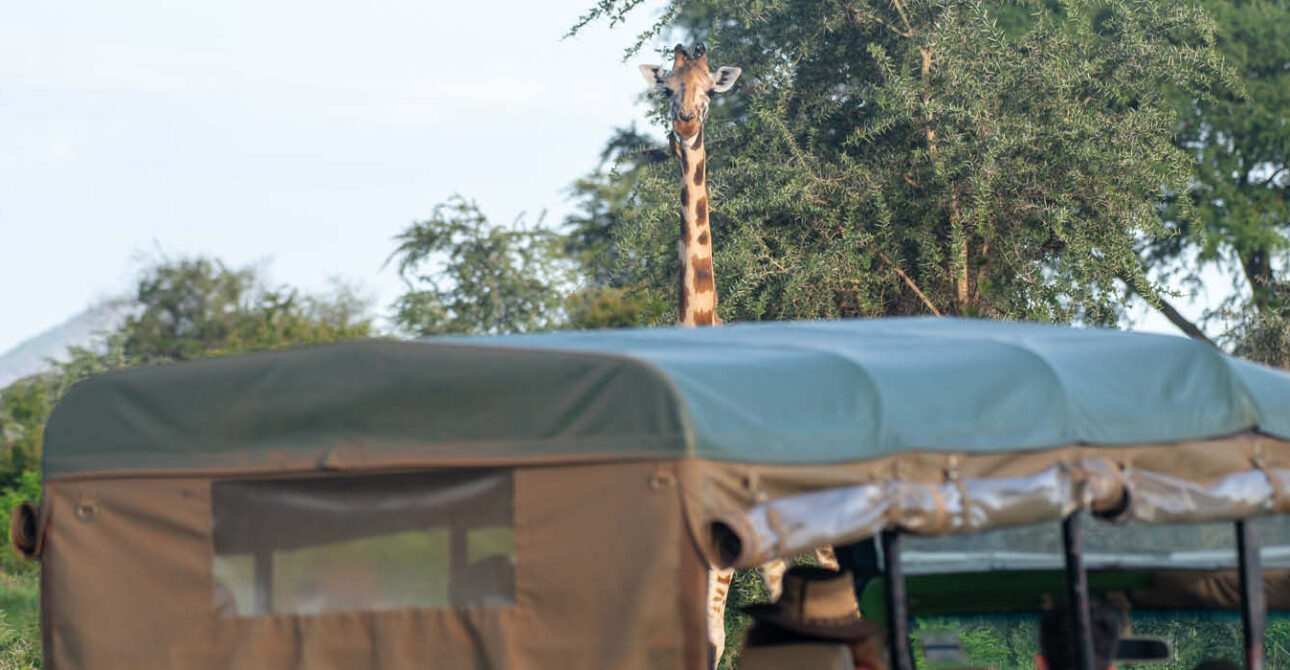
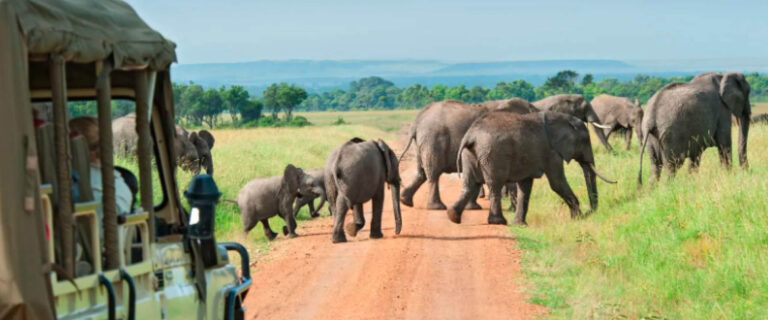
Game drives are Akagera’s principal safari activity. Travellers explore designated roads through grasslands, woodland and lakeside habitats in search of lions, elephants, buffaloes, giraffes, zebras, antelopes and other wildlife.
A knowledgeable safari guide can help interpret animal behaviour, identify species and select suitable routes based on recent sightings and conditions. Early morning and late afternoon drives are often particularly rewarding, although wildlife encounters remain unpredictable.
Big Five Wildlife Viewing
Akagera is Rwanda’s Big Five destination, offering opportunities to encounter lions, leopards, elephants, buffaloes and rhinoceroses within one protected landscape. These animals occupy different habitats and may be difficult to locate, particularly elusive species such as leopards. A longer stay allows more time to explore suitable areas, but sightings of all five species cannot be guaranteed.
Lake Ihema Boat Safari
A boat safari on Lake Ihema offers a different perspective on Akagera’s wildlife. Visitors can observe lakeshore habitats and look for hippos, crocodiles and waterbirds while travelling through the park’s aquatic environment. Boat excursions are subject to park schedules, safety procedures, weather and operational arrangements. Advance planning is recommended, especially when combining a boat safari with game drives on the same day.
Birding
Akagera is one of Rwanda’s notable birding destinations because of its combination of savannah, woodland, lakes and wetlands.
Birdwatchers can look for raptors, waterbirds, kingfishers, herons, storks and other species associated with the park’s varied habitats. A specialist guide can help visitors explore suitable birding areas and identify species of particular interest.
Scenic Savannah and Wetland Exploration
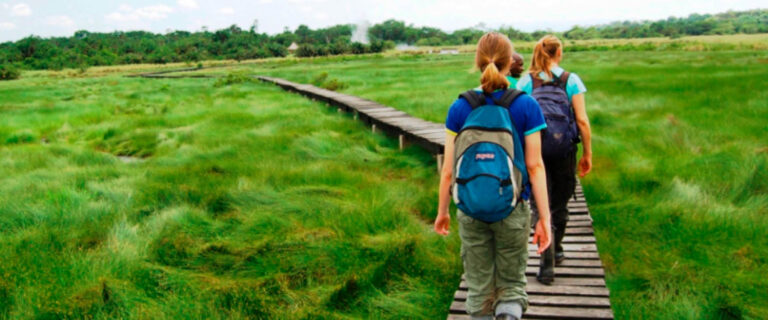
Akagera’s scenery is an important part of its appeal. Rolling hills, open plains, woodland and lakes create varied viewpoints and opportunities to appreciate the park beyond individual animal sightings.
The landscape changes as visitors move between the southern lakes and northern grasslands. Scenic stops should be made only in authorised areas and in accordance with park guidance.
Wildlife Photography
Akagera offers photographic opportunities across different habitats, from elephants and giraffes in the savannah to birds and hippos near the lakes.
Good wildlife photography depends on patience, appropriate positioning and respect for animal behaviour. Travellers should avoid disturbing wildlife or requesting unsafe approaches for closer photographs.
Night Game Drives
Where available through authorised park arrangements, night game drives provide an opportunity to experience Akagera after dark and look for nocturnal wildlife.
These activities operate under specific safety and guiding requirements. Availability, permitted routes, departure times and booking conditions should be confirmed with the park before including a night drive in an itinerary.
Conservation and Nature Experiences
Akagera’s wildlife recovery makes the park particularly interesting to travellers who want to understand conservation management and ecosystem restoration.
Guides can introduce visitors to the park’s conservation history, habitat protection and the importance of managing wildlife populations responsibly. Any specialist conservation experiences should be arranged only through authorised providers.

Akagera National Park Visitor Areas and Wildlife Zones
Understanding Akagera’s different visitor areas is important when planning game drives and accommodation. The park extends across a large landscape, and its southern lakes, central habitats and northern plains offer different wildlife-viewing opportunities.
A safari focused only on the southern section can be rewarding, but travellers seeking a broader experience should allow sufficient time to explore farther north.
Southern Entrance and Park Headquarters
The southern entrance is the main arrival point for visitors travelling from Kigali. It provides access to park reception, visitor information and the southern game-drive routes. This is an important starting point for confirming entry arrangements, guides, activities and the planned route through the park.
Lake Ihema and the Southern Lakes
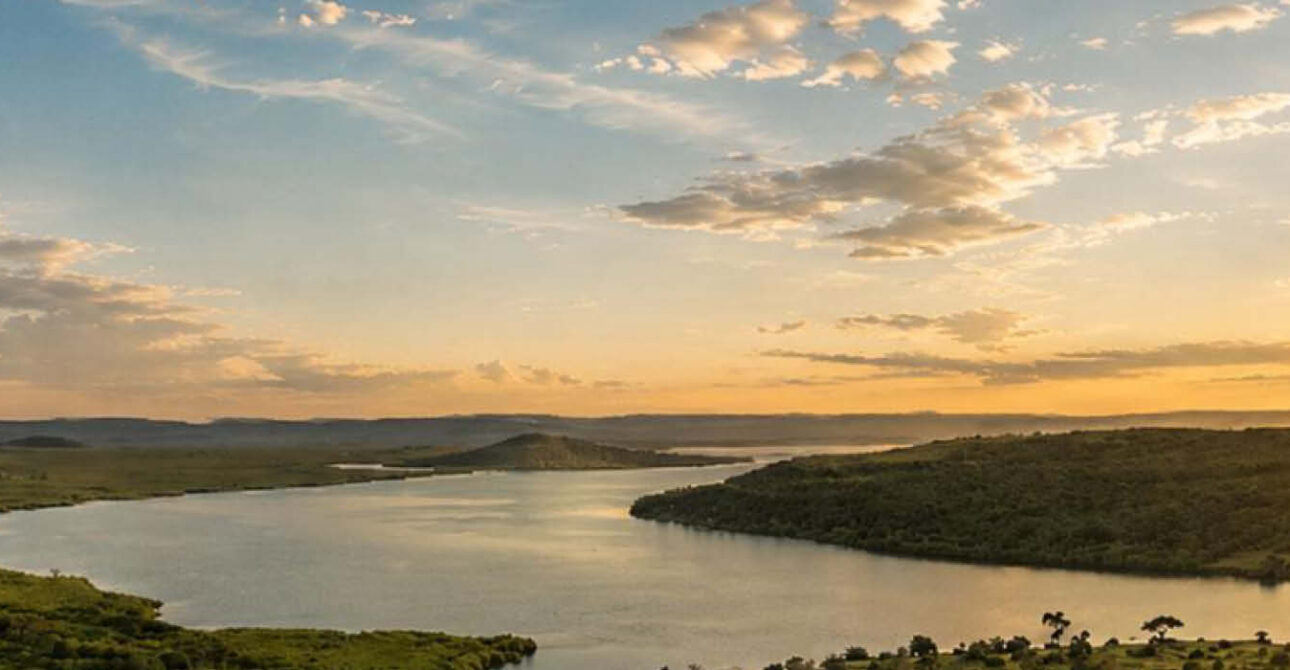
Lake Ihema is one of Akagera’s principal attractions and a focal point for boat safaris, waterbirds, hippos and crocodiles. The surrounding lakeside habitats also provide opportunities to observe wildlife and appreciate the contrast between open water, wetlands and woodland.
Central Savannah and Woodland Areas
Akagera’s central landscapes contain a mixture of grassland, wooded hills and wildlife habitats. Game drives through these areas can reveal giraffes, zebras, antelopes, buffaloes and other animals. The changing terrain makes this section an important connection between the southern lakes and northern plains.
Kilala Plains and Northern Akagera
Northern Akagera is known for its more open savannah landscapes, including the Kilala Plains. These areas provide opportunities for longer game drives and wildlife photography across wider grassland settings. Visitors planning to explore the north should consider the time needed to travel through the park and the suitability of their accommodation.
Northern Exit and Nyungwe–Volcanoes Safari Connections
Akagera’s northern exit can support a through-park route, subject to current access rules and road conditions. It can be useful when planning a full-day wildlife exploration rather than returning along the same southern routes.
Travellers continuing to Volcanoes National Park, Nyungwe Forest or Kigali should plan the onward transfer separately, allowing sufficient time for the distances involved.
Important planning note: Akagera’s southern and northern areas should not be treated as interchangeable. Confirm the entry and exit arrangements, road conditions, accommodation location and time available before deciding on a route. The park’s visitor information and current operating arrangements are available through Akagera National Park.
Wildlife, Savannah and Wetland Biodiversity
Akagera National Park protects a distinctive combination of savannah, woodland, lakes and wetlands that supports a wide variety of wildlife. These habitats differ considerably from Rwanda’s montane rainforests, creating opportunities to observe animals adapted to open grasslands and aquatic environments.
The park is particularly recognised for its Big Five wildlife, but its biodiversity extends well beyond these iconic mammals. Giraffes, zebras, antelopes, hippos, crocodiles, primates and numerous bird species contribute to its ecological importance.
The lakes and wetlands provide important habitats for aquatic wildlife and waterbirds, while woodland and grassland areas support grazing animals, browsers and predators.
Akagera’s conservation recovery has also strengthened its ecological significance. The reintroduction of lions and rhinoceroses, alongside improved protection and monitoring, has contributed to the restoration of wildlife populations.
For travellers, this diversity means that different game-drive routes can offer very different experiences. The park rewards patience, knowledgeable guiding and sufficient time to explore its contrasting habitats.
Big Five Wildlife and Savannah Mammals
Akagera is home to lions, leopards, elephants, buffaloes and both black and white rhinoceroses. Their presence makes the park an important destination for travellers seeking a traditional African savannah safari within Rwanda. Other mammals include giraffes, zebras, waterbuck, impala, topi and additional antelope species. Wildlife movements vary throughout the day and across different habitats, so sightings depend on natural conditions.
Birdlife of Akagera’s Wetlands and Grasslands
Akagera’s birdlife reflects its mixture of aquatic and terrestrial habitats. Lake margins, papyrus wetlands, grasslands and woodland provide opportunities to observe waterbirds, raptors, kingfishers and other species. Birding can be incorporated into regular game drives or planned as a more specialised experience with additional time around suitable habitats.
Lakes, Wetlands and Aquatic Wildlife
Akagera’s lakes and wetlands form an important part of the wider protected ecosystem. Hippos and Nile crocodiles inhabit aquatic areas, while waterbirds use the lakeshores, islands and wetland vegetation.
The park’s conservation importance is recognised by African Parks, which manages Akagera in partnership with Rwanda’s conservation authorities.
Where to Stay in Akagera National Park
Choosing where to stay in Akagera depends on the length of your visit, the wildlife areas you want to explore and your preferred level of comfort. Accommodation ranges from established safari lodges and tented camps to more exclusive retreats in scenic areas of the park.
The location of your accommodation is particularly important because Akagera covers a large area. Staying near the southern lakes may be convenient for Lake Ihema boat safaris, while northern accommodation can provide better access to the open plains.
Southern Akagera and Lake Ihema
The southern part of Akagera is convenient for visitors arriving from Kigali and those planning Lake Ihema boat safaris. Accommodation in this area includes established safari properties such as Akagera Game Lodge and Ruzizi Tented Lodge. These can provide practical bases for game drives and lakeside experiences, depending on the itinerary.
Central Akagera
Accommodation and designated camping options within the central part of the park may suit travellers planning longer game-drive routes. The main consideration is the relationship between the overnight location, planned activities and the following day’s travel route.
Northern Akagera and Kilala Plains
Northern Akagera offers a more remote savannah setting and access to the park’s open plains. Karenge Bush Camp is among the accommodation options associated with this part of the park. This area can suit visitors who want additional time for wildlife viewing and a slower-paced safari.
Premium and Signature Safari Retreats
For travellers seeking an exclusive experience, Akagera has premium safari camps associated with the northern wilderness and lakeside landscapes, including the Magashi properties.
These options can suit private safaris focused on comfort, specialist guiding, photography and immersive wildlife experiences. Availability and inclusions should be confirmed directly before selecting a property.
Accommodation Outside the Park
Accommodation outside Akagera may suit visitors who prefer to stay near the park entrance or incorporate a short wildlife excursion into a broader Rwanda itinerary.
However, early-morning activities and travel distances should be considered carefully. Staying outside the park may require additional driving before and after game drives.
How to choose: Match your accommodation to the activities, game-drive routes and comfort level of your safari. Confirm the lodge’s location, access conditions and included activities before finalising your itinerary.
Best Time to Visit Akagera National Park
The best time to visit Akagera National Park depends on your wildlife interests, preferred scenery and travel dates. The park can be visited throughout the year, although seasonal rainfall influences vegetation, road conditions and wildlife-viewing opportunities.
The relatively drier months, particularly June to September and December to February, are commonly favoured for game drives. During these periods, vegetation may be less dense, making some animals easier to observe. Wildlife can also gather around permanent water sources, although movements remain unpredictable.
The wetter periods, generally March to May and October to November, bring greener landscapes and different photographic opportunities. Rainfall can affect some routes, but the park remains attractive to visitors interested in scenery, birding and a quieter safari atmosphere.
Birdwatchers may find the wetter months particularly rewarding because of seasonal bird activity and changing habitat conditions. However, specific bird sightings cannot be guaranteed.
Akagera’s lower elevation and savannah environment generally create warmer conditions than Rwanda’s mountain forests. Travellers should prepare for sunshine, occasional rain and temperature changes during early-morning and evening activities.
For a comfortable safari, pack lightweight clothing in neutral colours, sun protection, a hat, binoculars and a light rain jacket. Discuss seasonal access conditions and your planned wildlife activities with your safari operator before departure.
How to Get to Akagera National Park
Akagera National Park is located in eastern Rwanda and is commonly reached from Kigali. The most suitable transfer arrangement depends on your arrival point, accommodation location, time available and wider Rwanda itinerary.
By Road from Kigali
Most visitors reach Akagera by road from Kigali, travelling east through Rwanda’s countryside towards the park’s southern entrance.
The journey generally takes approximately two to three hours, depending on the departure location, road conditions, traffic and stops along the way. Allow additional time for park entry procedures and onward travel to your accommodation.
By Private Safari Vehicle
A private safari vehicle is a practical choice for travellers combining Akagera with other Rwanda destinations. A well-planned private itinerary allows transfers and game drives to be coordinated around the park’s entry requirements, accommodation and wildlife-viewing opportunities.
For visitors planning longer game drives, an appropriate safari vehicle and experienced guide can make the journey more comfortable.
By Charter Flight or Helicopter
Private air transfers may be available for selected Akagera lodges and itineraries, subject to operator schedules, landing arrangements and availability.
Travellers considering this option should confirm the landing location, luggage restrictions, onward transfers and total journey cost before booking.
Connecting from Other Rwanda Safari Destinations
Akagera can be combined with Kigali, Volcanoes National Park, Nyungwe Forest and Lake Kivu as part of a longer Rwanda safari. The most suitable route depends on the number of days available and the experiences included.
Combining Akagera’s savannah wildlife with mountain gorilla trekking or chimpanzee tracking can create a varied itinerary, but sufficient travel time should be allowed between destinations.
Safari Packages Featuring Akagera National Park
Explore Rwanda safari packages that include Akagera National Park and bring together wildlife viewing, scenic landscapes and other experiences across the country.
Depending on the itinerary, an Akagera safari may focus on Big Five game drives and Lake Ihema boat excursions or combine the park with mountain gorilla trekking, chimpanzee tracking and cultural experiences elsewhere in Rwanda.

Combine Akagera with Other Destinations
Combining Akagera National Park with other destinations allows travellers to experience more of Rwanda’s ecological diversity. The right combination depends on the length of the journey, preferred activities and time available for transfers.
Akagera and Volcanoes National Park
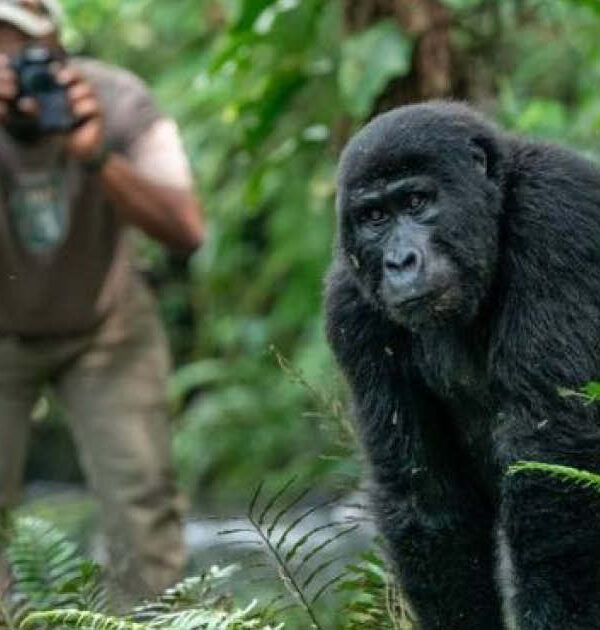
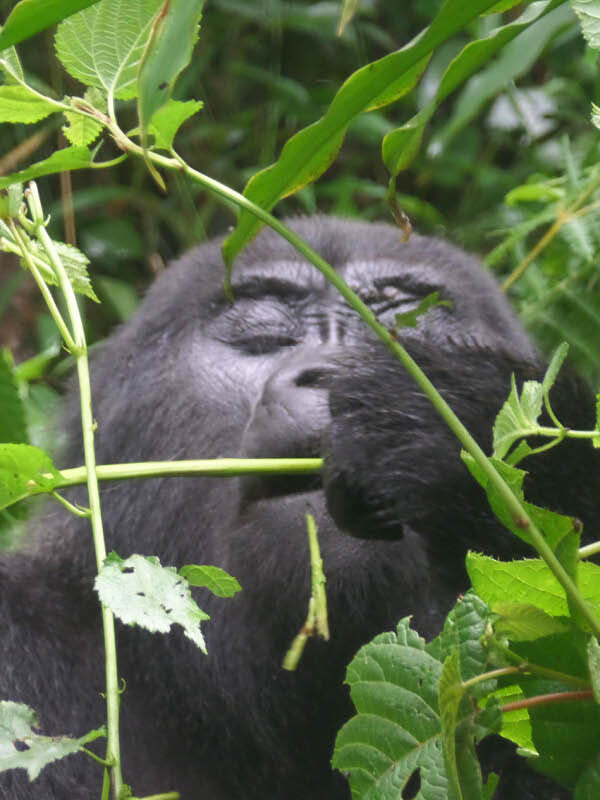
Combine Big Five wildlife viewing in Akagera with mountain gorilla trekking in Volcanoes National Park. This pairing brings together Rwanda’s savannah and montane forest environments, offering two contrasting wildlife experiences within one itinerary.
Akagera and Nyungwe Forest National Park
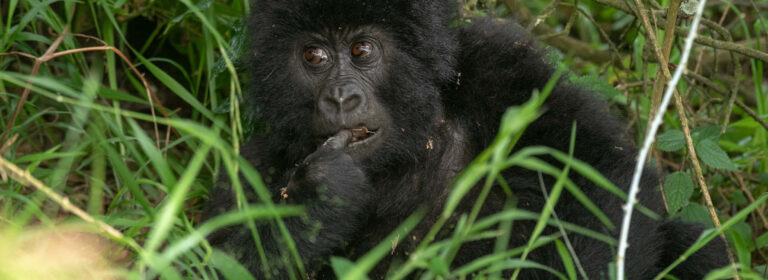
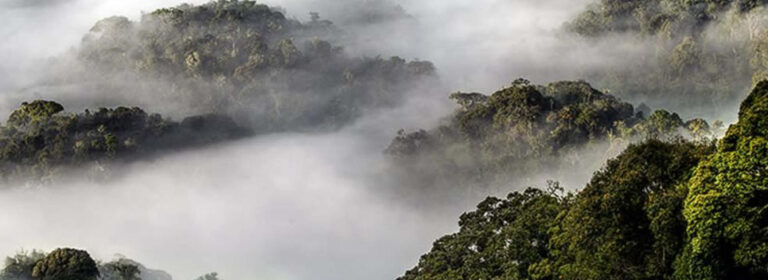
Travellers interested in primates and wildlife can combine Akagera with Nyungwe Forest National Park. Akagera provides savannah game drives and lake-based wildlife experiences, while Nyungwe offers chimpanzee tracking, rainforest hiking, birding and the canopy walkway.
Akagera and Kigali
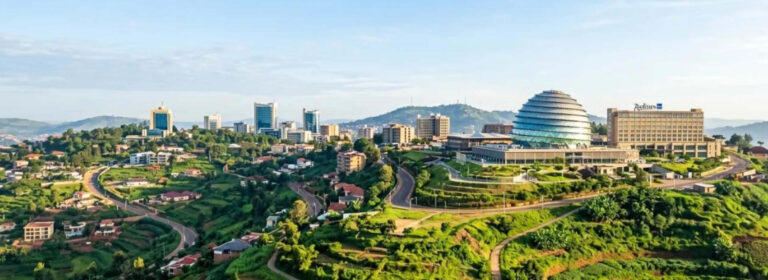
Kigali is a natural starting or finishing point for an Akagera safari. Travellers can combine wildlife viewing with selected cultural, historical and city experiences. The relatively convenient road connection makes this combination suitable for shorter Rwanda itineraries, depending on arrival and departure schedules.
Akagera and Lake Kivu
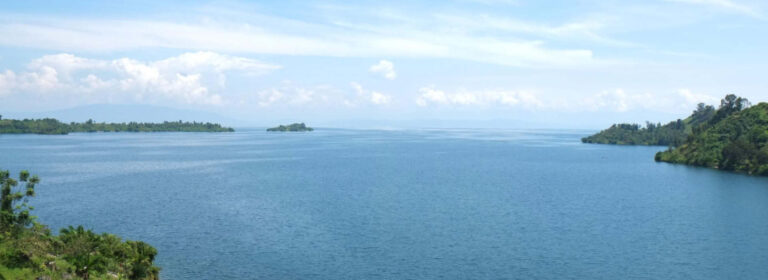
Lake Kivu offers a scenic contrast to Akagera’s savannah landscapes. Travellers can combine wildlife viewing with lakeside relaxation, cultural experiences and exploration of western Rwanda. This combination works best as part of a longer itinerary that allows sufficient time for the transfer between eastern and western Rwanda.
Responsible Travel in Akagera National Park
Responsible travel in Akagera National Park begins with respecting wildlife, protecting natural habitats and supporting the conservation efforts that have helped restore this important savannah ecosystem. The park’s recovery demonstrates the value of long-term wildlife protection, effective management and partnerships between conservation organisations and surrounding communities.
During game drives, follow your guide’s instructions, remain on authorised routes and avoid approaching or disturbing animals. Visitors should never feed wildlife, leave litter or request unsafe driving practices for closer photographs. Boat safaris and other guided activities should also follow the park’s established safety and conservation procedures.
Choosing responsible safari operators, authorised guides and accommodation providers can help support conservation and local livelihoods. Community-based experiences should respect local traditions and provide meaningful benefits to participating residents.
For further information, consult African Parks, which works with the Rwanda Development Board in managing the park, and Visit Rwanda for destination guidance.
Frequently Asked Questions About Akagera National Park
The cost of an Akagera safari depends on park entry fees, accommodation, transport, guiding arrangements, activities and the length of your stay. Game drives, boat safaris and other experiences may have separate charges. Njagi Safaris can prepare a quotation based on your travel dates, group size and preferred accommodation collection. Confirm current park tariffs before booking.
Yes. Akagera is home to lions, leopards, elephants, buffaloes and rhinoceroses, making it Rwanda’s Big Five safari destination. However, these animals move freely within the protected landscape, and sightings of all five species cannot be guaranteed during a single visit.
A day trip from Kigali can provide an introduction to Akagera, particularly the southern section. However, two to three days allow more time for game drives, Lake Ihema boat safaris and exploration of different habitats. Travellers interested in photography, birding or the northern plains may benefit from a longer stay.
Akagera supports lions, leopards, elephants, rhinoceroses, buffaloes, giraffes, zebras, hippos, crocodiles and several antelope species. The park also has diverse birdlife and smaller mammals. Actual sightings depend on the season, time of day, habitats visited and natural wildlife movements.
A Lake Ihema boat safari is a guided excursion offering opportunities to observe hippos, crocodiles, waterbirds and lakeshore habitats from the water. It provides a different perspective from vehicle-based game drives. Trips operate according to park schedules and conditions, so advance booking is recommended.
Yes. Akagera is an important birding destination because of its lakes, wetlands, woodland and savannah habitats. Visitors can look for waterbirds, raptors, kingfishers, storks and other species. Birding can be incorporated into general wildlife safaris or arranged as a more specialised experience.
Akagera can be visited throughout the year. The relatively drier months, especially June to September and December to February, are commonly preferred for game drives because vegetation may be less dense. Wetter months bring greener landscapes and can offer rewarding birding and photographic opportunities.
Akagera is commonly reached by road from Kigali, with the journey to the southern entrance generally taking approximately two to three hours. Actual travel time depends on traffic, road conditions, departure location and stops. Additional time is required to reach accommodation and wildlife-viewing areas inside the park.
Yes. A day trip from Kigali is possible and can include a game drive in the park. However, the time available for wildlife viewing will be limited by the return journey. An overnight stay is preferable for travellers who want to explore more of Akagera or combine game drives with a Lake Ihema boat safari.
Accommodation options include safari lodges, tented camps, exclusive retreats and designated campsites. The most suitable location depends on your activities, comfort preferences and intended game-drive routes. Southern accommodation can be convenient for Lake Ihema, while northern camps may suit longer wildlife safaris.
Yes. Authorised night game drives are available under the park’s operating arrangements. They provide opportunities to look for nocturnal wildlife and experience the savannah after dark. Availability, departure times, guiding requirements and applicable fees should be confirmed before booking.
Yes. Akagera can be combined with Volcanoes National Park for mountain gorilla trekking or Nyungwe Forest for chimpanzee tracking, canopy walks and rainforest experiences. These combinations offer contrasting ecosystems within Rwanda. The most suitable route depends on travel time, permit availability, accommodation and the number of days available.
Plan Your Visit to Akagera National Park
Plan your visit to Akagera National Park by choosing the wildlife experiences that interest you, deciding how much time to spend in the park and selecting accommodation suited to your safari route.
Njagi Safaris can organise a private Rwanda safari featuring Big Five wildlife viewing, guided game drives, Lake Ihema boat excursions and other activities, with the option to combine Akagera with Volcanoes National Park, Nyungwe Forest or Lake Kivu.
Share your travel dates, group size, preferred accommodation collection and wildlife interests through the enquiry form below. Our team will help you develop a practical itinerary that reflects your travel preferences and the experiences available during your visit.