Kigali, Rwanda
Kigali is Rwanda’s capital and one of East Africa’s most distinctive urban destinations, known for its rolling hills, cultural heritage, contemporary art, vibrant neighbourhoods and growing hospitality scene. Located in the country’s central highlands, the city provides an important introduction to Rwanda’s history, everyday life and modern development.
From visiting the Kigali Genocide Memorial and exploring local markets to discovering art galleries, cultural spaces and scenic viewpoints, Kigali offers experiences that complement Rwanda’s better-known wildlife destinations. Its restaurants, accommodation and international airport also make it a practical starting or finishing point for private Rwanda safaris.
For travellers planning gorilla trekking, chimpanzee tracking or savannah wildlife viewing, spending time in Kigali can add historical and cultural context to the wider journey. A thoughtfully planned city visit offers more than a convenient overnight stop: it introduces the people, places and stories that shape contemporary Rwanda.
Kigali, Rwanda at a Glance
- Location: Central Rwanda, within a landscape of rolling hills and urban valleys.
Landscape: A hilly capital city with residential neighbourhoods, commercial districts, green spaces and panoramic viewpoints.
Best known for: Rwanda’s capital city experiences, the Kigali Genocide Memorial, contemporary culture, art galleries and international travel connections.
- Other experiences: Guided city tours, local markets, cultural encounters, food experiences, museums and selected nature excursions.
- Principal visitor areas: Kacyiru, Kimihurura, Nyarutarama, Nyamirambo, Kimironko and the central business district.
- Safari style: Suitable for private city tours, cultural extensions, short stays and Mid-Range, Premium or Signature Rwanda itineraries.
- Planning priority: Decide which cultural and historical experiences are most important, then arrange accommodation and transfers around your arrival schedule and onward safari route.
- A capital shaped by history and renewal: Kigali plays an important role in Rwanda’s national history and contemporary identity. Memorial sites provide opportunities for reflection and learning, while cultural institutions, local businesses and creative spaces reveal different aspects of modern life. Understanding these experiences helps visitors appreciate Rwanda beyond its national parks.
Kigali City is more than a transit point. Its neighbourhoods, heritage sites and cultural experiences make it a worthwhile destination in its own right, particularly for travellers seeking a deeper understanding of the country.
Why Visit Kigali City?
Kigali City Tour offers an opportunity to explore Rwanda’s history, culture and contemporary urban life before or after a safari. Its distinctive hillside setting, neighbourhoods and public spaces provide a different experience from the country’s forests, lakes and savannah landscapes.
One of the city’s most significant attractions is the Kigali Genocide Memorial, which commemorates victims of the 1994 Genocide against the Tutsi. A visit provides essential historical context and encourages reflection on Rwanda’s past, remembrance and recovery.
Beyond its memorial sites, Kigali City has a growing creative and cultural scene. Art galleries, local markets, community experiences and restaurants introduce visitors to contemporary Rwandan expression, crafts, food and everyday life.
The city is also an important gateway to Rwanda’s national parks. Travellers can begin their journey in Kigali before continuing to Volcanoes National Park for mountain gorilla trekking, Akagera National Park for savannah wildlife or Nyungwe Forest National Park for chimpanzee tracking and rainforest experiences.
A visit to Kigali City can therefore bring together history, culture, scenic viewpoints and practical safari connections within a carefully designed Rwanda itinerary. Explore our Rwanda Safari Destinations for more experiences across the country.
Things to Do in Kigali City
Kigali offers cultural, historical and urban experiences that can be incorporated into a wider Rwanda safari. The most suitable activities depend on your interests, available time, preferred pace and the location of your accommodation.
Visit the Kigali Genocide Memorial
The Kigali Genocide Memorial is one of the city’s most important places of remembrance and historical learning. It commemorates victims of the 1994 Genocide against the Tutsi and presents exhibitions that help visitors understand the events, their consequences and the importance of remembrance.
Visitors should approach the memorial respectfully, allow sufficient time for reflection and follow the site’s guidance on photography and conduct. The experience can be emotionally demanding, so it is best not to rush the visit.
Explore Kigali’s Art Galleries
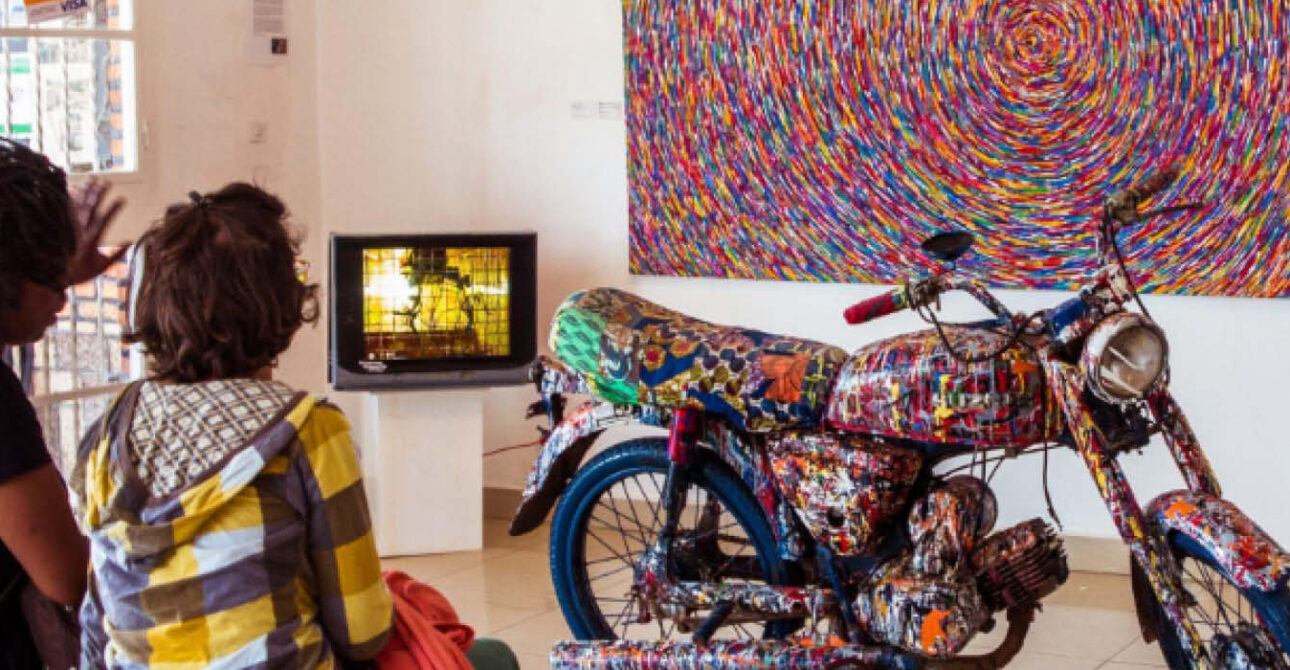
Kigali’s contemporary art scene provides opportunities to discover Rwandan creativity through painting, sculpture, photography and other forms of visual expression.
Selected galleries and creative spaces, including those associated with the city’s established arts community, can introduce visitors to local artists and contemporary cultural perspectives. Opening arrangements and exhibitions should be confirmed before visiting.
Discover Kimironko Market
Kimironko Market offers an opportunity to experience everyday commercial life in Kigali. Visitors can explore stalls selling fresh produce, fabrics, household goods, crafts and other locally traded products.
A guided visit can provide context about the market and support respectful interactions with traders. Ask permission before photographing people or individual stalls, and approach purchases courteously.
Experience Nyamirambo
Nyamirambo is one of Kigali’s culturally distinctive neighbourhoods, known for its lively streets, local businesses, food and community life.
Community-led walking tours can introduce travellers to the neighbourhood’s heritage and everyday experiences. Such visits are most meaningful when arranged through responsible local initiatives that respect residents and support community livelihoods.
Explore Kigali’s History and Heritage
Beyond the Kigali Genocide Memorial, the city offers opportunities to learn about Rwanda’s wider historical and cultural development through selected museums, monuments and heritage-related experiences.
A knowledgeable guide can help visitors understand the significance of different sites and place them within Rwanda’s broader history. Opening hours and visitor access should be checked before including individual locations in an itinerary.
Enjoy Rwandan Food and Culinary Experiences
Kigali’s restaurants, cafés and locally led food experiences provide opportunities to explore Rwandan cuisine and contemporary dining culture.
Travellers may sample traditional dishes, locally grown ingredients and regional flavours while learning about food traditions and hospitality. Culinary experiences can be adapted to dietary requirements and incorporated into a half-day or evening city programme.
Visit Kigali’s Scenic Viewpoints
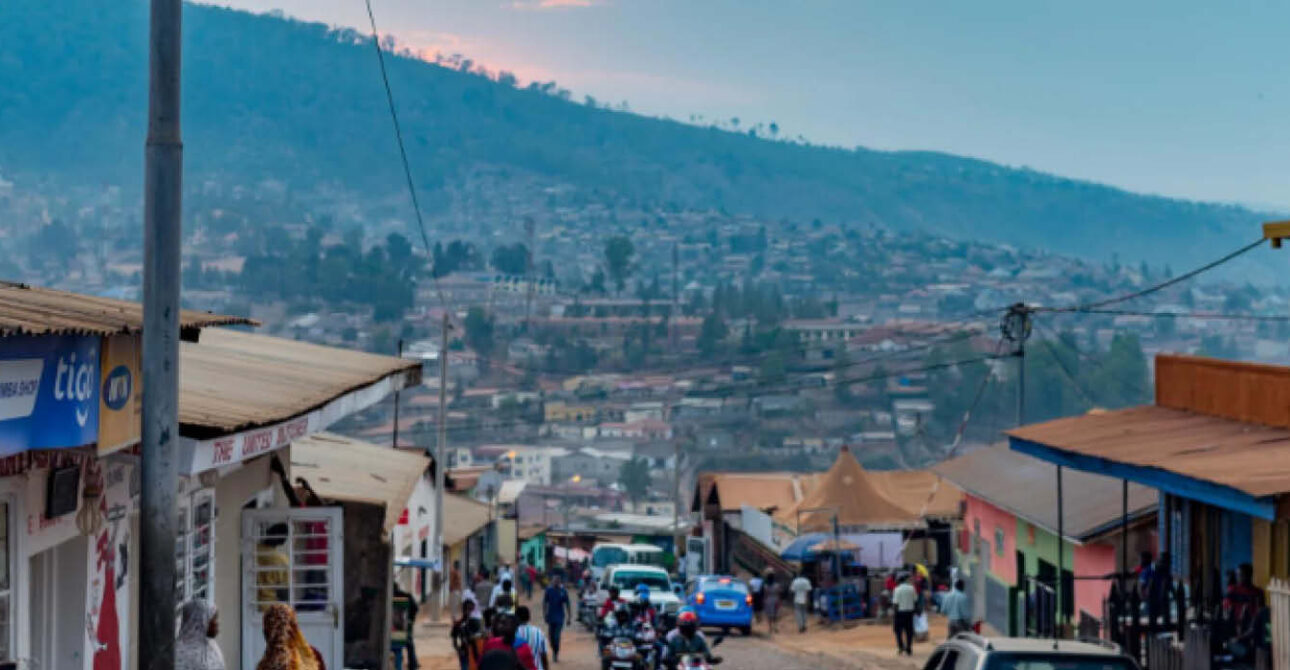
Kigali’s hillside setting creates attractive views across its neighbourhoods, valleys and surrounding landscape. Selected viewpoints offer opportunities for photography and a broader appreciation of the city’s geography.
The most suitable locations depend on access, traffic and the time of day. Scenic stops can be incorporated into a guided city tour without requiring a separate full-day excursion.
Shopping, Crafts and Cultural Encounters
Kigali has craft shops, design spaces and local businesses offering handmade products, textiles, artwork and souvenirs.
Shopping experiences can provide opportunities to support Rwandan artisans and creative enterprises. Travellers interested in cultural encounters should prioritise authentic, locally led experiences rather than staged activities with limited community benefit.


Kigali Visitor Areas and Cultural Districts
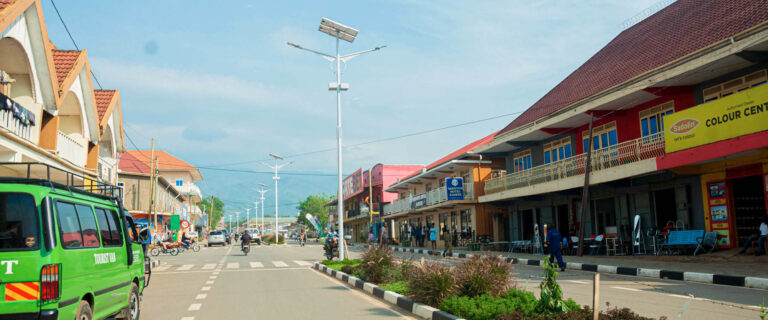
Understanding Kigali’s different neighbourhoods helps visitors plan city tours, accommodation and transfers. The city spreads across several hills, and travel between attractions can take longer than expected during busy traffic periods.
Each area offers a different perspective on Kigali, from government and cultural institutions to markets, restaurants and residential communities.
Kacyiru
Kacyiru is an important administrative and institutional area of Kigali. It is also associated with the Kigali Genocide Memorial, making it a significant location for visitors interested in Rwanda’s history. The neighbourhood can be included in a guided city tour alongside other cultural and historical sites.
Kimihurura
Kimihurura is known for its restaurants, hospitality establishments and contemporary urban atmosphere. It can be a convenient base for travellers interested in dining, city experiences and access to other parts of Kigali. Accommodation and restaurant choices vary, so the most suitable option depends on the traveller’s preferences and itinerary.
Nyamirambo
Nyamirambo offers a lively neighbourhood environment with local businesses, community experiences and cultural diversity.
It is particularly suited to travellers interested in community-led walking tours and learning about everyday life beyond Kigali’s principal commercial districts.
Kimironko
Kimironko is widely associated with its busy market and surrounding residential and commercial areas. The market is a useful stop for visitors interested in local trade, fabrics, fresh produce and the atmosphere of a working urban marketplace.
Nyarutarama and Remera
Nyarutarama is associated with residential developments, hospitality establishments and selected leisure facilities, while Remera is an important urban district with sports, commercial and transport connections.
These areas may be relevant when choosing accommodation or arranging airport transfers, depending on the location of your hotel.
Kigali City Centre and the Central Business District
Kigali’s central business district provides access to commercial activity, shops, offices and urban viewpoints. It can be incorporated into a wider city tour to introduce visitors to Kigali’s contemporary development and changing urban landscape.
Important planning note: Kigali’s neighbourhoods are spread across hills and connected by busy roads. Plan city visits geographically rather than moving repeatedly between distant locations. Confirm opening hours, access arrangements and the duration of any guided experiences before finalising the itinerary.
History, Culture and Urban Heritage
Kigali’s cultural identity reflects Rwanda’s history, traditions and continuing development as a modern African capital. Its museums, memorial sites, neighbourhoods, markets and creative spaces offer different perspectives on the country’s heritage and contemporary society.
The city’s history is inseparable from the 1994 Genocide against the Tutsi, which profoundly affected Rwanda and its people. Memorial institutions provide opportunities for remembrance, education and reflection, while contemporary cultural experiences reveal the country’s ongoing social and creative development.
Kigali is also a place where traditional and modern expressions of Rwandan culture meet. Art, crafts, music, food and community activities contribute to the city’s distinctive atmosphere. Visitors can explore these experiences through responsible guided tours and locally led initiatives.
For travellers, understanding Kigali’s heritage adds depth to a Rwanda safari. It provides context for the landscapes, communities and conservation experiences encountered elsewhere in the country.
The Kigali Genocide Memorial and Remembrance
The Kigali Genocide Memorial is a significant place of remembrance, education and reflection. Its exhibitions document the 1994 Genocide against the Tutsi, honour victims and help visitors understand the importance of historical memory.
A visit should be approached with sensitivity and respect. Travellers are encouraged to allow adequate time, follow memorial guidance and recognise the personal significance of the site for survivors and the wider Rwandan community.
Contemporary Rwandan Art and Creativity
Kigali’s creative community includes visual artists, designers, craftspeople and cultural entrepreneurs whose work reflects different aspects of Rwandan identity and contemporary life.
Art galleries and cultural spaces provide opportunities to engage with local creative expression, learn about artistic practices and support independent enterprises. Exhibitions and programmes may change, making advance confirmation useful.
Markets, Food and Everyday Life
Markets and neighbourhood experiences reveal another important dimension of Kigali’s cultural heritage. Fresh produce, fabrics, crafts and local food traditions connect visitors with the city’s everyday activities.
Responsible guided experiences can help travellers understand these settings without disrupting residents or commercial activity. Respectful photography, fair purchasing practices and support for locally operated businesses are particularly important.
Where to Stay in Kigali
Choosing where to stay in Kigali depends on your arrival and departure arrangements, preferred comfort level and the experiences planned during your visit. The city offers accommodation ranging from comfortable guesthouses and boutique hotels to international hotels and exclusive urban retreats.
For travellers beginning or ending a Rwanda safari, proximity to Kigali International Airport may be useful. Those planning a more extensive city visit may prefer accommodation near restaurants, galleries and cultural attractions.
Kigali City Centre
The city centre offers access to commercial areas, selected cultural experiences and established hotels. It can suit travellers who want a central urban base or are visiting Kigali for business and leisure. Accommodation choices should be assessed in relation to planned activities and expected traffic conditions.
Kimihurura
Kimihurura is a practical area for travellers interested in restaurants, boutique accommodation and Kigali’s contemporary hospitality scene. Its location can support a combination of city experiences, dining and private transfers, depending on the selected hotel.
Kacyiru
Kacyiru can suit travellers who prefer accommodation near institutional and cultural areas, including the Kigali Genocide Memorial. The neighbourhood’s location may be convenient for selected city tours, although travel times to other attractions should still be considered.
Nyarutarama and Remera
Nyarutarama and Remera offer accommodation options with access to different parts of Kigali, including areas associated with the international airport.
These neighbourhoods can be considered for short stays, early departures or travellers seeking accommodation outside the central business district.
Premium and Signature City Hotels
Kigali has established premium and luxury accommodation, including properties such as Kigali Serena Hotel, Kigali Marriott Hotel and The Retreat by Heaven.
These may suit travellers seeking refined hospitality, comfortable facilities and convenient arrangements before or after a safari. The most appropriate property depends on location, room availability, services and the overall itinerary.
How to choose: Match your accommodation to your flight schedule, preferred experiences, comfort level and onward safari route. A hotel close to the airport may be practical for a short transit stay, while a more central or boutique property may be preferable for a longer city visit.
Best Time to Visit Kigali
The best time to visit Kigali depends on your preferred activities, travel dates and plans for exploring other parts of Rwanda. As a year-round urban destination, Kigali offers cultural attractions, museums, restaurants and city experiences in every season.
The relatively drier periods, particularly June to September and December to February, are often convenient for walking tours, outdoor sightseeing and exploring local markets. Conditions may be more comfortable for activities that involve moving between neighbourhoods, although occasional rainfall remains possible.
The wetter periods, generally March to May and October to November, bring greener hillsides and changing weather conditions. Rainfall can affect outdoor activities and traffic, but indoor attractions such as museums, memorial exhibitions, galleries and restaurants remain suitable options.
Kigali’s elevated location contributes to generally moderate temperatures compared with many lower-lying East African cities. However, sunshine can be strong, and conditions may change during the day.
For a comfortable visit, pack lightweight clothing, comfortable walking shoes, sun protection and a light rain jacket. Travellers planning to combine Kigali with Volcanoes National Park or Nyungwe Forest should also prepare for cooler and wetter conditions in those destinations.
The timing of a Kigali visit is often best determined by the wider safari itinerary. Gorilla trekking permits, chimpanzee tracking arrangements and accommodation availability may have a greater influence on the overall travel dates than the city’s weather.
How to Get to Kigali, Rwanda
Kigali is Rwanda’s principal international travel gateway and a common starting point for journeys across the country. The most suitable arrival arrangement depends on your departure country, flight schedule, travel documents and onward safari plans.
By International Flight
Most international visitors arrive through Kigali International Airport, which serves the capital and connects Rwanda with regional and international destinations. The airport is located within the greater Kigali urban area, making transfers to many city hotels relatively convenient.
Actual journey times depend on the accommodation location and traffic. Travellers should confirm airline schedules, entry requirements, baggage allowances and airport transfer arrangements before departure.
By Road from Uganda
Kigali can be reached by road from Uganda through authorised border crossings, including the Katuna–Gatuna and Cyanika routes, depending on the itinerary. Cross-border travel requires appropriate immigration documentation and sufficient time for border procedures.
Travellers combining Uganda and Rwanda should confirm entry requirements and the most practical route before finalising accommodation and activities.
By Private Safari Vehicle
Private road transfers provide flexibility for travellers exploring Kigali and continuing to Rwanda’s national parks.
A private safari vehicle can connect airport arrivals, city tours, accommodation and onward destinations within a coordinated itinerary. Vehicle arrangements should reflect the number of travellers, luggage requirements and the terrain of the wider journey.
Connecting from Other Rwanda Safari Destinations
Kigali is an important transport hub for itineraries connecting Volcanoes National Park, Akagera National Park, Nyungwe Forest National Park and Lake Kivu.
The route should be arranged around activity bookings, accommodation and realistic transfer times. For travellers visiting several destinations, a well-planned sequence can reduce unnecessary backtracking and create a more comfortable safari.
Safari Packages Featuring Kigali
Explore Rwanda safari packages that include Kigali as an arrival destination, cultural stop or departure point. Depending on the itinerary, a Kigali visit may involve a guided city tour, historical experiences, accommodation before a gorilla trek or an extended stay exploring the capital.

The Thousand Hills


Combine Kigali with Other Destinations
Combining Kigali with other Rwanda destinations allows travellers to explore the country’s cultural heritage alongside its wildlife, forests, lakes and scenic landscapes. The most suitable combination depends on the number of days available, activity interests and transfer arrangements.
Kigali and Volcanoes National Park
Combine Kigali’s cultural and historical attractions with mountain gorilla trekking in Volcanoes National Park. This is one of Rwanda’s most practical safari combinations, allowing visitors to experience the capital before travelling northwest towards the Virunga volcanoes. The journey can include selected cultural experiences and scenic stops along the route.
Kigali and Akagera National Park
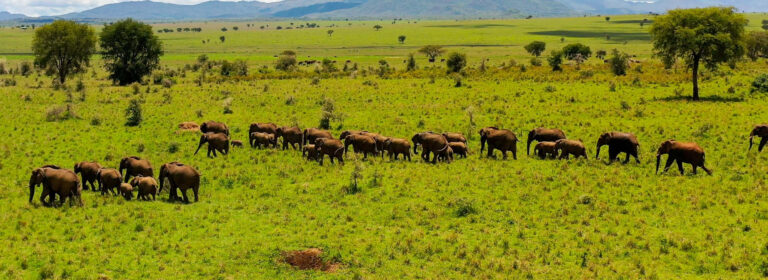
Kigali can be combined with Akagera National Park for savannah wildlife viewing, Big Five game drives and Lake Ihema boat safaris. This pairing is suitable for travellers who want a combination of urban culture and wildlife experiences. Depending on available time, Akagera can be explored through a short extension or a longer private safari.
Kigali and Nyungwe Forest National Park
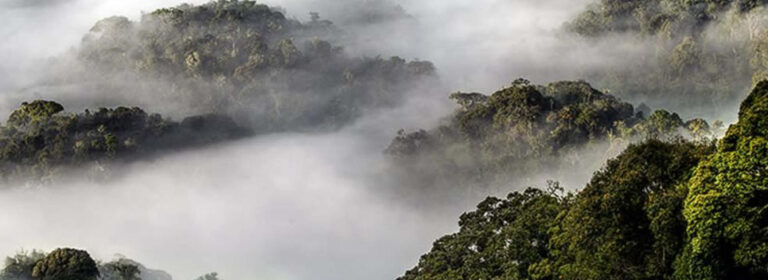
Travellers interested in primates, rainforest biodiversity and cultural experiences can combine Kigali with Nyungwe Forest National Park. A longer itinerary can include Kigali’s memorial and cultural attractions before continuing southwest for chimpanzee tracking, forest hiking, birding and the canopy walkway.
Kigali and Lake Kivu
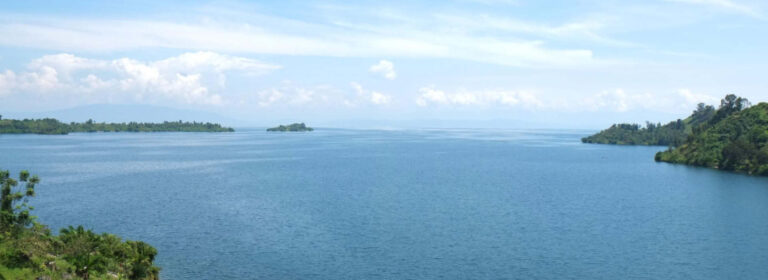
Lake Kivu offers a scenic contrast to Kigali’s urban environment, with lakeside landscapes, relaxation and selected cultural and outdoor experiences. This combination can suit travellers who want a more relaxed pace after city sightseeing or mountain gorilla trekking. The preferred lakeside destination and travel route should be considered when planning transfers.

Responsible Travel in Kigali, Rwanda
Responsible travel in Kigali begins with respecting the city’s history, cultural heritage and the communities that welcome visitors. As Rwanda’s capital, Kigali offers opportunities to learn about the country’s past and contemporary life while supporting locally operated businesses, cultural initiatives and community experiences.
When visiting the Kigali Genocide Memorial and other remembrance sites, follow visitor guidance, maintain respectful behaviour and avoid photography or conduct that may be inappropriate in sensitive spaces. Travellers exploring markets and neighbourhoods should seek permission before photographing individuals and respect the daily activities of residents and traders.
Choosing responsible local guides, community-led tours, independent galleries and locally operated hospitality businesses can help tourism contribute to cultural preservation and local livelihoods. Visitors can learn more about Rwanda’s cultural attractions and travel guidance through Visit Rwanda and consult the Kigali Genocide Memorial for information about remembrance and visiting the memorial.
Frequently Asked Questions About Kigali, Rwanda
One full day can provide an introduction to Kigali’s principal attractions, including selected historical and cultural experiences. Two days allow a more relaxed programme with time for the Kigali Genocide Memorial, art galleries, markets, neighbourhood tours and local dining. Travellers with particular interests in history or culture may prefer a longer stay.
Popular experiences include visiting the Kigali Genocide Memorial, exploring contemporary art galleries, discovering Kimironko Market, joining a community-led tour in Nyamirambo and enjoying Rwandan food. Scenic viewpoints and selected heritage attractions can also be incorporated into a guided city tour.
Yes. The Kigali Genocide Memorial is an important place of remembrance and historical education. It commemorates victims of the 1994 Genocide against the Tutsi and helps visitors understand a significant period in Rwanda’s history. The experience can be emotionally demanding, so visitors should allow sufficient time and approach the site respectfully.
The cost of a Kigali city tour depends on the duration, transport, guiding arrangements, attractions included and group size. Some experiences may have separate admission charges or contributions. Njagi Safaris can prepare a private city-tour quotation based on your travel dates, interests and preferred itinerary.
Yes. A carefully planned one-day tour can include selected historical, cultural and scenic attractions. However, Kigali’s hills and traffic can influence travel times, so it is better to prioritise a few meaningful experiences rather than attempt to visit every attraction.
Yes. Guided walking tours are available in selected neighbourhoods, including community-led experiences in Nyamirambo. Kigali is hilly, and some attractions are spread across considerable distances, so walking is best combined with private transfers where appropriate. Comfortable footwear is recommended.
Kigali can be visited throughout the year. The relatively drier months, particularly June to September and December to February, are often convenient for outdoor sightseeing and walking tours. Wetter months can still be suitable for museums, galleries, restaurants and other indoor experiences.
Accommodation is available across several neighbourhoods, including Kimihurura, Kacyiru, Nyarutarama, Remera and the city centre. The best location depends on your preferred comfort level, flight schedule and planned activities. Travellers beginning or ending a safari should consider airport transfer arrangements and onward travel times.
Kigali International Airport is located within the greater Kigali urban area, approximately 10 kilometres by road from central Kigali, depending on the route and exact destination. Transfer times vary with traffic and hotel location. Travellers should confirm their airport pickup arrangements before arrival.
Yes. Kigali is Rwanda’s principal international gateway and a convenient starting point for safaris to Volcanoes National Park, Akagera National Park, Nyungwe Forest and Lake Kivu. A city stay can provide time to rest after arrival and explore Rwanda’s history and culture before continuing to other destinations.
Yes. Kigali is commonly used as the starting or finishing point for mountain gorilla trekking safaris in Volcanoes National Park. The journey can be arranged by private vehicle, with accommodation near the park selected according to the trekking schedule and wider itinerary.
Yes. Kigali can be combined with Akagera National Park for Big Five wildlife viewing or Nyungwe Forest National Park for chimpanzee tracking, birding and rainforest experiences. These combinations allow travellers to experience Rwanda’s urban culture alongside its diverse natural landscapes.
Plan Your Visit to Kigali, Rwanda
Plan your visit to Kigali by selecting the historical, cultural and urban experiences that interest you, choosing suitable accommodation and allowing enough time for your onward safari arrangements.
Njagi Safaris can organise a private Kigali city tour or incorporate the capital into a wider Rwanda safari featuring mountain gorilla trekking, chimpanzee tracking, savannah wildlife viewing and scenic destinations.
Share your travel dates, group size, accommodation preferences and interests through the enquiry form below. Our team will help you create a practical itinerary that brings together Kigali’s cultural experiences and the wider attractions of Rwanda.