
Lake Kivu
Lake Kivu is one of Rwanda’s most scenic natural destinations, celebrated for its expansive waters, forested hills, picturesque islands and relaxed lakeside communities. Stretching along Rwanda’s western border with the Democratic Republic of the Congo, the lake offers a peaceful contrast to the country’s rainforest adventures, mountain gorilla trekking and savannah wildlife experiences.
From boat excursions and kayaking to waterfront relaxation, cultural encounters and scenic cycling routes, Lake Kivu provides opportunities to explore a different side of Rwanda. Its principal lakeside destinations, including Rubavu, Karongi and Rusizi, offer varied experiences shaped by their landscapes, local communities and access to other attractions.
Lake Kivu can be a rewarding destination in its own right or a relaxing addition to a longer Rwanda safari. For travellers combining Volcanoes National Park, Nyungwe Forest National Park and Kigali, its lakeside setting provides time to unwind while discovering the natural beauty and cultural life of western Rwanda.
Lake Kivu at a Glance
- Location: Western Rwanda, along the border with the Democratic Republic of the Congo.
Landscape: A large freshwater lake surrounded by rolling hills, green peninsulas, islands, bays and lakeside settlements.
Best known for: Scenic lakeside retreats, boat excursions, waterfront relaxation and panoramic views.
Other experiences: Kayaking, guided island visits, birdwatching, cycling, cultural encounters and selected sections of the Congo Nile Trail.
Main visitor areas: Rubavu (Gisenyi), Karongi (Kibuye) and Rusizi (Cyangugu).
Safari style: Suitable for private, tailor-made, Mid-Range, Premium and Signature itineraries, depending on the chosen location and accommodation.
Planning priority: Select the lakeside town that best matches your interests and onward safari route before choosing accommodation and activities.
A lake of regional importance: Lake Kivu forms part of the African Great Lakes region and supports lakeside communities, fisheries, transport and tourism. Its waters and surrounding landscapes are also associated with distinctive geological characteristics, including naturally occurring dissolved gases in the lake’s deep layers. For visitors, the lake’s appeal lies in its scenery, cultural surroundings and opportunities for carefully arranged water-based experiences.
Lake Kivu is more than a place to rest between safari activities. Its different shoreline destinations, island landscapes and local communities make it worth exploring at a comfortable pace.
Why Visit Lake Kivu?
Lake Kivu offers a distinctive combination of scenic beauty, relaxation and gentle outdoor adventure. Its calm-looking bays, wooded peninsulas and surrounding hills create an attractive setting for travellers who want to experience Rwanda beyond its national parks.
One of the lake’s main attractions is the opportunity to enjoy its landscapes from the water. Guided boat trips reveal secluded bays, islands, fishing communities and panoramic views that are difficult to appreciate from the shoreline alone.
Lake Kivu also appeals to visitors interested in cultural encounters and active experiences. Depending on the location, travellers can explore lakeside communities, visit local markets, enjoy kayaking or follow selected cycling and walking routes through western Rwanda’s hills.
For safari travellers, Lake Kivu provides a natural contrast to more physically demanding activities. Time beside the lake can be especially appealing after mountain gorilla trekking in Volcanoes National Park or chimpanzee tracking and forest exploration in Nyungwe.
A visit to Lake Kivu can therefore bring together waterfront relaxation, scenic boat excursions, local culture and outdoor exploration within a thoughtfully designed Rwanda itinerary. Explore our Rwanda Safari Destinations for more places to discover.
Things to Do at Lake Kivu
Lake Kivu offers a range of activities that can be incorporated into a wider Rwanda safari. The most suitable experiences depend on your lakeside location, travel dates, interests and the amount of time available.
Scenic Boat Trips
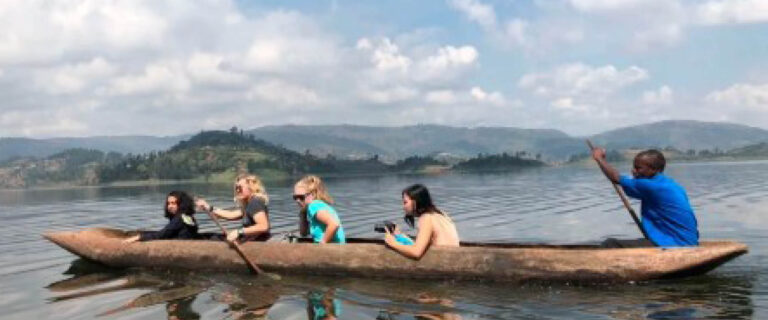
Guided boat trips are among the most enjoyable ways to experience Lake Kivu. Excursions can reveal scenic bays, forested hills, islands and everyday activities along the shoreline.
Routes vary between Rubavu, Karongi and Rusizi, and some excursions include stops at accessible islands or lakeside communities. Boat operators, safety equipment and weather conditions should be checked before departure.
Kayaking and Canoeing
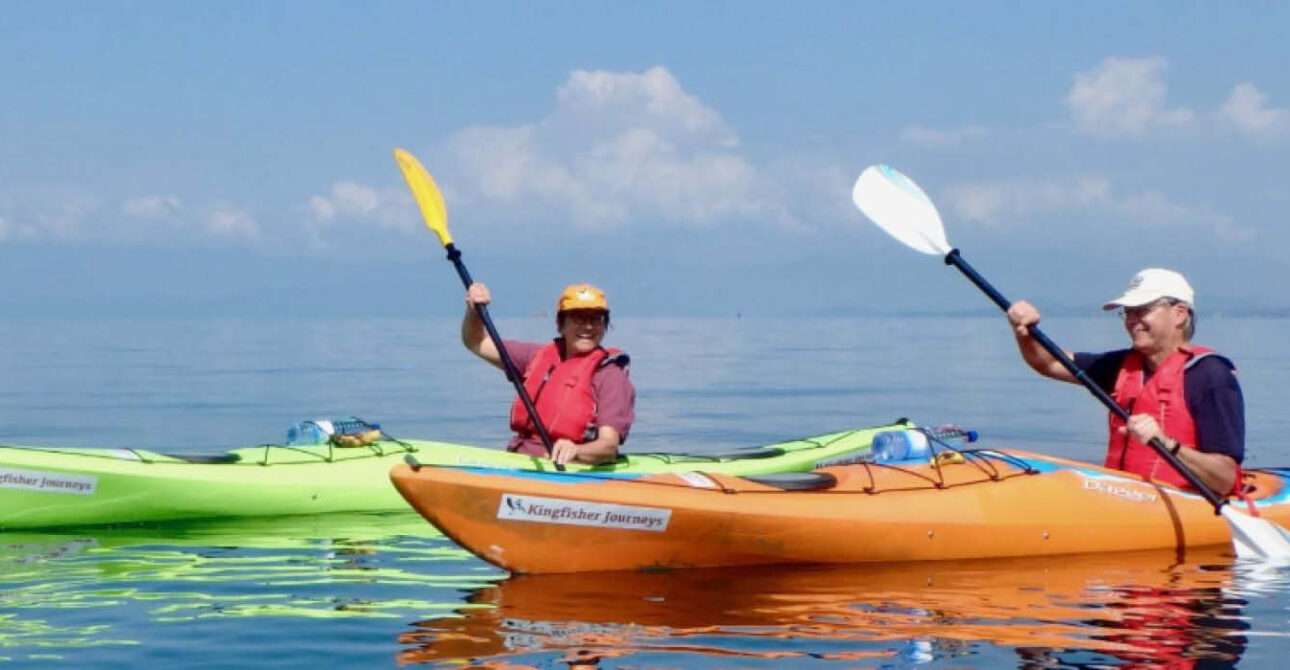
Kayaking offers a quieter, more active way to explore selected sheltered areas of Lake Kivu. Travellers can enjoy views of the surrounding hills while moving along the shoreline at a relaxed pace.
Guided excursions are particularly suitable for visitors unfamiliar with the lake. Routes should reflect weather conditions, swimming ability, equipment quality and the guidance of experienced local operators.
Island Excursions
Lake Kivu contains numerous islands, particularly around Karongi, where guided excursions can introduce visitors to the lake’s distinctive geography and scenery.
Napoleon Island is one of the better-known island destinations in the Karongi area, associated with scenic viewpoints and fruit bats. Access, hiking conditions and wildlife encounters depend on local arrangements and should be confirmed before travel.
Lakeside Relaxation and Waterfront Experiences
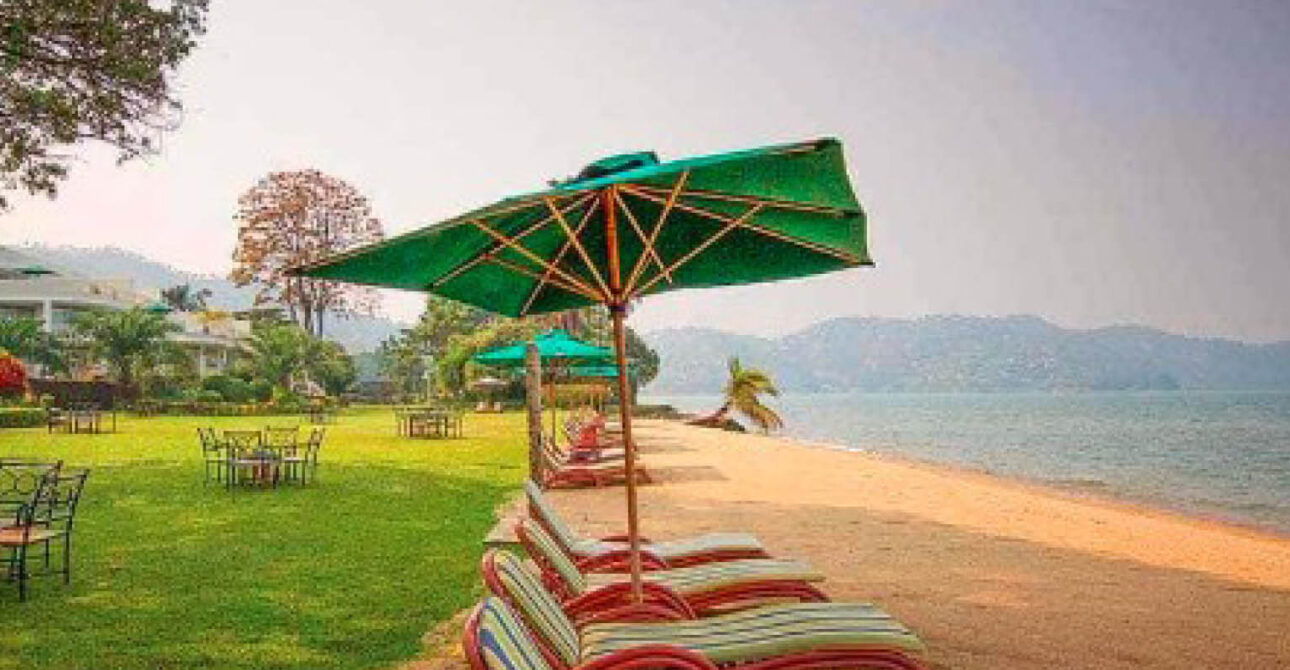
Lake Kivu is a popular destination for travellers seeking a slower pace after a wildlife safari. Selected waterfront hotels and lodges offer attractive settings for enjoying lake views, reading, dining and relaxing.
Some areas have designated recreational waterfronts, but visitors should not assume that every beach or section of shoreline is suitable for swimming. Seek current local safety advice before entering the water.
Birding and Nature Observation
The lake’s shoreline, islands and surrounding vegetation support a variety of birds, making birdwatching a rewarding addition to a lakeside stay.
Depending on the location, visitors may observe kingfishers, cormorants, herons and other water-associated species. Guided birding can be combined with boat excursions or gentle walks around suitable shoreline habitats.
Cycling and the Congo Nile Trail
The Congo Nile Trail is one of western Rwanda’s best-known outdoor adventure routes, connecting landscapes and communities along the Lake Kivu region.
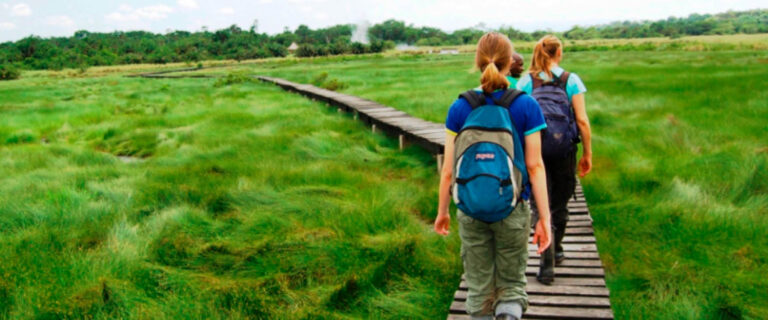
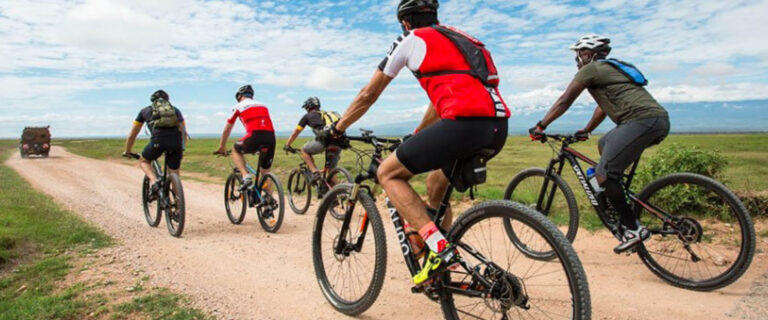
Selected sections can be explored through guided cycling or hiking, offering views of hills, farms, settlements and the lake. The route includes demanding terrain, so travellers should select sections that match their fitness, experience and available time.
Cultural and Community Experiences
Lakeside communities offer opportunities to learn about local livelihoods, fishing traditions, agriculture and everyday life in western Rwanda.
Responsible guided visits may include local markets, community enterprises and cultural activities. Travellers should choose locally led experiences, respect community guidance and seek permission before photographing residents.
Lakeside Photography and Scenic Viewpoints
Lake Kivu’s islands, fishing boats, waterfront settlements and surrounding hills provide varied opportunities for landscape and travel photography.
Early morning and late afternoon can offer attractive light, particularly around sheltered bays and elevated viewpoints. Photography should be undertaken responsibly, with attention to local privacy and safety guidance.



Lake Kivu Visitor Areas and Lakeside Destinations
Understanding Lake Kivu’s principal visitor areas is essential when planning a visit. The lake stretches across a substantial part of western Rwanda, and its main tourism centres are separated by winding roads and mountainous landscapes.
Rubavu, Karongi and Rusizi offer different experiences and connect naturally with different parts of a Rwanda safari. Choosing the right location can improve the overall itinerary and reduce unnecessary transfers.
Rubavu (Gisenyi)
Rubavu, historically known as Gisenyi, lies near the northern end of Lake Kivu and is one of Rwanda’s best-established lakeside destinations.
Its waterfront, accommodation options and proximity to the Volcanoes National Park region make it a practical choice for travellers seeking relaxation after mountain gorilla trekking. Boat trips, waterfront experiences and selected community activities can be incorporated into a stay.
Karongi (Kibuye)
Karongi, formerly known as Kibuye, is particularly celebrated for its picturesque bays, green peninsulas and island-dotted waters. The area is well suited to scenic boat excursions, island visits, kayaking and lakeside retreats. Its landscapes create a peaceful setting for travellers who prefer a slower pace and panoramic views.
Rusizi (Cyangugu)
Rusizi, associated with the former name Cyangugu, lies near the southern end of Lake Kivu and is an important connection point for itineraries involving Nyungwe Forest National Park. The area offers lakeside scenery and access to selected local experiences. It can be a practical overnight stop or a quieter lakeside extension for travellers exploring southwestern Rwanda.
The Congo Nile Trail Corridor
The Congo Nile Trail follows a wider landscape of lakeside settlements, hills, agricultural areas and scenic routes associated with Lake Kivu. Its different sections provide opportunities for cycling, hiking and community experiences. Travellers should plan routes according to terrain, accommodation, available support and the level of physical activity desired.
Lake Kivu Islands and Scenic Bays
Lake Kivu’s islands and sheltered bays are among its most distinctive landscape features. Around Karongi, guided boat excursions can provide opportunities to explore island scenery and observe wildlife from appropriate distances.
Access to individual islands varies, and not every location is open or suitable for landing. Confirm current arrangements with qualified local guides.
Important planning note: Rubavu, Karongi and Rusizi should not be treated as interchangeable accommodation locations. Each serves a different part of the lake, and transfers between them can take considerable time. Select the appropriate lakeside base before finalising your safari route.
Lake Kivu Landscapes, Wildlife and Natural Heritage
Lake Kivu forms part of the Albertine Rift landscape, where geological processes have shaped deep lake basins, steep hillsides and distinctive natural environments. Its extensive waters, green peninsulas and surrounding highlands create one of Rwanda’s most recognisable scenic settings.
The lake supports fisheries, aquatic life and bird species associated with freshwater habitats. Along the shoreline, vegetation, cultivated hillsides and settlements form a varied landscape that reflects the close relationship between local communities and the natural environment.
Lake Kivu is also notable for its unusual limnological characteristics. Its deep waters contain naturally occurring dissolved methane and carbon dioxide, making the lake important for scientific research, environmental monitoring and energy development. These characteristics are distinct from the recreational conditions experienced at individual visitor locations, where local safety guidance remains essential.
For travellers, the natural appeal of Lake Kivu lies in the combination of open water, dramatic scenery, birdlife and the opportunity to experience western Rwanda at a slower pace.
Birdlife and Lakeshore Habitats
Lake Kivu’s shoreline, islands and associated vegetation provide habitats for a range of waterbirds and other species. Visitors may observe cormorants, kingfishers, herons and additional birds associated with freshwater environments.
Birdwatching can complement a scenic boat trip or a lakeside nature walk. The most rewarding locations depend on habitat conditions, access arrangements and the interests of the traveller.
Islands, Bays and Rift Valley Scenery
The lake’s peninsulas, islands and sheltered bays create a distinctive landscape, particularly around Karongi. Elevated viewpoints reveal broad stretches of water framed by cultivated hillsides and lakeside settlements.
These settings are especially appealing for photography, guided excursions and travellers interested in the natural geography of western Rwanda.
Fisheries and Lakeside Communities
Fishing is an important livelihood for communities around Lake Kivu. Traditional and modern fishing activities contribute to the cultural and economic character of the shoreline.
Visitors may learn about local fishing practices through appropriately arranged community experiences. Such visits should respect working environments and avoid interfering with fishing activities or equipment.
Where to Stay at Lake Kivu
Choosing where to stay at Lake Kivu begins with selecting the lakeside destination that best suits your safari route. Accommodation is available around Rubavu, Karongi and Rusizi, with options ranging from comfortable guesthouses and Mid-Range hotels to Premium waterfront properties and secluded lakeside retreats.
The right choice depends on your preferred activities, comfort level, travel dates and the other destinations included in your Rwanda safari.
Rubavu (Gisenyi)
Rubavu offers a well-established range of hotels and waterfront accommodation. It can suit travellers seeking lakeside relaxation after visiting Volcanoes National Park or those interested in combining boat excursions with restaurants and local experiences.
Accommodation locations vary in their access to the waterfront, so travellers should confirm the setting and available facilities before booking.
Karongi (Kibuye)
Karongi is particularly appealing for scenic lakeside retreats, with accommodation overlooking bays, islands and surrounding hills. It is a strong choice for travellers interested in boat trips, kayaking, photography and a quieter atmosphere. Properties differ in accessibility, waterfront facilities and the excursions they can arrange.
Rusizi (Cyangugu)
Rusizi provides accommodation options near the southern end of Lake Kivu and can be useful for travellers connecting the lake with Nyungwe Forest National Park. It may suit visitors seeking a practical overnight stay or a quieter introduction to the lake before continuing their safari.
Premium and Signature Lakeside Retreats
Selected Lake Kivu properties offer refined accommodation, attractive waterfront settings and opportunities for private excursions.
For travellers seeking a Premium or Signature experience, priority should be given to accommodation quality, privacy, location, dining and the activities available from the property. A secluded lodge may offer excellent scenery but require longer transfers to other attractions.
Accommodation Along the Congo Nile Trail
Guesthouses and selected lodges along the Congo Nile Trail can support cycling, hiking and multi-day exploration of western Rwanda. These properties may be more suitable for active travellers than visitors seeking conventional waterfront relaxation. Accommodation should be chosen according to the route, terrain and daily travel distances.
How to choose: Match your accommodation to the lakeside town, preferred activities and the sequence of your wider Rwanda safari. Rubavu is often practical for Volcanoes National Park connections, Karongi for scenic lake experiences and Rusizi for itineraries involving Nyungwe.
Best Time to Visit Lake Kivu
The best time to visit Lake Kivu depends on your preferred activities, travel dates and the other destinations included in your Rwanda safari. The lake can be visited throughout the year, although rainfall, wind and local weather conditions can influence outdoor experiences.
The relatively drier months, particularly June to September and December to February, are often convenient for lakeside relaxation, guided boat excursions, kayaking and outdoor sightseeing. These periods may offer more favourable conditions for planned activities, but wind and occasional rain remain possible.
Wetter periods, generally March to May and October to November, bring greener hillsides and changing weather conditions. The scenery can be particularly attractive, although rainfall may affect cycling routes, walking trails, boat excursions and road transfers.
Lake Kivu’s weather can vary between Rubavu, Karongi and Rusizi, and conditions on open water may differ from those along the shoreline. Boat activities should always be arranged according to current local weather and safety advice.
For a comfortable visit, pack lightweight clothing, sun protection, a light rain jacket and suitable footwear for your chosen activities. Travellers planning kayaking or boat excursions should use appropriate safety equipment provided by qualified operators.
The most suitable travel period is often determined by the wider itinerary. Visitors combining Lake Kivu with gorilla trekking or chimpanzee tracking should consider permit arrangements, forest conditions and accommodation availability before confirming their dates.
How to Get to Lake Kivu
Reaching Lake Kivu requires planning around the lakeside town you intend to visit. Rubavu, Karongi and Rusizi are located in different parts of western Rwanda, and the most practical route depends on your arrival point and other safari destinations.
By Road from Kigali
Lake Kivu can be reached by road from Kigali, with the journey varying considerably according to the selected destination.
Rubavu is commonly approached via northwestern Rwanda, while Karongi lies farther southwest along a different route. Rusizi is reached through the southwestern region and can be combined with journeys involving Nyungwe Forest National Park.
Travel times depend on traffic, road conditions, weather and stops along the way. Confirm the appropriate route before arranging accommodation.
By Private Safari Vehicle
A private safari vehicle provides flexibility for travellers combining Lake Kivu with other Rwanda destinations. Private transfers allow accommodation, sightseeing stops and activities to be arranged around a coordinated itinerary. The vehicle and route should reflect passenger numbers, luggage requirements and the distances involved.
Connecting from Volcanoes National Park
Rubavu is a natural lakeside extension for travellers visiting Volcanoes National Park. The combination offers a contrast between mountain gorilla trekking in the Virunga region and relaxation beside Lake Kivu.
A private road transfer can connect the two destinations, with the route planned around the gorilla trekking schedule and accommodation arrangements.
Connecting from Nyungwe Forest National Park
The southern Lake Kivu region, particularly Rusizi, can be incorporated into itineraries involving Nyungwe Forest National Park. Travellers may combine chimpanzee tracking, forest walks and birding with a lakeside stay before continuing to other parts of Rwanda.
Travelling Between Lakeside Destinations
Rubavu, Karongi and Rusizi can be connected by road, allowing travellers to explore different parts of the lake. However, the shoreline is extensive, and the surrounding terrain can make journeys time-consuming. Multi-stop itineraries should allow realistic transfer times and avoid unnecessary backtracking.
Planning note: Boat transfers should not be assumed to operate as regular public connections between all lakeside destinations.
Safari Packages Featuring Lake Kivu
Explore Rwanda safari packages that include Lake Kivu and combine its lakeside scenery with other experiences across the country. Depending on the itinerary, a visit may focus on relaxation, boat excursions, kayaking or scenic travel between Rwanda’s national parks.
Lake Kivu is particularly suitable for travellers seeking a slower-paced extension after gorilla trekking, chimpanzee tracking or a longer wildlife safari.

The Thousand Hills

Combine Lake Kivu with Other Destinations
Combining Lake Kivu with other destinations creates a varied Rwanda safari that balances wildlife, rainforest adventures, cultural experiences and scenic relaxation. The most suitable combination depends on the lakeside location, available time and preferred activities.
Lake Kivu and Volcanoes National Park
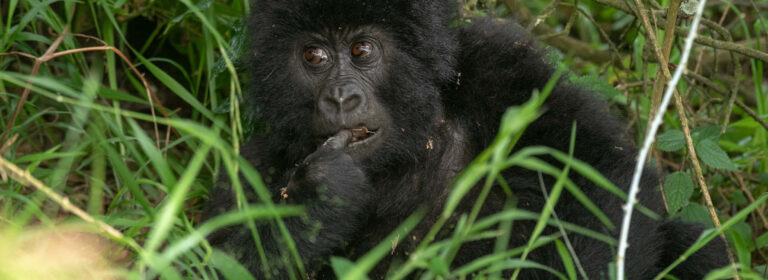
Combine mountain gorilla trekking in Volcanoes National Park with lakeside relaxation in Rubavu or another suitable Lake Kivu destination.
This pairing offers a rewarding contrast between active forest experiences and a slower-paced stay beside the water. It is particularly suitable for travellers who want time to relax after trekking.
Lake Kivu and Nyungwe Forest National Park
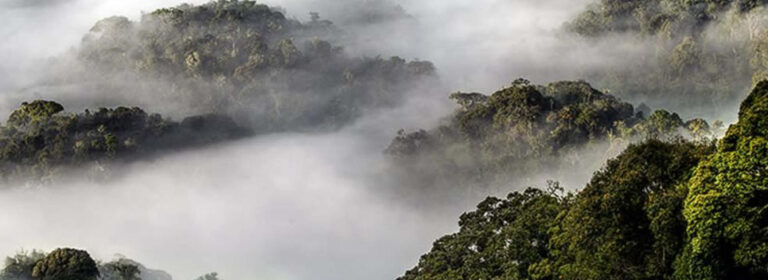
Lake Kivu can be combined with Nyungwe Forest National Park for chimpanzee tracking, rainforest hiking, birding and lakeside scenery. The southern lake region offers a practical connection for selected itineraries, while longer journeys can incorporate Karongi and other scenic stops.
Lake Kivu and Kigali
Combine Lake Kivu’s peaceful waterfront setting with the history of Kigali, cultural attractions, galleries and urban experiences. This pairing is suitable for travellers who want to explore Rwanda’s capital before continuing to the lake or returning to Kigali for an international departure.
Lake Kivu and Akagera National Park
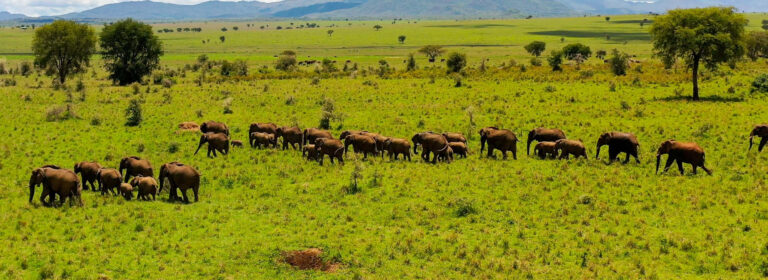
A longer Rwanda safari can combine Lake Kivu with Akagera National Park, bringing together scenic lakeside experiences and savannah wildlife viewing. This combination is best incorporated into a multi-day itinerary with sufficient time for road transfers and activities in the national park.
Lake Kivu and the Congo Nile Trail
Travellers interested in active exploration can combine a lakeside stay with selected hiking or cycling sections of the Congo Nile Trail. The experience provides opportunities to discover western Rwanda’s hills, farms, settlements and lake views. Routes should be tailored to fitness, time and logistical support.
Responsible Travel at Lake Kivu
Responsible travel at Lake Kivu begins with protecting the lake’s natural environment and respecting the communities that depend on its waters and surrounding landscapes. The lake supports fisheries, local livelihoods and tourism, making thoughtful visitor behaviour important for its long-term environmental and social well-being.
During boat excursions and kayaking activities, follow the instructions of qualified local guides, wear appropriate safety equipment and avoid disturbing wildlife or fishing activities. Visitors should not leave waste along the shoreline or in the water, and should respect local guidance on swimming, boating and access to individual islands.
Choosing locally operated accommodation, responsible guides and community-based experiences can help ensure that tourism contributes to local livelihoods. Travellers should seek permission before photographing residents and approach fishing communities, markets and cultural activities respectfully.
For official information about Rwanda’s tourism destinations and visitor experiences, consult Visit Rwanda. Travellers interested in environmental protection and responsible use of natural resources can also refer to the Rwanda Environment Management Authority.
By travelling thoughtfully, visitors can help protect Lake Kivu’s scenic environment while supporting the communities whose lives and livelihoods are connected to the lake.
Frequently Asked Questions About Lake Kivu
Lake Kivu lies along Rwanda’s western border with the Democratic Republic of the Congo. The principal visitor destinations on the Rwandan shoreline include Rubavu, Karongi and Rusizi. Each area offers different accommodation, scenery and access to other Rwanda safari destinations.
Popular activities include guided boat trips, kayaking, island excursions, lakeside relaxation, birdwatching, photography and cultural experiences. Active travellers can also explore selected sections of the Congo Nile Trail through guided cycling or hiking.
Two nights can provide time for lakeside relaxation and a selected boat or cultural experience. Three nights allow a slower pace and additional activities such as kayaking or island excursions. Longer stays may suit travellers interested in exploring several lakeside destinations or the Congo Nile Trail.
Swimming conditions depend on the location, weather, water conditions and current local safety guidance. Some waterfront areas are used for recreation, but visitors should not assume that every section of Lake Kivu is suitable for swimming. Seek advice from reputable local operators and use designated areas where swimming is permitted and considered appropriate.
Yes. Guided boat excursions are available in selected lakeside areas and provide opportunities to enjoy the lake’s scenery, islands and shoreline. These experiences are primarily scenic rather than conventional wildlife game-viewing safaris. Routes, operating conditions and safety arrangements should be confirmed before departure.
Rubavu, formerly known as Gisenyi, is a well-established lakeside destination in northern Lake Kivu and is convenient for many itineraries involving Volcanoes National Park. Karongi, formerly known as Kibuye, is particularly known for its scenic bays, islands and quieter lakeside landscapes. The better choice depends on your interests and safari route
Yes. Guided kayaking is available in selected areas of Lake Kivu, particularly where local operators can provide suitable equipment and safety support. Conditions can change with wind and weather, so travellers should follow guide instructions and choose excursions appropriate to their experience.
Lake Kivu can be visited throughout the year. The relatively drier months, particularly June to September and December to February, are often convenient for outdoor activities and lakeside relaxation. Wetter periods bring greener scenery but can affect boat excursions, cycling and road transfers.
Accommodation is available around Rubavu, Karongi and Rusizi, ranging from comfortable guesthouses to Premium waterfront retreats. Rubavu is often practical for Volcanoes National Park connections, Karongi for scenic boat excursions and relaxation, and Rusizi for itineraries involving Nyungwe Forest National Park.
Lake Kivu is accessible by road from Kigali. The route and journey duration depend on your selected destination, as Rubavu, Karongi and Rusizi are located in different parts of western Rwanda. Private safari transfers can be arranged around your accommodation and wider itinerary.
Yes. Lake Kivu is a popular addition to Rwanda gorilla trekking itineraries. Travellers can visit Volcanoes National Park before continuing to a lakeside destination, particularly Rubavu, for relaxation and scenic activities.
Yes. Lake Kivu can be combined with Nyungwe Forest National Park for a safari featuring chimpanzee tracking, rainforest experiences and lakeside relaxation. The southern lake region is particularly useful for selected routes, although the best itinerary depends on your available time and accommodation preferences.
Plan Your Visit to Lake Kivu
Plan your visit to Lake Kivu by choosing the right lakeside destination, selecting activities that match your interests and arranging accommodation around your wider Rwanda safari.
Njagi Safaris can organise a private Lake Kivu experience or incorporate the lake into a tailor-made journey featuring mountain gorilla trekking, chimpanzee tracking, cultural experiences and other destinations across Rwanda.
Share your travel dates, group size, accommodation preferences and interests through the enquiry form below. Our team will help you plan a practical itinerary that combines Lake Kivu’s scenic landscapes with the experiences you want from your Rwanda safari.