
Gishwati-Mukura National Park
Gishwati-Mukura National Park is one of Rwanda’s most distinctive forest conservation destinations, offering opportunities to explore recovering montane forests, encounter primates, discover Albertine Rift birdlife and experience community-based tourism in the country’s western highlands. Situated along the Congo-Nile Divide, the park protects two separate forest areas, Gishwati and Mukura, within a landscape shaped by steep hills, agricultural communities and an important history of forest restoration.
Visitors can explore Gishwati-Mukura National Park in Rwanda through guided nature walks, birdwatching, selected primate tracking experiences and locally organised cultural activities. Its relatively small size and developing tourism infrastructure make careful itinerary planning particularly important.
For travellers seeking a quieter forest experience beyond Rwanda’s better-known national parks, Gishwati-Mukura offers an opportunity to discover the relationship between biodiversity conservation, ecological recovery and community livelihoods. Njagi Safaris incorporates this destination into personalised Rwanda journeys, with activities, accommodation and transport coordinated according to visitor interests and prevailing park arrangements.
Explore Our Gishwati-Mukura Safari Experiences
Our Gishwati-Mukura National Park Safaris focus on meaningful forest exploration rather than high-volume wildlife tourism. Travellers can combine guided walks, primate observation, birdwatching and conservation-oriented experiences with other destinations across western Rwanda.
A visit may form part of a longer private safari connecting Volcanoes National Park, Lake Kivu and Nyungwe National Park. This allows travellers to experience different forest habitats, scenic landscapes and wildlife encounters without concentrating their entire itinerary on one destination.
Through our Rwanda Safari Destinations collection, travellers can explore additional national parks and regions before selecting the experiences that best suit their journey.
Discover Gishwati-Mukura Activities

Explore Rwanda Safaris Featuring Gishwati-Mukura
The Thousand Hills
Where Is Gishwati-Mukura National Park Located?
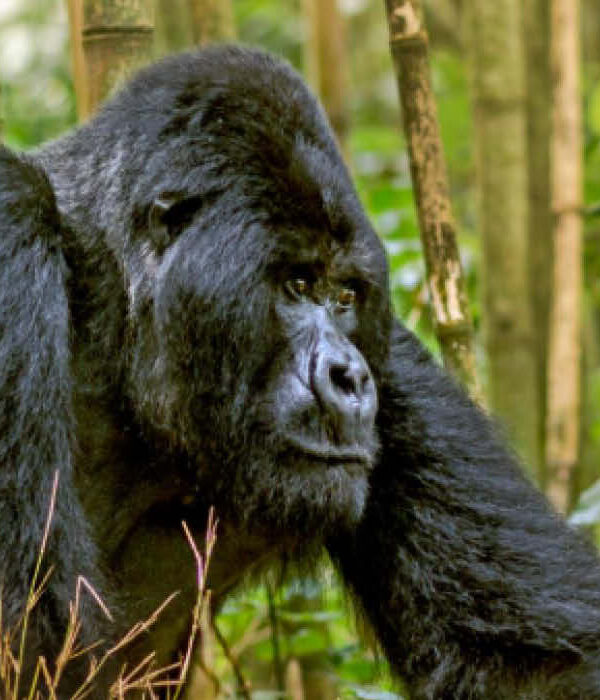
Gishwati-Mukura National Park lies in western Rwanda, within the Albertine Rift landscape and along the mountainous watershed separating the Congo and Nile river systems. The protected area consists of Gishwati Forest and Mukura Forest, two distinct forest blocks surrounded by cultivated hillsides, settlements and areas undergoing ecological restoration.
Gishwati is the better-known visitor area, while Mukura forms another important component of the protected landscape. The two forests should not be treated as one continuous tourist walking area, and visitor access may differ between them. The park is associated principally with the Rutsiro and Ngororero districts. Its position in western Rwanda creates opportunities to combine forest activities with the Lake Kivu region and other destinations along the country’s western tourism corridor.
Gishwati Forest
Gishwati Forest Rwanda is particularly important for primate conservation, birdwatching and guided forest exploration. The forest contains montane vegetation, indigenous trees, bamboo and habitats used by chimpanzees and several monkey species. Its conservation history demonstrates the importance of protecting remaining forest patches while restoring degraded surrounding land.
Mukura Forest
Mukura Forest Rwanda contributes to the wider park’s biodiversity, watershed protection and ecological significance. Although it receives less attention in conventional safari itineraries, Mukura is an important part of the Gishwati-Mukura conservation landscape. Access for specific tourism activities should be confirmed before visitors include this forest in their travel plans.
The Albertine Rift Landscape
The Albertine Rift is one of Africa’s most important regions for biodiversity, supporting numerous forest-dependent and geographically restricted species. Gishwati-Mukura forms part of this wider ecological landscape, alongside other protected forests and highland ecosystems in Rwanda and neighbouring countries.
What Makes Gishwati-Mukura National Park Special?
Gishwati-Mukura is distinctive because its tourism experiences are closely connected to ecological restoration. The park was established in 2015 to strengthen protection of the remaining Gishwati and Mukura forests after decades of habitat loss and environmental pressure. Rather than being defined by extensive game drives or large concentrations of habituated primates, the park offers an opportunity to appreciate recovering forest ecosystems and the conservation initiatives supporting them.
Rwanda’s Fourth National Park
Gishwati-Mukura became Rwanda’s fourth national park following its legal establishment in 2015. It complements Volcanoes, Nyungwe and Akagera by protecting a different portion of the country’s forest landscape. Its relatively compact protected area makes habitat management, ecological connectivity and surrounding land-use practices particularly significant.
A Landscape of Forest Restoration
The Gishwati and Mukura forests experienced considerable degradation through agricultural expansion, settlement and other land-use pressures. Restoration initiatives have sought to improve forest cover, protect remaining habitats and strengthen conservation partnerships with neighbouring communities. These efforts form an important part of the visitor experience, especially for travellers interested in sustainable tourism and environmental education.
UNESCO Biosphere Reserve Recognition
The wider Gishwati-Mukura Landscape was designated a UNESCO Biosphere Reserve in 2020. This recognition highlights the importance of combining biodiversity protection with sustainable land management, research and community development.
Wildlife in Gishwati-Mukura National Park
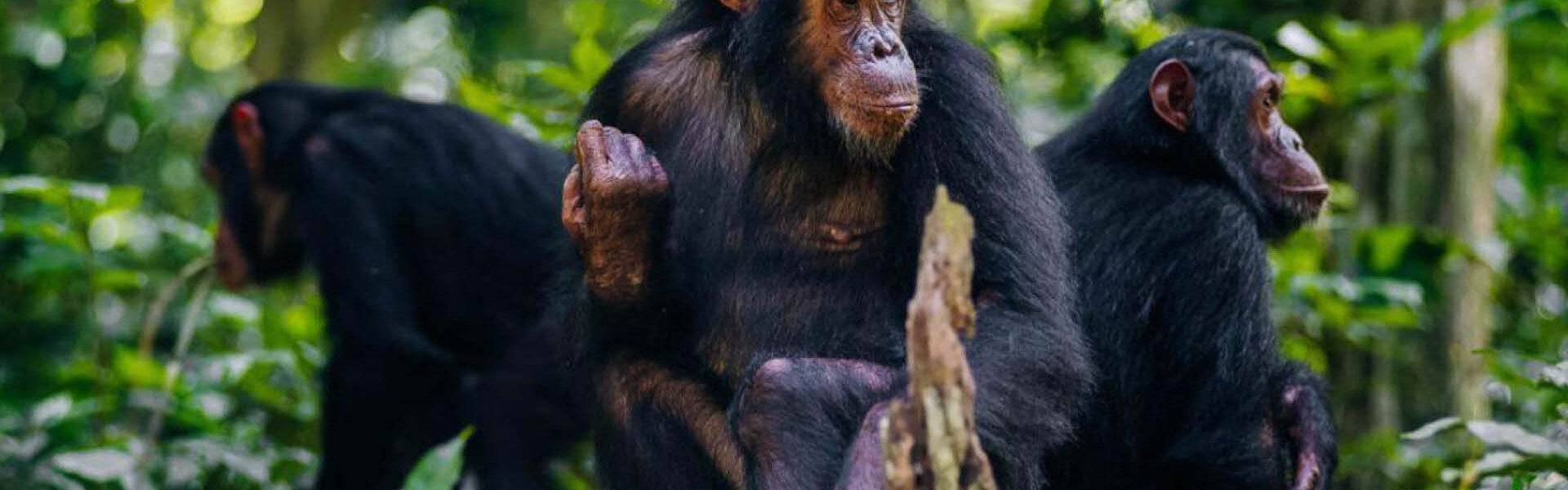
The wildlife in Gishwati-Mukura National Park is associated primarily with montane forest habitats rather than open savannah ecosystems. Primates are among the park’s best-known mammals, while birds, smaller mammals, reptiles, amphibians and forest invertebrates contribute to its biodiversity. Wildlife encounters depend on habitat conditions, animal movements, visitor access and the activities arranged with park authorities.
Eastern Chimpanzees
Eastern chimpanzees are among the most significant species protected within Gishwati Forest. The forest supports a small chimpanzee population that has received considerable conservation attention. Unlike the more established chimpanzee tourism destinations, encounters here should be approached with realistic expectations. Chimpanzees are wild animals that move through dense forest, and sightings cannot be guaranteed.
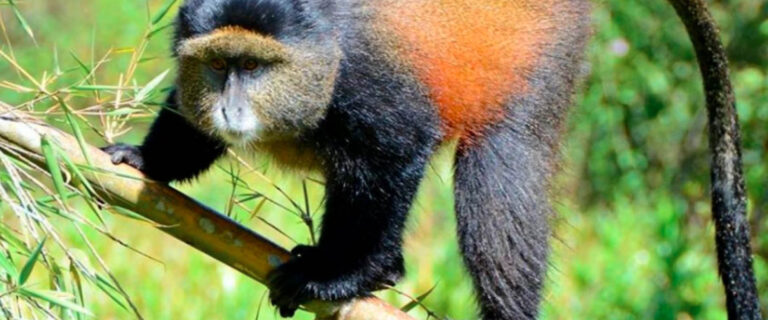
Golden Monkeys
Golden Monkeys in Gishwati-Mukura represent another important element of the park’s primate biodiversity. These distinctive monkeys inhabit highland forest environments and contribute to the wider conservation importance of the Albertine Rift. Visitors interested in golden monkey observation should confirm which guided tracking experiences are currently offered and the conditions under which they operate.
L’Hoest’s Monkeys and Blue Monkeys
L’Hoest’s monkeys and blue monkeys are among the other primates associated with the park’s forests. Observing these species can provide insight into the different ways primates use the forest floor, understory and canopy. Guided walks may also introduce travellers to the vegetation, food sources and ecological relationships that support these animals.
Other Forest Wildlife
Beyond primates, the park supports smaller forest mammals and other wildlife, including duikers, tree hyraxes and various reptiles and amphibians. Many of these species are elusive, nocturnal or difficult to observe in dense vegetation. The attraction of Gishwati-Mukura therefore lies in understanding the forest ecosystem as a whole, rather than expecting a conventional Big Five wildlife safari.
Things to Do in Gishwati-Mukura National Park
The principal things to do in Gishwati-Mukura National Park include guided forest walks, primate tracking, birdwatching, nature interpretation and community-based experiences.
Chimpanzee Tracking in Gishwati-Mukura
Chimpanzee Tracking in Gishwati-Mukura offers an opportunity to learn about a small population of eastern chimpanzees inhabiting the forest. Unlike chimpanzee tracking in Nyungwe National Park, the experience is associated with a less-developed tourism setting and a comparatively small chimpanzee population. Tracking arrangements, visitor numbers, guiding procedures and access conditions should be confirmed before booking.
For travellers whose primary objective is a well-established chimpanzee tracking experience, Nyungwe may provide a more appropriate foundation for the itinerary. Gishwati-Mukura can then be included for its wider forest and conservation attractions.
Golden Monkey and Other Primate Tracking
Primate Tracking in Gishwati-Mukura can introduce visitors to golden monkeys and other forest primates, subject to the availability of guided activities. These encounters provide opportunities to observe animal behaviour and learn about the importance of maintaining suitable forest habitats. Guests should follow their guides’ instructions, avoid disturbing animals and maintain appropriate viewing distances.
Birdwatching in Gishwati-Mukura National Park
Birdwatching in Gishwati-Mukura National Park is particularly rewarding for travellers interested in Albertine Rift forest species. The park’s vegetation, elevation and forest habitats support a varied bird community, including several species associated with Central and East African montane forests. Birdwatching can be incorporated into a general nature walk or organised as a more specialised experience with a knowledgeable local guide.
Guided Forest Walks and Nature Hikes
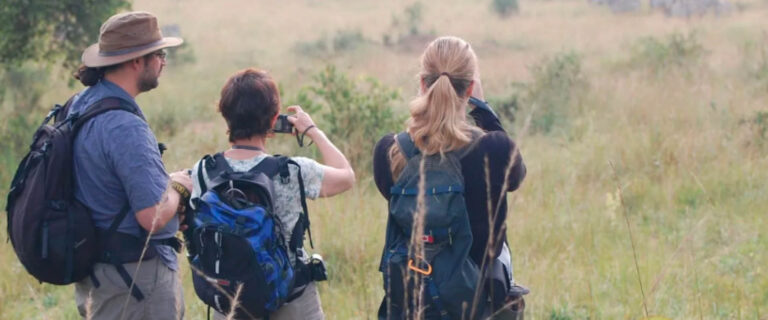
Forest Walks in Gishwati-Mukura allow visitors to explore forest vegetation, observe wildlife signs and appreciate the natural features of the protected landscape. Guided walks may introduce travellers to indigenous trees, ferns, streams, forest birds and the ecological processes involved in forest recovery. Walking conditions vary with weather, trail maintenance and terrain. Suitable footwear and a comfortable pace are important, particularly during wetter periods.
Waterfall and Scenic Forest Trails
Selected Gishwati-Mukura hiking trails provide access to forest scenery, streams and waterfalls. The park’s visitor guide identifies the Kazeneza waterfall trail and other named walking routes. Specific trail access, difficulty and operating arrangements should be checked during itinerary planning.
Community and Cultural Experiences
Communities surrounding the park contribute to its wider tourism identity. Depending on local arrangements, visitors may explore traditional farming practices, handicrafts, cultural performances, beekeeping and tea-growing landscapes. These activities can help travellers understand the relationship between conservation, livelihoods and responsible tourism.
Birds of Gishwati-Mukura National Park
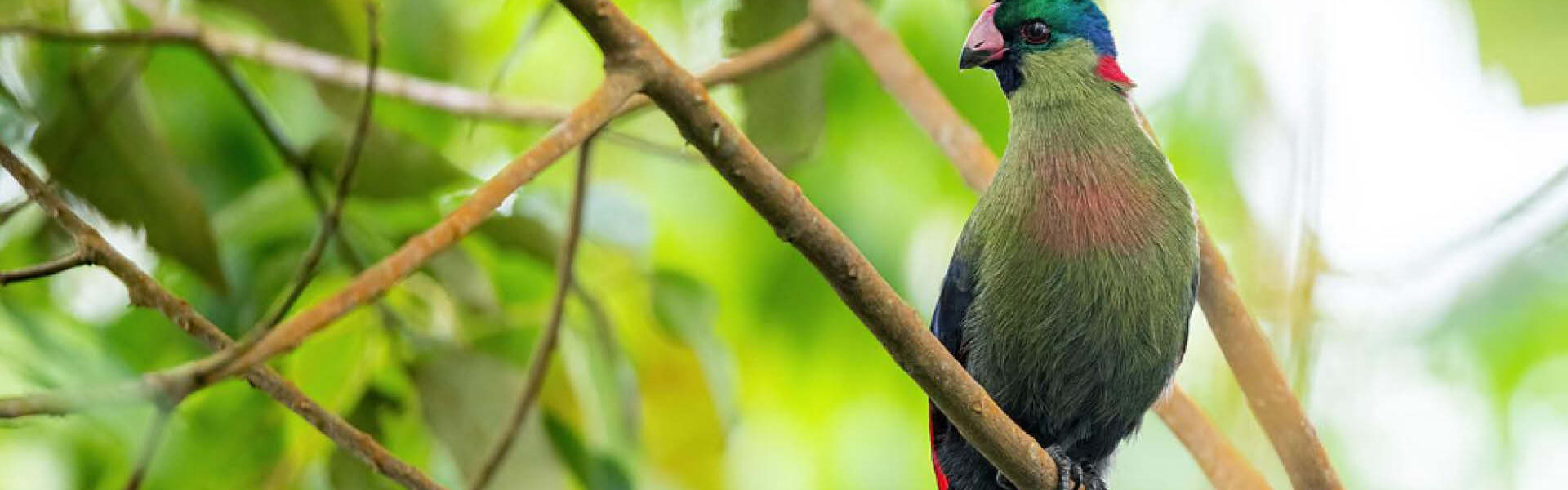
The birds of Gishwati-Mukura National Park are an important attraction for specialist birdwatchers and travellers interested in Rwanda’s forest ecosystems. There are over 232 bird species recorded at Gishwati and 163 at Mukura, including Albertine Rift endemics and forest specialists. These are historical recorded totals rather than a guarantee of species observable during an individual visit.
Albertine Rift Endemic Birds
The Albertine Rift supports a distinctive community of forest birds, including species with restricted regional distributions. Gishwati-Mukura is therefore an interesting destination for travellers developing a wider Rwanda birdwatching itinerary that also includes Nyungwe and Volcanoes National Parks.
Notable Forest Bird Species
Birds associated with the wider Gishwati-Mukura landscape include the Rwenzori turaco, red-throated alethe, regal sunbird, purple-breasted sunbird, Rwenzori batis, stripe-breasted tit and mountain yellow warbler. Sightings depend on habitat, season, weather conditions and the experience of the accompanying birding guide.
Planning a Specialist Birdwatching Visit
Early morning forest walks can provide useful opportunities to observe bird activity before conditions become warmer or wetter. Travellers should bring binoculars, appropriate walking shoes, weather protection and camera equipment suited to forest photography. For serious birdwatchers, Njagi Safaris can consider Gishwati-Mukura as part of a longer itinerary connecting multiple bird habitats across Rwanda and Uganda.
Forest Walks and Hiking Trails in Gishwati-Mukura
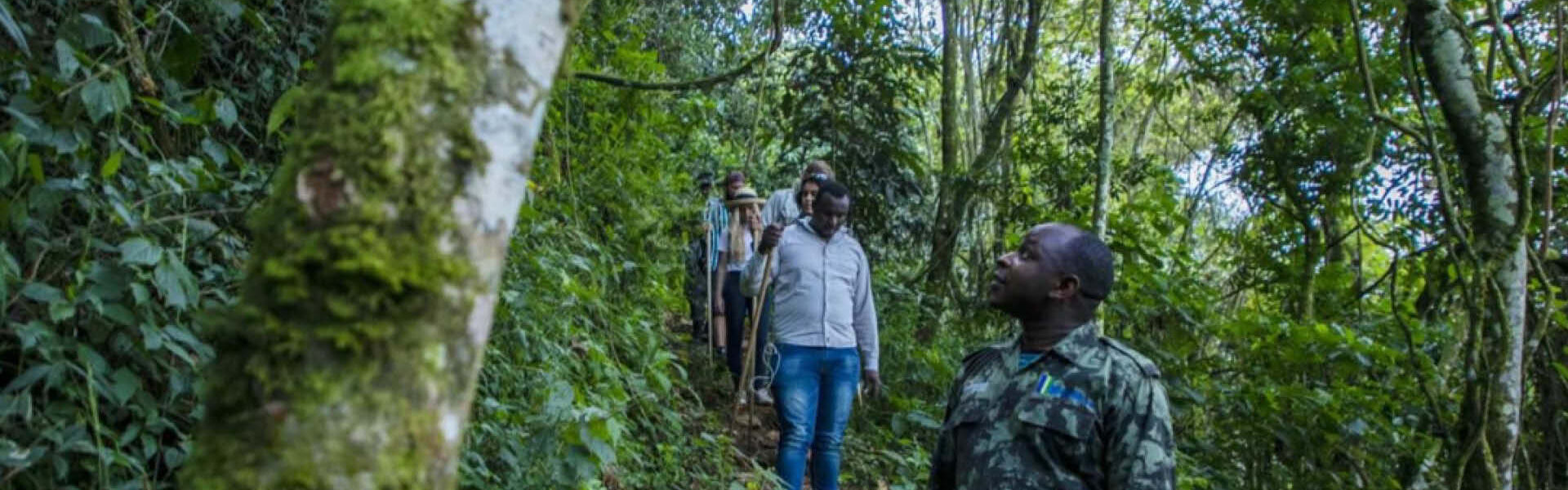
Gishwati-Mukura hiking trails provide a different experience from Rwanda’s volcanic mountain treks and open-country wildlife activities. Forest walking here focuses on vegetation, biodiversity, streams, conservation interpretation and opportunities to encounter smaller wildlife.
Guided Nature Trails
Guided nature trails introduce visitors to the park’s forest structure and its ecological importance. Walks can be selected according to visitor interests, physical ability and the routes available at the time of travel.
Waterfall Trails
Waterfall walks combine forest exploration with scenic features such as streams, slopes and natural viewpoints. Conditions can become slippery after rainfall, making suitable footwear and experienced guiding particularly important.
Forest Photography and Nature Observation
The park offers opportunities for photography of forest landscapes, vegetation, birds and primates. Dense forest light can be challenging, so photographers should allow time for patient observation rather than expecting uninterrupted wildlife visibility.
Best Time to Visit Gishwati-Mukura National Park
The best time to visit Gishwati-Mukura depends on the experiences travellers wish to prioritise. Rwanda’s western highlands receive rainfall throughout the year, with seasonal differences affecting trail conditions, forest visibility and visitor comfort.
June to September
This period generally offers comparatively drier conditions and can be suitable for guided walking and forest exploration. However, rainfall remains possible in highland environments, and visitors should prepare for changing weather.
December to February
The shorter relatively dry period can also provide favourable opportunities for forest walks and combined Rwanda safari itineraries. Conditions should still be assessed locally, particularly for activities involving steep or muddy trails.
March to May
These months are commonly associated with heavier rainfall. The forest can appear especially green, but trails may become slippery and outdoor activities may require greater flexibility.
October and November
Rainfall often increases during this period, creating lush forest conditions. Birdwatching can remain rewarding, although walking conditions and activity schedules may be affected by weather.
Choosing the Right Travel Period
For travellers prioritising walking comfort, the relatively drier months may be preferable. Specialist birdwatchers and nature enthusiasts may also appreciate wetter periods, provided they are comfortable with changing trail conditions. Njagi Safaris considers the full itinerary, accommodation availability and park activity arrangements when recommending travel dates. Learn our Best Time to Visit Rwanda: Safari Seasons, Weather and Travel Costs.
Gishwati-Mukura National Park Accommodation
Gishwati-Mukura National Park accommodation is more limited than the range available around Volcanoes and Nyungwe National Parks. This reflects the park’s developing tourism infrastructure and relatively small visitor market. Accommodation selection should therefore consider location, comfort, access to activities and the overall itinerary.
Forest of Hope Guest House and Campsite
The Forest of Hope Guest House and Campsite is associated with conservation-focused tourism in the Gishwati area. Its modest facilities make it more appropriate for travellers seeking an immersive conservation experience than those expecting a conventional luxury safari lodge.
Gishwati Lodge
Gishwati Lodge has been developed as a higher-end forest accommodation option associated with the park. It offers a different accommodation concept from the basic Forest of Hope facilities, with an emphasis on an intimate forest setting. Travellers considering this property should confirm its current operating arrangements, accommodation availability and access to their preferred activities before making travel commitments.
Accommodation Around Lake Kivu
Lake Kivu provides additional accommodation possibilities for travellers combining forest exploration with scenic relaxation. Properties around Rubavu and Karongi may be considered depending on the route, travel time and planned activities. However, Lake Kivu accommodation should not automatically be presented as being immediately adjacent to the park. Daily travel requirements need to be assessed carefully.
Choosing the Right Accommodation Standard
Njagi Safaris can consider accommodation preferences ranging from practical guesthouses to more refined forest and lakeside properties. Travellers exploring our Accommodation Collection can compare different comfort levels before selecting a suitable Rwanda safari arrangement.
How to Get to Gishwati-Mukura National Park
Understanding how to get to Gishwati-Mukura National Park is important because the park consists of separate forest areas and visitor access depends on the activities selected. Road transport is generally the most practical way to incorporate the park into a private Rwanda safari.
Travelling from Kigali
Visitors can travel from Kigali towards western Rwanda through the country’s highland road network. The journey passes through scenic rural landscapes, cultivated hills and settlements before reaching the wider Gishwati-Mukura area. Actual travel time depends on the selected park entrance, road conditions, weather and accommodation location.
Travelling from Volcanoes National Park
Gishwati-Mukura can be incorporated into itineraries that begin around Musanze and Volcanoes National Park. This combination allows travellers to experience the Virunga volcanic landscape alongside another important Rwandan forest ecosystem. The route should be planned around confirmed activities rather than assuming that the park can always be visited as a brief stop.
Travelling from Lake Kivu
The Lake Kivu region provides another possible starting point for visiting Gishwati-Mukura. Travellers can combine lakeside accommodation, scenic drives and forest activities, with sufficient time allocated for road transfers.
Private Safari Transport
Njagi Safaris can coordinate private road transport as part of a wider Rwanda itinerary. Vehicle selection considers the number of travellers, luggage, road conditions and planned destinations. A suitable safari vehicle and professional driver-guide can make the journey more comfortable while allowing flexibility for scenic stops.
Combining Gishwati-Mukura with Other Rwanda Safari Destinations
A Gishwati-Mukura Rwanda safari itinerary is often most rewarding when combined with other destinations. This approach allows travellers to experience a wider variety of landscapes, wildlife habitats and cultural environments.
Gishwati-Mukura and Volcanoes National Park
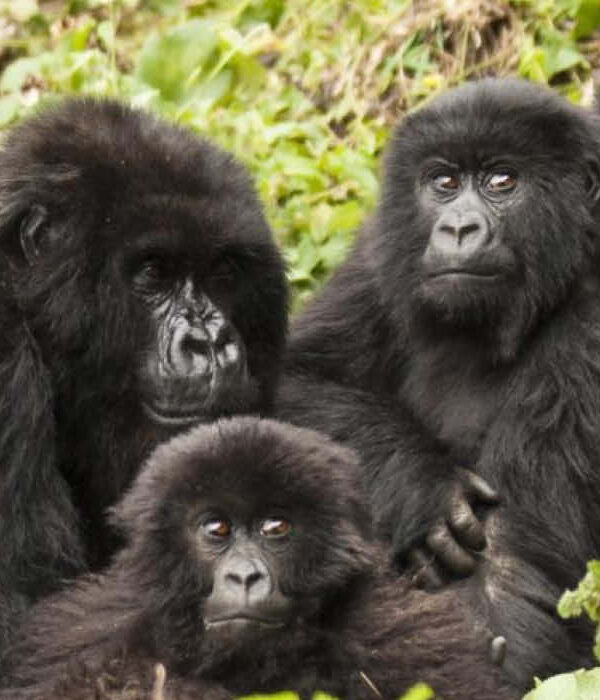
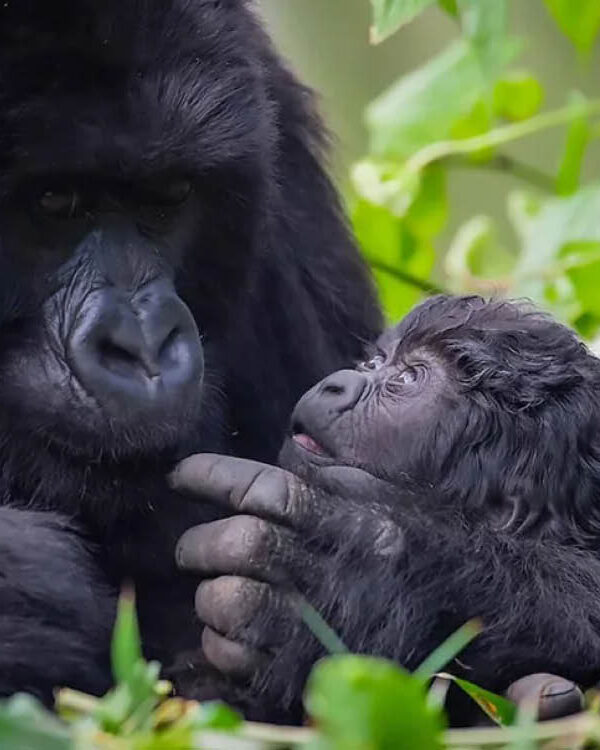
Combining Gishwati-Mukura with Volcanoes National Park provides an opportunity to explore two contrasting highland ecosystems. Volcanoes is internationally recognised for mountain gorilla trekking, while Gishwati-Mukura offers forest walks, biodiversity conservation and selected primate experiences. This combination may appeal to travellers interested in primate conservation and the wider ecological significance of Rwanda’s forests.
Gishwati-Mukura and Lake Kivu
Lake Kivu offers a scenic contrast to the forested highlands. Travellers can combine guided nature experiences with lakeside relaxation, cultural exploration and scenic countryside journeys. The combination can be particularly appealing to couples, photographers and travellers seeking a slower pace.
Gishwati-Mukura and Nyungwe National Park
Nyungwe offers more established chimpanzee tracking and an extensive forest tourism experience. Including Gishwati-Mukura can add a conservation-restoration perspective to a journey focused on Rwanda’s montane forests. The two destinations should be presented as complementary rather than interchangeable.
Gishwati-Mukura and Uganda
Travellers exploring both countries may incorporate Gishwati-Mukura into a wider Uganda and Rwanda safari. Such itineraries can combine Rwanda’s highland forests with Uganda’s gorilla trekking, chimpanzee tracking, wildlife viewing and birdwatching destinations. Cross-border travel arrangements, permits and accommodation should be coordinated in advance.
Sample Gishwati-Mukura Safari Itineraries
The following are illustrative Gishwati-Mukura National Park Safaris. They are planning concepts rather than confirmed departures or guaranteed activity schedules.
2-Day Gishwati-Mukura Forest Discovery
Day 1: Travel from Kigali or another suitable starting point to the Gishwati region. Enjoy the surrounding scenery and, subject to arrangements, an introductory community or nature experience.
Day 2: Participate in a guided forest walk or another confirmed park activity before continuing to the next destination. This short itinerary is most suitable when travel logistics allow sufficient time for meaningful forest exploration.
3-Day Gishwati-Mukura Primate and Birdwatching Safari
Day 1: Transfer to the Gishwati area and settle into the selected accommodation.
Day 2: Enjoy a guided forest experience focused on primates, birds and forest ecology. Any chimpanzee or monkey tracking must be confirmed through the relevant park arrangements.
Day 3: Undertake a shorter nature or community experience before departure.
This itinerary is appropriate for travellers seeking a more relaxed introduction to the forest.
5-Day Volcanoes, Gishwati-Mukura and Lake Kivu Safari
Day 1: Arrive in Kigali and transfer towards the Volcanoes region.
Day 2: Enjoy a confirmed Volcanoes National Park activity, such as gorilla trekking or golden monkey tracking.
Day 3: Travel towards Gishwati-Mukura, with scenic stops as appropriate.
Day 4: Explore the forest through a guided nature, birdwatching or available primate experience.
Day 5: Continue towards Lake Kivu or return to Kigali, depending on the final itinerary.
This combination introduces Rwanda’s volcanic landscapes, forest biodiversity and western scenery.
8-Day Rwanda Forests and Primate Safari
A longer journey can connect Kigali, Volcanoes National Park, Gishwati-Mukura, Lake Kivu and Nyungwe National Park. Activities may include gorilla trekking, forest walks, birdwatching, chimpanzee tracking and community experiences. The exact allocation of nights should reflect permit availability, driving distances and the traveller’s preferred pace.
Gishwati-Mukura National Park Entrance Fees and Safari Costs
The cost of visiting Gishwati-Mukura National Park depends on the activities selected, visitor category, guiding arrangements, accommodation and transport. Because tourism arrangements can change, entrance fees and activity charges should be confirmed with the authorised park operator or relevant Rwanda tourism authorities before a quotation is finalised.
Park Entry and Guided Activities
Charges may differ between general park access, guided forest walks, primate tracking and specialist activities. Travellers should not assume that a general entrance payment includes every activity.
Accommodation Costs
Accommodation prices depend on the property, room type, season, meal plan and availability. The relatively limited selection makes early planning useful, particularly for travellers with specific comfort expectations.
Private Transport and Guiding
Private safari costs may include a vehicle, professional driver-guide, fuel, accommodation logistics and transfers between destinations. Specialist birdwatching or other guiding arrangements may require additional coordination.
Personalised Safari Quotations
Njagi Safaris prepares quotations according to the agreed itinerary, travel dates, number of guests and accommodation preferences.
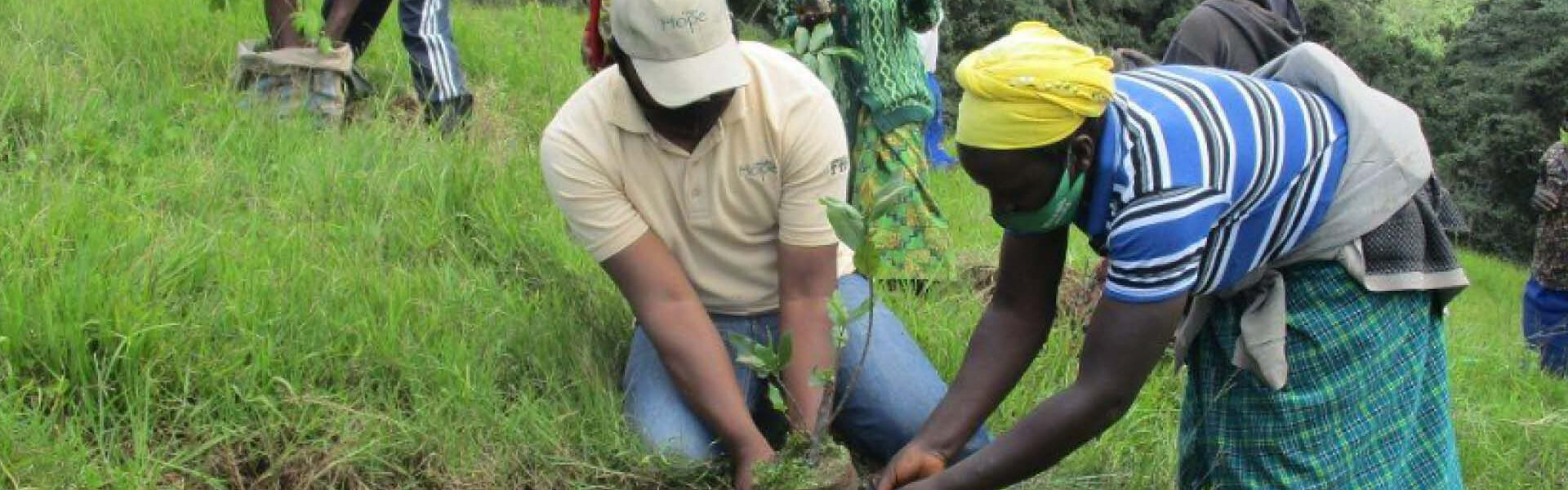
Conservation and Responsible Tourism in Gishwati-Mukura
Gishwati-Mukura Conservation is central to the park’s identity. The protected forests have experienced significant environmental pressures, making habitat restoration, biodiversity protection and community participation essential to their long-term survival.
Conservation initiatives focus on protecting remaining forest habitats, restoring degraded landscapes and strengthening relationships with neighbouring communities. The Rwanda Development Board (RDB) provides information about Rwanda’s protected areas, tourism development and conservation initiatives.
Forest Restoration and Biodiversity Protection
Forest restoration plays an important role in protecting the remaining Gishwati and Mukura forests, improving ecological conditions and supporting wildlife populations, including chimpanzees, golden monkeys and forest-dependent bird species.
Healthy forest ecosystems also contribute to watershed protection, soil stability and environmental resilience. The wider Gishwati-Mukura Landscape UNESCO Biosphere Reserve recognises the importance of combining biodiversity conservation with sustainable development and responsible management of natural resources.
Supporting Local Communities
Responsible tourism can contribute to local livelihoods through guiding, accommodation, handicrafts, agriculture and other community-based enterprises. These opportunities are particularly important where protected forests are surrounded by settlements and cultivated land.
Community participation can strengthen conservation efforts by encouraging sustainable resource use and creating economic opportunities linked to forest protection. The Forest of Hope Association is among the organisations involved in conservation education, habitat restoration and community engagement around Gishwati Forest.
Travellers can contribute by choosing responsibly organised cultural experiences, respecting local customs and supporting community enterprises.
Responsible Primate Viewing
Responsible primate viewing begins with respecting wildlife and following the instructions of authorised park guides. Visitors should maintain the required viewing distances, avoid feeding or touching animals and observe applicable health precautions to reduce the risk of transmitting diseases to primates. Wildlife photography should be undertaken without chasing, crowding or disturbing animals. Sightings depend on natural animal movements and should never be forced for the sake of photographs.
Responsible Forest Walking
Visitors exploring Gishwati-Mukura National Park should remain on authorised trails, avoid damaging vegetation and remove all waste brought into the forest. Walking quietly, respecting sensitive habitats and following the guidance of park staff help minimise disturbance to wildlife and the surrounding environment.
Responsible forest exploration also involves respecting neighbouring communities, local cultural practices and conservation regulations. These principles allow travellers to appreciate the park’s natural heritage while contributing to its long-term protection.
Why Visit Gishwati-Mukura National Park with Njagi Safaris?
Njagi Safaris approaches Gishwati-Mukura National Park Safaris as personalised journeys shaped by traveller interests, practical arrangements and responsible destination planning. Rather than treating Gishwati-Mukura as a conventional wildlife safari destination, we consider its distinctive forest environment and developing tourism infrastructure.
Personalised Rwanda Safari Planning
We begin by understanding each traveller’s interests, preferred accommodation standard, travel dates and available time. This allows us to determine how Gishwati-Mukura can fit naturally into a wider Rwanda itinerary.
Carefully Coordinated Forest Experiences
Guided forest walks, primate activities and birdwatching require appropriate local arrangements. We aim to confirm activity access and practical requirements before incorporating them into the final itinerary.
Private and Flexible Travel
Private safari arrangements allow greater flexibility when connecting Gishwati-Mukura with Volcanoes National Park, Lake Kivu and other destinations. Travel schedules can be adapted to the agreed route and guest preferences.
Responsible Destination Interpretation
We recognise the importance of conservation, habitat restoration and community livelihoods in the Gishwati-Mukura landscape. Our approach encourages travellers to appreciate the park as both a wildlife destination and an important conservation area.
Uganda and Rwanda Safari Connections
As a Uganda-based tour operator planning journeys across Uganda and Rwanda, Njagi Safaris can help travellers explore suitable cross-border combinations.
Frequently Asked Questions About Gishwati-Mukura National Park
Gishwati-Mukura National Park is located in western Rwanda within the Albertine Rift landscape. It protects the separate Gishwati and Mukura forest areas.
The park is known for forest conservation, eastern chimpanzees, golden monkeys, birdwatching, guided nature walks and ecological restoration.
Chimpanzees inhabit Gishwati Forest, and guided tracking is identified among the park’s tourism activities. However, the population is small, sightings are not guaranteed and current tracking arrangements should be confirmed.
Yes. Golden monkeys are among the primates associated with the protected forest landscape. Viewing opportunities depend on authorised activities and wildlife movements.
Yes. The forests support a varied bird community, including Albertine Rift species. Guided birdwatching can be incorporated into a specialist Rwanda itinerary.
Activities include guided forest walks, birdwatching, selected primate tracking experiences, waterfall visits and community-based tourism, subject to current operating arrangements.
Two to three days can provide time for a focused forest experience. Travellers with specialist birdwatching or conservation interests may prefer a longer visit.
The relatively drier periods from June to September and December to February can offer more comfortable walking conditions. The forest remains a year-round destination, subject to weather and activity availability.
The parks offer different experiences. Nyungwe has more established chimpanzee tourism and extensive forest activities, while Gishwati-Mukura offers a distinctive conservation-restoration setting and quieter forest exploration.
Yes. A private Rwanda itinerary can combine the two destinations, allowing travellers to explore volcanic landscapes and forest ecosystems within one journey.
Accommodation options include limited facilities associated with the park and properties in the wider western Rwanda region. The best choice depends on the visitor’s planned activities and transport arrangements.
Contact Njagi Safaris with your travel dates, number of guests, preferred accommodation and activities. We can discuss suitable itinerary options and confirm the relevant operational arrangements before preparing a quotation.
Plan Your Gishwati-Mukura Safari
Discover the recovering forests, primates, birdlife and conservation landscapes of Gishwati-Mukura National Park through a personalised Rwanda safari. Njagi Safaris can help incorporate this distinctive destination into a private itinerary combining forest exploration, wildlife experiences, scenic travel and comfortable accommodation.
From the highlands of Volcanoes National Park to the shores of Lake Kivu and the forests of Nyungwe, your journey can be designed around the experiences that interest you most.