Wildlife Safaris in Rwanda
Wildlife safaris in Rwanda offer remarkable opportunities to explore the country’s savannah plains, tropical forests, volcanic mountains, wetlands and freshwater ecosystems. From elephants, lions and giraffes in Akagera National Park to mountain gorillas in Volcanoes National Park and chimpanzees in Nyungwe, Rwanda brings together distinctive wildlife encounters within one destination.
Known as the Land of a Thousand Hills, Rwanda combines traditional African game drives with boat safaris, birdwatching, forest trekking and guided nature experiences. Travellers can explore Akagera’s Big Five wildlife before continuing to the mist-covered Virunga Mountains or the ancient forests of Nyungwe for encounters with endangered primates.
At Njagi Safaris, we design private Rwanda wildlife safaris around each traveller’s interests, available time, accommodation preferences and desired pace. Our tailor-made itineraries combine carefully selected destinations, professional guiding and personalised safari planning, allowing guests to experience Rwanda’s wildlife in a comfortable and meaningful way.
Explore Our Rwanda Wildlife Safaris
Discover our carefully designed Rwanda wildlife safari tours, combining game drives, boat excursions and wildlife encounters in Akagera National Park with opportunities to explore the forests of Volcanoes and Nyungwe national parks. Our itineraries introduce travellers to elephants, lions, buffaloes, giraffes, zebras, rhinoceroses and diverse birdlife, alongside Rwanda’s internationally recognised mountain gorillas and chimpanzees.
At Njagi Safaris, we organise private Rwanda wildlife safaris tailored to individual interests, travel durations and accommodation preferences. Choose a wildlife-focused journey through Akagera or combine savannah experiences with gorilla trekking in Volcanoes National Park and chimpanzee tracking in Nyungwe.
Explore our featured safari packages below, browse our Rwanda Safaris collection, or contact Njagi Safaris to plan a tailor-made Rwanda wildlife safari.
Why Choose Rwanda for a Wildlife Safari?
Rwanda’s appeal as a wildlife destination comes from the remarkable diversity of habitats and experiences found across the country. Its protected areas encompass open savannah, freshwater lakes, wetlands, montane rainforest, bamboo forests and volcanic landscapes.
This diversity supports an impressive range of mammals, birds, reptiles and other wildlife. Visitors can search for large predators and grazing animals during game drives, observe aquatic wildlife from boats and explore forest habitats accompanied by authorised guides.
One of Rwanda’s greatest advantages is the opportunity to combine traditional African wildlife viewing with encounters involving mountain gorillas, chimpanzees and golden monkeys. Its relatively compact geography also makes it possible to explore contrasting ecosystems within a carefully planned private safari.
Diverse Wildlife Across Different Habitats
Rwanda’s savannah wildlife is concentrated primarily in Akagera National Park, where elephants, buffaloes, lions, leopards, rhinoceroses, giraffes, zebras and antelopes inhabit grassland, woodland and wetland environments. The park’s extensive lake system supports hippos, crocodiles and numerous waterbirds, creating opportunities for wildlife encounters beyond traditional game drives.
Forest destinations introduce another dimension. Volcanoes National Park protects mountain gorillas and golden monkeys within the Virunga volcanic landscape, while Nyungwe National Park supports chimpanzees, colobus monkeys and other forest primates. Gishwati-Mukura National Park contributes to the conservation and restoration of Rwanda’s montane forest ecosystems. Together, these environments make wildlife viewing in Rwanda particularly rewarding for travellers interested in biodiversity and contrasting natural landscapes.
Wildlife Experiences Beyond Traditional Game Drives
Game drives remain central to many Rwanda wildlife itineraries, particularly in Akagera National Park, but they represent only one way of exploring the country’s natural environments. Boat excursions on Lake Ihema allow visitors to observe hippos, crocodiles, waterbirds and other wildlife near the shoreline. Forest trekking introduces primates, specialised birds, vegetation and ecological relationships that are rarely encountered during vehicle-based safaris.
Birdwatching, wildlife photography, guided nature walks and selected canopy experiences provide further opportunities to explore Rwanda’s biodiversity. These activities can be combined within a private itinerary to create a more varied and rewarding safari experience.
Combining Savannah Wildlife with Forest Primates
One of Rwanda’s strongest advantages is the possibility of combining savannah wildlife viewing with mountain gorilla and chimpanzee tracking. A carefully planned journey can include game drives in Akagera National Park, gorilla trekking in Volcanoes National Park and chimpanzee tracking in Nyungwe National Park.
These experiences introduce travellers to different environments and wildlife behaviours, from elephants feeding in open grasslands to gorilla families moving through montane forest vegetation. Such combinations are particularly appealing to visitors seeking a comprehensive introduction to Rwanda’s natural heritage.
Private and Personalised Safari Experiences
Private safari planning gives travellers greater flexibility in selecting destinations, accommodation and activities. Wildlife photographers may prefer longer game drives in Akagera and additional time observing animals in productive habitats. Birdwatchers may prioritise specialist guiding and excursions to forests and wetlands.
Primate enthusiasts may allocate more time to Volcanoes and Nyungwe national parks, while families may benefit from shorter travel days and accommodation suited to their needs. A personalised itinerary helps balance wildlife interests with travel comfort, available time and realistic journey distances.
Wildlife Animals You Can See in Rwanda
Rwanda supports a wide variety of wildlife, from large savannah mammals to forest primates and aquatic species. The animals encountered during Rwanda wildlife safaris depend on the destinations visited, habitat conditions, seasonal movements and the time available for wildlife viewing. Although experienced guides can help visitors search suitable habitats, wild animal sightings are never guaranteed.
African Elephants
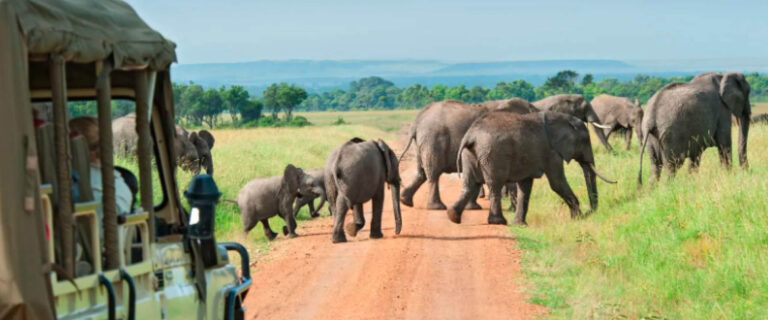
African elephants are among Rwanda’s most impressive savannah mammals. They can be observed in Akagera National Park, where they move between grassland, woodland, wetlands and freshwater habitats.
Elephant encounters may involve solitary bulls, family groups or animals feeding near lakes and other water sources. Observing elephants from an appropriate distance offers opportunities to appreciate their social behaviour, feeding patterns and relationship with the surrounding environment. For travellers interested in large mammals, elephants are among the principal attractions of Akagera National Park wildlife safaris.
Lions and Other Large Predators
Lions are an important attraction in Akagera National Park, Rwanda’s principal destination for traditional savannah wildlife viewing. The species was reintroduced to the park in 2015 following a period of local extinction. This restoration initiative formed part of broader efforts to rebuild Akagera’s wildlife populations and strengthen conservation management.
Leopards also inhabit the park but are generally more elusive. Their solitary behaviour, camouflage and ability to remain concealed make sightings less predictable. Other carnivores include spotted hyenas, jackals and smaller predators associated with Akagera’s savannah and woodland habitats. Predator encounters depend on animal movements, habitat conditions and the timing of game drives.
Giraffes, Buffaloes and Savannah Antelopes
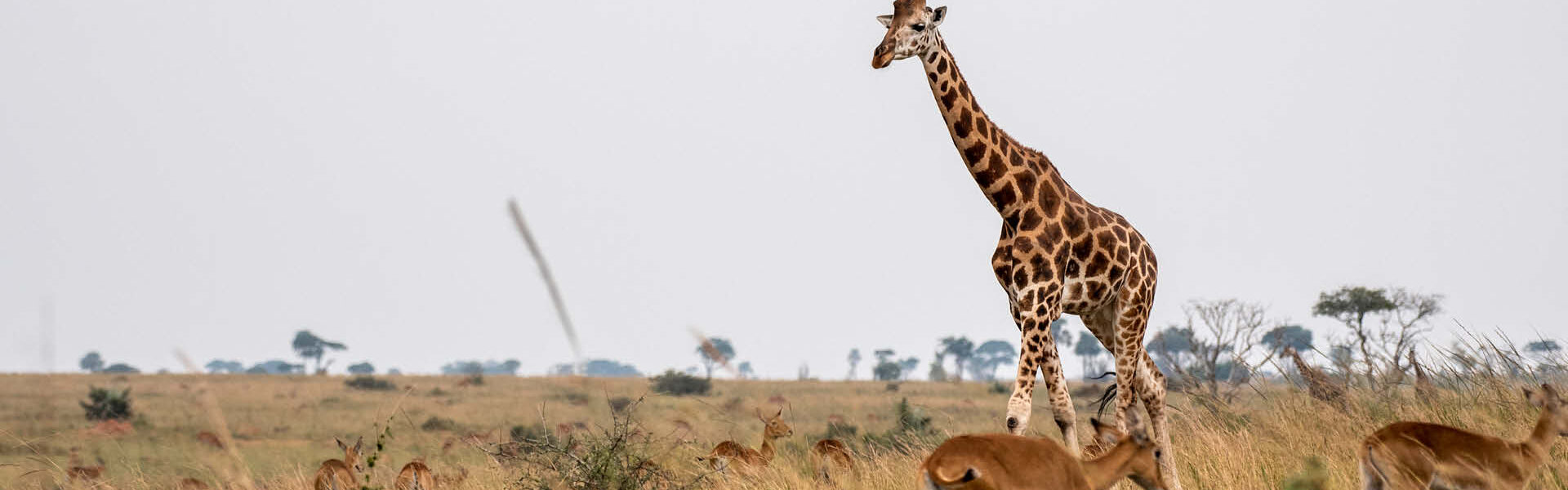
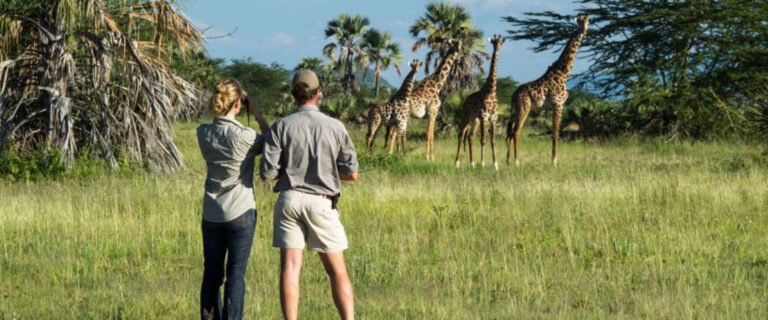
Giraffes are particularly associated with Akagera National Park, where they can be observed browsing in open woodland and savannah habitats. African buffaloes occur across suitable areas of the park and may gather in herds, especially where grazing conditions and water are favourable.
Rwanda’s savannah antelopes include impalas, topis, waterbucks, elands, bushbucks and oribis. These grazing and browsing mammals form an important part of the savannah ecosystem and contribute to the food relationships that support large predators.
Zebras and Other Grazing Mammals
Plains zebras are among the characteristic wildlife species encountered in Akagera National Park. They inhabit open grasslands and savannah areas, often sharing suitable grazing environments with antelopes and other herbivores. Warthogs and additional grazing mammals may also be encountered during game drives.
Zebra sightings can be particularly rewarding for wildlife photographers because of the animals’ distinctive markings, social behaviour and association with open landscapes. These species contribute to the variety of wildlife encountered during Rwanda game drive safaris.
Hippos, Crocodiles and Aquatic Wildlife
Rwanda’s lakes and wetlands support important aquatic wildlife populations, particularly within Akagera National Park. Hippos are frequently encountered in the park’s waterways, while Nile crocodiles may be observed resting along shorelines or moving through the water.
Boat-based wildlife viewing provides a different perspective from traditional game drives and can be especially rewarding for photography. Travellers interested in aquatic wildlife can include Rwanda boat safaris on Lake Ihema as part of their Akagera itinerary.
Mountain Gorillas and Chimpanzees
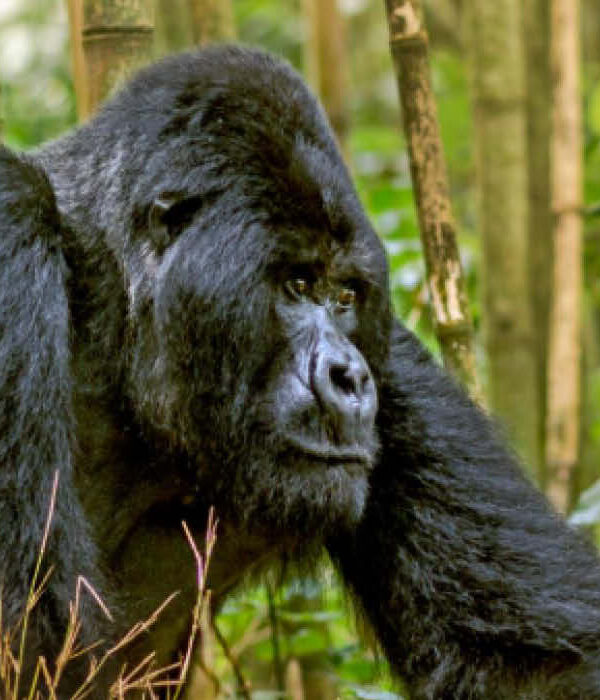
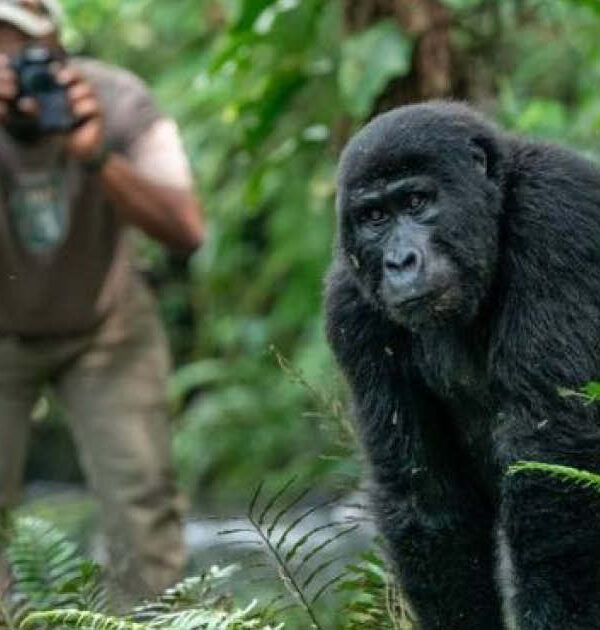
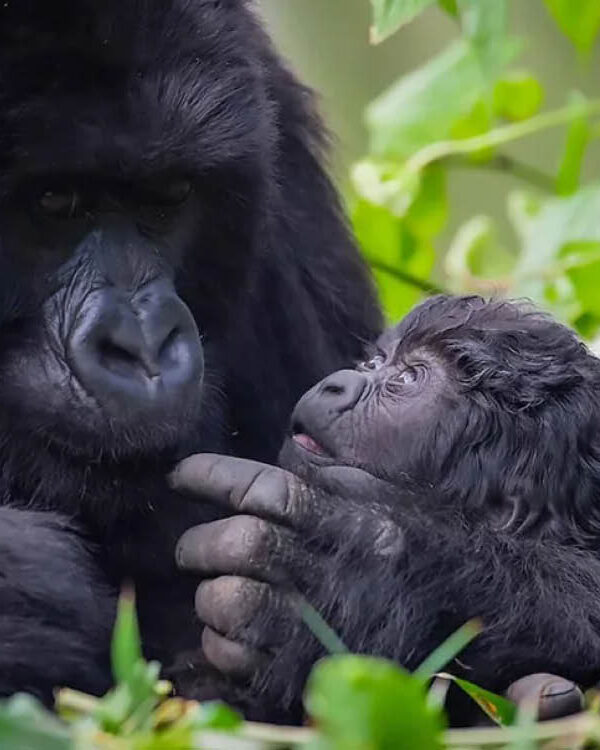
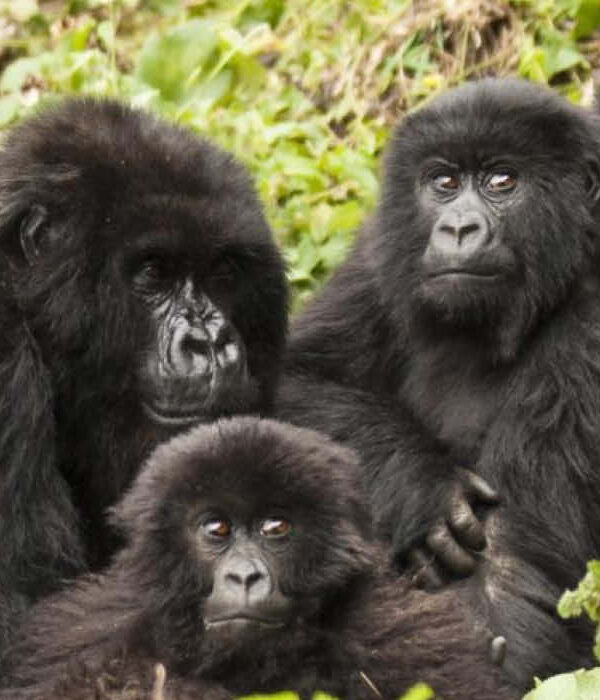
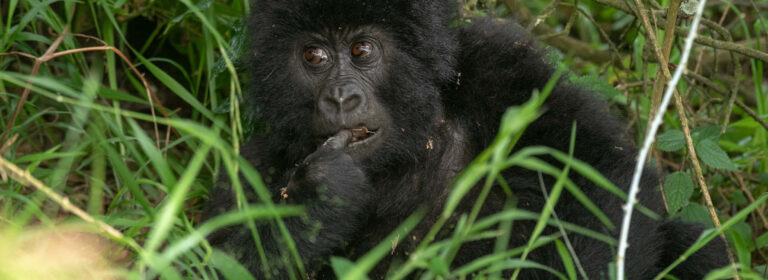
Rwanda’s forest primates are internationally important wildlife attractions. Mountain gorillas inhabit Volcanoes National Park, where authorised trekking experiences allow visitors to observe habituated gorilla groups under regulated conditions.
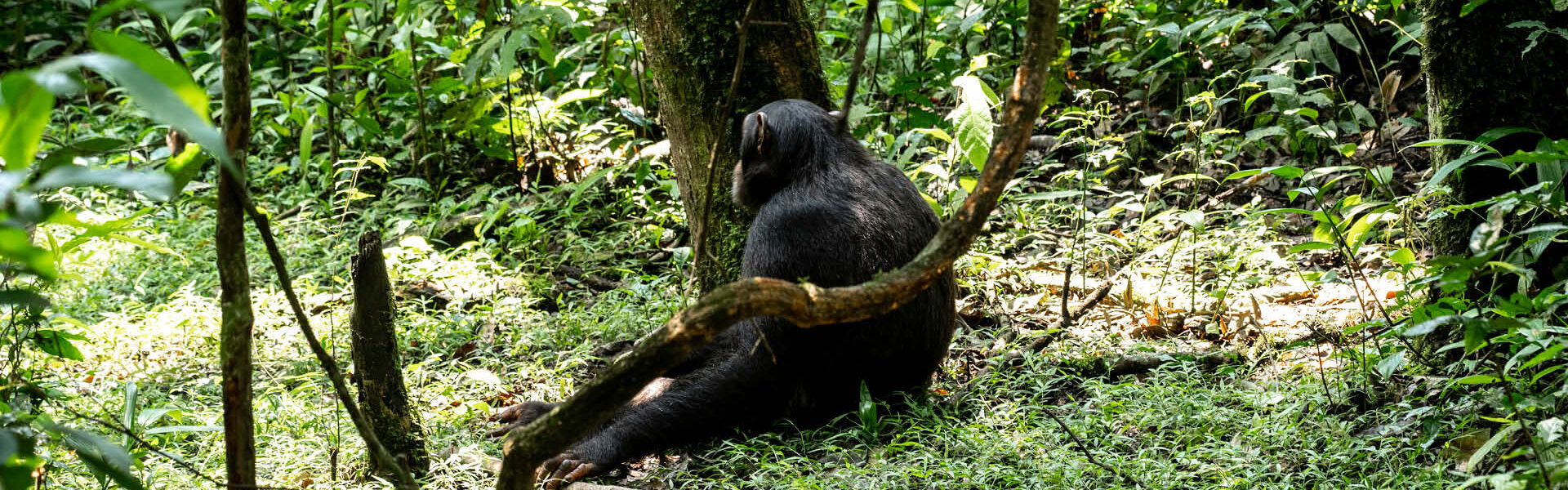
Chimpanzees are particularly associated with Nyungwe National Park, which also supports several other primate species. Golden monkeys are another important attraction in Volcanoes National Park, offering visitors an opportunity to encounter these distinctive primates within the Virunga landscape.
Travellers interested in Rwanda gorilla and wildlife safaris can combine Akagera’s savannah experiences with gorilla trekking in Volcanoes National Park. Those seeking Rwanda chimpanzee and wildlife safaris can include Nyungwe within a broader itinerary. Primate encounters require advance planning, suitable permits and compliance with park regulations.
Birds and Specialised Wildlife
Rwanda’s birdlife is another major attraction. Akagera National Park supports savannah and wetland birds, including raptors, kingfishers, herons, storks and numerous other species.
Nyungwe National Park is particularly important for forest birdwatching, including species associated with the Albertine Rift. Volcanoes National Park and other forest environments provide additional opportunities to search for specialised woodland and montane birds.
Travellers interested in Rwanda birdwatching safaris can combine birding excursions with game drives, primate tracking and nature walks. Specialist guiding can be particularly valuable for identifying forest birds and locating species associated with particular habitats.
Best National Parks for Wildlife Safaris in Rwanda
Choosing the right national parks is one of the most important decisions when planning a Rwanda wildlife safari guide or private itinerary. Each protected area offers a different combination of wildlife, landscapes, activities and travel requirements.
For visitors primarily interested in traditional game drives and Big Five wildlife, Akagera National Park is the principal destination. Volcanoes and Nyungwe national parks offer contrasting forest experiences, while Gishwati-Mukura contributes to Rwanda’s wider conservation landscape.
Akagera National Park — Savannah Wildlife and the Lakes
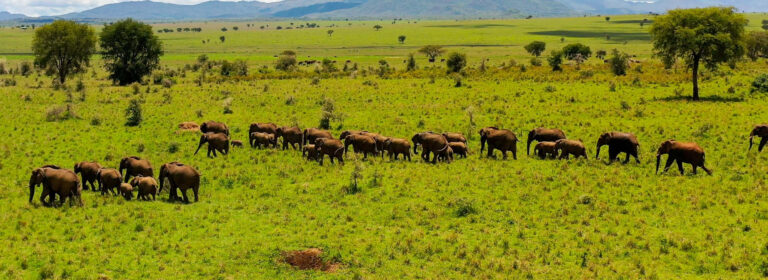
Akagera National Park is Rwanda’s principal destination for traditional African wildlife safaris. Located in eastern Rwanda near the Tanzanian border, the park encompasses expansive grasslands, woodland, lakes, swamps and other wetland habitats.
Game drives provide opportunities to search for elephants, buffaloes, lions, leopards, rhinoceroses, giraffes, zebras, antelopes and other savannah mammals. The park is also internationally recognised for wildlife restoration initiatives, including the reintroduction of lions and rhinoceroses.
A boat excursion on Lake Ihema offers opportunities to observe hippos, crocodiles, waterbirds and wildlife near the shoreline. Akagera’s combination of savannah and freshwater habitats makes it particularly attractive for travellers interested in Rwanda Big Five safaris.
Best suited to: Big Five wildlife viewing, traditional game drives, giraffe encounters, boat safaris, birdwatching, photography and short private safari itineraries. For many visitors, Akagera forms an excellent introduction to Rwanda’s savannah wildlife.
Volcanoes National Park — Mountain Gorillas and Golden Monkeys
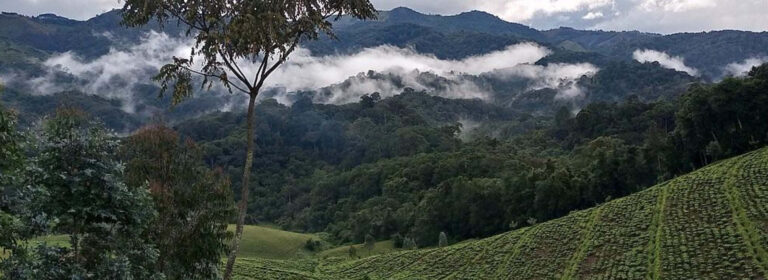
Volcanoes National Park lies in northwestern Rwanda within the Virunga volcanic region. Its landscapes include montane forest, bamboo vegetation and mountain environments that support internationally important primate populations.
Mountain gorilla trekking is the park’s principal wildlife attraction. Authorised trekking experiences allow visitors to observe habituated gorilla groups while following conservation regulations.
Golden monkey tracking offers another distinctive primate encounter. The park’s volcanic scenery, forest habitats and conservation history contribute to its international appeal.
Best suited to: Mountain gorilla trekking, golden monkey tracking, primate photography, volcanic landscapes and conservation-focused travel. For travellers planning Volcanoes National Park wildlife safaris, the emphasis is on forest primates rather than traditional savannah game drives.
Nyungwe National Park — Chimpanzees and Forest Wildlife
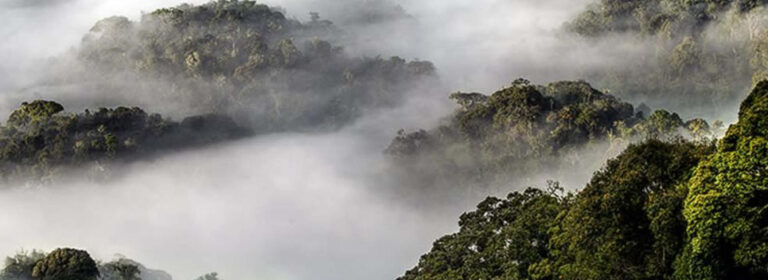
Nyungwe National Park is one of Rwanda’s most important forest wildlife destinations. Located in southwestern Rwanda, the park protects extensive montane rainforest and supports chimpanzees, other primates, specialised birds and diverse tropical vegetation.
Chimpanzee tracking is one of its principal attractions. Visitors may also encounter colobus monkeys and other forest species during authorised activities. Nyungwe’s walking trails, canopy experiences and birdwatching opportunities introduce additional dimensions to the forest environment.
Best suited to: Chimpanzee tracking, forest biodiversity, primate photography, birdwatching, guided nature walks and combined wildlife itineraries. Travellers interested in Nyungwe National Park wildlife safaris should allow sufficient time for forest activities and account for trekking conditions.
Gishwati-Mukura National Park — Forest Restoration and Primates
Gishwati-Mukura National Park represents an important part of Rwanda’s forest conservation and restoration efforts. The protected area encompasses forest landscapes that support primates, birds and other wildlife associated with montane ecosystems.
Conservation initiatives have focused on protecting remaining forest habitats, restoring degraded areas and strengthening ecological connectivity. The park appeals particularly to travellers interested in forest conservation, biodiversity and destinations beyond Rwanda’s principal tourism circuit.
Best suited to: Forest conservation interests, specialist nature experiences, birdwatching and less conventional wildlife itineraries. Travellers considering Gishwati-Mukura wildlife safaris should confirm current visitor activities, access arrangements and guiding requirements before travel.
Wildlife Safari Experiences in Rwanda
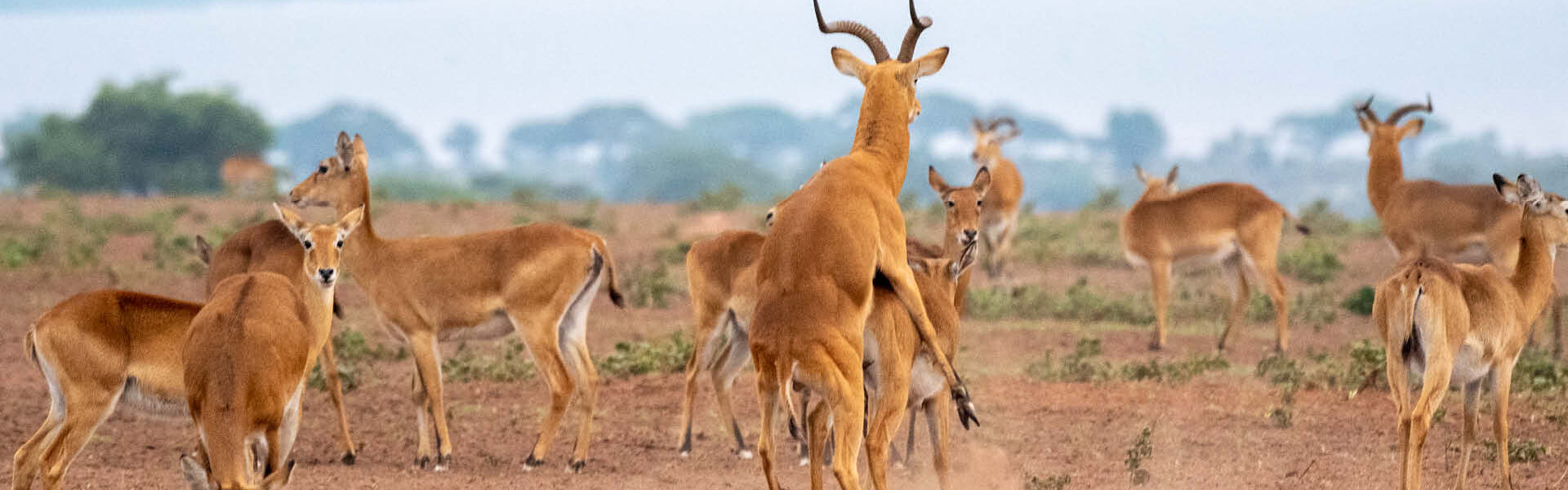
A wildlife safari is not limited to observing animals from a vehicle. Rwanda offers several ways to explore natural habitats, each providing different opportunities to appreciate wildlife behaviour, landscapes and conservation.
From game drives across Akagera’s savannah to forest trekking in Nyungwe and Volcanoes national parks, the country’s wildlife experiences can be combined into a varied private itinerary.
Game Drives in Rwanda’s Savannah National Parks
Game drives are a central feature of traditional Rwanda wildlife safari tours. Akagera National Park is the country’s principal destination for this activity. Travellers explore designated park tracks in suitable safari vehicles, usually accompanied by a knowledgeable driver-guide.
Morning and late-afternoon activities can be particularly rewarding because temperatures are generally cooler and many animals become more active. Wildlife encountered during game drives may include elephants, lions, buffaloes, giraffes, zebras, antelopes and other savannah mammals.
Private guiding allows more time to observe animal behaviour, discuss sightings and pursue particular photographic interests, within park regulations and operating schedules.
Boat Safaris on Lake Ihema
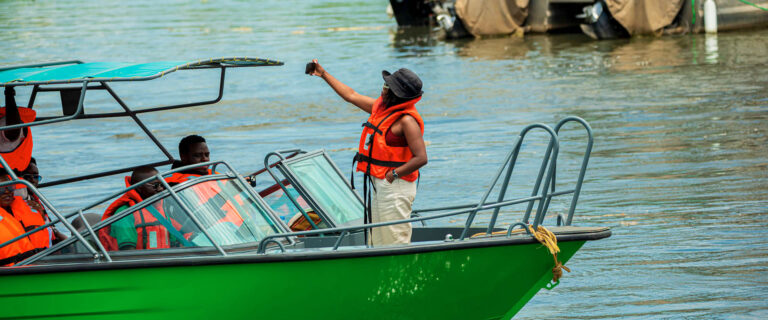
Boat safaris provide opportunities to observe aquatic wildlife and animals gathering near water. Lake Ihema in Akagera National Park is Rwanda’s principal destination for this experience.
Visitors may encounter hippos, crocodiles, waterbirds and mammals near the shoreline. The lake’s surrounding wetland habitats also provide opportunities to appreciate the ecological importance of freshwater environments. These excursions are particularly attractive to wildlife photographers because they offer a different perspective from traditional game drives.
Guided Walking Safaris and Nature Experiences
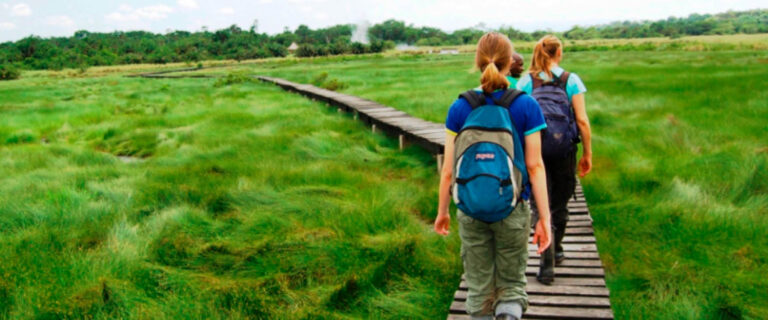
Guided walking activities allow visitors to explore natural environments at a slower pace. Rather than concentrating exclusively on large mammals, walking experiences introduce vegetation, animal signs, smaller wildlife and ecological relationships.
Rwanda’s forest national parks offer authorised walking and trekking activities that allow visitors to explore montane rainforest and volcanic landscapes. Selected nature experiences may also be available in other protected areas under applicable park regulations. Walking routes, minimum ages, guiding arrangements and safety requirements should be confirmed before travel.
Wildlife Photography Safaris
Rwanda offers varied opportunities for wildlife photography. Akagera’s savannah landscapes provide settings for photographing large mammals, while its lakes and wetlands support aquatic wildlife and bird photography.
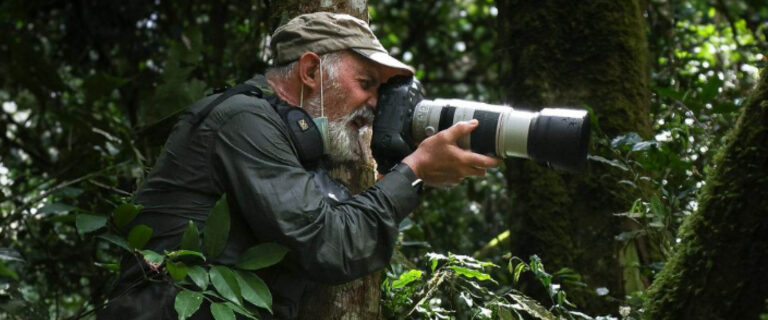
Volcanoes and Nyungwe national parks present different photographic conditions, including variable light, dense vegetation and unpredictable primate movements. Photography-focused travellers may benefit from longer stays, carefully selected accommodation and private guiding arrangements. Wildlife photography must always respect animal welfare and park regulations.
Birdwatching and Specialist Nature Safaris
Birdwatching adds another dimension to Rwanda’s wildlife experiences. The country’s forests, wetlands, savannahs and lakes support different bird communities. Travellers may combine general wildlife viewing with specialist excursions to Akagera, Nyungwe, Volcanoes and other suitable habitats.
Nyungwe is particularly attractive to birdwatchers interested in forest species associated with the Albertine Rift. A specialist birding itinerary should prioritise appropriate habitats, realistic travel distances and knowledgeable guiding.
The Big Five Wildlife Safari Experience in Rwanda
The term Big Five refers to the lion, leopard, elephant, African buffalo and rhinoceros. Rwanda offers opportunities to encounter all five species in Akagera National Park, making the destination particularly appealing to travellers interested in traditional African wildlife safaris. However, wildlife movements and habitat conditions influence sightings, and observing all five animals during one visit cannot be guaranteed.
Where Can You See the Big Five in Rwanda?
Akagera National Park is Rwanda’s principal Big Five destination. The park supports elephants, buffaloes, lions, leopards and rhinoceroses within its protected savannah, woodland and wetland habitats. Conservation initiatives have contributed to the restoration of important wildlife populations, including the reintroduction of lions and rhinoceroses.
Visitors interested in Rwanda Big Five safaris should allocate sufficient time for game drives and maintain realistic expectations about wildlife encounters. A well-planned itinerary may also include boat excursions, birdwatching and scenic exploration.
Why the Big Five Are Only Part of Rwanda’s Wildlife Story
Although the Big Five remain popular with safari travellers, Rwanda’s wildlife diversity extends far beyond these animals. Giraffes, zebras, hippos, crocodiles, antelopes, chimpanzees, mountain gorillas, golden monkeys and numerous bird species contribute to the country’s distinctive appeal.
Travellers interested in biodiversity may find a broader wildlife itinerary more rewarding than concentrating exclusively on five mammals. Combining Akagera with Volcanoes or Nyungwe introduces contrasting wildlife environments and provides a more comprehensive understanding of Rwanda’s natural heritage.
Planning a Big Five Safari Responsibly
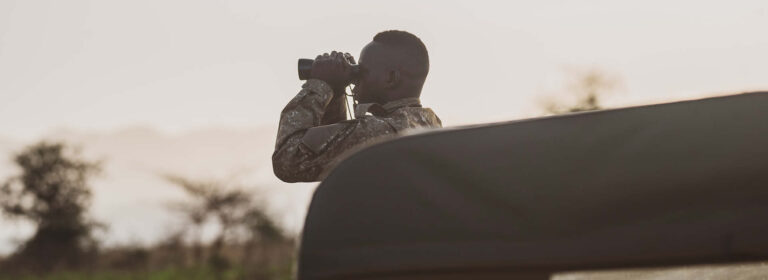
A Big Five itinerary should allocate sufficient time for wildlife viewing without placing unnecessary pressure on guides or animals. Responsible guiding involves maintaining appropriate distances, following park regulations and avoiding practices that disturb wildlife.
Vehicles should remain on authorised routes, and visitors should avoid feeding animals or attempting to influence their behaviour. Njagi Safaris can help travellers develop realistic wildlife expectations and select destinations that complement their interests.
Combining Wildlife Safaris with Gorilla and Chimpanzee Tracking
One of Rwanda’s greatest strengths is the opportunity to combine traditional savannah wildlife viewing with forest primate experiences. These combinations are particularly attractive to travellers seeking a comprehensive introduction to the country’s biodiversity.
A carefully planned itinerary can include Akagera’s Big Five wildlife, mountain gorillas in Volcanoes National Park and chimpanzees in Nyungwe.
Wildlife Viewing and Gorilla Trekking in Volcanoes National Park
Akagera and Volcanoes national parks can be combined within a private Rwanda safari itinerary. Travellers can explore savannah habitats in Akagera before continuing to Volcanoes National Park for mountain gorilla trekking.
This combination introduces two contrasting wildlife environments within one journey. The itinerary must allow sufficient travel time and account for gorilla permit availability, trekking arrangements and accommodation locations. For travellers interested in Rwanda gorilla and wildlife safaris, this combination offers one of the country’s most distinctive wildlife experiences.
Chimpanzee Tracking and Savannah Wildlife
Nyungwe National Park can be combined with Akagera to create a journey featuring forest primates and traditional game drives. Chimpanzee tracking introduces visitors to tropical forest ecology and primate behaviour.
Akagera then provides opportunities to observe large mammals in open habitats and wildlife along its lakes and wetlands. This combination is especially suitable for travellers interested in varied ecosystems. A private itinerary should account for the distance between the two destinations and allow sufficient time for forest activities.
Combining Gorillas, Chimpanzees and the Big Five
Longer Rwanda wildlife itineraries can include Akagera, Volcanoes and Nyungwe national parks. Such journeys combine Big Five game drives, mountain gorilla trekking and chimpanzee tracking.
Additional experiences may include golden monkey tracking, birdwatching, cultural visits and scenic relaxation around Lake Kivu. These itineraries require careful planning because Rwanda’s principal wildlife destinations are distributed across different regions.
Best Time for Wildlife Safaris in Rwanda
Rwanda offers wildlife experiences throughout the year, but seasonal conditions influence vegetation, road access, trekking conditions and wildlife visibility. The country’s varied geography also means that conditions differ between savannah, forest and mountain destinations. Choosing the best time for wildlife safaris in Rwanda depends on the activities and destinations included in the itinerary. Explore our Best Time to Visit Rwanda: Safari Seasons, Weather and Travel Costs Guide.
June to September — Popular Wildlife Safari Months
June to September is generally associated with comparatively drier conditions across much of Rwanda. Vegetation may become less dense in some savannah areas, improving opportunities to observe animals during game drives.
These months are also popular for mountain gorilla trekking and other forest activities. Demand for accommodation and primate permits can be high, making advance planning advisable.
December to February — Another Popular Safari Period
December to February is another commonly preferred period for Rwanda wildlife travel. Many destinations experience comparatively favourable conditions for game drives and outdoor activities.
These months can suit travellers combining savannah wildlife viewing with mountain gorilla or chimpanzee tracking. Actual conditions vary by destination and year, particularly in Rwanda’s mountainous and forested regions.
March to May — Greener Landscapes and Seasonal Rainfall
March to May generally brings increased rainfall to many parts of Rwanda. Savannah and forest landscapes become particularly green, creating attractive photographic conditions.
Some roads and tracks may become more challenging, while rainfall can affect the timing and comfort of outdoor activities. Travellers interested in landscapes, birdwatching and a quieter safari atmosphere may still find this period rewarding.
October to November — Green-Season Wildlife Experiences
October and November are also associated with increased rainfall in many regions. These months can provide lush scenery and opportunities for birdwatching and photography.
Forest trekking conditions may become more demanding, making suitable footwear and flexible arrangements important. Travel plans should account for local weather conditions and the requirements of selected activities.
Choosing the Best Months for Your Interests
The most suitable travel period depends on the wildlife experiences you prioritise. Savannah game drives, birdwatching, mountain gorilla trekking, chimpanzee tracking and photography each involve different considerations.
Rather than selecting travel dates solely around general seasonal descriptions, it is useful to consider preferred parks, accommodation and planned activities together. Njagi Safaris can help travellers identify suitable travel periods based on their interests and available time.
How Many Days Do You Need for a Rwanda Wildlife Safari?
The ideal safari duration depends on the number of destinations you wish to explore and the time needed to travel between them. Although Rwanda is relatively compact, its principal wildlife destinations are located in different regions, making realistic route planning essential. A well-paced itinerary provides sufficient time for wildlife activities without unnecessarily long or rushed travel days. Explore our How Many Days for a Rwanda Safari? Itineraries & Planning Guide.
Three to Four Days — A Focused Wildlife Experience
A short safari can concentrate on one principal wildlife destination. Akagera National Park is particularly suitable for travellers interested in traditional game drives, Big Five wildlife and boat excursions.
Alternatively, a short journey may focus on Volcanoes National Park for mountain gorilla trekking and related experiences. A focused itinerary allows visitors to enjoy selected activities without attempting to cover too many destinations.
Five to Seven Days — Exploring Different Wildlife Habitats
Five to seven days can provide opportunities to explore more than one wildlife environment. A carefully planned journey may combine Akagera’s savannah wildlife with mountain gorilla trekking in Volcanoes National Park.
The precise route should account for road travel times, permit availability and activity schedules. This duration can be particularly attractive to travellers seeking a combination of traditional wildlife viewing and forest primate experiences.
Eight to Twelve Days — Wildlife and Primate Combinations
Eight to twelve days provide greater flexibility for combining wildlife viewing with chimpanzee and gorilla tracking. A Rwanda itinerary can include Akagera, Volcanoes and Nyungwe national parks, depending on the selected duration.
Additional time may allow golden monkey tracking, birdwatching and scenic experiences around Lake Kivu. These journeys offer a broader introduction to Rwanda’s natural environments.
Thirteen Days or More — Extended Rwanda Wildlife Exploration
Extended journeys allow travellers to explore more destinations at a comfortable pace. Additional days can accommodate specialist photography, birdwatching, cultural experiences, longer stays in selected national parks or visits to less conventional nature destinations.
Travellers may also consider combining Rwanda with neighbouring Uganda for a broader East African wildlife experience. The objective should be to create a balanced journey rather than maximise the number of destinations visited.
Planning a Private Rwanda Wildlife Safari
A successful private wildlife safari begins with identifying the experiences that matter most to each traveller. Rwanda offers several distinctive destinations and activities, but not every national park needs to be included in a single journey. Thoughtful planning helps create an itinerary that balances wildlife interests, travel comfort and available time.
Identifying Your Wildlife Interests
Some travellers prioritise lions, elephants, rhinoceroses and other large mammals. Others are particularly interested in primates, birdwatching, photography or landscapes. Identifying these priorities helps determine the most suitable national parks and activities.
For example, Akagera is the strongest choice for traditional game drives, while Volcanoes and Nyungwe are more relevant to forest primate experiences.
Selecting the Right National Parks
National park selection should consider wildlife diversity, location, travel time and available activities.
- Akagera provides opportunities for Big Five game viewing and boat safaris.
- Volcanoes National Park is particularly important for mountain gorilla and golden monkey tracking.
- Nyungwe offers chimpanzee tracking, forest birdwatching and nature experiences.
- Gishwati-Mukura may appeal to travellers interested in forest restoration and specialist conservation experiences.
Combining destinations should follow a realistic route that allows sufficient time for wildlife viewing.
Choosing Suitable Safari Accommodation
Rwanda offers accommodation ranging from comfortable safari lodges and hotels to exclusive luxury properties. The most suitable option depends on preferred comfort, location, travel style and budget.
Accommodation close to planned wildlife activities can reduce transfer times and improve the overall safari experience. Njagi Safaris’ established collections — Mid-Range, Premium and Signature — provide a framework for discussing accommodation expectations and the overall travel experience.
Travellers can also explore our Rwanda Mid-Range Accommodation specialist guide for additional planning information.
Private Transport and Professional Guiding
Private wildlife safaris commonly involve a dedicated vehicle and driver-guide. Suitable safari transport helps travellers explore national parks and travel between destinations. A knowledgeable guide contributes to wildlife identification, interpretation of animal behaviour and practical coordination of activities.
Private guiding also allows travellers to discuss their interests and spend more time observing particular wildlife encounters, subject to park rules and schedules.
Planning for Couples, Families, Solo Travellers and Friends
Private Rwanda wildlife safaris can be adapted to different travelling arrangements.
- Couples may prefer scenic accommodation and a relaxed pace.
- Families may prioritise manageable driving distances, suitable lodges and age-appropriate activities.
- Solo travellers may value the convenience of a privately coordinated itinerary.
- Groups of friends may prefer a combination of game drives, boat safaris, forest trekking and shared nature experiences.
Each itinerary should reflect the interests and practical needs of the travellers involved.
Understanding Rwanda Wildlife Safari Costs
The cost of a Rwanda wildlife safari depends on several factors.
- These include the duration, number of travellers, accommodation category, vehicle arrangements, park fees, guiding and selected activities.
- Mountain gorilla trekking permits can represent a substantial component of the total safari cost.
- Chimpanzee tracking, golden monkey tracking, specialist guiding and premium accommodation may also affect the final quotation.
- Domestic transfers, additional excursions and private arrangements can influence the overall price.
Rather than relying on a single advertised figure, travellers should request a detailed proposal showing the services included and any optional activities.
Responsible Wildlife Viewing and Conservation
Responsible tourism plays an important role in protecting Rwanda’s wildlife and natural habitats. National parks and other conservation areas depend on effective management, habitat protection and cooperation with surrounding communities.
Tourism can contribute to conservation financing and local economic opportunities when activities are appropriately managed. Rwanda’s conservation initiatives include the restoration of wildlife populations in Akagera and the protection of endangered primates in its forest national parks.
Respecting Wildlife and Park Regulations
- Visitors should follow the instructions of authorised guides and park personnel.
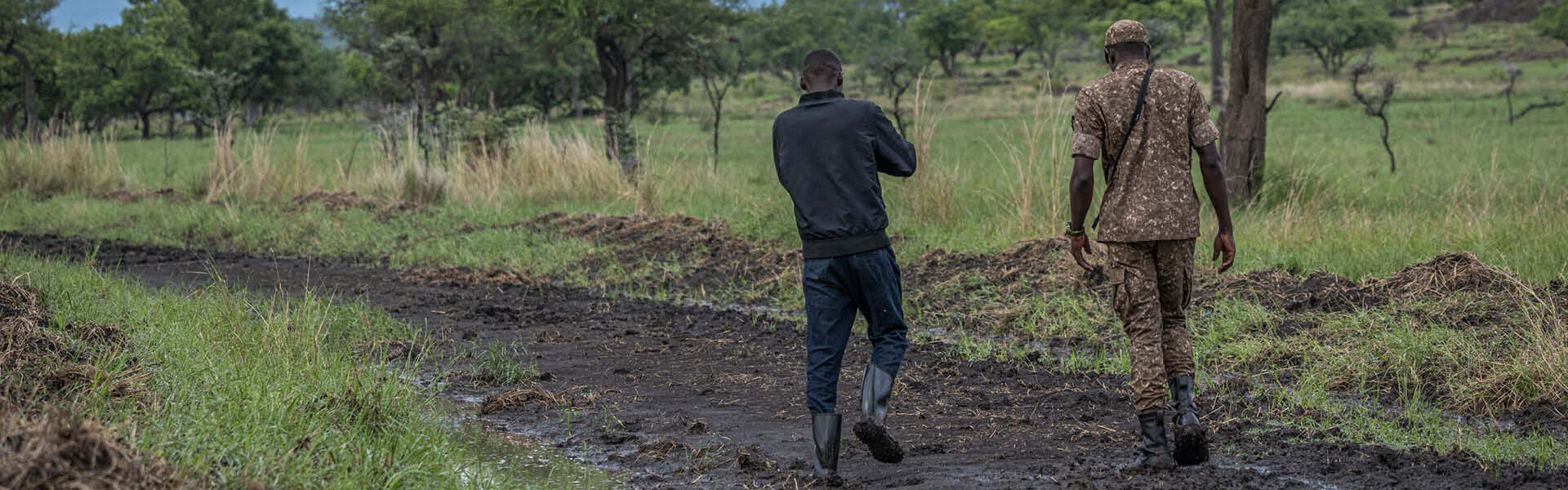
- Wild animals must be given sufficient space, and vehicles should remain on permitted routes.
- Feeding wildlife, approaching animals too closely or attempting to influence their behaviour can create risks for both visitors and animals.
- During gorilla and chimpanzee tracking, visitors must follow applicable health, distance and behavioural regulations designed to protect primates.
Supporting Conservation and Local Communities
Wildlife tourism can support protected-area management and employment opportunities in surrounding communities. Local guiding, accommodation, transport and community-based activities can contribute to livelihoods connected with conservation.
Travellers can support responsible tourism by choosing professionally managed activities and respecting local communities and their environments. Rwanda’s conservation partnerships also demonstrate the importance of combining protected-area management with community participation and long-term habitat protection.
For official information on protected areas and visitor arrangements, consult the Rwanda Development Board and African Parks.
Protecting Habitats for Future Generations
Rwanda’s wildlife depends on healthy forests, wetlands, grasslands and freshwater ecosystems. Habitat loss, human–wildlife conflict and other environmental pressures can affect wildlife populations.
Conservation initiatives involving habitat restoration, wildlife monitoring and responsible tourism contribute to the long-term protection of natural ecosystems. Responsible safari travel should minimise unnecessary disturbance and support the protection of wildlife habitats for future generations.
Frequently Asked Questions About Rwanda Wildlife Safaris
Yes. Rwanda offers opportunities to observe elephants, lions, buffaloes, rhinoceroses, giraffes, zebras, hippos, crocodiles, antelopes and numerous bird species. Its distinctive advantage is the possibility of combining Big Five wildlife viewing in Akagera with mountain gorilla and chimpanzee tracking in its forest national parks.
Akagera National Park is the principal choice for traditional game drives and Big Five wildlife viewing. Volcanoes National Park is particularly important for mountain gorillas and golden monkeys, while Nyungwe offers chimpanzee tracking, forest biodiversity and birdwatching. The best choice depends on your wildlife interests and available time.
Yes. Akagera National Park supports all five species: lions, leopards, elephants, buffaloes and rhinoceroses. The park’s conservation initiatives have contributed to restoring important wildlife populations. However, sightings depend on animal movements and cannot be guaranteed.
Wildlife commonly sought includes elephants, lions, leopards, rhinoceroses, buffaloes, giraffes, zebras, antelopes, hippos and crocodiles. Forest destinations also offer opportunities to observe mountain gorillas, chimpanzees, golden monkeys and other primates.
June to September and December to February are popular periods for wildlife travel because many destinations experience comparatively drier conditions. Rwanda remains a year-round safari destination, with greener months offering different scenery, birdwatching and photographic opportunities.
Three to four days can accommodate a focused wildlife experience in Akagera. Five to seven days allow additional variety, while eight to twelve days or longer are better suited to combining several national parks with gorilla and chimpanzee tracking.
Yes. Akagera and Volcanoes national parks can be combined within one Rwanda safari itinerary. This allows travellers to experience traditional savannah wildlife viewing and mountain gorilla trekking during the same journey.
Yes. Private wildlife safaris can be planned for families, taking account of children’s ages, travel distances, accommodation requirements and suitable activities. Certain trekking and specialised wildlife activities have minimum age restrictions.
Yes. Private safaris can include dedicated transport, professional guiding, selected accommodation and personalised activities. The itinerary can be developed around wildlife interests, travel dates, group size and preferred comfort.
Yes. Lake Ihema in Akagera National Park is a principal boat safari destination. Excursions provide opportunities to observe hippos, crocodiles, waterbirds and mammals near the shoreline.
Yes. Akagera is particularly rewarding for travellers interested in Big Five wildlife, savannah game drives, boat safaris, birdwatching and diverse landscapes. It is Rwanda’s principal destination for traditional African wildlife safaris.
Costs depend on safari duration, accommodation standards, group size, transport, park fees and selected activities. Gorilla trekking permits can represent a substantial additional cost when included. A personalised quotation provides a clearer picture of the total cost and included services than a general price estimate.
Advance planning is particularly important during popular travel periods and for itineraries involving gorilla or chimpanzee permits. Booking early provides greater flexibility in selecting accommodation, routes and activities.
Yes. Njagi Safaris develops private Rwanda safari itineraries around travellers’ interests, preferred destinations, available time and accommodation expectations. Wildlife viewing can be combined with gorilla trekking, chimpanzee tracking, birdwatching, boat excursions and scenic experiences.
Plan Your Rwanda Wildlife Safari with Njagi Safaris
Rwanda offers an exceptional combination from Big Five encounters in Akagera National Park to mountain gorilla trekking in Volcanoes and chimpanzee tracking in Nyungwe, the country provides opportunities for memorable wildlife experiences within a carefully planned private journey.
At Njagi Safaris, we help travellers explore these possibilities through personalised safari planning, professional guiding and accommodation selected around their preferences.
Ready to explore Rwanda’s wildlife? Contact Njagi Safaris to discuss your preferred destinations, travel dates and wildlife interests.