Wildlife Safaris in Uganda
Wildlife safaris in Uganda offer remarkable opportunities to explore the country’s savannah plains, tropical forests, wetlands and waterways. From elephants and giraffes in Murchison Falls National Park to lions in Queen Elizabeth National Park and zebras in Lake Mburo, Uganda brings together diverse wildlife encounters within one destination.
Known as the Pearl of Africa, Uganda combines traditional African game drives with boat safaris, birdwatching and guided nature experiences. Travellers can also combine savannah wildlife viewing with mountain gorilla trekking in Bwindi and chimpanzee tracking in Kibale, creating a more comprehensive African safari experience.
At Njagi Safaris, we design private Uganda wildlife safaris around each traveller’s interests, available time, accommodation preferences and desired pace. Our tailor-made itineraries combine carefully selected destinations, professional guiding and personalised safari planning.
Explore Our Uganda Wildlife Safari
Discover our carefully designed Uganda wildlife safari tours, combining game drives, boat safaris and wildlife encounters across Murchison Falls, Queen Elizabeth, Kidepo Valley and Lake Mburo national parks. Our itineraries offer opportunities to observe elephants, lions, buffaloes, giraffes, zebras and diverse birdlife in their natural habitats.
At Njagi Safaris, we organise private Uganda wildlife safaris tailored to individual interests, travel durations and accommodation preferences. Choose a wildlife-focused journey or combine savannah experiences with gorilla trekking in Bwindi and chimpanzee tracking in Kibale.
Explore our featured safari packages below, browse our Uganda Safari Packages collection.
Savannah Crown

Why Choose Uganda for a Wildlife Safari?
Uganda’s appeal as a wildlife destination comes from the remarkable diversity of habitats and experiences found across the country. Its national parks encompass open savannah, riverine woodland, tropical rainforest, wetlands, mountain landscapes and freshwater ecosystems.
This diversity supports an impressive range of mammals, birds, reptiles and other wildlife. Visitors can search for large predators and grazing animals during game drives, observe aquatic wildlife from boats and explore forest habitats accompanied by authorised guides.
Diverse Wildlife Across Different Habitats
Uganda’s savannah national parks provide opportunities to observe elephants, buffaloes, lions, giraffes, zebras, antelopes and other mammals. Murchison Falls, Queen Elizabeth, Kidepo Valley and Lake Mburo each support distinctive wildlife communities.
Forest destinations introduce another dimension. Kibale National Park is particularly important for chimpanzees and other primates, while Bwindi Impenetrable and Mgahinga Gorilla national parks protect mountain gorilla habitats.
Wetlands and waterways support hippos, crocodiles, waterbirds and specialised species such as the shoebill. The opportunity to experience these environments within one country is a major strength of wildlife viewing in Uganda.
Wildlife Experiences Beyond Traditional Game Drives
Game drives remain central to many Uganda wildlife itineraries, but they represent only one way of exploring the country’s natural environments. Boat excursions along the Victoria Nile and Kazinga Channel allow visitors to observe animals from the water.
Guided walking activities introduce smaller wildlife, tracks, vegetation and ecological relationships that can be overlooked during vehicle-based safaris. Birdwatching, photography and forest trekking provide further opportunities to explore Uganda’s biodiversity.
Combining Savannah Wildlife with Forest Primates
One of Uganda’s strongest advantages is the possibility of combining savannah wildlife viewing with gorilla and chimpanzee tracking. A carefully planned journey can include game drives in Queen Elizabeth National Park, chimpanzee tracking in Kibale and mountain gorilla trekking in Bwindi. These activities involve different environments and levels of physical activity, creating a varied wildlife itinerary.
Private and Personalised Safari Experiences
Private safari planning gives travellers greater flexibility in selecting destinations, accommodation and activities. Wildlife photographers may prefer longer game drives and additional time in productive habitats. Birdwatchers may prioritise specialist guiding and wetland excursions.
Families may benefit from shorter driving days and accommodation suited to their needs. A personalised itinerary helps balance wildlife interests with travel comfort, available time and realistic journey distances.
Wildlife Animals You Can See in Uganda
Uganda supports a wide variety of wildlife, from large savannah mammals to forest primates and aquatic species. The animals encountered on a safari depend on the destinations visited, habitat conditions, seasonal movements and the time available for wildlife viewing. Although experienced guides can help visitors search suitable habitats, wild animal sightings are never guaranteed.
African Elephants
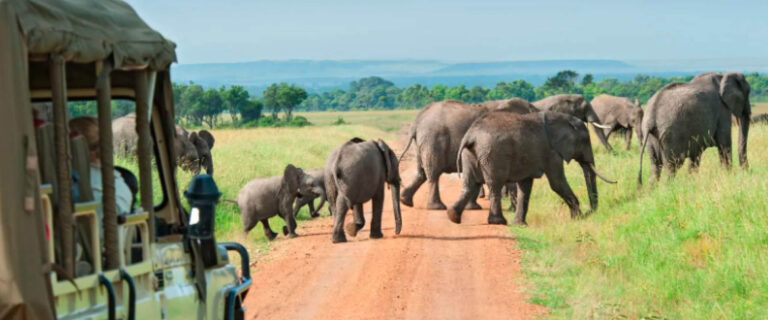
African elephants are among Uganda’s most impressive savannah mammals. They can be observed in Murchison Falls, Queen Elizabeth and Kidepo Valley national parks, where they move between grassland, woodland and water sources.
Elephant encounters may involve solitary bulls, family groups or animals feeding near rivers and wetlands. Observing elephants from an appropriate distance offers opportunities to appreciate their social behaviour and relationship with the surrounding habitat.
Lions and Other Large Predators
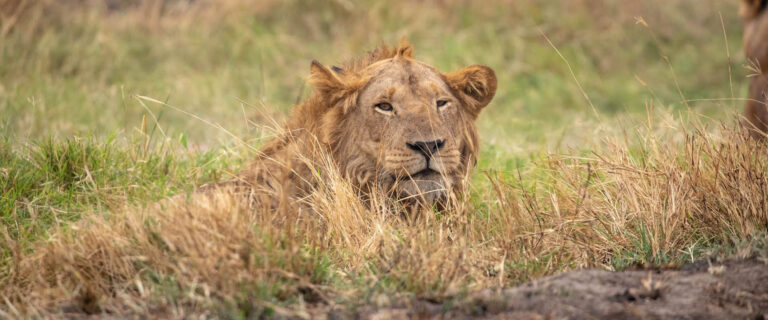
Lions are an important attraction in Uganda’s savannah national parks. Queen Elizabeth National Park is particularly associated with lion sightings on the Kasenyi Plains and in the Ishasha sector, where some lions are known for resting in trees.
Murchison Falls and Kidepo Valley also support lion populations. Leopards occur in several protected areas but are generally more elusive. Their solitary behaviour and ability to remain concealed make sightings less predictable. Other carnivores include spotted hyenas, jackals and smaller predators, depending on the habitat.
Giraffes, Buffaloes and Savannah Antelopes
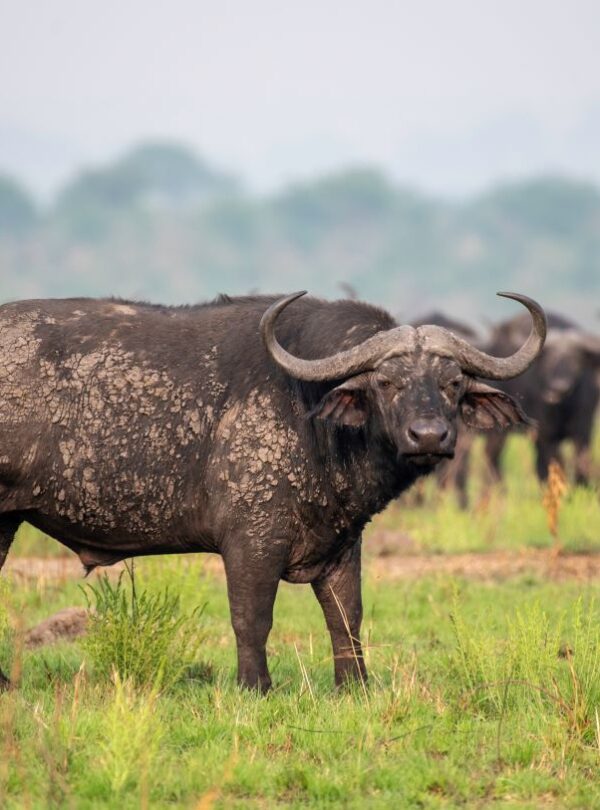
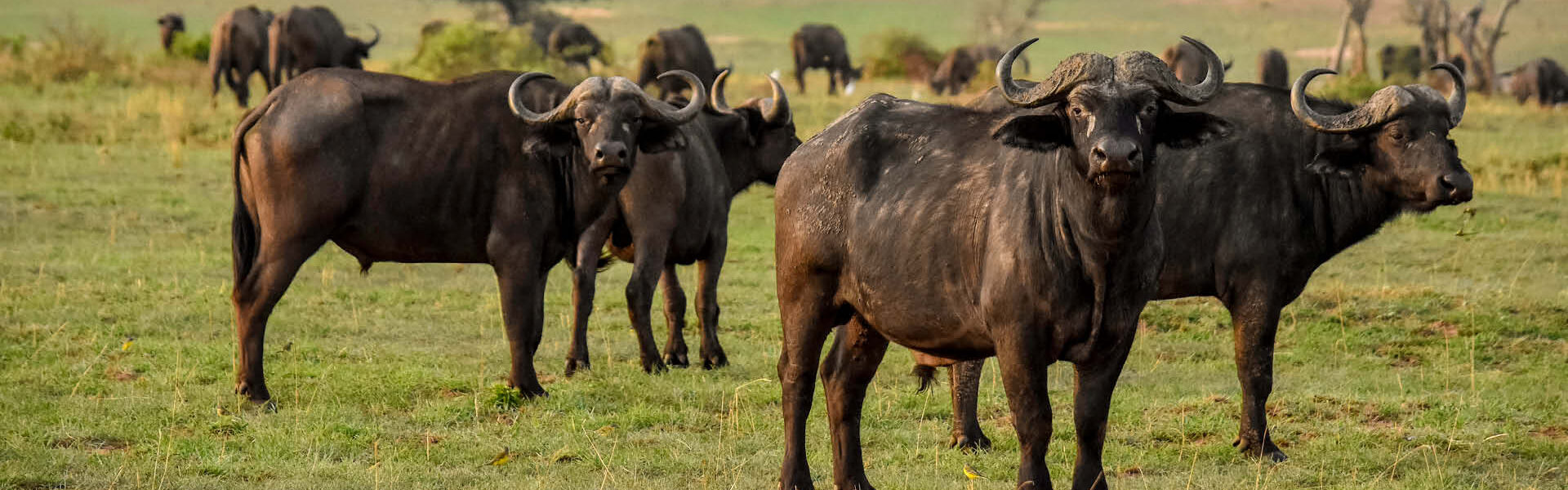
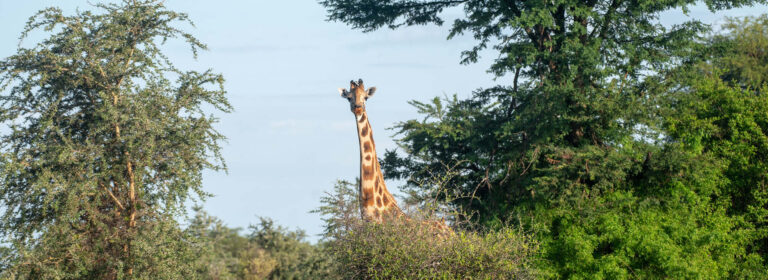
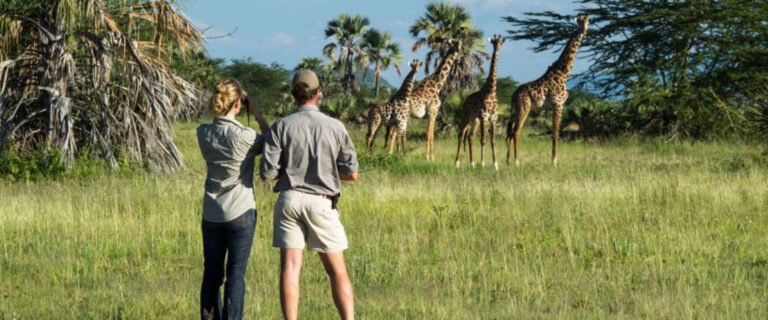
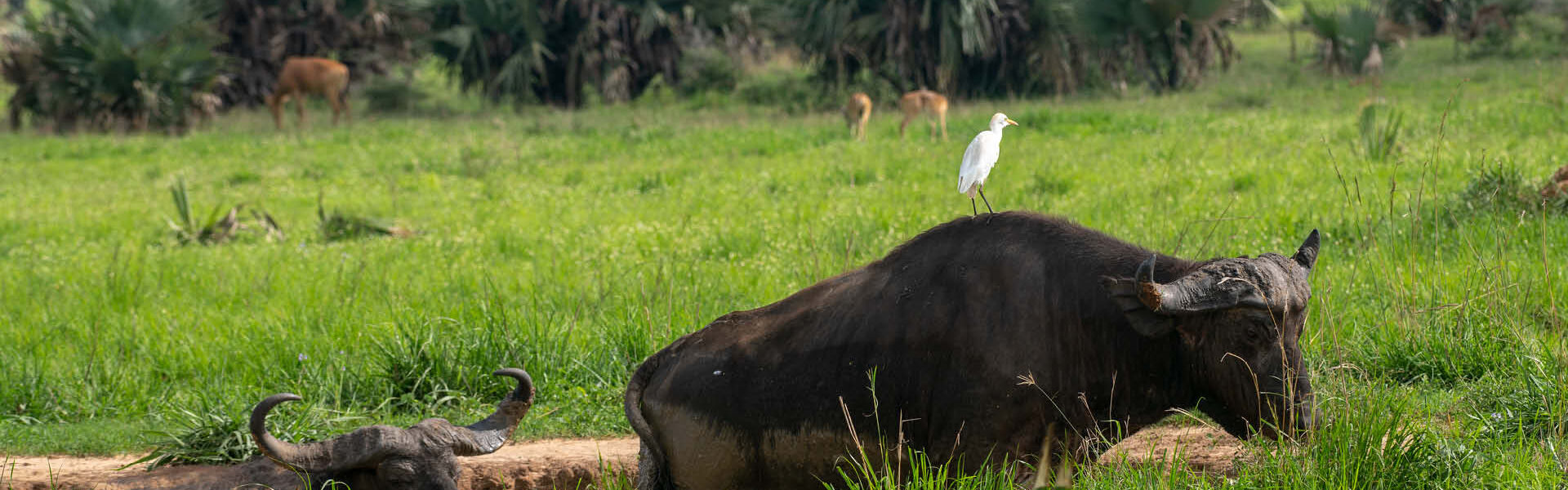
Giraffes are particularly associated with Murchison Falls National Park, where they can be seen browsing across open woodland and savannah. African buffaloes occur in several national parks, sometimes gathering in substantial herds.
Uganda’s antelope diversity includes Uganda kob, waterbuck, hartebeest, topi, impala, eland and other species distributed across different habitats. These grazing and browsing mammals form an important part of the savannah ecosystem and support predator populations.
Zebras and Other Grazing Mammals
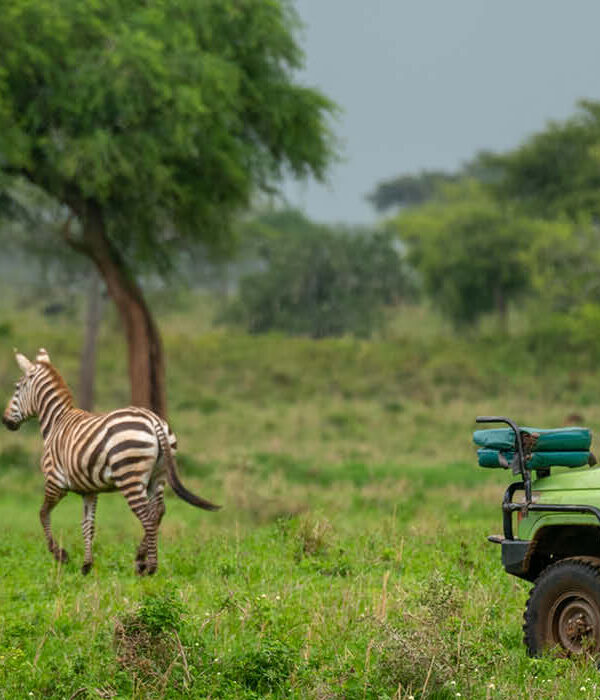
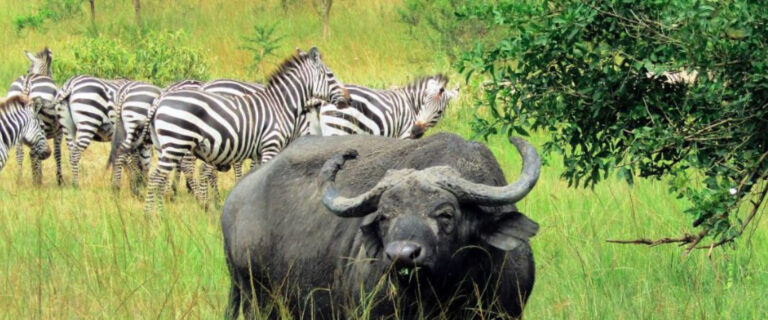
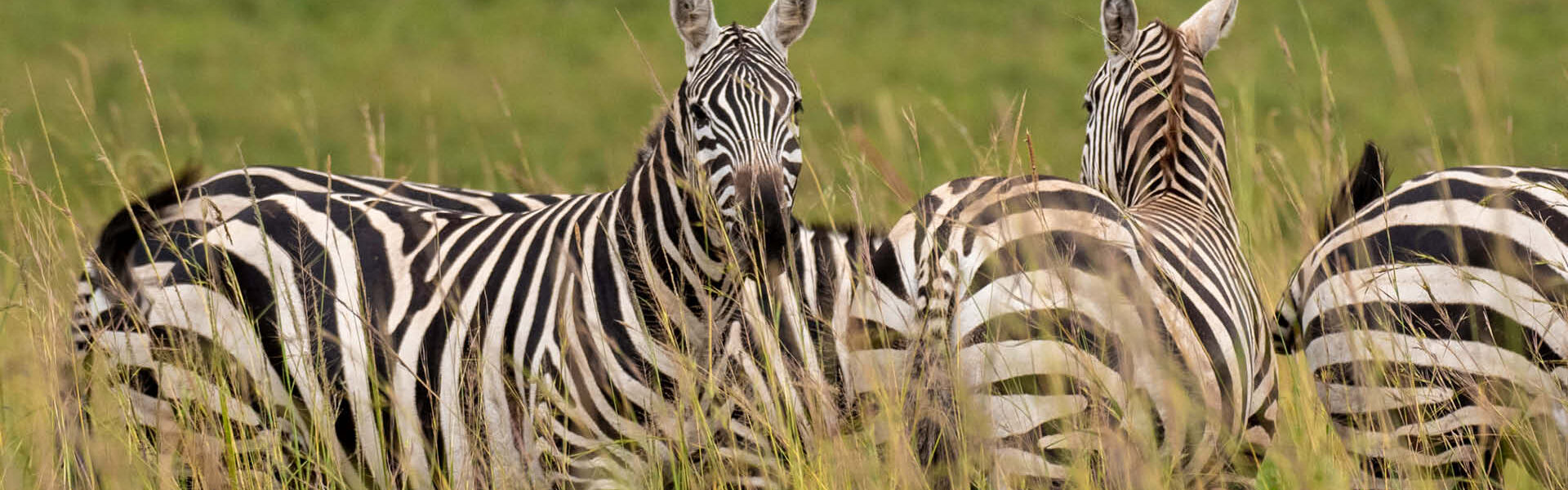
Lake Mburo National Park is a leading destination for observing plains zebras in Uganda. Zebras share the park’s grasslands with impalas, buffaloes, elands, warthogs and other mammals. Kidepo Valley also supports varied savannah herbivores, including species associated with northeastern Uganda’s comparatively dry landscapes.
Hippos, Crocodiles and Aquatic Wildlife
Uganda’s rivers and lakes support important aquatic wildlife populations. Hippos are frequently encountered during boat safaris on the Victoria Nile and Kazinga Channel, while Nile crocodiles may be observed resting along riverbanks or moving through the water.
Waterbirds, buffaloes, elephants and antelopes may also gather near shorelines. Boat-based wildlife viewing provides a different perspective from traditional game drives and can be especially rewarding for photography.
Mountain Gorillas and Chimpanzees
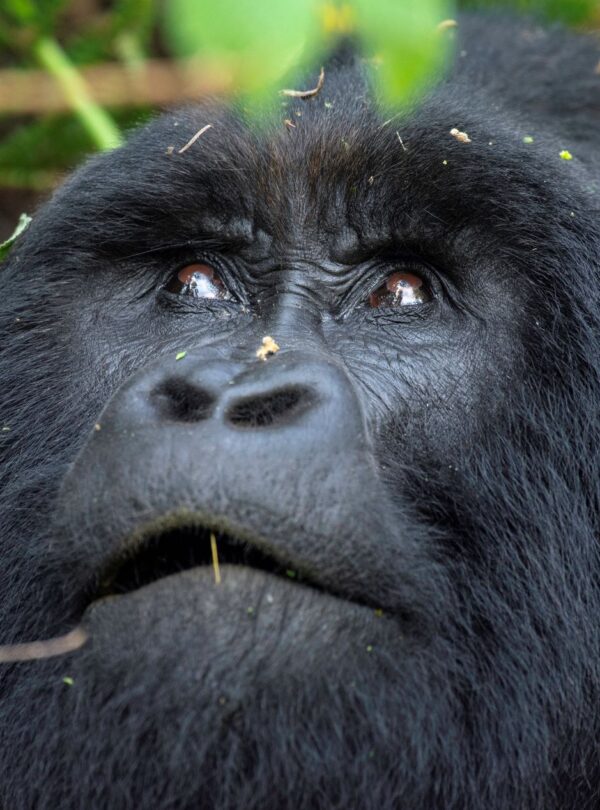
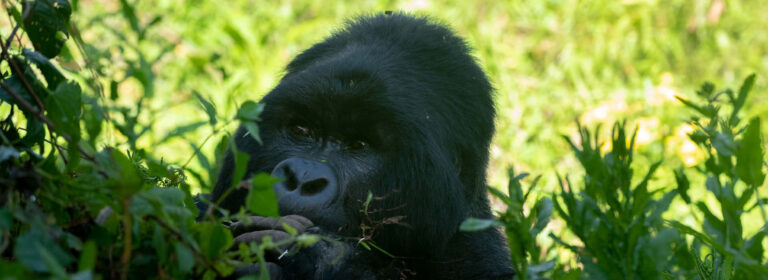
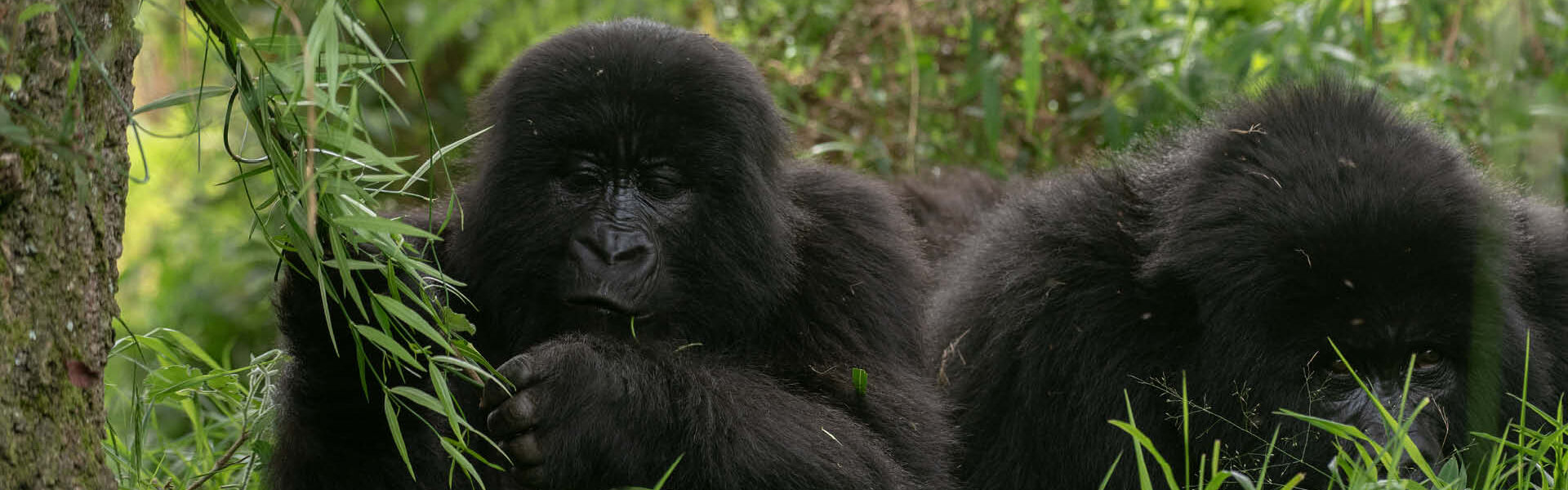
Uganda’s forest primates are internationally important wildlife attractions. Mountain gorillas inhabit Bwindi Impenetrable and Mgahinga Gorilla national parks. Authorised trekking experiences allow visitors to observe habituated gorilla groups under regulated conditions.
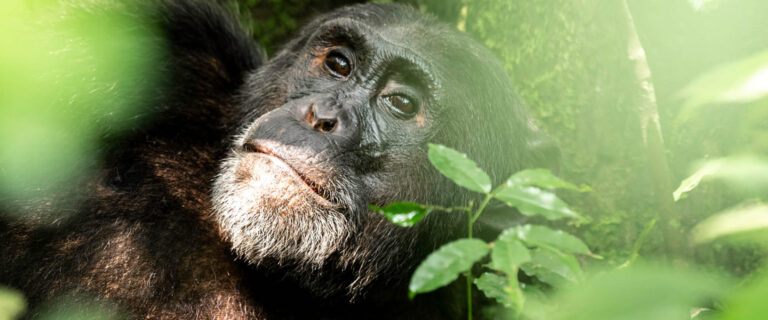
Chimpanzees are particularly associated with Kibale National Park, although they also occur in other forest habitats. Visitors interested in these experiences can explore our specialist guides to Gorilla Trekking in Uganda and chimpanzee tracking. Primate encounters require advance planning, suitable permits and compliance with park regulations.
Birds and Specialised Wildlife
Uganda’s birdlife is another major attraction. Savannah parks support raptors, hornbills, bee-eaters, kingfishers and numerous other species. Forest destinations provide opportunities to search for specialised woodland and rainforest birds.
Wetland habitats are particularly important for waterbirds and the distinctive shoebill. Travellers interested in specialist birdwatching can explore our Shoebill Tracking Guide.
Best National Parks for Wildlife Safaris in Uganda
Choosing the right national parks is one of the most important decisions when planning a Uganda wildlife safari. Each park offers a different combination of wildlife, landscapes, activities and travel requirements.
For visitors primarily interested in traditional game drives, Murchison Falls, Queen Elizabeth, Kidepo Valley and Lake Mburo are particularly relevant.
Murchison Falls National Park — Savannah Wildlife and the Nile
Murchison Falls National Park is one of Uganda’s principal destinations for traditional African wildlife safaris. Its landscapes include expansive grasslands, woodland, riverine habitats and the Victoria Nile.
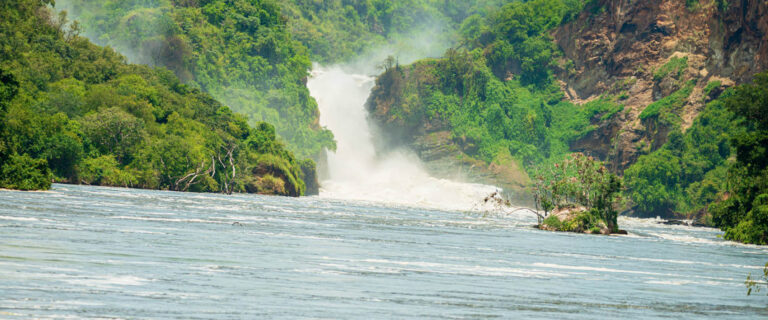
Game drives provide opportunities to search for elephants, giraffes, buffaloes, lions, leopards, Uganda kob and other mammals. The park is also renowned for the dramatic Murchison Falls, where the Nile passes through a narrow rocky gorge.
A boat excursion towards the falls offers opportunities to observe hippos, crocodiles, waterbirds and wildlife near the riverbanks.
Best suited to: Travellers seeking classic game drives, giraffe encounters, Nile boat safaris, photography and varied landscapes. For many visitors, Murchison Falls forms an excellent introduction to Uganda game drive safaris.
Queen Elizabeth National Park — Lions, Elephants and the Kazinga Channel
Queen Elizabeth National Park is among Uganda’s most varied wildlife destinations. The park encompasses savannah plains, crater lakes, wetlands, woodland and waterways, supporting a broad range of wildlife. Game drives across the Kasenyi Plains offer opportunities to search for lions, elephants, buffaloes, Uganda kob and other mammals.
The Ishasha sector is particularly associated with tree-climbing lions, although observing this behaviour depends on the animals’ movements. A boat safari along the Kazinga Channel is another major attraction. The channel connects Lake George and Lake Edward and provides opportunities to observe hippos, crocodiles, waterbirds and mammals near the shoreline.
Best suited to: Lion viewing, savannah game drives, boat safaris, wildlife photography and itineraries combining wildlife with gorilla trekking. Queen Elizabeth is especially convenient for travellers exploring southwestern Uganda.
Kidepo Valley National Park — Remote Wilderness and Dramatic Landscapes
Kidepo Valley National Park lies in northeastern Uganda, close to the country’s borders with South Sudan and Kenya. Its remote location, open plains and rugged mountain scenery create a distinctive wilderness atmosphere.
The park supports lions, elephants, buffaloes, giraffes, various antelopes and other savannah mammals. Cheetahs are also associated with the wider Kidepo ecosystem, although sightings are uncommon. The Narus Valley is an important wildlife-viewing area, particularly where animals gather around available water.
Kidepo is especially appealing to travellers interested in landscape photography, remote safari experiences and wildlife habitats that differ from those in western Uganda. Best suited to: Remote wilderness, savannah photography, specialist wildlife interests and longer private safari itineraries. Because of the distances involved, Kidepo requires careful route planning. Domestic flights may be considered when suitable services are available.
Lake Mburo National Park — Zebras, Antelopes and Walking Experiences
Lake Mburo National Park offers a contrasting wildlife experience in southwestern Uganda. Its landscapes include rolling grasslands, acacia woodland, wetlands and lakes. The park is known for zebras, impalas, elands, buffaloes, warthogs and a variety of birds.
Visitors can enjoy game drives and, subject to current park arrangements, authorised walking activities and boat excursions. Lake Mburo is particularly convenient for travellers moving between Entebbe or Kampala and southwestern destinations such as Bwindi. Best suited to: Short wildlife safaris, zebras, antelopes, walking experiences, birdwatching and scenic relaxation.
Semuliki National Park and Semliki Wildlife Reserve
The Semuliki region offers a different combination of forest, savannah and wetland habitats. Semuliki National Park is associated with lowland tropical forest biodiversity and birdwatching, while the separate Semliki Wildlife Reserve offers savannah and woodland environments.
These destinations should not be confused, as their habitats and visitor experiences differ. They can appeal to travellers seeking specialist wildlife interests, forest exploration, birdwatching and destinations beyond the principal safari circuits.
Kibale National Park — Chimpanzees and Forest Wildlife
Kibale National Park is one of Uganda’s most important forest wildlife destinations. Its principal attraction is chimpanzee tracking, but the forest also supports other primates, birds and diverse tropical vegetation.
Visitors may encounter red-tailed monkeys, black-and-white colobus monkeys and other forest species during authorised activities. Nearby Bigodi Wetland Sanctuary offers additional opportunities for birdwatching and community-based nature experiences. Best suited to: Chimpanzee tracking, forest biodiversity, primate photography and combined wildlife itineraries.
Bwindi Impenetrable and Mgahinga Gorilla National Parks
Bwindi Impenetrable National Park and Mgahinga Gorilla National Park are important destinations for mountain gorilla conservation and tourism. Their forested mountain landscapes contrast strongly with Uganda’s savannah parks.
Gorilla trekking involves walking through natural forest terrain accompanied by authorised park personnel. Mgahinga also offers golden monkey tracking, subject to current park arrangements. Best suited to: Mountain gorilla trekking, forest exploration, primate conservation interests and extended wildlife journeys.
For travellers seeking a broad Uganda gorilla and wildlife safari, combining Bwindi with Queen Elizabeth National Park is a particularly practical route.
Wildlife Safari Experiences in Uganda
A wildlife safari is not limited to observing animals from a vehicle. Uganda offers several ways to explore natural habitats, each providing different opportunities to appreciate wildlife behaviour, landscapes and conservation.
Game Drives in Uganda’s Savannah National Parks
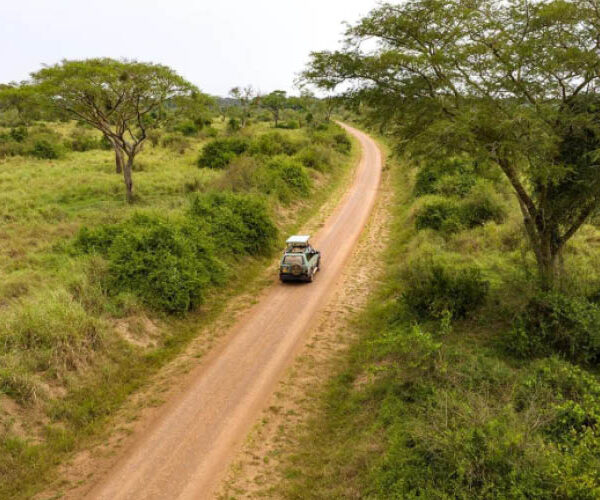
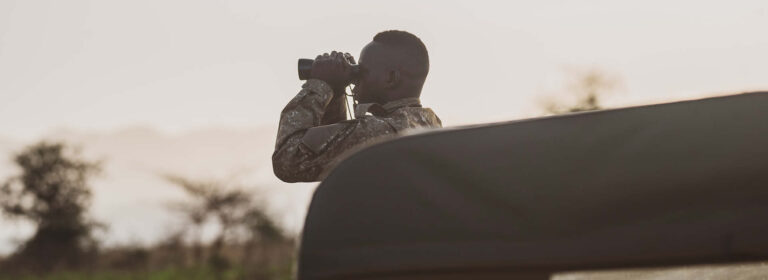
Game drives are a central feature of traditional Uganda wildlife safaris. Travellers explore designated park tracks in safari vehicles, usually accompanied by a knowledgeable driver-guide.
Morning and late-afternoon activities can be particularly rewarding as temperatures are generally cooler and many animals become more active.
The wildlife encountered varies by park, habitat and prevailing conditions. A private safari allows more time to observe animal behaviour, discuss sightings and pursue particular photographic interests, within park regulations and operating schedules.
Boat Safaris on the Nile and Kazinga Channel
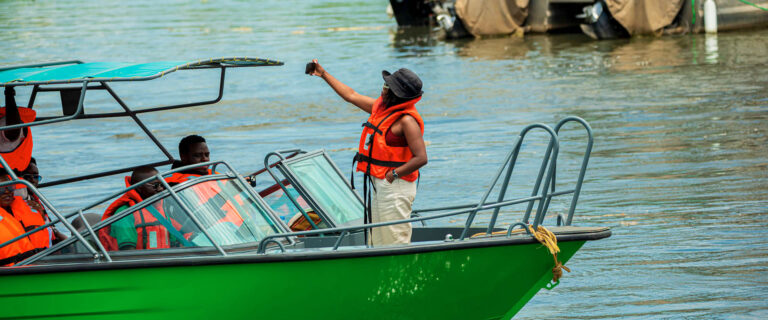
Boat safaris provide excellent opportunities to observe aquatic wildlife and animals gathering near water. The Victoria Nile in Murchison Falls National Park is especially associated with hippos, crocodiles, waterbirds and scenic views towards the falls.
The Kazinga Channel in Queen Elizabeth National Park is another important boat safari destination. These excursions are particularly attractive to wildlife photographers because they provide opportunities to observe animals from a different perspective.
Guided Walking Safaris and Nature Experiences
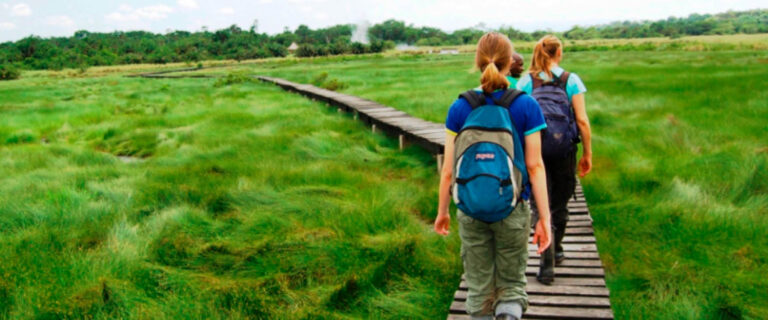
Guided walking activities allow visitors to explore natural environments at a slower pace. Rather than concentrating exclusively on large mammals, walking experiences may introduce animal tracks, smaller wildlife, plants and ecological relationships.
Lake Mburo and selected other destinations offer authorised walking activities under applicable park regulations. Walking routes, minimum ages, guiding arrangements and safety requirements should be confirmed before travel.
Wildlife Photography Safaris
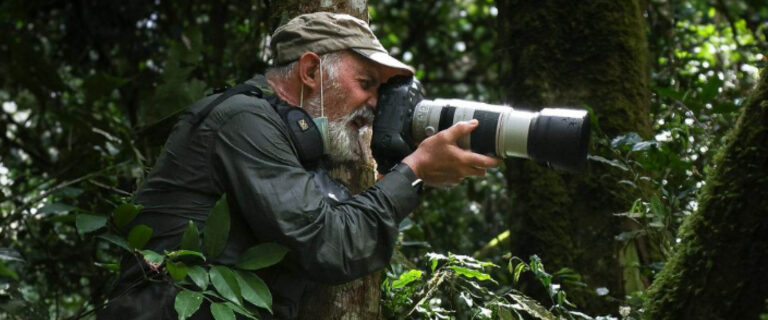
Uganda offers varied opportunities for wildlife photography. Savannah landscapes provide settings for photographing large mammals, while waterways support bird and aquatic wildlife photography.
Forest destinations present different challenges, including variable light, vegetation cover and animal movement. Photography-focused travellers may benefit from longer stays, carefully selected accommodation and private guiding arrangements that allow sufficient time at productive locations. Wildlife photography must always respect animal welfare and park regulations.
Birdwatching and Specialist Nature Safaris
Birdwatching adds another dimension to Uganda’s wildlife experiences. The country’s forests, wetlands, savannahs and lakes support different bird communities.
Travellers may combine general wildlife viewing with specialist excursions to locations such as Mabamba Wetland, Kibale, Queen Elizabeth and other birding destinations. A specialist birding itinerary should prioritise appropriate habitats, realistic travel distances and knowledgeable guiding.
The Big Five Wildlife Safari Experience in Uganda
The term Big Five refers to the lion, leopard, elephant, African buffalo and rhinoceros. Uganda offers opportunities to encounter all five species across suitable wildlife destinations, although they are not normally viewed together in a single national park.
Where Can You See the Big Five in Uganda?
Murchison Falls and Queen Elizabeth national parks provide opportunities to search for lions, leopards, elephants and buffaloes. Kidepo Valley also supports several of these species.
Rhinoceros viewing requires separate planning. Ziwa Rhino Sanctuary has traditionally been an important destination for authorised rhino tracking, and current visitor arrangements should be confirmed before including it in an itinerary. Seeing all five species depends on the selected route, activity availability and the unpredictable movements of wild animals.
Why the Big Five Are Only Part of Uganda’s Wildlife Story
Although the Big Five remain popular with safari travellers, Uganda’s wildlife diversity extends far beyond these animals. Giraffes, zebras, hippos, crocodiles, antelopes, chimpanzees, mountain gorillas and numerous bird species contribute to the country’s distinctive appeal.
Travellers interested in biodiversity may find a broader wildlife itinerary more rewarding than concentrating exclusively on five mammals.
Planning a Big Five Safari Responsibly
A Big Five itinerary should allocate sufficient time for wildlife viewing without placing unnecessary pressure on guides or animals. Responsible guiding involves maintaining appropriate distances, following park regulations and avoiding practices that disturb wildlife. Njagi Safaris can help travellers develop realistic wildlife expectations and select destinations that complement their interests.
Combining Wildlife Safaris with Gorilla and Chimpanzee Tracking
One of Uganda’s greatest strengths is the opportunity to combine traditional savannah wildlife viewing with forest primate experiences. These combinations are particularly attractive to travellers seeking a comprehensive introduction to the country’s biodiversity.
Wildlife Viewing and Gorilla Trekking in Bwindi
Queen Elizabeth National Park and Bwindi Impenetrable National Park are frequently combined within southwestern Uganda safari itineraries. Travellers can explore savannah habitats in Queen Elizabeth before continuing towards Bwindi for mountain gorilla trekking.
This combination introduces two contrasting wildlife environments within one journey. The itinerary must allow sufficient travel time and account for gorilla permit availability, trekking arrangements and accommodation locations.
Chimpanzee Tracking and Savannah Wildlife
Kibale National Park can be combined with Queen Elizabeth National Park to create a journey featuring forest primates and traditional game drives. Chimpanzee tracking introduces visitors to tropical forest ecology and primate behaviour.
Queen Elizabeth then provides opportunities to observe large mammals in open habitats and wildlife along the Kazinga Channel. This combination is especially suitable for travellers interested in varied ecosystems.
Combining Gorillas, Chimpanzees and the Big Five
Longer wildlife itineraries can include Murchison Falls, Kibale, Queen Elizabeth and Bwindi. A separate rhino-tracking experience may be incorporated when available and practical.
Such journeys require careful planning because Uganda’s principal wildlife destinations are spread across different regions. A well-designed itinerary should balance the number of activities with adequate travel and rest time.
Best Time for Wildlife Safaris in Uganda
Uganda offers wildlife experiences throughout the year, but seasonal conditions influence vegetation, road access, wildlife visibility and the overall safari experience. The country’s varied geography also means that conditions differ between savannah, forest and mountain destinations.
June to September — Popular Wildlife Safari Months
June to September is generally associated with relatively drier conditions across many of Uganda’s principal safari destinations. Vegetation may become less dense in some savannah areas, and animals can be easier to observe around available water sources.
These months are popular for game drives and combined wildlife itineraries. Demand for accommodation and primate permits can be high, making advance planning advisable.
December to February — Another Popular Safari Period
December to February is another commonly preferred period for Uganda wildlife travel. Many destinations experience comparatively favourable conditions for game drives and outdoor activities.
These months can suit travellers combining savannah wildlife viewing with gorilla or chimpanzee tracking. Actual conditions vary by destination and year.
March to May — Greener Landscapes and Seasonal Rainfall
March to May generally brings increased rainfall to many parts of Uganda. Savannah landscapes can become particularly green, creating attractive photographic conditions.
Some roads and tracks may become more challenging, and rainfall can affect the timing of outdoor activities. Travellers interested in landscapes, birdwatching and a quieter safari atmosphere may still find this period rewarding.
October to November — Green-Season Wildlife Experiences
October and November are also associated with increased rainfall in many regions. These months can provide lush scenery and opportunities for birdwatching and photography. Travel arrangements should allow flexibility for local conditions.
Choosing the Best Months for Your Interests
The most suitable travel period depends on the wildlife experiences you prioritise. Savannah game drives, birdwatching, forest trekking and photography each involve different considerations.
Rather than selecting travel dates solely around general seasonal descriptions, it is useful to consider your preferred parks, accommodation and planned activities together.
How Many Days Do You Need for a Uganda Wildlife Safari?
The ideal safari duration depends on the number of destinations you wish to explore and the time needed to travel between them. Uganda’s major national parks are distributed across different regions, making realistic route planning essential. Explore our How Many Days for a Uganda Safari? guide.
Three to Four Days — A Focused Wildlife Experience
A short safari can concentrate on one principal wildlife destination. Murchison Falls or Lake Mburo may be suitable depending on the departure point and available time. A focused itinerary allows visitors to enjoy selected game drives and other activities without attempting to cover too many destinations.
Five to Seven Days — Exploring Different Wildlife Habitats
Five to seven days can provide opportunities to explore more than one wildlife environment. A carefully planned journey may combine savannah wildlife viewing with a forest or scenic destination. The precise route should account for road travel times and activity schedules.
Eight to Twelve Days — Wildlife and Primate Combinations
Eight to twelve days provide greater flexibility for combining wildlife viewing with chimpanzee or gorilla tracking. A southwestern Uganda route can include Kibale, Queen Elizabeth, Bwindi and Lake Mburo, depending on the selected duration. Longer itineraries may incorporate Murchison Falls, although travel distances must be considered carefully.
Thirteen Days or More — Extended Uganda Wildlife Exploration
Extended journeys allow travellers to explore more destinations at a comfortable pace. Additional days can accommodate specialist photography, birdwatching, remote national parks or longer stays in particularly rewarding wildlife areas.
Kidepo Valley may be considered for travellers interested in northeastern Uganda’s distinctive wilderness landscapes. The objective should be to create a balanced experience rather than maximise the number of parks visited.
Planning a Private Uganda Wildlife Safari
A successful private wildlife safari begins with identifying the experiences that matter most to each traveller. Uganda offers numerous destinations and activities, but not every national park needs to be included in a single journey. Thoughtful planning helps create an itinerary that balances wildlife interests, travel comfort and available time.
Identifying Your Wildlife Interests
Some travellers prioritise lions, elephants and other large mammals. Others are particularly interested in primates, birdwatching, photography or landscapes.
Identifying these priorities helps determine the most suitable national parks and activities. For example, Murchison Falls and Queen Elizabeth are strong choices for traditional game drives, while Kibale and Bwindi are more relevant to forest primate experiences.
Selecting the Right National Parks
National park selection should consider wildlife diversity, location, travel time and the activities available. Combining neighbouring destinations can reduce unnecessary travel and allow more time for wildlife viewing.
For travellers visiting southwestern Uganda, Queen Elizabeth, Kibale, Bwindi and Lake Mburo offer several possible combinations. Those interested in northern Uganda may prioritise Murchison Falls or Kidepo Valley.
Choosing Suitable Safari Accommodation
Uganda offers accommodation ranging from comfortable safari lodges to high-end wilderness properties. The most suitable option depends on preferred comfort, location, travel style and budget.
Accommodation close to planned wildlife activities can reduce transfer times and improve the overall safari experience. Njagi Safaris’ established collections. Mid-Range, Premium and Signature provide a framework for discussing accommodation expectations and the overall travel experience.
Private Transport and Professional Guiding
Private wildlife safaris commonly involve a dedicated vehicle and driver-guide. Suitable safari transport helps travellers explore national parks and travel between destinations.
A knowledgeable guide contributes to wildlife identification, interpretation of animal behaviour and practical coordination of activities. Private guiding also allows travellers to discuss their interests and spend more time observing particular wildlife encounters, subject to park rules and schedules.
Planning for Couples, Families, Solo Travellers and Friends
Private Uganda wildlife safaris can be adapted to different travelling arrangements.
- Couples may prefer scenic accommodation and a relaxed pace.
- Families may prioritise manageable driving distances, suitable lodges and age-appropriate activities.
- Solo travellers may value the convenience of a privately coordinated itinerary.
- Groups of friends may prefer a combination of game drives, boat safaris and shared nature experiences.
Each itinerary should reflect the interests and practical needs of the travellers involved.
Understanding Uganda Wildlife Safari Costs
The cost of a Uganda wildlife safari depends on several factors. These include the duration, number of travellers, accommodation category, vehicle arrangements, park fees, guiding and selected activities.
Gorilla and chimpanzee tracking permits can represent substantial additional costs when these activities are included. Domestic flights, specialist guiding and premium accommodation may also affect the final quotation.
Rather than relying on a single advertised figure, travellers should request a detailed proposal showing the services included and any optional activities.
Responsible Wildlife Viewing and Conservation
Responsible tourism plays an important role in protecting Uganda’s wildlife and natural habitats. National parks and other conservation areas depend on effective management, habitat protection and cooperation with surrounding communities. Tourism can contribute to conservation financing and local economic opportunities when activities are appropriately managed.
Respecting Wildlife and Park Regulations
- Visitors should follow the instructions of authorised guides and park personnel.
- Wild animals must be given sufficient space, and vehicles should remain on permitted routes.
- Feeding wildlife, approaching animals too closely or attempting to influence their behaviour can create risks for both visitors and animals.
- Responsible photography should prioritise animal welfare over obtaining a particular image.
Supporting Conservation and Local Communities
Wildlife tourism can support protected-area management and employment opportunities in surrounding communities. Local guiding, accommodation, transport and community-based activities can contribute to livelihoods connected with conservation.
Travellers can support responsible tourism by choosing professionally managed activities and respecting local communities and their environments. For official information on Uganda’s protected areas and visitor regulations, consult the Uganda Tourism Board and Uganda Wildlife Authority.
Protecting Habitats for Future Generations
Uganda’s wildlife depends on healthy forests, wetlands, grasslands and river systems. Habitat loss, human–wildlife conflict and other environmental pressures can affect wildlife populations. Responsible safari travel should minimise unnecessary disturbance and support the long-term protection of natural ecosystems.
Frequently Asked Questions About Uganda Wildlife Safaris
Yes. Uganda offers opportunities to observe elephants, lions, buffaloes, giraffes, zebras, hippos, crocodiles, antelopes and numerous bird species. Its distinctive advantage is the possibility of combining savannah wildlife viewing with mountain gorilla and chimpanzee tracking.
Murchison Falls and Queen Elizabeth national parks are leading choices for traditional game drives. Kidepo Valley is particularly attractive for remote wilderness experiences, while Lake Mburo offers zebras, antelopes and selected walking activities. The best choice depends on your wildlife interests and available time.
Uganda offers opportunities to observe all five species across suitable destinations. Lions, leopards, elephants and buffaloes occur in several savannah national parks. Rhinoceros viewing requires separate arrangements at an appropriate location, subject to current availability. Sightings are not guaranteed.
Wildlife commonly sought includes elephants, lions, leopards, buffaloes, giraffes, zebras, antelopes, hippos and crocodiles. Forest destinations also offer opportunities to observe chimpanzees, mountain gorillas and other primates.
June to September and December to February are popular periods for wildlife travel because many destinations experience comparatively drier conditions. Uganda remains a year-round safari destination, with greener months offering different scenery and photographic opportunities.
Three to four days can accommodate a focused wildlife experience in one destination. Five to seven days allow additional variety, while eight to twelve days or longer are better suited to combining several national parks with gorilla or chimpanzee tracking.
Yes. Queen Elizabeth National Park and Bwindi Impenetrable National Park are frequently combined in southwestern Uganda itineraries. This allows travellers to experience savannah wildlife viewing and mountain gorilla trekking during one journey.
Yes. Private wildlife safaris can be planned for families, taking account of children’s ages, travel distances, accommodation requirements and suitable activities. Certain trekking and specialised wildlife activities have minimum age restrictions.
Yes. Private safaris can include dedicated transport, professional guiding, selected accommodation and personalised activities. The itinerary can be developed around wildlife interests, travel dates, group size and preferred comfort.
Yes. The Victoria Nile in Murchison Falls National Park and the Kazinga Channel in Queen Elizabeth National Park are major boat safari destinations. These excursions offer opportunities to observe hippos, crocodiles, waterbirds and mammals near the water.
Kidepo is particularly rewarding for travellers interested in remote wilderness, dramatic landscapes and northeastern Uganda’s distinctive savannah wildlife. Its distance from other major safari destinations makes careful planning important.
Costs depend on safari duration, accommodation standards, group size, transport, park fees and selected activities. A personalised quotation provides a clearer picture of the total cost and included services than a general price estimate.
Advance planning is particularly important during popular travel periods and for itineraries involving gorilla or chimpanzee permits. Booking early provides more flexibility in selecting accommodation, routes and activities.
Yes. Njagi Safaris develops private Uganda safari itineraries around travellers’ interests, preferred destinations, available time and accommodation expectations. Wildlife viewing can be combined with primate tracking, birdwatching, boat excursions and scenic experiences.
Plan Your Uganda Wildlife Safari with Njagi Safaris
At Njagi Safaris, we help travellers explore these possibilities through personalised private safari planning. Ready to explore Uganda’s wildlife? Contact Njagi Safaris to discuss your preferred destinations, travel dates and wildlife interests.