Gorilla Trekking in Uganda: Bwindi, Mgahinga & Safari Planning
Gorilla trekking in Uganda offers travellers the opportunity to encounter mountain gorillas in their natural forest environment, with experiences centred on Bwindi Impenetrable National Park and Mgahinga Gorilla National Park.Each destination provides a distinct setting, from Bwindi’s extensive forest landscape to Mgahinga’s volcanic mountains within the wider Virunga region.
A Ugandan gorilla trek is more than the search for a habituated gorilla family. The experience involves guided walking through forest terrain, learning about gorilla conservation and spending carefully managed time observing the animals. Your choice of trekking destination can also influence how the experience fits into the wider safari route.
This guide explains where to trek gorillas in Uganda, the main Bwindi sectors, what to expect in Mgahinga, how to choose between the two destinations, permits, the best time to go, preparation, access and how to combine gorilla trekking with other Uganda safari experiences.
Understanding Gorilla Trekking in Uganda
Gorilla trekking in Uganda is a guided wildlife experience that takes travellers into protected forest to search for and observe habituated mountain gorilla families in their natural environment. The experience combines walking through forest terrain with the anticipation of locating a gorilla family, followed by carefully managed time observing the animals.
The experience is different from conventional wildlife viewing from a safari vehicle. Trekking takes place on foot, and the route, terrain and time required can vary depending on the location of the gorilla family on the day. Trained guides and trackers accompany visitors throughout the experience. In Uganda, gorilla trekking takes place in Bwindi Impenetrable National Park and Mgahinga Gorilla National Park, giving travellers two distinct forest environments to consider when planning their safari.
Where Can You Trek Gorillas in Uganda?
Mountain gorilla trekking in Uganda is centred on two protected areas in the country’s southwest: Bwindi Impenetrable National Park and Mgahinga Gorilla National Park. Although both provide opportunities to encounter mountain gorillas, their landscapes and trekking settings are different.
Bwindi is known for its extensive forest and several established gorilla trekking sectors, while Mgahinga forms part of the volcanic Virunga landscape. The choice between them can therefore depend on your preferred trekking environment, safari route, accommodation location and the other experiences you want to include. The two destinations also connect naturally with wider Uganda safari itineraries, making it possible to combine gorilla trekking with wildlife viewing, chimpanzee tracking, birding, nature and cultural experiences.
Bwindi Impenetrable National Park
Bwindi Impenetrable National Park is Uganda’s principal gorilla trekking destination and contains several established trekking sectors: Buhoma, Ruhija, Rushaga and Nkuringo. Its dense forest landscape provides a distinctive setting for searching for habituated mountain gorilla families on foot.
The different sectors are important when planning a safari because they are located in different parts of the forest and can influence your accommodation and travel arrangements. Your choice of sector should therefore be considered alongside the wider route rather than treated as a separate decision. Bwindi can also fit naturally into a longer Uganda safari, allowing gorilla trekking to be combined with wildlife viewing, chimpanzee tracking, birding and other experiences.
Mgahinga Gorilla National Park
Mgahinga Gorilla National Park offers a different setting for gorilla trekking in Uganda. Located within the country’s southwestern highlands, the park forms part of the wider Virunga landscape, with volcanic mountains and montane forest shaping the trekking environment.
The park is smaller than Bwindi, but its dramatic mountain setting gives the gorilla experience a distinctive character. Trekking here can also complement other activities in the region, including golden monkey tracking and nature experiences. Mgahinga can be particularly relevant when designing a safari around southwestern Uganda and the wider Virunga area.
The final choice depends on the available trekking options, route, travel time and the other destinations included in your itinerary.
Why Choose Uganda for Gorilla Trekking?
Uganda offers a combination of mountain gorilla trekking, diverse landscapes and wider safari experiences within one destination. Travellers can choose between the forest environments of Bwindi and Mgahinga, while also having the opportunity to extend their journey into Uganda’s savannah parks, forests, wetlands and cultural destinations.
Another advantage is the range of ways a gorilla experience can fit into a longer itinerary. A journey can combine gorilla trekking with chimpanzee tracking, wildlife viewing, birding or nature experiences, creating a more varied Uganda safari rather than a single-purpose trip.
For travellers interested in a deeper forest experience, Uganda also offers the Gorilla Habituation Experience, providing another way to engage with gorilla conservation and research. The right choice ultimately depends on your interests, available time, preferred trekking destination and wider safari plans.
Gorilla Trekking in Bwindi Impenetrable National Park
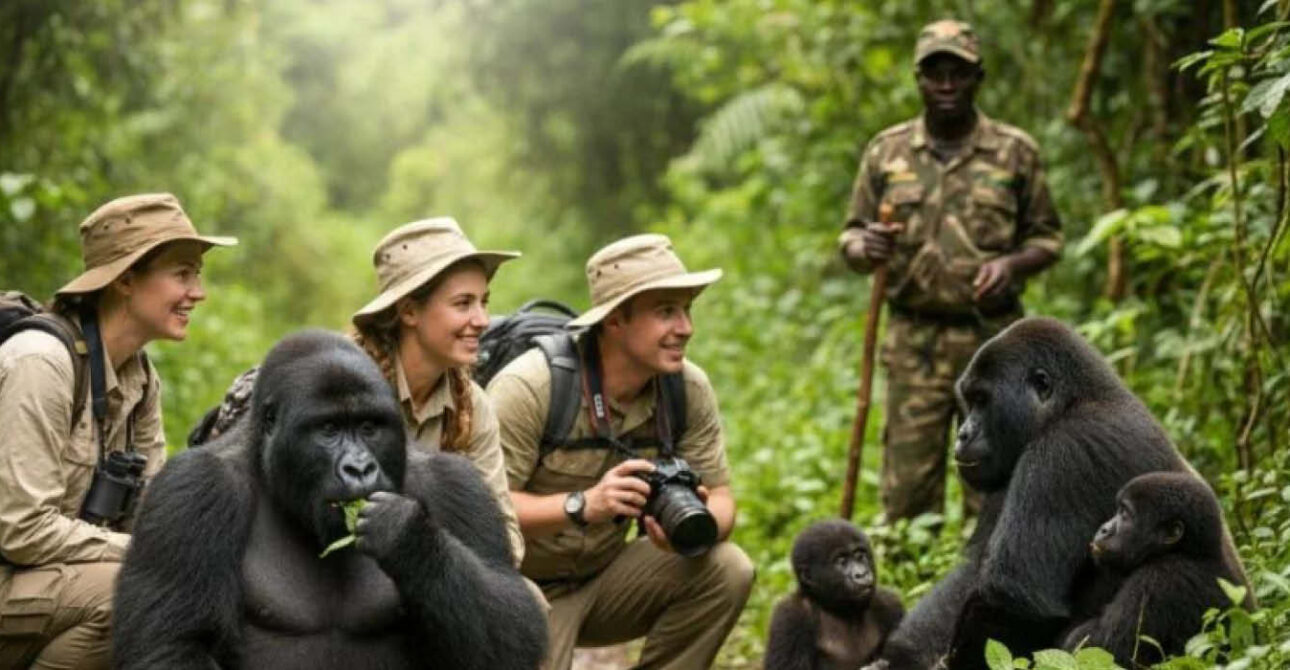
Bwindi Impenetrable National Park is Uganda’s principal mountain gorilla trekking destination and is divided into four main trekking sectors: Buhoma, Ruhija, Rushaga and Nkuringo. Each sector has its own location within the wider forest landscape and its own access and accommodation considerations.
Your choice of sector matters because it can influence how your gorilla trekking experience fits into the wider Uganda safari. The most suitable option depends on your route, available time, preferred accommodation area and other experiences you want to include. The gorilla family you trek is allocated according to the designated entry point and arrangements for the day, so the sector is an important planning decision rather than simply a label on the map.
Buhoma Sector
Buhoma is located in the northern part of Bwindi and is one of the park’s established gorilla trekking sectors. It is also home to the park headquarters and provides an important base for exploring the northern side of the forest.
Buhoma can fit naturally into itineraries that combine gorilla trekking with Queen Elizabeth National Park, particularly for travellers approaching Bwindi through the northern or western route. The surrounding area also provides opportunities for additional forest and community experiences, allowing travellers to build a broader stay around their gorilla trek.
Ruhija Sector
Ruhija lies on the eastern side of Bwindi and provides another established entry point for gorilla trekking. Its position makes it particularly relevant when planning a route through the eastern approach to the park.
The sector can work well for travellers combining Bwindi with destinations around Kabale and the wider southwestern Uganda circuit. Access conditions and travel times should be considered when selecting Ruhija, especially when the gorilla trek forms part of a multi-destination safari.
Rushaga Sector
Rushaga is one of Bwindi’s southern trekking sectors and is an important option for travellers planning a gorilla experience around the southern side of the park. Its location also makes it relevant to routes through the Kisoro area. Rushaga can be combined with other experiences in southwestern Uganda, depending on the length and direction of the safari.
Travellers should consider the location of their accommodation, road journey and planned activities when deciding if Rushaga is the most suitable sector for their itinerary. UWA also identifies Rushaga as a designated gorilla tracking entry point.
Nkuringo Sector
Nkuringo is another southern sector of Bwindi, situated in a mountainous part of the park. Its location creates a distinctive setting for gorilla trekking and can be particularly relevant to itineraries built around the southern Bwindi and Kisoro area.
The sector can also be connected with the Nkuringo–Buhoma trail, giving travellers an opportunity to experience a longer forest route as part of a wider itinerary. Access to Nkuringo involves mountainous roads, so the sector should be selected with the overall safari route and transfer arrangements in mind.
How to Choose a Gorilla Trekking Sector in Bwindi
Choosing a Bwindi gorilla trekking sector should begin with your overall safari route rather than simply trying to identify the sector that sounds most attractive. Buhoma, Ruhija, Rushaga and Nkuringo are all designated trekking entry points, and your permit is associated with the selected entry point.
The best choice therefore depends on where you are travelling from, where you plan to stay, how you want to connect Bwindi with the rest of your Uganda safari and how much time you have for transfers.
Buhoma
Choose Buhoma if your itinerary naturally approaches Bwindi from the northern or western side, particularly if you plan to connect the gorilla experience with Queen Elizabeth National Park. Its location around the northern side of Bwindi can make it a practical choice for a wider western Uganda safari.
Ruhija
Choose Ruhija if your route works naturally through Kabale and eastern Bwindi. Its position can make it suitable for travellers building a safari around the eastern approach to the forest and connecting gorilla trekking with other southwestern Uganda destinations.
Rushaga
Choose Rushaga if your safari is centred on the southern side of Bwindi and the Kisoro area. It can work particularly well when gorilla trekking forms part of a wider southwestern Uganda route, but the transfer time and accommodation location should be considered when planning the itinerary.
Nkuringo
Choose Nkuringo if you want your safari to focus on the southern and mountainous side of Bwindi and your wider route supports this approach. Its location can also suit travellers interested in combining gorilla trekking with the longer forest connection between Nkuringo and Buhoma.
Gorilla Trekking in Mgahinga Gorilla National Park
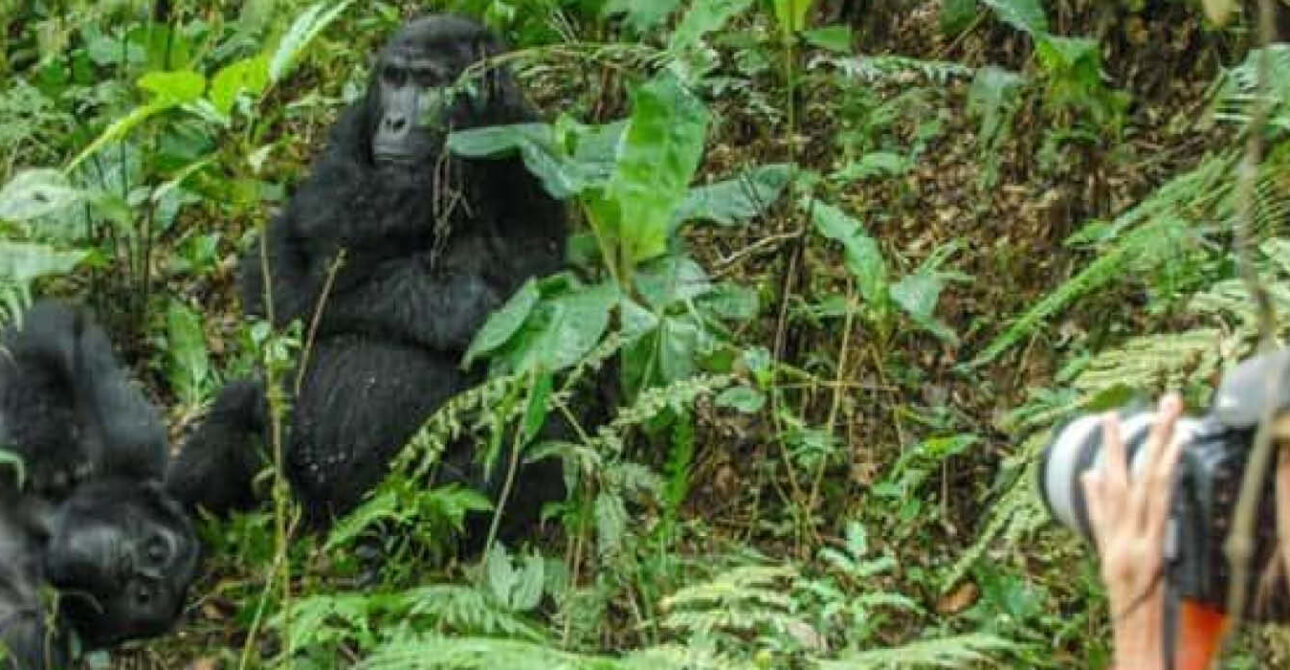
Mgahinga Gorilla National Park offers a distinctive setting for gorilla trekking in Uganda, with mountain gorillas living in a high-altitude landscape shaped by volcanic mountains and montane forest. The park is Uganda’s smallest national park, covering 33.7 km², and lies in the extreme southwest of the country in Kisoro District.
Unlike the larger forest landscape of Bwindi, Mgahinga combines gorilla trekking with the dramatic scenery of the Virunga volcanoes. The park protects Mount Muhabura, Mount Gahinga and Mount Sabyinyo, while also providing habitat for the endangered golden monkey and other forest wildlife.
The Virunga Mountain Setting
Mgahinga sits within Uganda’s section of the Virunga mountain landscape, with steep volcanic slopes rising above montane forest. The park includes three volcanoes: Mount Muhabura, Mount Gahinga and Mount Sabyinyo, giving the trekking environment a distinctly mountainous character.
For gorilla trekkers, this setting creates a different visual and physical experience from Bwindi’s more extensive forest. Trails pass through high-altitude vegetation and forested slopes, with the surrounding volcanoes forming an important part of the landscape.
Mgahinga is also connected ecologically with neighbouring protected areas in Rwanda and the Democratic Republic of Congo. The important consideration is what that landscape means for the Uganda gorilla trekking experience rather than the wider regional geography.
The Mgahinga Trekking Experience
Gorilla trekking in Mgahinga involves guided walking through the forest to locate a habituated gorilla family. The length and character of the trek can vary according to the location of the gorillas and the terrain encountered on the day. Mgahinga is home to a habituated transboundary gorilla group, providing an alternative to the denser forest environment of Bwindi.
The gorilla experience can also be combined with other activities in the park and surrounding area. Golden monkey tracking, volcano hiking, birding and nature experiences provide options for travellers who want to spend more time in southwestern Uganda rather than visiting Mgahinga only for the gorilla trek.
When Mgahinga May Suit Your Safari
Mgahinga may suit your safari if you want a gorilla trekking experience within a dramatic volcanic landscape and your wider route naturally fits the Kisoro and southwestern Uganda area.
The park can work particularly well for travellers interested in combining gorilla trekking with other experiences around the Virunga mountains. Its location also makes it possible to build a broader stay around Kisoro, Lake Mutanda and the surrounding southwestern Uganda landscape.
Travellers can combine the gorilla experience with golden monkey tracking, volcano hiking or other nature activities, depending on their interests and available time. Mgahinga is not simply an alternative name for Bwindi; it offers a distinct Ugandan gorilla trekking environment with its own landscape and safari possibilities.
Bwindi vs Mgahinga: Which Is Right for Your Gorilla Trek?
Both Bwindi Impenetrable National Park and Mgahinga Gorilla National Park offer mountain gorilla trekking in Uganda, but the experience is shaped by different landscapes, trekking areas and safari routes. Choosing between them is therefore less about finding a universally better destination and more about finding the option that fits your journey.
Your decision can depend on the trekking environment you prefer, the location of your accommodation, permit availability, travel time, wider safari route and the other experiences you want to include. Looking at these factors together will help you choose the destination that works best for your Uganda safari.
How Do the Landscapes Differ?
Bwindi is characterised by an extensive, densely forested landscape with steep terrain and several distinct trekking sectors. The forest environment can feel enclosed and immersive, with the character of the trek changing according to the sector and the location of the gorilla family.
Mgahinga has a more pronounced volcanic setting. Its montane forest lies beneath the Virunga volcanoes, including Mount Muhabura, Mount Gahinga and Mount Sabyinyo. The surrounding mountains give the area a distinctly highland character.
The difference is therefore not simply forest versus mountain. Both involve forest trekking, but Bwindi offers a broader forest environment across several sectors, while Mgahinga combines the forest experience with a stronger volcanic mountain setting.
How Do the Trekking Areas Differ?
Bwindi has four principal trekking sectors: Buhoma, Ruhija, Rushaga and Nkuringo. This gives travellers and safari planners several areas to consider when arranging a gorilla trek. The selected sector also affects accommodation, access and how the trek fits into the wider itinerary.
Mgahinga operates as a single national park setting rather than having the same range of Bwindi trekking sectors. This creates a more concentrated destination experience, with the gorilla trek forming part of a landscape dominated by the Virunga mountains.
In both destinations, the physical experience can vary from one trek to another. The location of the gorilla family, terrain, weather and trail conditions can influence the walking experience on the day.
Which Destination Fits Your Safari Route?
Bwindi can work well within a longer western or southwestern Uganda itinerary. Depending on the selected sector, travellers can connect the gorilla experience with destinations such as Queen Elizabeth National Park, Kibale Forest National Park, Lake Bunyonyi or other southwestern Uganda experiences.
Mgahinga can be particularly suitable for an itinerary focused on Kisoro and the southwestern corner of Uganda. Travellers can build additional experiences around the Virunga landscape, including golden monkey tracking, volcano hiking and time around Lake Mutanda.
The most efficient choice is therefore often the destination that reduces unnecessary transfers and fits naturally into the route you are already planning.
Can You Choose the Trekking Sector?
Yes, Bwindi requires a sector-level decision, while Mgahinga does not have the same four-sector structure.
For Bwindi, the available trekking sectors are Buhoma, Ruhija, Rushaga and Nkuringo. The sector should be selected alongside your permit arrangements, accommodation and route because moving between sectors can involve significant travel through the mountainous region.
Mgahinga provides a different planning model because the trekking experience is concentrated within one national park. Your choice therefore focuses more on the park itself, accommodation, access and how Mgahinga fits into the wider safari. The important point is that choosing Bwindi does not end the planning decision. You also need to determine which Bwindi sector best fits your itinerary.
Which Destination Should You Choose?
Choose Bwindi if having several trekking sectors gives you greater flexibility in building your route, or if a particular sector fits naturally with your accommodation and wider Uganda safari.
Choose Mgahinga if you prefer a more concentrated gorilla trekking destination within a dramatic volcanic landscape and your itinerary naturally fits the Kisoro and southwestern Uganda area.
Ultimately, the choice depends on your preferred route, accommodation area, trekking sector, travel time, wider safari plans and the trekking conditions you are prepared for. The goal is not to choose the destination that is simply described as “better.” It is to choose the gorilla trekking destination that makes the most sense for your own Uganda safari.
What Is a Gorilla Trekking Experience Like in Uganda?
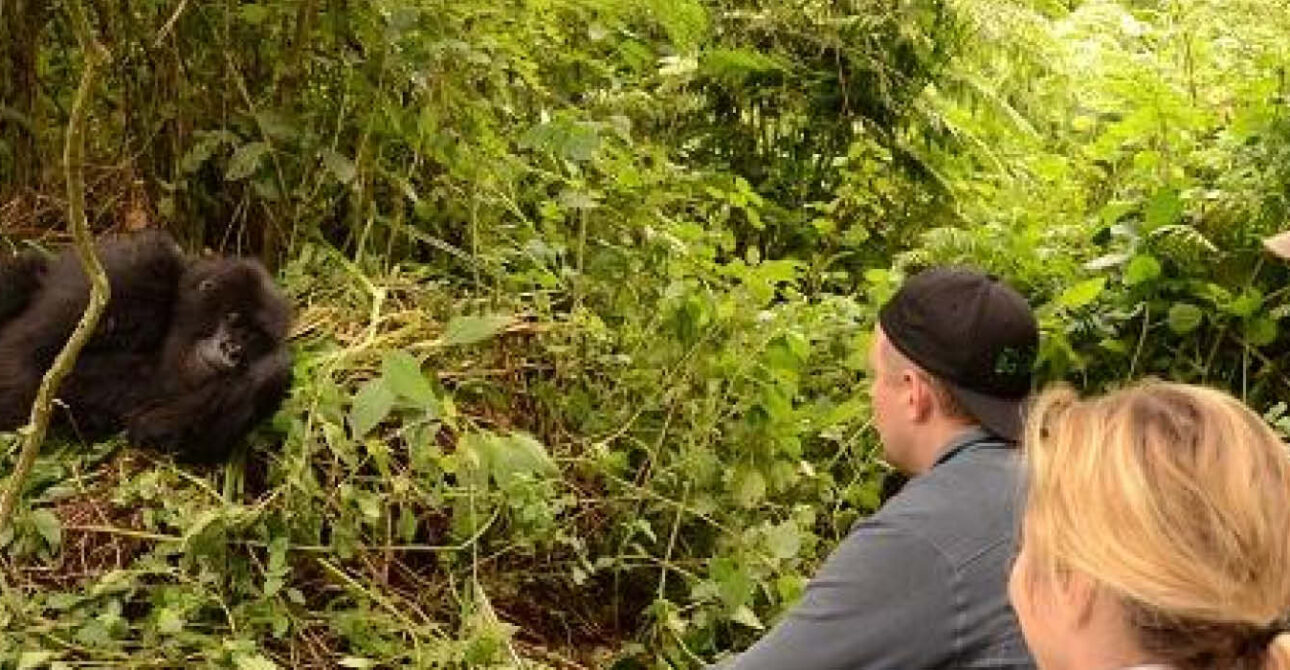
A gorilla trekking experience in Uganda is a day spent moving through protected forest in search of a habituated gorilla family. The experience is not a fixed trail or a scheduled wildlife show. The route, walking time and terrain can change depending on where the gorillas are located and the conditions in the forest.
The day combines anticipation, physical activity and quiet observation. You may spend time walking through dense vegetation before receiving word that the gorilla family is nearby, followed by a carefully managed encounter in which the focus shifts from finding the animals to simply observing them.
Preparing for the Trek
The experience begins before entering the forest. After meeting the trekking team, travellers receive guidance about the day’s arrangements, forest conditions and appropriate behaviour around the gorillas. This is also the time to make sure you have suitable walking shoes, comfortable clothing, water and the other essentials needed for several hours outdoors.
A sense of preparation is important because the forest can be steep, muddy or wet, and conditions can change during the day. You should be ready to walk at a steady pace, follow your guides and adapt to the terrain rather than expecting a conventional marked safari trail.
Walking Through the Forest
Once the trek begins, the experience becomes much more immersive. You move on foot through forest vegetation, following guides and trackers who help locate the gorilla family. The walking can involve uneven ground, slopes, roots, mud and thick vegetation.
The pace may change throughout the trek.
At some points you may walk continuously; at others, the group may pause while trackers assess signs of the gorillas or determine the best way forward. This uncertainty is part of the experience and means that the journey through the forest is itself an important part of the day.
Finding a Gorilla Family
The atmosphere changes when the trekking team determines that the gorilla family is close. The group becomes quieter and more attentive as the guides prepare visitors for the encounter. The first sighting can be particularly memorable.
A gorilla may be partly hidden by vegetation, feeding nearby or moving through the forest, so the encounter develops naturally rather than unfolding like a staged wildlife presentation. Your guides help position the group appropriately and explain how to behave around the gorillas. The priority is to observe without disturbing the animals.
Spending Time With the Gorillas
The encounter provides an opportunity to observe a habituated gorilla family in its natural forest environment. You may see individuals feeding, resting, moving through vegetation, grooming or interacting with other members of the group. The experience is about observation rather than interaction. Travellers should remain calm, follow the instructions of their guides and avoid actions that could disturb the gorillas.
Photography can form part of the experience, but the welfare and behaviour of the animals remain the priority. Because gorillas are wild animals, every encounter has its own character. The individuals you see, their behaviour and the setting around them make each trek different.
Returning From the Forest
After the gorilla encounter, the trek continues back through the forest to the starting area. The return journey may feel different from the walk in because the main anticipation has passed, allowing you to appreciate the landscape and reflect on the experience. For many travellers, the day is as much about the journey through the forest as the final encounter.
You leave with an understanding of the physical environment in which the gorillas live and the importance of protecting that habitat. A gorilla trek therefore combines walking, discovery, wildlife observation and conservation awareness into one of Uganda’s most distinctive safari experiences.
Planning a Gorilla Trekking Trip in Uganda
Planning a gorilla trekking trip in Uganda involves more than securing a permit. You need to consider your trekking destination, preferred Bwindi sector, travel route, accommodation, physical preparation and the time available for the wider safari.
Permit arrangements are particularly important because availability is limited and UWA’s booking procedures have changed. UWA currently lists a 2026–2027 tariff update, including new low-season permit rates and a revised reservation system, so the information below is structured to remain useful while directing travellers to the latest official information when they are ready to book.
Do You Need a Gorilla Trekking Permit?
Yes. A gorilla trekking permit is required to participate in a gorilla trek in Uganda. The permit authorises the regulated gorilla-tracking experience with a habituated gorilla family.
Permit arrangements are handled through the Uganda Wildlife Authority (UWA), and the applicable requirements depend on the visitor category. UWA recognises categories including East African Community citizens, Rest of Africa visitors, foreign residents and foreign non-residents.
For foreign non-resident visitors, Uganda Wildlife Authority (UWA) requires gorilla tracking permits to be purchased through a Uganda Tourism Board-licensed tour operator.
Njagi Safaris is a Uganda Tourism Board-licensed tour operator (Licence No. UTB/RTT/TO/2026/102546), so travellers can arrange their gorilla trekking permit and wider Uganda safari through a licensed local operator.
How Much Does a Gorilla Trekking Permit Cost in Uganda?
Permit prices depend on the visitor category and season. This is important because UWA introduced revised rates in 2026.
For April, May and November, UWA introduced immediate low-season rates of:
- Foreign Non-Residents (FNR): US$600
- Foreign Residents (FR): US$500
UWA also announced that from 1 January 2027, the standard gorilla tracking tariff will be:
- Foreign Non-Residents: US$800
- Foreign Residents: US$700
- Rest of Africa: US$500
- East African Community citizens: UGX 300,000
How Far in Advance Should You Book?
There is no single number of days that guarantees a permit, so the practical approach is to book as early as possible once your travel dates are confirmed. This is particularly important for popular trekking dates, preferred Bwindi sectors and travellers building a wider itinerary around a fixed gorilla trekking date.
Your permit date also influences accommodation, transport and the order of destinations in the safari. UWA suspended its previous seven-day reservation window from 1 March 2026. Under the revised system, permits are secured upon full payment at the time of booking. This makes early planning even more useful: confirm the intended trekking date and sector from Njagi Safaris Packages or before building the your itinerary.
How Long Does Gorilla Trekking Take?
A gorilla trek in Uganda can take approximately two to seven hours, depending on the location of the gorilla family, terrain and conditions in the forest. UWA indicates that the actual observation period with the habituated gorilla family is one hour.
The walking time should therefore not be treated as a fixed schedule. Some treks may involve relatively shorter walking, while others require considerably more time and effort to locate the gorillas. This is why it is sensible to keep the day of your gorilla trek relatively flexible rather than scheduling another demanding activity immediately afterwards.
How Difficult Is Gorilla Trekking?
Gorilla trekking requires moderate physical fitness. The difficulty can vary considerably because the forest terrain is uneven and can include steep slopes, mud, roots, dense vegetation and changing weather conditions. Your physical experience will also depend on the location of the gorilla family on the day.
A trek that looks manageable on paper can require more effort if the gorillas have moved deeper into the forest. Travellers should therefore prepare for several hours of walking and be comfortable with uneven terrain. Good footwear, appropriate clothing, water and a steady pace can make the experience more manageable.
What Should You Pack?
Pack for walking in a cool, wet and potentially muddy forest environment. Useful items include:
- Sturdy walking shoes or hiking boots
- Long trousers and long-sleeved clothing
- Waterproof jacket or rain protection
- Light daypack
- Drinking water
- Insect protection
- Gardening or trekking gloves for vegetation
- Sun protection
- Camera or phone with sufficient battery
- Walking poles if you find them useful.
Who Can Participate in Gorilla Trekking?
- Gorilla trekking in Uganda is subject to age, health and visitor requirements. UWA’s current gorilla and chimpanzee tracking guidelines set the minimum age for gorilla tracking and viewing at 15 years.
- Participants should also be physically prepared for several hours of walking and must follow the health and behavioural requirements established for gorilla encounters. Travellers experiencing a contagious illness should not participate, since human diseases can pose a risk to mountain gorillas.
- Visitor category also matters for permit arrangements. UWA recognises EAC citizens, Rest of Africa citizens, foreign residents and foreign non-residents, with documentation required to verify the applicable category.
When Is the Best Time for Gorilla Trekking in Uganda?
Gorilla trekking in Uganda is possible throughout the year, so there is no single month that works best for every traveller. The main consideration is how seasonal weather can affect forest trails, walking conditions and the overall trekking experience.
The drier periods are generally preferred because trails can be easier to navigate, while wetter periods can bring more rain, mud and slippery ground. However, conditions vary within Uganda and even from one trekking day to another. For broader information on Uganda’s climate, wildlife seasons and safari planning, see our Best Time to Visit Uganda for a Safari guide.
Gorilla Trekking During the Drier Periods
The drier periods are commonly preferred for gorilla trekking because forest trails may be less muddy and slippery, making walking more manageable. The traditional drier periods are generally June to September and December to February, although rainfall can still occur in the mountain forests.
Drier conditions can be particularly helpful when trekking through steep or uneven terrain. They can also make moving along forest trails more comfortable, but they do not guarantee dry weather on the day of your trek. For travellers planning around specific dates, the trekking conditions should therefore be considered alongside permit availability, accommodation, travel route and the wider safari itinerary.
Gorilla Trekking During the Wetter Periods
The wetter periods can bring more frequent rainfall, particularly in the forested mountain environments where gorilla trekking takes place. Trails may become muddy, wet and slippery, and walking can require greater care. The wetter periods are generally associated with March to May and October to November, although Uganda’s weather does not follow rigid seasonal boundaries.
Rain can occur outside these periods, and conditions can change during the day. A wet-season trek is not necessarily a poor experience. Rain can contribute to the lush forest environment and may form part of the character of trekking in Bwindi or Mgahinga. Travellers simply need to prepare appropriately with waterproof clothing and suitable footwear.
Is Gorilla Trekking Possible All Year?
Yes. Gorilla trekking is possible throughout the year in Uganda. There is no annual closure of gorilla trekking simply because of the rainy season. The decision about when to travel should therefore be based on your priorities.
Travellers who place greater importance on potentially easier trail conditions may prefer the drier periods, while those with fixed travel dates can still plan a successful gorilla experience during wetter months.Permit availability, accommodation and the rest of your safari route can be just as important as seasonal weather. A well-planned itinerary should allow enough flexibility around the trekking day.
What Changes During the Trekking Seasons?
The gorilla experience itself does not change fundamentally between seasons. You still trek through protected forest with guides and trackers to locate a habituated gorilla family and spend a regulated period observing the animals. What can change is the condition of the forest and the physical character of the walk.
During wetter periods, rain, mud and slippery vegetation can make sections of the trail more demanding. During drier periods, trails may be easier to navigate, although steep terrain and elevation remain important considerations. The location of the gorilla family also varies from day to day, so seasonal weather does not determine exactly how long or difficult a particular trek will be.
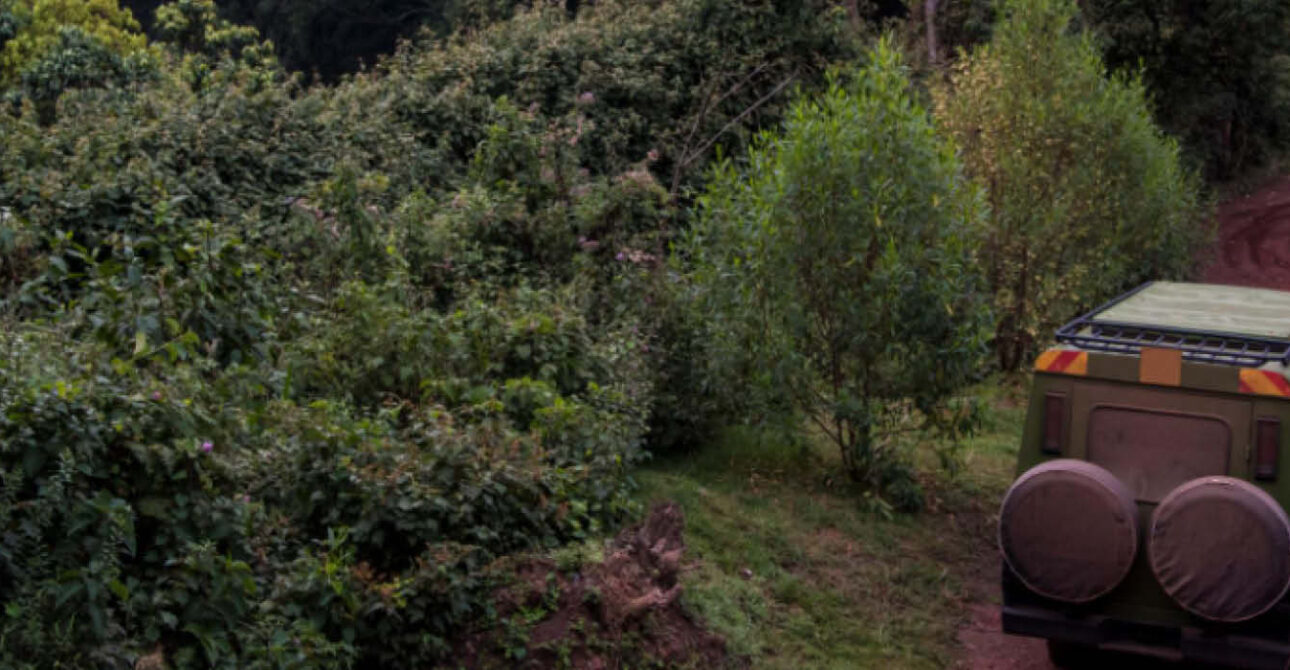
When Is the Best Time for Gorilla Trekking in Uganda?
Gorilla trekking in Uganda is possible throughout the year, so there is no single month that works best for every traveller. The main consideration is how seasonal weather can affect forest trails, walking conditions and the overall trekking experience.
The drier periods are generally preferred because trails can be easier to navigate, while wetter periods can bring more rain, mud and slippery ground. However, conditions vary within Uganda and even from one trekking day to another. For broader information on Uganda’s climate, wildlife seasons and safari planning, see our Best Time to Visit Uganda for a Safari guide.
Gorilla Trekking During the Drier Periods
The drier periods are commonly preferred for gorilla trekking because forest trails may be less muddy and slippery, making walking more manageable. The traditional drier periods are generally June to September and December to February, although rainfall can still occur in the mountain forests.
Drier conditions can be particularly helpful when trekking through steep or uneven terrain. They can also make moving along forest trails more comfortable, but they do not guarantee dry weather on the day of your trek. For travellers planning around specific dates, the trekking conditions should therefore be considered alongside permit availability, accommodation, travel route and the wider safari itinerary.
Gorilla Trekking During the Wetter Periods
The wetter periods can bring more frequent rainfall, particularly in the forested mountain environments where gorilla trekking takes place. Trails may become muddy, wet and slippery, and walking can require greater care. The wetter periods are generally associated with March to May and October to November, although Uganda’s weather does not follow rigid seasonal boundaries.
Rain can occur outside these periods, and conditions can change during the day. A wet-season trek is not necessarily a poor experience. Rain can contribute to the lush forest environment and may form part of the character of trekking in Bwindi or Mgahinga. Travellers simply need to prepare appropriately with waterproof clothing and suitable footwear.
Is Gorilla Trekking Possible All Year?
Yes. Gorilla trekking is possible throughout the year in Uganda. There is no annual closure of gorilla trekking simply because of the rainy season. The decision about when to travel should therefore be based on your priorities.
Travellers who place greater importance on potentially easier trail conditions may prefer the drier periods, while those with fixed travel dates can still plan a successful gorilla experience during wetter months.Permit availability, accommodation and the rest of your safari route can be just as important as seasonal weather. A well-planned itinerary should allow enough flexibility around the trekking day.
What Changes During the Trekking Seasons?
The gorilla experience itself does not change fundamentally between seasons. You still trek through protected forest with guides and trackers to locate a habituated gorilla family and spend a regulated period observing the animals. What can change is the condition of the forest and the physical character of the walk.
During wetter periods, rain, mud and slippery vegetation can make sections of the trail more demanding. During drier periods, trails may be easier to navigate, although steep terrain and elevation remain important considerations. The location of the gorilla family also varies from day to day, so seasonal weather does not determine exactly how long or difficult a particular trek will be.
How to Get to Uganda’s Gorilla Trekking Destinations
Uganda’s gorilla trekking destinations are located in the far southwest of the country, so getting there is an important part of planning the safari. The route you choose depends largely on your trekking destination, Bwindi sector and the other places you want to visit before or after the gorilla experience.
Travellers can reach the gorilla destinations by road or domestic/charter flight connections, with road travel offering the opportunity to incorporate other Uganda destinations into the journey. Because Bwindi has four principal trekking sectors and Mgahinga is accessed through the Kisoro area, the most practical route depends on your specific trekking location.
Getting to Bwindi
Bwindi Impenetrable National Park has four principal trekking sectors: Buhoma, Ruhija, Rushaga and Nkuringo. Your route should therefore be planned around the sector where your gorilla trek is booked rather than simply using “Bwindi” as a single arrival point.
From Kampala or Entebbe, road journeys to Bwindi generally involve travelling southwest through the country’s western corridor before continuing towards the relevant sector. The northern sectors can be approached through routes towards Kihihi, Butogota and Buhoma, while Ruhija is approached through the Kabale area. Rushaga and Nkuringo are further south, towards the Kisoro area.
Bwindi can also be incorporated naturally into a western Uganda safari. For example, travellers coming from Queen Elizabeth National Park can continue towards the northern Bwindi area, while a route through Kabale and Kisoro can work well for southern Bwindi sectors.
Getting to Mgahinga
Mgahinga Gorilla National Park is accessed through the Kisoro area in southwestern Uganda. From Kampala or Entebbe, the road journey follows the southwestern route towards Kabale and then continues towards Kisoro before reaching the park.
The journey can be incorporated into a wider southwestern Uganda itinerary, particularly for travellers combining gorilla trekking with golden monkey tracking, volcano experiences or other activities around the Kisoro and Virunga landscape.
For travellers using air connections, Kisoro Airstrip provides an alternative to the long road journey, after which a road transfer continues to the park area. The practical choice between flying and driving depends on the wider safari route, budget, available time and the experiences you want to include.
Travelling From Entebbe or Kampala
For most travellers arriving internationally, the journey begins at Entebbe International Airport. From Entebbe, you can continue by road towards southwestern Uganda or arrange a domestic/charter flight connection closer to your trekking destination. Travellers already staying in Kampala can begin the journey from the capital.
The road journey is substantial, so many itineraries use intermediate destinations to break up the travel rather than treating the transfer as simply a long point-to-point drive. The best starting point therefore depends on the rest of your safari. A traveller going directly to Bwindi may take a more direct route, while someone visiting Lake Mburo, Queen Elizabeth or Kibale can build the gorilla trek into a larger circuit.
Combining Gorilla Trekking With Other Uganda Destinations
Gorilla trekking does not have to stand alone. It can form the forest component of a much broader Uganda safari, with the route built around wildlife, primates, landscapes, birding or other interests. A western Uganda route can combine Queen Elizabeth National Park with Bwindi, creating a transition from savannah and wildlife viewing to mountain forest and gorilla trekking.
Kibale National Park can also complement a gorilla journey for travellers interested in chimpanzees and other primates. For travellers approaching from the central or western part of Uganda, Lake Mburo National Park can provide a useful safari stop before continuing towards southwestern Uganda. Longer itineraries can extend the journey to Murchison Falls National Park, although this creates a substantially broader route and should be planned around available travel time.
The strongest itinerary is not necessarily the one that visits the greatest number of parks. It should allow enough time for the gorilla experience while keeping travel between destinations realistic.
What Is the Gorilla Habituation Experience in Uganda?
The Gorilla Habituation Experience in Uganda is a specialised gorilla encounter that allows visitors to accompany researchers, trackers and habituation teams as they work with a gorilla family that is still becoming accustomed to human presence.
This is different from standard gorilla trekking, where visitors track a fully habituated gorilla family and have a defined observation period. Habituation is therefore not simply a longer version of ordinary trekking; it is a different experience built around observing and supporting the habituation process.
For travellers particularly interested in gorilla behaviour, conservation and spending more time in the forest, the habituation experience offers a more specialised way to experience Uganda’s mountain gorillas.
How Is Gorilla Habituation Different From Gorilla Trekking?
The main difference is the stage of habituation of the gorilla family and the purpose of the visit. Standard gorilla trekking focuses on locating and observing a habituated gorilla family. The Gorilla Habituation Experience involves accompanying the team working with a family that is still undergoing habituation, giving visitors an opportunity to observe the process more closely.
The experience can therefore feel less like a conventional wildlife encounter and more like an introduction to the conservation and research work behind gorilla tourism.
Who Is the Habituation Experience For?
The Gorilla Habituation Experience may appeal particularly to travellers who want more time and deeper engagement with the gorilla experience. It can be especially interesting for photographers, wildlife enthusiasts, primate enthusiasts and repeat gorilla trekkers who want to understand more about gorilla behaviour and the work involved in habituating wild gorillas to human presence.
It can also suit travellers who see the gorilla experience as a central part of their Uganda safari rather than simply one activity within a busy itinerary.
How Does the Experience Work?
The experience begins with a briefing before visitors enter the forest with the relevant guides, trackers and habituation team. The group then travels through the forest to locate the gorilla family being habituated. Once the family is located, visitors observe the gorillas while the habituation team continues its work.
The encounter is guided by the behaviour and movement of the gorillas, so the experience can be more dynamic than a standard trek.Participants are expected to follow the instructions of the trekking and research team throughout the experience. The welfare of the gorillas remains the priority, and visitor behaviour must not interfere with the habituation process.
Gorilla Trekking or Gorilla Habituation?
Choose standard gorilla trekking if you want the classic Ugandan gorilla encounter with a habituated family and a more defined wildlife-viewing experience.
Choose Gorilla Habituation if you are particularly interested in gorilla behaviour, conservation and the process through which wild gorillas become accustomed to carefully managed human presence. The two experiences should therefore not be viewed simply as a shorter and longer version of the same activity.
They represent different types of gorilla encounters, and the better choice depends on your interests, available time, budget and expectations.
Responsible Gorilla Tourism in Uganda
Gorilla tourism depends on protecting the animals, their forest habitat and the communities living around Uganda’s gorilla destinations. A responsible trekking experience therefore begins with following the rules established for gorilla visits and allowing the guides, trackers and conservation teams to put gorilla welfare first. The principles are straightforward: observe without disturbing, protect the forest, minimise health risks and respect the people and communities connected to the destination.
Follow Ranger Instructions
Listen carefully to your guides and trackers throughout the trek and follow their instructions during the gorilla encounter. They understand the behaviour and movement of the gorilla family and help determine how visitors should position themselves. Do not attempt to touch, feed, call to or attract the attention of a gorilla. Avoid sudden movements and unnecessary noise, and allow the animals to continue their natural behaviour without interference.
For Uganda’s official gorilla tracking rules and conservation guidance, see the Uganda Wildlife Authority.
Maintain an Appropriate Distance
Keep the required distance from the gorillas and do not move closer to obtain a better photograph. Your guide may ask the group to adjust its position depending on the behaviour or movement of the animals. Photography should remain secondary to the welfare of the gorillas. Follow instructions about positioning, camera use and flash photography, and avoid actions that could disturb the animals. Responsible visitor behaviour helps minimise unnecessary human-gorilla interaction and supports a carefully managed trekking experience.
Consider Your Health
Human illnesses can pose a serious risk to mountain gorillas because of their close genetic relationship with humans. Do not go gorilla trekking if you are experiencing a contagious illness, and follow any health precautions provided by the trekking authorities.
During the encounter, cover your mouth and nose when coughing or sneezing and turn away from the gorillas. Good respiratory hygiene is an important part of protecting the animals. For information about gorilla health, veterinary care and conservation, see Gorilla Doctors.
Protect the Forest
Stay on appropriate trails and follow the instructions of your trekking team. Do not remove plants, disturb wildlife or leave rubbish behind. Keep your equipment and personal items secure, particularly in dense vegetation, and avoid unnecessary noise. The forest is not simply the setting for the gorilla experience; it is the habitat on which the gorillas and many other species depend.
Responsible trekking means leaving the forest with as little disturbance as possible.
Support Conservation and Communities
Gorilla tourism forms part of a wider conservation system that includes protected-area management, research, monitoring, veterinary support and community engagement. Choosing a licensed local tour operator, using legitimate tourism services and supporting responsible community enterprises can help ensure that tourism contributes to the destination beyond the trekking encounter itself.
The Uganda Tourism Board promotes sustainable tourism and supports standards within Uganda’s tourism sector.
The International Gorilla Conservation Programme also works across the mountain gorilla range to support conservation science, responsible tourism and community engagement.
Respect Local Communities
The communities surrounding Bwindi and Mgahinga are part of the wider conservation landscape. Treat local people, traditions and cultural practices with respect, and use community-based services and enterprises where appropriate. Responsible travel can extend beyond the national park through local accommodation, guides, crafts, cultural experiences and other legitimate community businesses.
A gorilla safari should therefore create value not only for the visitor and the protected area, but also for the people living alongside the gorilla habitat.
Frequently Asked Questions About Gorilla Trekking in Uganda
You can trek mountain gorillas in Bwindi Impenetrable National Park and Mgahinga Gorilla National Park in southwestern Uganda. Bwindi has four principal trekking sectors: Buhoma, Ruhija, Rushaga and Nkuringo while Mgahinga offers a distinct trekking environment within Uganda’s Virunga mountain landscape.
Neither destination is universally better. The choice depends on your preferred trekking environment, sector, accommodation, route, permit availability and wider safari plans. Bwindi offers several trekking sectors and a larger forest landscape, while Mgahinga provides a more mountainous volcanic setting.
The total cost of a gorilla trekking safari depends on more than the permit. Your budget can include the gorilla permit, accommodation, transport, meals, guiding, park-related arrangements and other safari activities.
The final cost therefore varies according to your travel dates, accommodation level, trekking destination, group size and wider itinerary.
Gorilla permit prices depend on the visitor category and applicable season. Uganda’s permit tariffs have changed, so the current UWA tariff should be checked when planning and booking your trek. For the latest permit information and the current rates discussed in our planning section, see Planning a Gorilla Trekking Trip in Uganda above.
Gorilla trekking requires moderate physical fitness. The experience involves walking through forest terrain that can include steep slopes, uneven ground, mud, roots and dense vegetation. The difficulty varies from trek to trek because the gorilla family may be in a different location each day. Good footwear, appropriate clothing, water and preparation for several hours of walking are important.
A gorilla trek can take several hours, depending on the location of the gorilla family, terrain and conditions in the forest. The walking time is not fixed, so travellers should keep the trekking day flexible.
Once the gorilla family is located, visitors have a regulated period observing the animals. The overall experience therefore includes preparation, walking, locating the family, observation and the return journey.
Wear comfortable, protective clothing suitable for a wet forest environment. Long trousers, long sleeves and sturdy hiking shoes or boots are recommended. A waterproof jacket or rain protection is useful because weather can change quickly in the mountain forests. Gloves can also help protect your hands from vegetation during sections of the trek.
Yes. Gorilla trekking is possible throughout the year in Uganda. The drier periods are generally preferred by travellers who want potentially easier trail conditions, while wetter periods can bring more mud and slippery sections.
Rain can occur at any time in the mountain forests, so appropriate preparation is important regardless of your travel month.
Yes. Gorilla trekking can form the forest component of a broader Uganda safari. Depending on your route and available time, you can combine it with wildlife viewing in Queen Elizabeth National Park, chimpanzee tracking in Kibale, wildlife experiences in Murchison Falls or Lake Mburo, birding, cultural experiences and other activities.
The best combination depends on the destinations you want to visit and the amount of time available for travel.
The Gorilla Habituation Experience is a specialised gorilla experience involving a gorilla family that is still undergoing habituation to human presence. It differs from standard gorilla trekking, which involves visiting a fully habituated gorilla family. Habituation may appeal to travellers particularly interested in gorilla behaviour, conservation and spending more time observing the habituation process.
Start by selecting your preferred trekking destination and travel dates, then confirm permit availability before finalising the wider safari itinerary. Your choice of Bwindi sector or Mgahinga can influence accommodation, transport and the sequence of other destinations.
For foreign non-resident travellers, gorilla permit arrangements are made through a Uganda Tourism Board-licensed tour operator. Njagi Safaris is a licensed tour operator and can help coordinate your gorilla permit arrangements and build a private Uganda safari around your preferred dates, destinations and interests.
Explore Our Uganda Gorilla Safaris
If you are ready to turn your Uganda gorilla trekking plans into a complete safari, explore our Uganda gorilla safari packages for carefully planned journeys combining gorilla trekking with accommodation, transport and other experiences.
You can start with one of our longer Uganda journeys, such as 16 Days Uganda Safari: Gorillas, Chimpanzees, Wildlife & Rwenzori or 12 Days Uganda Safari: Gorillas, Chimpanzees & Wildlife, or select from the Uganda gorilla safari packages below.
Uganda Gorilla Safari Packages

Forest Kingdom

Misty Hearts

Bwindi Royale
Prefer a Custom Gorilla Safari?
Every traveller has different priorities, from the preferred Bwindi sector or Mgahinga, to safari duration, accommodation level, wildlife experiences and time available for travel. If you already know your preferred travel dates and gorilla trekking destination, we can build a private Uganda safari around your interests. If you are still deciding, we can help shape the route around your available time and the experiences you want to include.
Start Planning Your Uganda Gorilla Safari
Tell us about your preferred travel dates, number of travellers, accommodation preferences and the experiences you would like to combine with gorilla trekking. Our team can then help develop a private Uganda gorilla safari around your requirements.