Cultural Safaris in Rwanda
Cultural Safaris in Rwanda introduce travellers to the country’s living traditions, royal heritage, community experiences and remarkable journey through history. From traditional Intore dance performances and local craftsmanship to historical museums and contemporary Kigali, Rwanda offers meaningful opportunities to understand the people and cultural influences that shape the nation.
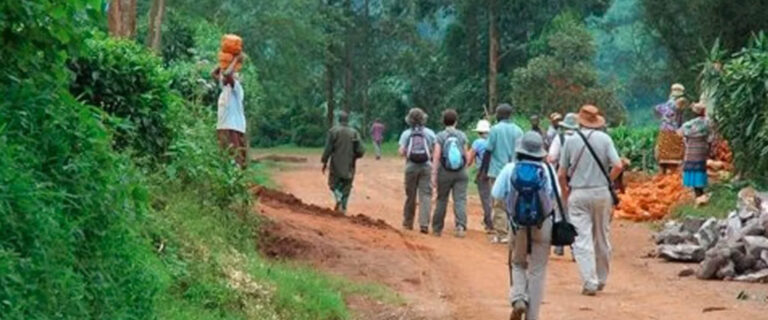
For travellers interested in experiences beyond conventional wildlife viewing, Cultural Tours in Rwanda provide opportunities to explore traditional villages, meet local artisans, discover historical landmarks and learn about Rwandan customs through guided encounters. These experiences reveal the relationship between cultural heritage, community identity and modern life.
Rwanda’s cultural attractions can be combined with mountain gorilla trekking in Volcanoes National Park, chimpanzee tracking in Nyungwe National Park, wildlife viewing in Akagera and relaxation around Lake Kivu.
Njagi Safaris designs private and tailor-made Rwanda cultural safaris for couples, families, solo travellers, heritage enthusiasts and private groups. Our approach combines personalised itinerary planning, private transport, carefully selected accommodation and thoughtfully arranged cultural experiences that respect local communities while reflecting each traveller’s interests, available time and preferred accommodation standards.
Explore Our Rwanda Cultural Safaris
Our Rwanda Cultural Tours introduce travellers to the country’s heritage through professionally coordinated private journeys combining historical landmarks, community experiences, traditional arts and contemporary cultural attractions.
From shorter cultural excursions in Kigali to extended journeys exploring Nyanza, Huye, Musanze and communities surrounding Rwanda’s national parks, itineraries can be developed around different interests, accommodation standards and available travel time.
Travellers can explore our featured Rwanda Cultural Safari Packages or request a personalised journey that combines cultural discovery with selected wildlife and scenic experiences.
Featured Rwanda Cultural Safari Packages
Customise Your Rwanda Cultural Journey
Every traveller approaches cultural exploration with different interests. Some prefer historical museums and traditional architecture, while others wish to experience local cuisine, craftsmanship, storytelling, traditional music or community-based tourism.
Njagi Safaris can personalise Cultural Safaris in Rwanda by adapting routes, accommodation, private transport and the time allocated to individual destinations. Travellers may also combine cultural experiences with mountain gorilla trekking, rainforest exploration, wildlife viewing and lakeside relaxation. Explore our Tailor-Made Safaris in Rwanda for additional planning options.

Cultural Safaris in Rwanda: Why Rwanda Is a Remarkable Cultural Destination
Cultural Safaris in Rwanda offer opportunities to understand a country whose identity reflects longstanding traditions, royal history, artistic expression and contemporary social development. Rwanda’s cultural heritage is expressed through music, dance, language, craftsmanship, traditional architecture, agriculture and community relationships.
The country’s historical museums, cultural centres and locally organised experiences introduce travellers to different aspects of this heritage while providing insight into modern Rwandan society.
Rwanda’s Cultural Identity and Living Traditions
Rwanda has a rich cultural identity expressed through the Kinyarwanda language, shared traditions, artistic practices and community values. Traditional ceremonies, storytelling, music and dance continue to contribute to cultural expression, alongside contemporary forms of creativity. Visitors can learn about these traditions through museums, organised performances and respectful interactions with local cultural practitioners.
Traditional Music, Dance and Storytelling
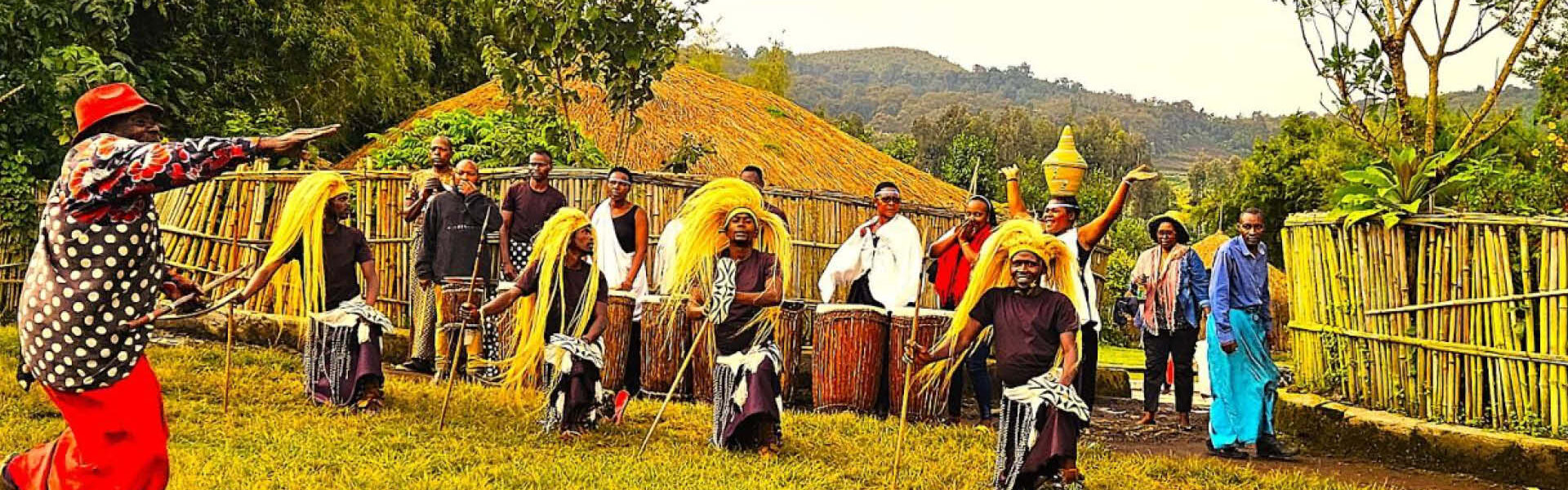
Traditional music and dance remain important expressions of Rwandan heritage. Intore dance performances are particularly recognised for their distinctive movements, ceremonial associations and accompaniment by traditional drumming. Storytelling also provides opportunities to understand historical beliefs, social values and community experiences. Cultural performances should be approached as artistic and educational experiences rather than as representations of every aspect of contemporary Rwandan life.
Rwanda’s Royal Heritage and Historical Kingdoms
Rwanda’s historical monarchy influenced governance, ceremonial practices, architecture and cultural traditions. The King’s Palace Museum in Nyanza provides opportunities to learn about royal residences, historical customs and the significance of Inyambo long-horned cattle. Other heritage institutions contribute to understanding the country’s political, social and cultural development.
Community-Based Cultural Experiences
Rwanda Community-Based Tourism introduces travellers to locally organised activities that may include traditional crafts, food preparation, farming, music and guided community walks. These experiences can provide direct opportunities for local participation in tourism. Meaningful cultural encounters depend on community consent, fair compensation and respect for the privacy and dignity of hosts.
Private and Tailor-Made Cultural Safaris
Private Cultural Safaris in Rwanda allow travellers to select preferred destinations, experiences, accommodation and the overall pace of their journey. Private transport and personalised planning can make it easier to combine several cultural attractions within one itinerary. Local guides, museum interpreters and community hosts contribute specialist knowledge according to the experiences included.
Cultural Heritage Combined with Wildlife Experiences
Rwanda’s cultural attractions can be combined with mountain gorilla trekking, chimpanzee tracking, golden monkey experiences, birdwatching and savannah wildlife viewing. Travellers visiting Volcanoes National Park can explore cultural experiences around Musanze, while journeys to Nyungwe can incorporate historical museums and community activities along the route. These combinations introduce visitors to both the country’s natural landscapes and the people connected to them.
Best Places for Cultural Safaris in Rwanda
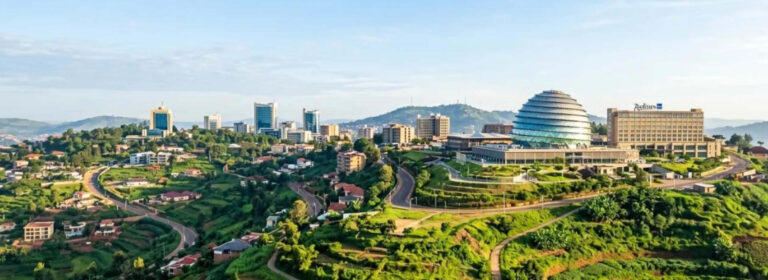
The Best Cultural Experiences in Rwanda are distributed across Kigali, the Northern Province, the Southern Province and communities surrounding the country’s principal wildlife destinations. Each location offers a different perspective on Rwanda’s heritage, contemporary life and cultural traditions.
Kigali: Museums, Art and Contemporary Culture
Kigali is an important starting point for Kigali Cultural Tours, offering opportunities to explore museums, contemporary art galleries, markets, historical landmarks and local food experiences. The city’s cultural attractions introduce visitors to Rwanda’s recent history, creative industries and modern urban life.
A carefully planned Kigali visit may include the Kigali Genocide Memorial, selected art galleries, craft centres and guided exploration of the city’s neighbourhoods. Kigali also provides a practical starting or finishing point for longer Rwanda cultural journeys.
Gorilla Guardians Cultural Village Near Volcanoes National Park
Gorilla Guardians Cultural Village Rwanda, historically known as Iby’Iwacu Cultural Village, offers organised cultural experiences near Volcanoes National Park. Visitors may encounter traditional dance performances, demonstrations of historical practices, local food preparation and activities introducing Rwandan cultural heritage.
The experience is particularly suitable for travellers combining cultural exploration with mountain gorilla trekking in the Musanze region. Participation and activity availability should be confirmed before travel.
King’s Palace Museum in Nyanza
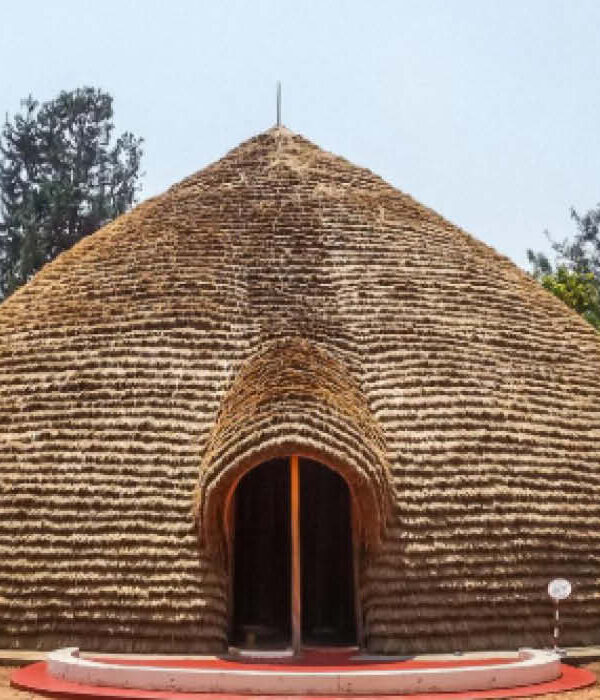
The King’s Palace Museum Rwanda preserves important aspects of the country’s royal heritage through reconstructed traditional architecture, historical interpretation and displays associated with the monarchy. One of its distinctive attractions is the presence of Inyambo long-horned cattle, historically associated with royal prestige and ceremonial traditions.
The museum provides an opportunity to understand Rwanda’s precolonial governance and cultural practices. Nyanza can be incorporated into journeys between Kigali and the southern part of the country.
Ethnographic Museum in Huye
The Ethnographic Museum in Huye offers extensive collections relating to Rwanda’s cultural history, traditional crafts, agriculture, clothing, architecture and social practices. Its exhibitions provide context for understanding the country’s heritage beyond individual performances or community visits.
The museum is particularly suitable for travellers interested in anthropology, history, craftsmanship and traditional ways of life. Huye can be incorporated into cultural journeys connecting Kigali with Nyungwe National Park.
Nyakarimbi and Rwanda’s Imigongo Art
Nyakarimbi in eastern Rwanda is associated with Imigongo, a distinctive traditional art form featuring geometric patterns created using natural materials and pigments. Organised visits may introduce travellers to the techniques, symbolism and contemporary practice of Imigongo art. Where workshops are available, visitors may have opportunities to learn directly from local artists and purchase authentic artwork. Such experiences can support cultural preservation and local creative enterprises.
Cultural Communities Around Nyungwe National Park
Communities around Nyungwe National Park offer opportunities to explore local traditions, agriculture, crafts and community life. Selected organised experiences may include guided village walks, traditional performances, food preparation and visits to local enterprises. Banda and Kitabi are among the locations associated with cultural tourism in the wider Nyungwe region. Current activities should be confirmed with local hosts before being included in an itinerary.
Lake Kivu Cultural Communities
The communities surrounding Lake Kivu offer opportunities to explore lakeside livelihoods, local markets, fishing traditions and contemporary community life. Depending on the destination and available arrangements, visitors may participate in guided cultural walks, food experiences and visits to local enterprises. Lake Kivu can provide a relaxed setting for cultural exploration alongside scenic travel and accommodation.
Choosing the Right Cultural Destinations in Rwanda
Kigali is generally suitable for travellers seeking museums, art and contemporary cultural experiences. Nyanza and Huye are particularly attractive for royal history and ethnographic heritage, while Musanze offers opportunities to combine cultural activities with mountain gorilla trekking. Nyungwe and Lake Kivu can introduce visitors to community experiences within scenic landscapes.
What to Expect During Cultural Safaris in Rwanda
Cultural Experiences in Rwanda vary according to the location, activity and people involved. Some experiences are structured museum visits, while others involve guided community encounters, demonstrations, performances or opportunities to participate in selected activities. Understanding these differences helps travellers approach cultural tourism with appropriate expectations and respect.
Cultural Introductions and Local Guiding
Cultural visits often begin with an introduction from a guide, museum interpreter or community representative. Visitors may learn about the location’s history, the activities being presented and appropriate behaviour during the experience. Local interpretation helps provide context and reduces the risk of misunderstanding cultural practices.
Traditional Dance and Music Performances
Organised cultural experiences may include traditional drumming, singing and Intore dance performances. These activities introduce travellers to artistic expressions associated with Rwandan heritage. Some programmes offer opportunities for voluntary visitor participation, depending on the hosts and the nature of the performance.
Traditional Crafts and Artistic Demonstrations
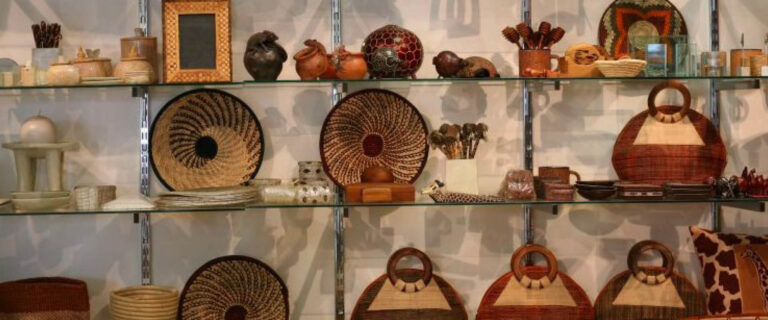
Craft demonstrations may introduce visitors to basket weaving, pottery, Imigongo art and other creative traditions. Where available, workshops allow travellers to learn about the materials, techniques and cultural significance of individual crafts. Purchasing directly from artisans can provide a practical way to support local creative enterprises.
Food, Agriculture and Everyday Cultural Practices
Selected cultural programmes may include traditional food preparation, agricultural activities, local markets or introductions to community livelihoods. These experiences can provide insight into the relationship between food, land, family life and cultural traditions. Participation should be organised through willing hosts and should not interfere with ordinary community activities.
Respectful Photography and Cultural Interaction
Photography should be undertaken with consideration for individual privacy and community preferences. Travellers should request permission before photographing people, particularly children, private homes or sensitive activities. Some museums and memorial sites may restrict photography. Following local guidance helps ensure that cultural experiences remain respectful and welcoming.
Rwanda Cultural Heritage Sites and Historical Museums
Rwanda Cultural Heritage Tours provide opportunities to understand the country’s history through museums, historical landmarks and carefully interpreted memorial sites. These experiences introduce travellers to royal traditions, colonial history, contemporary art and Rwanda’s national remembrance. Historical visits should be approached with sensitivity, particularly at sites associated with the 1994 Genocide against the Tutsi.
King’s Palace Museum and Royal Traditions
The King’s Palace Museum in Nyanza introduces visitors to Rwanda’s historical monarchy through traditional architecture and cultural interpretation. The reconstructed royal residence reflects architectural practices associated with earlier royal households. The museum’s Inyambo cattle provide a distinctive connection to ceremonial traditions and royal heritage.
Ethnographic Museum and Traditional Life
The Ethnographic Museum in Huye preserves collections relating to traditional Rwandan society. Visitors can explore exhibits concerning craftsmanship, agriculture, household life, clothing and historical cultural practices. The museum provides valuable context for travellers interested in the development and diversity of Rwanda’s cultural heritage.
Kigali Genocide Memorial and Historical Understanding
The Kigali Genocide Memorial is an important place of remembrance, education and reflection. Its exhibitions document the 1994 Genocide against the Tutsi and provide historical context for understanding the events and their consequences. Visits should be approached respectfully, allowing sufficient time for reflection and recognising the emotional significance of the site.
Rwanda Art Museum and Contemporary Creativity
The Rwanda Art Museum introduces visitors to contemporary artistic expression through exhibitions featuring Rwandan and international artists. It provides a different perspective from historical and ethnographic collections, highlighting modern creativity and artistic interpretation. The museum can be incorporated into Kigali cultural itineraries alongside galleries, craft centres and other attractions.
Kandt House Museum and Colonial History
Kandt House Museum provides opportunities to explore aspects of Rwanda’s colonial history and historical development. The museum occupies a location associated with Richard Kandt, an early German colonial administrator. Its interpretation contributes to understanding the political and historical influences that shaped Rwanda during the colonial period.
Planning Museum and Heritage Visits
Museum visits should be coordinated around current opening hours, admission fees, visitor categories and any scheduled closures. Travellers may prefer to combine nearby attractions within the same day while allowing sufficient time for guided interpretation.
Traditional Villages and Community-Based Cultural Experiences in Rwanda
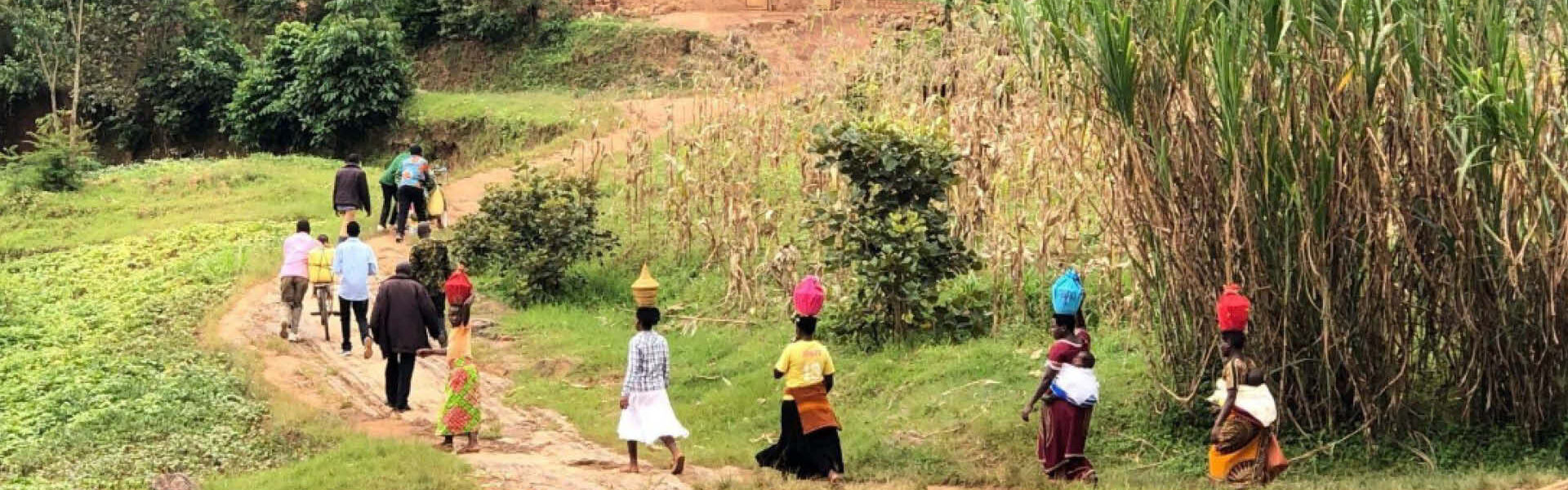
Traditional Villages in Rwanda and community-based tourism initiatives provide opportunities to learn about local customs, craftsmanship, livelihoods and cultural expression. These experiences are most meaningful when organised in collaboration with local hosts and when visitors recognise that communities are living societies rather than attractions created solely for tourism.
Gorilla Guardians Cultural Village Experiences
Gorilla Guardians Cultural Village near Volcanoes National Park offers organised introductions to selected aspects of Rwandan cultural heritage. Activities may include traditional dance, historical demonstrations, storytelling and local food preparation. The village is particularly convenient for travellers staying in the Musanze region before or after gorilla trekking.
Community Walks and Local Livelihoods
Guided community walks can introduce visitors to agriculture, local enterprises, markets and daily activities. The experience depends on the community, the hosts and the activities available on the selected date. Respectful engagement allows travellers to learn about contemporary life without treating ordinary households or workplaces as public exhibits.
Traditional Basket Weaving and Pottery
Basket weaving and pottery are important forms of craftsmanship associated with Rwanda’s cultural heritage. Visitors may learn about traditional materials, decorative patterns and the practical or ceremonial uses of individual objects. Organised workshops can provide opportunities to engage with artisans and support their work through appropriate purchases.
Coffee and Tea Cultural Experiences
Coffee and tea production form part of Rwanda’s agricultural economy and contemporary rural life. Selected organised experiences may introduce travellers to cultivation, processing, tasting and the people involved in production. These visits can complement cultural journeys through the country’s highland landscapes.
Cultural Tourism and Community Benefits
Community-based tourism can contribute to local employment, cultural preservation and opportunities for small enterprises. The benefits depend on how experiences are organised, how participants are compensated and how communities influence tourism decisions.
Private and Tailor-Made Cultural Safaris in Rwanda
Private Cultural Safaris in Rwanda provide flexibility in destination selection, travel routes, accommodation and the combination of cultural experiences. Njagi Safaris develops personalised itineraries around travel dates, group size, preferred accommodation standards and the experiences guests wish to explore.
Cultural Safaris for Couples
Couples can combine historical attractions, cultural performances, private transfers and scenic accommodation. A journey may include Kigali’s art and heritage attractions, traditional experiences around Musanze and relaxation beside Lake Kivu. The itinerary can be adapted to provide a balance between organised activities and personal time.
Family Cultural Safaris
Rwanda’s museums, craft demonstrations and selected community experiences can provide educational opportunities for families. Activities should be chosen according to children’s ages, interests and the nature of the experience. Some memorial exhibitions contain distressing historical material and require careful consideration when travelling with younger children.
Cultural Safaris for Solo Travellers
Solo travellers can explore Rwanda’s heritage through private transport, guided museum visits and organised cultural activities. The itinerary can focus on personal interests such as history, art, photography, traditional architecture or contemporary society.
Private Cultural Safaris for LGBTQ+ Travellers
Njagi Safaris approaches enquiries from LGBTQ+ travellers with respect for individual preferences, privacy and informed destination planning. Rwanda does not criminalise consensual same-sex relationships, although conservative social attitudes, discrimination or harassment may still affect travellers. Explore the dedicated LGBTQ+ Safaris in Rwanda page.
Private itinerary arrangements can provide flexibility in accommodation selection, transport and cultural activities, but they do not eliminate potential risks. Travellers are encouraged to consult the UK Government’s Rwanda Travel Advice before departure.
Luxury Cultural Safaris in Rwanda
Luxury cultural journeys combine selected heritage experiences with refined accommodation and personalised travel arrangements. Travellers may prefer boutique hotels in Kigali, distinctive lodges near Volcanoes National Park or high-end accommodation around Lake Kivu. The accommodation enhances the wider journey while cultural experiences remain subject to local arrangements and visitor guidelines.
Cultural Photography Safaris
Cultural photography journeys can focus on traditional architecture, crafts, performances, landscapes and contemporary urban life. Photographers should obtain permission before photographing individuals and respect restrictions at museums, memorials and community locations. Careful planning allows time for meaningful engagement rather than hurried photography.
Flexible Routes and Accommodation
A tailor-made journey allows travellers to select cultural destinations and combine them with wildlife, scenic travel and relaxation. Njagi Safaris considers travel distances, accommodation locations, visitor schedules and personal preferences when preparing an itinerary. Explore our Accommodation Collection and Private Safaris in Rwanda for additional planning options.
Sample Rwanda Cultural Safari Itineraries
The following Rwanda Cultural Safari Itinerary examples illustrate how cultural experiences can be incorporated into journeys of different lengths. These are suggested planning concepts rather than confirmed departures or fixed-price packages. Each itinerary can be adapted according to travel dates, available experiences, accommodation preferences and additional interests. Explore our How Many Days for a Rwanda Safari? Itineraries & Planning Guide.
1-Day Kigali Cultural and Heritage Tour
A one-day Kigali experience can introduce travellers to selected museums, contemporary art galleries, craft centres and historical landmarks. Depending on visitor preferences, the programme may include the Kigali Genocide Memorial and opportunities to explore contemporary Rwandan culture. This itinerary is suitable for travellers with limited time in the capital.
2-Day Kigali and Nyanza Royal Heritage Tour
A two-day journey can combine Kigali’s cultural attractions with a visit to the King’s Palace Museum in Nyanza. Travellers learn about Rwanda’s historical monarchy, traditional architecture and royal cultural practices. The additional time allows for a more comfortable pace and selected stops along the route.
3-Day Rwanda Cultural Heritage Safari
A three-day journey can connect Kigali, Nyanza and Huye. The itinerary may include the King’s Palace Museum, Ethnographic Museum and selected cultural attractions along the route. This experience suits travellers interested in Rwanda’s historical development and traditional heritage.
4-Day Kigali, Musanze and Cultural Village Safari
A four-day journey can combine Kigali’s historical attractions with cultural experiences around Musanze. A visit to Gorilla Guardians Cultural Village may introduce travellers to traditional performances and selected cultural demonstrations. The itinerary can include scenic exploration of Rwanda’s northern highlands.
5-Day Rwanda Cultural and Community Safari
A five-day journey can combine Kigali, Nyanza, Huye and selected community-based experiences. Travellers may explore royal heritage, ethnographic collections, local crafts and organised cultural activities. The route can be adapted according to available community programmes and preferred accommodation.
6-Day Rwanda Cultural Heritage and Lake Kivu Safari
A six-day journey can combine cultural exploration with scenic relaxation around Lake Kivu. Possible experiences include Kigali’s museums, heritage attractions in Nyanza and Huye, and selected lakeside community activities. The itinerary provides a balance between historical discovery and leisure.
7-Day Rwanda Gorilla Trekking and Cultural Safari
A seven-day journey can combine mountain gorilla trekking in Volcanoes National Park with Kigali heritage attractions and cultural experiences around Musanze. Additional time may be allocated to traditional performances, guided community activities and scenic exploration. The programme introduces travellers to Rwanda’s natural and cultural heritage within one coordinated journey.
9-Day Rwanda Cultural, Primate and Wildlife Safari
A nine-day journey can combine cultural attractions with selected wildlife experiences. Depending on the route, destinations may include Kigali, Volcanoes National Park, Nyungwe National Park and cultural sites in southern Rwanda. The itinerary can incorporate gorilla trekking, chimpanzee tracking, historical museums and community experiences.
12-Day Rwanda Cultural Heritage and Wildlife Safari
An extended journey can combine Rwanda’s major cultural destinations with mountain gorillas, chimpanzees, savannah wildlife and scenic landscapes. Possible destinations include Kigali, Nyanza, Huye, Nyungwe, Lake Kivu, Volcanoes National Park and Akagera National Park. This approach suits travellers seeking a comprehensive introduction to Rwanda’s cultural and natural attractions.
Best Time for Cultural Safaris in Rwanda
The Best Time for Cultural Safaris in Rwanda depends on the selected activities, travel conditions, museum schedules and community arrangements. Many cultural attractions can be visited throughout the year, although rainfall and seasonal conditions may influence outdoor experiences. Travellers should also consider public holidays, commemorative periods and the availability of organised cultural activities.
June to September
June to September generally coincides with Rwanda’s main drier period. These months can provide favourable conditions for outdoor cultural visits, community walks and journeys combining heritage experiences with wildlife activities. Popular travel periods may require earlier accommodation reservations.
December to February
December to February can also offer relatively favourable conditions for cultural exploration. Travellers may combine museum visits, traditional performances and community activities with scenic travel and wildlife experiences. Rainfall remains possible, particularly in highland regions.
March to May
March to May is generally associated with heavier rainfall across much of Rwanda. Indoor cultural attractions, including museums and art galleries, remain useful options during wetter conditions. Outdoor community experiences may require additional flexibility.
October and November
October and November can experience increased rainfall. Cultural safaris remain possible, although road conditions and outdoor activities may be affected by changing weather. Travellers should allow flexibility when combining cultural visits with forest activities.
Cultural Events and Public Holidays
Rwanda’s cultural calendar includes national commemorations, community activities and public events. Some dates may affect museum opening hours, transport arrangements or the availability of particular experiences. Visits to memorial sites should be planned with special sensitivity during national remembrance periods.
Choosing Dates Around Cultural Experience Availability
Cultural activities should be coordinated with the availability of local hosts, museum schedules and any organised performances. Not every community experience operates daily, and some require advance arrangements. Njagi Safaris can help coordinate the agreed programme according to current visitor arrangements.
How Much Does a Cultural Safari in Rwanda Cost?
The Rwanda Cultural Safari Cost depends on itinerary duration, museum admissions, community experience fees, accommodation, private transport, guiding and additional activities. Unlike gorilla trekking, most cultural attractions do not require a single national cultural safari permit. Instead, costs are generally associated with individual attractions, organised activities and the wider travel arrangements.
Museum and Heritage Site Admission Fees
Rwanda’s museums apply admission fees according to the attraction and visitor category. Some specialist experiences or guided activities may attract additional charges. The applicable fees should be confirmed through the Rwanda Cultural Heritage Academy before finalising the itinerary.
Cultural Village and Community Experience Fees
Organised cultural village visits and community activities may involve participation fees, guiding charges or payments to local hosts. Costs vary according to the activity, group size and arrangements. Travellers should understand what is included and how the experience is organised.
Safari Duration and Route
A short Kigali cultural tour generally involves fewer accommodation nights and transport requirements than an extended Rwanda heritage journey. Longer itineraries incorporating Nyanza, Huye, Musanze, Nyungwe or Lake Kivu require additional transfers and accommodation. The route influences both the total cost and the amount of time available for individual experiences.
Accommodation Standards
Accommodation ranges from comfortable city hotels and guesthouses to boutique properties and distinctive high-end lodges. The selected accommodation collection can significantly influence the overall cost. Location should also be considered when planning museum visits, community activities and longer travel routes.
Private Transport and Professional Guiding
Private transport, suitable vehicles and professional guiding contribute to the total safari cost. Local cultural interpreters and community hosts may provide specialist knowledge at particular attractions. These arrangements should be clearly reflected in the agreed itinerary.
Additional Safari Activities
Gorilla trekking, chimpanzee tracking, wildlife viewing, boat excursions and other activities introduce additional costs. The final quotation should distinguish included experiences from optional additions.
Personalised Rwanda Cultural Safari Quotations
Njagi Safaris prepares quotations based on travel dates, group size, accommodation preferences, selected cultural activities and the agreed itinerary. A personalised quotation provides a clearer understanding of the complete journey than individual attraction fees alone.
Accommodation for Cultural Safaris in Rwanda
Accommodation plays an important role in the comfort and practicality of Cultural Safaris in Rwanda. The most suitable property depends on its location, facilities, atmosphere, preferred accommodation standard and access to the attractions included in the itinerary.
Accommodation in Kigali
Kigali offers a wide range of accommodation, from comfortable guesthouses and city hotels to refined boutique properties and international-standard hotels. Staying in the capital is practical for museum visits, art galleries, markets and other urban cultural experiences.
Accommodation Around Musanze and Volcanoes National Park
The Musanze region offers accommodation suitable for travellers combining cultural experiences with gorilla trekking and scenic exploration. Properties vary in comfort, location and access to Volcanoes National Park and surrounding communities.
Accommodation Around Nyanza and Huye
Accommodation in southern Rwanda can support visits to the King’s Palace Museum, Ethnographic Museum and other cultural attractions. An overnight stay may be useful for travellers seeking a relaxed heritage journey rather than a rushed transfer between destinations.
Accommodation Near Nyungwe National Park
The Nyungwe region offers accommodation suited to travellers combining rainforest experiences with cultural attractions and community activities. Location should be considered carefully because distances between forest access points, accommodation and cultural sites can vary.
Accommodation Around Lake Kivu
Lake Kivu offers lakeside accommodation and opportunities for relaxation following cultural exploration. Properties may provide convenient access to selected local experiences, scenic excursions and nearby communities.
Cultural Tours from Kigali
Rwanda Cultural Tours from Kigali provide convenient opportunities to explore the country’s heritage through city experiences, day excursions and longer private journeys. Kigali is an important starting point because of its international airport, accommodation facilities and access to Rwanda’s road network.
Kigali Cultural and Historical City Tours
Guided Kigali tours can include museums, historical landmarks, contemporary art galleries and selected local markets. Travellers may also visit the Kigali Genocide Memorial, allowing appropriate time for historical interpretation and reflection. The itinerary should be adapted according to individual interests and available time.
Day Trips from Kigali to Cultural Attractions
Selected cultural destinations outside Kigali can be incorporated into day excursions, depending on travel distances and the time required at each attraction. Nyanza is a possible destination for travellers interested in Rwanda’s royal heritage. Longer journeys may be more appropriate when combining several museums and cultural sites.
Kigali to Musanze Cultural Experiences
The road journey from Kigali to Musanze connects the capital with Rwanda’s northern highlands. Cultural experiences around Musanze can be combined with scenic exploration and activities associated with Volcanoes National Park.
Kigali to Southern Rwanda Heritage Sites
Travellers can explore Nyanza and Huye through a southbound cultural route. The journey provides opportunities to visit royal heritage attractions, ethnographic collections and selected cultural experiences. This route can also be incorporated into longer journeys towards Nyungwe National Park.
Combining Kigali with Other Rwanda Destinations
Kigali can serve as the starting or finishing point for journeys incorporating Volcanoes National Park, Nyungwe, Lake Kivu and Akagera. Private transport allows cultural experiences to be integrated into the wider safari programme.
Combining Cultural Safaris with Gorillas, Wildlife and Scenic Experiences
Rwanda Gorilla Trekking and Cultural Tours allow travellers to combine wildlife encounters with opportunities to understand the communities, traditions and historical influences associated with Rwanda’s landscapes. Cultural experiences can be incorporated into both shorter safaris and extended journeys across the country.
Cultural Safaris and Gorilla Trekking
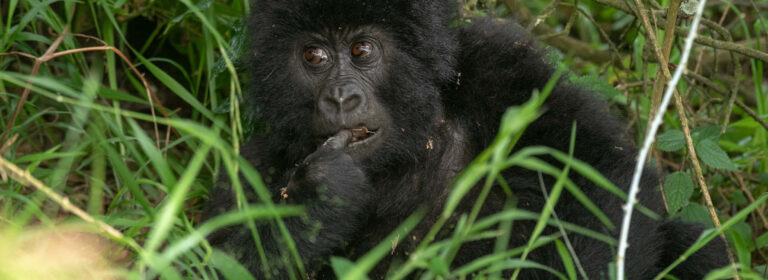
Volcanoes National Park is Rwanda’s principal mountain gorilla trekking destination. Travellers can combine gorilla trekking with organised cultural experiences around Musanze, including Gorilla Guardians Cultural Village. This combination introduces visitors to both the protected mountain environment and the cultural heritage of surrounding communities.
Cultural Safaris and Chimpanzee Tracking
Nyungwe National Park provides opportunities for chimpanzee tracking and other rainforest experiences. Travellers can combine Nyungwe with cultural attractions in Nyanza, Huye and selected communities near the forest. Explore our Chimpanzee Tracking Safaris in Rwanda for further information.
Cultural Safaris and Golden Monkey Tracking
Golden monkey tracking in Volcanoes National Park can complement cultural experiences around Musanze. The combination introduces travellers to Rwanda’s volcanic landscapes, primate conservation and nearby communities.
Cultural Safaris and Akagera National Park
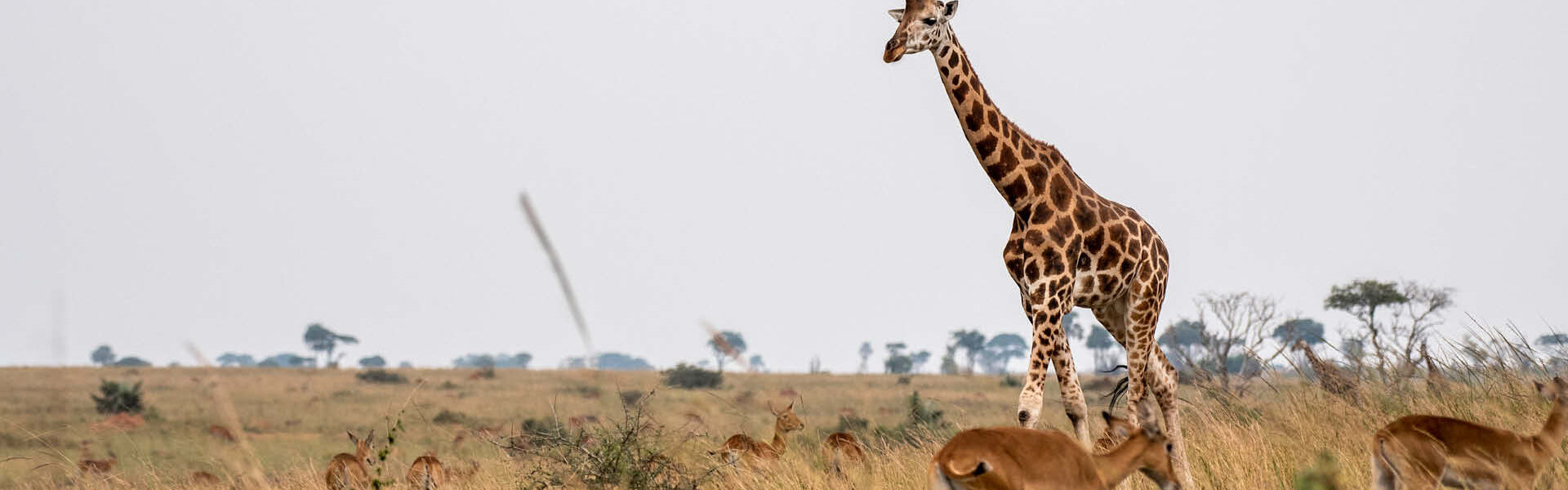
Akagera National Park offers savannah wildlife viewing, game drives and selected boat safari experiences. Longer itineraries can combine Akagera with Kigali’s cultural attractions and selected community experiences. This approach provides a contrast between Rwanda’s historical and contemporary culture and its eastern wildlife landscapes.
Cultural Safaris and Lake Kivu
Lake Kivu offers opportunities for relaxation, scenic exploration and selected cultural encounters. Travellers can explore local markets, lakeside livelihoods and community experiences where suitable arrangements are available. The lake provides an attractive addition to cultural journeys through western Rwanda.
Cultural Safaris and Birdwatching
Rwanda’s forests, wetlands and savannah landscapes provide opportunities for birdwatching alongside cultural exploration. Travellers interested in both nature and heritage can incorporate additional time in Nyungwe, Volcanoes or Akagera National Parks.
Uganda and Rwanda Cultural Safaris
Uganda and Rwanda Cultural Safaris introduce travellers to the heritage and traditions of two neighbouring East African countries. Cross-border journeys may combine Rwanda’s royal history, cultural villages and contemporary art with Uganda’s kingdoms, historical landmarks, cultural institutions and community experiences. These itineraries require appropriate coordination of travel routes, border requirements, accommodation and selected activities. Explore our Cultural Safaris in Uganda for additional experiences across the region.
Planning Your First Rwanda Cultural Safari
A successful Rwanda Cultural Safari begins with selecting experiences that reflect the traveller’s interests and allowing sufficient time for meaningful cultural exploration. Planning should consider the nature of individual attractions, travel distances, visitor requirements and the availability of local hosts.
How Many Days Should You Allow?
A one-day experience can introduce travellers to selected Kigali cultural attractions.
Travellers seeking a broader cultural journey may prefer five to seven days, while extended wildlife and heritage itineraries can require nine to twelve days or longer.
What Should You Wear?
Comfortable, modest and practical clothing is generally suitable for cultural excursions.
Walking shoes are recommended for museums, markets and community visits.
Additional clothing may be required for outdoor experiences in Rwanda’s highlands or during rainy conditions.
Cultural Etiquette and Respectful Interaction
Respectful cultural tourism involves listening to local hosts, observing community guidelines and seeking permission before taking photographs.
Visitors should avoid making assumptions about cultural practices or requesting access to private activities without consent.
Language and Local Communication
Kinyarwanda is widely spoken throughout Rwanda, while English, French and Swahili are also used in different contexts.
Professional guides and local interpreters can help facilitate communication during cultural experiences.
Learning a few basic Kinyarwanda greetings can also contribute to respectful interactions.
Health, Safety and Visitor Requirements
Travellers should follow current destination advice and any site-specific visitor requirements.
Museum and memorial visits may involve security procedures, photography restrictions or other regulations.
Community experiences should be undertaken through appropriate arrangements with local hosts.
Booking and Travel Arrangements
Museum visits, private transport, accommodation and organised cultural experiences should be coordinated before travel.
Some activities require advance reservations, particularly those involving community hosts or specialist demonstrations.
Njagi Safaris can assist with the practical arrangements for the agreed itinerary.
Responsible Community-Based Tourism in Rwanda
Responsible community-based tourism in Rwanda begins with respecting local traditions, protecting cultural heritage and supporting experiences that involve meaningful community participation. Thoughtfully organised cultural activities can strengthen local livelihoods, encourage cultural exchange and contribute to the preservation of Rwanda’s heritage.
Respecting Local Culture and Traditions
Visitors should approach cultural experiences with sensitivity, recognising that traditions, ceremonies and community practices remain important aspects of contemporary Rwandan life.
Following the guidance of local hosts, respecting customary practices and understanding the cultural significance of performances can help create meaningful exchanges. The Rwanda Cultural Heritage Academy provides information about the country’s cultural heritage and preservation initiatives.
Supporting Community-Based Tourism
Community-based tourism creates opportunities for local guides, artisans, performers and small enterprises to participate in Rwanda’s tourism economy.
Travellers can contribute by choosing locally organised experiences, purchasing authentic handicrafts and supporting activities that provide fair compensation to participating communities. Meaningful community involvement helps ensure that tourism benefits extend beyond individual attractions.
Preserving Rwanda’s Cultural Heritage
Rwanda’s museums, historical landmarks and cultural institutions play an important role in documenting and interpreting the country’s heritage. Visitors should observe site regulations, respect historical collections and appreciate the significance of places associated with Rwanda’s cultural identity. UNESCO provides information about Rwanda’s recognised World Heritage properties and heritage conservation.
Responsible Photography and Community Privacy
Photography during cultural experiences should respect personal privacy, community expectations and restrictions established by local hosts. Travellers should request permission before photographing individuals, particularly children, and avoid entering private spaces without invitation. Additional sensitivity is essential at genocide memorials and other sites associated with historical suffering.
Cultural Tourism and Conservation
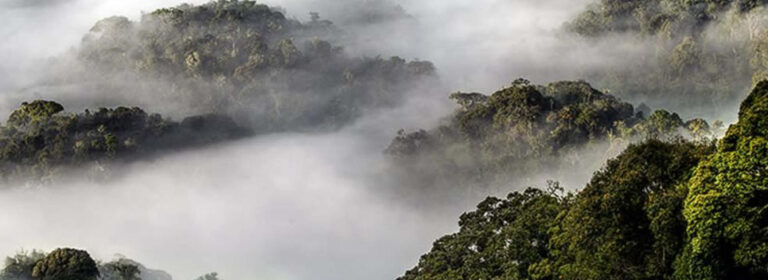
Cultural tourism can complement wildlife conservation by creating economic opportunities for communities living near Rwanda’s protected landscapes. Around Volcanoes and Nyungwe National Parks, community experiences can introduce visitors to local livelihoods, traditional knowledge and the relationship between people and their natural environment.
The Rwanda Development Board provides information about tourism development, investment and conservation-related initiatives. Through responsible planning, Cultural Safaris in Rwanda can connect travellers with the country’s living heritage while encouraging respectful cultural exchange, community participation and conservation awareness.
Why Choose Njagi Safaris for Cultural Safaris in Rwanda?
Njagi Safaris approaches Cultural Safaris in Rwanda through personalised itinerary design, regional destination knowledge and professionally coordinated travel arrangements. Our planning considers each traveller’s interests, available time, preferred accommodation standards and the cultural experiences they wish to explore.
Uganda and Rwanda Destination Knowledge
As a Uganda-based safari operator specialising in Uganda and Rwanda. Our planning considers historical attractions, practical travel routes, accommodation locations and the wider safari experience.
This regional focus supports dedicated Rwanda cultural journeys and suitable cross-border combinations.
Private and Tailor-Made Cultural Safaris
Private itineraries allow travellers to select preferred cultural destinations, accommodation standards and additional activities.
We adapt the route and pace according to the agreed programme while respecting the requirements of individual attractions and local hosts.
Cultural Experiences and Local Coordination
Meaningful cultural tourism requires coordination with museums, guides, cultural centres and community hosts.
Njagi Safaris can assist with arranging suitable experiences as part of an agreed itinerary, subject to availability and local requirements.
Cultural Heritage Combined with Wildlife Experiences
Our safari planning can combine Rwanda’s cultural attractions with mountain gorillas, chimpanzees, golden monkeys, savannah wildlife, birdwatching and scenic travel.
This allows travellers to explore the country’s natural and cultural heritage within one coordinated journey.
Responsible and Professional Travel Planning
Njagi Safaris is the trading name of Njagi (U) SMC Limited, licensed by the Uganda Tourism Board as a Tour and Travel Company.
Our approach emphasises personalised service, respectful cultural engagement and practical coordination of travel arrangements across Uganda and Rwanda.
Frequently Asked Questions About Cultural Safaris in Rwanda
Cultural Safaris in Rwanda are guided journeys exploring the country’s heritage, traditions, historical attractions, arts, community experiences and contemporary cultural life.
Popular experiences include Kigali’s museums and art galleries, Gorilla Guardians Cultural Village, the King’s Palace Museum in Nyanza, the Ethnographic Museum in Huye and selected community-based cultural activities.
Organised cultural experiences are available around Musanze, selected communities near Nyungwe and other destinations offering traditional performances, craftsmanship and local heritage activities.
Gorilla Guardians Cultural Village, historically known as Iby’Iwacu Cultural Village, is an organised cultural attraction near Volcanoes National Park that introduces visitors to selected Rwandan traditions and community experiences.
The King’s Palace Museum is located in Nyanza in southern Rwanda. It introduces visitors to royal heritage, traditional architecture and the cultural significance of Inyambo cattle.
Yes. Kigali offers museums, historical landmarks, contemporary art galleries, craft centres and opportunities to explore modern Rwandan culture.
Yes. The Kigali Genocide Memorial can be incorporated into a cultural and historical itinerary. Visitors should approach the experience respectfully and allow appropriate time for reflection.
The total cost depends on accommodation, private transport, guiding, museum admissions, community activities and itinerary duration. Njagi Safaris prepares personalised quotations according to the agreed arrangements.
Most cultural visits involve attraction admission fees or organised activity reservations rather than a single national cultural safari permit. Wildlife activities such as gorilla trekking require separate official permits.
Cultural experiences are available throughout the year. June to September and December to February generally offer relatively favourable conditions for outdoor activities, although museums and many heritage attractions can be visited during wetter periods.
One day can introduce travellers to Kigali’s cultural attractions, while three to seven days allows broader exploration. Longer itineraries can combine heritage experiences with wildlife and scenic destinations.
Yes. Njagi Safaris can arrange private transport, accommodation and personalised cultural itineraries, with individual experiences subject to local visitor arrangements.
Yes. Museums, craft demonstrations and selected community experiences can be suitable for families. Activities should reflect children’s ages, particularly when visiting memorial sites containing sensitive historical material.
Some organised cultural experiences offer opportunities for voluntary participation in traditional dance activities. Participation depends on the programme and the hosts’ arrangements.
Yes. Organised community-based tourism experiences provide opportunities for respectful interaction with local hosts, subject to availability and community consent.
Visitors may encounter basket weaving, pottery, Imigongo art and other forms of traditional and contemporary craftsmanship through organised workshops, galleries and cultural centres.
Yes. Cultural experiences around Musanze can be combined with mountain gorilla trekking in Volcanoes National Park.
Yes. Cultural attractions in southern Rwanda and selected communities around Nyungwe can be incorporated into itineraries featuring chimpanzee tracking.
Yes. Cultural experiences can be combined with wildlife viewing in Akagera National Park, mountain gorilla trekking in Volcanoes and primate experiences in Nyungwe.
Yes. Cross-border journeys can introduce travellers to the cultural heritage of both countries, subject to border requirements, travel routes and available activities.
Consensual same-sex relationships are not criminalised in Rwanda, although LGBTQ+ travellers may encounter conservative social attitudes, discrimination or harassment. Travellers should consult current official travel advice and consider their individual circumstances before booking.
Comfortable, modest clothing and suitable walking shoes are generally recommended. Additional clothing may be appropriate for outdoor activities and changing highland weather.
Photography should be undertaken with permission and respect for privacy. Some museums, memorials and community activities may restrict photography.
Early planning is advisable, particularly when combining cultural activities with gorilla trekking, preferred accommodation or specialised community experiences.
Contact Njagi Safaris with your preferred travel dates, number of travellers, accommodation expectations and desired cultural experiences. Our team can prepare a personalised itinerary and quotation.
Plan Your Rwanda Cultural Safari
Discover Rwanda’s living traditions, royal heritage and contemporary culture through a professionally coordinated private journey. Our Cultural Safaris in Rwanda combine carefully selected heritage attractions, appropriate local guiding, comfortable accommodation and personalised travel planning.