Cultural Safaris in Uganda
Cultural Safaris in Uganda introduce travellers to the country’s diverse traditions, historical kingdoms, cultural heritage and community experiences. From the royal heritage of Buganda and Tooro to the pastoral traditions of Karamoja, the Batwa cultural experiences of southwestern Uganda and the vibrant performing arts of Kampala, Uganda offers meaningful opportunities to discover the people and traditions that shape its identity.
For travellers seeking experiences beyond conventional wildlife viewing, Cultural Tours in Uganda provide opportunities to explore historical landmarks, traditional communities, cultural institutions, local craftsmanship, music, dance and everyday livelihoods. These journeys reveal the relationship between Uganda’s cultural heritage, regional identities and contemporary society.
Uganda’s cultural attractions can be combined with mountain gorilla trekking in Bwindi Impenetrable National Park, chimpanzee tracking in Kibale National Park, wildlife viewing in Queen Elizabeth and Murchison Falls National Parks, and scenic exploration around Lake Bunyonyi, the Rwenzori Mountains and the Nile.
Njagi Safaris designs private and tailor-made Uganda Cultural Safaris for couples, families, solo travellers, heritage enthusiasts and private groups. Our approach combines personalised itinerary planning, private transport, carefully selected accommodation and thoughtfully coordinated cultural experiences that respect local communities while reflecting each traveller’s interests, available time and preferred accommodation standards.
Explore Our Uganda Cultural Safaris
Our Uganda Cultural Tours introduce travellers to the country’s heritage through professionally coordinated private journeys combining historical landmarks, traditional communities, cultural performances and contemporary cultural attractions.
From shorter heritage excursions in Kampala and central Uganda to extended journeys through western Uganda, Karamoja, Busoga and communities surrounding national parks, itineraries can be developed around different interests, accommodation standards and available travel time. Travellers can explore our featured Uganda Cultural Safari Packages or request a personalised journey combining cultural discovery with wildlife, primate tracking and scenic experiences.
Featured Uganda Cultural Safari Packages
Heritage Trails
Customise Your Uganda Cultural Journey
Every traveller approaches cultural exploration with different interests. Some prefer historical kingdoms and museums, while others wish to experience traditional food, craftsmanship, storytelling, music, community life or regional cultural traditions.
Njagi Safaris can personalise Cultural Safaris in Uganda by adapting travel routes, accommodation, private transport and the time allocated to individual destinations. Explore our Tailor-Made Safaris in Uganda for additional planning options.

Cultural Safaris in Uganda: Why Uganda Is a Remarkable Cultural Destination
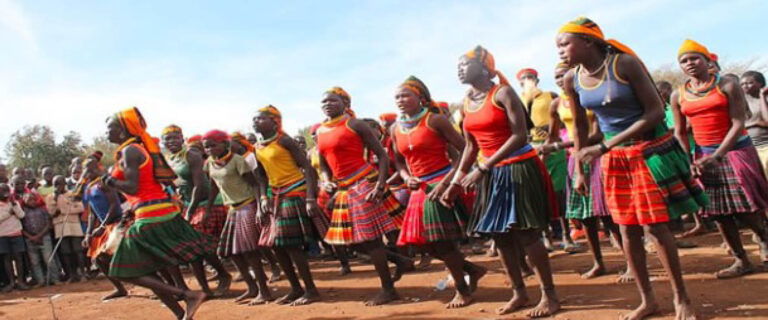
Cultural Safaris in Uganda provide opportunities to explore one of East Africa’s culturally diverse countries, where historical kingdoms, regional traditions, indigenous knowledge and contemporary artistic expression contribute to a rich national heritage.
Uganda’s cultural identity is expressed through languages, music, dance, traditional architecture, craftsmanship, agriculture, food, oral history and community relationships. Historical landmarks, museums, cultural centres and locally organised experiences introduce travellers to these traditions while providing insight into the country’s changing social and cultural landscape.
Uganda’s Cultural Diversity and Living Traditions
Uganda is home to numerous cultural communities whose traditions reflect different historical, geographical and social influences. The Baganda, Banyoro, Batooro, Basoga, Banyankole, Bakiga, Acholi, Langi, Bagisu, Karamojong and many other communities contribute distinctive languages, artistic practices and cultural traditions. Visitors can explore this diversity through organised cultural experiences, historical institutions and respectful encounters with local cultural practitioners.
Traditional Music, Dance and Storytelling
Traditional music and dance remain important expressions of Uganda’s cultural heritage. Performances may introduce travellers to the energetic Kiganda dances, Bakiga dance traditions, Acholi cultural performances, eastern Uganda’s Kadodi drumming traditions and other regional artistic expressions.
Storytelling and oral traditions provide additional opportunities to understand community history, values and cultural identity. Cultural performances should be interpreted within their historical and contemporary contexts rather than treated as complete representations of individual communities.
Uganda’s Historical Kingdoms and Royal Heritage
Uganda’s historical kingdoms have played important roles in governance, cultural identity, social organisation and the preservation of traditions. Buganda, Bunyoro, Tooro and Busoga maintain significant cultural institutions, while the historical heritage of Ankole and other traditional societies remains an important part of the country’s identity. Royal palaces, ceremonial grounds, burial sites and cultural institutions introduce travellers to different aspects of Uganda’s traditional kingdoms and heritage.
Community-Based Cultural Experiences
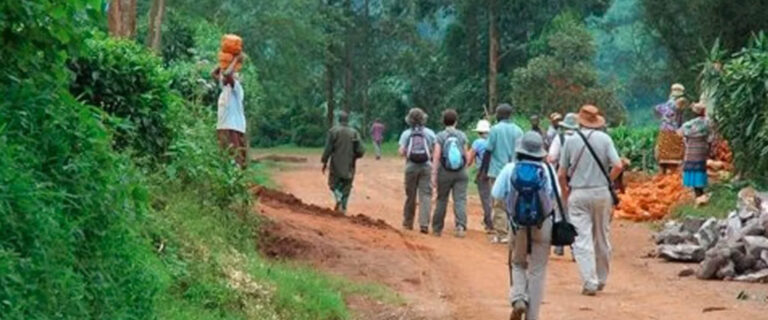
Uganda Community-Based Tourism introduces travellers to locally organised experiences involving craftsmanship, food preparation, farming, traditional knowledge, storytelling and guided community walks. Such experiences can create opportunities for local guides, artisans, cultural performers and community enterprises to participate in tourism. Meaningful engagement depends on community consent, appropriate compensation and respect for the privacy and dignity of local hosts.
Private and Tailor-Made Cultural Safaris
Private Cultural Safaris in Uganda allow travellers to select preferred cultural destinations, accommodation standards, travel routes and the overall pace of their journey. Private transport and personalised planning make it easier to combine several cultural attractions within one itinerary while accommodating regional travel distances. Local guides, museum interpreters, cultural practitioners and community hosts contribute specialist knowledge according to the experiences included.
Cultural Heritage Combined with Wildlife Experiences
Uganda’s cultural attractions can be combined with mountain gorilla trekking, chimpanzee tracking, savannah wildlife viewing, birdwatching and scenic exploration. Travellers visiting Bwindi can explore organised Batwa cultural experiences, while journeys through Kibale and Fort Portal can incorporate Tooro heritage and community activities.
Safaris through northeastern Uganda can combine cultural experiences in Karamoja with wildlife exploration in Kidepo Valley National Park. These combinations introduce visitors to the relationship between Uganda’s natural landscapes and the communities connected to them.
Best Places for Cultural Safaris in Uganda
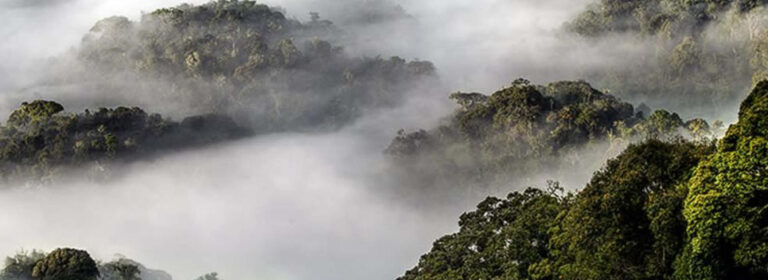
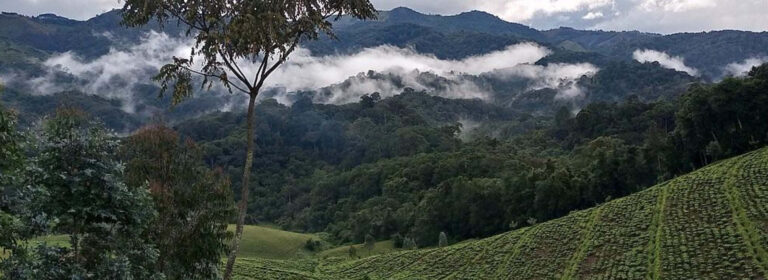
The Best Cultural Experiences in Uganda are distributed across Kampala, central Uganda, the western highlands, eastern Uganda, northern Uganda and Karamoja. Each region offers a different perspective on Uganda’s heritage, traditional institutions, contemporary life and cultural expression.
Kampala: Museums, Heritage and Contemporary Culture
Kampala is an important starting point for Kampala Cultural Tours, offering opportunities to explore historical landmarks, museums, traditional institutions, contemporary art, markets and cultural performances. The Uganda Museum introduces visitors to aspects of the country’s archaeology, ethnography, natural history and cultural heritage.
Other attractions include selected Buganda heritage sites, cultural centres, craft markets and historical places associated with Kampala’s development. The Ndere Cultural Centre is particularly associated with performances celebrating Uganda’s regional music and dance traditions.
Buganda Kingdom and the Kasubi Royal Tombs
Buganda Kingdom preserves important aspects of central Uganda’s royal heritage, cultural traditions and historical institutions. The Kasubi Royal Tombs in Kampala are associated with the burial of Buganda kings and remain an important cultural and spiritual site. The site is recognised by UNESCO for its cultural significance and traditional architectural heritage.
Other Buganda attractions include the Kabaka’s Palace at Mengo, Bulange and selected ceremonial landmarks. The Uganda Museums and Monuments website provides additional information about the Kasubi Royal Tombs.
Uganda Museums
Tooro Kingdom and Fort Portal Cultural Heritage
Fort Portal provides opportunities to explore the cultural heritage of Tooro Kingdom and the traditions of the Batooro people. The Tooro royal palace, Karambi Royal Tombs and selected historical attractions introduce visitors to the kingdom’s institutions and royal history.
Cultural experiences may also include traditional food, storytelling, community activities and local craftsmanship. Fort Portal is particularly suitable for travellers combining heritage exploration with chimpanzee tracking in Kibale National Park and scenic visits around the crater lakes.
Bunyoro Kingdom and Western Uganda’s Historical Heritage
Bunyoro-Kitara occupies an important place in Uganda’s historical development, particularly through its royal institutions and resistance to colonial expansion. Cultural journeys around Hoima and the wider Bunyoro region can introduce travellers to royal history, traditional institutions and historical landmarks.
The legacy of Omukama Kabalega provides an important starting point for understanding Bunyoro’s political and cultural history. Suitable experiences depend on the availability of cultural guides, institutional access and visitor arrangements.
Ankole Cultural Experiences and Long-Horned Cattle
The Ankole region of southwestern Uganda is associated with pastoral traditions, distinctive long-horned cattle and a rich cultural heritage. Organised cultural experiences may introduce travellers to cattle keeping, milk processing, traditional food, homestead activities and regional history.
Nshenyi Cultural Village and selected community initiatives offer opportunities to learn about Ankole traditions through locally coordinated activities. These experiences can be incorporated into journeys connecting Mbarara, Lake Mburo National Park and southwestern Uganda.
Batwa Cultural Experiences Around Bwindi and Mgahinga
Batwa cultural experiences introduce travellers to the heritage, traditional knowledge and contemporary lives of Batwa communities in southwestern Uganda. Organised activities may include storytelling, traditional music, craft demonstrations and interpretation of historical forest-based livelihoods.
Experiences should be arranged through appropriate community organisations and interpreted with sensitivity to the displacement and social challenges experienced by Batwa communities. These visits can complement gorilla trekking in Bwindi Impenetrable and Mgahinga Gorilla National Parks.
Karamoja and Karamojong Cultural Experiences
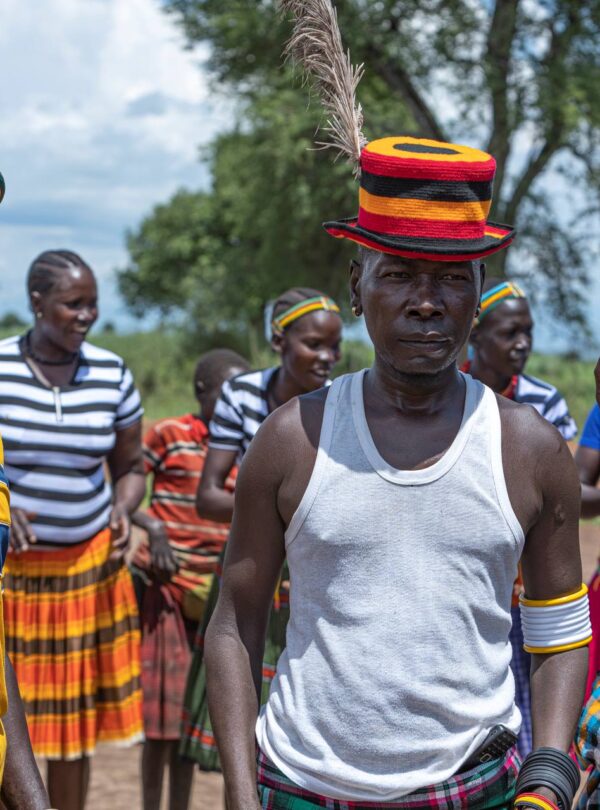
Karamoja in northeastern Uganda offers opportunities to learn about pastoral traditions, community life, traditional architecture and the cultural heritage of Karamojong communities. Organised experiences may include guided village visits, introductions to cattle-related traditions, local craftsmanship and community storytelling.
Cultural visits should be coordinated through willing local hosts and knowledgeable guides, with careful attention to community expectations and visitor safety. Karamoja can be incorporated into longer journeys combining cultural exploration with Kidepo Valley National Park.
Busoga Kingdom, Jinja and Nile Cultural Heritage
Eastern Uganda offers cultural experiences associated with Busoga Kingdom, the Nile and the traditions of communities surrounding Jinja. Visitors can explore selected historical landmarks, cultural institutions, local markets and community experiences.
The cultural significance of the Nile provides opportunities to understand the relationship between regional traditions, historical beliefs and contemporary livelihoods. Jinja can be incorporated into shorter cultural excursions from Kampala or longer eastern Uganda itineraries.
Mount Elgon, Bagisu and Sebei Cultural Traditions
The Mount Elgon region is associated with the cultural heritage of the Bagisu and Sebei communities. Organised experiences may introduce travellers to traditional food, agriculture, craftsmanship, music and regional cultural practices.
The Imbalu initiation tradition holds particular cultural significance among the Bagisu, although access to ceremonies and related activities must respect community protocols. Cultural exploration can complement visits to Sipi Falls, Mount Elgon and surrounding highland landscapes.
Northern Uganda and Acholi Cultural Heritage
Northern Uganda offers opportunities to explore Acholi cultural traditions, historical experiences, music, dance and contemporary community life. Gulu and surrounding areas can provide starting points for organised cultural encounters, local heritage interpretation and visits to selected community initiatives.
Travellers should recognise the importance of northern Uganda’s recent history and approach sensitive historical experiences with respect. Cultural visits can be incorporated into longer journeys towards Murchison Falls or Kidepo Valley National Park.
Choosing the Right Cultural Destinations in Uganda
Kampala and Buganda are particularly suitable for travellers interested in museums, royal heritage and contemporary culture. Fort Portal, Ankole and southwestern Uganda offer opportunities to combine cultural experiences with primate tracking and scenic exploration. Karamoja and northern Uganda are attractive for travellers seeking extended regional cultural journeys, while Jinja and Mount Elgon provide eastern Uganda alternatives.
What to Expect During Cultural Safaris in Uganda
Cultural Experiences in Uganda vary according to the destination, cultural institution, activity and community involved. Some experiences involve structured museum visits and historical interpretation, while others include performances, guided community encounters, craft demonstrations or opportunities to participate in selected activities. Understanding these differences helps travellers approach cultural tourism with appropriate expectations and respect.
Cultural Introductions and Local Guiding
Cultural visits often begin with an introduction from a guide, museum interpreter, cultural representative or community host. Travellers may learn about the history of the location, the significance of particular traditions and the appropriate behaviour expected during the visit. Local interpretation provides valuable context, particularly when exploring historical kingdoms or cultural practices unfamiliar to international visitors.
Traditional Dance and Music Performances
Organised cultural experiences may include traditional drumming, singing, dance and storytelling. Performances can introduce travellers to the artistic traditions of different Ugandan communities, including Kiganda, Bakiga, Acholi and other regional expressions. Some programmes offer opportunities for voluntary visitor participation, depending on the hosts and the nature of the activity.
Traditional Crafts and Artistic Demonstrations
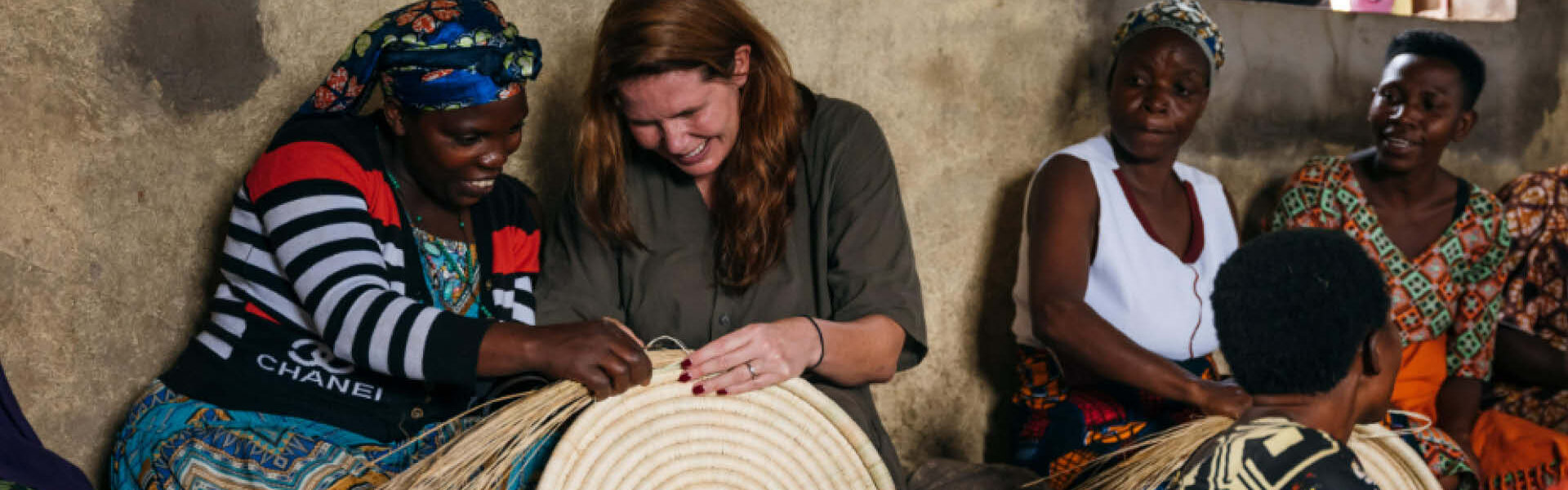
Craft experiences may introduce travellers to barkcloth making, basket weaving, pottery, woodcarving, beadwork and other artistic traditions. Where workshops are available, visitors can learn about the materials, techniques and cultural significance of individual crafts. Purchasing authentic products directly from artisans can help support local creative enterprises.
Food, Agriculture and Everyday Cultural Practices
Selected cultural programmes may include traditional food preparation, agricultural activities, cattle keeping, local markets or introductions to community livelihoods. These experiences provide insight into the relationship between food, land, family life and regional traditions. Participation should be organised through willing hosts without interfering with ordinary household or community activities.
Respectful Photography and Cultural Interaction
Photography should respect individual privacy, cultural expectations and restrictions established by local hosts. Travellers should request permission before photographing people, particularly children, private homes, ceremonial activities or sacred places. Some royal institutions, museums and religious sites may restrict photography.
Uganda Cultural Heritage Sites and Historical Museums
Uganda Cultural Heritage Tours provide opportunities to understand the country’s history through museums, royal institutions, archaeological landmarks and carefully interpreted historical sites. These experiences introduce travellers to precolonial societies, traditional governance, religious heritage, colonial history and the development of contemporary Uganda.
Historical visits are particularly rewarding when supported by knowledgeable guides who explain the relationship between individual sites and the communities associated with them.
Uganda Museum and National Heritage Collections
The Uganda Museum in Kampala is one of the country’s principal institutions for the preservation and interpretation of cultural and historical collections. Its exhibitions introduce visitors to traditional musical instruments, archaeological discoveries, ethnographic objects and aspects of Uganda’s natural and cultural history. The museum provides a useful introduction to the country’s diversity before travellers explore individual cultural regions.
Kasubi Royal Tombs and Buganda Royal Traditions
The Kasubi Royal Tombs preserve important aspects of Buganda’s royal heritage and traditional architecture. The site is associated with the burial of several Kabakas and retains considerable spiritual and cultural significance for the Baganda people. Visits should respect the guidance of custodians, cultural protocols and any restrictions affecting access to particular areas.
Kabaka’s Palace, Bulange and Buganda Historical Sites
The Kabaka’s Palace at Mengo and Bulange provide opportunities to learn about Buganda’s historical monarchy and cultural institutions. Bulange is associated with the kingdom’s administrative and legislative functions, while Mengo has important historical connections to royal governance and Uganda’s political history. Other Buganda landmarks, including selected coronation grounds and ceremonial sites, may be incorporated into specialised heritage journeys.
Tooro Royal Palace and Karambi Royal Tombs
The Tooro royal palace in Fort Portal introduces travellers to the history and cultural institutions of Tooro Kingdom. Karambi Royal Tombs provide additional insight into royal burial traditions and the preservation of historical memory. These attractions can be incorporated into journeys through western Uganda, particularly when combined with Kibale National Park and surrounding scenic destinations.
Nyero Rock Paintings and Archaeological Heritage
The Nyero Rock Paintings in eastern Uganda are among the country’s notable archaeological attractions. The paintings provide opportunities to explore prehistoric artistic expression and archaeological interpretations of the region’s past. Guided visits should distinguish established archaeological findings from local traditions and interpretations. Nyero can be incorporated into longer cultural journeys through eastern and northeastern Uganda.
Uganda’s Religious and Historical Landmarks
Uganda’s religious heritage includes sites associated with Christianity, Islam and other religious traditions. The Uganda Martyrs’ Shrine at Namugongo is an important pilgrimage and historical destination, while selected mosques, churches and religious institutions contribute to Kampala’s cultural landscape. Visits should respect worship activities, dress requirements and restrictions on photography.
Planning Museum and Heritage Visits
Museum and heritage visits should be coordinated around current opening hours, admission fees, visitor categories and site-specific restrictions. Travellers may prefer to combine nearby attractions within the same day while allowing sufficient time for interpretation. The Uganda Museums and Monuments portal provides information about recognised cultural sites and heritage institutions.
Traditional Villages and Community-Based Cultural Experiences in Uganda
Traditional Villages in Uganda and community-based tourism initiatives provide opportunities to learn about local customs, traditional knowledge, craftsmanship, livelihoods and cultural expression.
These experiences are most meaningful when organised with the participation of local hosts and when travellers recognise that communities are living societies rather than attractions created solely for tourism.
Batwa Cultural Experiences in Southwestern Uganda
Organised Batwa cultural activities around Bwindi and Mgahinga introduce visitors to traditional knowledge, storytelling, crafts and historical forest-based practices. Depending on the community initiative, experiences may include guided walks, cultural performances and demonstrations of traditional skills. Such visits should acknowledge the historical displacement of Batwa communities and prioritise respectful participation through appropriate local organisations.
Karamojong Community Experiences
Community experiences in Karamoja can introduce travellers to pastoral livelihoods, traditional homestead arrangements, craftsmanship and regional cultural practices. Activities may include guided community walks, discussions with local hosts and introductions to cattle-related traditions. Experiences should be organised through community representatives, with clear expectations regarding participation, photography and compensation.
Ankole Cultural Villages and Pastoral Traditions
Selected community experiences in Ankole introduce visitors to cattle keeping, milk processing, traditional cuisine and the cultural importance of long-horned cattle. Organised village programmes may provide opportunities to observe or participate in suitable activities under local guidance. These experiences are particularly relevant for travellers exploring Mbarara, Lake Mburo and southwestern Uganda.
Community Walks and Local Livelihoods
Guided community walks can introduce travellers to farming, markets, local enterprises, crafts and contemporary village life. Experiences around Kibale, Bwindi, Lake Bunyonyi and other established safari destinations may provide opportunities for community interaction. Activities should reflect the interests and consent of participating hosts rather than treating private households as unrestricted visitor attractions.
Traditional Barkcloth, Basket Weaving and Pottery
Barkcloth making is an important aspect of Buganda’s cultural heritage, while basket weaving, pottery and other crafts are practised in different regions of Uganda. Organised demonstrations can introduce travellers to the preparation of materials, traditional techniques and the contemporary economic value of craftsmanship. Workshops may also provide opportunities to purchase products directly from local artisans.
Coffee, Food and Agricultural Cultural Experiences
Coffee growing, food production and agricultural livelihoods contribute to Uganda’s contemporary cultural landscape. Selected organised experiences may introduce travellers to coffee cultivation, processing, local cuisine and regional farming practices. These activities can complement cultural journeys through Mount Elgon, western Uganda and other agricultural regions.
Cultural Tourism and Community Benefits
Community-based tourism can contribute to employment, cultural preservation, small enterprises and opportunities for locally owned services. The benefits depend on how activities are organised, how participants are compensated and the extent to which communities influence tourism decisions.
Private and Tailor-Made Cultural Safaris in Uganda
Private Cultural Safaris in Uganda provide flexibility in destination selection, travel routes, accommodation and the combination of cultural experiences. Njagi Safaris develops personalised itineraries around travel dates, group size, preferred accommodation standards and the experiences guests wish to explore.
Cultural Safaris for Couples
Couples can combine historical attractions, cultural performances, private transfers and scenic accommodation. A journey may include Kampala’s heritage attractions, cultural experiences around Fort Portal and relaxation beside Lake Bunyonyi. The itinerary can balance organised activities with personal time and opportunities for scenic exploration.
Family Cultural Safaris
Uganda’s museums, craft demonstrations, cultural performances and selected community experiences can provide educational opportunities for families. Activities should be chosen according to children’s ages, interests and the physical requirements of individual visits. Njagi Safaris can assist with age-appropriate planning, suitable accommodation and manageable travel distances.
Cultural Safaris for Solo Travellers
Solo travellers can explore Uganda’s heritage through private transport, guided historical visits and organised cultural activities. The itinerary can focus on individual interests such as history, traditional architecture, photography, anthropology, food or contemporary society. Private arrangements can provide flexibility while allowing appropriate opportunities for interaction with local guides and cultural hosts.
Luxury Cultural Safaris in Uganda
Luxury cultural journeys combine selected heritage experiences with refined accommodation, private transport and personalised travel arrangements. Travellers may prefer boutique hotels in Kampala, distinctive lodges around Fort Portal, high-end accommodation near Bwindi or scenic properties overlooking Lake Bunyonyi. Accommodation enhances the wider journey while cultural activities remain subject to local arrangements and visitor guidelines.
Cultural Photography Safaris
Cultural photography journeys can focus on traditional architecture, crafts, performances, historical landmarks, landscapes and contemporary urban life. Photographers should obtain permission before photographing individuals and respect restrictions at cultural institutions, sacred places and community locations. Careful planning allows time for meaningful engagement rather than hurried photography.
Flexible Routes and Accommodation
A tailor-made journey allows travellers to select cultural destinations and combine them with wildlife, primate tracking, scenic travel and relaxation. Njagi Safaris considers travel distances, accommodation locations, visitor schedules and personal preferences when preparing an itinerary. Explore our Accommodation Collection and Private Safaris in Uganda for additional planning options.
Sample Uganda Cultural Safari Itineraries
The following Uganda Cultural Safari Itinerary examples illustrate how cultural experiences can be incorporated into journeys of different lengths. These are suggested planning concepts rather than confirmed departures or fixed-price packages. Each itinerary can be adapted according to travel dates, available experiences, accommodation preferences and additional interests. Explore our How Many Days for a Uganda Safari? guide.
1-Day Kampala Cultural and Heritage Tour
A one-day Kampala experience can introduce travellers to the Uganda Museum, selected Buganda heritage attractions and contemporary cultural institutions. Depending on visitor preferences and site availability, the programme may include the Kasubi Royal Tombs, Kabaka’s Palace or an organised cultural performance. This itinerary is suitable for travellers with limited time in the capital.
2-Day Kampala and Buganda Royal Heritage Tour
A two-day journey can provide a more detailed introduction to Buganda’s royal history and cultural institutions. Travellers may explore the Kasubi Royal Tombs, Mengo, Bulange and selected cultural attractions around Kampala. The additional time allows for historical interpretation, cultural performances and visits to appropriate craft centres.
3-Day Kampala, Jinja and Busoga Cultural Safari
A three-day journey can combine Kampala’s historical attractions with cultural experiences in Jinja and the wider Busoga region. Travellers may explore selected kingdom-related landmarks, local markets and cultural attractions associated with the Nile. The programme can include scenic exploration and organised community experiences.
4-Day Fort Portal and Tooro Cultural Heritage Safari
A four-day journey can focus on Tooro Kingdom, Fort Portal and the surrounding cultural landscape. Possible experiences include the Tooro royal palace, Karambi Royal Tombs, local food experiences and selected community activities. The itinerary can incorporate scenic exploration around the crater lakes.
5-Day Ankole and Western Uganda Cultural Safari
A five-day journey can introduce travellers to the pastoral traditions of Ankole and cultural experiences around Mbarara. Activities may include organised community visits, long-horned cattle experiences, traditional food and selected historical attractions. Lake Mburo National Park can be incorporated for wildlife viewing and scenic exploration.
6-Day Uganda Cultural Heritage and Community Safari
A six-day journey can connect Kampala with selected cultural destinations in central and western Uganda. Possible experiences include Buganda royal heritage, Tooro historical attractions and organised community activities around Fort Portal. The route can be adapted according to available cultural programmes and preferred accommodation.
7-Day Uganda Gorilla Trekking and Cultural Safari
A seven-day journey can combine mountain gorilla trekking in Bwindi Impenetrable National Park with selected cultural experiences in southwestern Uganda. Activities may include organised Batwa cultural experiences, local craftsmanship and community visits, together with scenic exploration around Lake Bunyonyi. The programme introduces travellers to both Uganda’s natural and cultural heritage.
9-Day Uganda Cultural, Primate and Wildlife Safari
A nine-day journey can combine cultural attractions with selected wildlife and primate experiences. Depending on the route, destinations may include Kampala, Fort Portal, Kibale National Park, Queen Elizabeth National Park and Bwindi. The itinerary can incorporate chimpanzee tracking, cultural heritage visits, community activities and wildlife viewing.
12-Day Uganda Cultural Heritage and Wildlife Safari
An extended journey can combine Uganda’s principal cultural destinations with mountain gorillas, chimpanzees, savannah wildlife and scenic landscapes. Possible destinations include Kampala, Fort Portal, Kibale, Queen Elizabeth, Bwindi, Lake Bunyonyi and selected cultural communities along the route. This approach suits travellers seeking a broader introduction to Uganda’s cultural and natural attractions.
16-Day Uganda Cultural Diversity and Regional Heritage Safari
A longer cultural journey can explore several regions of Uganda, incorporating historical kingdoms, community experiences and distinctive regional traditions. Depending on the selected route, destinations may include Kampala, Jinja, Mount Elgon, Karamoja, northern Uganda and western Uganda. The itinerary requires careful coordination of travel distances, accommodation, local guiding and community activities.
Best Time for Cultural Safaris in Uganda
The Best Time for Cultural Safaris in Uganda depends on the selected activities, travel conditions, cultural events, museum schedules and community arrangements. Many cultural attractions can be visited throughout the year, although rainfall and regional road conditions may influence outdoor experiences. Travellers should also consider public holidays, traditional ceremonies and the availability of organised cultural activities. Explore our Best Time to Visit Uganda: Safari Seasons, Weather and Travel Costs Guide.
June to September
June to September generally provides relatively favourable conditions for outdoor cultural visits in much of southern Uganda. These months can be suitable for community walks, heritage excursions and journeys combining cultural experiences with gorilla trekking or wildlife viewing. Some northern and northeastern regions follow different rainfall patterns, so conditions should be assessed according to the selected route.
December to February
December to February is another generally favourable period for cultural exploration across many parts of Uganda. Travellers may combine museum visits, cultural performances and community experiences with wildlife activities and scenic travel. Accommodation and specialist activities should be arranged early during popular travel periods.
March to May
March to May is associated with increased rainfall across much of southern Uganda. Indoor attractions, including museums and cultural institutions, remain useful options during wetter conditions. Outdoor community experiences and journeys on rural roads may require additional flexibility.
October and November
October and November can experience increased rainfall in parts of southern Uganda. Cultural safaris remain possible, although outdoor activities and road conditions may be affected by changing weather. Conditions in northern and northeastern Uganda may differ from those in the south.
Cultural Events and Traditional Ceremonies
Uganda’s cultural calendar includes kingdom celebrations, traditional ceremonies, religious festivals and community events. Examples include selected royal celebrations, the Buganda Kabaka’s Birthday activities and Imbalu-related cultural events in the Mount Elgon region. Dates, access arrangements and visitor participation should be confirmed with relevant organisers.
Choosing Dates Around Cultural Experience Availability
Cultural activities should be coordinated with the availability of local hosts, museum schedules and organised performances. Not every community experience operates daily, and some activities require advance arrangements.
How Much Does a Cultural Safari in Uganda Cost?
The Uganda Cultural Safari Cost depends on itinerary duration, museum admissions, community experience fees, accommodation, private transport, guiding and additional activities. Most cultural attractions do not require a single national cultural safari permit. Instead, costs are generally associated with individual attractions, organised activities and wider travel arrangements.
Museum and Heritage Site Admission Fees
Uganda’s museums and heritage attractions may apply admission fees according to the site and visitor category. Specialist guided experiences or restricted-access visits may involve additional arrangements. Applicable fees should be confirmed with the relevant institution before finalising the itinerary.
Cultural Village and Community Experience Fees
Organised cultural village visits and community activities may involve participation fees, guiding charges or payments to local hosts. Costs vary according to the activity, group size and arrangements. Travellers should understand what is included and how the experience is organised.
Safari Duration and Route
A short Kampala cultural tour generally involves fewer accommodation nights and transport requirements than an extended regional heritage journey. Longer itineraries incorporating Fort Portal, Bwindi, Karamoja, Mount Elgon or northern Uganda require additional transfers and accommodation. The route influences both the total cost and the time available for individual experiences.
Accommodation Standards
Accommodation ranges from comfortable guesthouses and city hotels to safari lodges, boutique properties and distinctive high-end accommodation. The selected accommodation collection can significantly influence the overall safari cost. Location should also be considered when planning heritage visits, community activities and longer travel routes.
Private Transport and Professional Guiding
Private transport, suitable vehicles and professional guiding contribute to the total safari cost. Local cultural interpreters and community hosts may provide specialist knowledge at individual attractions. These arrangements should be clearly reflected in the agreed itinerary.
Additional Safari Activities
Gorilla trekking, chimpanzee tracking, wildlife viewing, boat excursions and other activities introduce additional costs. The final quotation should distinguish included experiences from optional additions and identify any permits required.
Personalised Uganda Cultural Safari Quotations
Njagi Safaris prepares quotations based on travel dates, group size, accommodation preferences, selected cultural activities and the agreed itinerary. A personalised quotation provides a clearer understanding of the complete journey than individual attraction fees alone.
Accommodation for Cultural Safaris in Uganda
Accommodation plays an important role in the comfort and practicality of Cultural Safaris in Uganda. The most suitable property depends on its location, facilities, atmosphere, preferred accommodation standard and access to the attractions included in the itinerary.
Accommodation in Kampala and Entebbe
Kampala and Entebbe offer accommodation ranging from comfortable guesthouses and city hotels to boutique properties and international-standard hotels. Staying in Kampala can be practical for museum visits, Buganda heritage attractions, cultural performances and urban experiences. Entebbe provides convenient access to the international airport and can serve as the starting or finishing point for a longer cultural safari.
Accommodation Around Fort Portal and Tooro
Fort Portal offers accommodation suited to travellers exploring Tooro Kingdom and the surrounding cultural landscape. Properties range from comfortable town hotels to distinctive countryside lodges and scenic accommodation around the crater lakes. Location should be considered when combining cultural attractions with Kibale National Park.
Accommodation Around Mbarara and Ankole
Mbarara and surrounding areas provide accommodation suitable for travellers exploring Ankole cultural traditions and western Uganda. Properties vary in comfort, facilities and access to community experiences. Accommodation around Lake Mburo National Park can support journeys combining cultural activities with wildlife viewing.
Accommodation Near Bwindi and Mgahinga
The Bwindi and Mgahinga regions offer accommodation suited to travellers combining gorilla trekking with organised Batwa cultural experiences. Lodges vary considerably in comfort, location and access to individual trekking sectors. Accommodation should be selected according to the assigned trekking location and the wider itinerary.
Accommodation in Karamoja and Northeastern Uganda
Accommodation in Karamoja includes selected guesthouses, camps and safari lodges serving regional destinations. The availability of higher-end accommodation is more limited than in Uganda’s established southwestern safari circuit. Travel routes, comfort expectations and access to community experiences should be considered carefully.
Accommodation Around Jinja and Mount Elgon
Jinja offers riverside accommodation, guesthouses, hotels and selected boutique properties. The Mount Elgon and Sipi Falls region provides scenic accommodation suitable for travellers combining cultural activities with hiking and landscape exploration. Properties should be selected according to the experiences and travel routes included.
Choosing the Right Accommodation Collection
Njagi Safaris considers accommodation comfort, location and itinerary practicality when recommending properties. The wider Accommodation Collection provides additional standards. The most suitable accommodation is determined by the traveller’s expectations and the requirements of the itinerary, not by price alone.
Cultural Tours from Kampala
Uganda Cultural Tours from Kampala provide convenient opportunities to explore the country’s heritage through city experiences, day excursions and longer private journeys. Kampala is an important starting point because of its accommodation facilities, cultural attractions and connections to Uganda’s principal road network.
Kampala Cultural and Historical City Tours
Guided Kampala tours can include the Uganda Museum, Buganda heritage attractions, historical landmarks, contemporary art galleries and selected craft markets. Travellers may also explore cultural centres, religious landmarks and organised performances introducing Uganda’s regional traditions. The itinerary should be adapted according to individual interests, available time and attraction opening hours.
Day Trips from Kampala to Cultural Attractions
Selected cultural destinations outside Kampala can be incorporated into day excursions, depending on travel distances and the time required at each attraction. Possible experiences include Buganda heritage sites, craft workshops and selected community activities around central Uganda. Longer journeys may be more appropriate when combining several historical attractions.
Kampala to Jinja Cultural Experiences
The road journey from Kampala to Jinja connects the capital with eastern Uganda and the cultural landscape surrounding the Nile. Travellers can explore selected Busoga heritage attractions, local markets and organised community experiences. Jinja’s scenic setting also provides opportunities to combine cultural exploration with Nile excursions.
Kampala to Western Uganda Heritage Sites
Travellers can explore Tooro, Ankole and selected cultural destinations through westbound journeys from Kampala. The route provides opportunities to incorporate royal heritage, traditional livelihoods, community experiences and scenic landscapes. These experiences can be combined with Kibale, Queen Elizabeth, Lake Mburo or Bwindi, depending on the itinerary.
Combining Kampala with Other Uganda Destinations
Kampala can serve as the starting or finishing point for journeys incorporating western Uganda, Jinja, Mount Elgon, Karamoja and northern Uganda. Private transport allows cultural experiences to be integrated into the wider safari programme while considering travel distances and suitable overnight stops.
Combining Cultural Safaris with Gorillas, Wildlife and Scenic Experiences
Uganda Gorilla Trekking and Cultural Tours allow travellers to combine remarkable wildlife encounters with opportunities to understand the traditions, communities and historical influences associated with Uganda’s landscapes. Cultural experiences can be incorporated into both shorter safaris and extended journeys across the country.
Cultural Safaris and Gorilla Trekking
Bwindi Impenetrable and Mgahinga Gorilla National Parks are Uganda’s principal mountain gorilla trekking destinations. Travellers can combine gorilla trekking with organised Batwa cultural experiences, local craftsmanship and selected community activities. This combination introduces visitors to both the protected forest environment and the cultural heritage of surrounding communities.
Cultural Safaris and Chimpanzee Tracking
Kibale National Park provides opportunities for chimpanzee tracking and other rainforest experiences. Travellers can combine Kibale with Tooro cultural attractions in Fort Portal, community walks and selected local heritage experiences. The itinerary can provide a balance between primate encounters, historical interpretation and community participation.
Cultural Safaris and Queen Elizabeth National Park
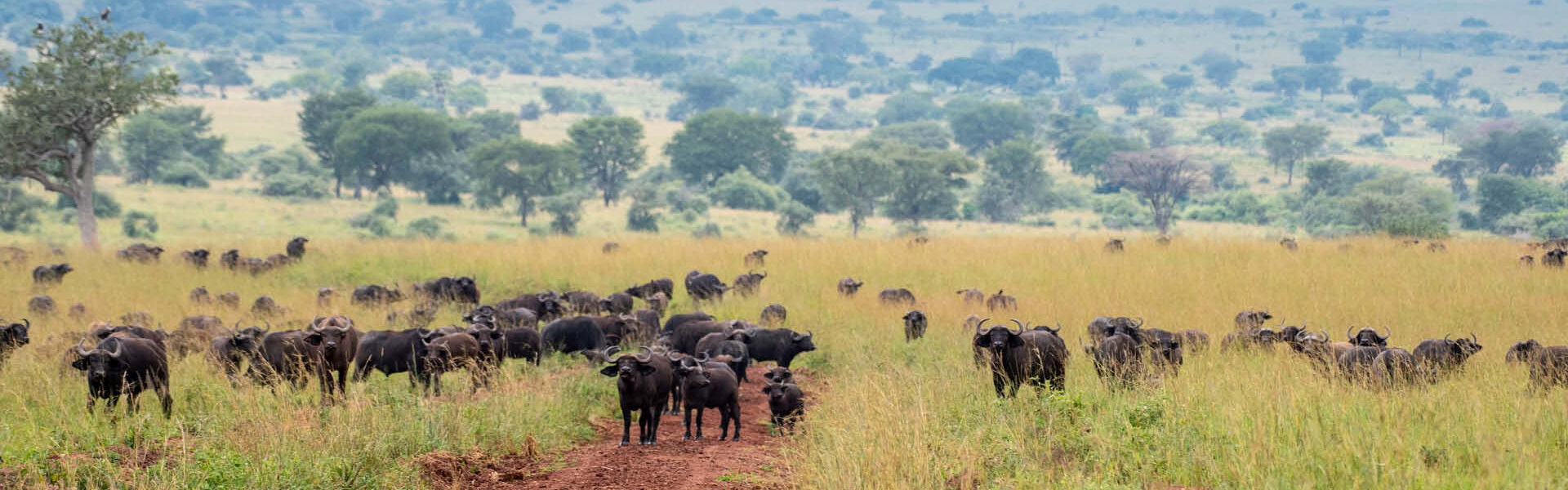
Queen Elizabeth National Park offers wildlife viewing, game drives and boat safaris along the Kazinga Channel. Cultural experiences can be incorporated into journeys through the surrounding communities and the wider western Uganda region. These combinations provide opportunities to explore both wildlife conservation and contemporary livelihoods.
Cultural Safaris and Murchison Falls National Park
Murchison Falls National Park offers savannah wildlife viewing, Nile boat excursions and dramatic river landscapes. Longer journeys can combine the park with selected cultural attractions in central or northern Uganda. This approach introduces travellers to Uganda’s historical and contemporary culture alongside its natural attractions.
Cultural Safaris and Kidepo Valley National Park
Kidepo Valley National Park can be combined with organised cultural experiences in the wider Karamoja region. Travellers may explore pastoral traditions, local craftsmanship and community activities alongside wildlife viewing. Such journeys require careful planning of travel routes, accommodation and local arrangements.
Cultural Safaris and Lake Bunyonyi
Lake Bunyonyi offers scenic relaxation, boat excursions and opportunities for selected community experiences. Travellers can explore local livelihoods, traditional craftsmanship and the cultural landscape of the surrounding highlands. The lake provides an attractive addition to cultural journeys through southwestern Uganda.
Cultural Safaris and Birdwatching
Uganda’s forests, wetlands, savannahs and highlands offer opportunities for birdwatching alongside cultural exploration. Travellers interested in both nature and heritage can incorporate additional time around Mabamba, Kibale, Bwindi, Lake Bunyonyi or selected eastern Uganda destinations.
Uganda and Rwanda Cultural Safaris
Uganda and Rwanda Cultural Safaris introduce travellers to the heritage and traditions of two neighbouring East African countries. Cross-border journeys may combine Uganda’s historical kingdoms, community experiences and cultural institutions with Rwanda’s royal heritage, museums, traditional arts and contemporary cultural attractions.
These itineraries require appropriate coordination of travel routes, border requirements, accommodation and selected activities. Explore our Cultural Safaris in Rwanda for additional experiences across the region.
Planning Your First Uganda Cultural Safari
A successful Uganda Cultural Safari begins with selecting experiences that reflect the traveller’s interests and allowing sufficient time for meaningful cultural exploration. Planning should consider travel distances, visitor requirements, the nature of individual attractions and the availability of local hosts.
How Many Days Should You Allow?
A one-day experience can introduce travellers to selected Kampala cultural attractions.
Two to four days allows opportunities to explore additional heritage sites in central or western Uganda. Travellers seeking broader cultural journeys may prefer five to seven days.
What Should You Wear?
Comfortable, modest and practical clothing is generally suitable for cultural excursions.
Walking shoes are recommended for museums, markets and community visits.
Travellers should follow any specific dress guidance provided for individual cultural institutions or activities.
Cultural Etiquette and Respectful Interaction
Respectful cultural tourism involves listening to local hosts, observing community guidelines and seeking permission before taking photographs.
Visitors should avoid making assumptions about cultural practices or requesting access to private activities without consent.
Language and Local Communication
English and Swahili are official languages in Uganda, while numerous indigenous languages are spoken across the country.
Luganda is widely used in central Uganda, with other regional languages including Runyoro, Rutooro, Runyankore, Rukiga, Lusoga, Ateso and Acholi.
Learning a few appropriate greetings can also contribute to respectful interactions.
Health, Safety and Visitor Requirements
Travellers should follow current destination advice and any site-specific visitor requirements.
Some cultural destinations involve rural travel, walking or access arrangements that require advance coordination.
Community experiences should be undertaken through appropriate arrangements with local hosts.
Booking and Travel Arrangements
Museum visits, private transport, accommodation and organised cultural experiences should be coordinated before travel.
Some activities require advance reservations, particularly those involving community hosts, specialist demonstrations or restricted heritage sites.
Njagi Safaris can assist with the practical arrangements for the agreed itinerary.
Responsible Community-Based Tourism in Uganda
Responsible Community-Based Tourism in Uganda promotes meaningful cultural exchange, respect for local traditions and the preservation of cultural heritage. When thoughtfully organised, cultural experiences can support local livelihoods, strengthen community participation and help safeguard the traditions that contribute to Uganda’s diverse cultural identity.
Respecting Local Culture and Traditions
Respectful cultural travel begins with recognising the importance of local customs, traditional institutions and community practices in contemporary Ugandan society. Travellers should follow the guidance of local hosts, observe cultural protocols and appreciate the historical significance of traditional ceremonies, performances and sacred places. Uganda’s Ministry of Tourism, Wildlife and Antiquities provides information about national tourism development and cultural heritage preservation.
Supporting Community-Based Tourism
Uganda Community-Based Tourism creates opportunities for local guides, artisans, cultural performers and small enterprises to participate in tourism while sharing their knowledge and traditions.
Travellers can contribute by choosing community-led experiences, purchasing locally produced handicrafts and supporting activities that provide fair compensation to participating communities. Such engagement helps strengthen local livelihoods and encourages communities to maintain ownership of their cultural experiences.
Preserving Uganda’s Cultural Heritage
Uganda’s museums, royal institutions, archaeological sites and historical landmarks play an important role in preserving and interpreting the country’s cultural heritage.
Visitors should respect site regulations, protect historical collections and recognise the cultural significance of traditional institutions and sacred places. UNESCO provides information about Uganda’s World Heritage properties and internationally recognised conservation efforts.
Responsible Photography and Community Privacy
Photography during Cultural Safaris in Uganda should respect individual consent, community expectations and restrictions established by cultural institutions. Travellers should request permission before photographing people, particularly children, and avoid entering private homes or documenting ceremonies without approval.
Greater sensitivity is essential at royal burial grounds, sacred sites and places associated with historical suffering. Respectful photography helps preserve the dignity of local communities while allowing visitors to document meaningful cultural experiences.
Cultural Tourism and Conservation
Cultural tourism can complement wildlife conservation by creating livelihood opportunities for communities surrounding Uganda’s protected landscapes. Around Bwindi, Kibale and Kidepo Valley National Parks, locally organised experiences can introduce travellers to traditional knowledge, community livelihoods and the relationship between cultural heritage and natural environments.
The Uganda Wildlife Authority provides information about protected areas, conservation initiatives and responsible visitor activities. Through thoughtful planning, Cultural Safaris in Uganda can encourage meaningful cultural exchange, support community participation and contribute to the long-term appreciation of Uganda’s cultural and natural heritage.
Why Choose Njagi Safaris for Cultural Safaris in Uganda?
Njagi Safaris approaches Cultural Safaris in Uganda through personalised itinerary design, destination knowledge and professionally coordinated travel arrangements. Our planning considers each traveller’s interests, available time, preferred accommodation standards and the cultural experiences they wish to explore.
Uganda and Rwanda Destination Knowledge
As a Uganda-based safari operator specialising in Uganda and Rwanda, Njagi Safaris develops journeys around established cultural and wildlife destinations.
Our planning considers historical attractions, practical travel routes, accommodation locations and the wider safari experience.
Private and Tailor-Made Cultural Safaris
Private itineraries allow travellers to select preferred cultural destinations, accommodation standards and additional activities.
We adapt the route and pace according to the agreed programme while respecting the requirements of individual attractions and local hosts.
Cultural Experiences and Local Coordination
Meaningful cultural tourism requires coordination with museums, guides, cultural institutions and community hosts.
Njagi Safaris can assist with arranging suitable experiences as part of an agreed itinerary, subject to availability and local requirements.
Cultural Heritage Combined with Wildlife Experiences
Our safari planning can combine Uganda’s cultural attractions with mountain gorillas, chimpanzees, savannah wildlife, birdwatching and scenic travel.
This allows travellers to explore the country’s natural and cultural heritage within one coordinated journey.
Responsible and Professional Travel Planning
Njagi Safaris is the trading name of Njagi (U) SMC Limited, licensed by the Uganda Tourism Board as a Tour and Travel Company.
Our approach emphasises personalised service, respectful cultural engagement and practical coordination of travel arrangements across Uganda and Rwanda.
Frequently Asked Questions About Cultural Safaris in Uganda
Cultural Safaris in Uganda are guided journeys exploring the country’s heritage, historical kingdoms, traditional communities, arts, museums and contemporary cultural life.
Popular experiences include Buganda heritage attractions, the Uganda Museum, Tooro royal sites, organised Batwa cultural activities, Ankole pastoral traditions and community experiences in Karamoja.
Organised cultural experiences are available around Kampala, Fort Portal, southwestern Uganda, Karamoja, Jinja and other regions offering traditional performances, craftsmanship and community activities.
The Kasubi Royal Tombs are an important Buganda royal burial site in Kampala, recognised by UNESCO for their cultural and architectural significance.
Travellers can explore Buganda heritage sites in Kampala, Tooro royal attractions around Fort Portal, Bunyoro heritage around Hoima and selected Busoga cultural institutions in eastern Uganda.
Yes. Kampala offers museums, historical landmarks, Buganda heritage attractions, contemporary art, craft markets and cultural performances.
Yes. The Uganda Museum can be incorporated into Kampala cultural itineraries, subject to current opening arrangements.
The total cost depends on accommodation, private transport, guiding, museum admissions, community activities and itinerary duration. Njagi Safaris prepares personalised quotations according to the agreed arrangements.
Most cultural visits involve attraction admission fees or organised activity reservations rather than a single national cultural safari permit. Wildlife activities such as gorilla trekking require separate official permits.
Cultural experiences are available throughout the year. June to September and December to February generally offer relatively favourable conditions for outdoor activities across much of southern Uganda, although regional rainfall patterns differ.
One day can introduce travellers to Kampala’s cultural attractions, while three to seven days allows broader exploration. Longer itineraries can combine heritage experiences with wildlife and scenic destinations.
Yes. Njagi Safaris can arrange private transport, accommodation and personalised cultural itineraries, with individual experiences subject to local visitor arrangements.
Yes. Museums, craft demonstrations, cultural performances and selected community experiences can be suitable for families. Activities should reflect children’s ages and interests.
Some organised cultural experiences offer opportunities for voluntary participation in traditional dance activities. Participation depends on the programme and the hosts’ arrangements.
Yes. Organised community-based tourism experiences provide opportunities for respectful interaction with local hosts, subject to availability and community consent.
Visitors may encounter barkcloth making, basket weaving, pottery, beadwork, woodcarving and other forms of traditional and contemporary craftsmanship.
Yes. Cultural experiences around Bwindi and Mgahinga can be combined with mountain gorilla trekking.
Yes. Cultural attractions around Fort Portal and selected communities near Kibale can be incorporated into itineraries featuring chimpanzee tracking.
Yes. Cultural experiences can be combined with wildlife viewing in Queen Elizabeth, Murchison Falls, Lake Mburo and Kidepo Valley National Parks.
Yes. Cross-border journeys can introduce travellers to the cultural heritage of both countries, subject to border requirements, travel routes and available activities.
Comfortable, modest clothing and suitable walking shoes are generally recommended. Additional clothing may be appropriate for outdoor activities and changing highland weather
Photography should be undertaken with permission and respect for privacy. Some museums, royal institutions, sacred places and community activities may restrict photography.
Early planning is advisable, particularly when combining cultural activities with gorilla trekking, preferred accommodation or specialised community experiences.
Contact Njagi Safaris with your preferred travel dates, number of travellers, accommodation expectations and desired cultural experiences. Our team can prepare a personalised itinerary and quotation.
Plan Your Uganda Cultural Safari
Discover Uganda’s living traditions, historical kingdoms and remarkable cultural diversity through a professionally coordinated private journey. Our Cultural Safaris in Uganda combine carefully selected heritage attractions, appropriate local guiding, comfortable accommodation and personalised travel planning.
From Kampala’s royal heritage and museums to the cultural landscapes of western Uganda, Karamoja and the eastern highlands, Njagi Safaris can help you develop a journey that reflects your interests and preferred travel style.