
Lake Mutanda
Lake Mutanda is one of Uganda’s most scenic highland lakes, celebrated for its tranquil waters, small islands, surrounding green hills and remarkable views towards the Virunga volcanoes. Located near Kisoro in southwestern Uganda, the lake offers visitors a peaceful setting for nature-based experiences while exploring the wider landscapes of the Kigezi region.
From canoeing and island exploration to birdwatching, guided walks and cultural encounters, Lake Mutanda adds a distinctive scenic dimension to a Uganda safari. Its proximity to Mgahinga Gorilla National Park and the southern sectors of Bwindi Impenetrable National Park makes it an attractive destination for travellers combining mountain gorilla trekking with lakeside relaxation.
Lake Mutanda at a Glance
- Location: Southwestern Uganda, near Kisoro and the Virunga mountain region.
- Landscape: A freshwater highland lake surrounded by green hills, islands, cultivated slopes and volcanic mountain scenery.
- Best known for: Virunga volcano views, canoeing, scenic islands and peaceful lakeside accommodation.
- Other experiences: Birdwatching, guided walks, boat excursions, photography and selected community experiences.
- Main visitor areas: Lakeside peninsulas, island landscapes, surrounding highland viewpoints and access routes from Kisoro.
- Safari style: Suitable for private, tailor-made, mid-range, premium and honeymoon itineraries, depending on accommodation and activity arrangements.
- Planning priority: Coordinate your lakeside accommodation with the gorilla trekking sector, mountain activities and road transfers included in your itinerary.
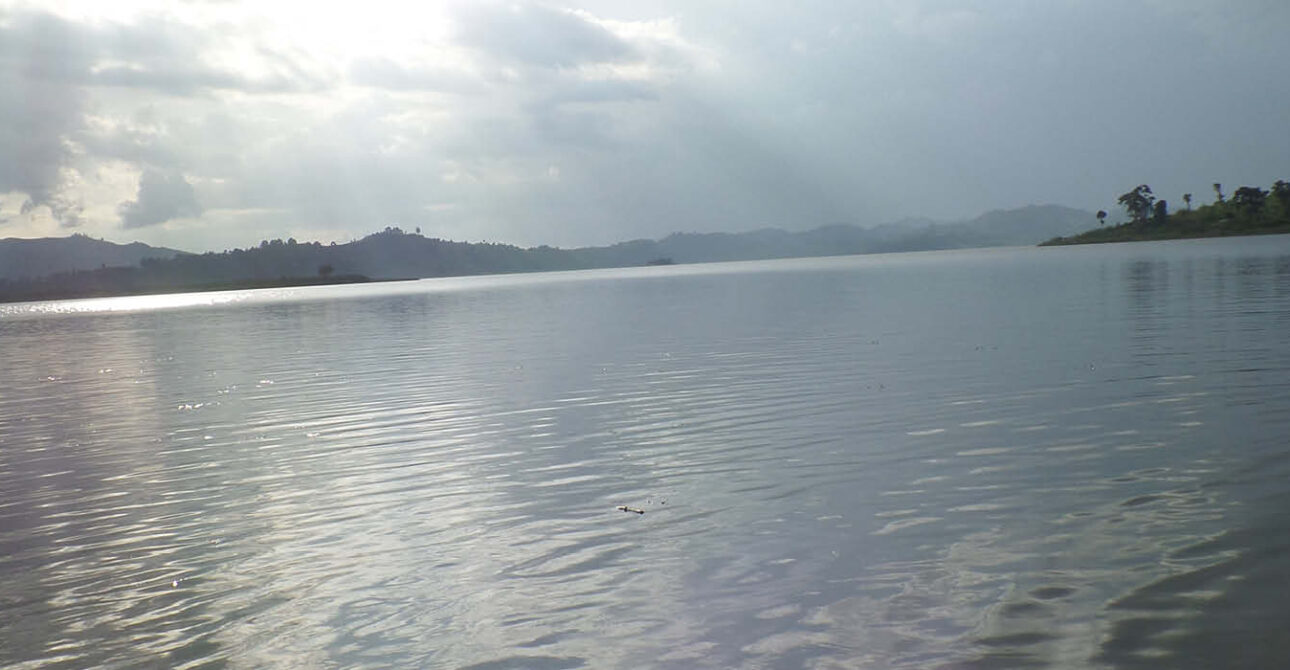
- A lake framed by the Virunga volcanoes: Lake Mutanda lies within one of southwestern Uganda’s most distinctive landscapes. Its waters and islands are surrounded by cultivated hillsides, while the volcanic peaks of the Virunga range form a dramatic backdrop on clear days. This combination of lake scenery and mountain landscapes creates excellent opportunities for photography, relaxation and nature exploration.
Lake Mutanda is more than a short stop between gorilla trekking activities. Its tranquil environment, scenic setting and connections to nearby protected areas make it a destination worth including in a carefully planned southwestern Uganda safari.
Why Visit Lake Mutanda?
The appeal of Lake Mutanda begins with its remarkable setting beneath the Virunga volcanoes. The combination of calm water, scattered islands, terraced hillsides and distant volcanic peaks creates a landscape that differs considerably from Uganda’s tropical forests and savannah national parks.
Visitors can explore the lake by canoe or boat, enjoy views from lakeside accommodation and discover the surrounding highland environment through guided walks. The lake also provides opportunities for birdwatching, photography and selected community experiences that introduce travellers to local livelihoods and traditions.
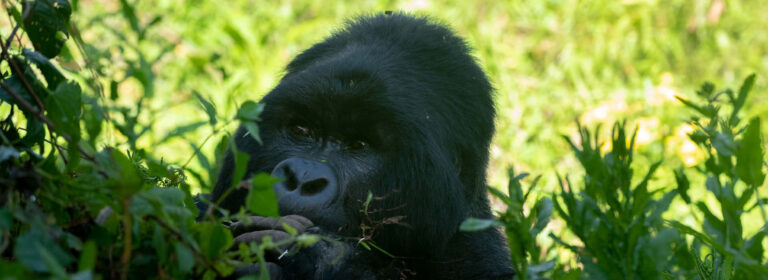
For travellers interested in primate encounters, Lake Mutanda offers a convenient scenic extension to gorilla trekking in Bwindi Impenetrable National Park or Mgahinga Gorilla National Park. It can also complement golden monkey tracking and other mountain activities around Kisoro.
The lake is particularly appealing to visitors seeking a quieter pace between physically demanding experiences. After trekking through mountainous forest terrain, time beside Lake Mutanda allows travellers to appreciate the scenery, enjoy gentle outdoor activities and relax before continuing their safari.
A visit can therefore combine Virunga volcano views, canoeing, birdwatching, highland landscapes and cultural discovery within a wider Uganda itinerary. Explore our Uganda Safari Destinations.
Things to Do at Lake Mutanda
Lake Mutanda offers a range of scenic, cultural and nature-based experiences that can be incorporated into a southwestern Uganda safari. The right combination depends on your interests, available time, accommodation location and prevailing weather conditions.
Canoeing on Lake Mutanda
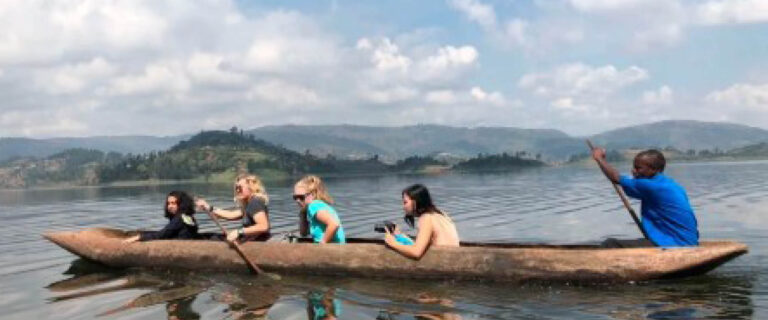
Canoeing is one of Lake Mutanda’s signature experiences. Guided excursions provide an opportunity to explore sheltered sections of the lake while enjoying views of its islands, surrounding hills and the Virunga volcanoes. Traditional canoeing can also introduce visitors to local transport practices and the relationship between communities and the lake.
The experience is particularly attractive to travellers seeking a peaceful activity after gorilla trekking or mountain excursions. Canoeing should be arranged through experienced local operators who provide suitable safety equipment. Visitors should wear properly fitted life jackets, follow their guide’s instructions and avoid unsuitable weather or wind conditions.
Boat Trips and Island Exploration
Guided boat excursions allow travellers to explore Lake Mutanda’s island landscapes and appreciate the changing scenery around its shoreline. Depending on access arrangements, boat trips may include views of inhabited islands, cultivated hillsides and quieter sections of the lake.
Some excursions can also introduce visitors to local communities and the history of the surrounding area. Island access, landing permissions and the availability of activities should be confirmed before departure. Boat excursions should be arranged with responsible operators who understand local conditions.
Birdwatching Around Lake Mutanda
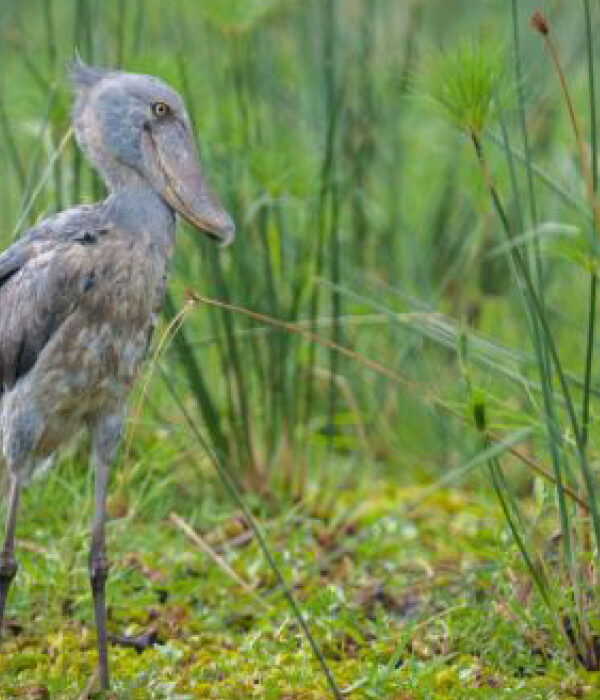
Lake Mutanda birdwatching is a rewarding addition to a scenic Uganda safari. The lake’s shoreline vegetation, wetlands, gardens and surrounding hills provide habitats for a variety of birds. Visitors may encounter waterbirds and species associated with cultivated highland landscapes, depending on the location and season.
Birdwatching can be incorporated into a guided walk, canoe excursion or a quieter morning around lakeside accommodation. Travellers with specialist interests should discuss suitable habitats and target species with an experienced birding guide. Explore our Uganda Birding Experiences for related activities across the country.
Guided Walks and Scenic Viewpoints
The hills surrounding Lake Mutanda offer opportunities for guided walks through cultivated landscapes, village paths and elevated viewpoints. These excursions provide views of the lake, its islands and the Virunga volcanoes when visibility is favourable.
They can also introduce visitors to the agricultural landscapes and communities of the Kisoro region. Walking routes vary in distance and difficulty. Some involve steep slopes and uneven paths, so comfortable footwear, drinking water and suitable clothing are recommended.
Cultural and Community Experiences
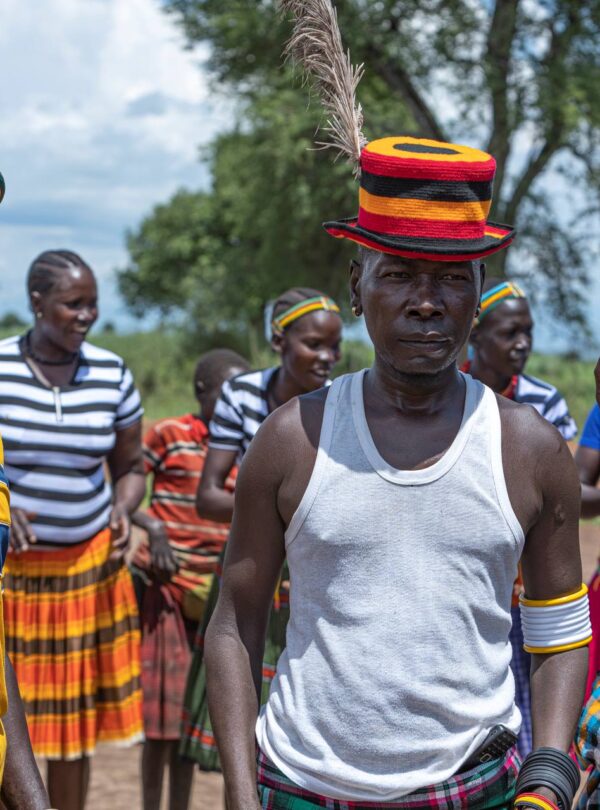
Communities around Lake Mutanda maintain livelihoods and traditions closely connected to the surrounding highland environment. Appropriately arranged visits may introduce travellers to local agriculture, crafts, food traditions, storytelling and community initiatives.
Some experiences may also provide opportunities to learn about the cultural heritage of communities living in the wider Kisoro region. Choose locally led activities that respect community preferences and provide meaningful benefits to participating residents. Visitors should request permission before photographing people or entering private spaces.
Lakeside Relaxation and Photography
Lake Mutanda is particularly suited to travellers seeking a quieter interval within a busy Uganda safari. Lakeside lodges, terraces and elevated viewpoints provide opportunities to appreciate changing light, morning mist, reflections and the surrounding mountain scenery.
On clear days, the Virunga volcanoes create a dramatic backdrop for landscape photography. Early morning and late afternoon can be especially rewarding for photography, although mountain visibility depends on cloud cover and weather conditions.
Swimming and Other Water Activities
Some visitors may consider swimming or additional water-based activities during their stay at Lake Mutanda. However, freshwater conditions, changing weather, water depth and limited formal supervision must be considered. Swimming should not be assumed safe simply because the water appears calm.
Travellers should consult their accommodation provider about current local conditions, designated swimming arrangements and appropriate precautions. Avoid swimming alone or in unfamiliar areas. Other water-based activities should be arranged with responsible providers who supply suitable equipment and safety guidance.

Lake Mutanda Islands and Scenic Areas
Understanding Lake Mutanda’s islands, lakeside areas and surrounding viewpoints can help visitors select suitable excursions, accommodation and photography locations. The lake’s appeal lies in the relationship between its waters, island landscapes, cultivated hillsides and the Virunga volcanoes.
Mutanda Island
Mutanda Island is one of the islands associated with Lake Mutanda’s scenic and cultural landscape. Guided boat excursions may provide opportunities to view or visit the island, subject to local access arrangements. The island and its surroundings contribute to the distinctive character of the lake, offering opportunities to appreciate the relationship between local communities and the highland environment.
Kyangushu Island
Kyangushu Island forms part of Lake Mutanda’s island landscape and is associated with local historical and cultural accounts. Visitors interested in island exploration can discuss available excursions with experienced local guides. Access arrangements and the interpretation of local history should be confirmed with community representatives.
Lake Mutanda Peninsulas and Shoreline
The lake’s peninsulas and shoreline areas provide opportunities for scenic walks, photography and relaxation. Some sections offer views across the water towards islands and surrounding hills, while others provide access to canoeing and boat excursions. The suitability of a particular area depends on accommodation location, road access and current activity arrangements.
Virunga Volcano Viewpoints
The surrounding highlands provide some of Lake Mutanda’s most impressive viewpoints. On clear days, visitors can enjoy views towards the volcanic peaks of the Virunga range, including mountains associated with Mgahinga Gorilla National Park. These viewpoints are particularly attractive to landscape photographers and travellers interested in the geological character of southwestern Uganda.
Kisoro Highlands and Surrounding Villages
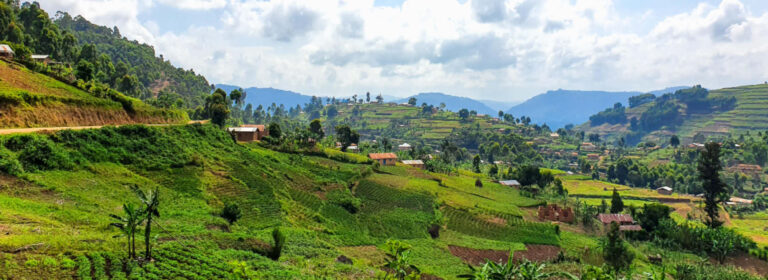
The wider Kisoro highlands offer a landscape of cultivated hillsides, settlements, footpaths and volcanic scenery. Guided excursions can introduce visitors to local agriculture, everyday livelihoods and the cultural landscape surrounding Lake Mutanda.
Important planning note: Some islands and shoreline areas are inhabited or privately managed. Confirm landing permissions, boat arrangements and the availability of guided visits before departure.
Birdlife, Lake Ecology and Natural Landscapes
Lake Mutanda forms part of the highland environment of southwestern Uganda, where freshwater habitats, islands, cultivated slopes and volcanic mountain landscapes create a varied natural setting. The lake’s shoreline vegetation, wetland patches and surrounding gardens provide habitats for birds and other wildlife. Although Lake Mutanda is not principally a destination for large mammals, its natural appeal lies in birdwatching, scenic landscapes and the opportunity to experience a freshwater environment close to important protected areas.
The surrounding hills also reflect longstanding agricultural activity and the relationship between local communities and the land. Terraced cultivation, footpaths and settlements form part of the lake’s distinctive scenery.
Birds of Lake Mutanda
Lake Mutanda provides opportunities to observe birds around its shoreline, wetlands, gardens and surrounding hills. Depending on habitat and local conditions, visitors may encounter kingfishers, herons, egrets, weavers and other birds associated with freshwater and highland environments.
Birdwatching is often most rewarding during quieter periods, particularly in the morning. Travellers with specialist interests should arrange an experienced guide and allow time to explore suitable habitats.
Islands, Wetlands and Shoreline Habitats
The lake’s islands and sheltered shoreline areas create habitats for birds, aquatic organisms and vegetation. Wetland patches and natural shoreline plants contribute to ecological functions such as water filtration, erosion control and habitat protection. Responsible exploration helps reduce disturbance to these sensitive environments.
The Virunga Volcanic Landscape
One of Lake Mutanda’s defining natural features is its proximity to the Virunga volcanoes. The volcanic peaks, surrounding highlands and cultivated slopes create a striking landscape that can be appreciated from the lake, its islands and nearby viewpoints.
These mountain environments also provide important context for the gorilla trekking and golden monkey experiences available in nearby Mgahinga Gorilla National Park.
Where to Stay at Lake Mutanda
Choosing where to stay at Lake Mutanda depends on your preferred atmosphere, comfort level, lake access and the activities included in your safari. Accommodation options are available around the lake and in the wider Kisoro region, ranging from simpler guesthouses to comfortable lakeside lodges and scenic properties overlooking the water.
Lakeside Lodges and Waterfront Accommodation
Lakeside properties offer convenient access to canoeing, boat excursions and relaxed time beside the water. Some provide direct waterfront access, while others are situated on elevated slopes with panoramic views of Lake Mutanda and the surrounding hills. Check room accessibility, lake access, available activities and transfer arrangements before booking.
Highland and Peninsula Lodges
Properties located on hillsides and peninsulas can offer expansive views of the lake, its islands and the Virunga volcanoes. These locations may appeal to travellers interested in photography, privacy and a peaceful setting. However, some involve steep access roads, steps or additional travel time to activity departure points.
Accommodation Around Kisoro
Kisoro provides an alternative accommodation base for travellers combining Lake Mutanda with Mgahinga Gorilla National Park, southern Bwindi or other activities in the region. Staying around Kisoro may be practical for selected itineraries, but transfer times to the lake and individual activity starting points should be confirmed.
How to Choose Your Accommodation
Match your accommodation to your preferred comfort level, planned activities and the route of your wider safari. Travellers seeking relaxation may prioritise lake views, dining and quiet surroundings. Those planning canoeing, boat excursions or community visits should consider access to suitable activity departure points.
For gorilla trekking itineraries, confirm the designated trekking sector and briefing point before selecting accommodation. A scenic lodge beside Lake Mutanda may not be convenient for every Bwindi trekking sector.
Explore our itineraries, accommodation collection and travel styles to help arrange accommodation and transport around the relevant highland destinations.
Best Time to Visit Lake Mutanda
The best time to visit Lake Mutanda depends on your preferred activities, travel dates and expectations for weather and scenery. The lake can be visited throughout the year, with each season offering a different atmosphere.
The relatively drier periods, commonly June to August and December to February, may offer more favourable conditions for walking, scenic excursions and some water-based activities. However, rainfall and changing weather remain possible in the highlands.
Wetter periods can bring lush green hillsides, dramatic clouds and mist-covered volcanic scenery. They may also create slippery walking paths and affect road or boat arrangements. Because Lake Mutanda lies at a relatively high elevation, mornings and evenings can be cool. Travellers should pack a warm layer, light rain protection, comfortable walking shoes and suitable clothing for outdoor activities.
For canoeing and boat excursions, local wind and weather conditions are particularly important. Follow the advice of experienced operators and adjust plans when conditions are unsuitable.
How to Get to Lake Mutanda
Lake Mutanda is located in southwestern Uganda near Kisoro. The best route depends on your starting point, accommodation location and the other destinations included in your safari.
By Road
Many visitors travel by private safari vehicle from Kampala or Entebbe through southwestern Uganda towards Kisoro. The journey is long enough to require careful scheduling, particularly for travellers who prefer a relaxed pace or wish to include stops along the way. From Kisoro, local roads lead towards Lake Mutanda and its surrounding accommodation properties. Access conditions vary, especially for hillside lodges and remote lakeside locations.
By Domestic or Charter Flight
Depending on current schedules and operating arrangements, travellers may consider a domestic or charter flight to Kisoro Airstrip, followed by a road transfer to Lake Mutanda. Flight availability, baggage allowances, airstrip suitability and onward transfers should be confirmed before booking.
Connecting from Bwindi and Mgahinga
Lake Mutanda can be incorporated into itineraries featuring Mgahinga Gorilla National Park and the southern sectors of Bwindi Impenetrable National Park. The journey depends on the selected trekking sector, accommodation location and road conditions. Travellers coming from Buhoma, Ruhija, Rushaga or Nkuringo should not assume identical transfer times.
A well-planned route allows time for activities while avoiding unnecessary backtracking.
Safari Packages Featuring Lake Mutanda
Explore Uganda safari packages that include Lake Mutanda and match your preferred balance of wildlife, adventure, scenery and relaxation. Depending on the itinerary, Lake Mutanda may provide a peaceful stay after gorilla trekking, an opportunity for canoeing and island exploration, or a scenic extension to a longer wildlife and primate safari.

Misty Hearts
Heritage Trails
Combine Lake Mutanda with Other Destinations
Combining Lake Mutanda with other southwestern Uganda destinations creates a varied safari featuring mountain forests, volcanic scenery, wildlife and peaceful lakeside experiences. The most suitable combination depends on your travel dates, available time and the sequence of activities.
Lake Mutanda and Bwindi Impenetrable National Park
Combine a Lake Mutanda stay with mountain gorilla trekking in Bwindi Impenetrable National Park. This pairing allows travellers to experience one of Uganda’s most important rainforest ecosystems before enjoying canoeing, scenic views and relaxation beside the lake.
Lake Mutanda is particularly relevant for selected itineraries using southern Bwindi, although transfer arrangements depend on the trekking sector. Explore our Bwindi Impenetrable National Park guide for information about trekking sectors and forest experiences.
Lake Mutanda and Mgahinga Gorilla National Park
Mgahinga Gorilla National Park offers a distinctive volcanic mountain environment with opportunities for gorilla trekking, golden monkey tracking and selected guided mountain activities. Combining Mgahinga with Lake Mutanda brings together active forest or mountain experiences and a quieter lakeside stay. The route should account for activity permits, travel time and accommodation location.
Lake Mutanda and Lake Bunyonyi
Lake Bunyonyi is another scenic highland lake in southwestern Uganda, known for its islands, terraced hillsides and peaceful atmosphere. A journey combining Lake Mutanda and Lake Bunyonyi can appeal to travellers interested in landscapes, photography, canoeing and relaxation.
Both lakes offer different scenic settings, so the value of including both depends on the length and priorities of the itinerary. Explore our Lake Bunyonyi guide for more information.
Lake Mutanda and Queen Elizabeth National Park
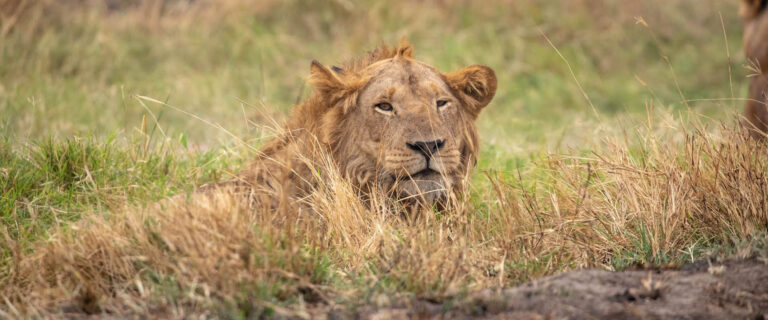
Combine Lake Mutanda’s highland scenery with savannah game drives, wildlife viewing and a Kazinga Channel boat cruise in Queen Elizabeth National Park. This pairing creates a contrast between open wildlife habitats and peaceful lakeside landscapes. Explore our Queen Elizabeth National Park guide for more information about its wildlife and safari experiences.


Responsible Travel at Lake Mutanda
Visiting Lake Mutanda offers an opportunity to appreciate one of Uganda’s distinctive highland landscapes while supporting the conservation of its freshwater environment and the well-being of surrounding communities. The lake, islands, wetlands and cultivated hillsides form an interconnected landscape shaped by natural processes and generations of human settlement. Responsible travel helps protect the lake’s water quality, shoreline habitats and scenic character.
During canoeing and boat excursions, follow your guide’s instructions, wear appropriate safety equipment and avoid disturbing birds or other wildlife. Visitors should not leave litter, introduce pollutants or damage wetland vegetation. Choose locally operated accommodation and community experiences that respect local traditions and provide meaningful benefits to residents. Cultural visits should be arranged with consent, and photography of people or private property should be undertaken respectfully.
For broader guidance on Uganda’s tourism standards and protected-area activities, consult the Uganda Tourism Board and Uganda Wildlife Authority. Information on freshwater and environmental management is available from Uganda’s Ministry of Water and Environment. By travelling thoughtfully, visitors can help preserve Lake Mutanda’s natural beauty, cultural heritage and value to surrounding communities.
Frequently Asked Questions About Lake Mutanda
Lake Mutanda is located in southwestern Uganda near Kisoro, within the Kigezi Highlands and close to the Virunga volcanoes. It is accessible by road and is commonly included in safaris featuring Mgahinga Gorilla National Park and the southern sectors of Bwindi Impenetrable National Park.
Lake Mutanda is famous for its scenic islands, tranquil waters, green hillsides and views towards the Virunga volcanoes. It is also known for canoeing, birdwatching, lakeside accommodation and its popularity as a relaxing destination near gorilla trekking areas.
Popular activities include guided canoeing, boat trips, island exploration, birdwatching, scenic photography, lakeside relaxation, guided highland walks and selected cultural experiences. The ideal combination depends on your interests, available time and accommodation location.
Yes. On clear days, Lake Mutanda offers views towards the Virunga volcanic range. Visibility depends on weather conditions, cloud cover and the location of your accommodation or viewpoint.
Swimming should be approached cautiously. Water depth, changing weather, limited supervision and potential freshwater health risks must be considered. Consult current local guidance, use designated facilities where available and avoid swimming alone or in unfamiliar areas.
Yes. Lake Mutanda and its surrounding hills, gardens, wetlands and shoreline vegetation provide opportunities to observe a variety of birds. Guided walks and quieter morning excursions can be particularly rewarding for visitors interested in birdwatching.
Lake Mutanda can be visited throughout the year. The relatively drier periods, commonly June to August and December to February, may be convenient for walking, canoeing and sightseeing. Wetter months can bring greener landscapes and atmospheric scenery, although rainfall may affect outdoor activities.
One or two nights can provide time for a boat excursion, scenic views and relaxation. Travellers interested in island exploration, canoeing, birdwatching or a slower-paced holiday may prefer a longer stay. The ideal duration depends on the wider safari itinerary.
Accommodation is available around the lakeshore, on selected hillsides and in the wider Kisoro region. Choose a property based on your preferred comfort level, access arrangements, available activities and the distance from your planned arrival or departure route.
Lake Mutanda is generally reached by road through Kisoro in southwestern Uganda. Many travellers arrive by private safari vehicle from Kampala, Entebbe, Bwindi or another destination. Regional flights to Kisoro may be considered where suitable schedules and onward transfers are available.
Yes. Lake Mutanda is an attractive addition to gorilla trekking itineraries in Bwindi Impenetrable National Park, particularly for selected southern-sector routes. Travellers can combine the forest experience with canoeing, island exploration and relaxation beside the lake.
Yes. Lake Mutanda is well positioned for itineraries featuring Mgahinga Gorilla National Park. Visitors can combine lakeside relaxation with gorilla trekking, golden monkey tracking or selected mountain activities, subject to permits and operational arrangements.
Plan Your Visit to Lake Mutanda
Plan your visit to Lake Mutanda by choosing the experiences that interest you most, selecting suitable lakeside accommodation and considering how the destination fits into your wider Uganda safari. Njagi Safaris can organise a private journey combining canoeing, island exploration, birdwatching and scenic relaxation with gorilla trekking, golden monkey tracking and other experiences in southwestern Uganda.
Share your preferred travel dates, group size, accommodation preferences and interests through the enquiry form below. Our team will help you develop a personalised itinerary that balances memorable experiences, comfortable transfers and time to enjoy the lake.