
Kampala
Kampala is Uganda’s capital and largest city, celebrated for its cultural heritage, historical landmarks, lively markets and distinctive urban character. Built across a landscape of hills overlooking parts of the Lake Victoria basin, the city offers visitors an introduction to Uganda’s history, contemporary life and the communities that shape its identity.
From exploring royal heritage sites and museums to discovering religious landmarks, traditional markets and local cuisine, Kampala offers experiences that complement Uganda’s national parks and wildlife destinations. Its position within the country’s main transport network also makes it an important starting point for many private Uganda safaris.
Kampala at a Glance
- Location: Central Uganda, within the wider Lake Victoria basin.
- Landscape: A hilly urban environment with commercial districts, residential neighbourhoods, cultural landmarks and green spaces.
- Best known for: Uganda’s capital city, cultural heritage, historical sites, markets and urban experiences.
- Other experiences: Museums, guided city tours, religious landmarks, local cuisine, shopping, art and selected community visits.
- Key visitor areas: Central Kampala, Old Kampala, Mengo, Kasubi, Namirembe, Rubaga and Kololo.
- Safari style: Suitable for private city tours, cultural excursions, family itineraries, premium stays and pre- or post-safari visits.
- Planning priority: Select attractions according to your interests, then arrange a practical route around traffic, opening arrangements and any visitor access requirements.
- A capital shaped by history and culture: Kampala developed into Uganda’s political, administrative and commercial centre while retaining important connections to the heritage of the Buganda Kingdom. Its landmarks reflect different periods of the country’s history, from traditional royal institutions and religious missions to colonial-era development and contemporary urban growth.
Kampala is more than a transit point. A carefully planned city experience provides useful cultural context for visitors exploring Uganda’s wider landscapes, wildlife and communities.
Why Visit Kampala?
The appeal of Kampala begins with its concentration of historical, cultural and religious landmarks. Visitors can explore places associated with the Buganda Kingdom, learn about Uganda’s national history and discover the role of different communities in shaping the country’s capital.
Kampala also offers opportunities to experience contemporary Ugandan life. Its markets, restaurants, creative spaces and commercial districts reveal a dynamic city where traditional practices and modern influences meet. For travellers interested in architecture and urban heritage, Kampala’s hills contain important religious buildings, royal sites and historical neighbourhoods. Guided exploration can help visitors understand the significance of these places while navigating a busy urban environment.
The city is also a practical destination for travellers preparing to explore Uganda’s national parks. A guided visit before or after a safari can add depth to the journey and provide opportunities to experience local cuisine, crafts and cultural traditions. A visit to Kampala therefore brings together Uganda’s history, living culture, urban experiences and meaningful connections with the country beyond its wildlife attractions. Explore our Uganda Safari Destinations.
Things to Do in Kampala
Kampala offers a variety of cultural, historical and urban experiences that can be incorporated into a wider Uganda safari. The right combination depends on your interests, available time, preferred pace and the locations of the attractions you wish to visit.
Kampala City Tours
A guided Kampala city tour introduces visitors to the capital’s history, neighbourhoods and important landmarks. Depending on the itinerary, excursions may include cultural sites, historical buildings, religious landmarks and selected markets. A knowledgeable local guide can provide context for the places visited while helping travellers navigate traffic and practical access arrangements. Explore our Kampala City Tour activity guide for additional information.
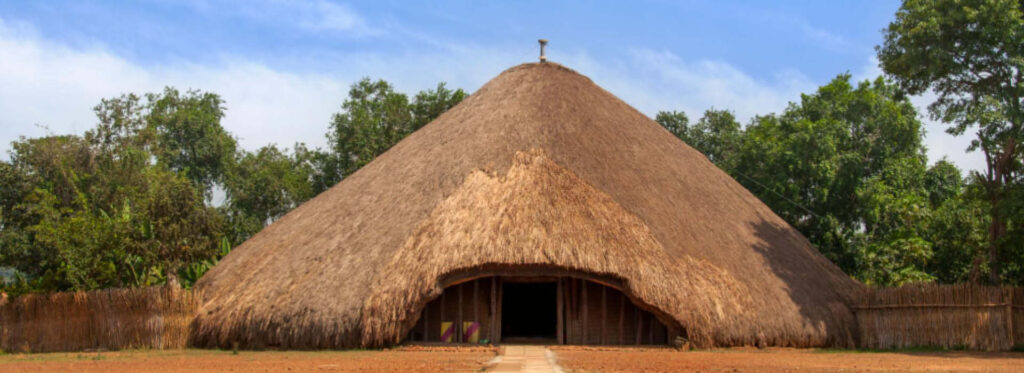
Visit the Kasubi Tombs
The Kasubi Tombs are among Kampala’s most significant cultural landmarks and form part of a UNESCO World Heritage Site associated with the burial grounds of Buganda kings. The site provides insight into Buganda’s royal traditions, architectural heritage and cultural practices. Visitor arrangements should respect the site’s sacred significance and any conservation requirements.
Access to specific areas and guided experiences should be confirmed before travel.
Explore the Uganda Museum
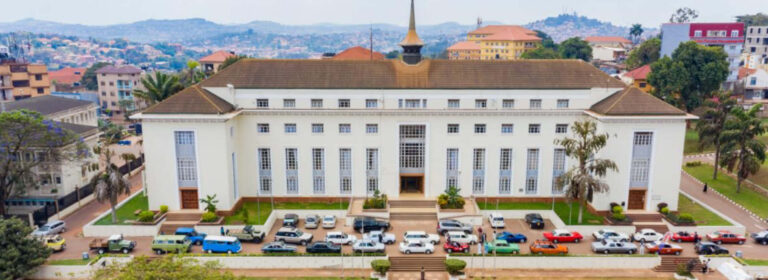
The Uganda Museum is an important institution for learning about the country’s cultural, historical and natural heritage. Its collections have traditionally included ethnographic, archaeological and historical material, providing visitors with context for Uganda’s diverse communities and past.
Because museum facilities and public access can change during redevelopment or administrative works, travellers should confirm the current operating location and visitor arrangements before including it in an itinerary.
Discover Kampala’s Religious Landmarks
Kampala is home to several important religious landmarks that reflect the city’s diverse history. Sites of interest include Namirembe Cathedral, Rubaga Cathedral, the Gaddafi National Mosque and other places of worship associated with different communities. Guided visits can introduce travellers to the architectural and historical significance of these buildings. Dress codes, photography restrictions and visitor access rules should be respected.
Visit Kabaka’s Palace and Buganda Heritage Sites
Kabaka’s Palace at Mengo is associated with the history and institutions of the Buganda Kingdom. Guided experiences in the surrounding heritage area may introduce visitors to royal traditions, historical events and important cultural landmarks. Some parts of the palace complex have restricted access, so visits should be arranged through authorised guides and appropriate visitor channels.
Explore Local Markets and Craft Centres
Kampala’s markets provide opportunities to experience local commerce, food traditions, textiles, crafts and everyday urban life. Depending on the itinerary, visitors may explore selected markets or established craft-selling areas with a local guide. Responsible market visits should respect traders, avoid obstructing business activities and seek permission before taking close-up photographs.
Experience Ugandan Cuisine
Food experiences can introduce travellers to Uganda’s culinary traditions and the influence of different communities on Kampala’s dining culture. Visitors may sample local dishes such as matooke, groundnut-based sauces, roasted meats and other regional foods through suitable restaurants or guided culinary experiences. Food choices should take account of personal dietary needs and appropriate hygiene standards.
Art, Culture and Contemporary Kampala
Kampala’s creative scene includes galleries, performance spaces, cultural events and contemporary artistic expression. Selected experiences can introduce travellers to visual arts, music, fashion and the city’s evolving cultural identity. Events and venue schedules vary, so visits should be confirmed in advance.

Kampala’s Historical and Cultural Areas
Understanding Kampala’s main visitor areas helps travellers plan an itinerary that combines historical landmarks, cultural experiences and urban sightseeing. Unlike national parks with designated wildlife tourism sectors, Kampala’s attractions are spread across several hills and neighbourhoods. Each area contributes a different perspective on the city’s development, religious heritage, royal traditions and contemporary identity.
Central Kampala
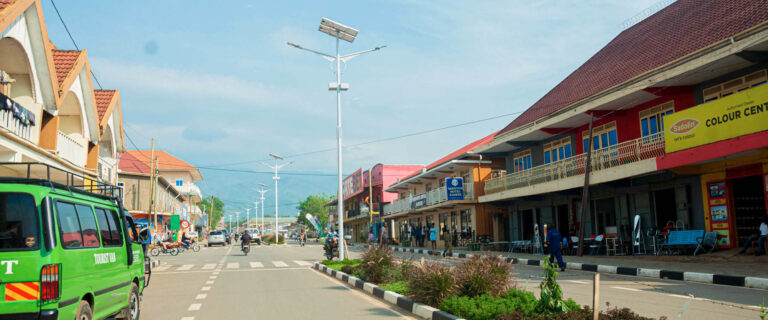
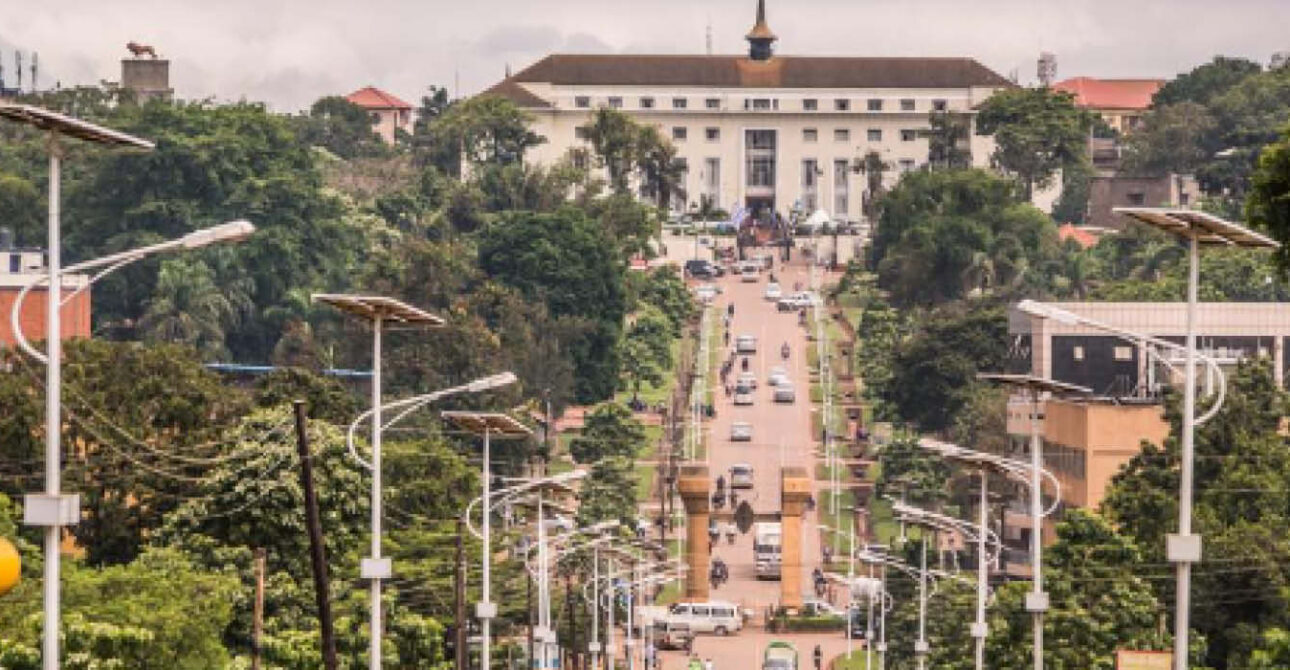
Central Kampala forms the commercial heart of Uganda’s capital, with busy streets, shopping areas, markets and important civic landmarks. It provides an introduction to the city’s daily economic activity and its role as a national business centre. Guided visits may include selected historical buildings, commercial streets and public spaces, depending on traffic, access arrangements and the interests of the group. The area can be lively and congested, making a planned route and experienced local guide particularly useful.
Old Kampala
Old Kampala is closely associated with the city’s early administrative history and is home to the prominent Gaddafi National Mosque, also known as the Uganda National Mosque. The hill offers opportunities to explore religious architecture and learn about the historical development of Kampala. Where visitor access is permitted, elevated viewpoints can provide a perspective on the surrounding urban landscape. Travellers should observe the mosque’s dress requirements, visitor procedures and restrictions during religious activities.
Mengo and the Buganda Royal Heritage Area
Mengo is an important centre of Buganda’s royal and administrative heritage. The area is associated with Kabaka’s Palace, Bulange and other landmarks connected to the kingdom’s institutions and history. A guided heritage experience can introduce visitors to Buganda’s traditions, political development and the historical significance of its royal sites. Access to individual buildings and compounds is subject to official arrangements, and some areas may not be open to general visitors.
Kasubi
Kasubi is best known for the Kasubi Tombs, a UNESCO World Heritage Site associated with the burial grounds of Buganda kings. The site is important for its cultural traditions, royal history and distinctive architectural heritage. Its significance extends beyond its physical structures to the practices and communities involved in maintaining the site. Visitors should follow authorised guidance and respect the site’s ceremonial and conservation requirements.
Namirembe and Rubaga
Namirembe and Rubaga are prominent hills associated with the development of Christianity in Uganda. Namirembe Cathedral is an important Anglican landmark, while Rubaga Cathedral is closely connected to the country’s Roman Catholic history. Both areas provide opportunities to appreciate religious architecture and understand the influence of missionary activity on Kampala’s historical development.
Kololo and Contemporary Kampala
Kololo is one of Kampala’s established residential and diplomatic neighbourhoods, associated with hotels, restaurants and selected commercial and leisure facilities. It offers a different urban atmosphere from the crowded central business district and may be convenient for travellers seeking accommodation or dining experiences. The wider area reflects Kampala’s contemporary development and its role as a regional centre for business, hospitality and international engagement.
Urban Landscapes, Green Spaces and Biodiversity
Although Kampala is primarily an urban destination, its landscape includes hills, gardens, wetlands and green spaces that contribute to the city’s environmental character. These natural features form part of the wider Lake Victoria basin and influence drainage, local habitats and the urban environment.
Wetland systems around Kampala are particularly important for water regulation and biodiversity, although many face pressure from urban development and pollution. For visitors, Kampala provides an opportunity to understand the relationship between urban growth, environmental management and the natural landscapes that surround Uganda’s capital.
Selected parks, gardens and outdoor spaces can offer quieter experiences within the city, subject to access arrangements and the condition of individual facilities.
Birdlife and Urban Green Spaces
Kampala’s gardens, mature trees, wetlands and other vegetated areas can support a variety of birds, including weavers, sunbirds, kingfishers and other species associated with urban and freshwater habitats. Birdwatching is not the city’s principal tourism attraction, but nature enthusiasts may encounter interesting species during guided walks or visits to suitable green spaces. Dedicated birding excursions are generally better planned around established birdwatching destinations outside the city.
Kampala’s Hills and Wetland Environment
Kampala’s hills are a defining feature of its geography, influencing neighbourhood development, viewpoints and the distribution of historical landmarks. The surrounding wetlands play an important ecological role by supporting aquatic habitats and helping regulate water movement.
Responsible visitors should avoid disturbing wetland vegetation, entering restricted areas or treating sensitive urban habitats as informal recreational spaces.
Where to Stay in Kampala
Choosing where to stay in Kampala depends on your travel plans, preferred comfort level, budget and the areas you intend to visit. The city offers accommodation ranging from comfortable guesthouses and established hotels to premium properties and serviced accommodation. Travellers arriving for a Uganda safari should consider road access, traffic conditions and the location of their next departure.
Kololo
Kololo is a popular accommodation area for travellers seeking established hotels, restaurants and a relatively convenient base for selected city experiences. It may suit visitors planning guided sightseeing, business-related travel or a comfortable pre- or post-safari stay.
Nakasero
Nakasero is a central neighbourhood associated with hotels, business facilities and access to parts of Kampala’s commercial district. Accommodation in this area can suit travellers who prefer proximity to central services, although traffic and local road conditions should be considered when planning excursions.
Naguru and Ntinda
Naguru and Ntinda offer additional accommodation possibilities within Kampala’s wider urban area. These neighbourhoods may appeal to travellers seeking a less central base, depending on the location of their planned activities and onward route. Transfers to central attractions can take time during busy traffic periods.
Muyenga and Other Residential Areas
Muyenga and selected residential neighbourhoods offer accommodation in settings that may feel quieter than the central business district. Individual properties differ considerably in facilities, accessibility and proximity to major attractions. These areas may suit travellers seeking a more relaxed stay, provided transport arrangements are carefully planned.
How to choose: Select accommodation based on your preferred comfort level, sightseeing programme and onward safari route. For travellers departing early for a national park, consider the hotel’s position relative to the intended road corridor rather than choosing solely by neighbourhood reputation.
Explore our itineraries, accommodation collection and travel styles to help arrange accommodation and transport around the relevant highland destinations.
Best Time to Visit Kampala
The best time to visit Kampala depends on your preferred activities, travel dates and tolerance for changing weather. Kampala can be explored throughout the year, with museums, historical landmarks, cultural experiences and selected city tours available subject to their operating arrangements.
The relatively drier periods, particularly June to August and December to February, are often convenient for walking tours, market visits and outdoor sightseeing. However, rainfall can occur at any time, and individual days may bring changing weather conditions.
The wetter periods, commonly associated with March to May and October to November, can bring heavier showers that affect road traffic, pedestrian access and outdoor activities. These months can still be suitable for city exploration with a flexible itinerary.
Kampala’s equatorial setting means temperatures are generally warm, although conditions can vary between sunny afternoons, cloudy periods and rain. For a comfortable visit, pack lightweight clothing, comfortable walking shoes, sun protection and a light rain jacket. Travellers visiting religious landmarks should also carry clothing appropriate for local dress requirements.
A well-planned city tour should allow sufficient time for traffic and avoid scheduling too many attractions across distant neighbourhoods in one day.
How to Get to Kampala
Kampala is Uganda’s principal urban transport hub and can be reached from Entebbe International Airport and other parts of the country by road. The most practical route depends on your arrival point, accommodation, travel schedule and the other destinations included in your itinerary.
From Entebbe International Airport
Most international visitors arrive through Entebbe International Airport, located outside Kampala on the shores of Lake Victoria. Travellers can reach Kampala by private road transfer, using suitable routes that may include the Entebbe Expressway or other connecting roads. Journey times vary considerably because of traffic, departure time and the location of the accommodation. Visitors arriving late should arrange transport in advance.
By Road from Other Parts of Uganda
Kampala is connected to Uganda’s main regional transport corridors, making it an important starting or finishing point for journeys to national parks and other tourism destinations. Visitors may arrive from western Uganda, the eastern region, northern Uganda or the Lake Victoria area by private vehicle. The appropriate route and journey duration depend on the previous destination, road conditions and traffic around the metropolitan area.
Getting Around Kampala
Travelling between attractions in Kampala requires planning because distances alone do not always reflect actual journey times. Private vehicles with experienced drivers are often practical for organised city tours, particularly when visiting several historical or cultural sites. Guided walking experiences can be suitable in selected areas, but routes should account for pedestrian conditions, traffic and personal safety.
Connecting from Other Safari Destinations
Kampala can be combined with Entebbe, Jinja, Mabira Forest and national parks across Uganda. Many visitors include a city experience before beginning a longer safari or after returning from wildlife destinations. The itinerary should account for international flight schedules, road transfers and the amount of time required to explore Kampala without unnecessary rushing.
Safari Packages Featuring Kampala
Explore Uganda safari packages that include Kampala as a starting point, cultural destination or concluding stop. Depending on the itinerary, visitors may enjoy a guided city tour before travelling to national parks, or spend time exploring Kampala’s historical landmarks after completing a wildlife safari.
Heritage Trails
Combine Kampala with Other Destinations
Combining Kampala with nearby destinations can create a more varied Uganda itinerary, bringing together cultural experiences, lakeside scenery, forest habitats and Nile adventures. The right combination depends on your available time, arrival and departure arrangements, and preferred interests.
Kampala and Entebbe
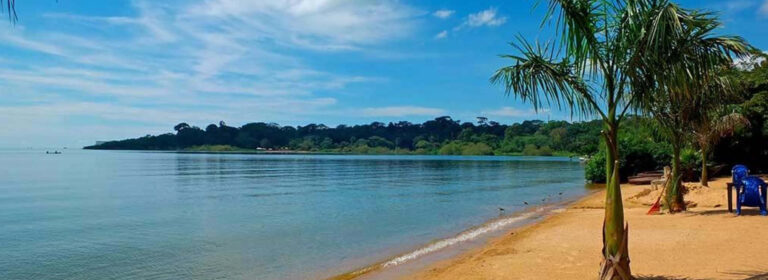
Entebbe is a natural complement to Kampala, particularly for visitors arriving through Entebbe International Airport. Travellers can combine Kampala’s historical and cultural attractions with Entebbe’s lakeside setting, botanical gardens and selected nature experiences. This pairing is particularly suitable for arrival-day sightseeing, short extensions and pre- or post-safari stays.
Kampala and Jinja
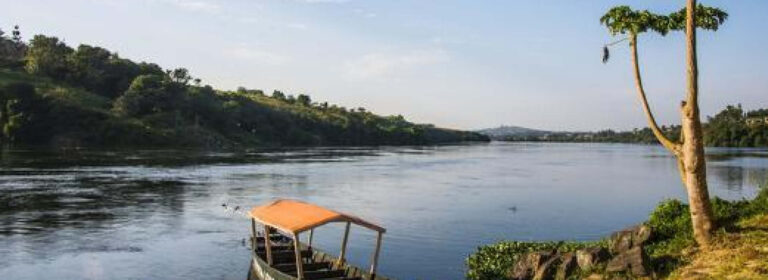
Jinja offers a contrasting experience to Kampala, with the Source of the Nile, adventure activities and scenic river landscapes. Combining the two destinations allows travellers to explore Uganda’s capital before enjoying rafting, boat excursions, kayaking or cultural experiences around the Nile. The combination can work well as part of a multi-day introduction to Uganda.
Kampala and Mabira Forest
Mabira Forest offers an opportunity to experience a tropical forest environment along the broader Kampala–Jinja travel corridor. Visitors can combine Kampala’s urban attractions with guided forest walks, birdwatching and selected nature experiences in Mabira. This pairing appeals to travellers interested in both cultural heritage and natural landscapes.
Kampala and Lake Mburo National Park
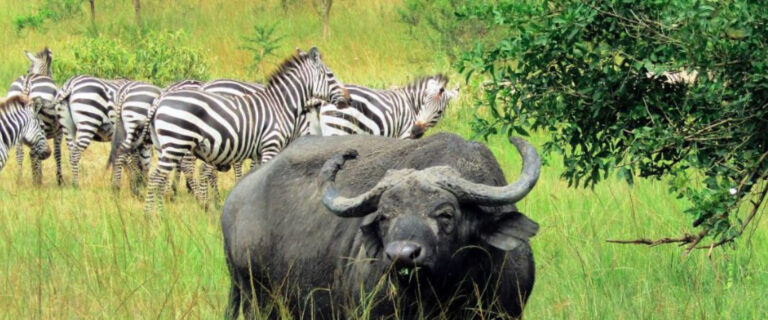
Lake Mburo National Park can be incorporated into a longer itinerary that begins or ends in Kampala. The park offers savannah wildlife viewing, guided walking safaris, boat excursions and birdwatching, providing a contrast to Kampala’s urban environment.
The combination is suitable for travellers seeking an introduction to Uganda’s wildlife destinations, with road transfers planned around the overall safari route.

Responsible Travel in Kampala
Responsible travel in Kampala begins with respecting the city’s cultural heritage, religious traditions and the communities that make it a distinctive destination. Visiting historical landmarks, markets and places of worship provides opportunities to learn about Uganda’s history while supporting local guides, businesses and cultural institutions.
Travellers should follow visitor instructions at heritage sites, observe dress requirements at religious landmarks and seek permission before photographing individuals or private property. At places of cultural significance, including royal heritage sites, visitors should respect restricted areas and established customs.
Choosing knowledgeable local guides, supporting responsible craft businesses and reducing unnecessary waste can contribute to positive tourism experiences. Visitors should also use designated waste facilities and avoid disturbing green spaces or sensitive wetland environments.
For further guidance, consult the Kampala Capital City Authority for city information, the Uganda Tourism Board for destination guidance and UNESCO’s Kasubi Tombs information for the site’s cultural and conservation significance. By travelling thoughtfully, visitors can help protect Kampala’s heritage, respect its communities and contribute to a more sustainable urban tourism economy.
Frequently Asked Questions About Kampala
Kampala is located in central Uganda, within the wider Lake Victoria basin. It is the country’s capital and largest city and serves as a major commercial, administrative and transport centre. Kampala is accessible by road from Entebbe International Airport and other regions of Uganda.
Kampala is famous for its cultural heritage, historical landmarks, religious sites, markets and lively urban atmosphere. Major attractions include the Kasubi Tombs, Kabaka’s Palace, Gaddafi National Mosque and important cathedrals associated with Uganda’s religious history.
Popular experiences include guided city tours, visiting the Kasubi Tombs, exploring Buganda heritage sites, discovering religious landmarks, visiting selected markets and craft centres, sampling Ugandan cuisine and experiencing contemporary art and culture.
Yes. Kampala offers cultural and historical experiences that complement Uganda’s national parks and wildlife destinations. A guided city tour can introduce travellers to the country’s heritage, urban life and traditions before or after a longer safari.
One full day can provide time for selected major attractions, while two days allow a more relaxed combination of historical landmarks, cultural experiences and local dining. The ideal duration depends on traffic, your interests and the number of sites included.
The Kasubi Tombs are an important UNESCO World Heritage Site associated with Buganda’s royal heritage. Visitor access, guided experiences and entry arrangements should be confirmed before travel because conservation activities and cultural requirements can affect access to specific areas.
Yes. Kampala offers family-friendly possibilities, including selected museums, cultural attractions, guided sightseeing and dining experiences. Families should choose activities suited to children’s ages and allow flexibility for traffic, walking distances and weather conditions.
Kampala can be visited throughout the year. The relatively drier periods, particularly June to August and December to February, are often convenient for outdoor sightseeing and walking tours. Rainfall remains possible, so flexible scheduling and suitable clothing are recommended.
Kampala is reached by road from Entebbe International Airport. Travellers can arrange private transfers using suitable connecting roads, including routes associated with the Entebbe Expressway. Journey duration depends on traffic, the chosen route and the location of the accommodation.
Accommodation is available in areas such as Kololo, Nakasero, Naguru, Ntinda and Muyenga. The best location depends on your preferred comfort level, sightseeing plans and onward travel arrangements. Traffic conditions should be considered when selecting accommodation.
Kampala is visited by international travellers, but normal urban safety precautions are important. Visitors should use reliable transport, secure valuables, remain aware of their surroundings and follow current local advice. Guided excursions can make sightseeing and navigation more convenient.
Yes. Kampala can be combined with Entebbe for lakeside and nature experiences, Jinja for Source of the Nile adventures and Mabira Forest for guided nature activities. It can also be incorporated into longer Uganda safaris featuring national parks and wildlife experiences.
Plan Your Visit to Kampala
Plan your visit to Kampala by selecting the historical landmarks, cultural experiences and urban attractions that interest you most, then choosing suitable accommodation and transport arrangements.
Njagi Safaris can organise a private Kampala city experience that introduces you to Uganda’s capital while connecting smoothly with your wider safari itinerary.
Share your preferred travel dates, group size, cultural interests and accommodation preferences through the enquiry form below. Our team will help you plan a practical itinerary that balances meaningful sightseeing, responsible travel and comfortable transfers.