
Queen Elizabeth National Park
Queen Elizabeth National Park is one of Uganda’s leading wildlife safari destinations, known for its open savannah plains, diverse wildlife, the Kazinga Channel and the distinctive landscapes of the Albertine Rift. Located in western Uganda, the park brings together grasslands, wetlands, lakes, forests and volcanic crater scenery within one remarkable protected area.
From game drives across the Kasenyi Plains and boat cruises along the Kazinga Channel to chimpanzee tracking in Kyambura Gorge and searching for tree-climbing lions in Ishasha, Queen Elizabeth offers a varied safari experience.
Queen Elizabeth National Park at a Glance
- Location: Western Uganda, in the Albertine Rift region.
- Landscape: Savannah plains, wetlands, lakes, tropical forest, volcanic craters and the Kazinga Channel.
- Best known for: Diverse wildlife, game drives, boat safaris and the tree-climbing lions associated with Ishasha.
- Other experiences: Birding, chimpanzee tracking, guided nature walks, crater drives and selected cultural experiences.
- Key areas: Mweya Peninsula, Kasenyi Plains, Ishasha, Kyambura Gorge and Maramagambo Forest.
- Access: By road from Kampala or Entebbe, or by suitable scheduled or charter flights to regional airstrips.
- Safari style: Suitable for private, tailor-made, mid-range and luxury itineraries, subject to availability and route planning.
- Planning priority: Choose the activities and areas you want to explore before selecting accommodation and arranging transfers.
Queen Elizabeth National Park covers approximately 1,978 square kilometres and lies across the equator. Its varied habitats support more than 95 mammal species and over 600 recorded bird species, according to Uganda Wildlife Authority information. The park’s landscapes extend from open grasslands and crater lakes to forested gorges and the wildlife-rich Kazinga Channel.
Why Visit Queen Elizabeth National Park?
Queen Elizabeth National Park offers an opportunity to experience several of Uganda’s natural environments within one safari destination. The open plains are suited to wildlife viewing, the Kazinga Channel provides a different perspective from the water, and the forested areas introduce visitors to primates, forest birds and other habitats.
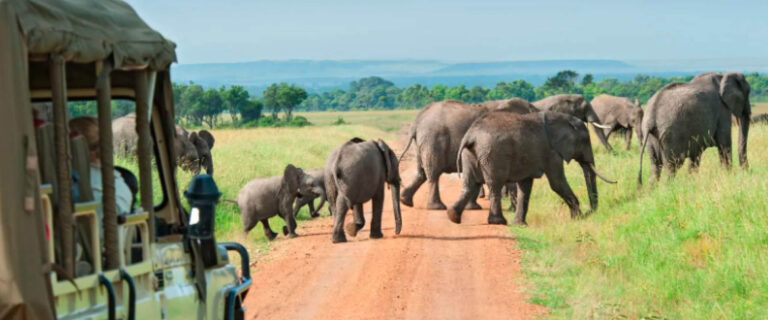
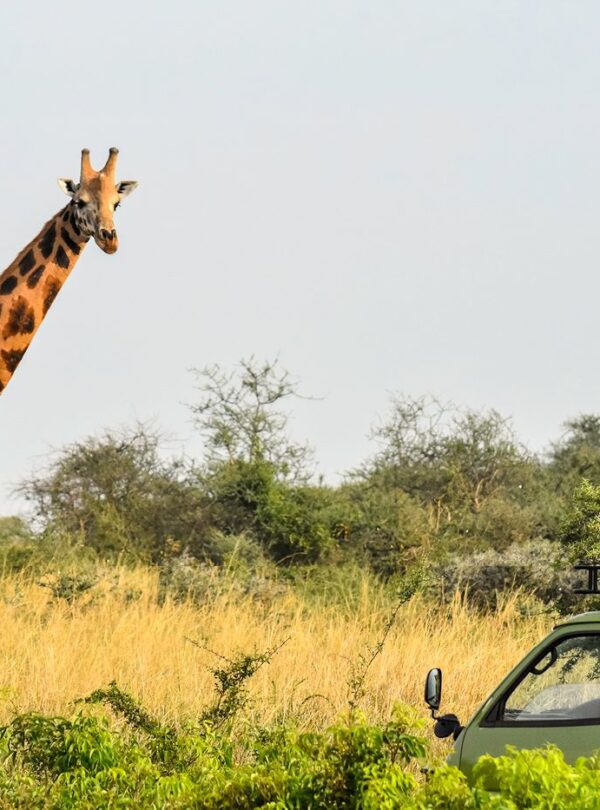
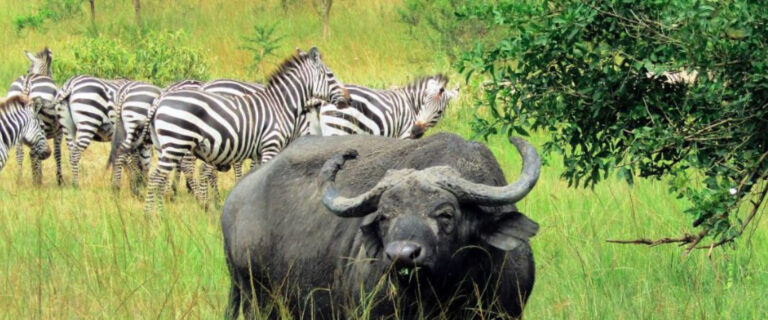
Wildlife enthusiasts can look for elephants, buffaloes, Uganda kob, hippos and several predator species. Lions are associated with game-viewing areas such as Kasenyi, while Ishasha is particularly known for lions that sometimes rest in the branches of fig trees. Sightings remain dependent on natural conditions and should never be treated as guaranteed.
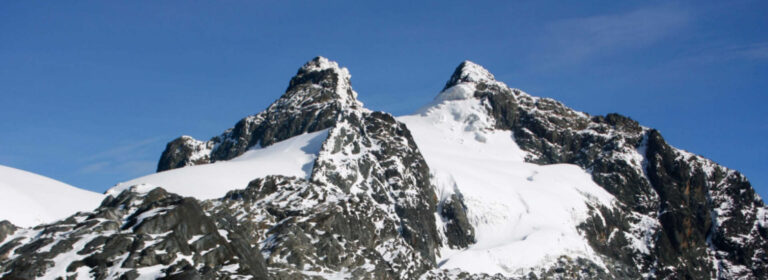
The park is also rewarding for birders, landscape photographers and travellers interested in the relationship between wildlife and local communities. Crater lakes, open horizons, wetlands and views towards the Rwenzori Mountains provide variety beyond conventional game drives. Explore our Uganda Safari Destinations.

Things to Do in Queen Elizabeth National Park
The best activities depend on your wildlife interests, available time and the part of the park where you stay. A well-planned visit can combine game drives, a boat cruise, birding and selected forest or cultural experiences.
Game Drives in the Kasenyi Plains
The Kasenyi Plains are among the park’s best-known game-viewing areas. Their open grasslands support herds of Uganda kob and other grazing animals, attracting predators that follow the movements of their prey. Early morning and late-afternoon drives provide opportunities to observe wildlife when animals may be active.
Travelling with an authorised guide helps visitors interpret animal behaviour, understand the landscape and follow park regulations. Sightings vary with weather, season, animal movements and the route taken. Allow enough time for a relaxed drive rather than expecting every species to appear during a single outing.
Kazinga Channel Boat Cruise
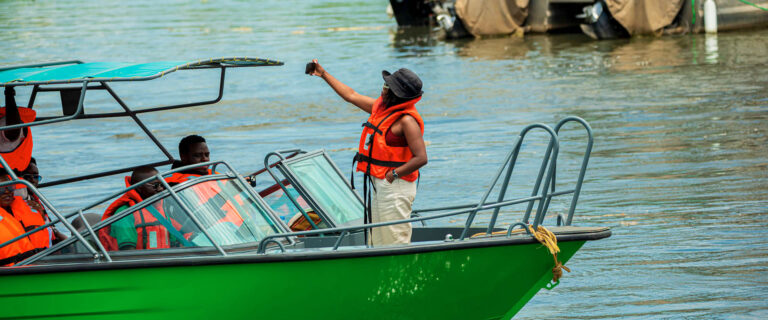
The Kazinga Channel connects Lake Edward and Lake George and is one of Queen Elizabeth National Park’s signature attractions. A boat cruise offers a water-level perspective of the surrounding habitat, with opportunities to observe hippos, Nile crocodiles, waterbirds and animals visiting the banks.
Elephants, buffaloes and antelopes may be seen near the water, while birders can look for species associated with the channel and its wetlands. The cruise also provides a useful contrast to the open terrain experienced during game drives.
Searching for Tree-Climbing Lions in Ishasha
Ishasha lies in the southern part of Queen Elizabeth National Park and is particularly associated with lions sometimes seen resting in fig trees. The sector also offers open savannah landscapes and opportunities to observe buffaloes, elephants, antelopes and other wildlife. Ishasha can be especially practical for travellers combining Queen Elizabeth with Bwindi Impenetrable National Park, as it lies along routes connecting the park with parts of southwestern Uganda.
The best route and overnight stop depend on your accommodation, planned activities and gorilla trekking arrangements. Tree-climbing lion sightings are not guaranteed, so plan the visit around the wider wildlife experience rather than one specific photograph.
Chimpanzee Tracking in Kyambura Gorge
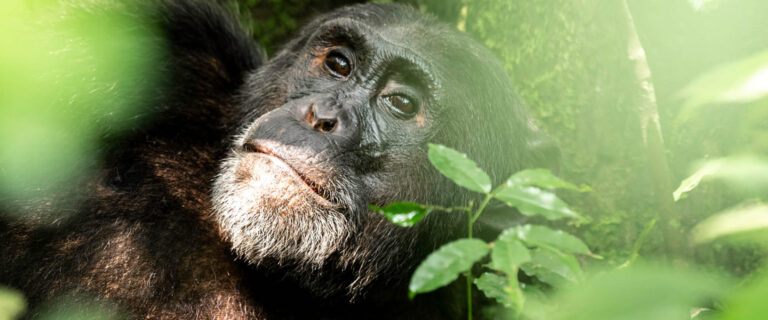
Kyambura Gorge offers a forest environment within the wider savannah landscape of Queen Elizabeth National Park. Guided chimpanzee tracking introduces visitors to the gorge’s forest habitat and the primates that live there. Tracking involves walking on natural trails and can be physically demanding.
Wildlife sightings depend on the chimpanzees’ movements and current conditions. Permit requirements, availability, minimum age and activity rules should be confirmed with Uganda Wildlife Authority before booking. Travellers primarily interested in chimpanzees may also consider Kibale National Park, a major forest destination for chimpanzee tracking in Uganda.
Birding in Queen Elizabeth National Park
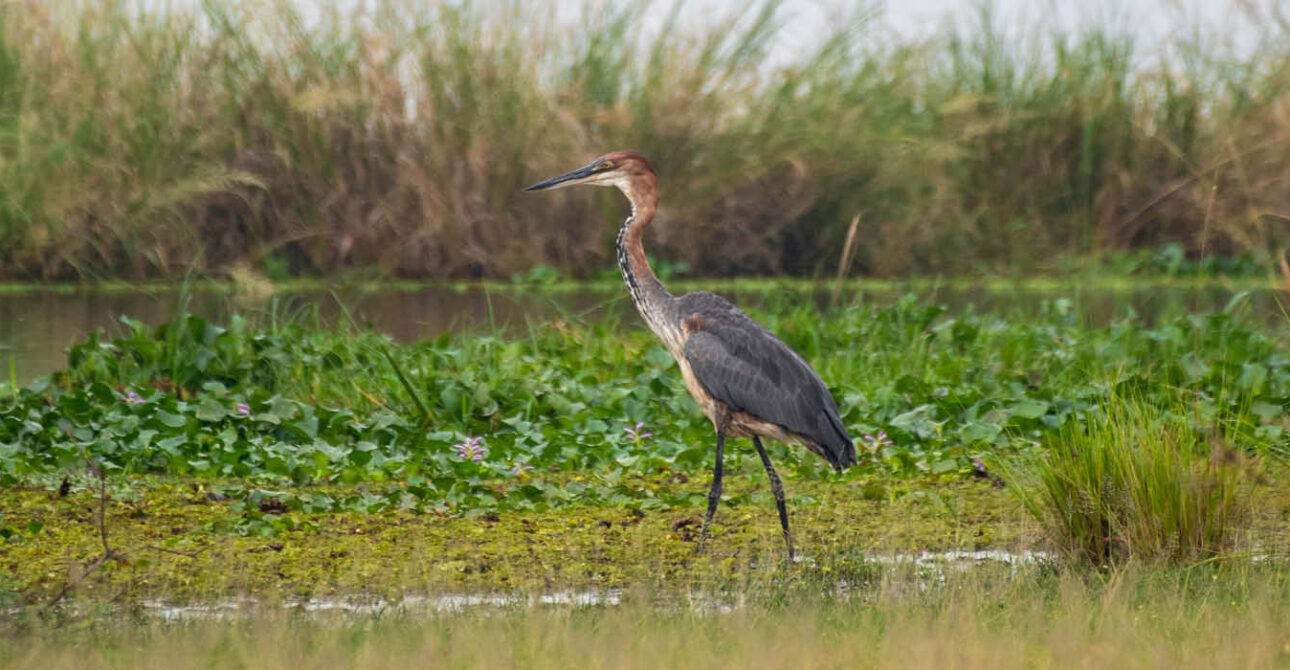
Queen Elizabeth National Park is an important birding destination because its savannah, wetlands, lakes and forest habitats support a wide variety of species. The Kazinga Channel is useful for observing waterbirds, while Maramagambo Forest offers a different range of forest-associated birds.
Seasonal movements and changing water levels can influence bird activity. Visitors with particular species or photography interests should share their priorities when arranging a guide and itinerary.
Explore our Uganda Birding Safaris for journeys designed around Uganda’s diverse bird habitats.
Exploring Maramagambo Forest
Maramagambo Forest provides a contrast to the park’s open plains. Guided forest experiences can introduce visitors to forest vegetation, birds and primates, alongside the wider landscapes of the Kichwamba Escarpment and nearby crater lakes. The available routes and activities depend on current park arrangements. Check which guided experiences are operating before including a specific walk or attraction in your itinerary.
Crater Lakes and Scenic Drives
Volcanic crater landscapes add geological and photographic interest to a Queen Elizabeth safari. A scenic drive around selected crater areas can reveal lakes, grassland, forest and elevated viewpoints across the western Uganda landscape. Allow time for stops and photography, and confirm the route and road conditions with your guide. Some viewpoints and roads may be affected by weather or park access arrangements.
Cultural and Community Experiences
Communities around Queen Elizabeth National Park have strong connections to the surrounding landscape and its natural resources. Selected cultural experiences may introduce visitors to local storytelling, music, dance, livelihoods and traditions.
Arrange visits through responsible local providers, follow community guidance and ask before photographing people. Where available, community-based experiences can help visitors understand the relationship between tourism, conservation and local livelihoods.

Wildlife, Landscapes and Biodiversity
Queen Elizabeth National Park protects a diverse collection of habitats in western Uganda. Open savannah supports grazing animals and predators, wetlands provide feeding and resting areas for waterbirds, and forests offer habitat for primates and forest-associated species.
Mammals and Predators
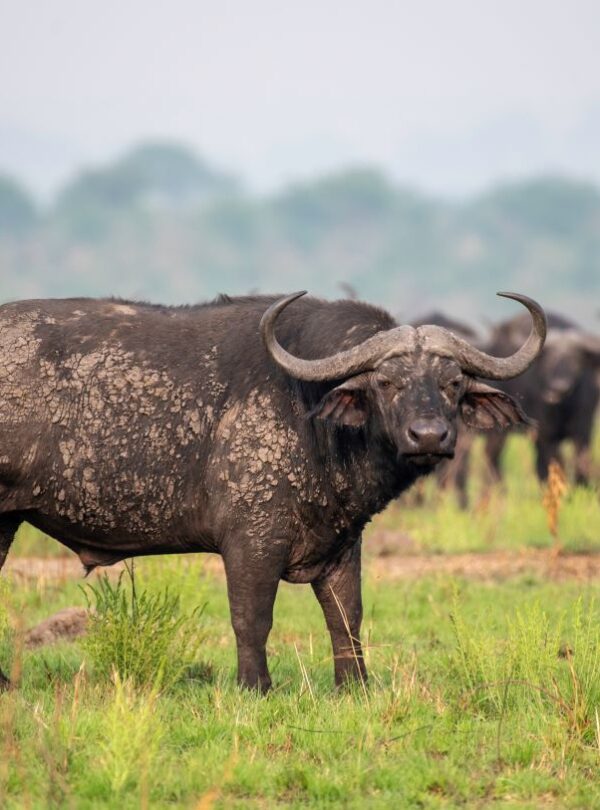
Elephants, buffaloes, hippos and Uganda kob are among the wildlife visitors may encounter. Lions are associated with the Kasenyi Plains and Ishasha, while leopards and other predators may be present in suitable habitats. Sightings vary and depend on natural conditions.
Birdlife and Wetlands
With more than 600 recorded bird species cited in Uganda Wildlife Authority information, the park offers opportunities for both general wildlife visitors and dedicated birders. The Kazinga Channel, lakes, wetlands and forest areas each provide different birding environments.
Lakes, Craters and the Albertine Rift
The park’s scenery includes Lake Edward, Lake George, the Kazinga Channel, crater lakes and views towards the Rwenzori Mountains. These landscapes reflect the geological history of the Albertine Rift and add variety to game drives and scenic journeys.
For visitors, the park is not only a place to look for wildlife. It is also an opportunity to appreciate how water, grassland, forest and human communities connect across a major protected landscape.
Where to Stay in Queen Elizabeth National Park
hoosing accommodation begins with deciding which areas and activities matter most to your safari. The park covers a substantial area, and lodges in different sectors are not interchangeable when it comes to transfer times and access to activities.
Accommodation ranges from comfortable safari camps, mid-range lodges, premium properties to higher-end properties. Availability, amenities and prices vary by property and season, so confirm current details before booking.
Mweya Peninsula and the Kazinga Channel
Mweya is a central tourism area overlooking the Kazinga Channel and Lake Edward. It can suit travellers who want to include a boat cruise, game drives and convenient access to selected park facilities.
Kasenyi Plains
Staying in or near the Kasenyi area can be practical for visitors prioritising savannah game drives and wildlife viewing. Consider the distance to the planned activity starting points when comparing accommodation.
Ishasha Sector
Ishasha suits travellers who want to explore the southern part of the park and include the tree-climbing lion landscape in their itinerary. It can also be a practical overnight area for selected routes connecting Queen Elizabeth with Bwindi.
Kyambura and the Eastern Areas
Accommodation around Kyambura can be convenient for visitors interested in chimpanzee tracking and selected forest or crater landscapes. Check the distance to the relevant activity briefing point and confirm the current arrangements before booking.
How to Choose Your Accommodation: Match your lodge to the activities you intend to do, your preferred comfort level, your budget and the route of your wider safari. A property that looks close on a map may still require a substantial transfer on park roads.
Explore our itineraries, accommodation collection and travel styles to help arrange accommodation and transport around the relevant highland destinations.
Best Time to Visit Queen Elizabeth National Park
Queen Elizabeth National Park can be visited throughout the year. The most suitable period depends on your interests, preferred travel conditions and the activities you want to include.
The relatively drier periods, commonly around June to August and December to February, can provide more manageable road and walking conditions. Wildlife viewing may be rewarding during these months, although sightings are never guaranteed.
Wetter months can bring greener scenery and changing birding opportunities, but rain may affect road conditions, visibility and walking trails. Weather patterns vary, so seasonal descriptions should be treated as general guidance rather than a promise of specific conditions.
The Kazinga Channel, game drives, birding and scenic exploration offer different experiences across the year. Travellers with specialised interests should discuss the timing of their visit with a knowledgeable safari planner.
Pack lightweight clothing, sun protection, insect repellent and rain protection. Include suitable footwear for any walking activities and confirm any activity-specific equipment requirements before departure.
How to Get to Queen Elizabeth National Park
Queen Elizabeth National Park is in western Uganda, approximately 400–410 kilometres by road from Kampala, depending on the route and destination area. The journey typically takes much of a day, and actual travel time varies with traffic, road conditions and stops.
By Road from Kampala or Entebbe
A private 4×4 safari vehicle is a flexible option for reaching the park. Routes through Fort Portal can be combined with visits to Kibale National Park or other western Uganda destinations. An alternative route through the Mbarara area can be considered for itineraries incorporating Lake Mburo National Park.
The best route depends on your first overnight stop, the part of Queen Elizabeth you plan to visit and your onward journey. Allow time for the journey rather than scheduling a demanding activity immediately after a long transfer.
By Scheduled or Charter Flight
Flights may be available from Entebbe International Airport or Kajjansi Airfield to suitable regional airstrips, including Kasese, Mweya or Ishasha, depending on the operator, route and schedule. A road transfer is still required to reach your lodge or activity starting point. Aerolink Uganda provides information on air access to Queen Elizabeth National Park.
Connecting from Other Safari Destinations
Queen Elizabeth National Park works well within a longer Uganda itinerary. Visitors can combine it with Kibale for chimpanzee tracking, Bwindi for mountain gorilla trekking, or other destinations according to available time and interests.
The route should account for accommodation locations, activity timings and the distance between destinations. A carefully planned sequence can reduce unnecessary backtracking and make the overall safari more comfortable.
Safari Packages Featuring Queen Elizabeth National Park
Explore Uganda safari packages that include Queen Elizabeth National Park and match your preferred wildlife experiences, travel style and accommodation collection. Depending on the itinerary, a visit can combine savannah game drives, a Kazinga Channel boat cruise, birding, scenic crater landscapes or selected primate experiences with other destinations in Uganda.
Savannah Crown

Combine Queen Elizabeth National Park with Other Destinations
Combine savannah wildlife viewing and a Kazinga Channel boat cruise with chimpanzee tracking and forest experiences in Kibale. This pairing creates a contrast between open grassland and tropical rainforest.
Queen Elizabeth and Bwindi Impenetrable National Park
Combine wildlife viewing in Queen Elizabeth with mountain gorilla trekking in Bwindi. The Ishasha sector can be a useful part of selected routes connecting the two destinations, depending on the permit sector, accommodation and road conditions. Read our guide to Bwindi Impenetrable National Park when planning your gorilla trekking experience.
Queen Elizabeth and Lake Mburo National Park
Lake Mburo can add another savannah and wetland environment to a Uganda safari. The most practical sequence depends on your arrival and departure arrangements and the other parks included in your trip.
Queen Elizabeth and Murchison Falls National Park
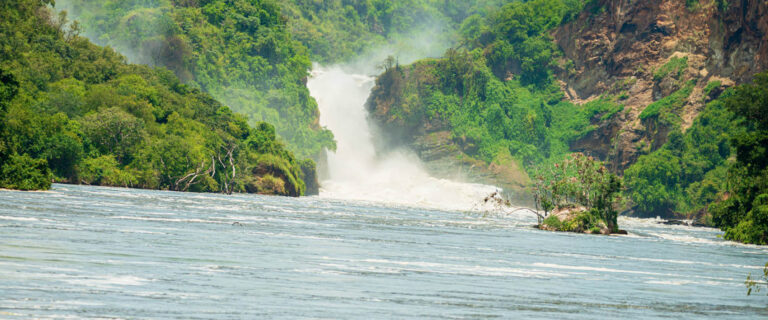
For travellers with more time, Murchison Falls can extend a Uganda wildlife safari to include another major national park and its distinctive river landscape. Allow sufficient days for the longer route and the activities at each destination.

Responsible Travel in Queen Elizabeth National Park
A visit to Queen Elizabeth National Park is an opportunity to appreciate Uganda’s wildlife and landscapes while supporting conservation and responsible tourism. Follow your guide’s instructions, keep a respectful distance from wildlife, never feed or disturb animals, and leave no litter in the park.
Choose responsible accommodation and locally operated experiences that respect community traditions and contribute to local livelihoods. Ask permission before taking photographs of people and follow guidance during cultural visits.
For official information about park regulations, activities, fees and conservation, consult the Uganda Wildlife Authority. For information on Uganda’s tourism standards and destination development, visit the Uganda Tourism Board. Responsible travel helps protect the park’s habitats and wildlife while supporting the communities whose lives are connected to the wider landscape.
Frequently Asked Questions About Queen Elizabeth National Park
The park is known for its diverse wildlife, savannah game drives, Kazinga Channel boat cruises, birdlife, crater landscapes and the tree-climbing lions associated with Ishasha. It also offers chimpanzee tracking in Kyambura Gorge and selected forest and cultural experiences.
Two to three nights can allow time for key activities such as game drives and a Kazinga Channel boat cruise. More time may be useful for birding, chimpanzee tracking, exploring different sectors or combining the park with nearby destinations. The ideal length depends on your interests and route.
Ishasha is particularly associated with lions that sometimes rest in fig trees. They are wild animals, so a sighting cannot be guaranteed. A guide can help plan a visit to suitable areas while respecting park rules.
Yes. Its varied habitats include wetlands, lakes, savannah and forest, providing opportunities for a wide range of bird species. Visitors with specialised birding interests should allow sufficient time and discuss their priorities with their guide.
Chimpanzee tracking is available in Kyambura Gorge, subject to current operating arrangements, permits and availability. Travellers should confirm the requirements with Uganda Wildlife Authority before booking. Kibale National Park is another major option for chimpanzee tracking in Uganda.
The park can be visited throughout the year. The relatively drier periods often provide more manageable road and walking conditions, while wetter periods can offer greener scenery and different birding opportunities. Conditions vary, and wildlife sightings are never guaranteed.
Visitors can travel by road from Kampala or Entebbe, or consider scheduled or charter flights to suitable regional airstrips, subject to availability. The best option depends on your budget, itinerary and accommodation location.
Yes. Queen Elizabeth and Bwindi can be combined in a multi-day Uganda safari. The route should be planned around the relevant trekking sector, accommodation and travel time.
Plan Your Visit to Queen Elizabeth National Park
Plan your visit to Queen Elizabeth National Park around the wildlife experiences, landscapes and activities that interest you most. Njagi Safaris can help organise a private Uganda safari combining game drives, boat cruises, birding, selected primate experiences and other destinations.
Share your intended travel dates, group size, accommodation preferences and interests through the enquiry form below. Contact our team to help you develop a practical itinerary that fits your available time and preferred style of travel.