Mgahinga Gorilla National Park
Mgahinga Gorilla National Park is one of Uganda’s most distinctive mountain destinations, celebrated for its endangered mountain gorillas, golden monkeys, volcanic landscapes and rich cultural heritage. Located in southwestern Uganda near Kisoro, the park forms part of the wider Virunga Mountains conservation landscape shared by Uganda, Rwanda and the Democratic Republic of the Congo.
From Mgahinga gorilla trekking and golden monkey tracking to volcano hiking, birding and the Batwa Trail, the park offers a rewarding combination of wildlife, mountain scenery and cultural experiences.
Mgahinga Gorilla National Park at a Glance
- Location: Southwestern Uganda, near Kisoro, within the Virunga Mountains.
- Landscape: Volcanic slopes, montane forest, bamboo zones, heath and high-altitude vegetation.
- Park size: Approximately 33.7 square kilometres.
- Best known for: Mountain gorilla trekking, golden monkey tracking and volcano hiking.
- Other experiences: Birding, guided nature walks and the Batwa Trail.
- Principal volcanoes: Mount Sabinyo, Mount Gahinga and Mount Muhabura.
- Safari style: Suitable for private, tailor-made, Preferred, Upper Mid-Range, Premium and Signature itineraries, subject to available accommodation and activity arrangements.
- Planning priority: Confirm gorilla or golden monkey permits, hiking arrangements and suitable accommodation near the park’s access points.
- A distinctive Virunga conservation landscape: Mgahinga Gorilla National Park Uganda protects part of the Virunga volcanic ecosystem, an internationally significant habitat for mountain gorillas and golden monkeys. Its relatively small area contains striking changes in elevation, vegetation and scenery, making it an exceptional destination for travellers interested in both primates and mountain environments.
Mgahinga offers more than a gorilla encounter. Its combination of primate experiences, volcanic terrain and cultural heritage makes it an appealing addition to a carefully planned southwestern Uganda safari.
Why Visit Mgahinga Gorilla National Park?
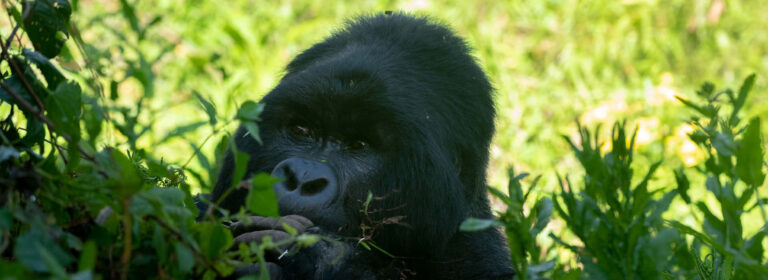
The appeal of Mgahinga Gorilla National Park begins with the opportunity to experience mountain gorillas within the dramatic setting of the Virunga Mountains. Accompanied by authorised guides and trackers, visitors follow forest trails to locate a habituated gorilla group, with the duration and difficulty of the trek influenced by terrain and gorilla movements.
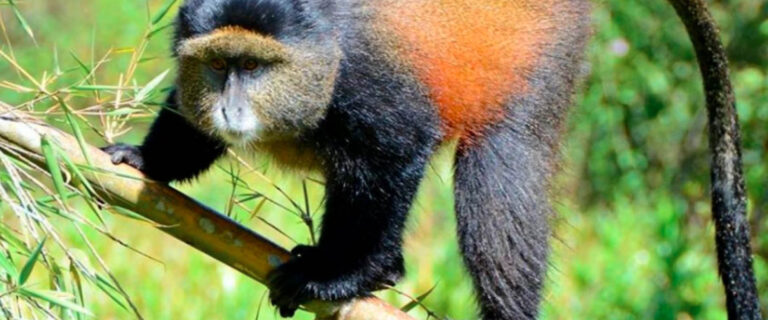
The park is also especially important for golden monkey tracking in Mgahinga. These distinctive primates inhabit the bamboo and forest habitats of the Virunga region, offering visitors a wildlife experience different from gorilla trekking. For active travellers, Mgahinga volcano hiking provides opportunities to explore the slopes and summits of Mount Sabinyo, Mount Gahinga and Mount Muhabura. The hikes vary in difficulty, duration and elevation, making advance preparation essential.
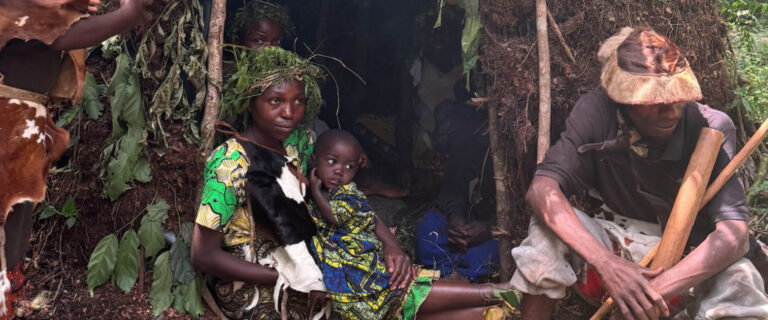
Cultural experiences add another dimension. The Batwa Trail introduces visitors to aspects of Batwa heritage and the community’s historical relationship with the forest through an organised cultural experience. A visit to Mgahinga can therefore combine mountain gorillas, golden monkeys, Virunga volcanoes and Batwa cultural heritage within one carefully designed Uganda itinerary. Explore our Uganda Safari Destinations.
Things to Do in Mgahinga Gorilla National Park
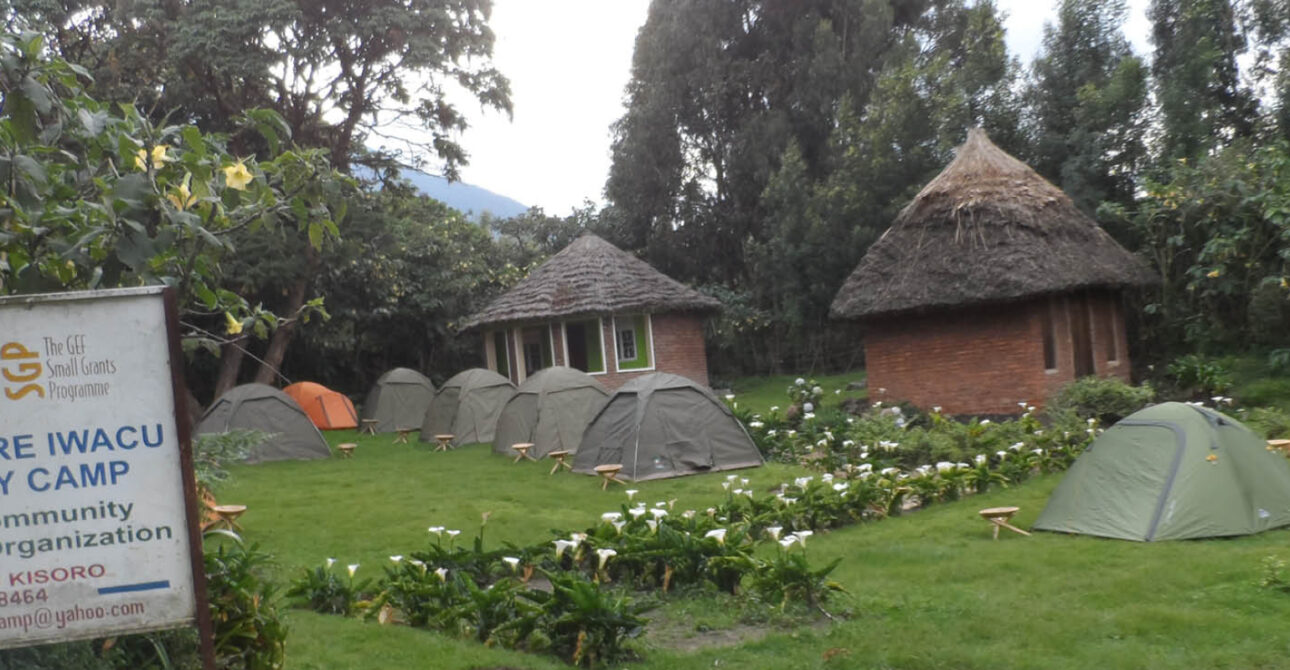
Mgahinga offers several experiences that can be incorporated into a wider Uganda safari. The right combination depends on your interests, physical fitness, available time, permit availability and prevailing weather conditions.
Gorilla Trekking in Mgahinga
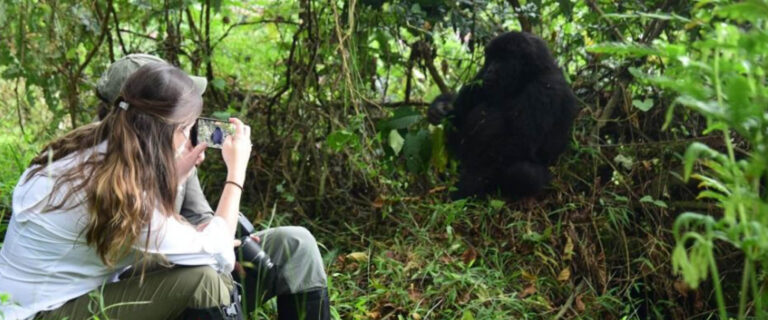
Mgahinga gorilla trekking is one of the park’s signature wildlife experiences. Visitors join an organised trek led by authorised guides and trackers to locate a habituated mountain gorilla group. The experience involves walking through forest and mountain terrain, with the route and duration determined by the gorillas’ movements and the prevailing conditions.
Trails may be steep, muddy or slippery, particularly after rainfall. Gorilla trekking permits should be confirmed before finalising accommodation and transport arrangements. For detailed planning information, read our Gorilla Trekking in Uganda specialist guide.
Golden Monkey Tracking
Golden monkey tracking in Mgahinga offers an opportunity to observe these distinctive primates in their natural bamboo and montane forest habitats. Visitors follow authorised guides in search of golden monkey groups, which can be active and move quickly through the vegetation.
The experience appeals to wildlife enthusiasts, photographers and travellers interested in the biodiversity of the Virunga Mountains. Golden monkey tracking requires separate activity arrangements from gorilla trekking. Confirm permit availability, briefing requirements and current park regulations before booking.
Golden Monkey Habituation Experience
The Mgahinga golden monkey habituation experience provides a different opportunity to observe golden monkeys and learn about their behaviour. This activity is distinct from standard golden monkey tracking and is subject to specific permit arrangements, availability and current Uganda Wildlife Authority operations. Travellers interested in a more specialised primate experience should confirm the programme’s availability and applicable conditions before including it in their itinerary.
Volcano Hiking
Mgahinga volcano hiking is a major attraction for travellers seeking mountain scenery and active exploration. The park contains three volcanoes associated with the Virunga Mountains: Mount Sabinyo, Mount Gahinga and Mount Muhabura.
Each mountain offers a different hiking experience, with varying elevations, vegetation, terrain and physical demands.
Hikes must be undertaken with authorised guides and appropriate equipment. Weather, trail conditions and fitness levels should be considered before selecting a route.
Birding
Mgahinga birding offers opportunities to explore birdlife associated with the Albertine Rift and the Virunga mountain habitats. The park’s bamboo, forest and high-altitude vegetation support a variety of bird species, including birds associated with montane environments.
Birding can complement gorilla trekking or golden monkey tracking, particularly for visitors who wish to spend additional time exploring the park’s biodiversity. Travellers with specialist birding interests should discuss target species and suitable trails with their guide.
Guided Nature Walks
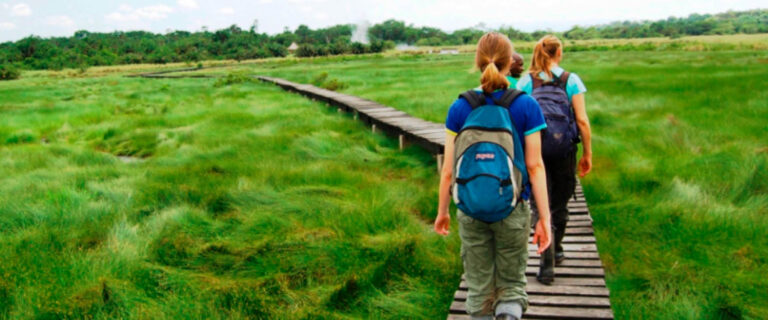
Guided nature walks provide an opportunity to appreciate Mgahinga’s vegetation, volcanic scenery, smaller wildlife and ecological features at a slower pace. The available trails and walking arrangements depend on the designated activity, weather and current park guidance.
Batwa Trail and Cultural Experiences
The Batwa Trail Mgahinga introduces visitors to aspects of Batwa cultural heritage and the community’s historical relationship with the forest. The experience may include demonstrations of traditional knowledge, storytelling and cultural interpretation, subject to the programme’s current arrangements. Visitors should approach the experience with respect, follow community guidance and obtain consent before photographing participants.


Exploring Mgahinga’s Three Virunga Volcanoes
Understanding the Virunga Mountains Uganda landscape is essential for visitors interested in hiking and scenic exploration.
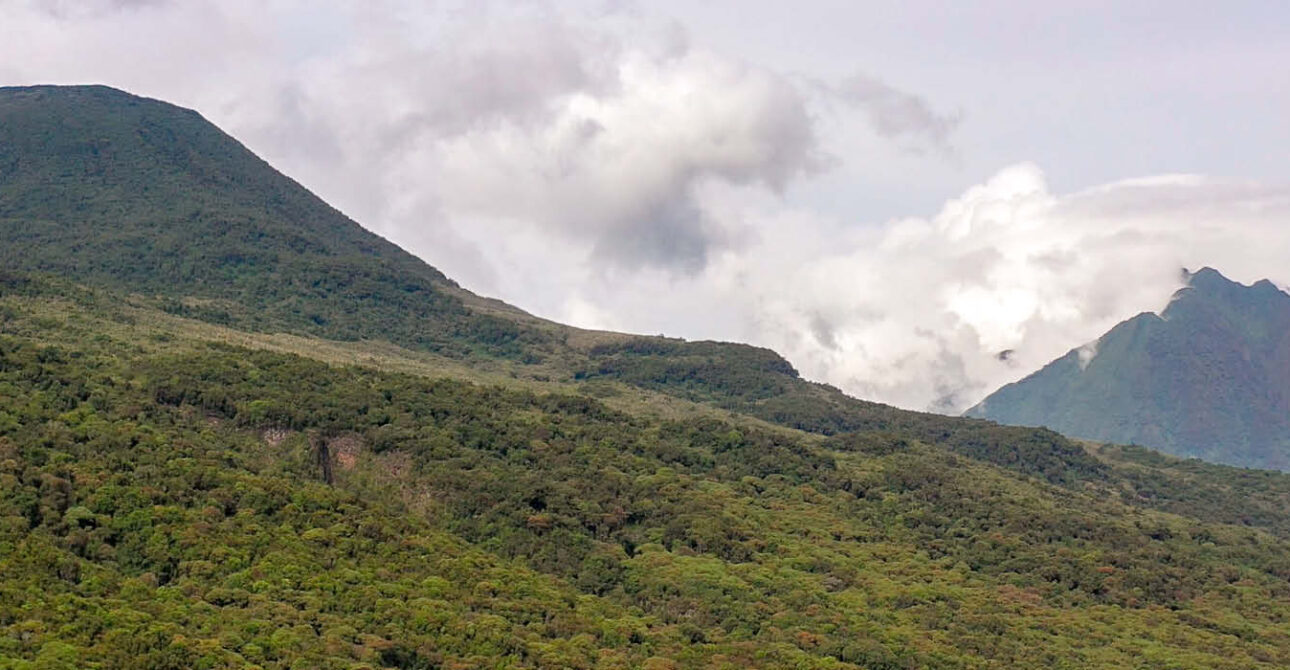
Mgahinga protects the Ugandan slopes of three volcanoes: Mount Sabinyo, Mount Gahinga and Mount Muhabura. Each has its own landscape characteristics and hiking requirements.
Mount Sabinyo
Mount Sabinyo hiking offers a demanding mountain experience across steep volcanic terrain. The mountain is particularly notable for its location at the meeting point of Uganda, Rwanda and the Democratic Republic of the Congo. The route can involve ladders, steep sections and exposed terrain, making it better suited to physically prepared hikers. Weather and trail conditions should be assessed before departure, and the hike must follow authorised park arrangements.
Mount Gahinga
Mount Gahinga hiking offers an opportunity to explore the volcanic slopes and high-altitude vegetation of the Virunga landscape. The mountain is associated with bamboo vegetation and a summit crater area. Its hiking route provides a different experience from the more technically demanding sections of Mount Sabinyo. Although generally considered less demanding than the park’s highest mountain routes, the hike still requires appropriate fitness, footwear and weather protection.
Mount Muhabura
Mount Muhabura hiking is a challenging experience on one of the Virunga Mountains’ prominent volcanic peaks. The mountain rises to approximately 4,127 metres above sea level, making altitude, steep gradients and changing weather important considerations.
This hike is best suited to physically fit travellers who are comfortable with sustained uphill walking and high-altitude conditions.
Important planning note: Volcano hiking should not be treated as an activity that can automatically be added after gorilla trekking on the same day. Confirm the hiking duration, start time, weather conditions and required recovery time before finalising your itinerary.
Mgahinga Wildlife, Forest and Biodiversity
Beyond its famous mountain gorillas, Mgahinga National Park protects a remarkable mountain ecosystem shaped by volcanic activity, changing elevations and varied vegetation zones. Its habitats include bamboo forest, montane woodland, heath and higher-altitude vegetation, supporting wildlife adapted to the Virunga Mountains.
The park is particularly important for golden monkeys, which inhabit the bamboo and forest areas. Other wildlife includes forest mammals, birds, butterflies and smaller species that contribute to the park’s biodiversity. Although Mgahinga is relatively small, its ecological importance extends beyond its boundaries. The park forms part of the transboundary Virunga conservation landscape, where habitat protection and cooperation between neighbouring countries are essential for the survival of mountain gorillas and other wildlife.
For travellers, the park offers an opportunity to appreciate a different side of Uganda’s natural heritage: a mountainous volcanic environment where wildlife encounters, scenery and conservation are closely connected.
Birdlife of the Albertine Rift
Mgahinga birding is particularly appealing to visitors interested in the Albertine Rift and high-altitude forest habitats. The park supports birds associated with bamboo vegetation, montane forest and volcanic slopes. Species of interest include the Rwenzori turaco, handsome francolin and other birds associated with the region’s mountain ecosystems.
Birding can complement gorilla trekking in Mgahinga or form part of a more specialised Uganda birding itinerary. Visitors with particular species interests should discuss their priorities and suitable trails with their guide before travelling.
Where to Stay Near Mgahinga Gorilla National Park
Choosing where to stay near Mgahinga begins with considering the activities you intend to undertake, the location of your accommodation and the time needed to reach the designated briefing point. Accommodation is available near the park, around Kisoro and in the Lake Mutanda area. Options range from comfortable guesthouses and lodges to premium properties offering mountain and lake views.
Ntebeko and the Park Entrance Area
Accommodation near Ntebeko can be particularly convenient for travellers planning Mgahinga gorilla trekking, golden monkey tracking or volcano hiking. Staying close to the park reduces the need for an early transfer from more distant accommodation, although the actual activity starting point should always be confirmed.
Kisoro Town
Kisoro provides a practical accommodation base for travellers visiting Mgahinga and other destinations in southwestern Uganda. The town offers access to transport services, accommodation and onward routes towards Bwindi, Lake Mutanda and the Rwanda border.
Lake Mutanda
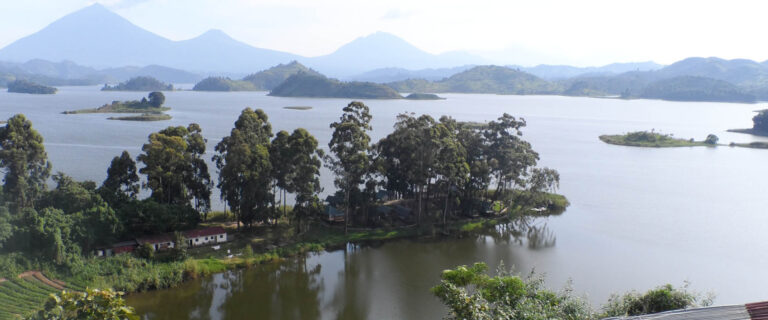
Lake Mutanda offers a scenic accommodation alternative for visitors who would like to combine Mgahinga Gorilla National Park with lakeside relaxation and views of the Virunga Mountains. The lake’s surroundings can be particularly appealing for photography, gentle exploration and a slower-paced stay after physically demanding activities.
Lake Mulehe
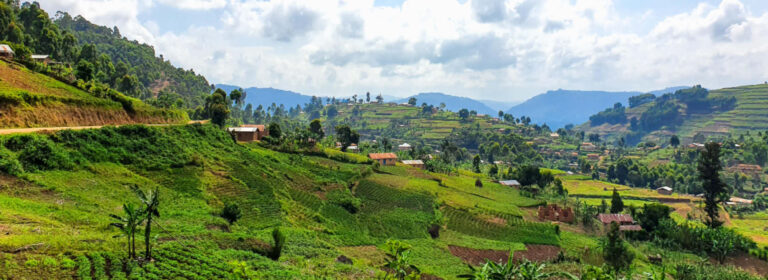
Lake Mulehe accommodation offers a scenic alternative for travellers visiting Mgahinga Gorilla National Park and the wider Kisoro region. The lake is surrounded by green hills and rural landscapes, providing a peaceful setting for visitors who prefer to stay outside Kisoro town.
Selected lakeside lodges can serve as bases for Mgahinga gorilla trekking, golden monkey tracking and other activities, provided that transfer times to the relevant briefing points are confirmed in advance. Lake Mulehe can also appeal to travellers combining Mgahinga with southern Bwindi, depending on their itinerary and accommodation preferences.
Lake Chahafi
Lake Chahafi accommodation provides another quiet lakeside option in the Kisoro region, surrounded by cultivated hills, wetlands and scenic countryside. The area can appeal to travellers seeking relaxation, nature photography and a less-developed setting alongside their Mgahinga Gorilla National Park safari.
Accommodation choices around Lake Chahafi are more limited, so visitors should confirm suitable properties, access conditions and travel times to the park before booking.
Premium and Signature Accommodation
Travellers seeking a higher level of comfort can consider selected Premium and Signature properties in the Kisoro and Lake Mutanda region. Accommodation should be assessed according to location, service standards, transfer times and the experiences included in the itinerary.
How to choose: Match your lodge to the confirmed activity briefing point, your preferred accommodation collection and the wider safari route. Confirm transfer times before booking, especially when planning early-morning gorilla or golden monkey tracking.
Explore our itineraries, accommodation collection and travel styles to help arrange accommodation and transport around the relevant highland destinations.
Best Time to Visit Mgahinga Gorilla National Park
The best time to visit Mgahinga depends on your preferred activities, travel dates and tolerance for changing mountain weather.
The relatively drier periods, particularly June to August and December to February, are commonly favoured for Mgahinga gorilla trekking, golden monkey tracking and volcano hiking. Trails may be more manageable during these months, although rainfall remains possible throughout the year.
Wetter periods can bring muddy trails, slippery slopes and more challenging hiking conditions. They can also offer lush vegetation, atmospheric mountain scenery and rewarding photography opportunities. Because Mgahinga is a high-altitude destination, conditions can change rapidly during the day. Cooler temperatures, cloud cover, rain and strong winds may affect hiking comfort and visibility.
For a comfortable experience, pack waterproof clothing, sturdy hiking boots, warm layers, gloves where appropriate and protection for your daypack. Discuss seasonal trail conditions and your planned activities with your safari operator before departure.
How to Get to Mgahinga Gorilla National Park
Reaching Mgahinga Gorilla National Park requires planning around your departure point, accommodation location and selected activities. The park is located near Kisoro in southwestern Uganda, and visitors can reach the region by road or through suitable domestic flight arrangements.
By Road
Many visitors travel by private 4×4 safari vehicle from Kampala or Entebbe through southwestern Uganda. The journey typically takes most of a day, with the exact duration influenced by road conditions, traffic, stops and the location of your accommodation.
The final approach to Mgahinga passes through mountainous landscapes where roads can be winding or rough, particularly after rain. Allow sufficient time for transfers and consider an overnight stop when it makes the itinerary more comfortable.
By Domestic or Charter Flight
Depending on current flight schedules, travellers may be able to fly from Entebbe to Kisoro Airstrip and continue by road to their accommodation or the park. Flying can reduce long-distance road travel and may be particularly suitable for travellers planning a shorter or more comfortable safari. Flight availability, baggage allowances, airstrip conditions and onward transfers should be confirmed before booking.
Connecting from Other Safari Destinations
Mgahinga Gorilla National Park can be incorporated into longer Uganda safaris that include Bwindi Impenetrable National Park, Lake Mutanda, Lake Bunyonyi and Queen Elizabeth National Park.
The order of destinations should reflect permit availability, accommodation locations and realistic transfer times. A carefully planned route helps avoid unnecessary backtracking and allows sufficient time for early-morning activity briefings.
Safari Packages Featuring Mgahinga Gorilla National Park
Explore Uganda safari packages that combine the park’s mountain gorillas, golden monkeys, volcano hiking and cultural experiences with other destinations in southwestern Uganda. Depending on the itinerary, a visit may focus on a single primate experience or include several days exploring the Virunga Mountains and surrounding landscapes.
Heritage Trails

Combine Mgahinga with Other Destinations
Combining Mgahinga Gorilla National Park with nearby destinations can create a more varied Uganda safari. The right combination depends on available time, activity permits, accommodation preferences and your wider travel route.
Mgahinga and Bwindi Impenetrable National Park
A Mgahinga and Bwindi safari combines two of Uganda’s most important mountain gorilla conservation destinations. Travellers can arrange gorilla trekking in one park and golden monkey tracking or volcano hiking in the other, creating a varied primate and mountain experience. Explore Bwindi Impenetrable National Park for additional planning information.
Mgahinga and Lake Mutanda
A Mgahinga and Lake Mutanda safari combines mountain activities with scenic lakeside experiences. Lake Mutanda offers views towards the Virunga Mountains and opportunities to enjoy a slower travel pace after trekking or hiking. This combination can be particularly appealing to photographers, couples and travellers interested in nature and relaxation.
Mgahinga and Lake Bunyonyi
Lake Bunyonyi offers a peaceful highland setting with scenic islands, surrounding hills and opportunities for relaxation. It can complement the physical demands of gorilla trekking or volcano hiking and provide an additional scenic destination within a southwestern Uganda itinerary.
Mgahinga and Queen Elizabeth National Park
Travellers with more time can combine Mgahinga Gorilla National Park with Queen Elizabeth National Park for a safari featuring mountain primates and savannah wildlife. This pairing brings together two contrasting ecosystems, but the route requires careful planning around road transfers, accommodation and activity availability.

Responsible Travel in Mgahinga Gorilla National Park
Visiting Mgahinga Gorilla National Park is an opportunity to experience one of Uganda’s most important mountain conservation landscapes while supporting the protection of endangered primates and the well-being of neighbouring communities. The park forms part of the wider Virunga ecosystem, where habitat conservation is essential for mountain gorillas, golden monkeys and other wildlife.
During gorilla trekking and golden monkey tracking, follow your ranger guide’s instructions, maintain the required distance from primates, avoid disturbing wildlife and respect all park regulations. Visitors should also avoid littering, damaging vegetation or entering restricted areas.
Responsible cultural tourism is equally important. Experiences such as the Batwa Trail should respect community traditions, cultural knowledge and local participation. Obtain consent before photographing people and choose programmes that provide meaningful benefits to participating communities.
For official park regulations and conservation information, consult the Uganda Wildlife Authority. For broader destination guidance and tourism standards, visit the Uganda Tourism Board. By travelling responsibly, visitors can help ensure that Mgahinga’s wildlife, landscapes and cultural heritage remain protected for future generations.
Frequently Asked Questions About Mgahinga Gorilla National Park
Mgahinga Gorilla National Park is located in southwestern Uganda near Kisoro, within the Virunga Mountains. It lies close to Uganda’s borders with Rwanda and the Democratic Republic of the Congo and protects the Ugandan slopes of Mount Sabinyo, Mount Gahinga and Mount Muhabura.
Yes. Mgahinga gorilla trekking offers visitors the opportunity to encounter a habituated mountain gorilla group in its natural habitat. Trekking requires a permit and is conducted under the guidance of authorised Uganda Wildlife Authority personnel. Gorilla sightings cannot be guaranteed because the animals remain wild.
Both parks offer mountain gorilla trekking, but their landscapes and trekking arrangements differ. Mgahinga Gorilla National Park is characterised by volcanic slopes and bamboo habitats, while Bwindi contains extensive mountainous rainforest and several gorilla trekking sectors. Mgahinga also offers golden monkey tracking and volcano hiking, making it attractive for travellers interested in combining several mountain experiences.
Yes. Golden monkey tracking in Mgahinga is one of the park’s principal wildlife activities. Visitors join authorised guides to locate golden monkeys in their natural bamboo and forest habitats. A separate golden monkey habituation experience may also be available, subject to current permit and operational arrangements.
The difficulty of Mgahinga volcano hiking depends on the mountain selected. Mount Gahinga is generally considered more manageable than the steeper routes on Mount Sabinyo and Mount Muhabura. All three require suitable fitness, hiking footwear and preparation for changing mountain weather.
The best time to visit Mgahinga is often during the relatively drier months of June to August and December to February. These periods may offer more manageable trail conditions for gorilla trekking, golden monkey tracking and volcano hiking. Rainfall remains possible throughout the year.
The total cost of gorilla trekking in Mgahinga depends on the applicable permit tariff, accommodation, transport, travel season and overall safari duration. Permit fees vary by visitor category and may change. Confirm current prices and availability with the Uganda Wildlife Authority before finalising your booking.
Yes. Mgahinga and Bwindi safaris are suitable for travellers interested in mountain gorillas, golden monkeys and varied forest experiences. Lake Mutanda offers a scenic lakeside extension with views towards the Virunga Mountains. The best route depends on your available time, activity permits and accommodation arrangements.
Plan Your Visit to Mgahinga Gorilla National Park
Plan your visit to Mgahinga Gorilla National Park by selecting the experiences that interest you most, confirming permit arrangements and choosing suitable accommodation near Kisoro, Ntebeko, Lake Chahafi, Lake Mulehe or Lake Mutanda.
Njagi Safaris can organise a private Uganda safari combining Mgahinga gorilla trekking, golden monkey tracking, volcano hiking and other destinations across southwestern Uganda.
Share your travel dates, group size, accommodation preferences and interests through the enquiry form below. Our team will help you develop a practical itinerary tailored to your preferred travel style and available time.