Karamoja Region
The Karamoja Region is one of Uganda’s most distinctive cultural and scenic destinations, celebrated for its expansive landscapes, rugged mountains, traditional pastoral heritage and strong community identities. Located in northeastern Uganda, the region offers visitors an opportunity to experience a different side of the country, where open plains, rocky hills and rural settlements form part of a landscape shaped by generations of pastoral and agricultural life.
From guided cultural experiences and mountain hiking to birdwatching, scenic exploration and visits to community-led tourism initiatives, Karamoja can add a memorable dimension to a Uganda safari. Its proximity to Kidepo Valley National Park also makes the region an important consideration for travellers interested in combining cultural experiences with wildlife viewing.
Karamoja Region at a Glance
- Location: Northeastern Uganda, bordering Kenya and South Sudan across different parts of the wider region.
- Landscape: Open plains, rocky outcrops, mountain ranges, seasonal waterways and rural pastoral landscapes.
- Best known for: Karamojong cultural heritage, distinctive traditional settlements, mountain scenery and connections to Kidepo Valley National Park.
- Other experiences: Guided community visits, mountain hiking, birdwatching, photography, local crafts and scenic road journeys.
- Key visitor areas: Moroto, Mount Moroto, Napak, Kotido, Kaabong and selected communities and landscapes across the region.
- Safari style: Suitable for private, tailor-made cultural, adventure and nature-focused itineraries, depending on local access and accommodation arrangements.
- Planning priority: Confirm the intended travel route, suitable local guides, community permissions, accommodation and current access conditions before departure.
- A region of exceptional cultural and landscape diversity: Karamoja is associated with the Karamojong and several other communities whose histories, languages, livelihoods and traditions contribute to the region’s identity. Pastoralism has played an important role in its history, alongside farming, trade and other livelihoods. The area’s mountain landscapes and semi-arid plains create a striking contrast with Uganda’s forested and lake-rich regions.
Karamoja is more than a cultural stop on the way to Kidepo. Its communities, landscapes and varied experiences make it a destination worth exploring with time, preparation and respect for local customs.
Why Visit Karamoja Region?
The appeal of the Karamoja Region begins with its combination of cultural heritage and dramatic scenery. Travellers can discover landscapes of open plains, rocky mountains and rural settlements while learning about the traditions and contemporary lives of communities across northeastern Uganda.
Guided cultural experiences can introduce visitors to local architecture, crafts, pastoral heritage, food traditions and community initiatives. These encounters are most meaningful when organised with local participation, clear consent and a fair contribution to the people involved.
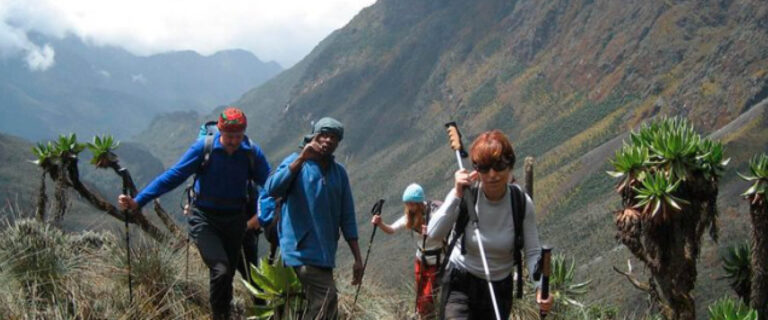
Karamoja also appeals to travellers interested in outdoor exploration. Mount Moroto and other highland areas offer opportunities for guided hiking, scenic photography and nature observation, with routes adapted to local conditions and the abilities of participants.
For visitors planning a longer Uganda safari, Karamoja provides a cultural and geographical connection to Kidepo Valley National Park. Combining the two can bring together mountain landscapes, community experiences and savannah wildlife.
A visit to Karamoja therefore offers an opportunity to explore Uganda’s cultural diversity, northeastern landscapes and community-led tourism within a carefully designed private itinerary. Explore our Uganda Safari Destinations.
Things to Do in Karamoja Region
Karamoja offers cultural, scenic and outdoor experiences that can be incorporated into a wider Uganda safari. The most suitable activities depend on your interests, fitness, travel dates, local access conditions and the communities or landscapes included in your route.
Karamojong Cultural Experiences
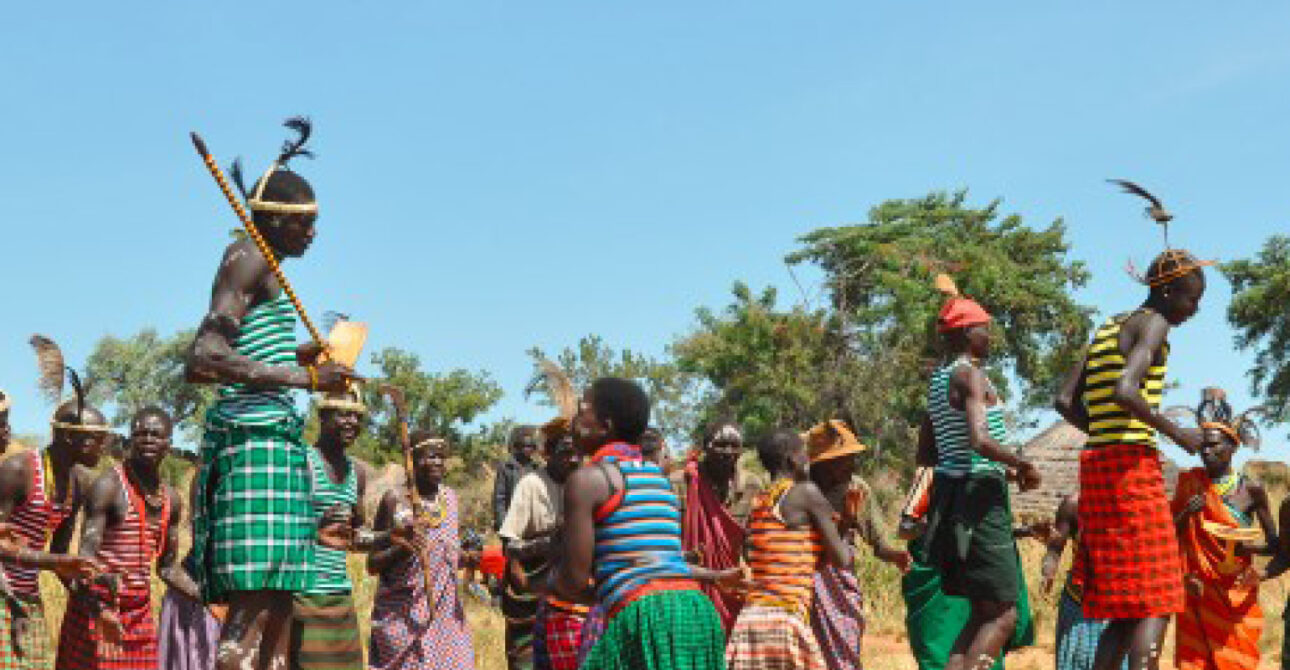
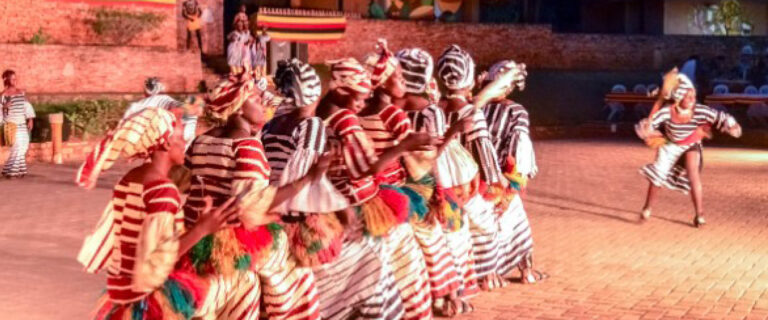
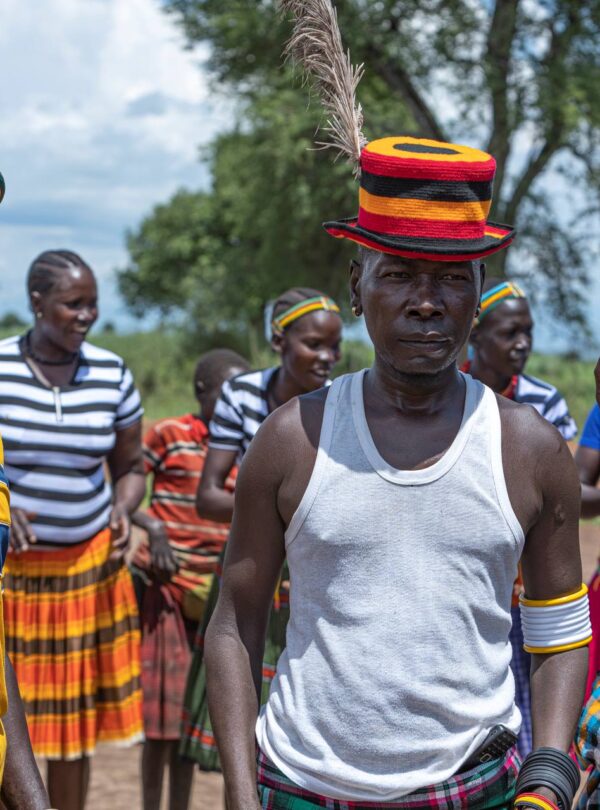
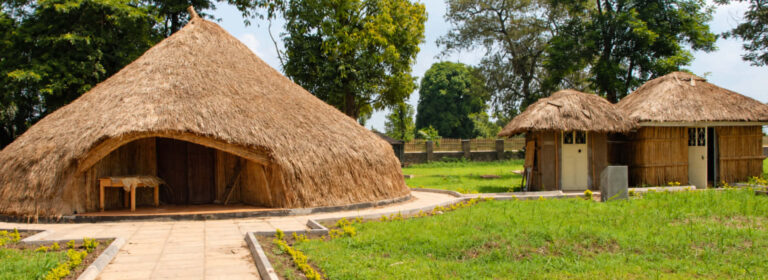
Guided Karamoja cultural tours introduce visitors to aspects of Karamojong heritage, including traditional architecture, pastoral practices, storytelling, crafts and community life. Experiences should be arranged through trusted local guides and community representatives, with clear agreement on the activities involved.
Visitors should approach these encounters as opportunities for respectful cultural exchange rather than performances expected from residents. Local traditions vary between communities, so the content of each visit should reflect the people hosting the experience.
Mount Moroto Hiking
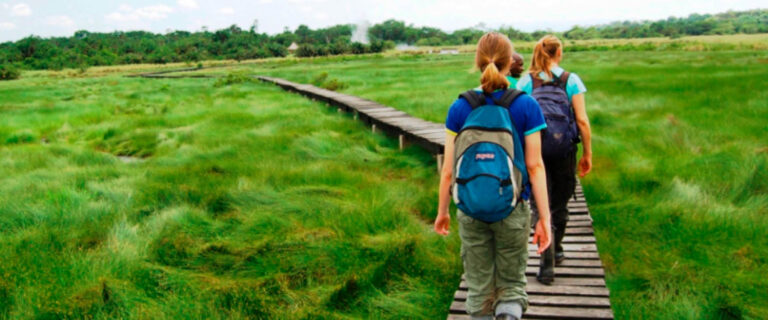
Mount Moroto hiking is one of Karamoja’s notable outdoor experiences. The mountain rises above the surrounding plains and offers opportunities to explore highland scenery, rocky slopes and varied vegetation. Guided routes can differ in duration, difficulty and elevation.
Some require considerable physical fitness, suitable footwear and an early start, while shorter excursions may be more appropriate for visitors seeking scenic walks. Hiking arrangements should be confirmed with experienced local guides familiar with the terrain, weather and current access conditions.
Guided Community and Village Visits
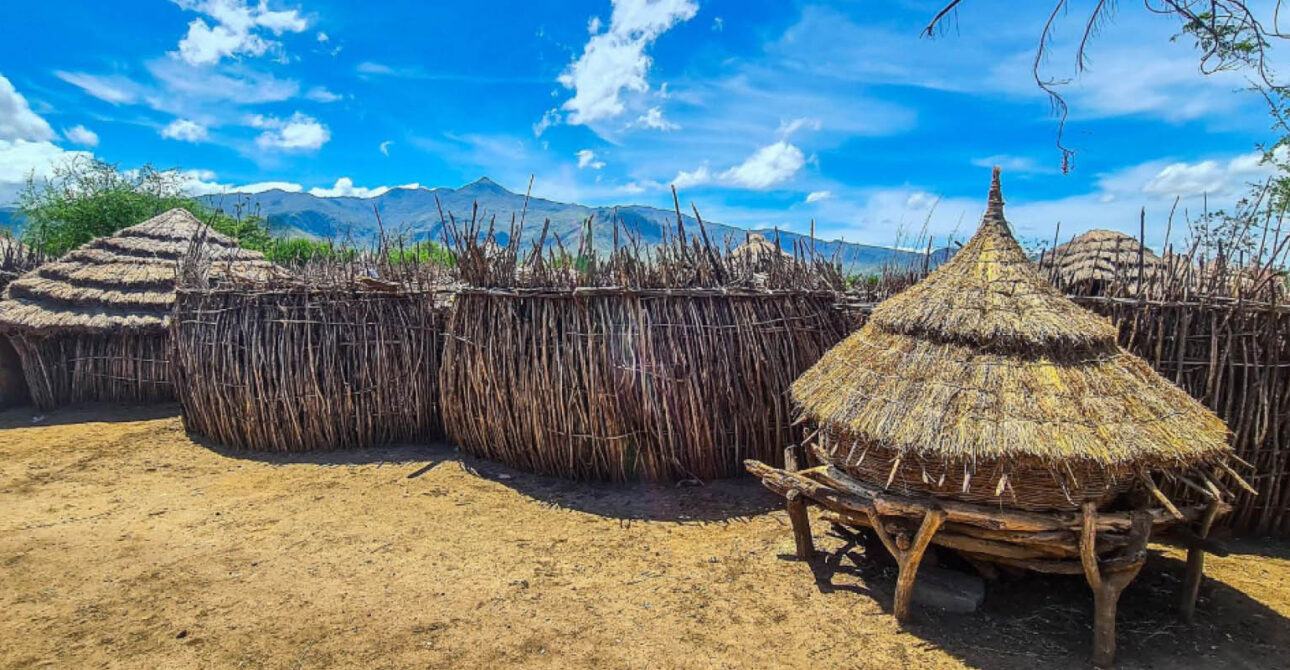
Community visits provide opportunities to learn about everyday livelihoods, traditional settlement patterns and the social and cultural life of participating communities. Some experiences may include introductions to local crafts, food preparation, agriculture or pastoral heritage, depending on the hosts and the arrangements made.
Photography should always be discussed in advance. Participation must remain voluntary, and tourism benefits should be shared fairly with the people involved.
Scenic Drives and Landscape Photography
Karamoja’s open plains, mountain backdrops and rural landscapes create opportunities for scenic exploration and photography. Guided road journeys can reveal changing landscapes, settlements and viewpoints across the region. The most suitable routes depend on road conditions, weather and the time available. Travellers interested in photography should respect private property, obtain permission before photographing people and avoid disrupting daily activities.
Birdwatching and Nature Exploration
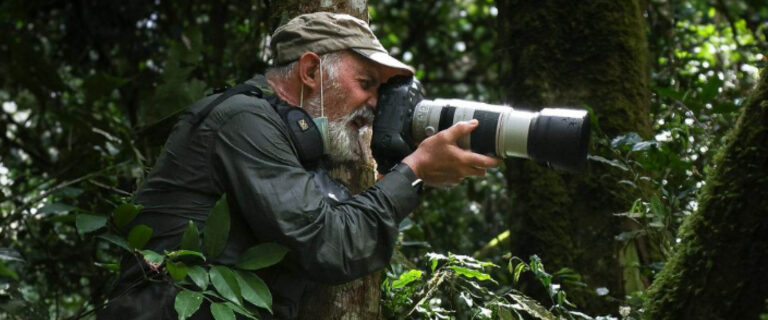
The region’s dry savannah, rocky slopes, woodland and seasonal wetland habitats support a variety of birdlife. Birdwatching can complement cultural visits or hiking excursions, particularly for travellers interested in northeastern Uganda’s habitats. Dedicated birders should discuss their target species, preferred habitats and seasonal considerations with an experienced guide before finalising the itinerary.
Local Crafts and Traditional Skills
Selected community initiatives offer opportunities to learn about crafts and skills associated with local livelihoods and cultural heritage. Activities may include beadwork, traditional decorative arts or introductions to other locally practised skills, depending on the community and available programmes. Purchasing crafts directly from makers can provide a more transparent contribution to local livelihoods.
Hiking and Exploration Around Other Karamoja Highlands
Beyond Mount Moroto, Karamoja includes other striking mountain and hill landscapes, including areas around Mount Napak and the wider northeastern highlands. Some locations may offer guided walks, landscape observation and cultural encounters, subject to local access arrangements. These excursions require careful planning because facilities, trails and road conditions differ considerably between areas.
Karamoja and Kidepo Cultural-Wildlife Experiences
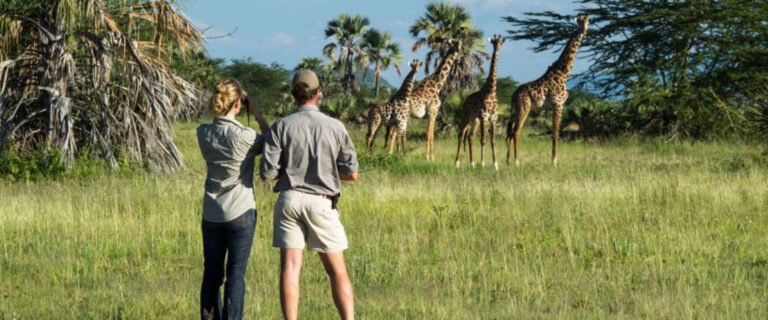
Karamoja can be combined with wildlife viewing in Kidepo Valley National Park, creating an itinerary that connects the region’s cultural landscapes with protected savannah ecosystems. Travellers can explore community experiences around suitable locations before or after visiting Kidepo for game drives, birdwatching and scenic wildlife viewing.
The combination is especially appealing for visitors seeking a broader understanding of northeastern Uganda beyond conventional wildlife tourism.

Karamoja’s Main Cultural and Scenic Areas
Understanding Karamoja’s main visitor areas is important when planning a journey through the region. Unlike a national park with a single entrance or designated tourism sectors, Karamoja covers a large geographical area with different communities, landscapes and transport connections.
Moroto, Napak, Kotido and Kaabong offer distinct opportunities for cultural exploration, scenic travel and connections with the wider northeastern Uganda safari circuit. Travellers should select their route according to available time, accommodation, local guidance and the experiences they wish to prioritise.
Moroto and Mount Moroto
Moroto is one of the principal bases for tourism in Karamoja, offering access to the surrounding mountain landscapes and selected community experiences. Mount Moroto provides a dramatic backdrop to the town and attracts visitors interested in guided hiking, scenic photography and exploring highland environments.
Cultural visits may also be arranged with participating communities in the surrounding area. Moroto can be a practical starting point for a regional journey, but visitors should confirm accommodation, guiding arrangements and the conditions of onward roads before departure.
Napak and Mount Napak
Napak is known for its striking mountainous landscapes and rural communities. Mount Napak is a prominent geographical feature that contributes to the region’s rugged scenery. The area may appeal to travellers interested in landscape photography, guided exploration and learning about local livelihoods.
Hiking and community activities require appropriate local arrangements. Visitors should not assume that all mountain routes are established tourism trails or accessible without permission.
Kotido and Surrounding Cultural Landscapes
Kotido provides access to parts of northern Karamoja and is associated with pastoral landscapes, community life and regional cultural heritage. Selected guided experiences may introduce travellers to local crafts, settlement patterns and the relationship between communities and their environment.
Because the surrounding area includes communities with different customs and livelihoods, cultural activities should be organised through knowledgeable local partners rather than approached as informal visits.
Kaabong and Northern Karamoja
Kaabong lies in northern Karamoja and is an important consideration for travellers planning to explore the region alongside Kidepo Valley National Park. Its surrounding landscapes include open plains, hills and rural settlements that illustrate the geographical diversity of northeastern Uganda.
Accommodation, road access and local arrangements should be confirmed before travel, particularly when connecting remote areas with the national park.
Pian Upe Wildlife Reserve and Southern Karamoja
Pian Upe Wildlife Reserve is a significant protected area in northeastern Uganda, associated with open grasslands, rocky landscapes and wildlife conservation. It can be incorporated into selected itineraries approaching Karamoja from the south, particularly those connecting the region with eastern Uganda.
Wildlife sightings, visitor activities and access arrangements depend on current Uganda Wildlife Authority guidance. Travellers should confirm the relevant entry requirements and authorised activities before visiting.
Kidepo Valley National Park and the Northern Safari Circuit
Kidepo Valley National Park lies in Uganda’s far northeast and is one of the country’s distinctive savannah wildlife destinations. Although it is a separate protected area rather than a cultural tourism sector of Karamoja, it is an important component of many journeys through the wider region.
Combining Kidepo with Karamoja offers opportunities to experience wildlife habitats, expansive scenery and cultural heritage within one carefully planned itinerary.
Important planning note: Karamoja is a large region. Travelling between Moroto, Kotido, Kaabong and Kidepo can require substantial time, especially when road conditions change. A successful itinerary should prioritise a manageable number of locations rather than attempting to cover the entire region in a short visit.
Wildlife, Landscapes and Biodiversity
The Karamoja Region contains a distinctive mixture of dry savannah, woodland, mountain vegetation, rocky hills and seasonal wetland habitats. These environments differ considerably from the tropical forests and lake landscapes commonly associated with other parts of Uganda.
The region’s biodiversity is closely connected to variations in rainfall, elevation and land use. Mountain slopes support vegetation communities different from those of the surrounding plains, while seasonal water sources influence the distribution of birds and other wildlife.
Protected landscapes such as Pian Upe Wildlife Reserve and nearby Kidepo Valley National Park contribute to conservation across northeastern Uganda. However, wildlife viewing opportunities differ between these protected areas and the wider inhabited landscapes of Karamoja.
For visitors, the region offers an opportunity to appreciate the relationship between nature, pastoral livelihoods, land management and wildlife conservation.
Birdlife of Karamoja
Karamoja is of interest to birdwatchers because its dry-country habitats support species associated with northeastern Uganda and the wider East African savannah.
Depending on the location and habitat, visitors may encounter birds such as hornbills, weavers, raptors and other woodland or grassland species. Specialist birders may also explore suitable habitats for regionally distinctive species under experienced guidance.
Bird activity varies with rainfall, habitat conditions and the time of year. Travellers with particular birdwatching interests should discuss target locations and seasonal conditions with their guide.
Mountain Habitats and Scenic Landscapes
Mount Moroto, Mount Napak and other highland areas create varied ecological conditions within Karamoja’s predominantly open landscapes. Changes in elevation influence vegetation, temperature and the habitats available to birds and smaller wildlife.
Rocky slopes and elevated viewpoints also provide opportunities for scenic photography and guided nature observation. Visitors should remain on suitable routes, avoid disturbing sensitive habitats and follow local guidance during mountain excursions.
Savannah Wildlife and Protected Areas
Karamoja’s wider landscape includes protected areas and wildlife habitats associated with northeastern Uganda’s savannah ecosystems. Pian Upe Wildlife Reserve and Kidepo Valley National Park are important considerations for travellers interested in combining cultural exploration with wildlife viewing.
Wildlife sightings cannot be guaranteed, and the animals present, authorised activities and visitor facilities differ between locations. Travellers should confirm current conservation-area requirements with the Uganda Wildlife Authority.
Where to Stay in Karamoja Region
Choosing where to stay in Karamoja begins with identifying the areas you intend to explore. Accommodation is distributed unevenly across the region, and some locations offer a limited selection of established visitor facilities.
Options may include comfortable guesthouses, small lodges, community-oriented accommodation and selected nature-focused properties. The available comfort level varies considerably between Moroto, northern Karamoja and remote areas. For a private safari, accommodation should be selected alongside the travel route, not after the itinerary has been finalised.
Moroto
Moroto is a practical accommodation base for visitors exploring Mount Moroto and nearby cultural experiences. The town offers access to local services and can support itineraries featuring guided hiking, community visits and scenic exploration. Accommodation should be selected according to the intended activities, vehicle access and preferred comfort level.
Napak and Surrounding Areas
Accommodation around Napak and its surrounding landscapes may be more limited than in larger regional centres. Travellers planning hiking or community experiences should confirm the availability of suitable overnight facilities and local guides before committing to the route. Depending on the itinerary, an alternative base may be more practical.
Kotido
Kotido can serve as a stop on longer journeys through northern Karamoja, particularly those connecting cultural experiences with destinations farther north. Accommodation choices may be modest, and travellers should confirm essential facilities, meal arrangements and transport requirements in advance.
Kaabong and Northern Karamoja
Kaabong and surrounding northern areas can be relevant to itineraries approaching Kidepo Valley National Park. Accommodation availability and standards vary, so it is important to establish the most practical overnight location before finalising the day’s travel. For some itineraries, staying closer to the park may provide a more convenient base for wildlife activities.
How to choose: Match accommodation to the actual experiences planned for each day, the available comfort level and the road connections between destinations. A property that appears close on a map may still involve a lengthy journey over rural roads.
Explore our itineraries, accommodation collection and travel styles to help plan a route that balances cultural experiences, scenic exploration and comfortable transfers.
Best Time to Visit Karamoja Region
The best time to visit Karamoja depends on your preferred activities, travel route and tolerance for hot weather or changing road conditions. Karamoja generally has a different seasonal rainfall pattern from much of southern Uganda.
The region commonly experiences a relatively dry period from around December to March, while rainfall is more frequent during parts of the period from April to November. Actual conditions vary across locations and elevations.
The drier months can be convenient for road travel, cultural excursions, scenic photography and some hiking activities. However, daytime temperatures on the plains can be high, and dry conditions may create dusty roads. Wetter months can transform the landscapes, bringing greener vegetation and seasonal changes in bird activity. Rainfall may also affect rural roads, mountain trails and access to remote communities.
Higher elevations around Mount Moroto can experience conditions that differ from those on the surrounding plains. Mountain visitors should prepare for changing temperatures, wind and possible rain. For a comfortable visit, carry lightweight clothing, sun protection, sturdy walking shoes, sufficient drinking water and a rain jacket. Warm layers may be useful for highland activities and cooler evenings.
Planning advice: Confirm local road conditions and the suitability of your chosen activities shortly before departure. For remote routes, avoid relying on general Uganda-wide seasonal descriptions alone.
How to Get to Karamoja Region
Reaching Karamoja requires careful route planning because the region covers a large part of northeastern Uganda. The best approach depends on your intended destinations, the number of travel days available and the wider safari route.
By Road from Kampala or Entebbe
Many visitors travel to Karamoja by private safari vehicle from Kampala or Entebbe, using routes through eastern or northern Uganda according to the final destination. Moroto is a common starting point for cultural and mountain experiences, while journeys to Kotido, Kaabong and other northern locations require additional travel.
Road conditions vary, and some sections may be rough or affected by seasonal rain. A suitable vehicle, experienced driver and realistic daily travel schedule are important.
By Domestic or Charter Flight
Air travel may be considered for selected northeastern Uganda itineraries, particularly those incorporating Kidepo Valley National Park. Domestic or charter flight possibilities depend on the operator, available airstrips, schedules and current operating arrangements.
Air travel does not necessarily eliminate the need for substantial road transfers within Karamoja. Flight availability, baggage allowances and onward vehicle arrangements should be confirmed before booking.
Connecting from Other Safari Destinations
Karamoja can be included in longer Uganda itineraries connecting eastern Uganda, Pian Upe Wildlife Reserve, Kidepo Valley National Park and other destinations. Travellers approaching from the south may consider a route through the eastern highlands, while those focusing on northern Karamoja may plan their journey around Kidepo.
The sequence should minimise unnecessary backtracking and allow sufficient time for cultural experiences, accommodation transfers and wildlife activities.
Travelling Within Karamoja
Journeys within Karamoja require particular attention to distance, road conditions, fuel availability and local arrangements. Remote communities and mountain areas may not have the same visitor infrastructure as Uganda’s established national park circuits.
Travellers should use reliable transport, work with experienced local guides and confirm current access advice before entering unfamiliar areas. For Njagi Safaris, a carefully organised private route is preferable to an overly ambitious itinerary covering too many distant locations.
Safari Packages Featuring Karamoja Region
Explore Uganda safari packages that incorporate the Karamoja Region and match your interests in cultural heritage, scenic landscapes, mountain exploration and wildlife viewing. Depending on the itinerary, a visit may focus on guided cultural experiences around Moroto or combine Karamoja with Pian Upe Wildlife Reserve, Kidepo Valley National Park and other destinations in northeastern Uganda.

Pearl Odyssey
Heritage Trails
Combine Karamoja with Other Destinations
Combining the Karamoja Region with other destinations can create a more varied Uganda safari. The right combination depends on your interests, available time, preferred activities and the distances between locations.
Karamoja and Kidepo Valley National Park
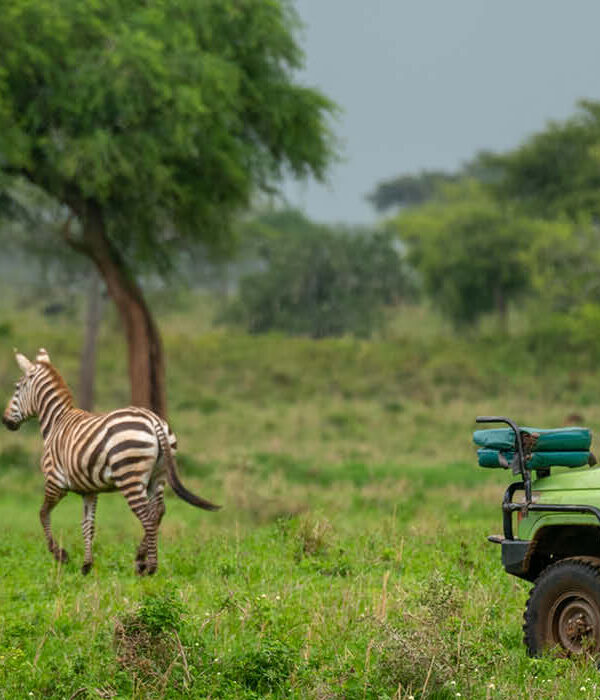
Kidepo Valley National Park is one of the strongest destinations to combine with Karamoja. Its expansive savannah landscapes and wildlife experiences complement the region’s cultural heritage and mountain scenery. Travellers can arrange guided community experiences in suitable parts of Karamoja before or after visiting Kidepo for game drives, birdwatching and scenic exploration.
This combination is particularly appealing for visitors interested in both wildlife conservation and the cultural landscapes of northeastern Uganda.
Karamoja and Pian Upe Wildlife Reserve
Pian Upe Wildlife Reserve provides opportunities to explore protected grassland and savannah environments in northeastern Uganda. Combining Pian Upe with Moroto or other parts of Karamoja can create a journey that moves between wildlife habitats, open landscapes and cultural experiences.
The route should account for reserve access arrangements, accommodation availability and seasonal road conditions.
Karamoja and Sipi Falls
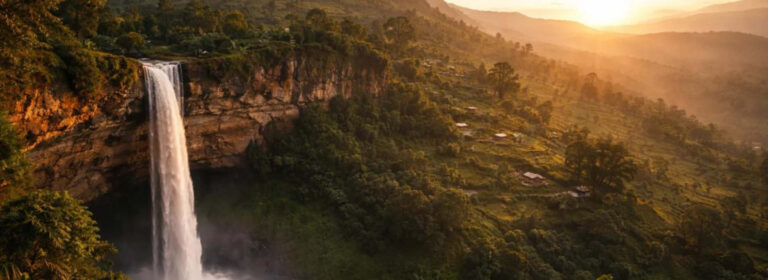
Sipi Falls, on the slopes of Mount Elgon in eastern Uganda, offers a scenic contrast to Karamoja’s drier plains and rugged mountains. Travellers can combine guided cultural experiences in Karamoja with waterfall walks, highland scenery and community-based coffee experiences around Sipi. This pairing can be particularly suitable for a journey approaching Karamoja from eastern Uganda.
Karamoja and Mount Elgon National Park
Mount Elgon National Park offers mountain scenery, forest habitats, hiking and nature experiences that differ from the landscapes of Karamoja. Combining the two destinations allows travellers to explore contrasting mountain environments and cultural settings within eastern and northeastern Uganda. The final itinerary should reflect the hiking routes selected, available time and the road connections between destinations.
Responsible Travel in Karamoja Region
Responsible travel in the Karamoja Region begins with respecting the dignity, traditions and choices of the communities who live there. Karamoja is home to diverse communities with distinct histories, languages and livelihoods. Cultural tourism should provide opportunities for genuine exchange while ensuring that residents retain control over their participation and how their heritage is represented.
During community visits, follow your local guide’s instructions, request permission before taking photographs and respect restrictions around homes, ceremonies and private activities. Avoid treating communities as attractions or expecting residents to demonstrate cultural practices without prior agreement. Choose experiences organised with local participation and transparent arrangements for community benefits.
Travellers exploring mountain landscapes and wildlife habitats should remain on appropriate routes, avoid disturbing vegetation or wildlife and leave no litter behind. Supporting locally operated accommodation, guides and craft initiatives can help tourism contribute to livelihoods. For further guidance, consult the Uganda Tourism Board, the Uganda Wildlife Authority and the Uganda Ministry of Tourism, Wildlife and Antiquities.
By travelling thoughtfully, visitors can help ensure that tourism in Karamoja supports cultural respect, environmental conservation and meaningful opportunities for local communities.
Frequently Asked Questions About Karamoja Region
The Karamoja Region is located in northeastern Uganda, extending across a large area of plains, hills, mountains and rural communities. It includes important visitor locations such as Moroto, Napak, Kotido and Kaabong. The wider region connects with protected landscapes and tourism routes leading towards Kidepo Valley National Park.
Karamoja is known for its distinctive cultural heritage, traditional pastoral history, mountain landscapes and open plains. The region is associated with Karamojong communities, Mount Moroto, cultural tourism initiatives and journeys connecting northeastern Uganda with Kidepo Valley National Park.
Popular experiences include guided cultural visits, Mount Moroto hiking, scenic drives, landscape photography, birdwatching, local craft experiences and exploring selected mountain areas. Travellers can also combine Karamoja with wildlife viewing in Pian Upe Wildlife Reserve or Kidepo Valley National Park.
Yes. Selected communities participate in organised cultural tourism experiences. Visits should be arranged through knowledgeable local guides or community-led initiatives, with clear consent and respect for local customs. Activities and photography arrangements should be agreed upon in advance, and community participation should remain voluntary.
Mount Moroto offers guided hiking opportunities, but the difficulty depends on the chosen route, elevation, terrain and weather. Some excursions require considerable fitness and preparation. Travellers should select a route appropriate to their abilities and use experienced local guides familiar with current conditions.
Travel conditions in Karamoja vary by location and can change. Visitors should obtain current local advice, use experienced guides, arrange reliable transport and follow official guidance on regional security and road access. Remote travel should be planned carefully, and some areas may require additional precautions or changes to the itinerary.
Karamoja can be visited at different times of year, depending on the planned activities. The relatively drier period, commonly around December to March, can be convenient for road journeys and outdoor exploration, although daytime temperatures may be high. Wetter months bring greener landscapes but can affect rural roads and hiking conditions.
Two or three days may allow time for selected cultural experiences and scenic activities around Moroto. A longer stay is advisable for visitors planning mountain hiking, multiple community experiences or travel through northern Karamoja. Combining Karamoja with Kidepo Valley National Park generally requires additional days.
Karamoja can be reached by road from Kampala through eastern or northern Uganda, depending on the intended destination. Private safari transport is often practical because travel distances are substantial and local road conditions vary. The journey should be planned around suitable overnight stops and realistic transfer times.
Accommodation is available in selected regional centres, particularly Moroto, with additional options in other parts of Karamoja. Facilities and comfort levels vary, and remote areas may have limited established accommodation. Travellers should choose a suitable base according to their planned activities, road connections and preferred level of comfort.
Karamoja includes savannah, mountain and woodland habitats that support wildlife and birdlife. For dedicated wildlife viewing, visitors can consider protected areas such as Pian Upe Wildlife Reserve and nearby Kidepo Valley National Park. Sightings depend on natural conditions, and authorised activities must follow the relevant conservation-area regulations.
Yes. Karamoja can be combined with Kidepo Valley National Park for cultural and wildlife experiences or with Sipi Falls for waterfall walks and highland scenery. Longer itineraries may also incorporate Pian Upe Wildlife Reserve or Mount Elgon National Park. The best route depends on available time, road conditions and the preferred sequence of destinations.
Plan Your Visit to Karamoja Region
Plan your visit to the Karamoja Region by identifying the cultural experiences, mountain landscapes and wildlife destinations that interest you most, then confirming suitable local guides, accommodation and transport arrangements.
Njagi Safaris can organise a private Uganda itinerary that combines Karamoja’s cultural heritage, scenic exploration and community experiences with other destinations, including Kidepo Valley National Park and the eastern Uganda highlands.
Share your travel dates, group size, preferred activities and accommodation requirements through the enquiry form below. Our team will help you develop a practical itinerary that respects local communities, considers current travel conditions and balances cultural discovery with comfortable transfers.