Tooro Kingdom
Tooro Kingdom is one of Uganda’s historic traditional kingdoms, celebrated for its royal heritage, cultural traditions, distinctive identity and longstanding connections with the landscapes of western Uganda. Centred around Fort Portal, the kingdom is home to the Batooro people, whose history, language, customs and institutions form an important part of Uganda’s cultural heritage.
The kingdom’s most recognisable landmark is Karuzika Palace, situated on a prominent hill overlooking Fort Portal. Beyond its royal associations, the wider Tooro region offers opportunities to discover traditional hospitality, local food, community heritage and the scenic highlands surrounding the town.
From exploring the history of the Tooro monarchy and learning about Batooro customs to visiting cultural attractions and nearby natural destinations, Tooro Kingdom provides a meaningful cultural dimension to a western Uganda safari.
Tooro Kingdom at a Glance
- Location: Western Uganda, with Fort Portal as the kingdom’s royal and cultural centre.
- Landscape: Fertile highlands, cultivated hills, rural communities, tea-growing areas and landscapes near the Rwenzori Mountains.
- Best known for: Tooro’s royal heritage, Karuzika Palace, the Batooro people and traditional cultural institutions.
- Other experiences: Cultural heritage visits, community experiences, traditional food, craft encounters and exploration of Fort Portal.
- Principal cultural landmarks: Karuzika Palace, selected royal heritage sites and cultural attractions associated with Fort Portal.
- Safari style: Suitable for private cultural journeys, family safaris and tailor-made itineraries combining heritage with nature and wildlife.
- Planning priority: Confirm access arrangements for royal sites, identify suitable cultural guides and allow sufficient time for nearby attractions.
- A living cultural institution: Tooro Kingdom is one of Uganda’s constitutionally recognised traditional institutions. Its modern cultural role is distinct from the administrative responsibilities of local and national government. The kingdom remains an important symbol of Batooro identity, heritage and continuity.
Tooro is more than a historical landmark. Its royal traditions, communities and surrounding landscapes offer visitors an opportunity to understand western Uganda through its people, customs and cultural history.
Why Visit Tooro Kingdom?
The appeal of Tooro Kingdom begins with the opportunity to explore a living royal tradition that has shaped the identity of communities in western Uganda for generations. The kingdom’s history, ceremonial customs and cultural institutions provide an important perspective on Uganda’s diversity.
Fort Portal is closely associated with Tooro’s royal heritage. Its elevated setting, green surroundings and views towards the Rwenzori foothills create an appealing environment for cultural exploration.
A visit can introduce travellers to the history of the Omukama, the traditional title of Tooro’s king, and the cultural significance of Karuzika Palace. Guided interpretation can help explain the kingdom’s historical development and its place in contemporary Ugandan society.
Tooro also offers experiences beyond royal landmarks. Visitors may learn about Batooro greetings, traditional food, music, storytelling, crafts and community livelihoods through appropriately arranged encounters.
The kingdom’s location is another advantage. Fort Portal provides convenient access to Kibale National Park, crater lake landscapes and other western Uganda destinations, allowing travellers to combine cultural experiences with nature and wildlife.
A visit to Tooro Kingdom can therefore bring together royal history, living traditions, scenic landscapes and meaningful community encounters within a thoughtfully planned Uganda safari. Explore our Uganda Safari Destinations.
Things to Do in Tooro Kingdom
Tooro Kingdom offers cultural and heritage experiences that can complement a wider Uganda safari. The most suitable combination depends on your interests, available time and access arrangements at individual sites.
Discover Tooro Kingdom’s Royal Heritage
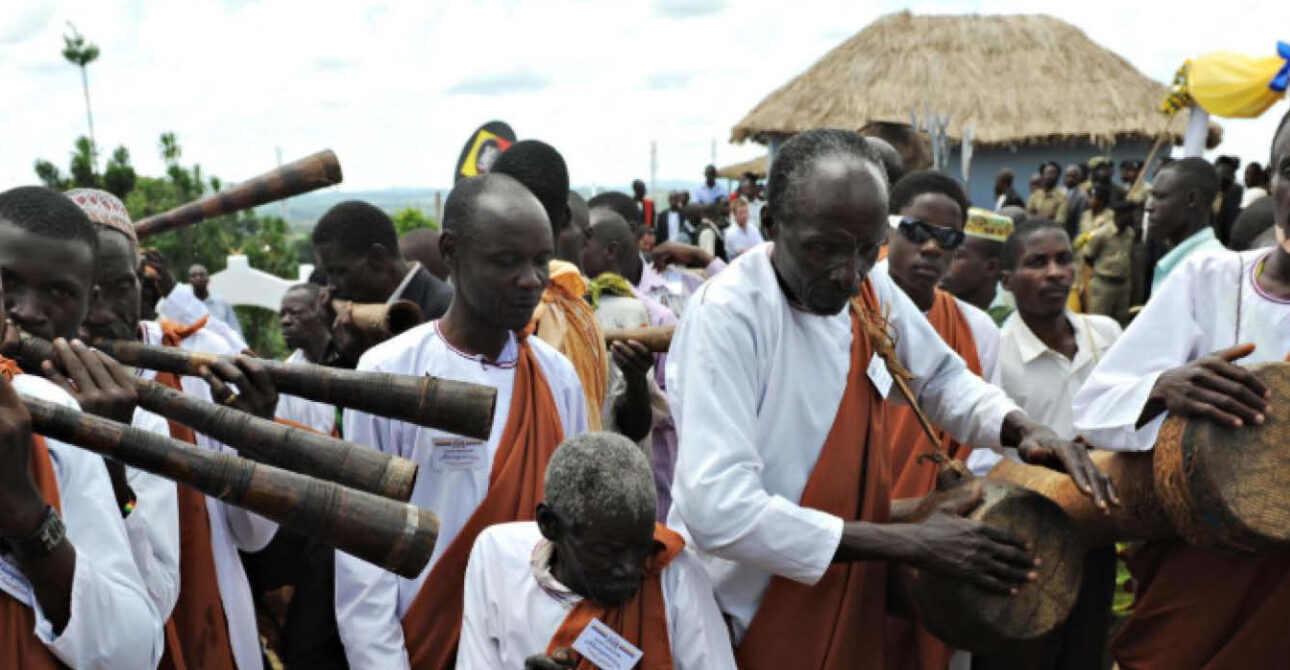
Learning about Tooro’s royal history is one of the principal reasons to visit the region. The kingdom has a distinctive monarchical tradition associated with the Omukama and the cultural institutions of the Batooro people.
Guided interpretation can introduce visitors to the kingdom’s historical origins, royal succession and contemporary cultural role. Historical information is best explored through knowledgeable local guides and reliable heritage sources.
Visit Karuzika Palace
Karuzika Palace is one of Fort Portal’s most recognisable landmarks and an important symbol of Tooro Kingdom. The palace stands on a hill overlooking the town and surrounding landscapes. Its setting makes it a prominent feature of Fort Portal’s cultural identity.
Access to the palace compound or interior is not guaranteed. Visitors should confirm current permission, visiting arrangements and photography rules before planning a tour.
Explore Batooro Culture and Traditions
The Batooro people maintain a rich cultural heritage expressed through language, greetings, social customs, ceremonies and family traditions.
Appropriately arranged cultural experiences can introduce travellers to the significance of respect, hospitality and community relationships in Batooro society. Visitors should approach these encounters as opportunities for learning rather than performances that can be assumed to take place on demand.
Experience Traditional Tooro Food
Food offers an accessible introduction to the everyday culture of the Tooro region. Local meals may feature traditional staples, vegetables and preparations associated with western Uganda, including millet-based dishes and locally grown produce.
A guided food experience or a meal hosted by a participating community provider can help travellers understand the relationship between agriculture, family life and regional cuisine.
Discover Traditional Music, Dance and Storytelling
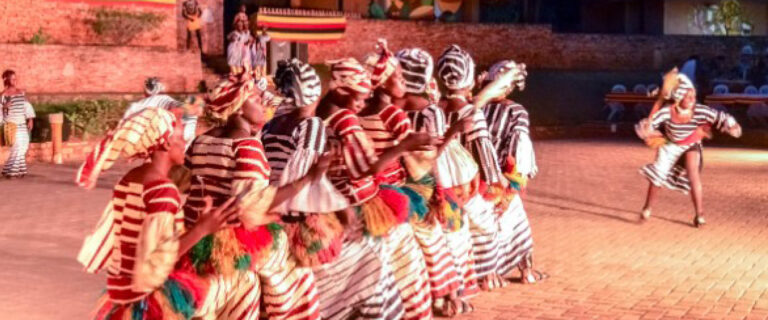
Music, dance and oral traditions form an important part of Batooro cultural expression. Community-led cultural programmes may introduce visitors to traditional performances, storytelling and the meanings associated with different customs.
Availability depends on local arrangements, and performances should be organised respectfully with appropriate compensation for participants.
Explore Fort Portal’s Cultural Landmarks
Fort Portal provides a practical base for exploring Tooro Kingdom’s heritage and contemporary cultural life. Visitors can discover selected historical landmarks, local markets and community spaces while learning about the town’s relationship with the kingdom. A guided town experience can provide useful context before visiting nearby natural attractions.
Visit Local Communities and Craft Initiatives
Community experiences can introduce travellers to traditional skills, crafts, agricultural livelihoods and locally led tourism initiatives. These encounters may include demonstrations, conversations with artisans or visits to projects supporting local livelihoods. Choose providers that respect community preferences and allow participants to determine how their culture and work are presented.
Enjoy Scenic Highland and Cultural Photography
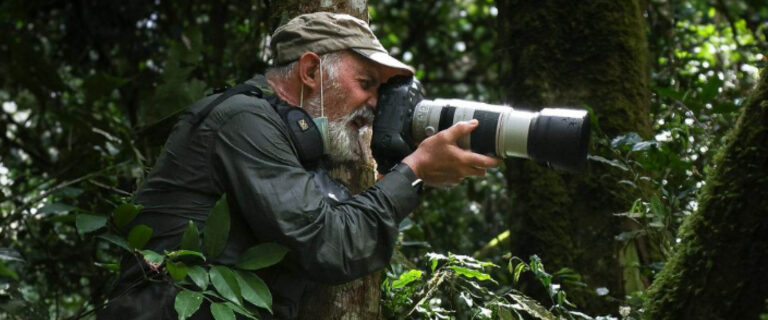
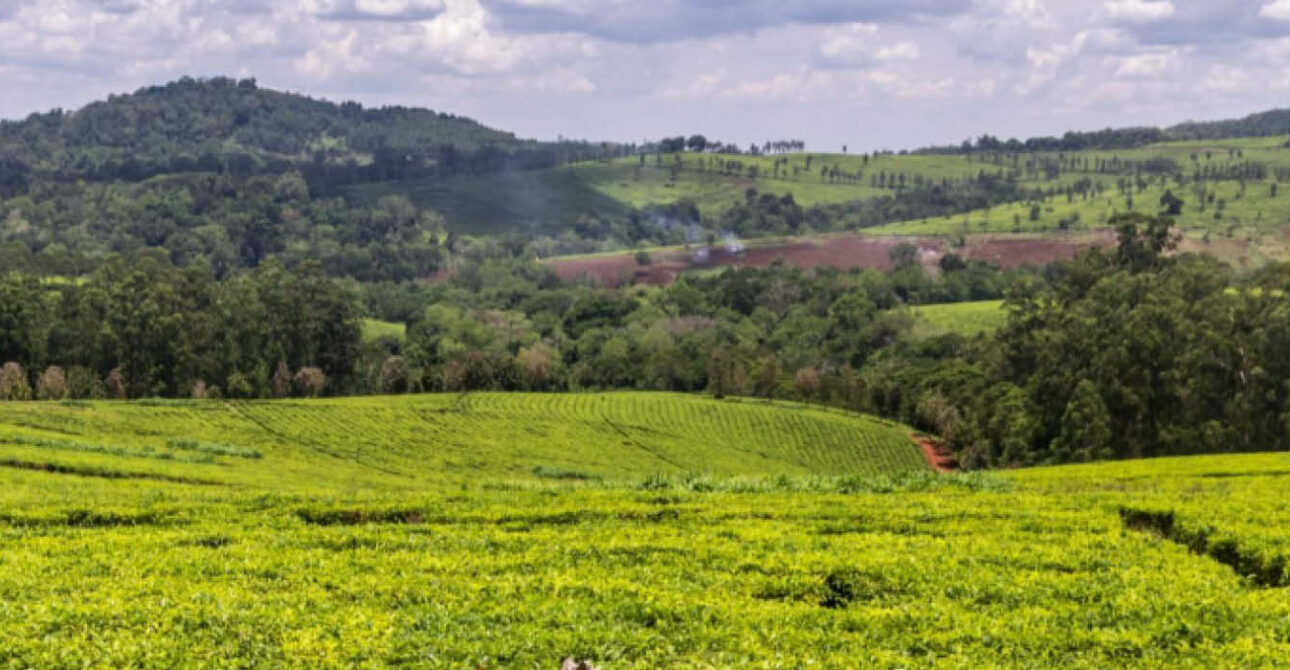
The landscapes surrounding Fort Portal offer opportunities for photography, with cultivated hills, tea-growing areas, village scenes and distant mountain views. Cultural photography can also document architecture, crafts and community life when permission has been granted.
Visitors should respect restrictions at royal sites and request consent before photographing individuals, private homes or ceremonies.


Main Tooro Kingdom Heritage Sites and Cultural Areas
Understanding Tooro Kingdom’s main cultural landmarks and surrounding visitor areas helps travellers plan a meaningful experience.
Unlike a national park divided into trekking sectors, Tooro Kingdom is a cultural and historical institution associated with communities and places across western Uganda. Individual attractions have different access arrangements, and not every royal or traditional site is open to tourists.
Karuzika Palace
Karuzika Palace is the principal royal landmark associated with Tooro Kingdom and one of the most prominent structures in Fort Portal. Its elevated position makes it a recognisable feature of the town’s landscape.
Visitors interested in the palace should arrange any permitted visit through appropriate local contacts and respect the cultural significance of the property.
Fort Portal City
Fort Portal is the royal and cultural centre most closely associated with Tooro Kingdom. The city combines historical identity with contemporary urban life, markets, accommodation and access to surrounding attractions. It provides a convenient starting point for cultural tours and western Uganda itineraries.
Tooro Botanical Gardens
The Tooro Botanical Gardens area in Fort Portal offers a setting for learning about plants, conservation and the region’s natural environment. A visit can complement a cultural tour by introducing travellers to local vegetation and environmental education initiatives. Current opening arrangements, guiding services and available activities should be confirmed before visiting.
Amabere Caves and Surrounding Heritage Landscapes
The Amabere Ga Nyina Mwiru caves and nearby landscapes are associated with regional oral traditions and cultural storytelling. The site is also known for its natural features, including caves, rock formations and waterfalls.
Visitors should use local guides who can explain the cultural narratives respectfully and distinguish traditional accounts from geological explanations.
Tooro Communities and Rural Cultural Landscapes
Communities across the wider Tooro region maintain cultural practices connected with farming, family life, language and local heritage. Selected community-led experiences can provide insight into these traditions while allowing visitors to appreciate the region’s rural scenery. Such visits should be arranged with community consent and realistic expectations about available activities.
Important planning note: Royal properties, ceremonial locations and community spaces should not be treated as unrestricted tourist attractions. Confirm permission, guides, access conditions and photography rules before including them in a published itinerary.
Culture, Landscapes and Regional Heritage
Beyond its royal landmarks, Tooro Kingdom is closely connected with the cultural landscapes of western Uganda. The region’s fertile highlands, agricultural communities, local languages and traditional institutions contribute to an identity that extends beyond individual monuments.
Batooro cultural heritage is expressed through family customs, traditional greetings, food, oral histories, music and ceremonies. The Runyoro-Rutooro language, including the Rutooro variety spoken by the Batooro, remains an important expression of cultural identity.
The kingdom’s historical development also provides an opportunity to explore the relationship between traditional institutions and Uganda’s modern political history. Tooro emerged as a distinct kingdom during the nineteenth century, and its monarchy has experienced periods of change, including the abolition of traditional kingdoms in 1967 and their restoration as cultural institutions in 1993.
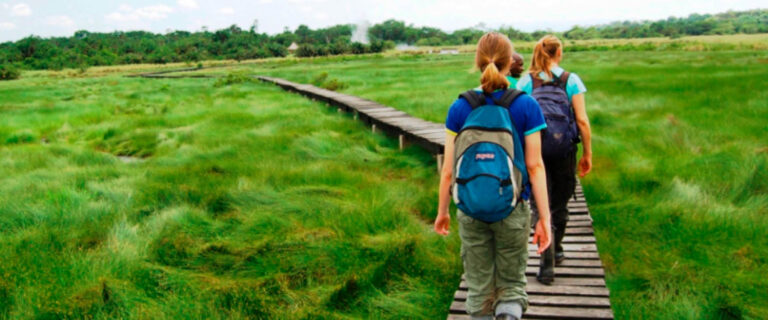
The landscapes surrounding Fort Portal add another dimension to this heritage. Tea estates, cultivated hills, crater lakes and views towards the Rwenzori Mountains reflect the relationship between communities and their natural environment.
For visitors, Tooro offers an opportunity to appreciate Uganda’s cultural diversity through a combination of historical interpretation, local encounters and scenic exploration.
Batooro Language, Greetings and Cultural Identity
Language and greetings are particularly important aspects of Batooro cultural life. Rutooro is widely spoken in the Tooro region, while respectful forms of address and greeting help express relationships between individuals, families and generations.
Visitors participating in a guided cultural experience may learn a few greetings and their meanings. These interactions can provide a more personal understanding of local hospitality and cultural etiquette.
Agriculture and Traditional Livelihoods
Agriculture plays an important role in communities throughout the Tooro region. Farming landscapes around Fort Portal include tea-growing areas, food crops and smallholder agricultural activities.
Appropriately arranged community visits can introduce travellers to local farming practices and the relationship between agriculture, food traditions and everyday life.
Where to Stay in Tooro Kingdom
Choosing accommodation when visiting Tooro Kingdom begins with identifying the cultural experiences and nearby destinations included in your itinerary. Fort Portal provides the most convenient base for exploring the kingdom’s principal royal landmarks, while the surrounding countryside offers accommodation in quieter settings overlooking tea estates, crater lakes and highland scenery.
Travellers can choose from comfortable guesthouses, mid-range lodges, premium accommodation and selected properties suitable for private safari itineraries.
Fort Portal City
Fort Portal offers a practical base for cultural sightseeing, visits to Karuzika Palace and exploration of the town’s heritage. Accommodation options include hotels and guesthouses suited to short cultural visits or overnight stops within a wider western Uganda safari. Staying in town can reduce transfer times between cultural attractions.
Fort Portal Highlands and Tea-Growing Areas
The countryside surrounding Fort Portal provides scenic accommodation settings among cultivated hills and tea-growing landscapes. These areas can appeal to travellers seeking a quieter atmosphere while retaining access to cultural attractions and nearby nature experiences. Confirm the property’s location and driving time to your planned activities before booking.
Crater Lake Areas Near Fort Portal
Selected accommodation properties around the crater lake landscapes south of Fort Portal offer opportunities to combine cultural visits with scenic walks, photography and relaxation. These settings may suit visitors planning several days in the region. The distance to Fort Portal and individual attractions varies, so accommodation should be selected according to the itinerary.
Kibale National Park and Kanyanchu Area
Travellers combining Tooro Kingdom with chimpanzee tracking can consider accommodation around Kibale National Park. Staying closer to the relevant park activity point can be advantageous when an early-morning briefing is required. Cultural sightseeing in Fort Portal should be arranged around the confirmed chimpanzee tracking schedule.
How to choose: Match your accommodation to the cultural sites you intend to visit, your preferred comfort level and the route of your wider safari. A property with attractive countryside views may require additional driving to Fort Portal or Kibale National Park.
Explore our itineraries, accommodation collection and travel styles to plan a suitable western Uganda journey.
Best Time to Visit Tooro Kingdom
The best time to visit Tooro Kingdom depends on your preferred cultural activities, travel dates and the other destinations included in your itinerary.
Fort Portal and the surrounding region can be visited throughout the year. Cultural sightseeing, heritage interpretation and community experiences are not restricted to a single tourism season, although rainfall can affect outdoor activities and rural access roads.
The relatively drier periods, commonly from December to February and June to August, may offer more convenient conditions for sightseeing, photography and excursions into the surrounding countryside.
Wetter periods bring lush green landscapes and can be particularly attractive for travellers interested in scenery, agriculture and the region’s natural environment. However, outdoor visits may require greater flexibility. The Fort Portal area experiences a relatively mild highland climate, with occasional heavy rainfall and cooler conditions during cloudy or wet weather.
For a comfortable visit, pack light clothing, a rain jacket, comfortable walking shoes and suitable clothing for cultural or community encounters. Travellers interested in royal ceremonies or cultural events should confirm official dates, public access and visitor arrangements in advance. Such events do not necessarily follow a fixed tourism calendar.
How to Get to Tooro Kingdom
Reaching Tooro Kingdom generally involves travelling to Fort Portal in western Uganda. The most suitable route depends on your departure point, accommodation and the other destinations included in your safari.
By Road from Kampala or Entebbe
Most travellers reach Fort Portal by road from Kampala or Entebbe, commonly using the Kampala–Mubende–Fort Portal route. The journey generally takes several hours, with the exact duration influenced by traffic, road conditions, stops and the starting point. A private safari vehicle offers flexibility for cultural sightseeing and onward travel to nearby destinations.
By Domestic or Charter Flight
Fort Portal is primarily reached by road, but travellers on selected private or fly-in safari itineraries may use suitable regional airstrips elsewhere in western Uganda. The feasibility of a flight depends on current services, the selected airstrip and onward road transfers.
Flight schedules, landing arrangements and the total journey time should be confirmed before booking. A direct scheduled flight to Fort Portal should not be assumed.
From Kibale National Park
Fort Portal can be conveniently incorporated into an itinerary visiting Kibale National Park. The journey between the town and the relevant Kibale visitor areas depends on the accommodation location and park activity point.
Travellers can plan cultural sightseeing before or after chimpanzee tracking, allowing sufficient time for park briefings and transfers.
Connecting from Other Safari Destinations
Tooro Kingdom can be combined with Queen Elizabeth National Park, the Rwenzori Mountains, Semuliki National Park and other western Uganda attractions.
The order of travel should reflect the selected accommodation, planned activities and available time. A carefully arranged route helps reduce unnecessary backtracking while providing opportunities to experience both the region’s cultural heritage and natural landscapes.
Safari Packages Featuring Tooro Kingdom
Explore Uganda safari packages that incorporate Fort Portal and the cultural heritage of Tooro Kingdom.
Depending on the itinerary, a visit may focus on royal landmarks and local traditions or combine cultural sightseeing with chimpanzee tracking, crater lake scenery and wildlife experiences in western Uganda.
Heritage Trails
Combine Tooro Kingdom with Other Destinations
Combining Tooro Kingdom with nearby destinations can create a more varied western Uganda safari. The right combination depends on your interests, available time and preferred balance between cultural exploration, wildlife viewing and scenic experiences.
Tooro Kingdom and Kibale National Park
Combine Tooro Kingdom’s royal and cultural heritage with chimpanzee tracking and forest experiences in Kibale National Park. This pairing offers a contrast between cultural traditions and Uganda’s tropical forest biodiversity.
Fort Portal provides a practical base for arranging the sequence of activities, subject to the location of your accommodation and the confirmed park schedule.
Tooro Kingdom and Queen Elizabeth National Park
Add wildlife viewing in Queen Elizabeth National Park to a Tooro cultural experience. The combination brings together royal heritage, local communities and the savannah landscapes of western Uganda. Activities may include game drives and a Kazinga Channel boat excursion, depending on the itinerary.
Tooro Kingdom and the Rwenzori Mountains
Combine cultural exploration in Fort Portal with the dramatic landscapes of the Rwenzori Mountains. Shorter foothill walks can complement cultural sightseeing, while longer mountain expeditions require additional time and specialist planning. This pairing is particularly appealing to travellers interested in both local heritage and mountain environments.
Tooro Kingdom and Semuliki National Park
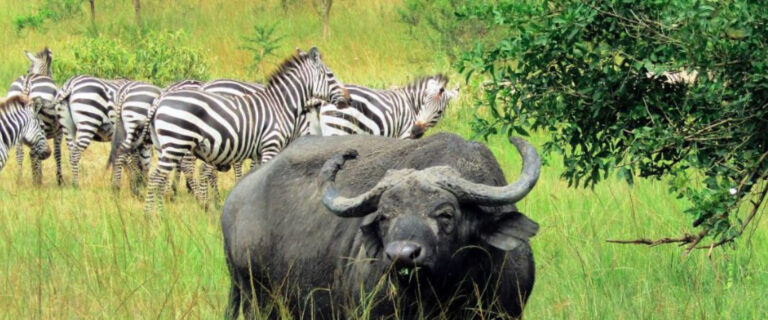
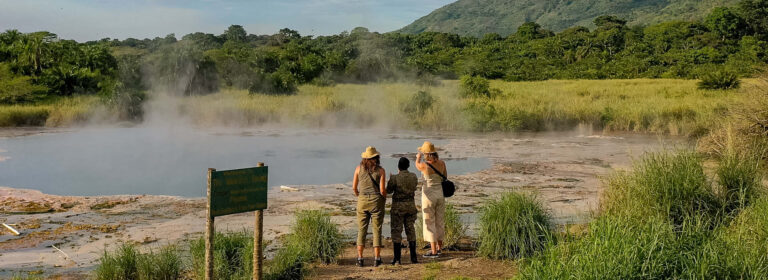
Extend your journey to Semuliki National Park for lowland forest scenery, birdwatching and the Sempaya hot springs. This combination offers contrasting cultural and natural experiences within western Uganda. Travel arrangements should account for road conditions, available activities and the time required for guided park visits.


Responsible Travel in Tooro Kingdom
Visiting Tooro Kingdom offers an opportunity to appreciate Uganda’s living cultural heritage while supporting local communities and respectful cultural exchange. The kingdom’s royal traditions, historical landmarks and community customs remain meaningful aspects of Batooro identity rather than attractions created solely for tourism.
During cultural visits, follow the guidance of local hosts, respect restrictions at royal properties and seek permission before photographing individuals, ceremonies or private spaces. Choose community-led experiences that provide fair benefits to participants and avoid presenting cultural traditions as performances that visitors are automatically entitled to access. For broader information on cultural tourism and visitor guidance, consult the Uganda Tourism Board and the relevant Tooro Kingdom authorities when arranging access to royal or ceremonial sites.
Responsible cultural tourism can help support local livelihoods, encourage heritage appreciation and create meaningful connections between visitors and host communities.
Frequently Asked Questions About Tooro Kingdom
Tooro Kingdom is a traditional kingdom in western Uganda, with Fort Portal serving as its principal royal and cultural centre. The kingdom is historically associated with the Batooro people and the surrounding Tooro region, including communities near the Rwenzori Mountains and Kibale National Park.
Tooro Kingdom is famous for its royal heritage, the Batooro people, Karuzika Palace and its traditional monarchy. The kingdom is also closely associated with Fort Portal, an important cultural and tourism centre in western Uganda.
The king of Tooro Kingdom holds the traditional title of Omukama. King Oyo Nyimba Kabamba Iguru Rukidi IV ascended the throne in 1995 as a child and is recognised as the kingdom’s reigning monarch. Visitors interested in the monarchy can learn about its history through authorised cultural interpretation.
Karuzika Palace is an important royal landmark associated with Tooro Kingdom. However, access to the palace grounds or interior depends on current arrangements and permission from the relevant authorities. Visitors should confirm availability and photography rules before planning a visit.
Principal cultural attractions include Karuzika Palace, Fort Portal’s heritage landmarks, community cultural experiences and selected sites associated with regional traditions. Visitors can also explore local food, crafts, music, storytelling and the surrounding cultural landscapes.
Rutooro is the principal traditional language associated with the Batooro people. It is closely related to Runyoro and forms part of the wider Runyoro-Rutooro language grouping. English and other Ugandan languages are also used in the region.
Tooro Kingdom emerged as a distinct kingdom during the nineteenth century following its separation from the wider Bunyoro political sphere. Like Uganda’s other traditional kingdoms, it experienced significant changes during the colonial and post-independence periods. Traditional kingdoms were abolished in 1967 and restored as cultural institutions in 1993.
The cost depends on the selected cultural experiences, guide arrangements, transport and any applicable entrance or access charges. Tooro Kingdom does not have one general tourist entrance fee covering all its heritage attractions. Confirm charges directly with the relevant site or through your safari operator before booking.
A half-day or full-day cultural excursion can introduce visitors to selected Fort Portal landmarks and Batooro heritage. One or two nights allow more time for cultural experiences and nearby scenic attractions. Longer stays are suitable for travellers combining Tooro Kingdom with Kibale National Park or other western Uganda destinations.
Tooro Kingdom can be visited throughout the year. The relatively drier periods, commonly December to February and June to August, may be more convenient for outdoor sightseeing. Travellers interested in particular cultural events should confirm their dates and public access arrangements before travelling.
Fort Portal is a convenient base for visiting Tooro Kingdom’s main cultural landmarks. Accommodation is also available in the surrounding highlands, tea-growing areas and crater lake landscapes. Travellers combining cultural sightseeing with chimpanzee tracking may prefer accommodation closer to Kibale National Park.
Yes. Tooro Kingdom can be combined with Kibale National Park for chimpanzee tracking or Queen Elizabeth National Park for savannah wildlife viewing. The Rwenzori Mountains and Semuliki National Park are additional options for longer western Uganda itineraries. The best route depends on your travel dates, accommodation and planned activities.
Plan Your Visit to Tooro Kingdom
Plan your visit to Tooro Kingdom by selecting the cultural landmarks, heritage experiences and nearby destinations that interest you most. Njagi Safaris can help organise a private western Uganda journey combining Fort Portal’s royal heritage with cultural encounters, scenic landscapes and wildlife experiences.
Share your travel dates, group size, accommodation preferences and interests through the enquiry form below. Our team will help you plan a practical itinerary that respects local traditions and reflects your preferred travel style.