Lake Mburo National Park
Lake Mburo National Park is one of Uganda’s most accessible savannah wildlife destinations, known for its zebras, impalas, acacia woodlands, wetlands and scenic lakes. Located in western Uganda near Mbarara, the park offers a distinctive combination of wildlife viewing, guided nature walks, boat safaris, birding and other outdoor experiences.
Unlike Uganda’s larger savannah parks, Lake Mburo offers a more compact landscape where visitors can explore grasslands, woodland and lakeshore habitats within a relatively short stay. Its location along the southwestern safari circuit also makes it a practical addition to itineraries connecting Entebbe or Kampala with Bwindi, Queen Elizabeth National Park and other destinations.
From Lake Mburo game drives and walking safaris to horseback riding and boat trips, the park can be incorporated into a private Uganda safari.
Lake Mburo National Park at a Glance
- Location: Western Uganda, in the Kiruhura District area near Mbarara.
- Landscape: Open grasslands, acacia woodland, rocky hills, wetlands and lakes.
- Park size: Approximately 370 square kilometres.
- Best known for: Zebras, impalas, elands and varied savannah wildlife.
- Other experiences: Game drives, guided walking safaris, boat trips, birding and authorised horseback safaris.
- Main lake: Lake Mburo, part of a wider system of lakes and wetlands.
- Safari style: Suitable for private, tailor-made, Mid-Range, Premium and Signature itineraries, depending on accommodation and activities.
- Planning priority: Select your preferred activities, confirm their availability and choose accommodation that offers convenient access to the relevant park areas.
- A distinctive savannah and wetland ecosystem: Lake Mburo National Park Uganda protects a mosaic of habitats that support grazing mammals, wetland wildlife and numerous bird species. Its mixture of open grassland, woodland, rocky outcrops and lakeshore environments makes it different from Uganda’s larger savannah destinations.
Lake Mburo is particularly attractive for travellers who would like to experience wildlife beyond a conventional vehicle-based game drive. Guided walking safaris, authorised horseback experiences and lake activities provide additional ways to explore the landscape.
Why Visit Lake Mburo National Park?
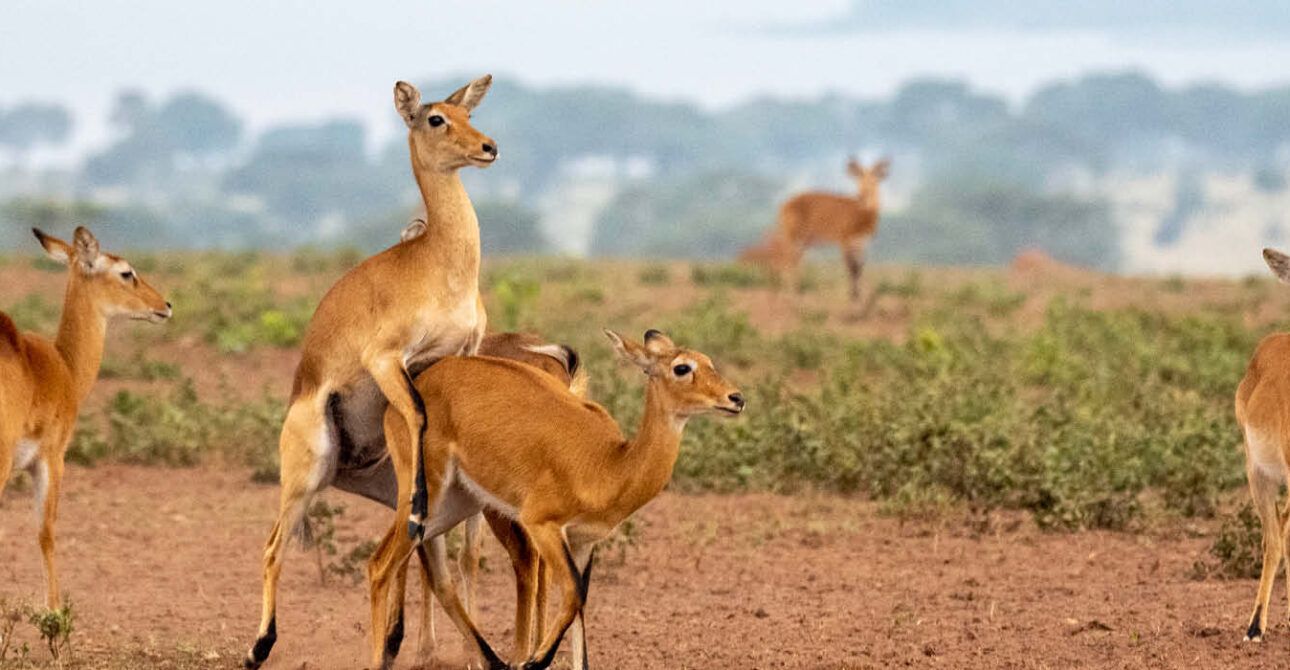
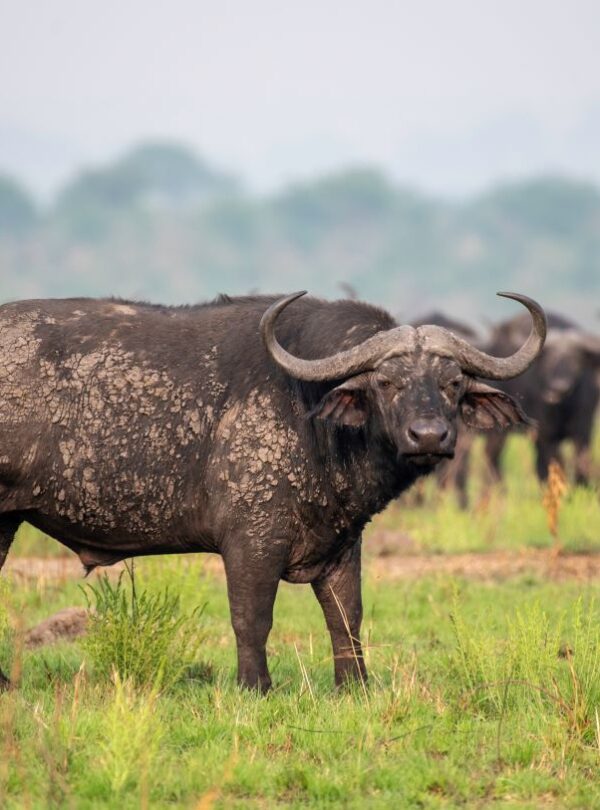
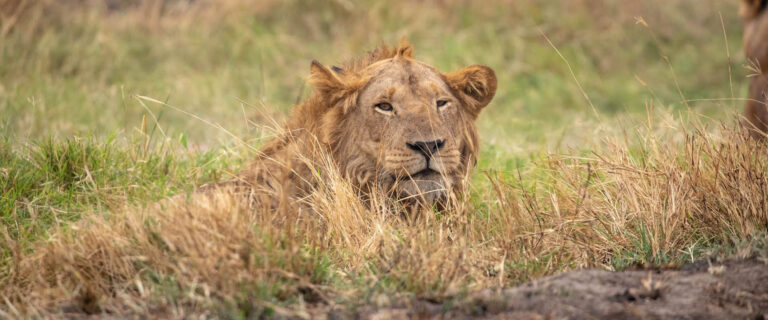
The appeal of Lake Mburo National Park lies in its combination of wildlife, scenic landscapes and varied safari activities. The park is particularly associated with zebras and impalas, alongside other grazing mammals such as buffaloes, elands, topis and waterbucks. Visitors may also encounter giraffes and other wildlife during guided activities, although sightings depend on animal movements and prevailing conditions.
Lake Mburo game drives offer opportunities to explore open grasslands, acacia woodland and other habitats while looking for wildlife. The park’s relatively compact size makes it suitable for shorter wildlife-focused stays, especially for travellers with limited time. One of Lake Mburo’s distinguishing attractions is the opportunity to explore parts of the park on foot with authorised guides.
A Lake Mburo walking safari allows visitors to appreciate the landscape, animal tracks, vegetation and smaller details that may be overlooked during a vehicle safari. The park also offers lake-based experiences, birding and selected horseback safaris. Together, these activities provide a varied programme for travellers interested in wildlife, photography, nature and active exploration.
For visitors travelling between Entebbe or Kampala and southwestern Uganda, Lake Mburo can serve as a rewarding first or final national park stop. Explore our Uganda Safari Destinations.
Things to Do in Lake Mburo National Park
Lake Mburo National Park offers several wildlife and outdoor experiences that can be incorporated into a wider Uganda safari. The most suitable combination depends on your interests, available time, accommodation location and current activity arrangements.
Game Drives
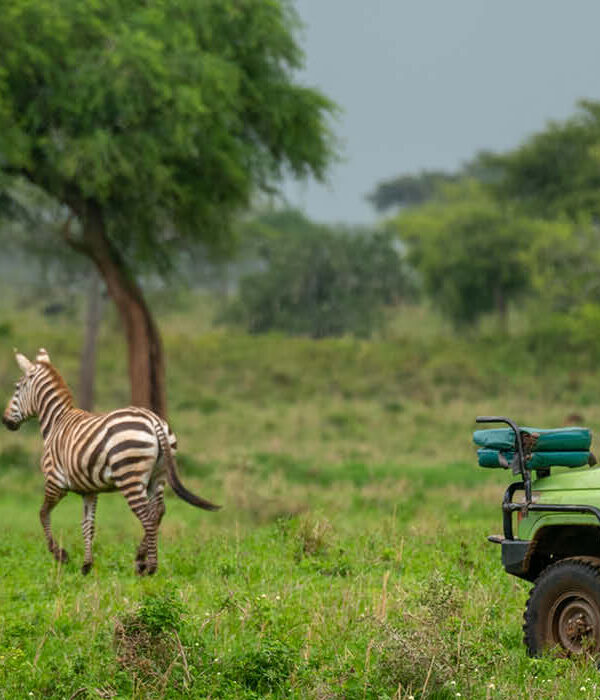
Lake Mburo game drives are among the park’s principal activities. Visitors travel through designated routes with a safari guide, exploring open grasslands, acacia woodland and other wildlife habitats. The park is particularly known for sightings of zebras, impalas, buffaloes and other grazing mammals.
Giraffes may also be encountered, depending on their movements and the areas visited. Morning and afternoon game drives can offer different lighting conditions and wildlife-viewing opportunities. Your guide will select suitable routes according to the prevailing conditions and available time.
Guided Walking Safaris
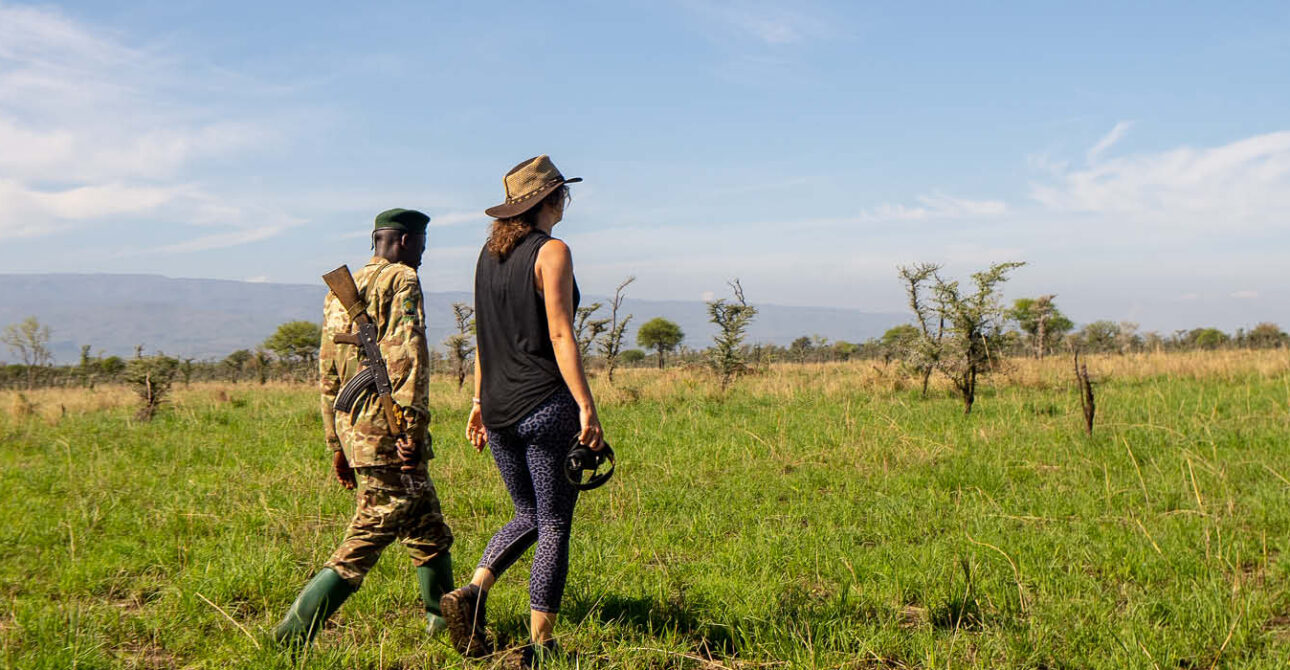
A Lake Mburo walking safari provides a more intimate perspective on the park’s landscape and wildlife. Accompanied by an authorised ranger or guide, visitors explore designated walking areas while learning about animal tracks, vegetation, habitats and the ecological relationships within the savannah.
Walking safaris are particularly appealing to travellers who enjoy nature interpretation, photography and active exploration. Because the park contains wild animals, walks must follow Uganda Wildlife Authority safety requirements and authorised routes.
Horseback Safaris
A horseback safari in Lake Mburo offers an alternative way to experience the park’s savannah scenery. These experiences are operated through authorised arrangements and may allow visitors to explore suitable areas without travelling in a conventional safari vehicle.
Horseback safaris can appeal to couples, families with eligible participants and travellers seeking an active wildlife experience. Riding ability, age requirements, route conditions and availability should be confirmed with the operator before booking.
Boat Safaris on Lake Mburo
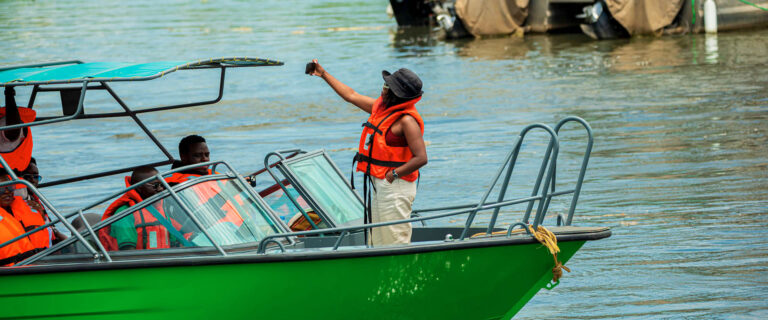
A Lake Mburo boat safari offers opportunities to explore the lake’s aquatic environment and observe wildlife associated with its shores. Visitors may encounter hippos, crocodiles and waterbirds, depending on natural conditions and the route taken.
Boat trips can complement land-based game drives and provide different photography opportunities, particularly around the lake’s shoreline and wetland habitats. Confirm current boat operations, departure arrangements and safety requirements before including this activity in your itinerary.
Birding
Lake Mburo birding is rewarding because of the park’s varied habitats, which include open savannah, acacia woodland, wetlands and lakeshores. Birdwatchers may look for species associated with these environments, including the African finfoot, African fish eagle, papyrus gonolek and various waterbirds, raptors and woodland species.
Birding can be incorporated into a general wildlife safari or arranged as a more specialised experience with an experienced guide. Visitors interested in particular species should discuss suitable habitats and birding routes before travelling.
Cycling Safaris
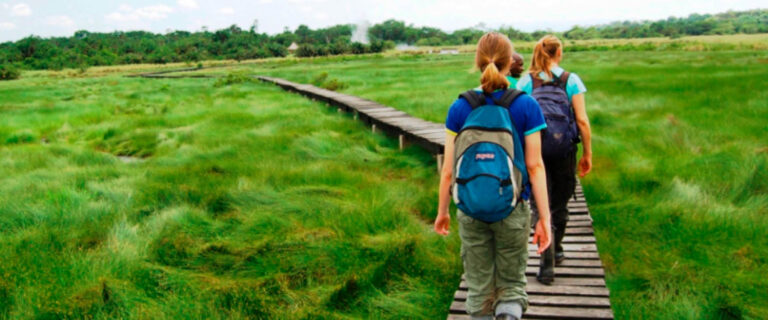
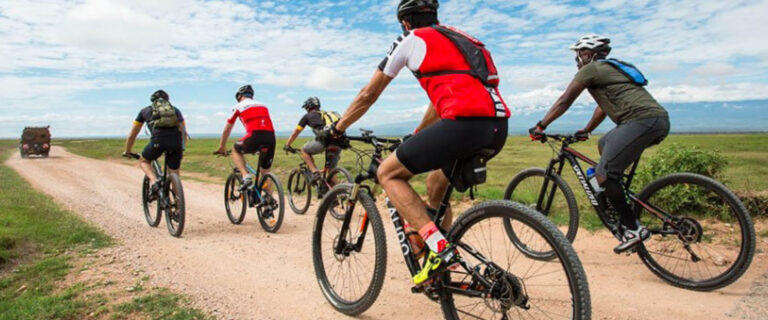
Lake Mburo cycling safaris can provide an active way to explore selected landscapes in the wider Lake Mburo area. Cycling experiences are generally arranged on approved routes, often in areas around the park or through specifically authorised activities. The route, guiding arrangements and access permissions must be confirmed in advance. Cycling should not be assumed to be permitted throughout the national park.
Community and Cultural Experiences
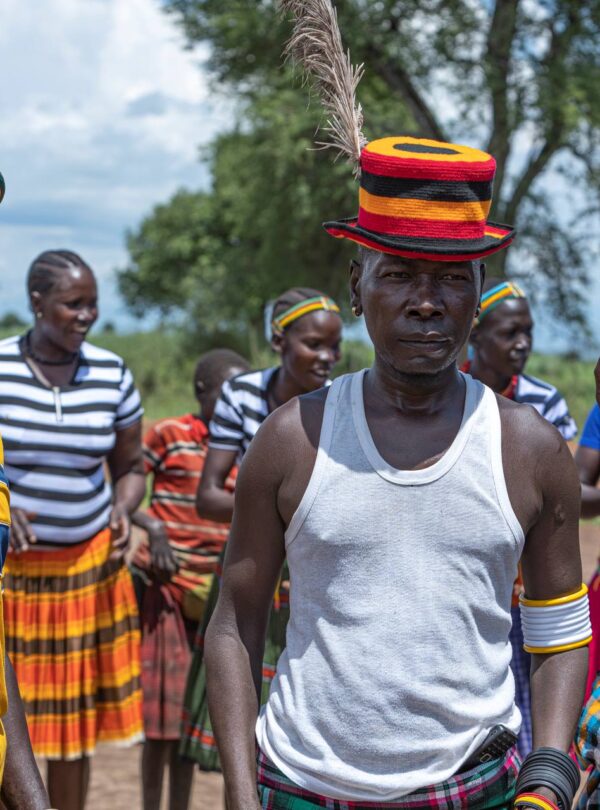
Community visits around Lake Mburo can introduce travellers to local livelihoods, pastoral traditions and the relationship between neighbouring communities and the protected landscape. The surrounding Ankole region is particularly associated with cattle-keeping traditions and distinctive long-horned Ankole cattle.
Responsible community experiences can add cultural context to a wildlife safari, provided that visits are arranged with local participation and respect for community preferences.

Exploring Lake Mburo’s Main Safari Areas
Understanding the park’s different landscapes helps visitors choose suitable activities and appreciate the diversity of Lake Mburo National Park wildlife.
Lake Mburo and the Lakeshore
Lake Mburo is the park’s principal aquatic feature and an important habitat for hippos, crocodiles, waterbirds and other wildlife associated with wetlands. The lakeshore environment offers a contrast to the park’s open grasslands and woodland. Boat safaris provide opportunities to explore this habitat under authorised arrangements.
Open Savannah and Grassland Areas
The park’s open grasslands are important grazing habitats for zebras, impalas, buffaloes, topis and other herbivores. These landscapes are especially attractive for Lake Mburo wildlife viewing, photography and guided game drives. Wildlife movements vary with seasonal vegetation, water availability and other natural factors.
Acacia Woodland and Rocky Hills
Acacia woodland, scattered trees and rocky hills contribute to the park’s varied scenery. These habitats support different bird species and provide opportunities for landscape photography and nature interpretation during authorised activities.
Wetlands and Papyrus Habitats
Wetlands associated with Lake Mburo and surrounding water systems are important for aquatic biodiversity and birdlife. Papyrus and other wetland vegetation provide habitat for specialised birds and contribute to the ecological diversity of the protected landscape. These areas are particularly relevant to visitors interested in Lake Mburo birding and wetland conservation.
Wildlife, Savannah and Biodiversity
Beyond its well-known zebras and impalas, Lake Mburo National Park protects a diverse ecosystem of grasslands, acacia woodland, rocky hills, lakes and wetlands. These habitats support a range of mammals, birds, reptiles, amphibians and plant species. The park is particularly associated with plains zebras, impalas, elands, topis, buffaloes and waterbucks. Giraffes also inhabit the park, adding to its appeal for visitors interested in savannah wildlife photography.
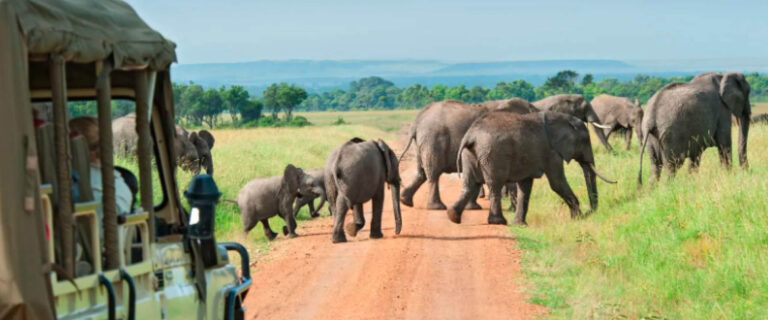
Lake Mburo National Park wildlife differs from that of Uganda’s larger savannah parks. The absence of elephants and the park’s relatively compact landscape contribute to its distinctive character, although visitors must still follow wildlife safety guidelines, particularly around buffaloes, hippos and other potentially dangerous animals.
The park’s wetlands are equally important. Lake Mburo and its associated water systems provide habitats for hippos, crocodiles, waterbirds and other aquatic species. For travellers, this diversity offers an opportunity to experience several habitats within a relatively small protected area. A well-planned visit can combine game drives, guided walking, boat safaris and birdwatching.
Birdlife of Lake Mburo National Park
Lake Mburo birding is an important attraction for travellers interested in savannah, woodland and wetland birds. The park supports numerous species associated with its varied habitats. The African finfoot is one of the notable birds associated with the lake’s vegetated shores, while papyrus habitats provide opportunities to search for wetland specialists.
Other birds of interest include the African fish eagle, papyrus gonolek, various kingfishers, herons, raptors and woodland species. Birding can complement a general wildlife safari or form part of a specialised Uganda birding safari. Visitors with particular target species should discuss suitable habitats, routes and seasonal considerations with their guide.
Where to Stay in Lake Mburo National Park
Choosing where to stay in Lake Mburo National Park begins with considering your preferred safari activities, accommodation style and the location of the lodge in relation to the park’s entrances and activity starting points. Accommodation is available inside the park and in surrounding areas, ranging from simple camps and mid-range properties to Signature Collections with views of the savannah, rocky hills and surrounding countryside.
Accommodation Inside Lake Mburo National Park
Staying within Lake Mburo National Park can provide convenient access to wildlife-viewing areas and selected park activities. Some properties offer views of the surrounding savannah or lakeshore landscapes, allowing visitors to enjoy the natural setting beyond scheduled game drives. Accommodation should be selected according to comfort, location, access arrangements and the activities included in your itinerary.
Sanga and the Eastern Park Access Area
The Sanga area provides access to Lake Mburo through one of the park’s principal entrance routes. Accommodation around this part of the park can be practical for visitors travelling from Kampala or Entebbe and those continuing towards Mbarara and southwestern Uganda. Consider the distance between your lodge and the planned activity starting points before confirming your booking.
Nshara and the Western Park Access Area
The Nshara side of the park provides another access option, particularly for travellers approaching from Mbarara or continuing along the southwestern safari circuit. Accommodation choices in the wider area should be assessed according to road access, travel time and the activities you intend to undertake.
Accommodation Around the Park Boundaries
Lodges and guesthouses outside the park can provide attractive alternatives for visitors seeking quiet countryside settings, scenic views and convenient road access. Some properties are located near wildlife corridors or community landscapes, offering opportunities to appreciate the wider Lake Mburo environment. Visitors should confirm park entry arrangements, activity transfer times and any additional transport requirements.
Premium and Signature Accommodation
Travellers seeking greater comfort can consider selected Lake Mburo National Park accommodation offering well-appointed rooms, scenic settings and personalised service. Premium accommodation can be particularly appealing for couples, photographers and travellers incorporating Lake Mburo into a longer private Uganda safari.
How to choose: Match your lodge to your preferred activities, comfort level and wider travel route. Confirm park entry arrangements and transfer times, especially when planning early-morning walking safaris, boat trips or game drives.
Explore our itineraries, accommodation collection and travel styles to help arrange accommodation and transport around the relevant highland destinations.
Best Time to Visit Lake Mburo National Park
The best time to visit Lake Mburo National Park depends on your preferred activities, wildlife interests and travel dates. The relatively drier periods, commonly June to August and December to February, are often favourable for Lake Mburo game drives, guided walking safaris and other outdoor experiences. Vegetation may be less dense in some areas, and animals can be easier to observe in suitable habitats.
However, Lake Mburo remains a rewarding destination throughout the year. Wetter periods can bring greener grasslands, attractive landscapes and favourable conditions for certain birding and photography interests. Rainfall can affect road conditions, walking routes and some outdoor activities. Wildlife movements also vary according to water availability, vegetation and other natural factors.
For visitors interested in Lake Mburo birding, seasonal changes may influence the presence and activity of migratory birds and the accessibility of wetland habitats. Lake Mburo’s climate can be warm during the day, with cooler conditions in the early morning and evening. Lightweight clothing, sun protection, suitable walking footwear and rain protection are useful throughout the year.
Planning recommendation: Lake Mburo can be visited in different seasons, but specific activities should be confirmed in advance. No particular month guarantees wildlife sightings or completely dry conditions.
How to Get to Lake Mburo National Park
Reaching Lake Mburo National Park is relatively straightforward compared with many of Uganda’s more remote safari destinations. The park lies along the main southwestern Uganda travel corridor, making it a practical stop for visitors travelling between Kampala or Entebbe and destinations such as Bwindi, Lake Bunyonyi and Queen Elizabeth National Park.
By Road
Most visitors reach Lake Mburo National Park by road using a private safari vehicle. From Kampala or Entebbe, the journey generally follows the Kampala–Masaka–Mbarara corridor before branching towards the park’s entrance routes.
Travel time is commonly around four to five hours from Kampala, although actual duration depends on the departure point, traffic, road conditions, stops and the location of your accommodation. The final approach may include unpaved roads, making a suitable safari vehicle preferable.
By Domestic or Charter Flight
Road travel is the usual way to reach Lake Mburo because of its relatively accessible location. Private charter arrangements may be possible in the wider region, subject to suitable airstrip access, aircraft operations and onward transfers. For most itineraries, a private road transfer is likely to be more practical than arranging a dedicated flight.
Connecting from Other Safari Destinations
Lake Mburo National Park can be incorporated into a longer Uganda safari that includes Bwindi Impenetrable National Park, Queen Elizabeth National Park, Lake Bunyonyi, Kibale National Park and other destinations. Its location makes it particularly suitable as a first wildlife stop after leaving Kampala or Entebbe, or as a final national park visit before returning.
The order of destinations should reflect your travel dates, available time, accommodation preferences and confirmed activities. A carefully planned route allows visitors to enjoy Lake Mburo without unnecessary backtracking or overly demanding transfer days.
Safari Packages Featuring Lake Mburo National Park
Explore Lake Mburo safari packages that combine the park’s zebras, impalas, game drives, walking safaris and other activities with destinations across Uganda. Depending on the itinerary, Lake Mburo may be included as a short wildlife stop or as a more relaxed destination offering several complementary experiences.
For travellers interested in wildlife, primates and scenery, the park can be incorporated into a safari featuring Queen Elizabeth National Park, Bwindi Impenetrable National Park, Kibale National Park or Lake Bunyonyi.
Savannah Crown
Heritage Trails
Combine Lake Mburo with Other Destinations
Combining Lake Mburo National Park with other destinations can create a more varied Uganda safari. The most suitable combination depends on your interests, available time and the overall direction of your travel route.
Lake Mburo and Bwindi Impenetrable National Park
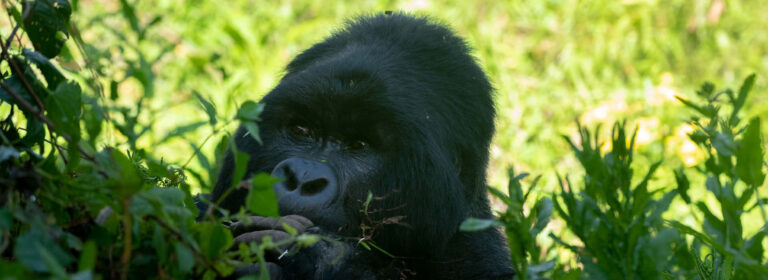
A Lake Mburo and Bwindi safari combines savannah wildlife with mountain gorilla trekking in one journey. Visitors can enjoy game drives or guided walking in Lake Mburo before travelling to Bwindi for a forest-based primate experience. This combination brings together contrasting landscapes and wildlife habitats. Explore Bwindi Impenetrable National Park for additional planning information.
Lake Mburo and Queen Elizabeth National Park
A safari combining Lake Mburo and Queen Elizabeth National Park offers opportunities to explore two distinctive savannah ecosystems. Lake Mburo is especially associated with zebras, impalas and guided walking safaris, while Queen Elizabeth National Park offers broader wildlife-viewing opportunities across its grasslands, wetlands and waterways. Explore Queen Elizabeth National Park to learn more about its wildlife and safari experiences.
Lake Mburo and Lake Bunyonyi
A Lake Mburo and Lake Bunyonyi safari combines wildlife viewing with scenic highland landscapes and opportunities for relaxation.
After exploring Lake Mburo’s grasslands and wildlife habitats, travellers can continue to Lake Bunyonyi for lake views, cultural experiences and a slower travel pace. This combination can be particularly appealing to couples, families and travellers seeking a balance of wildlife and relaxation.
Lake Mburo and Other Uganda Safari Destinations
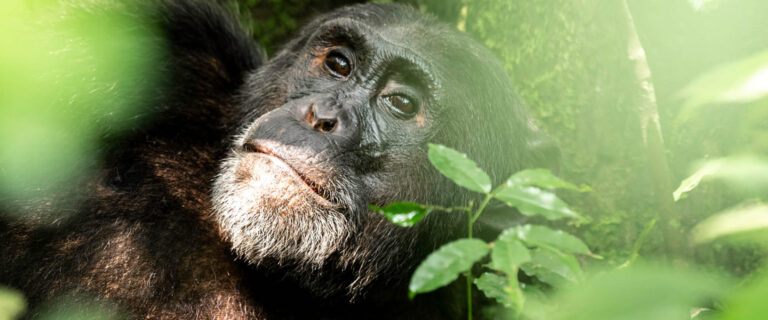
Travellers with more time can extend their itinerary to include Kibale National Park for chimpanzee tracking, Murchison Falls National Park for wildlife and Nile experiences, or other destinations across Uganda. The final route should account for realistic driving times, accommodation locations, park activities and the number of days available.


Responsible Travel in Lake Mburo National Park
Visiting Lake Mburo National Park offers an opportunity to appreciate Uganda’s savannah and wetland ecosystems while contributing to wildlife conservation and responsible tourism. The park protects important habitats for zebras, impalas, buffaloes, giraffes, birds and other wildlife. Its lakes and wetlands also support aquatic biodiversity and ecological processes that benefit the wider landscape.
Responsible travel begins with following park regulations and respecting wildlife. During game drives, visitors should remain on authorised routes, maintain appropriate distances from animals and avoid disturbing wildlife for photographs. For Lake Mburo walking safaris, horseback experiences and boat trips, follow the instructions of authorised guides and operators. Wildlife encounters can involve unpredictable animal behaviour, so safety rules should always take priority.
Visitors can also support surrounding communities through responsibly arranged cultural experiences and locally operated tourism services. Respect local traditions, obtain consent before photographing people and choose experiences that provide meaningful benefits to participating communities. For official conservation information and park regulations, consult the Uganda Wildlife Authority. For broader destination information and tourism guidance, visit the Uganda Tourism Board.
By travelling thoughtfully, visitors can help support the long-term protection of Lake Mburo’s wildlife, landscapes and neighbouring communities.
Frequently Asked Questions About Lake Mburo National Park
Lake Mburo National Park is located in western Uganda, near Mbarara, along the southwestern Uganda travel corridor. Its location makes it accessible from Kampala or Entebbe and convenient for itineraries continuing towards Bwindi, Queen Elizabeth National Park and Lake Bunyonyi.
Lake Mburo National Park wildlife includes plains zebras, impalas, elands, topis, buffaloes, waterbucks and giraffes. Hippos and crocodiles inhabit aquatic environments, while the park’s varied habitats support numerous bird species. Wildlife sightings depend on natural conditions and cannot be guaranteed.
Popular things to do in Lake Mburo National Park include game drives, guided walking safaris, boat trips, birdwatching and authorised horseback safaris. Cycling and community experiences may also be arranged in suitable areas, subject to current access and operational arrangements.
Yes. A Lake Mburo walking safari is one of the park’s distinctive experiences. Visitors explore designated areas with authorised guides or rangers while learning about wildlife, vegetation and the surrounding environment. Walking routes and safety arrangements must follow current park regulations.
Horseback safaris in Lake Mburo are available through authorised operators, subject to current operational arrangements. They offer an alternative way to explore selected savannah landscapes. Riding ability, age restrictions, safety requirements and availability should be confirmed before booking.
The best time to visit Lake Mburo National Park is often during the relatively drier months of June to August and December to February, particularly for game drives and guided walking. However, the park can be visited throughout the year, with wetter periods offering greener scenery and different birding and photography opportunities.
One or two nights can provide time for a rewarding Lake Mburo safari, depending on your arrival time and preferred activities. A two-night stay generally allows more flexibility to combine game drives, guided walking, boat trips or other experiences without rushing. Longer stays can suit dedicated birdwatchers and travellers seeking a slower pace.
Yes. Lake Mburo National Park combines well with Bwindi Impenetrable National Park for mountain gorilla trekking and Queen Elizabeth National Park for additional savannah wildlife experiences. It can also be incorporated into itineraries featuring Lake Bunyonyi, Kibale National Park and other destinations in western Uganda.
Plan Your Visit to Lake Mburo National Park
Plan your visit to Lake Mburo National Park by choosing the wildlife and outdoor experiences that interest you most, confirming activity arrangements and selecting suitable accommodation. Njagi Safaris can organise a private Uganda safari combining Lake Mburo game drives, guided walking safaris, boat trips, birding and other destinations across Uganda.
Share your travel dates, group size, accommodation preferences and interests through the enquiry form below. Our team will help you develop a practical itinerary tailored to your preferred travel style and available time.