
Mabamba Swamp
Mabamba Swamp is one of Uganda’s most celebrated birdwatching destinations, best known for the opportunity to search for the remarkable Shoebill in its natural wetland habitat. Located along the northern shores of Lake Victoria, west of Entebbe, this extensive papyrus wetland offers visitors a distinctive wildlife experience through guided canoe excursions, rich birdlife and tranquil freshwater scenery.
From Shoebill tracking and wetland birding to guided canoe exploration and community-based tourism, Mabamba provides an accessible introduction to Uganda’s aquatic ecosystems. Its location near Entebbe makes it particularly attractive for travellers beginning or concluding a Uganda safari, while dedicated birdwatchers can incorporate it into longer specialist itineraries.
Mabamba Swamp at a Glance
- Location: Wakiso District, west of Entebbe, along the northern shores of Lake Victoria, Uganda.
- Landscape: An extensive freshwater wetland of papyrus, reeds, shallow channels, marsh vegetation and open-water areas.
- Best known for: Shoebill tracking and guided wetland birdwatching.
- Other experiences: Canoe excursions, waterbird observation, wetland photography and selected community experiences.
- Main visitor areas: Local canoe departure points, navigable papyrus channels, wetland edges and sections of Mabamba Bay.
- Safari style: Suitable for private birding excursions, day trips, specialist birdwatching safaris and tailor-made Uganda itineraries.
- Planning priority: Arrange an experienced local birding guide and suitable canoe excursion, allowing flexibility for weather, water levels and wildlife movements.
- A wetland of international conservation importance: Mabamba Bay Wetland System is recognised under the Ramsar Convention as a Wetland of International Importance. Its papyrus marshes, shallow waters and associated habitats support important birdlife, including the Shoebill, and contribute to the ecological health of the Lake Victoria basin.
Mabamba is more than a place to photograph a single bird. Its wetland habitats, local guiding traditions and conservation significance make it a destination worth exploring carefully, particularly for visitors interested in birdwatching, biodiversity and responsible nature tourism.
Why Visit Mabamba Swamp?
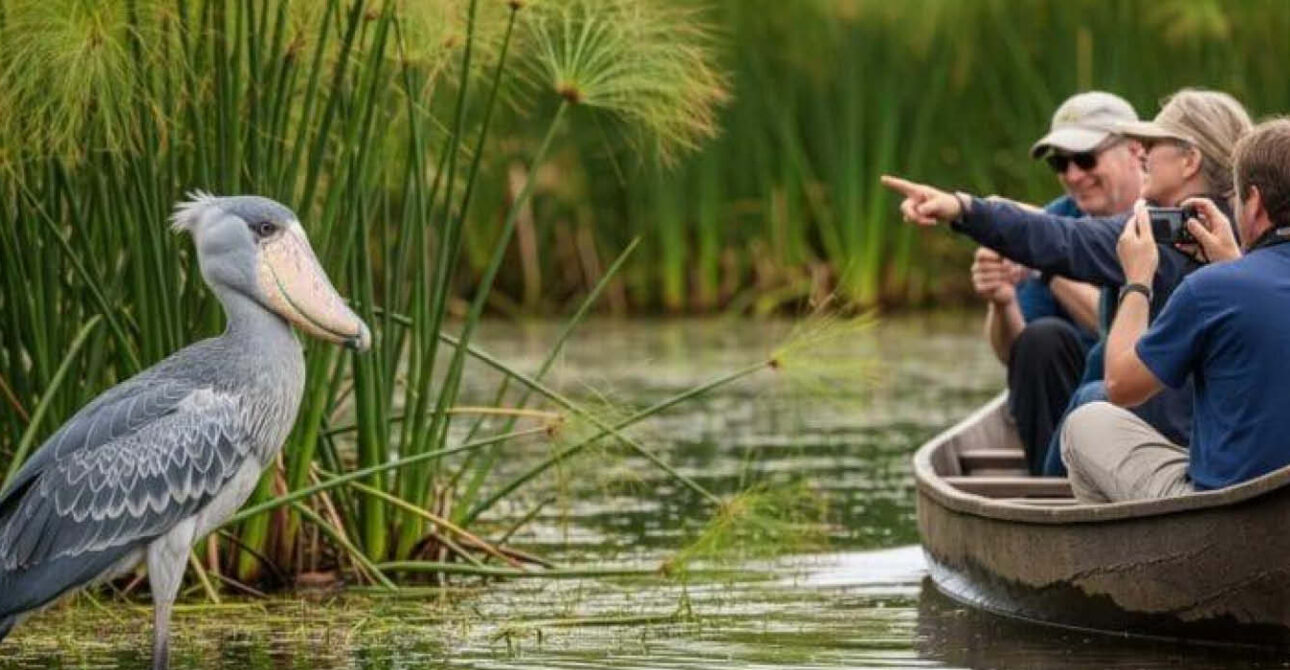
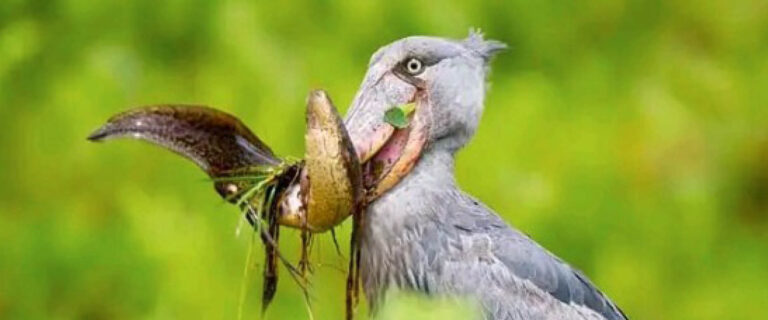
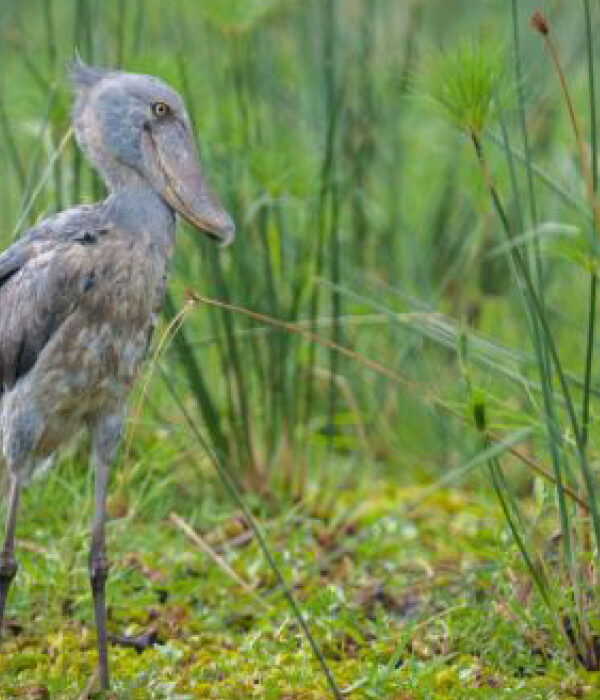
The principal attraction of Mabamba Swamp is the opportunity to search for the Shoebill, one of Africa’s most distinctive birds. Recognised by its enormous shoe-shaped bill, tall stature and prehistoric appearance, the Shoebill inhabits freshwater wetlands where it hunts fish and other aquatic prey.
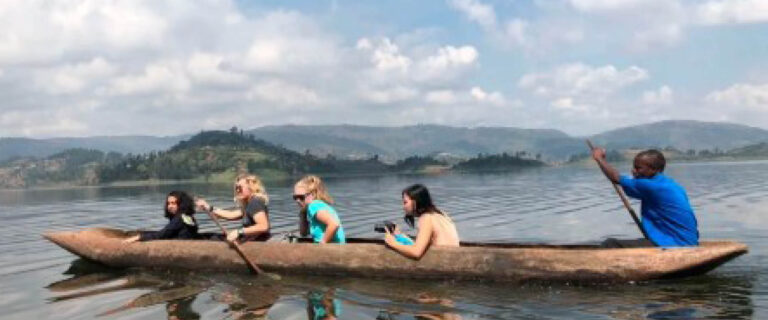
Unlike a conventional game drive, Shoebill tracking at Mabamba usually takes place from a small canoe or suitable local boat. Accompanied by experienced guides, visitors move through papyrus-lined channels and open wetland areas, scanning suitable habitat for birds. The experience encourages patience, careful observation and an appreciation of the wetland environment.
Mabamba also offers rewarding birdwatching beyond the Shoebill. Its marshes and waterways support a variety of waterbirds and species associated with papyrus vegetation, creating opportunities for both specialist birders and visitors discovering Uganda’s birdlife for the first time.
The destination’s proximity to Entebbe adds practical value. It can be included in a half-day or longer excursion, depending on the departure point, access arrangements and time spent birdwatching. This makes Mabamba a useful addition to arrival-day or departure-day itineraries when flight schedules allow.
A visit to Mabamba therefore combines Shoebill tracking, wetland biodiversity, local guiding and Lake Victoria scenery within a distinctive Uganda nature experience. Explore our Uganda Safari Destinations.
Things to Do at Mabamba Swamp
Mabamba Swamp offers several nature-based experiences that can be incorporated into a Uganda safari. Activities are centred on guided wetland exploration, birdwatching and the conservation landscape surrounding Mabamba Bay. The most suitable arrangements depend on your interests, available time, weather conditions and the local access points used for your excursion.
Shoebill Tracking
Shoebill tracking is Mabamba Swamp’s signature experience. Visitors join experienced local guides to search for Shoebills in suitable wetland habitats, usually travelling through papyrus channels by canoe. Guides use their knowledge of the wetland, water conditions and bird behaviour to identify areas where Shoebills may be present.
The search can involve slow movement, quiet observation and periods of waiting while scanning vegetation and open marshes. Shoebills are wild birds, and sightings cannot be guaranteed. Their location and visibility depend on natural movements, feeding activity and wetland conditions.
For a more detailed explanation of the experience, explore our Shoebill Tracking in Uganda specialist guide.
Guided Wetland Birdwatching
Mabamba Swamp birdwatching extends beyond the search for Shoebills. The wetland supports numerous waterbirds and species associated with papyrus marshes, shallow water and lakeshore vegetation. Birdwatching excursions can include careful observation of herons, egrets, kingfishers, jacanas and other wetland birds, depending on seasonal and habitat conditions.
An experienced birding guide can help visitors identify species by appearance, calls and behaviour while explaining the ecological relationships within the wetland. Dedicated birdwatchers may wish to allocate additional time for a broader species list rather than concentrating exclusively on the Shoebill.
Canoe Excursions Through Papyrus Channels
A guided canoe excursion provides an opportunity to experience Mabamba’s freshwater environment at close range. Travelling through narrow channels and sheltered wetland areas allows visitors to appreciate the structure of papyrus vegetation, observe waterbirds and explore parts of the marsh that cannot be reached by road.
Canoe excursions should be arranged through responsible local operators using suitable equipment and experienced guides. Visitors should wear properly fitted life jackets, remain seated as instructed and follow safety guidance throughout the trip.
Wetland and Wildlife Photography
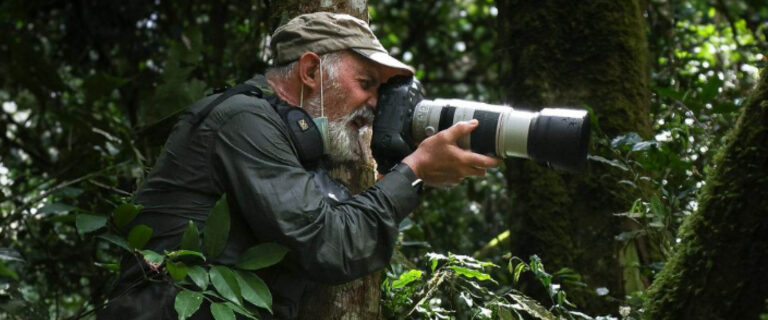
Mabamba provides rewarding photographic opportunities, particularly for visitors interested in birds, papyrus landscapes and wetland scenery. Photographing a Shoebill from a canoe requires patience, stable equipment and respect for the bird’s natural behaviour. Long lenses can help photographers capture details without pressuring guides to approach too closely.
The changing light over the marsh, reflections in the waterways and movement of birds among the reeds also provide opportunities for broader nature photography. Visitors should avoid flash or other practices that may disturb wildlife and follow their guide’s instructions when positioning the canoe.
Bird Identification and Wetland Ecology
A guided visit to Mabamba can also be an educational experience, introducing travellers to the ecology of freshwater wetlands. Guides may explain how papyrus vegetation provides shelter for birds, how fish and other aquatic organisms support the wetland food web, and how changing water levels influence wildlife activity.
This experience is particularly valuable for families, students, conservation-minded travellers and visitors interested in understanding the importance of wetlands beyond individual wildlife sightings.
Cultural and Community Experiences
Communities around Mabamba have longstanding connections with the wetland through fishing, agriculture, transport and other local livelihoods. Appropriately arranged community experiences can introduce visitors to these relationships and the role that local guiding and tourism play in supporting livelihoods.
Choose community-led activities that respect local traditions and provide meaningful benefits to participating residents. Photography of people, homes and working activities should be undertaken with permission.
Mabamba Swamp Birding Areas and Wetland Habitats
Understanding Mabamba’s wetland habitats helps visitors appreciate how Shoebills and other birds use different parts of the landscape. Unlike a national park divided into formal tourism sectors, Mabamba is explored through locally used canoe routes, channels and suitable birdwatching areas. Access and routes vary with water levels, vegetation and local arrangements.
Mabamba Bay Wetland System
Mabamba Bay Wetland System is the wider conservation landscape associated with Mabamba Swamp. Its freshwater marshes, papyrus vegetation and connections to Lake Victoria provide habitat for waterbirds and other wetland wildlife. The area’s Ramsar designation recognises its international ecological importance and the need to maintain the wetland’s natural functions.
Papyrus Channels
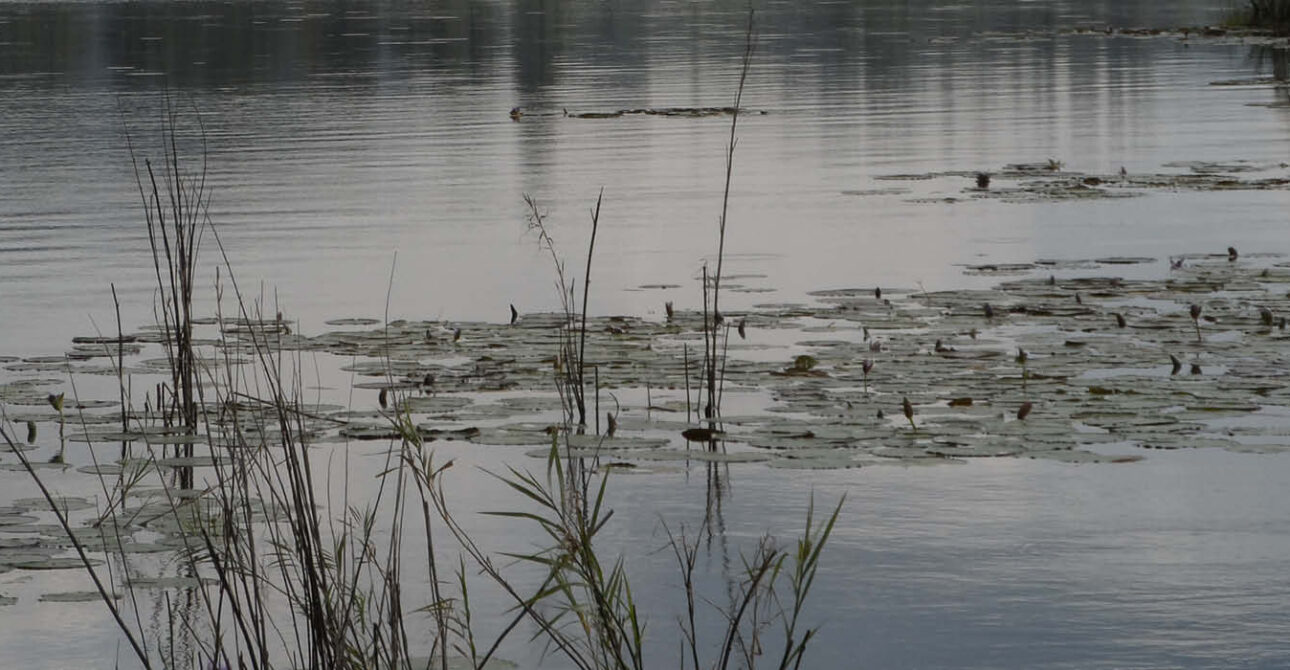
Papyrus-lined channels are among the most characteristic features of Mabamba. These waterways allow guided canoes to move through the marsh while providing opportunities to observe birds using the edges of dense vegetation and nearby open water. Channel accessibility changes with water levels, plant growth and other environmental conditions.
Open Marshes and Shallow-Water Areas
Open marshes and shallow-water sections are important parts of the wetland landscape. These areas may provide feeding habitat for Shoebills and other waterbirds, although the location of individual birds changes naturally. Guides assess current conditions and select suitable observation routes rather than following a fixed wildlife-viewing circuit.
Wetland Edges and Community Access Areas
The edges of Mabamba include vegetation transitions, local access routes and areas influenced by nearby community activities. These locations can offer additional birdwatching opportunities and provide context for understanding the relationship between wetland conservation and surrounding livelihoods. Access to individual areas should follow local guidance and respect community property and wetland protection measures.
Important planning note: Mabamba does not operate like a conventional national park with fixed game-drive tracks. Confirm the canoe departure point, guiding arrangements, water conditions and available excursion routes before finalising your visit.
Wildlife, Wetlands and Biodiversity
Beyond its famous Shoebills, Mabamba Swamp supports a diverse freshwater ecosystem shaped by papyrus vegetation, shallow waterways, seasonal water fluctuations and its connection to Lake Victoria. These habitats provide feeding, breeding and sheltering areas for numerous birds, fish and other aquatic organisms.
The wetland is particularly important for birdwatching because it contains a mixture of dense vegetation, open marshes and shallow-water habitats. Different bird species use these environments for feeding, nesting and protection, making the area valuable for both specialist birders and general wildlife enthusiasts.
Mabamba’s conservation importance extends beyond wildlife observation. Wetlands help regulate water movement, retain sediments, support fisheries and provide ecological services that benefit surrounding communities. Maintaining these functions requires careful management of land use, vegetation and human activities.
For visitors, Mabamba offers an opportunity to appreciate a different side of Uganda’s biodiversity: an aquatic environment where wildlife observation depends on patience, responsible guiding and respect for sensitive habitats.
The Shoebill and Its Wetland Habitat
The Shoebill (Balaeniceps rex) is Mabamba’s most sought-after bird. Its enormous bill, distinctive appearance and deliberate hunting behaviour make it particularly memorable for birdwatchers and photographers. Shoebills inhabit freshwater marshes and wetlands where they feed primarily on fish and other aquatic prey. Their movements are influenced by suitable feeding conditions and the availability of prey.
Mabamba provides opportunities to observe these birds in their natural environment, but sightings depend on the movements of individual birds and prevailing wetland conditions.
Other Birds of Mabamba Swamp
Mabamba supports a range of birds associated with freshwater marshes, papyrus vegetation and lakeshore habitats.
Visitors may encounter African Jacanas, herons, egrets, kingfishers, African Marsh Harriers and other wetland birds. Specialist birdwatchers may also search for species associated with papyrus habitats, subject to local conditions and suitable observation areas.
The diversity of birdlife makes Mabamba valuable even when a Shoebill encounter takes longer than expected.
Papyrus Vegetation and Aquatic Ecology
Papyrus is one of Mabamba’s defining plants. Dense stands provide shelter and habitat for birds while contributing to the ecological functioning of the wetland. The surrounding waterways support fish and other aquatic organisms that form part of the food web. Protecting these habitats is essential for maintaining the ecological relationships on which wetland wildlife depends.
Where to Stay Near Mabamba Swamp
Choosing where to stay near Mabamba Swamp depends on your arrival and departure arrangements, preferred comfort level and the amount of time allocated to birdwatching. Many visitors use Entebbe as their accommodation base because it provides access to the wetland and is convenient for Entebbe International Airport. Other arrangements may be possible around the wider Lake Victoria area, subject to suitable accommodation and access.
Entebbe
Entebbe is a practical base for travellers visiting Mabamba Swamp before or after an international flight. The town offers accommodation across different comfort levels, including guesthouses, boutique hotels and established lakeside properties. Staying in Entebbe also provides opportunities to incorporate additional activities around Lake Victoria and the town’s natural attractions.
Kampala
Kampala can serve as a departure point for Mabamba excursions, particularly for travellers already staying in Uganda’s capital. However, road traffic and transfer arrangements should be considered carefully, especially for visitors planning an early birdwatching excursion. For travellers primarily interested in Mabamba, Entebbe may offer a more convenient base.
Accommodation Around Lake Victoria
Selected accommodation properties around Lake Victoria may provide alternative settings for visitors interested in combining wetland birdwatching with lakeside relaxation. The suitability of a property depends on its location, road or boat access, transfer arrangements and available services.
How to choose: Select accommodation based on your planned canoe departure point, arrival or departure schedule and the other experiences included in your itinerary. Confirm transport arrangements before booking, particularly if you intend to visit Mabamba early in the morning.
Explore our itineraries, accommodation collection and travel styles to help arrange accommodation and transport around the relevant highland destinations.
Best Time to Visit Mabamba Swamp
The best time to visit Mabamba Swamp depends on your birdwatching interests, preferred travel dates and local wetland conditions. Mabamba can be visited throughout the year, although rainfall, water levels and weather conditions can influence canoe access and wildlife observation.
Early morning is often a preferred period for guided birdwatching because conditions may be calmer and birds can be active. However, the timing of Shoebill sightings cannot be guaranteed, and experienced local guides should advise on suitable departure arrangements.
Uganda’s relatively drier periods, commonly June to August and December to February, may offer more convenient conditions for some excursions. Wetter periods can bring changing water levels, lush vegetation and different birdwatching opportunities. Mabamba is a freshwater wetland, so seasonal conditions do not always follow the same patterns experienced in Uganda’s savannah national parks.
Rainfall, wind and water levels can affect the navigability of particular channels and the areas selected for birdwatching. For a comfortable excursion, wear lightweight clothing in neutral colours, carry sun protection and rain protection, and protect cameras or binoculars from water. Follow your guide’s advice regarding departure times, canoe safety and current wetland conditions.
How to Get to Mabamba Swamp
Mabamba Swamp is located west of Entebbe along the northern shores of Lake Victoria. Visitors can reach the area through road-based arrangements or selected boat connections, depending on the departure point and available services. The most suitable route depends on your accommodation, the agreed canoe departure point and the activities included in your excursion.
By Road from Entebbe
Visitors can reach the Mabamba area by road from Entebbe, travelling through communities west of the town towards the wetland’s local access points. Road conditions vary, and some sections may be affected by rainfall. The journey should be planned with sufficient time for the canoe excursion and any onward arrangements. A private vehicle and prearranged local guide can make the visit more convenient.
By Boat from Entebbe
Some Mabamba excursions can be organised using a boat transfer across part of Lake Victoria, followed by suitable arrangements for exploring the wetland. This option depends on the availability of experienced operators, appropriate vessels, prevailing weather and the agreed access point. Lake Victoria conditions can change, so visitors should use reputable operators, wear properly fitted life jackets and follow all safety instructions.
From Kampala
Mabamba can also be visited from Kampala as part of a private day excursion. The journey requires planning around traffic, the selected road route and the duration of the birdwatching activity. Travellers should allow additional time rather than relying on a fixed transfer estimate.
Connecting from Other Safari Destinations
Mabamba can be incorporated into longer Uganda safaris featuring destinations such as Lake Mburo National Park, Queen Elizabeth National Park, Kibale National Park and Bwindi Impenetrable National Park. Because of its location near Entebbe, Mabamba is particularly useful at the beginning or end of an itinerary. However, international flight schedules, luggage arrangements and excursion duration should be considered before including it on a departure day.
Safari Packages Featuring Mabamba Swamp
Explore Uganda safari packages that include Mabamba Swamp and combine wetland birdwatching with other natural attractions across the country. Depending on the itinerary, Mabamba may feature as a dedicated Shoebill tracking excursion, an introduction to Uganda’s birdlife or part of a longer specialist birdwatching journey.
Pearl Wings
Combine Mabamba Swamp with Other Destinations
Combining Mabamba Swamp with other Uganda destinations creates a varied safari featuring wetland birdlife, forests, savannah wildlife and scenic landscapes. The most suitable combination depends on your available time, preferred activities and the sequence of your itinerary.
Mabamba Swamp and Entebbe
Entebbe is a natural companion to Mabamba because of its proximity to the wetland and Entebbe International Airport. Travellers can combine Shoebill tracking with selected botanical, lakeside or birdwatching experiences around Entebbe, depending on available time. This combination is particularly suitable for visitors seeking a nature-focused introduction to Uganda.
Mabamba Swamp and Lake Mburo National Park
Combine Mabamba’s wetland birdwatching with the savannah landscapes and wildlife experiences of Lake Mburo National Park. Lake Mburo offers opportunities for game drives, guided walking safaris, boat excursions and birdwatching in habitats that differ considerably from Mabamba’s papyrus marshes. This pairing can work well for travellers exploring southern Uganda.
Mabamba Swamp and Kibale National Park
Kibale National Park offers tropical forest experiences, particularly chimpanzee tracking and forest birdwatching. Combining Kibale with Mabamba allows travellers to explore contrasting ecosystems, from freshwater wetlands to tropical rainforest. This can be particularly rewarding for visitors interested in primates, birdlife and Uganda’s biodiversity.
Mabamba Swamp and Bwindi Impenetrable National Park
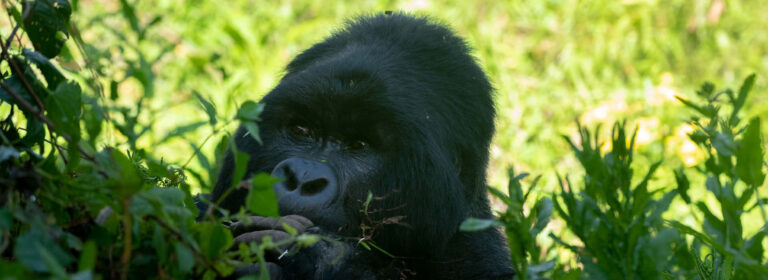
Bwindi Impenetrable National Park is an important destination for mountain gorilla trekking and forest birdwatching. Combining Mabamba and Bwindi brings together Shoebill tracking, rainforest birdlife and one of Uganda’s most memorable primate experiences. For dedicated birdwatchers, this pairing also offers opportunities to explore distinct wetland and Albertine Rift forest habitats.
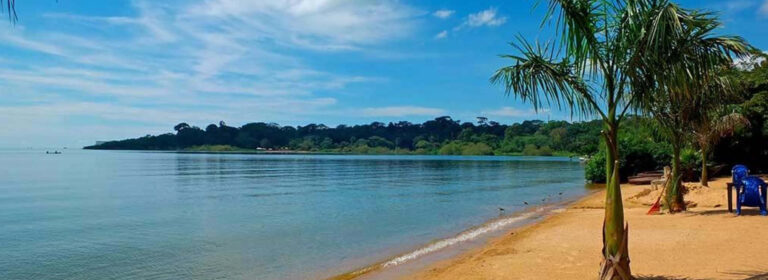
Responsible Travel at Mabamba Swamp
Visiting Mabamba Swamp offers an opportunity to experience one of Uganda’s internationally important wetlands while supporting its conservation and the livelihoods of surrounding communities. Mabamba Bay Wetland System is recognised under the Ramsar Convention for its ecological significance, particularly its importance to wetland birdlife.
Responsible Shoebill tracking begins with respecting the bird, its habitat and the guidance of experienced local guides. Visitors should maintain an appropriate distance, avoid loud movements and never pressure guides to approach birds too closely for photography.
Wetland vegetation is sensitive to disturbance, so visitors should avoid damaging papyrus, leaving litter, polluting waterways or entering restricted areas. Canoe excursions should be arranged with responsible operators who follow appropriate safety practices and support local livelihoods.
Community-based guiding can help create economic opportunities connected to the conservation of Mabamba’s natural environment. Travellers can also learn more about wetland conservation through organisations such as NatureUganda, the Ramsar Convention on Wetlands and Uganda’s Ministry of Water and Environment.
By travelling thoughtfully, visitors can help ensure that Mabamba remains an important habitat for Shoebills and other wetland wildlife while supporting communities whose lives are connected to the area.
Frequently Asked Questions About Mabamba Swamp
Mabamba Swamp is located in Wakiso District, west of Entebbe, along the northern shores of Lake Victoria. It is accessible through road-based arrangements and selected boat excursions, making it a popular birdwatching destination for travellers staying in Entebbe or Kampala.
Mabamba Swamp is famous for Shoebill tracking and guided wetland birdwatching. Its papyrus marshes, shallow waterways and rich birdlife make it one of Uganda’s best-known destinations for observing Shoebills in their natural habitat.
Mabamba offers opportunities to observe Shoebills in the wild, usually during guided canoe excursions. However, Shoebills are wild birds, and sightings cannot be guaranteed. Their location and visibility depend on natural movements, feeding activity and wetland conditions.
Popular activities include Shoebill tracking, guided birdwatching, canoe excursions through papyrus channels, wetland photography and selected community experiences. Visitors can also learn about the ecological importance of freshwater wetlands through knowledgeable local guides.
Yes. Mabamba is an important birdwatching destination because its freshwater marshes, papyrus vegetation and open-water habitats support numerous wetland birds. Visitors may observe Shoebills, herons, egrets, jacanas, kingfishers and other species, depending on local conditions.
Mabamba can be visited throughout the year. Early morning is often preferred for birdwatching, although sightings depend on wildlife activity and wetland conditions. Rainfall, wind and changing water levels can influence canoe access and the areas explored.
The duration depends on your departure point, transport arrangements and time spent searching for birds. A canoe-based birdwatching excursion may occupy several hours, while a complete visit from Entebbe or Kampala requires additional transfer time. Allow flexibility for wildlife observation and changing conditions.
Canoe excursions should be undertaken with experienced local operators using suitable equipment and appropriate safety procedures. Visitors should wear properly fitted life jackets, follow their guide’s instructions and avoid unsuitable weather or water conditions. Safety arrangements should be confirmed before departure.
A knowledgeable local guide is strongly recommended, particularly for Shoebill tracking and specialist birdwatching. Guides understand the wetland’s channels, suitable observation areas and changing conditions. They also help visitors identify birds and explore the wetland responsibly.
Entebbe is a convenient accommodation base for many Mabamba visitors because of its proximity to the wetland and the international airport. Kampala and selected Lake Victoria accommodation properties may also be suitable, depending on your itinerary and transfer arrangements.
Yes. Mabamba can be combined with Entebbe, Lake Mburo National Park, Kibale National Park, Bwindi Impenetrable National Park and other Uganda destinations. It is particularly suitable for specialist birding itineraries and as an excursion near the beginning or end of a longer safari.
Plan Your Visit to Mabamba Swamp
Plan your visit to Mabamba Swamp by arranging an experienced local birding guide, selecting suitable canoe or boat arrangements and allowing enough time to explore the wetland without rushing your wildlife experience.
Njagi Safaris can organise a private Uganda excursion that combines Shoebill tracking, wetland birdwatching and nature photography with other destinations across the country. Mabamba can also be incorporated into a specialist birding itinerary or a longer wildlife safari.
Share your preferred travel dates, group size, birdwatching interests and accommodation arrangements through the enquiry form below. Our team will help you plan a practical itinerary that balances wildlife observation, responsible travel and comfortable transfers.