Bunyoro Kingdom
Bunyoro Kingdom is one of Uganda’s historic traditional kingdoms, celebrated for its royal heritage, cultural identity and influential place in the history of the Great Lakes region. Located in western Uganda, Bunyoro-Kitara is associated with the Banyoro people, a longstanding monarchy and traditions that continue to shape community life across the region.
The kingdom’s heritage is closely connected to Hoima, its principal royal and cultural centre, and to the wider landscapes surrounding Lake Albert and the Albertine Rift. Visitors interested in Uganda’s history can explore selected royal landmarks, learn about Banyoro customs and discover how traditional leadership, language and cultural practices have evolved over generations.
A visit to Bunyoro Kingdom can also complement a western Uganda safari, bringing cultural depth to journeys featuring Murchison Falls National Park, Lake Albert and other destinations.
Bunyoro Kingdom at a Glance
- Location: Western Uganda, with Hoima serving as the kingdom’s principal royal and administrative centre.
Cultural identity: The Banyoro people, their Runyoro language and the historical traditions of Bunyoro-Kitara.
Best known for: Royal heritage, the institution of the Omukama, historical traditions and the kingdom’s role in the Great Lakes region.
Other experiences: Cultural interpretation, selected royal landmarks, local crafts, traditional food, storytelling and community encounters.
Principal visitor areas: Hoima, accessible royal heritage sites, selected cultural centres and communities associated with Bunyoro history.
Safari style: Suitable for private, tailor-made cultural journeys and longer wildlife safaris in western Uganda.
Planning priority: Confirm access to royal and historical sites, availability of knowledgeable local guides and arrangements for cultural visits.
A kingdom with a distinctive historical identity: Bunyoro-Kitara was a significant political and cultural power in the Great Lakes region. Its history includes periods of regional influence, resistance to colonial expansion and the preservation of royal traditions through changing political circumstances.
Bunyoro offers more than a brief cultural stop. Its historical identity, royal institutions and surrounding communities provide opportunities to understand an important part of Uganda’s heritage.
Why Visit Bunyoro Kingdom?
Bunyoro Kingdom appeals to travellers interested in the history, traditions and cultural diversity of Uganda. Its heritage provides a perspective on the country’s past that extends beyond the familiar experiences of national parks and wildlife encounters.
The kingdom’s royal institution, associated with the Omukama, remains central to Banyoro cultural identity. Visitors can learn about the monarchy’s historical significance, the development of Bunyoro-Kitara and the traditions that continue to connect communities across western Uganda.
Hoima offers a practical starting point for exploring selected cultural landmarks and learning about the kingdom’s heritage. Depending on access arrangements, experiences may include guided historical interpretation, local markets, crafts and community-based cultural activities.
Bunyoro’s location also makes it relevant to travellers exploring western Uganda’s landscapes. A cultural visit can add historical context to a journey that includes Murchison Falls National Park, Lake Albert or other destinations within the wider Albertine region.
Explore our Uganda Safari Destinations for additional cultural and natural attractions.
Things to Do in Bunyoro Kingdom
Bunyoro Kingdom offers cultural and historical experiences that can be incorporated into a wider Uganda safari. The most suitable activities depend on the availability of local guides, access to heritage sites, community arrangements and the time allocated to the visit.
Explore Bunyoro Royal Heritage
Exploring Bunyoro’s royal heritage introduces visitors to the institution of the Omukama and the historical significance of the Bunyoro-Kitara monarchy. Guided interpretation can provide insight into traditional leadership, royal customs, historical events and the kingdom’s relationship with surrounding communities.
Visits to royal premises or culturally sensitive sites require appropriate permission. Travellers should confirm public access arrangements before including specific locations in their itinerary.
Discover the History of Bunyoro-Kitara
Bunyoro-Kitara occupies an important place in the history of western Uganda and the wider Great Lakes region. Visitors can learn about the kingdom’s historical development, its political influence, interactions with neighbouring societies and the effects of colonial expansion.
A knowledgeable local guide can help distinguish historical records from oral traditions and explain how different accounts contribute to Bunyoro’s cultural identity.
Visit Hoima and Its Cultural Landmarks
Hoima is the principal urban centre associated with Bunyoro Kingdom and provides a practical base for cultural exploration.
A guided visit may include selected historical landmarks, community spaces, local markets and places connected with the kingdom’s heritage. The exact itinerary should reflect current access arrangements and the availability of local cultural guides.
Experience Banyoro Cultural Traditions
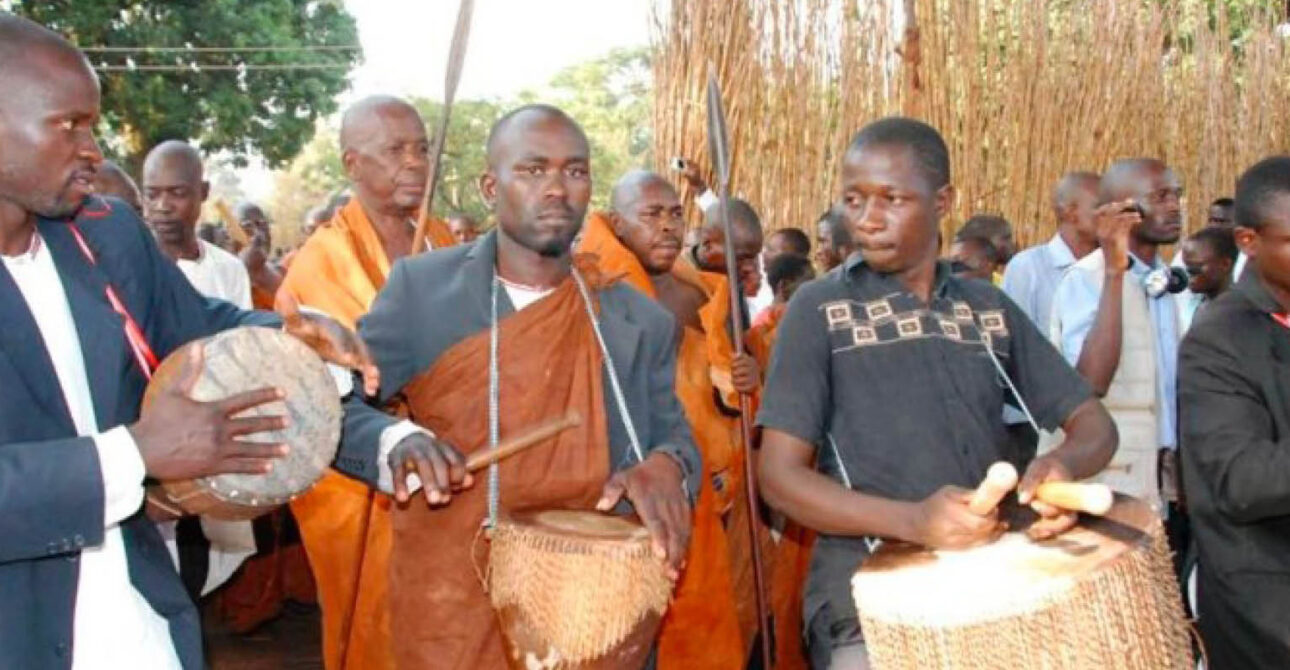
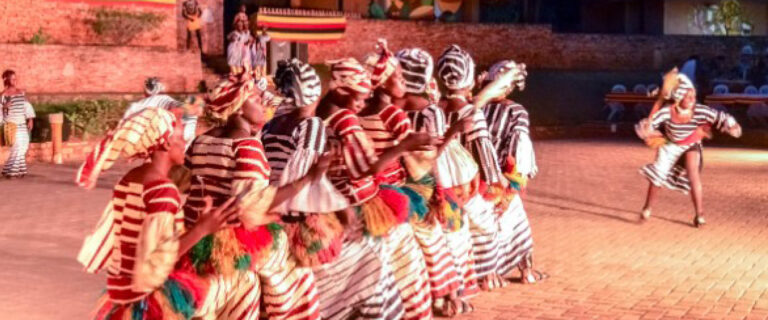
Banyoro traditions include distinctive forms of language, storytelling, music, dance, social customs and ceremonies. Appropriately arranged cultural experiences can introduce travellers to aspects of everyday life and the ways traditions are maintained across generations.
Visitors should approach these experiences respectfully and avoid treating private ceremonies or community practices as performances automatically available to tourists.
Explore Traditional Crafts and Local Markets
Markets and community enterprises provide opportunities to discover locally produced goods, traditional crafts and everyday commerce. Depending on the location, visitors may encounter woven products, handmade items, locally grown produce and other goods associated with the region.
Purchasing directly from local producers can support livelihoods and encourage meaningful interaction with communities.
Discover Banyoro Food and Culinary Heritage
Traditional food experiences can introduce visitors to local ingredients, preparation methods and the role of food in Banyoro community life. A guided market visit or appropriately arranged meal may provide opportunities to learn about regional agricultural produce and culinary traditions.
Food experiences should be organised through suitable local hosts or providers, with attention to dietary preferences and food safety.
Explore Lake Albert and Surrounding Landscapes
Lake Albert and the surrounding Albertine Rift landscapes provide a scenic extension to a cultural journey through Bunyoro. Visitors can explore selected lakeshore viewpoints, learn about fishing communities and appreciate the relationship between the region’s geography and its historical development.
Activities should be arranged through appropriate local providers, with attention to road access, lake safety and community permissions.
Combine Cultural Experiences with Wildlife Safaris
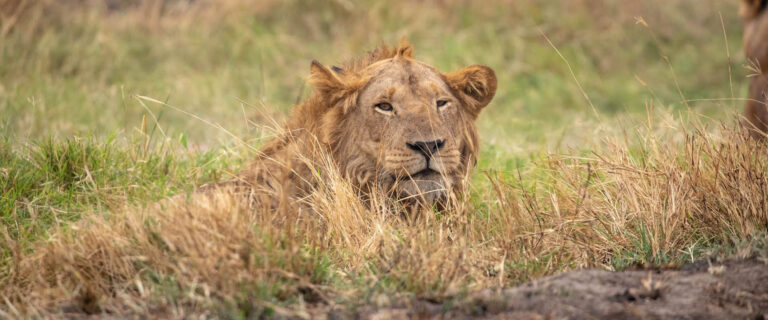
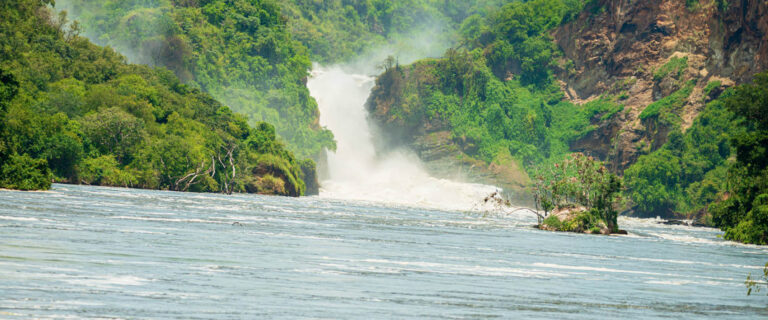
Bunyoro Kingdom can form part of a longer western Uganda itinerary that includes wildlife viewing in nearby protected areas. Murchison Falls National Park is a particularly relevant combination, offering savannah wildlife, the Nile River and dramatic waterfall scenery.
The cultural visit should remain a distinct experience rather than being presented as an activity automatically included in a national park excursion.

Bunyoro Royal Heritage and Visitor Areas
Understanding the main cultural centres and historical landscapes associated with Bunyoro helps visitors plan a meaningful experience. Unlike a national park with designated trekking sectors, the kingdom’s heritage is distributed across royal institutions, settlements and historically significant locations.
Access to individual sites can vary, and some places remain primarily ceremonial, administrative or residential rather than public tourist attractions.
Hoima Royal and Cultural Centre
Hoima is closely associated with the Bunyoro-Kitara monarchy and serves as a principal centre for the kingdom’s cultural and administrative activities.
Visitors interested in royal heritage can use Hoima as a starting point for arranging guided cultural experiences and learning about the institution of the Omukama. Access to royal premises should be confirmed through appropriate channels before travel.
Karuziika Royal Palace
Karuziika is associated with the Bunyoro-Kitara royal establishment in Hoima. The palace has cultural and institutional significance, reflecting the continuing importance of traditional leadership within Banyoro society.
It should not be assumed to operate as a permanently open tourist attraction. Visits, photography and entry to specific areas require confirmation and appropriate authorisation.
Historical Sites Associated with Bunyoro-Kitara
The kingdom’s history is reflected in locations associated with royal leadership, political developments, traditional institutions and historical events. Some sites are connected with oral traditions, while others are documented through historical records and local heritage interpretation.
Visitors should use knowledgeable guides and confirm the significance and accessibility of individual sites before travelling.
Hoima Town and Community Heritage
Hoima provides opportunities to experience contemporary life within the cultural heartland of Bunyoro. Markets, local businesses, community spaces and selected cultural activities can introduce visitors to everyday livelihoods and the continued use of Runyoro. A guided town excursion can complement more formal historical interpretation.
Lake Albert and the Bunyoro Cultural Landscape
The Lake Albert basin forms part of the wider geographical and historical setting associated with Bunyoro. Its fishing communities, agricultural landscapes and connections to the Albertine Rift provide context for understanding settlement patterns and local livelihoods.
Culture, Landscapes and Heritage
Bunyoro Kingdom’s cultural heritage is closely connected to the landscapes and communities of western Uganda. Its identity has developed through centuries of royal leadership, agricultural traditions, trade, craftsmanship and interactions with neighbouring societies.
The region associated with Bunyoro includes agricultural settlements, forest landscapes, river systems and parts of the Lake Albert basin. These environments have influenced livelihoods and settlement patterns, while the kingdom’s oral traditions preserve accounts of historical leadership and community relationships.
For visitors, the principal attraction is the opportunity to understand how culture and landscape interact. Royal landmarks, historical sites and community experiences provide different perspectives on the kingdom’s past and its continuing place in Uganda.
Cultural tourism also supports heritage conservation when visits are conducted with permission and local communities participate meaningfully in guiding and interpretation.
Banyoro Language and Cultural Identity
Runyoro is central to Banyoro cultural identity and remains an important language of communication, storytelling and cultural expression.
Traditional forms of greeting, praise names, oral history and community customs help preserve connections between generations.
Visitors can gain a deeper appreciation of the kingdom through guided conversations and cultural experiences that explain the meaning of these traditions within contemporary society.
Royal Traditions and Cultural Ceremonies
Bunyoro’s royal traditions include ceremonies, cultural symbols and practices associated with the institution of the Omukama. The Empango coronation anniversary is an important example of the kingdom’s living ceremonial heritage. Hoima City identifies it as a significant occasion in the Banyoro cultural calendar.
Where to Stay in Bunyoro Kingdom
Accommodation for visitors exploring Bunyoro Kingdom is available in Hoima and other towns across the wider region. Options include guesthouses, comfortable hotels and selected properties suited to private cultural journeys or longer western Uganda safaris.
The best location depends on the historical sites you plan to visit, the duration of your stay and your onward safari route.
Hoima City
Hoima is the most practical accommodation base for visitors concentrating on Bunyoro’s royal and cultural heritage. Staying in the city provides access to local services, restaurants and selected historical attractions, including the wider area around the royal establishment and Mparo.
Accommodation choices should reflect your preferred comfort level and the availability of reliable transport for cultural excursions.
Masindi
Masindi can be a suitable base for travellers combining cultural experiences with visits to Murchison Falls National Park or other destinations in the northern part of the region.
The town offers accommodation and road connections that may suit selected western Uganda safari routes. Travellers should consider the location of individual heritage sites before choosing Masindi as their base, as some excursions require additional driving.
Lake Albert and Surrounding Areas
Selected accommodation around the Lake Albert basin can suit travellers interested in lakeside landscapes and a quieter environment. These locations are generally more appropriate for scenic exploration than for short visits focused exclusively on Hoima’s royal heritage. Road access and transfer arrangements should be confirmed in advance.
Murchison Falls Area
Travellers combining Bunyoro cultural heritage with wildlife viewing may choose accommodation near or within the wider Murchison Falls safari circuit.
This arrangement can work well for multi-day itineraries that include a cultural stop in Hoima or Masindi before continuing to the national park.
How to choose: Select accommodation based on the sites you intend to visit, the sequence of your safari and your preferred comfort level. Explore our Safari Itineraries, Accommodation Collection and Travel Styles when planning your journey.
Best Time to Visit Bunyoro Kingdom
Bunyoro Kingdom can be explored throughout the year, as its principal cultural experiences are not dependent on a single wildlife season. The most suitable travel period depends on the historical sites you intend to visit, local events and the other destinations included in your Uganda safari.
The relatively drier months, particularly December to February and June to August, can be convenient for road travel, sightseeing and outdoor cultural excursions. However, rainfall remains possible throughout the year, and conditions vary across the wider region.
Wetter periods can bring lush landscapes and opportunities to observe agricultural life, although some rural roads and outdoor heritage sites may be less comfortable to explore after heavy rain.
Visitors interested in royal ceremonies or cultural festivals should plan around confirmed event dates rather than relying on general seasonal recommendations. Access to ceremonial activities may be restricted or subject to advance arrangements.
For a comfortable visit, carry lightweight clothing, comfortable walking shoes, sun protection and a waterproof jacket. Travellers visiting culturally sensitive locations should also dress respectfully and follow guidance from local hosts.
How to Get to Bunyoro Kingdom
Reaching Bunyoro Kingdom generally involves travelling to Hoima or another suitable town in western Uganda. The best route depends on your starting point, the cultural attractions you intend to visit and the other destinations included in your itinerary.
By Road from Kampala or Entebbe
Many visitors travel by private vehicle from Kampala or Entebbe towards Hoima, using the established road network through central and western Uganda.
The journey typically takes several hours, with the exact duration influenced by the starting point, route, traffic and road conditions. Travellers planning cultural visits should allow sufficient time for sightseeing and any required arrangements with local guides or site custodians.
By Private Safari Vehicle
A private safari vehicle is a practical option for travellers combining Bunyoro’s cultural attractions with wildlife destinations in western Uganda. Private transport provides flexibility for luggage, scheduled cultural visits and scenic stops along the route.
Njagi Safaris can incorporate Hoima and other suitable locations into a wider itinerary, subject to the confirmed activities and travel arrangements.
By Domestic or Charter Flight
Selected domestic or charter aviation arrangements may serve parts of western Uganda, depending on the operator, route and available airstrips.
Travellers should not assume that scheduled flights operate directly to Hoima. Any aviation arrangements must be confirmed before booking.
Connecting from Other Safari Destinations
Bunyoro Kingdom can be combined with Murchison Falls National Park, Lake Albert and other destinations in western Uganda. The most practical route depends on the specific heritage sites, accommodation location and amount of time available.
A well-planned itinerary can combine cultural interpretation with scenic landscapes and wildlife experiences without unnecessary backtracking.
Safari Packages Featuring Bunyoro Kingdom
Explore Uganda safari packages that can incorporate Bunyoro’s royal heritage and cultural experiences alongside wildlife viewing, scenic landscapes and other attractions in western Uganda.
A visit may focus on the kingdom’s historical sites around Hoima or form part of a longer itinerary featuring Murchison Falls National Park and the Lake Albert region. The most suitable arrangement depends on the available time, cultural site access and the interests of the travelling group.
Heritage Trails
Combine Bunyoro Kingdom with Other Destinations
Combining Bunyoro Kingdom with other destinations can create a varied Uganda safari that brings together cultural heritage, historical interpretation and natural landscapes. The most suitable combination depends on your travel route, available time and preferred experiences.
Bunyoro Kingdom and Murchison Falls National Park
Combine Bunyoro’s royal heritage with wildlife viewing in Murchison Falls National Park. This pairing brings together the history of western Uganda with savannah wildlife, Nile River excursions and the dramatic scenery of Murchison Falls. A cultural stop in Hoima or Masindi can provide additional historical context before or after the national park visit.
Bunyoro Kingdom and Lake Albert
Lake Albert offers scenic landscapes, fishing communities and opportunities to explore the western edge of the Albertine Rift. Combining a cultural visit with selected lakeshore experiences can introduce travellers to the relationship between the region’s history, geography and contemporary livelihoods. Travel arrangements should reflect road conditions, community access and appropriate lake safety precautions.
Bunyoro Kingdom and Ziwa Rhino Sanctuary
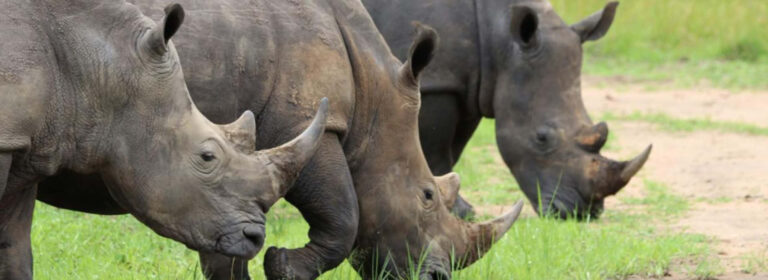
A longer journey can combine Bunyoro’s historical attractions with Ziwa Rhino Sanctuary. Ziwa provides an opportunity to learn about rhinoceros conservation through authorised experiences, subject to the sanctuary’s current arrangements.
This combination is best planned as part of a suitable central and northern Uganda route rather than assuming the attractions are immediately adjacent.
Bunyoro Kingdom and Other Western Uganda Destinations
Travellers with additional time can extend their journey to include forest, wildlife and cultural destinations elsewhere in western Uganda. The final route may incorporate Kibale National Park, Tooro Kingdom or other attractions, depending on travel priorities.
These combinations allow visitors to explore the contrast between Uganda’s traditional kingdoms, rainforest ecosystems and savannah landscapes.
Responsible Travel in Bunyoro Kingdom
Responsible travel in Bunyoro Kingdom begins with respecting its royal institutions, cultural traditions and communities. Historical landmarks and ceremonial spaces have significance beyond tourism, and visitors should approach them with appropriate conduct and sensitivity.
When visiting royal premises, burial grounds or cultural sites, follow the instructions of authorised custodians and local guides. Seek permission before taking photographs, entering restricted areas or participating in cultural activities. Sacred sites and private ceremonies should be respected, even when they are not accessible to tourists.
Choosing knowledgeable local guides, community-led experiences and locally operated services can help ensure that cultural tourism supports heritage preservation and livelihoods. Visitors should also respect the surrounding natural environment, particularly when combining cultural excursions with Lake Albert or protected wildlife areas.
For further information on Bunyoro’s cultural heritage, consult the Kabalega Foundation, which works on heritage preservation and cultural tourism, and the Uganda Tourism Board for broader tourism guidance. The Uganda Wildlife Authority provides information relevant to visits to protected wildlife areas. Thoughtful travel helps preserve Bunyoro’s historical identity while supporting the communities that maintain its living cultural traditions.
Frequently Asked Questions About Bunyoro Kingdom
Bunyoro Kingdom is a traditional kingdom in western Uganda, with Hoima serving as its principal royal and cultural centre. Its historical and cultural associations extend across several communities and districts in the wider Bunyoro region.
Bunyoro Kingdom is known for its royal heritage, the historical Bunyoro-Kitara monarchy, Banyoro cultural traditions and the legacy of Omukama Kabalega. Its history includes periods of regional influence and resistance to British colonial expansion.
The Omukama is the traditional title of the king of Bunyoro-Kitara. The royal institution remains an important part of Banyoro cultural identity. Visitors interested in the current leadership and royal activities should consult official kingdom communications for updated information.
Important cultural attractions include the royal heritage associated with Hoima, Karuziika Palace, the Nyamyaro Royal Museum and Mparo Royal Tombs. Access arrangements vary, and some locations require permission or advance coordination.
Visits to royal premises are subject to the kingdom’s access arrangements and cultural protocols. Travellers should not assume that Karuziika Palace is permanently open for public tours. Permission should be confirmed through appropriate channels before including it in an itinerary.
Omukama Chwa II Kabalega is remembered for his leadership of Bunyoro and resistance to British colonial expansion during the nineteenth century. His legacy remains an important part of the kingdom’s history and is commemorated at Mparo Royal Tombs and other heritage sites.
One or two days can provide an introduction to selected historical attractions around Hoima, subject to site access and guide availability. Travellers interested in a more extensive cultural experience or visits to Lake Albert may benefit from additional time.
Bunyoro Kingdom can be explored throughout the year. Relatively drier months may be more convenient for road travel and outdoor sightseeing, while cultural events require planning around confirmed dates and access arrangements.
Hoima is a practical base for travellers concentrating on royal heritage and cultural attractions. Masindi and selected accommodation around Lake Albert may suit visitors combining cultural experiences with wider western Uganda safari routes.
Visitors generally travel by road from Kampala towards Hoima or another suitable town in the region. The journey takes several hours, depending on the route, traffic and destination. Private transfers can be arranged as part of a wider Uganda itinerary.
Yes. Bunyoro Kingdom can be combined with Murchison Falls National Park to bring together cultural heritage, wildlife viewing and Nile River scenery. The best sequence depends on the heritage sites selected and the location of your safari accommodation.
Yes. Bunyoro offers opportunities to learn about Uganda’s traditional monarchy, historical events, Runyoro language and Banyoro customs. Cultural visits should be arranged through knowledgeable local guides and conducted with respect for royal institutions and community traditions.
Plan Your Visit to Bunyoro Kingdom
Plan your visit to Bunyoro Kingdom by selecting the historical landmarks and cultural experiences that interest you most, confirming access arrangements and choosing accommodation that fits your wider Uganda safari.
Njagi Safaris can help organise a private journey that combines Bunyoro’s royal heritage with western Uganda’s wildlife destinations, scenic landscapes and other cultural attractions.
Share your preferred travel dates, group size, accommodation preferences and interests through the enquiry form below. Our team will help you develop a practical itinerary that respects local cultural arrangements and fits your travel plans.