
Nyungwe Forest National Park
Nyungwe Forest National Park is one of Rwanda’s most remarkable natural destinations, celebrated for its ancient montane rainforest, chimpanzees, diverse primates, exceptional birdlife and dramatic forested landscapes. Located in southwestern Rwanda, the park protects an extensive high-altitude forest ecosystem within the Albertine Rift, offering visitors an opportunity to experience one of Central Africa’s most important areas of biodiversity.
From chimpanzee tracking and canopy walkway experiences to guided forest hikes, birding and cultural encounters, Nyungwe offers a distinctive alternative to Rwanda’s volcanic gorilla landscapes and savannah wildlife destinations. Its combination of primates, forest scenery and conservation significance makes it an important part of a well-planned Rwanda safari.
Nyungwe Forest National Park at a Glance
- Location: Southwestern Rwanda, within the Albertine Rift region.
Landscape: Montane rainforest, forested ridges, deep valleys, streams, waterfalls and high-altitude vegetation.
Best known for: Chimpanzee tracking, the canopy walkway and exceptional rainforest biodiversity.
Other experiences: Colobus monkey tracking, forest birding, guided hiking trails, waterfalls and selected community experiences.
Main visitor access areas: Uwinka, Gisakura and designated chimpanzee tracking access points, including areas associated with Cyamudongo.
Safari style: Suitable for private, tailor-made, Upper Mid-Range, Premium and Signature itineraries, depending on accommodation availability and the overall route.
Planning priority: Confirm chimpanzee tracking permits, activity starting points and accommodation before finalising transfers.
A rainforest of global conservation importance: Nyungwe Forest National Park was inscribed on the UNESCO World Heritage List in 2023 in recognition of its exceptional biodiversity and ecological significance. The park protects important habitats for primates, forest birds, plants and other wildlife associated with the Albertine Rift.
Nyungwe is more than a chimpanzee tracking destination. Its rainforest trails, canopy experiences and surrounding communities make it a place worth exploring over several days, particularly for visitors interested in Rwanda’s forest ecosystems and conservation heritage.
Why Visit Nyungwe Forest National Park?
The appeal of Nyungwe Forest National Park begins with the opportunity to track chimpanzees in their natural rainforest habitat. Accompanied by authorised guides and trackers, visitors follow forest routes in search of chimpanzee communities whose movements and behaviour shape each encounter. The terrain can be steep and slippery, making the experience both an exciting wildlife activity and an active forest adventure.
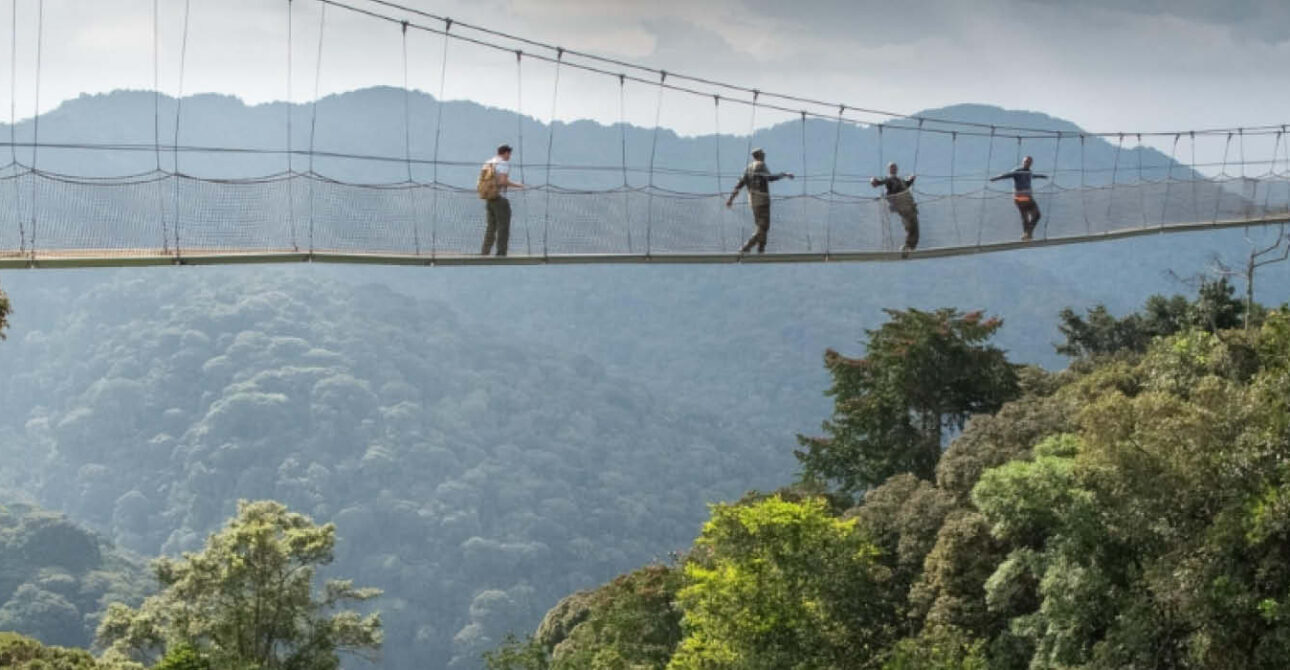
Nyungwe also offers one of Rwanda’s most distinctive forest attractions: the canopy walkway. Suspended above a forested valley, the walkway provides elevated views across the rainforest and introduces visitors to the scale and structure of the surrounding ecosystem.
Beyond chimpanzees and the canopy walkway, Nyungwe supports several other primate species, including colobus monkeys, alongside an exceptional variety of birds, butterflies and plant life. Its extensive trail network allows visitors to experience waterfalls, forest ridges and different vegetation habitats.
For travellers interested in more than wildlife, communities around the park offer opportunities to learn about local livelihoods, tea-growing landscapes and selected cultural traditions through responsibly arranged experiences.
A visit to Nyungwe can therefore bring together chimpanzee tracking, rainforest hiking, birding, scenic landscapes and conservation experiences within a carefully designed Rwanda itinerary. Explore our Rwanda Safari Destinations.
Things to Do in Nyungwe Forest National Park
Nyungwe offers a variety of rainforest experiences that can be incorporated into a wider Rwanda safari. The right combination depends on your interests, available time, physical fitness, permit availability and the location of your accommodation.
Chimpanzee Tracking
Chimpanzee tracking is one of Nyungwe’s signature wildlife experiences. Visitors join an organised forest trek led by authorised guides and trackers to locate a habituated chimpanzee community. The duration and difficulty of the trek depend on the chimpanzees’ movements, forest terrain and weather conditions.
Trails may be steep, muddy and slippery, requiring suitable footwear and reasonable physical preparation. Chimpanzee sightings are not guaranteed, and the experience differs from mountain gorilla trekking because chimpanzees are often active in the forest canopy and may move quickly between feeding areas.
Canopy Walkway Experience
The Nyungwe canopy walkway offers a distinctive perspective on the rainforest from above the forest floor. Visitors cross a suspended walkway overlooking the surrounding vegetation, slopes and forested valley. The experience is associated with the Uwinka area and is undertaken under authorised visitor arrangements.
It provides opportunities to appreciate the forest canopy and surrounding scenery, although wildlife sightings cannot be guaranteed. Travellers uncomfortable with heights should consider the elevated and exposed nature of the walkway before booking.
Colobus Monkey Tracking
Nyungwe is an important habitat for black-and-white colobus monkeys, which can sometimes be observed in sizeable groups. Guided colobus tracking introduces visitors to the behaviour and forest habitats of these distinctive primates.
The activity provides a different wildlife experience from chimpanzee tracking and can be incorporated into a longer stay. Routes, availability and tracking arrangements should be confirmed with the park authorities.
Birding
Nyungwe is one of Rwanda’s leading destinations for forest birding, particularly for visitors interested in Albertine Rift species. The park’s montane forests support birds associated with different elevations and vegetation habitats.
Guided birding can be arranged for dedicated birdwatchers or visitors seeking a quieter forest experience alongside primate tracking. Travellers with particular target species should discuss their interests with a specialist guide when planning the itinerary.
Guided Rainforest Hiking
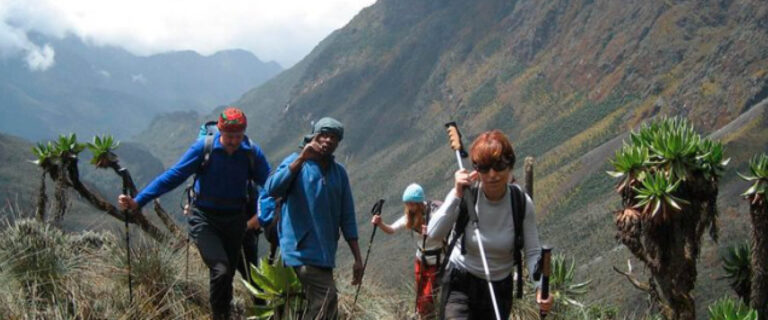
Nyungwe has an extensive network of designated forest trails that introduce visitors to its vegetation, streams, ridges and smaller wildlife. Guided walks range from relatively accessible forest experiences to more demanding routes involving steep terrain and substantial changes in elevation.
Trail selection should reflect available time, physical fitness, weather conditions and current park access arrangements.
Waterfall Hiking
Waterfall hikes provide opportunities to explore Nyungwe’s forested valleys, streams and scenic landscapes. Routes such as the Isumo Waterfall Trail lead visitors through rainforest habitats towards a waterfall setting, subject to current park arrangements. The experience can be physically demanding in wet conditions, so sturdy footwear and suitable rain protection are important.
Tea Plantation and Scenic Experiences
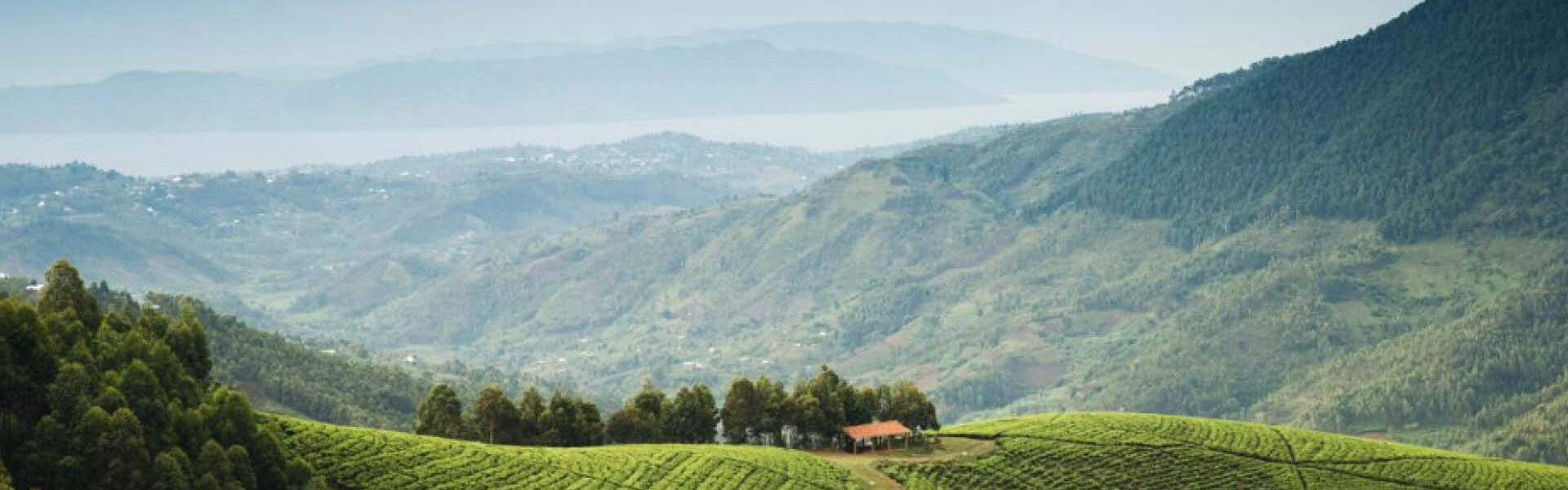
Tea-growing landscapes around Nyungwe provide a scenic contrast to the dense rainforest. Selected experiences outside the park may introduce visitors to tea cultivation, processing and the agricultural livelihoods associated with the surrounding region. These activities can complement forest experiences and are best arranged through established local providers.
Cultural and Community Experiences
Communities around Nyungwe offer opportunities to learn about local traditions, livelihoods and community-based tourism initiatives. Selected experiences may include cultural performances, crafts, food traditions and visits organised through responsible community providers.
Travellers should respect local guidance on photography, participation and appropriate conduct, ensuring that visits provide meaningful benefits to the people involved.


Nyungwe Forest Visitor Areas and Tracking Locations
Understanding the main visitor areas of Nyungwe Forest National Park is important when planning chimpanzee tracking, canopy walks, forest hikes and accommodation. Unlike Bwindi, where gorilla trekking is organised around four established sectors, Nyungwe has visitor centres and activity starting points distributed across its extensive rainforest landscape.
The park’s main visitor facilities include Uwinka and Gisakura, while chimpanzee tracking also operates in designated forest areas such as Cyamudongo, Mayebe and Gisovu. Each location has different access arrangements, activities and transfer requirements.
Uwinka Visitor Centre
Uwinka is one of Nyungwe’s principal visitor centres and an important starting point for guided forest activities. It is particularly associated with the canopy walkway, forest hiking and selected primate and birding experiences.
The surrounding landscape features montane forest, valleys and trails that introduce visitors to different aspects of the park’s biodiversity. Uwinka is a practical consideration for travellers interested in combining the canopy walkway with additional guided walks.
Gisakura Visitor Area
Gisakura lies near the western side of Nyungwe and serves as an important visitor access area. It provides access to selected forest activities, accommodation and the surrounding tea-growing landscapes.
The area can be a practical base for visitors planning chimpanzee tracking, waterfall hikes, colobus monkey experiences and community visits. The location of the specific activity should be confirmed before arranging accommodation and transfers.
Cyamudongo Forest
Cyamudongo is a separate forest component of Nyungwe National Park, recognised for its importance to chimpanzee conservation.
Guided chimpanzee tracking may be organised in this forest under authorised arrangements. Access involves travelling to the relevant starting point, and the journey should be planned carefully around early-morning activity schedules. Cyamudongo is also ecologically significant as part of the wider protected forest landscape recognised by UNESCO.
Gisovu and Mayebe Tracking Areas
Gisovu and Mayebe are associated with designated chimpanzee tracking experiences within Nyungwe’s wider forest landscape. These areas provide alternatives to Cyamudongo, subject to current tracking operations, visitor allocations and permit availability.
Travellers should confirm the assigned chimpanzee community and meeting arrangements rather than assuming that all tracking experiences begin from the same visitor centre.
Forest Hiking and Waterfall Trail Areas
Nyungwe’s network of hiking trails includes routes associated with Uwinka, Gisakura and other designated forest access points. Popular experiences include canopy walkway access, waterfall hiking, forest birding and longer rainforest excursions. Each trail differs in distance, elevation and physical difficulty.
Important planning note: Confirm the exact chimpanzee tracking location, activity permit and reporting time before choosing accommodation. Transfers between visitor areas can be significant, and early-morning departures may be required.
Wildlife, Forest and Biodiversity
Beyond its celebrated chimpanzees, Nyungwe Forest National Park protects a remarkably diverse rainforest ecosystem shaped by mountainous terrain, streams, wetlands and changing elevations. Its habitats support numerous primates, birds, mammals, butterflies, amphibians and plant species.
The park is especially significant for its primate diversity. Chimpanzees share the forest landscape with black-and-white colobus monkeys, L’Hoest’s monkeys and several other species. Encounters depend on natural conditions, and visitors should not expect to see every species during a single activity.
Nyungwe is also internationally important for bird conservation. Its Albertine Rift habitats support a variety of forest birds, including species with restricted regional distributions.
The park’s conservation importance extends beyond individual wildlife encounters. Its forests and wetlands help protect important water catchments and ecological processes that contribute to the wider region’s environmental health.
For travellers, Nyungwe offers an opportunity to appreciate one of Rwanda’s most important natural ecosystems, where wildlife observation requires patience, responsible conduct and respect for the protected forest environment. UNESCO recognises the park’s exceptional biodiversity and ecological value.
Birdlife of the Albertine Rift
Nyungwe is one of Rwanda’s most important birding destinations, particularly for travellers interested in the Albertine Rift and its distinctive forest species. Different elevations and vegetation habitats provide opportunities to observe birds associated with montane rainforest, forest edges and wetland environments.
Guided birding can complement chimpanzee tracking or form part of a dedicated Rwanda birding itinerary. Visitors with specific target species should discuss suitable routes and seasonal conditions with a specialist guide.
Chimpanzees and Other Forest Primates
Chimpanzees are among Nyungwe’s most celebrated wildlife species, but the forest supports a wider community of primates. Black-and-white colobus monkeys are particularly notable, while L’Hoest’s monkeys and other forest species contribute to the park’s biodiversity.
Chimpanzee tracking and colobus monkey tracking provide different wildlife experiences. Their routes, duration and observation conditions depend on the relevant activity and natural circumstances.
Where to Stay Near Nyungwe Forest
Choosing where to stay near Nyungwe Forest National Park begins with confirming your planned activities and their starting points. Accommodation is available around the forest and surrounding communities, with options ranging from comfortable guesthouses and Upper Mid-Range lodges to Premium and Signature properties overlooking tea plantations or rainforest landscapes.
Travellers planning chimpanzee tracking should prioritise access to the assigned meeting point, as early-morning departures and lengthy transfers can affect the experience.
Gisakura
Gisakura is one of the most practical accommodation areas for visitors exploring Nyungwe’s western forest region. Its location can suit travellers combining chimpanzee tracking with guided forest walks, waterfall hikes and experiences in the surrounding tea-growing landscape. Accommodation choices vary, so the distance to the relevant activity starting point should be confirmed before booking.
Uwinka
Uwinka is a convenient area for visitors interested in the canopy walkway, guided hiking and forest birding. Staying near this part of the park may reduce travel time for selected activities and provide direct access to the surrounding rainforest environment. Accommodation and visitor facilities should be checked against current operating arrangements.
Western Nyungwe and Tea Plantation Lodges
The western side of Nyungwe offers scenic accommodation settings associated with tea plantations, forest views and the surrounding highlands.
These properties can appeal to travellers seeking a quieter stay with access to rainforest activities. Road conditions, transfer distances and the location of scheduled activities should be considered when selecting accommodation.
Premium and Signature Forest Retreats
Selected high-end properties around Nyungwe provide a more personalised rainforest experience. Premium and Signature accommodation may include private suites, scenic surroundings, attentive hospitality and activities organised around the forest and neighbouring communities. The most suitable option depends on your comfort preferences, planned experiences and overall safari budget.
Rusizi and Kamembe
Rusizi and Kamembe, near the southern end of Lake Kivu, offer additional accommodation options for travellers connecting Nyungwe with southwestern Rwanda. These areas may be useful for certain arrival, departure and regional travel arrangements, although they are not equally convenient for every park activity.
How to choose: Match your lodge to your assigned chimpanzee tracking location, preferred comfort level and wider Rwanda safari route. Confirm the actual transfer distance to the correct briefing point before finalising your booking.
Explore our Safari Itineraries, Accommodation Collection and Travel Styles when planning your stay.
Best Time to Visit Nyungwe Forest
The best time to visit Nyungwe Forest National Park depends on your preferred activities, travel dates and tolerance for changing rainforest weather. The park can be visited throughout the year, although rainfall influences hiking conditions, forest access and the physical demands of chimpanzee tracking.
The relatively drier periods, particularly June to September and December to February, are often favoured for forest hiking, canopy walks and other outdoor activities. Trails may be more manageable during these months, although rainfall remains possible in the montane rainforest.
Wetter periods can bring muddy paths, slippery slopes and more challenging walking conditions. They also create lush forest scenery and may appeal to visitors interested in photography, forest vegetation and quieter travel periods.
Chimpanzee tracking is influenced by the movements of wild animals, forest conditions and activity arrangements. No season guarantees a sighting or an easy trek. Nyungwe’s elevation contributes to cooler temperatures than many of Rwanda’s lower-lying areas. Mist, rain and changing conditions can occur during the same day.
For a comfortable experience, pack waterproof clothing, sturdy hiking boots, warm layers and protection for cameras and daypacks. Discuss seasonal conditions and your planned activities with your safari operator before departure.
How to Get to Nyungwe Forest National Park
Reaching Nyungwe Forest National Park requires planning around your accommodation and selected activities. The park lies in southwestern Rwanda, and the most suitable route depends on your arrival point, chimpanzee tracking location and other destinations included in your itinerary.
By Road from Kigali
Many visitors travel by private vehicle from Kigali towards southwestern Rwanda, commonly passing through Huye and other communities along the route. The journey typically takes approximately five to six hours to the park area under suitable conditions, although the final duration depends on the specific visitor centre, accommodation, traffic and stops.
By Private Safari Vehicle
A private safari vehicle provides flexibility for travellers combining Nyungwe with Kigali, Lake Kivu, Volcanoes National Park or other Rwanda destinations. Private transport allows transfers to be organised around accommodation, activity briefings and the wider itinerary.
An experienced driver-guide can help manage the journey through the country’s mountainous landscapes and changing weather conditions.
By Domestic or Charter Flight
Depending on current airline schedules, travellers may be able to fly from Kigali to Kamembe Airport, followed by a road transfer towards Nyungwe. The park’s official visitor information identifies Kamembe as a regional air access point. Flight schedules, baggage allowances and onward transfers should be confirmed before booking.
Connecting from Other Safari Destinations
Nyungwe can be incorporated into a longer Rwanda safari that includes Lake Kivu, Volcanoes National Park, Kigali or Akagera National Park. The sequence of destinations should reflect driving distances, accommodation locations, available travel time and the timing of booked activities.
A well-planned route helps avoid unnecessary backtracking and allows sufficient time for early-morning forest experiences.
Safari Packages Featuring Nyungwe Forest
Explore Rwanda safari packages that include Nyungwe Forest National Park and match the experiences you want from your journey. Depending on the itinerary, a visit may focus on chimpanzee tracking, canopy walks and rainforest exploration or combine Nyungwe with Rwanda’s volcanic landscapes, scenic lakes and savannah wildlife destinations.
Nyungwe is particularly suitable for travellers interested in primates, birding and forest biodiversity. Longer itineraries can incorporate chimpanzee tracking alongside mountain gorilla trekking in Volcanoes National Park, providing two distinctive primate experiences within one Rwanda safari.
Combine Nyungwe with Other Destinations
Combining Nyungwe Forest National Park with other destinations can create a more varied Rwanda safari. The most suitable combination depends on your available time, interests, accommodation preferences and the activities you want to experience.
Nyungwe and Volcanoes National Park
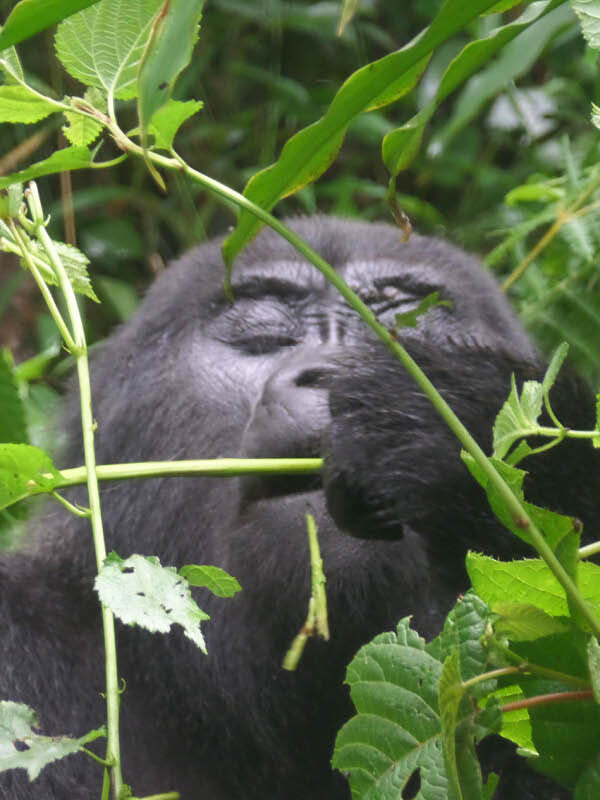
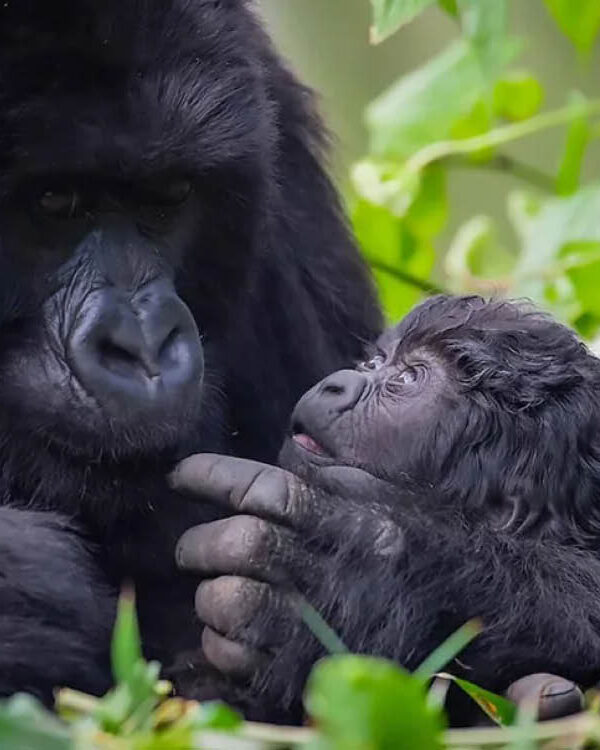
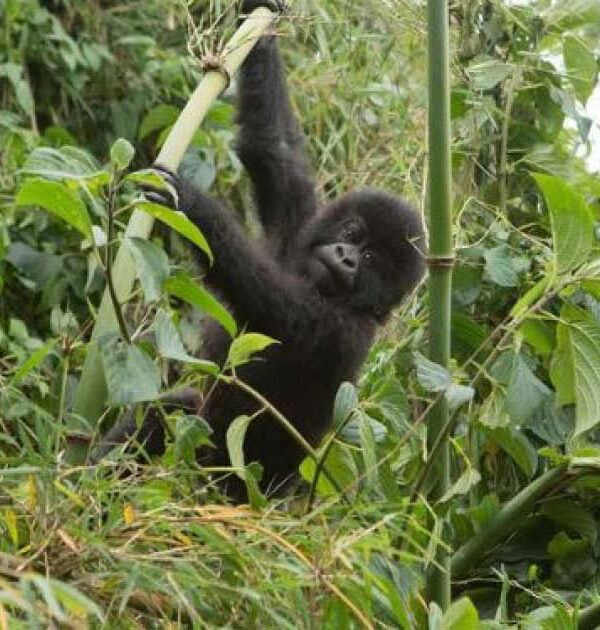
Combine chimpanzee tracking in Nyungwe with mountain gorilla trekking in Volcanoes National Park for a Rwanda safari focused on primates and conservation. The two parks offer contrasting forest environments.
Nyungwe protects extensive montane rainforest, while Volcanoes National Park features bamboo forests and volcanic mountain landscapes. This combination can also include golden monkey tracking, birding and selected hiking experiences, depending on available time and permits.
Nyungwe and Lake Kivu
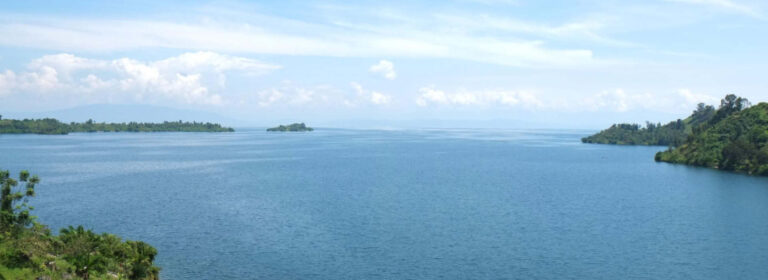
Lake Kivu provides a scenic complement to Nyungwe’s dense rainforest. Travellers can combine chimpanzee tracking and forest walks with lakeside relaxation, boat excursions and time exploring selected communities along the lake. The combination is particularly appealing for visitors seeking a slower pace after physically demanding forest activities.
Nyungwe and Kigali
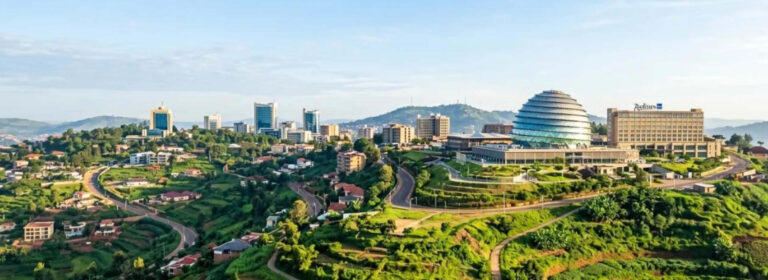
Combine Nyungwe’s rainforest experiences with time in Kigali, Rwanda’s capital. Kigali offers opportunities to explore cultural institutions, historical sites, contemporary urban life and local markets. This pairing can be practical for travellers arriving through Kigali International Airport and planning a private journey into southwestern Rwanda.
Nyungwe and Akagera National Park
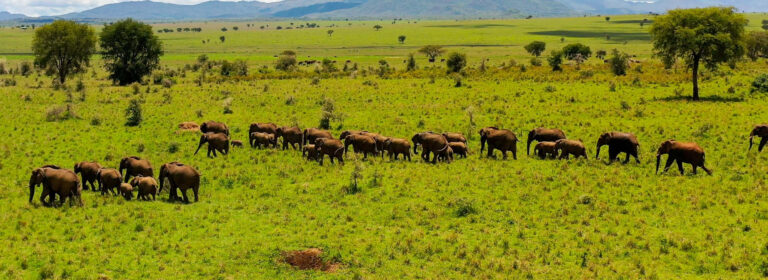
Combine Nyungwe’s montane rainforest with the savannah and wetland landscapes of Akagera National Park. Akagera provides opportunities for wildlife viewing in a different ecosystem, with large mammals, birds and scenic lakes. Together, the two parks offer contrasting perspectives on Rwanda’s biodiversity. Travellers should allow sufficient time for the road transfers and scheduled activities.
Responsible Travel in Nyungwe Forest National Park
Visiting Nyungwe Forest National Park offers an opportunity to experience one of Rwanda’s most important natural ecosystems while contributing to rainforest conservation and the well-being of neighbouring communities. Recognised as a UNESCO World Heritage Site in 2023, Nyungwe protects internationally significant biodiversity, including chimpanzees, other forest primates and species associated with the Albertine Rift.
Responsible travel begins with respecting the park’s conservation rules. During chimpanzee tracking and other guided activities, follow your guide’s instructions, maintain the required distance from wildlife, avoid disturbing animals and remain on designated trails. Visitors should also observe applicable health precautions to reduce the risk of transmitting illnesses to primates.
Nyungwe’s rainforest is a sensitive environment. Avoid leaving litter, damaging vegetation or entering restricted areas. The UNESCO World Heritage Centre provides information about the park’s outstanding ecological significance, while African Parks explains ongoing conservation and park management initiatives.
Responsible tourism also supports neighbouring communities. Travellers can choose locally guided activities and appropriately organised cultural experiences that respect local traditions and contribute to livelihoods. For visitor information and official tourism guidance, consult Visit Rwanda.
By travelling thoughtfully, visitors can help protect Nyungwe’s rainforest habitats while supporting conservation, cultural respect and sustainable community development.
Frequently Asked Questions About Nyungwe Forest National Park
The cost of chimpanzee tracking depends on the applicable permit tariff, visitor category and current park arrangements. Accommodation, transport and other safari services are generally additional expenses. Ask Njagi Safaris for a quotation based on your travel dates, group size and accommodation preferences. Official permit prices should be confirmed before booking.
Chimpanzee tracking can be physically demanding because of steep forest slopes, muddy trails, dense vegetation and changing weather. The duration varies according to the chimpanzees’ movements and the location of the assigned community. Some treks require several hours of walking. Discuss your fitness and any mobility concerns before booking.
Chimpanzee tracking operates in designated forest areas, including Cyamudongo and other locations associated with habituated chimpanzee communities. The assigned location depends on current park arrangements and permit allocation. Confirm the exact reporting point and transfer requirements before selecting accommodation.
The minimum age for chimpanzee tracking in Nyungwe is generally 15 years. Families travelling with younger children should arrange suitable alternative activities and confirm current eligibility requirements with the park authorities before booking.
Booking in advance is advisable, particularly during popular travel periods. Chimpanzee tracking permits and visitor places are limited, and activity availability can influence your accommodation and transfer arrangements. Confirm the permit before committing to the wider itinerary.
Chimpanzees are wild animals, and sightings cannot be guaranteed. Their movements, feeding patterns and forest conditions influence tracking success. Any rescheduling or refund arrangements depend on the park’s applicable rules and the circumstances of the activity. Confirm the current policy before purchasing your permit.
The Nyungwe canopy walkway is a suspended bridge experience that offers elevated views across the rainforest. It is accessed through a guided activity associated with the Uwinka Visitor Centre. Visitors should be comfortable with heights and prepared for the forest walk required to reach the walkway.
Yes. Nyungwe is known for its black-and-white colobus monkeys, and guided tracking experiences may be available under current park arrangements. The activity provides an opportunity to observe these primates in their natural forest habitat. Sightings depend on the animals’ movements and conditions on the day.
Yes. Nyungwe is one of Rwanda’s leading forest birding destinations, with species associated with the Albertine Rift and montane rainforest habitats. Guided birding can be incorporated into a general safari or arranged as a more specialised experience for visitors with particular target species.
Nyungwe can be visited throughout the year. The relatively drier periods, particularly June to September and December to February, are often preferred for hiking and forest activities. Rain remains possible in every season, and conditions can change quickly because of the park’s elevation and rainforest climate.
Accommodation is available around Gisakura, Uwinka and other areas near the park. Options range from comfortable guesthouses and forest accommodation to Premium and Signature properties. The most suitable location depends on your planned activities, particularly the assigned starting point for chimpanzee tracking.
Yes. Nyungwe can be combined with Volcanoes National Park for a Rwanda safari featuring chimpanzees and mountain gorillas, or with Lake Kivu for scenic landscapes and relaxation. Kigali and Akagera National Park are additional options for longer itineraries. The final route should account for driving distances, permits and available travel time.
Plan Your Visit to Nyungwe Forest National Park
Plan your visit to Nyungwe Forest National Park by confirming your preferred activities, chimpanzee tracking permits and accommodation arrangements. From rainforest primate encounters and canopy walks to guided forest hikes and birding, Nyungwe offers experiences that can form an important part of a memorable Rwanda safari.
Njagi Safaris can organise a private Rwanda journey combining Nyungwe with Volcanoes National Park, Lake Kivu, Kigali, Akagera or selected destinations in Uganda. Our approach considers activity permits, practical transfer arrangements, preferred accommodation standards and the overall pace of your journey.
Share your travel dates, group size, accommodation preferences and interests through the enquiry form below. Our team will help you plan a practical itinerary tailored to your trip.