Birding Safaris in Rwanda
Birding Safaris in Rwanda offer remarkable opportunities to explore the country’s rich birdlife across montane rainforests, volcanic highlands, savannahs, freshwater lakes and extensive wetlands.
Rwanda is home to more than 700 recorded bird species, including numerous Albertine Rift endemics, colourful turacos, forest sunbirds, barbets, kingfishers, raptors and wetland specialities. Its relatively compact geography allows travellers to experience contrasting birdwatching habitats within a carefully planned journey. For travellers interested in Birding in Rwanda, the experience extends beyond identifying birds. It includes guided forest walks, savannah birdwatching, wetland excursions, bird photography and opportunities to appreciate the country’s varied ecosystems.
Njagi Safaris designs Rwanda Birding Safaris for first-time birdwatchers, experienced birders, photographers, couples, families and small private groups. Each journey is developed around the traveller’s preferred destinations, target species, available time, accommodation expectations and pace of travel. Our approach combines personalised safari planning with appropriately experienced birding guides, private transport and access to Rwanda’s established birdwatching destinations.
Explore Our Rwanda Birding Safaris
Our Rwanda Birding Tours connect travellers with the country’s most rewarding birdwatching environments through professionally coordinated private journeys. From short birdwatching excursions around Kigali to extended expeditions combining Nyungwe’s montane forests and Akagera’s savannahs, itineraries can focus on Albertine Rift endemics, wetland birds, photography or broader wildlife experiences.
Travellers can explore suitable safari packages or request a personalised itinerary developed around their particular birdwatching interests.
Featured Rwanda Birding Safari Packages
Customise Your Rwanda Birdwatching Journey
Every birdwatcher has different priorities. Some travellers hope to encounter Albertine Rift endemic birds in Rwanda’s montane forests, while others seek colourful savannah species, wetland specialities or opportunities to photograph birds in their natural habitats.
Njagi Safaris can personalise Birding Safaris in Rwanda by adapting routes, accommodation, specialist guiding arrangements and the time allocated to individual birdwatching destinations. A dedicated itinerary may combine Bird Watching and Forest Walks with mountain gorilla trekking, chimpanzee tracking, golden monkey tracking, wildlife viewing or cultural experiences.

Birding in Rwanda: Why Rwanda Is a Rewarding Birdwatching Destination
Birding in Rwanda is particularly attractive because the country combines exceptional montane forest birdlife with accessible savannahs, wetlands and highland habitats. Rwanda’s location within the Albertine Rift provides opportunities to encounter specialised forest birds, while Akagera National Park and other eastern landscapes support a contrasting range of savannah and wetland species.
More Than 700 Recorded Bird Species
Rwanda has more than 700 recorded bird species, making it an important destination for birdwatchers interested in Central and East African birdlife. These include resident forest birds, Albertine Rift endemics, savannah species, wetland specialists and seasonal migrants. The number of species encountered during an individual safari depends on the itinerary, habitats visited, season, guiding and field conditions.
Diverse Birdwatching Habitats
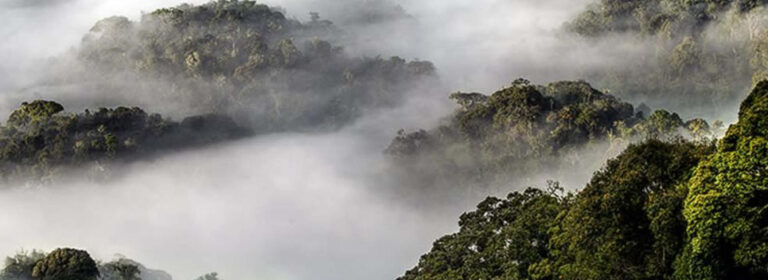
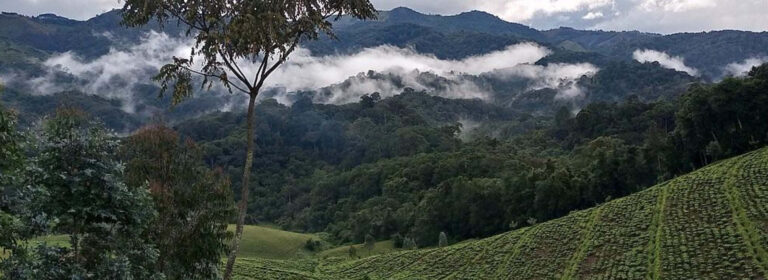
Rwanda offers montane rainforests, bamboo vegetation, volcanic highlands, grasslands, acacia woodlands, papyrus wetlands, lakeshores and riverine habitats. This diversity allows birdwatchers to encounter different species within relatively short travelling distances. A guided walk through Nyungwe’s forest provides a very different experience from birdwatching in Akagera’s open savannah or exploring wetlands around Kigali.
Albertine Rift Birdwatching Opportunities
The Albertine Rift is one of Africa’s important regions for restricted-range forest birds. Rwanda’s western forests and volcanic highlands provide opportunities to search for species such as the Red-collared Babbler, Rwenzori Turaco, Rwenzori Batis and several specialised sunbirds. These birds are particularly attractive to experienced birdwatchers planning target-species itineraries.
Resident and Migratory Birds
Rwanda’s resident bird populations provide rewarding birdwatching throughout the year. Seasonal migrants add further diversity, particularly in wetlands, grasslands and other suitable habitats. Travellers with specific birdwatching interests should consider both resident species and seasonal migration patterns.
Birding for Different Experience Levels
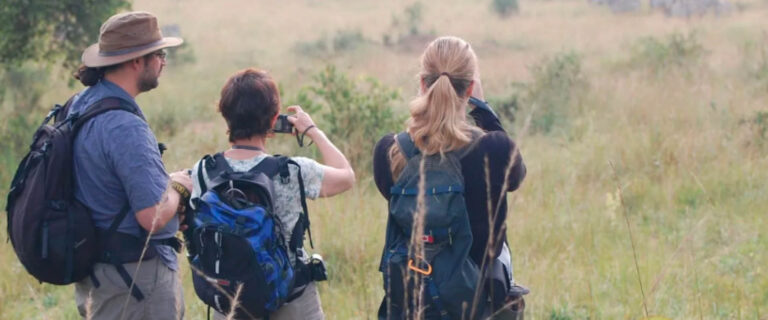
Rwanda accommodates beginners, experienced birders and specialist photographers. Accessible birdwatching around Kigali and selected savannah habitats can introduce beginners to common species, while Nyungwe’s forest trails offer more demanding birdwatching opportunities. Private safari arrangements allow the pace and complexity of activities to reflect each traveller’s experience.
Best Birding Destinations in Rwanda
The Best Birding Destinations in Rwanda extend across the country’s western forests, northern volcanic highlands, eastern savannahs and important wetland systems. A comprehensive itinerary may combine national parks with lakeshores, forest fragments, urban green spaces and other accessible birdwatching locations.
Nyungwe National Park: Albertine Rift Forest Birds
Birding in Nyungwe National Park is one of Rwanda’s most important specialist birdwatching experiences. The park protects extensive montane rainforest supporting numerous forest birds, including Albertine Rift endemics and other regional specialities. Birds of interest include the Red-collared Babbler, Rwenzori Turaco, Handsome Francolin, Rwenzori Batis, Regal Sunbird and several forest warblers.
Birdwatching generally involves guided walks along authorised forest trails, where patience and knowledge of bird vocalisations can be particularly valuable. Nyungwe can also be incorporated into itineraries featuring chimpanzee tracking, canopy walks and other forest experiences.
Akagera National Park: Savannah and Wetland Birds
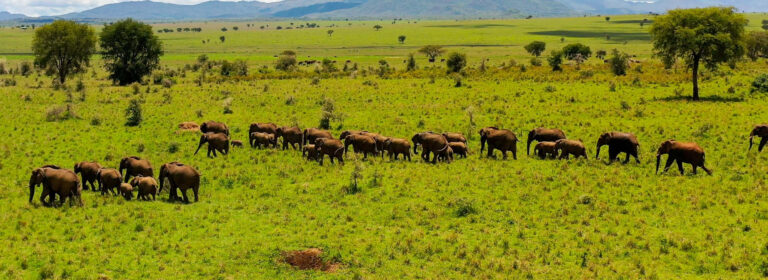
Birding in Akagera National Park provides a contrasting experience to Rwanda’s montane forests. The park contains savannah grasslands, acacia woodlands, lakes, papyrus wetlands and riverine habitats supporting a wide variety of birds.
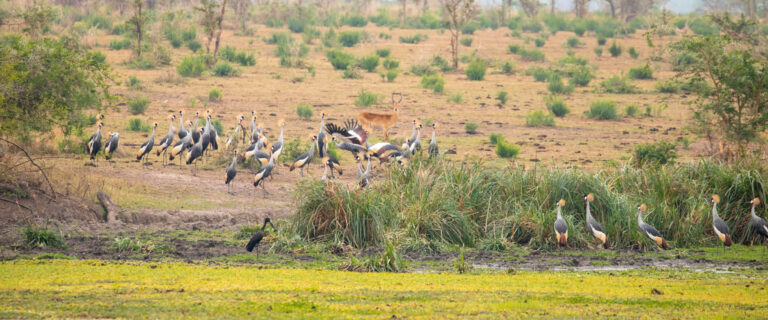
Species of interest include the Red-faced Barbet, African Fish Eagle, Grey Crowned Crane, Papyrus Gonolek, kingfishers, bee-eaters and numerous waterbirds. Birdwatching can be incorporated into game drives and authorised boat excursions, allowing travellers to combine bird identification with conventional wildlife viewing. Akagera is particularly attractive for travellers seeking both birdwatching and Rwanda’s Big Five safari experiences.
Volcanoes National Park: Highland and Bamboo Forest Birds
Birding in Volcanoes National Park offers opportunities to explore high-altitude habitats associated with Rwanda’s Virunga volcanic landscape. The park’s montane forests, bamboo zones and highland vegetation support birds associated with the Albertine Rift. Species of interest include the Rwenzori Turaco, Handsome Francolin and other forest and highland specialities.
Birdwatching activities depend on authorised trails, guiding arrangements and park access requirements. Volcanoes National Park is particularly suitable for travellers combining birdwatching with mountain gorilla trekking or golden monkey tracking.
Gishwati-Mukura National Park: Forest Birding and Conservation
Birding in Gishwati-Mukura National Park offers opportunities to explore recovering montane forest ecosystems in western Rwanda. The park protects the Gishwati and Mukura forest areas, which support forest-associated birds and species linked to the Albertine Rift.
Birdwatching here can appeal to travellers interested in conservation, habitat restoration and quieter forest exploration. The availability of guided activities and access to particular forest areas should be confirmed before travel. Explore our Gishwati-Mukura National Park destination guide for additional information.
Lake Kivu: Lakeshore and Scenic Birdwatching
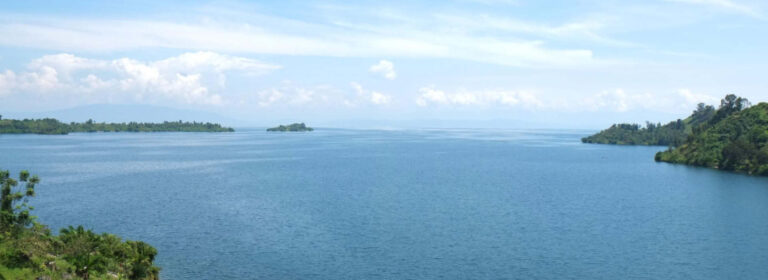
Lake Kivu provides relaxed birdwatching opportunities along Rwanda’s western border. Lakeshore habitats, gardens, woodland patches and surrounding hills support a variety of waterbirds and terrestrial species.
Travellers may encounter kingfishers, cormorants, African Fish Eagles, sunbirds and other birds associated with suitable lakeside habitats. Rubavu, Karongi and Rusizi can provide useful stopping points within longer birdwatching itineraries. Lake Kivu is particularly attractive for travellers who wish to combine birdwatching with scenic relaxation.
Kigali: Urban Birdwatching and Accessible Nature Experiences
Kigali offers accessible Bird Watching in Rwanda, particularly for travellers with limited time before or after a longer safari. Hotel gardens, urban wetlands, wooded areas and selected green spaces support a variety of common and specialist birds.
The Nyarutarama area and other suitable urban habitats can provide opportunities to observe sunbirds, weavers, kingfishers, waterbirds and raptors. Birdwatching around Kigali can be incorporated into arrival-day or departure-day programmes, depending on available time.
Umusambi Village: Grey Crowned Cranes and Conservation
Umusambi Village near Kigali offers a conservation-oriented experience associated with the protection and rehabilitation of Grey Crowned Cranes. Its restored wetland and grassland habitats also provide opportunities to observe other bird species.
The experience can be particularly suitable for travellers interested in bird conservation, environmental education and accessible nature-based activities. Visits should follow the facility’s current access arrangements and conservation guidelines.
Rugezi Marsh: Wetland Bird Specialities
Rugezi Marsh is an important high-altitude wetland in northern Rwanda. It supports wetland-associated birds, including species of conservation interest such as Grauer’s Swamp Warbler. The surrounding landscape provides opportunities to appreciate the ecological importance of Rwanda’s wetlands and their role in supporting specialised birdlife. Access arrangements and suitable birdwatching locations should be confirmed in advance.
Akanyaru and Nyabarongo Wetlands
The Akanyaru and Nyabarongo wetland systems support a variety of waterbirds, papyrus-associated species and other birds dependent on freshwater habitats. These areas may interest specialist birdwatchers seeking wetland species beyond the established national park circuits. Birdwatching access varies by location, and visits should be arranged with appropriate local guidance.
Cyamudongo Forest: Specialist Forest Birding
Cyamudongo is a small forest area associated with the wider Nyungwe conservation landscape. Its forest habitats support birdlife of interest to specialist birdwatchers, particularly those exploring Rwanda’s western forest ecosystems. Access and activities should be confirmed through the relevant park authorities before inclusion in an itinerary.
Birds of Rwanda: Species and Birding Highlights
The Birds of Rwanda reflect the country’s ecological diversity, from montane rainforest and volcanic highlands to savannah grasslands, lakes and wetlands. For many visitors, the appeal of Rwanda Birding Safaris lies in observing distinctive species within their natural habitats rather than simply compiling a long checklist.
Red-collared Babbler
The Red-collared Babbler is among the most sought-after birds associated with Nyungwe’s montane forests. Its restricted regional distribution and distinctive appearance make it an important target for specialist birdwatchers. Observations require suitable forest habitat, experienced guiding and patience.
Rwenzori Turaco
The Rwenzori Turaco is one of the colourful forest birds associated with the Albertine Rift highlands. Its striking plumage and characteristic vocalisations make it particularly attractive to birdwatchers visiting Rwanda’s montane forests.
Regal and Purple-breasted Sunbirds
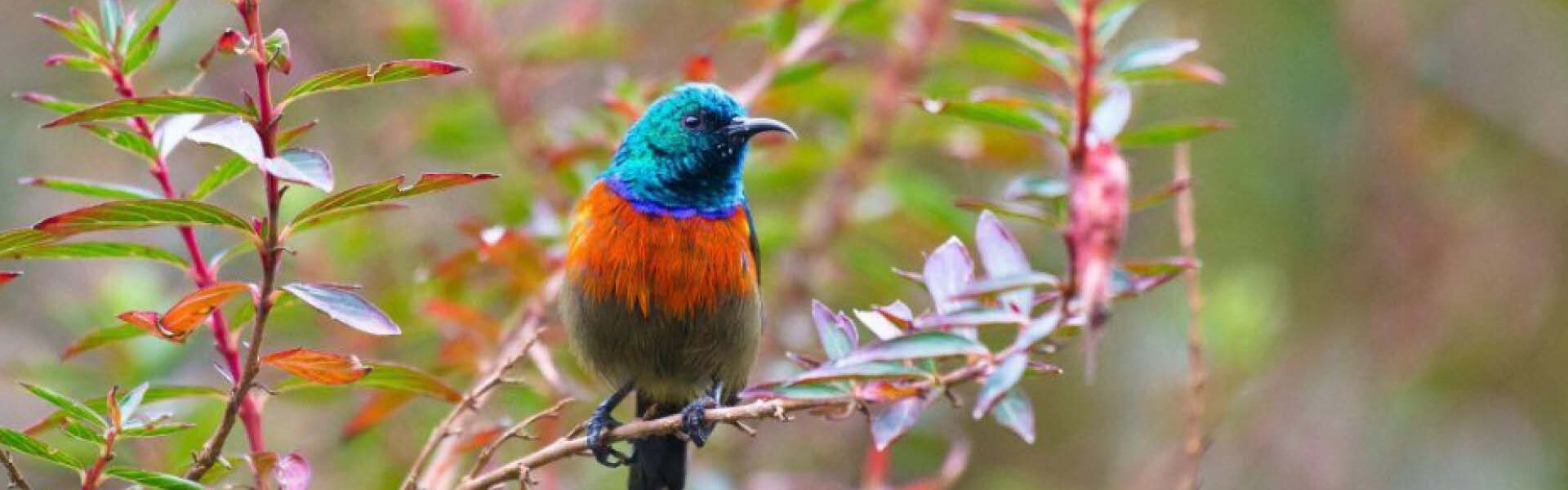
Rwanda’s highland forests support several distinctive sunbirds. The Regal Sunbird and Purple-breasted Sunbird are among the species that attract birdwatchers interested in Albertine Rift forest specialities.
Red-faced Barbet
The Red-faced Barbet is a notable target for birdwatchers visiting Akagera National Park. It is associated with suitable woodland habitats and is particularly interesting to travellers seeking birds of the eastern savannah region.
Grey Crowned Crane
The Grey Crowned Crane is among Rwanda’s most recognisable birds. It occurs in suitable grassland and wetland habitats and is also associated with conservation initiatives addressing threats to crane populations.
Papyrus Gonolek and Wetland Birds
The Papyrus Gonolek is an attractive wetland bird associated with papyrus vegetation. Rwanda’s wetlands also support jacanas, herons, egrets, kingfishers, ducks and other waterbirds.
Raptors and Savannah Birds
Akagera’s savannahs and woodlands support eagles, vultures, falcons, hornbills, bee-eaters and other birds associated with open habitats. Game drives provide opportunities to observe these species while enjoying Rwanda’s wider wildlife.
Albertine Rift Endemic Birds in Rwanda
Albertine Rift Endemic Birds Rwanda is an important specialist birdwatching theme because Rwanda’s western forests and northern highlands form part of this distinctive biogeographic region. The Albertine Rift supports bird species with restricted regional distributions, making it particularly attractive to experienced birdwatchers seeking forest specialities.
Nyungwe National Park
Nyungwe is Rwanda’s principal destination for specialist Albertine Rift forest birdwatching. Target species may include the Red-collared Babbler, Rwenzori Batis, Grauer’s Warbler, Handsome Francolin, Regal Sunbird and other regional specialities. The park’s varied elevations and forest habitats provide opportunities for extended birdwatching programmes.
Volcanoes National Park
Volcanoes National Park offers additional opportunities for highland birdwatching within the Virunga landscape. Birdwatchers can explore suitable montane and bamboo habitats through authorised guided activities.
Gishwati-Mukura National Park
Gishwati-Mukura provides a conservation-focused forest environment that can complement specialist birdwatching in Nyungwe and Volcanoes. Its inclusion in an itinerary depends on current visitor arrangements and the traveller’s target species.
Specialist Birding Guides and Target Species
Experienced birdwatchers often travel with target lists requiring careful habitat selection and detailed knowledge of bird calls. Njagi Safaris can coordinate appropriately experienced specialist guides according to the destinations selected and guiding availability. Some Albertine Rift species are elusive, and sightings cannot be guaranteed. Adequate time should therefore be allocated to important forest habitats.
Wetland Birdwatching in Rwanda
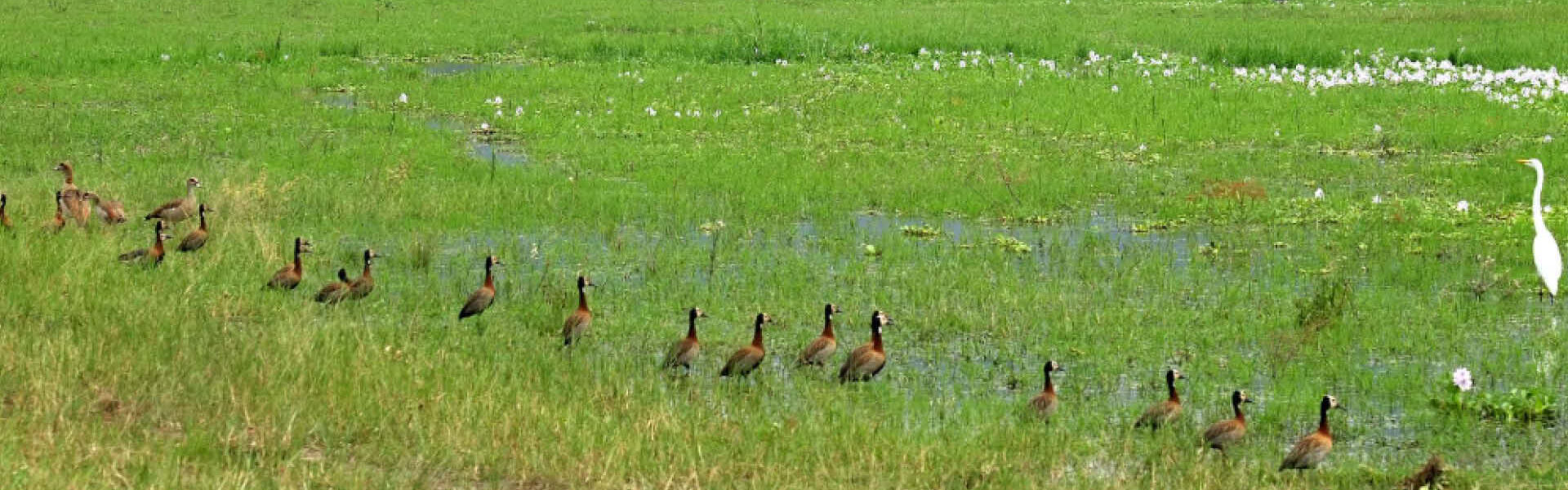
Wetland Birdwatching in Rwanda introduces travellers to habitats that differ considerably from the country’s montane forests and savannah woodlands. Papyrus wetlands, lakes, marshes and river systems support specialised birds, including waterbirds and species associated with dense wetland vegetation.
Wetland Birdwatching in Akagera
Akagera National Park contains lakes and papyrus wetlands that support a diverse range of waterbirds. Species of interest include the Papyrus Gonolek, African Jacana, kingfishers, herons and other wetland-associated birds. Shoebills have also been recorded in suitable Akagera wetlands, although sightings are uncommon and should not be presented as guaranteed.
Rugezi Marsh and Highland Wetland Birds
Rugezi Marsh is particularly relevant to specialist birdwatchers interested in high-altitude wetlands. Its conservation importance extends beyond birdwatching to watershed protection and the maintenance of sensitive wetland ecosystems.
Akanyaru and Nyabarongo Wetland Systems
These wetland areas provide habitat for resident and migratory birds. They may be incorporated into specialist itineraries where access, guiding and environmental conditions permit.
Responsible Wetland Birdwatching
Wetland visits should avoid damaging papyrus vegetation, disturbing nesting birds or entering sensitive habitats without authorisation. Travellers should follow local guidance and avoid approaching wildlife too closely for photography.
Rwanda Birding Safari Experiences
Birdwatching Safaris in Rwanda can be organised around different habitats, bird families, experience levels and travel preferences. The country’s compact geography makes it possible to combine forest, savannah and wetland birdwatching within a carefully coordinated private itinerary.
Forest Birdwatching Safaris
Forest birdwatching focuses on birds inhabiting Rwanda’s tropical and montane forests. Nyungwe, Volcanoes and Gishwati-Mukura provide opportunities to explore different forest environments, including habitats associated with Albertine Rift specialities. These experiences often involve guided walking, identifying birds by their calls and patiently observing vegetation at different forest levels.
Wetland and Lakeside Birdwatching Safaris
Rwanda’s wetlands and lakes support waterbirds, papyrus specialists and other species associated with freshwater habitats. Akagera, Rugezi Marsh, Lake Kivu and selected wetlands around Kigali can be incorporated into suitable birdwatching programmes.
Savannah Birdwatching Safaris
Savannah birdwatching focuses on species inhabiting open grasslands, acacia woodlands and associated wetland habitats. Akagera National Park is Rwanda’s principal destination for this experience. Birdwatching can be combined with game drives, allowing travellers to observe both birds and large mammals.
Bird Photography Safaris
Bird photography requires careful attention to lighting, habitat conditions, observation distances and time allocation. Private itineraries can allow additional time at productive locations, particularly during early morning and late afternoon periods. Photographers interested in forest birds may prefer Nyungwe, while Akagera provides opportunities for savannah and waterbird photography.
Specialist and Target-Species Birding
Experienced birdwatchers may prioritise Albertine Rift endemics, wetland specialities or particular forest birds. These itineraries require realistic planning, experienced guiding and sufficient time in suitable habitats. Sightings depend on natural conditions and cannot be guaranteed.
Private and Tailor-Made Birding Safaris in Rwanda
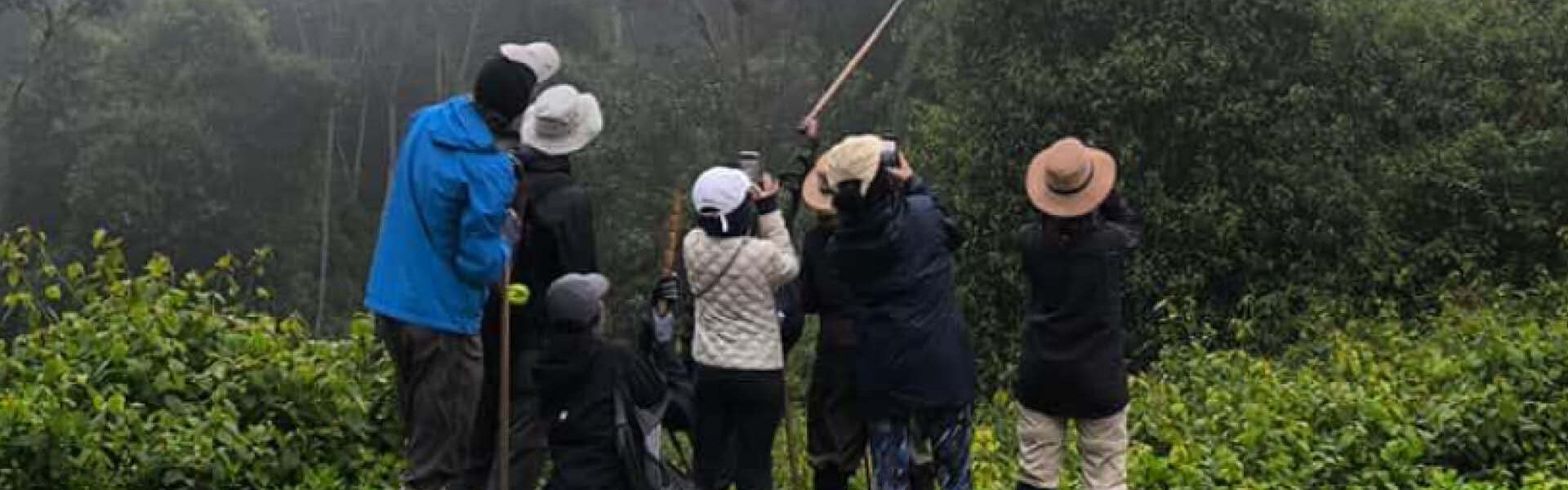
Private Birding Safaris in Rwanda provide greater flexibility than fixed group departures, particularly for travellers with specialist interests or preferred target species. Njagi Safaris develops personalised birdwatching journeys around travel dates, available time, preferred destinations, accommodation standards and the desired pace of exploration.
Birding Safaris for Beginners
First-time birdwatchers can begin with accessible destinations around Kigali, Akagera and selected lakeshore habitats. An experienced guide can introduce bird identification, habitat observation and responsible birdwatching practices.
Birding Safaris for Experienced Birders
Experienced birdwatchers may prefer extended visits to Nyungwe and other specialist habitats. These journeys can incorporate target-species lists, early departures and additional time for difficult forest birds.
Private Birding Safaris for Couples and Families
Private birding journeys can balance birdwatching with wildlife viewing, scenic relaxation and other activities. The itinerary can be adjusted to accommodate different interests, experience levels and mobility requirements within the travelling party.
Specialist Birding Guides
Birdwatching guides contribute knowledge of local habitats, bird vocalisations, seasonal movements and identification techniques. Njagi Safaris can coordinate appropriately experienced birding guides according to the destinations selected and their availability.
Flexible Routes and Accommodation
A tailor-made itinerary allows travellers to prioritise particular regions and adjust the number of nights at each destination. Accommodation can be selected to support early departures, practical access to birding trails and comfortable rest between activities. Explore our Tailor-Made Safaris in Rwanda for further information about personalised safari planning.
Sample Rwanda Birding Safari Itineraries
The following Rwanda Birding Safari Itinerary examples illustrate how different birdwatching experiences can be combined. These are suggested planning concepts rather than confirmed departures or fixed-price packages.
3-Day Kigali and Akagera Birding Safari
A short itinerary can begin in Kigali before travelling to Akagera National Park. Birdwatching may focus on urban green spaces, savannah woodlands, lakeshore habitats and wetland species. This experience is suitable for travellers with limited time or those adding birdwatching to another Rwanda safari.
5-Day Akagera and Nyungwe Birding Safari
A five-day itinerary can introduce travellers to Rwanda’s contrasting savannah and montane forest habitats. The programme may combine birdwatching in Akagera with selected forest activities in Nyungwe. Travel distances and the limited number of available days require careful scheduling. A longer itinerary would allow more time for specialist birdwatching.
7-Day Rwanda Birding Safari
A week-long journey may combine Kigali, Akagera and Nyungwe. This route introduces savannah birds, wetland species and Albertine Rift forest specialities. The itinerary should allow sufficient time for transfers and guided birdwatching sessions.
10-Day Rwanda Forest and Savannah Birding Safari
A ten-day journey can incorporate Akagera, Nyungwe, Lake Kivu and Volcanoes National Park. It provides opportunities to explore different bird habitats while including scenic travel and selected wildlife experiences.
12-Day Grand Rwanda Birding Safari
A longer birdwatching journey may combine Akagera, Nyungwe, Gishwati-Mukura, Lake Kivu and Volcanoes National Park. The route can be adjusted according to target species, accommodation preferences and current access arrangements. This option is particularly suitable for experienced birdwatchers seeking broader habitat coverage.
Extended 14–16-Day Rwanda and Uganda Birding Safari
Travellers seeking an extensive East African birdwatching experience can combine Rwanda’s montane forests and savannahs with Uganda’s wetlands and forest habitats. An extended journey may include Nyungwe, Akagera, Bwindi, Kibale and Mabamba Swamp. This cross-border approach provides access to a wider variety of birdwatching environments and specialist species.
Best Time for Birding in Rwanda
The Best Time for Birding in Rwanda depends on the destinations, target species and activities included in the itinerary. Rwanda offers rewarding birdwatching throughout the year because many important species are resident. Rainfall, forest trail conditions and migratory bird movements nevertheless influence the experience.
June to September
These months generally coincide with Rwanda’s main relatively dry season. Conditions can be suitable for forest walking, savannah birdwatching and itineraries combining birding with wildlife viewing. Some forest trails may remain wet or slippery because of local weather conditions.
December to February
This period is also attractive for birdwatching, with relatively favourable travel conditions in several regions. Seasonal migrants can add interest to Rwanda’s resident bird populations.
March to May
Rainfall is often heavier during this period, particularly in the western highlands. Forests can be lush, but muddy trails, mist and changing weather may influence birdwatching schedules.
October and November
These months can provide productive birdwatching opportunities, although rainfall may affect travel and walking conditions. Travellers should allow flexibility for forest activities.
Planning Around Target Species
Specialist birdwatchers should consider more than general dry-season recommendations. Habitat conditions, bird activity, breeding behaviour, seasonal movements and local guiding knowledge can influence the most suitable travel dates.
How Much Does a Rwanda Birding Safari Cost?
The cost of Rwanda Birding Safaris depends on itinerary duration, destinations, accommodation standards, private transport, specialist guiding and additional activities. A short Kigali-based birdwatching excursion has a different cost structure from a comprehensive safari covering Nyungwe, Akagera and Volcanoes National Park.
Safari Duration and Route
Longer itineraries involve additional accommodation nights, transport, guiding and park activities. Although Rwanda is relatively compact, routes connecting several destinations require appropriate travel time.
Accommodation Standards
Accommodation can range from comfortable mid-range lodges and hotels to more refined safari properties. Njagi Safaris recommends accommodation according to the traveller’s preferred comfort level and practical access to birdwatching locations.
Specialist Birding Guides
Experienced specialist guides are an important consideration for dedicated birding safaris. Guiding arrangements should reflect the itinerary’s complexity, target species and preferred destinations.
Park Fees and Additional Activities
National park entry fees, guided birdwatching activities, boat excursions and other charges vary between destinations. Optional mountain gorilla, chimpanzee or golden monkey tracking introduces additional permit costs.
Personalised Rwanda Birding Safari Quotations
Njagi Safaris prepares quotations based on travel dates, number of guests, accommodation preferences and the agreed itinerary. A personalised quotation allows travellers to understand the services included and the costs associated with their preferred birdwatching experience.
Accommodation for Birding Safaris in Rwanda
Accommodation plays an important role in the overall birdwatching experience. For Birding Safaris in Rwanda, a property’s location can be just as important as its facilities, particularly when early morning departures or specialist forest trails are involved.
Forest Lodges Near Nyungwe National Park
Accommodation near Nyungwe can reduce travelling time before guided forest birdwatching activities. Properties around Gisakura and other suitable access areas may be considered according to the planned trails and activities.
Savannah Safari Lodges in Akagera
Lodges within or near Akagera provide access to woodland, grassland and wetland birdwatching environments. Accommodation selection should consider the intended birdwatching route, park entry arrangements and the location of scheduled activities.
Highland Accommodation Near Volcanoes National Park
Hotels and lodges around Musanze and Kinigi can support birdwatching itineraries in the Volcanoes region. The most suitable property depends on the activities selected and the visitor’s preferred accommodation standard.
Lakeside and Kigali Accommodation
Properties around Lake Kivu and Kigali can support relaxed birdwatching experiences, shorter excursions and convenient arrival or departure arrangements.
Choosing the Right Accommodation Collection
Njagi Safaris offers accommodation planning across different comfort standards. Our Mid-Range Accommodation in Rwanda specialist page introduces comfortable lodging options, while the wider Accommodation Collection helps travellers consider other standards.
Combining Birding with Gorilla Trekking and Wildlife Safaris
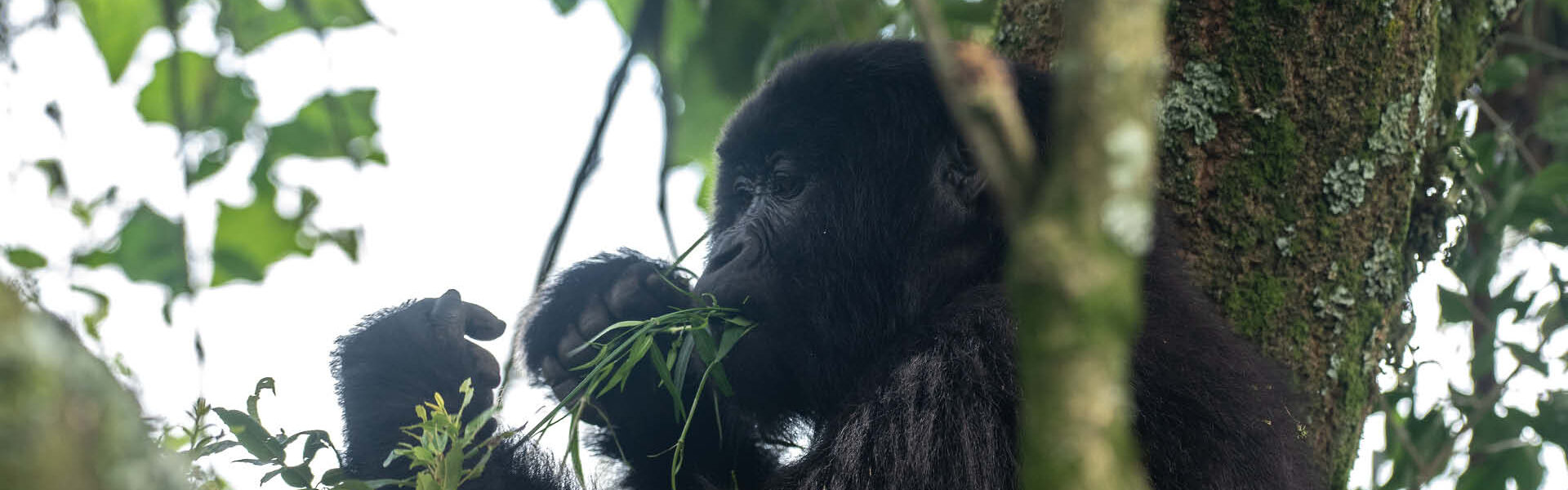
Birding in Rwanda can be combined with some of Africa’s most distinctive primate and wildlife experiences. This makes Rwanda particularly attractive to travellers who wish to pursue specialist birdwatching without excluding other safari interests.
Birding and Gorilla Trekking
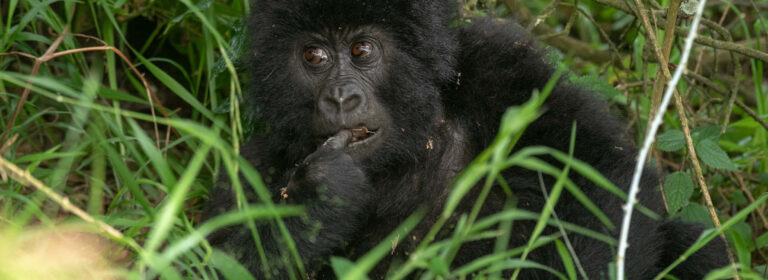
Volcanoes National Park provides opportunities to combine highland birdwatching with mountain gorilla trekking. An itinerary should allocate sufficient time for both activities rather than treating birdwatching as an incidental stop.
Birding and Chimpanzee Tracking
Nyungwe National Park offers opportunities to combine forest birdwatching with chimpanzee tracking. This combination can appeal to travellers interested in tropical forest biodiversity and primate conservation.
Birding and Golden Monkey Tracking
The Volcanoes region provides opportunities to combine birdwatching with golden monkey tracking. Both activities introduce visitors to the biodiversity of Rwanda’s volcanic highlands.
Birding and Big Five Wildlife Experiences
Akagera National Park allows travellers to combine savannah birdwatching with wildlife viewing. Game drives may provide opportunities to observe elephants, buffaloes, lions, giraffes, antelopes and other wildlife alongside a wide variety of birds.
Rwanda and Uganda Birding Safaris
Travellers seeking a wider East African birdwatching experience can combine Rwanda’s highland forests and savannahs with Uganda’s wetlands, forests and other birdwatching habitats.
Our Birding in Uganda and Rwanda collection introduces cross-border birdwatching experiences, while the dedicated Birding Safaris in Uganda page provides additional destination information.
Planning Your First Rwanda Birding Safari
A successful Rwanda Birding Safari begins with matching the itinerary to the traveller’s interests and expectations.
How Many Days Should You Allow?
Short visits can focus on Kigali and nearby birdwatching habitats.
A journey of 7–10 days can provide a broader introduction to Akagera, Nyungwe and selected additional destinations.
Experienced birdwatchers seeking extensive habitat coverage may prefer 12 days or longer.
What Should You Pack?
Binoculars are essential for most birdwatching activities.
Useful equipment includes a bird field guide, comfortable walking shoes, lightweight rain protection, suitable clothing and a camera where desired.
Specialist photographers may require additional lenses and equipment suitable for humid forest environments.
Physical Fitness and Walking Conditions
Birdwatching activities vary considerably.
Accessible lakeside and savannah excursions can be relatively gentle, while some forest trails involve steep, uneven or muddy terrain. Travellers should discuss mobility requirements and walking preferences during itinerary planning.
Birding Checklists and Target Species
Experienced birdwatchers may wish to provide a target-species list before travel.
This can help guide route selection and time allocation, although sightings depend on natural conditions.
Booking and Travel Arrangements
Early planning is useful for specialist guiding, accommodation and itineraries incorporating gorilla or chimpanzee tracking permits.
Njagi Safaris coordinates private transport, accommodation and activities according to the agreed safari arrangements.
Conservation and Responsible Birdwatching in Rwanda
Responsible Bird Watching in Rwanda begins with protecting birds, respecting their natural habitats and supporting communities living near important birdwatching destinations.
Rwanda’s montane forests, savannahs, wetlands and freshwater ecosystems provide habitats for resident and migratory birds, including several Albertine Rift endemic species. Protecting these environments is essential for maintaining biodiversity and supporting the livelihoods of surrounding communities.
Through responsible travel practices, Birding Safaris in Rwanda can contribute to conservation awareness, local employment and the long-term protection of important bird habitats.
Protecting Important Bird Habitats
Rwanda’s national parks, forests and wetlands support diverse bird populations, including specialised forest species, savannah birds and wetland-dependent wildlife.
Responsible birdwatching involves remaining on authorised trails, avoiding damage to vegetation, respecting nesting areas and following established conservation regulations. These practices are particularly important in sensitive environments such as Nyungwe’s montane forests and Akagera’s wetlands.
The Rwanda Development Board (RDB) provides information about protected areas, conservation initiatives and sustainable tourism development in Rwanda. Travellers should follow the guidance of park rangers and professional birding guides to minimise disturbance to wildlife and fragile habitats.
Ethical Bird Photography
Bird photography provides opportunities to document Rwanda’s remarkable birdlife, but obtaining photographs should never compromise animal welfare. Photographers should maintain appropriate distances, avoid disturbing nesting or feeding birds and refrain from using intrusive techniques to obtain closer images.
Playback recordings and artificial lighting should only be considered where permitted and consistent with responsible birdwatching practices. The eBird Rules and Best Practices offer useful guidance on ethical bird observation, accurate recording and responsible reporting. Respecting natural bird behaviour is more important than obtaining a particular photograph.
Supporting Community Birding Guides
Community-based birdwatching experiences can contribute to local employment, conservation awareness and sustainable tourism development. Around destinations such as Nyungwe, Akagera and Gishwati-Mukura, trained local guides and community enterprises can benefit from tourism activities connected to protected landscapes.
Travellers can support these opportunities by engaging appropriately trained guides, respecting local customs and using locally provided services where practical. For Private Birding Safaris in Rwanda, incorporating community-based experiences can also provide meaningful insights into the relationship between conservation and local livelihoods.
Bird Conservation and Monitoring
Long-term bird monitoring helps conservation organisations understand population trends, habitat changes, migration patterns and threats affecting vulnerable species. Research, habitat restoration and citizen-science initiatives provide information that can support the protection of Rwanda’s forests, wetlands and other important birdwatching environments.
BirdLife International supports bird and habitat conservation through research, international partnerships and conservation programmes. Travellers can contribute by recording observations responsibly, avoiding the disclosure of sensitive nesting locations and supporting conservation-focused tourism initiatives.
Through thoughtful planning and responsible guiding, Rwanda Birding Safaris can encourage appreciation of the country’s birdlife while contributing to efforts to protect its natural heritage.
Why Choose Njagi Safaris for Birding in Rwanda?
Njagi Safaris approaches Birding Safaris in Rwanda through personalised itinerary design, regional destination knowledge and professionally coordinated travel arrangements.
Uganda and Rwanda Destination Knowledge
As a Uganda-based safari operator specialising in journeys across Uganda and Rwanda, Njagi Safaris develops itineraries around the region’s established destinations and travel conditions.
Private and Tailor-Made Birding Journeys
Private itineraries allow travellers to focus on preferred species, destinations and birdwatching interests.
We can adapt the pace, route and accommodation arrangements according to the agreed programme.
Specialist Guiding Arrangements
Dedicated birdwatching requires appropriate field knowledge.
Njagi Safaris can coordinate experienced birding guides for the relevant Rwanda destinations, subject to availability.
Birding Combined with Wider Safari Experiences
Our safari planning can combine birdwatching with mountain gorilla trekking, chimpanzee tracking, golden monkey tracking, wildlife viewing and scenic travel.
This allows travellers with different interests to experience Rwanda within one coordinated journey.
Responsible and Professional Travel Planning
Njagi Safaris is the trading name of Njagi (U) SMC Limited, licensed by the Uganda Tourism Board as a Tour and Travel Company.
Our approach emphasises personalised service, responsible travel and practical coordination of safari arrangements across Uganda and Rwanda.
Frequently Asked Questions About Birding Safaris in Rwanda
Yes. Rwanda is an important African birdwatching destination, with more than 700 recorded bird species across montane forests, savannahs, wetlands and highland habitats.
Leading destinations include Nyungwe National Park, Akagera National Park, Volcanoes National Park, Gishwati-Mukura National Park, Lake Kivu and selected wetlands around Kigali and northern Rwanda.
Birdwatching is possible throughout the year. Relatively drier periods can provide more comfortable travel conditions, while migratory birds and particular target species may influence the preferred season.
Rwanda has more than 700 recorded bird species. Published totals vary as national records and taxonomic classifications are updated.
Nyungwe National Park is a principal destination for Albertine Rift forest birds. Volcanoes National Park and Gishwati-Mukura also support birdwatching opportunities in suitable highland habitats.
Yes. Nyungwe is particularly important for montane forest birdwatching, including Albertine Rift endemics and other specialised forest species.
Shoebills have been recorded in suitable wetlands, particularly within the Akagera landscape. However, sightings are unpredictable, and Rwanda should not be presented as offering guaranteed Shoebill encounters.
A short safari can focus on one or two locations. A 7–10-day itinerary allows broader habitat coverage, while specialist birdwatchers may prefer longer journeys.
Yes. Njagi Safaris can arrange private birdwatching itineraries tailored to travel dates, target species, accommodation preferences and available time.
Yes. Beginners can enjoy guided savannah birdwatching, accessible nature walks and selected wetland excursions with appropriate guiding.
Yes. Birdwatching can be combined with mountain gorilla trekking in Volcanoes National Park, subject to permit availability and the agreed itinerary.
Costs depend on duration, accommodation, private transport, specialist guiding, park fees and additional activities. A personalised quotation provides the most accurate estimate.
Binoculars, comfortable walking shoes, weather protection and a bird field guide are useful. Photographers may also bring suitable camera equipment.
Yes. Specialist birding guides operate in Rwanda. Njagi Safaris can coordinate guiding arrangements according to the itinerary and availability.
Yes. A cross-border itinerary can combine Rwanda’s montane forests, wetlands and savannahs with Uganda’s forest, wetland and wildlife destinations.
Contact Njagi Safaris with your preferred travel dates, number of guests, birdwatching interests and accommodation expectations. Our team can prepare a personalised itinerary and quotation.
Plan Your Rwanda Birding Safari
Discover Rwanda’s remarkable birdlife through a professionally coordinated private safari. From Albertine Rift forest birdwatching in Nyungwe and highland experiences around Volcanoes National Park to the savannah and wetland birds of Akagera, Njagi Safaris can help create a journey reflecting your interests and travel preferences.
Our Rwanda Birding Safaris combine carefully selected destinations, appropriate guiding arrangements, comfortable accommodation and personalised travel planning.