Birding in Uganda and Rwanda
Uganda and Rwanda offer exceptional birding opportunities across forests, wetlands, lakes, savannahs, mountains and other diverse habitats. From specialist birding around Uganda’s wetlands and forests to Rwanda’s Albertine Rift landscapes, travellers can build birding journeys around particular habitats, target species, photography or broader wildlife experiences.
For travellers interested in Birding Safaris in Uganda and Rwanda, these destinations also make it possible to combine birdwatching with wildlife viewing, primate encounters, cultural experiences, scenic journeys and other safari activities.
Birding Activities in Uganda and Rwanda
Birding can range from relaxed bird watching during a broader safari to focused excursions designed around particular habitats or target species. Uganda and Rwanda offer opportunities across wetlands, forests, lakes, mountains and savannah landscapes.
Featured Birding Experiences
The main birding experiences featured by Njagi Safaris include Bird Watching and Shoebill Tracking, with opportunities to explore different habitats across Uganda and Rwanda.
Bird Watching in Uganda and Rwanda
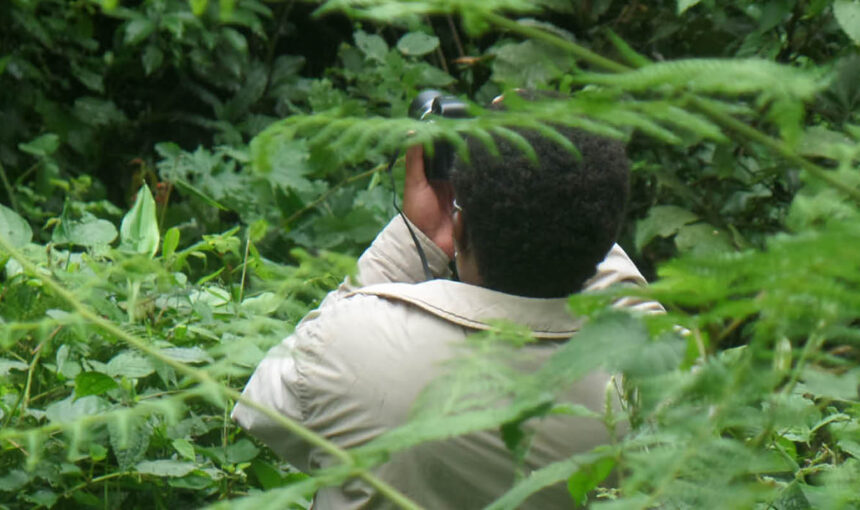
Bird Watching in Uganda and Rwanda can be enjoyed by both dedicated birders and travellers who simply want to discover the region’s birdlife during a wider safari.
Shoebill Tracking in Uganda
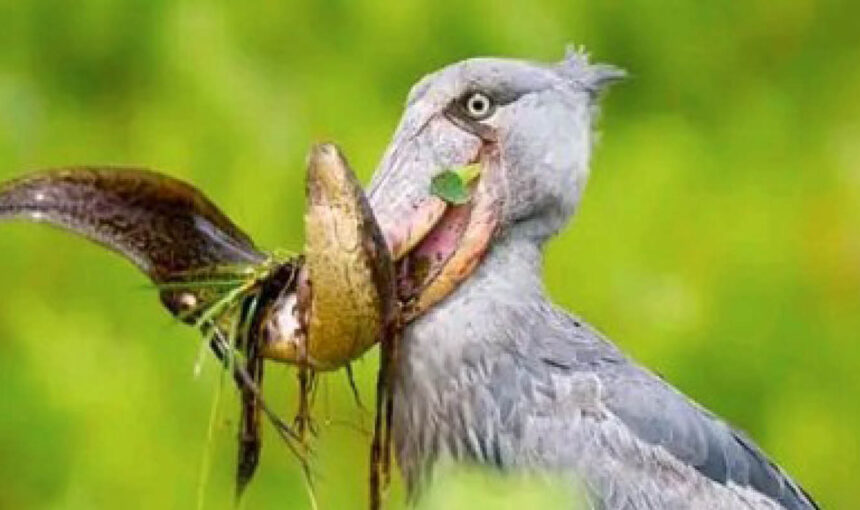
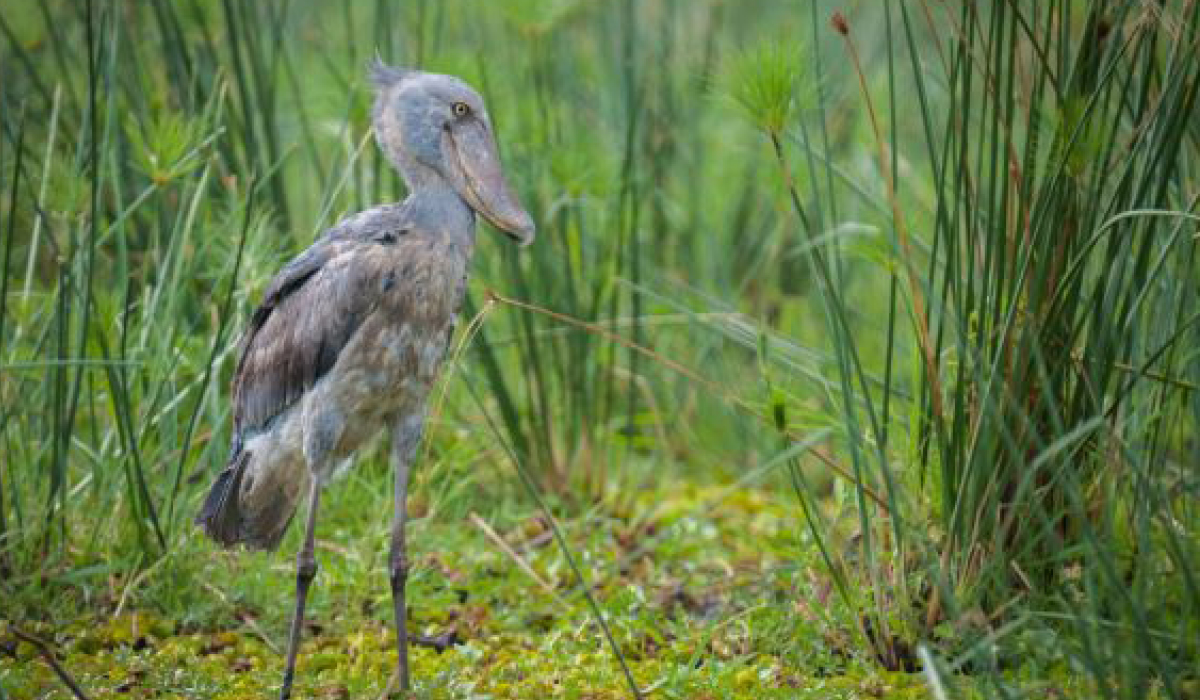
The Shoebill is one of Uganda’s most distinctive birding attractions. Mabamba Wetland, close to Entebbe on the shores of Lake Victoria, provides a specialised setting for searching for this iconic wetland species.
Birding in Uganda
Uganda’s varied landscapes provide opportunities for birding across wetlands, forests, lakes, savannahs and mountain environments. The country’s national tourism platform currently highlights more than 1,000 bird species and identifies locations including Mabamba, Kibale, Bwindi and Murchison Falls among birding areas.
Wetland and Lake Birding
Wetlands and lake environments provide opportunities to observe water-associated species and other birds adapted to aquatic habitats. Mabamba Wetland is particularly important for specialist birding and Shoebill encounters. Birding in the wetland is commonly undertaken by boat or canoe, allowing visitors to explore papyrus channels and other wetland habitats.
Forest Birding in Uganda
Uganda’s forests provide a different birding environment, with opportunities to search for forest specialists and species associated with the Albertine Rift. Destinations such as Kibale and Bwindi can be incorporated into broader primate and wildlife journeys, allowing travellers to combine birding with chimpanzee tracking, gorilla trekking and other forest experiences.
Savannah and Open-Country Birding
Birding can also be incorporated into Uganda’s savannah safari circuits. Game drives and other wildlife activities can provide opportunities to observe birds alongside mammals, making birding a natural complement to a conventional wildlife safari.
Birding in Rwanda
Rwanda offers a particularly strong birding proposition for travellers interested in montane forests, wetlands, savannah and Albertine Rift species. Visit Rwanda currently lists 703 bird species, including 29 Albertine Rift Endemics, and identifies Nyungwe and Akagera as major birding destinations.
Birding in Rwanda’s Wetlands and Highlands
Rwanda’s birding opportunities extend beyond its major national parks. Wetlands, highland environments and areas around Lake Kivu can add different habitats and species to a birding itinerary. Rugezi Wetland, for example, is recognised for specialised wetland bird species and community-based birding experiences.
Birding in Nyungwe National Park
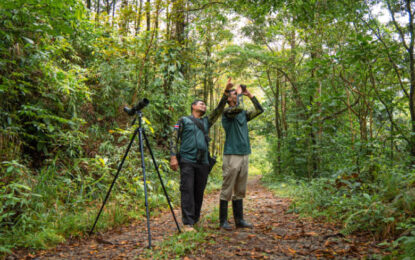
Nyungwe National Park is one of Rwanda’s principal forest birding destinations. Its montane rainforest supports hundreds of bird species, including Albertine Rift specialists. The park’s network of forest trails provides opportunities for guided birding alongside the wider primate and nature experiences for which Nyungwe is known.
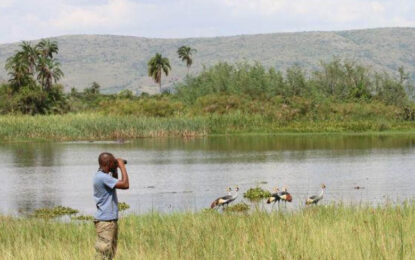
Birding in Akagera National Park
Akagera provides a contrasting birding environment of savannah, wetlands, lakes and woodland. The diversity of habitats makes Akagera suitable for combining birding with a conventional wildlife safari. Visit Rwanda reports hundreds of bird species recorded in the park, including several range-restricted species.
Birding for Different Travel Styles
Birding does not need to follow one fixed format. Travellers can choose the level of specialisation and pace that suits their interests.
General Bird Watching
Travellers who enjoy wildlife and nature can incorporate bird watching into a wider safari without making birds the sole focus of the journey. This approach works particularly well for families, couples and first-time visitors who want to combine birding with wildlife, primates, culture and scenery
Specialist Birding
Dedicated birders can build itineraries around particular habitats, target species, endemic species and specialist birding locations. Longer journeys can combine multiple habitats and destinations, increasing the range of birdlife encountered during the safari.
Bird Photography
Birding and photography can be combined across Uganda and Rwanda, particularly in wetlands, forests and open landscapes where different species and photographic conditions can be found. Photographers should allow sufficient time at each location and follow local guiding and wildlife-viewing guidelines to minimise disturbance to birds.
Birding and Wildlife Safaris
Birding can complement a conventional wildlife safari rather than requiring a completely separate journey. A Uganda itinerary could combine birding with Wildlife Viewing, Chimpanzee Tracking and Gorilla Trekking, while a Rwanda journey could combine birding in Nyungwe or Akagera with primate experiences, wildlife viewing and scenic exploration. This combination allows travellers to experience mammals, birds, forests, wetlands, savannah and other landscapes within one carefully planned safari.
Where to Experience Birding in Uganda and Rwanda
Uganda and Rwanda offer birding across forests, wetlands, lakes, savannahs and montane environments. This variety allows travellers to choose destinations based on their interests, target habitats and the type of safari they want to combine with bird watching.
Uganda is particularly diverse, with important birding locations including Mabamba Wetland, Kibale, Bwindi, Murchison Falls, Queen Elizabeth, Semuliki and other forest and wetland habitats. Rwanda offers a compact birding circuit centred on destinations such as Nyungwe, Akagera and Volcanoes National Park, alongside wetlands and other habitats.
Mabamba Wetland
Mabamba Wetland is one of Uganda’s best-known specialist birding locations and is particularly associated with Shoebill Tracking in Uganda. The wetland is explored by canoe or boat, allowing visitors to move through its papyrus channels while searching for the Shoebill and other wetland species. Its location close to Entebbe also makes Mabamba suitable for travellers with limited time who want to add a focused birding experience to a Uganda safari.
Kibale Forest
Kibale National Park provides forest birding alongside its famous primate experiences. Its rainforest environment supports a range of forest species, making it an attractive destination for travellers who want to combine birding in Uganda with chimpanzee tracking and other nature experiences.
Bwindi Impenetrable Forest
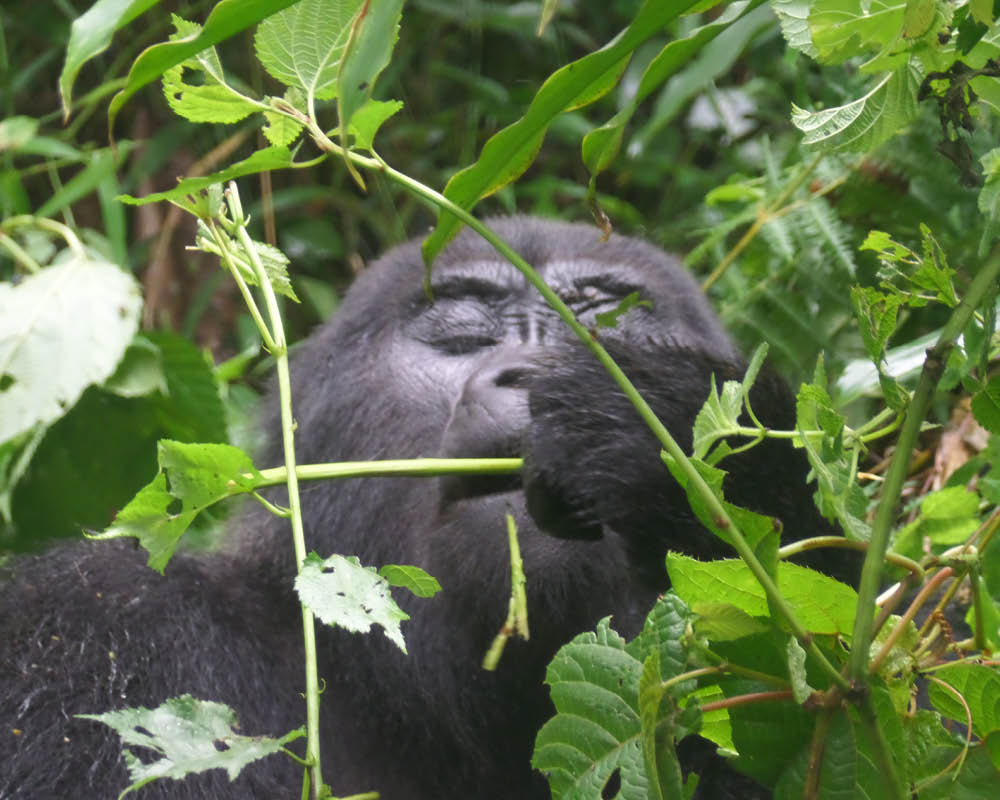
Bwindi is particularly important for birders interested in Albertine Rift species and forest birding. The forest’s varied elevations and habitats create opportunities to search for specialist species while also experiencing one of Uganda’s major gorilla trekking destinations.
Murchison Falls National Park
Murchison Falls offers a combination of savannah, woodland and riverine habitats. Birding can be incorporated into game drives and boat excursions, creating opportunities to observe birds alongside the park’s wildlife and landscapes. The destination is particularly useful for travellers who want to combine birding safaris in Uganda with conventional wildlife viewing.
Nyungwe National Park
Nyungwe is one of Rwanda’s leading forest birding destinations. Its montane rainforest supports a high diversity of birdlife and is particularly important for Albertine Rift species. The forest can therefore form the centrepiece of a specialist Rwanda birding safari, while also allowing travellers to combine birding with chimpanzee tracking, primate experiences, hiking and the Canopy Walkway.
Akagera National Park
Akagera offers a different birding environment, combining savannah, wetlands, lakes and woodland. This makes it particularly suitable for travellers who want to combine Rwanda bird watching with a traditional wildlife safari.
Volcanoes National Park
Volcanoes National Park provides opportunities for montane birding within Rwanda’s volcanic highlands. Birding can be incorporated into forest walks and other activities, while the destination also provides access to gorilla trekking, golden monkey tracking and mountain experiences. For travellers combining birding in Rwanda with primate experiences, Volcanoes National Park can therefore add another habitat to a wider itinerary.
Adventure and Nature Experiences
Adventure activities can be linked naturally with nature-based experiences. A cycling route can pass through countryside and natural landscapes. Canoeing can provide opportunities to observe wetlands and birdlife. Hiking can take travellers into forests and mountain environments. This makes Uganda adventure safaris and Rwanda adventure safaris particularly suitable for travellers who want more than conventional sightseeing.
Birding and Nature Experiences
Birding naturally complements other nature-based activities. A forest birding excursion can be combined with nature walks, primate tracking or hiking, while wetland birding can be combined with canoeing and other water-based experiences.
In Uganda, travellers can combine birding with Chimpanzee Tracking in Kibale, Gorilla Trekking in Bwindi or nature experiences around wetlands and forests. In Rwanda, birding can be combined with primate experiences in Nyungwe and Volcanoes or wildlife viewing in Akagera. This flexibility makes Birding Safaris in Uganda and Rwanda suitable for both specialist birders and travellers who want to include bird watching as part of a wider nature journey.
Birding and Cultural Experiences
Birding can also be combined with cultural experiences, allowing travellers to experience local communities and landscapes alongside their wildlife interests. A longer Uganda or Rwanda itinerary can include village experiences, traditional activities, local crafts and cultural encounters alongside birding destinations. This creates a more varied journey rather than focusing exclusively on wildlife and birds.
For travellers interested in responsible travel, combining birding with locally guided experiences can also provide opportunities to support communities connected to tourism and conservation.
Best Time for Birding in Uganda and Rwanda
Birding is possible throughout much of the year in Uganda and Rwanda, but the best timing depends on the destination, habitat and objectives of the trip. Drier periods can make trails, roads and forest routes easier to navigate, while wetter periods can provide productive birding conditions and opportunities to encounter migratory species. Rwanda’s official tourism information highlights the country’s year-round birding potential, while Uganda offers birding across its diverse habitats throughout the year.
Travellers planning a specialist Uganda birding safari or Rwanda birding safari should therefore consider the specific destinations and target species when choosing travel dates.
Also Read: Best Time to Visit Uganda for a Safari
What to Bring for a Birding Safari
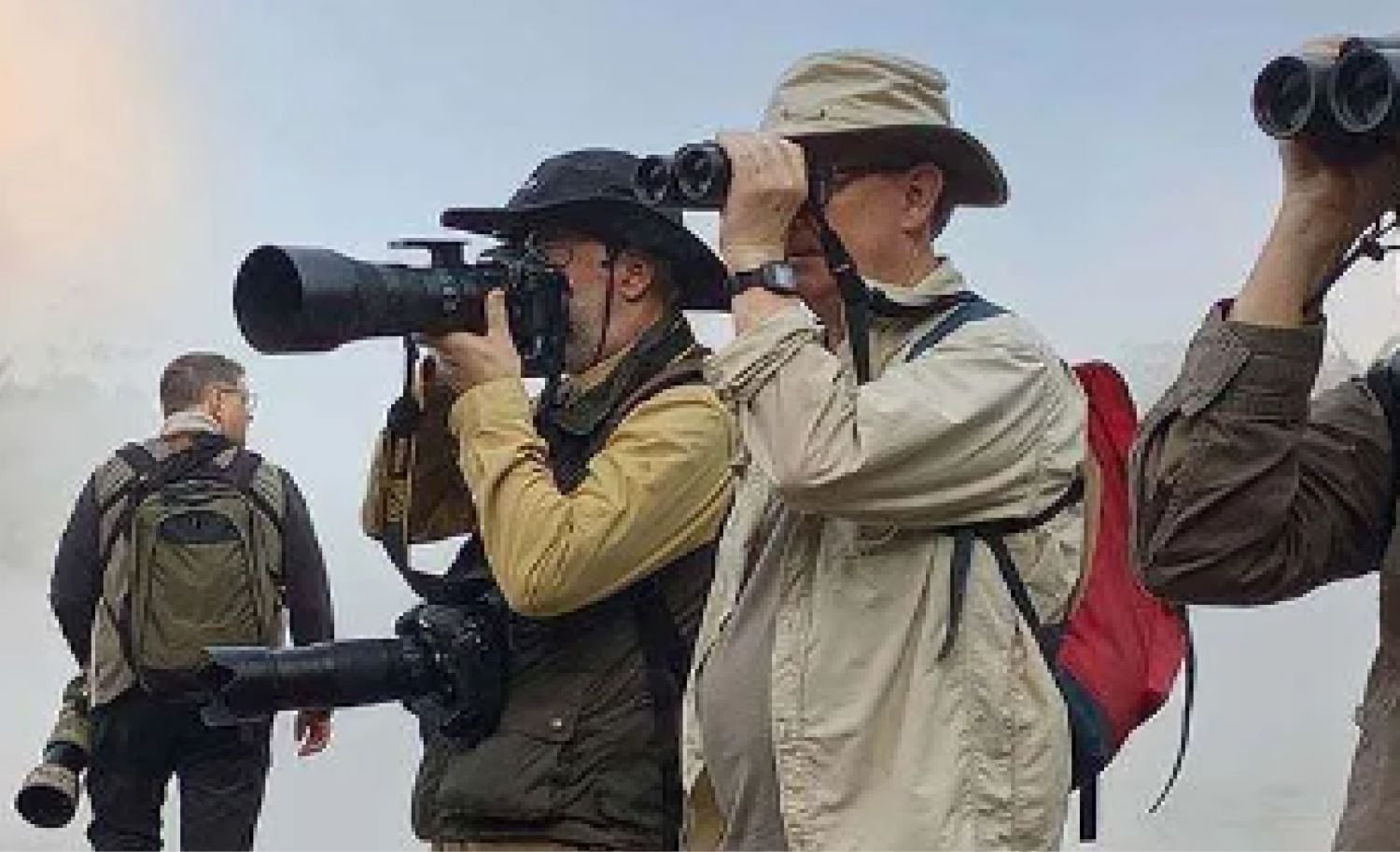
A pair of binoculars is one of the most useful items for birding, while a camera can be valuable for travellers interested in bird photography. Comfortable walking shoes, lightweight clothing, sun protection, insect repellent and a reusable water bottle are also useful.
For forest and wetland excursions, a waterproof daypack or dry bag can help protect equipment from rain and moisture. A field guide or birding identification app can also make it easier to identify unfamiliar species. For longer or more specialised birding excursions, your guide or safari operator can advise on additional equipment suited to the destination and activity.
Responsible Birding
Responsible birding means enjoying birds and their habitats without causing unnecessary disturbance. Travellers should follow their guide’s instructions from NatureUganda, maintain an appropriate distance from birds and wildlife, avoid disturbing nests or breeding sites, remain on designated trails where required and avoid removing plants or other natural materials. Birders should also respect local communities and private property, avoid littering and use established local guides and responsible tourism services wherever possible.
Responsible birding helps protect the habitats that make Uganda and Rwanda important destinations for birdlife while ensuring that local communities can continue to benefit from tourism.
Frequently Asked Questions about Birding
Yes. Uganda offers a wide range of birding habitats, including forests, wetlands, lakes, savannahs and mountains. Major birding locations include Mabamba, Bwindi, Kibale, Murchison Falls, Queen Elizabeth and Semuliki.
Yes. Rwanda offers diverse birding habitats within a relatively compact country. Nyungwe, Akagera and Volcanoes National Park are among the key destinations, with opportunities to combine birding with primates, wildlife and other nature experiences.
Yes. Birding can be incorporated into wildlife safaris in both Uganda and Rwanda. Game drives, boat trips, forest walks and other safari activities can provide opportunities to observe birds alongside mammals and other wildlife.
Yes. A combined Uganda and Rwanda itinerary can connect different habitats and birding destinations across the two countries. A journey could combine Uganda’s wetlands and forests with Rwanda’s Nyungwe, Akagera or Volcanoes landscapes. This approach is particularly useful for dedicated birders seeking a wider range of habitats and experiences.
No. Bird Watching in Uganda and Rwanda is suitable for both experienced birders and travellers who simply enjoy nature and wildlife. Experienced birders may plan around specific habitats and target species, while beginners can enjoy guided bird walks and opportunistic bird watching during a broader safari.
Why Choose Njagi Safaris for Birding Safaris?
Choose Njagi Safaris for private birding journeys built around local destination knowledge, carefully planned routes, professional guiding and personalised travel support across Uganda and Rwanda. We can combine birding with wildlife, primates, Gorilla Trekking, cultural experiences and scenic landscapes, creating a journey around your interests, available time and preferred pace.
Pearl Wings
Emerald Avian
Rwanda Explorer
Plan Your Birding Safari
Plan your Birding Safari in Uganda and Rwanda around wetlands, forests, savannahs, montane habitats or specialist experiences such as Shoebill Tracking. Birding can also be combined with wildlife viewing, chimpanzee tracking, gorilla trekking, cultural experiences and other nature activities. Explore All Safari Activities or Contact Njagi Safaris to create a private journey around your interests, available time and preferred pace