Ziwa Rhino Sanctuary
Ziwa Rhino Sanctuary is one of Uganda’s most significant wildlife conservation destinations, celebrated for its role in protecting and breeding southern white rhinos and providing guided opportunities to observe these remarkable animals in a natural setting. Located in Nakasongola District in central Uganda, the sanctuary offers an accessible wildlife experience along the main road corridor connecting Kampala with northern Uganda.
Ziwa is particularly important because it has played a central role in efforts to restore rhinos to Uganda following their disappearance from the country’s wild populations during the twentieth century. Today, visitors can learn about rhino conservation while exploring grassland, woodland and wetland habitats that support a variety of wildlife.
Ziwa Rhino Sanctuary at a Glance
- Location: Nakasongola District, central Uganda, along the Kampala–Gulu road corridor.
- Landscape: Open grassland, woodland, wetlands and mixed savannah habitats.
- Best known for: Guided southern white rhino tracking and rhino conservation.
- Other experiences: Birdwatching, guided nature walks, wildlife observation and conservation education, subject to current sanctuary arrangements.
- Principal visitor areas: Rhino tracking habitats, designated walking routes, wetland environments and the visitor reception area.
– Safari style: Suitable for private, tailor-made, mid-range and premium Uganda itineraries, particularly those travelling towards Murchison Falls. - Planning priority: Confirm guided tracking arrangements, applicable fees, activity availability and travel timing before finalising the itinerary.
- A sanctuary of national conservation importance: Ziwa has played a major role in the recovery of rhino populations in Uganda through a managed breeding and protection programme. Its conservation work is closely connected to the long-term ambition of restoring rhinos to suitable protected habitats.
Ziwa is more than a stopover on the road to Murchison Falls. Its conservation history, guided walking experiences and surrounding wildlife habitats make it a destination worth including thoughtfully in a northern Uganda safari.
Why Visit Ziwa Rhino Sanctuary?
The appeal of Ziwa Rhino Sanctuary begins with the opportunity to observe southern white rhinos in a protected environment. Unlike traditional game drives, guided rhino tracking generally involves walking with trained personnel to locate and observe the animals at a safe distance.
This experience offers a different perspective on wildlife viewing. Travellers can appreciate the size, behaviour and ecological significance of rhinos while learning about the threats that led to their disappearance from Uganda’s wild populations.
Ziwa also rewards visitors interested in conservation. Its rhino breeding and protection efforts demonstrate the importance of long-term wildlife management, habitat protection and cooperation among conservation stakeholders.
Beyond the rhinos, the sanctuary’s grasslands, woodlands and wetlands support birds and other wildlife. Guided nature experiences can add variety to a visit, particularly for travellers interested in photography or a quieter exploration of Uganda’s natural environments.
Its location provides another advantage. Ziwa can be incorporated into a road safari between Kampala or Entebbe and Murchison Falls National Park, creating an opportunity to combine rhino tracking with savannah wildlife viewing and Nile River experiences.
A visit to Ziwa Rhino Sanctuary therefore brings together rhino conservation, guided wildlife encounters, biodiversity and practical safari connections within a carefully designed Uganda itinerary. Explore our Uganda Safari Destinations.
Things to Do in Ziwa Rhino Sanctuary
Ziwa Rhino Sanctuary offers experiences centred on conservation, wildlife observation and guided exploration. The activities available during a visit depend on current sanctuary operations, weather conditions and visitor arrangements.
Guided Rhino Tracking
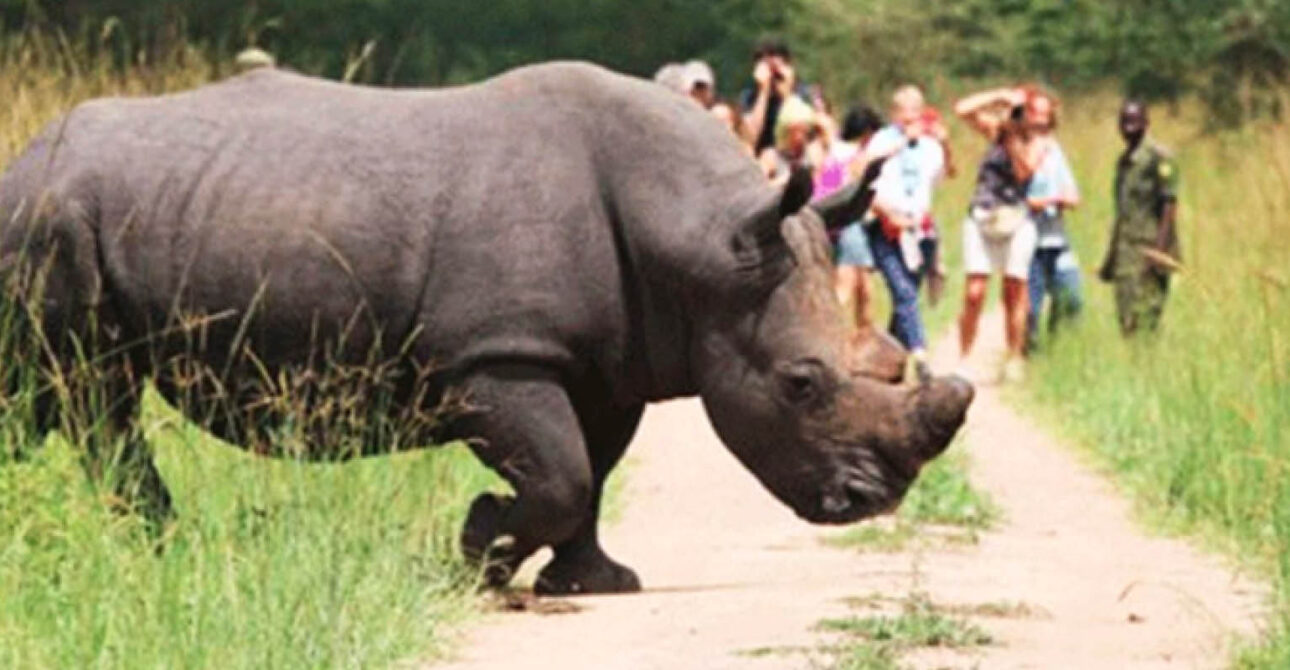
Guided rhino tracking is Ziwa Rhino Sanctuary’s signature experience. Visitors accompany authorised guides or rangers on foot to locate southern white rhinos within designated areas of the sanctuary. The walk provides an opportunity to observe rhino behaviour and learn about the animals’ biology, habitat and conservation history. Tracking duration and walking conditions vary according to the animals’ locations and the terrain.
Visitors must follow their guide’s instructions, maintain the required viewing distance and avoid sudden movements or loud noises. Rhino tracking is not an independent walking activity.
Birdwatching
Ziwa’s mixture of woodland, grassland and wetland habitats makes it an appealing destination for birdwatching. Visitors may encounter a variety of savannah and wetland bird species during guided activities.
Birdwatching can complement rhino tracking or form part of a more specialised Uganda birding itinerary.
Dedicated birders should confirm the availability of suitable guides, access routes and the habitats that can be visited.
Shoebill and Wetland Birding Experiences
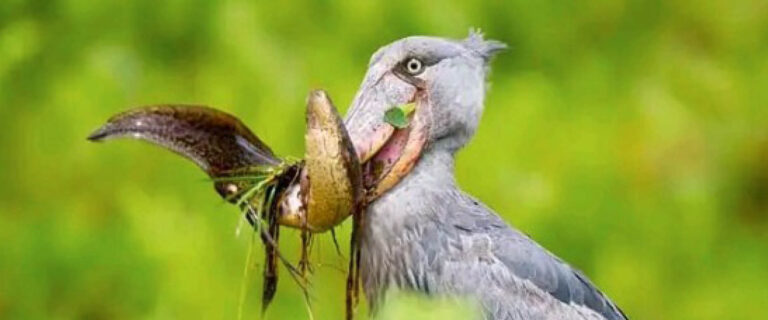
Wetland habitats associated with the Ziwa area have attracted interest from visitors seeking shoebills and other waterbirds. However, shoebill excursions depend on current sanctuary access arrangements, water conditions, operational permissions and the availability of specialist guides.
A sighting should never be guaranteed. Travellers whose primary interest is shoebill tracking can also consider Mabamba Swamp, one of Uganda’s recognised wetland birding destinations.
Guided Nature Walks
Guided nature walks provide opportunities to explore Ziwa’s grasslands, woodlands and other habitats beyond the principal rhino encounter. Depending on the approved route, visitors can learn about vegetation, animal tracks, smaller wildlife and the ecological relationships that support the sanctuary.
All walks should be conducted under the guidance of authorised personnel and in accordance with current safety procedures.
Wildlife and Nature Photography
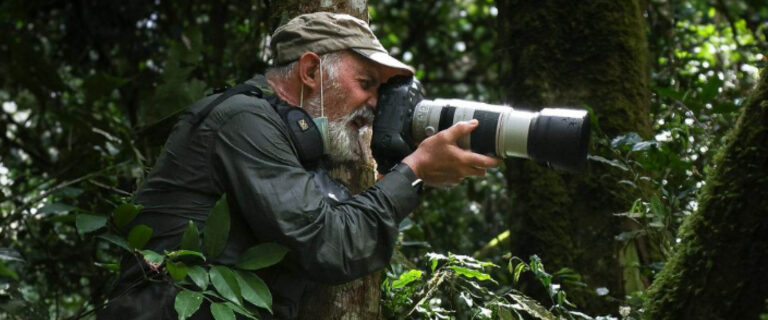
Ziwa offers opportunities to photograph rhinos, birds and the surrounding savannah landscape. Photographers can focus on natural behaviour, habitat details and conservation storytelling while following the sanctuary’s rules on viewing distances and movement.
Longer lenses are preferable to approaching rhinos closely. Photography should never interfere with wildlife behaviour or ranger instructions.
Learn About Rhino Conservation
A visit to Ziwa provides an opportunity to understand the history of rhino conservation in Uganda and the challenges involved in protecting endangered and threatened wildlife. Guides can explain the sanctuary’s role in breeding, monitoring, habitat management and conservation education.
This experience is particularly valuable for travellers interested in responsible tourism and the long-term protection of Uganda’s wildlife.
Explore Savannah and Woodland Habitats
The sanctuary’s landscape includes open areas and wooded environments that support wildlife beyond its rhino population. Guided exploration can introduce visitors to the relationships between vegetation, grazing animals, birds and other species.
The experience offers a useful introduction to Uganda’s savannah ecosystems before travelling to larger protected areas such as Murchison Falls National Park.
Combine Rhino Tracking with a Northern Uganda Safari
Ziwa’s position along the northern safari route makes it suitable for travellers combining several wildlife destinations. A guided rhino tracking experience can be arranged as part of a journey towards Murchison Falls, allowing visitors to encounter rhinos before exploring the national park’s wider savannah and river ecosystems.
Main Visitor Areas and Wildlife Experiences at Ziwa Rhino Sanctuary
Understanding Ziwa Rhino Sanctuary’s visitor areas helps travellers plan a suitable visit and appreciate the different habitats protected within the sanctuary. Unlike a national park divided into independent tourism sectors, Ziwa operates as a managed conservation area. Access to particular locations depends on authorised guides, operational arrangements and wildlife protection requirements.
Rhino Tracking Areas
The designated rhino tracking areas provide the sanctuary’s principal visitor experience. Guides locate the rhinos and lead visitors through approved routes, adjusting the walk according to the animals’ movements and prevailing conditions. Visitors should not assume that a particular section of the sanctuary will be accessible without a guide.
Grassland and Savannah Habitats
Open grasslands form an important part of the environment used by Ziwa’s white rhinos. These habitats provide grazing areas and allow visitors to appreciate the relationship between the animals and their surroundings. Guided observation may also reveal other wildlife associated with open savannah landscapes.
Woodland and Nature Walking Areas
Woodland habitats provide ecological variety and support birds, smaller animals and diverse plant life. Approved walking routes may pass through or near these environments, depending on the activity and current sanctuary arrangements. These areas can appeal to visitors interested in vegetation, birdwatching and broader ecological interpretation.
Wetland and Birdwatching Areas
Wetland environments add an important dimension to Ziwa’s biodiversity. They provide habitats for waterbirds and other species associated with seasonal or permanent water. Access and specialist birding activities should be confirmed in advance, particularly when wetland conditions or conservation restrictions affect visitor movements.
Visitor Reception and Conservation Interpretation
The sanctuary’s visitor reception arrangements provide a starting point for organising guided activities and receiving relevant instructions. Visitors can obtain information about available experiences, safety requirements and conservation priorities.
The precise location and facilities used for visitor services may change, so current arrangements should be confirmed before arrival.
Important planning note: Ziwa’s wildlife experiences are guided conservation activities, not unrestricted self-drive or independent walking excursions.
Wildlife, Savannah and Biodiversity
Beyond its famous southern white rhinos, Ziwa Rhino Sanctuary protects a varied landscape of grasslands, woodlands and wetlands that provides habitat for numerous wildlife species. These environments support the sanctuary’s conservation objectives while creating opportunities for guided wildlife observation.
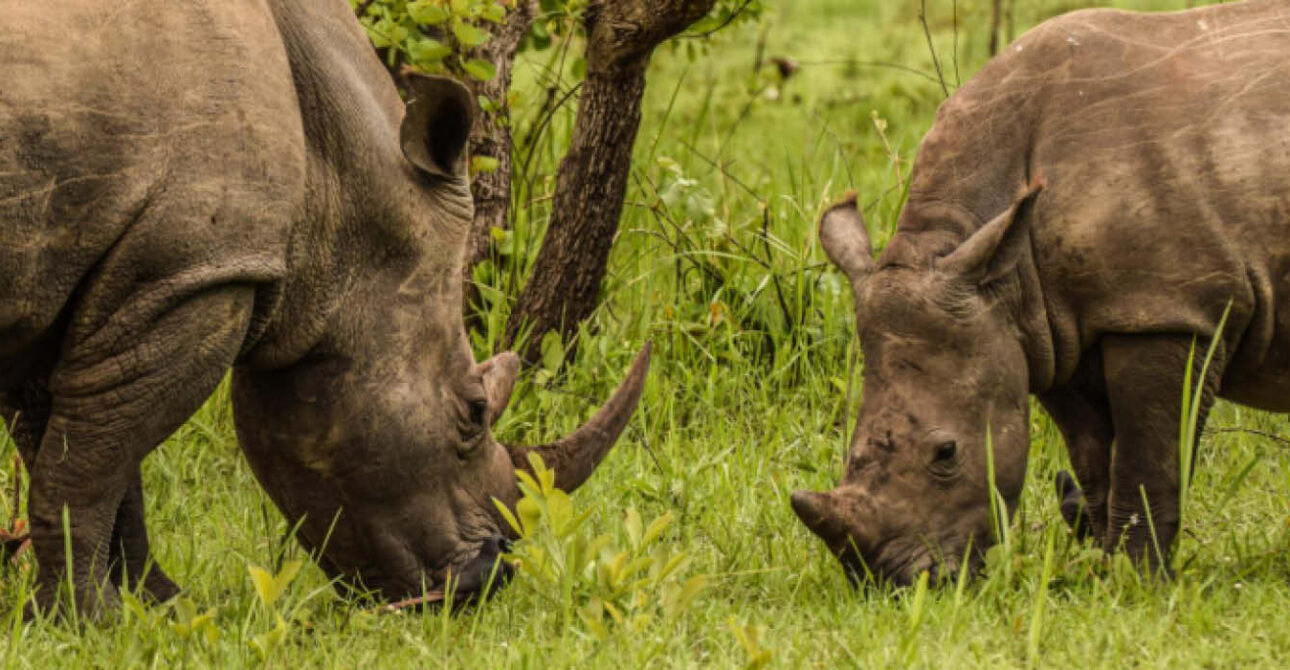
The southern white rhino is the sanctuary’s principal conservation focus. White rhinos are large grazing mammals that depend on suitable grassland habitats, access to water and effective protection from threats such as poaching. Their presence at Ziwa represents an important chapter in Uganda’s wildlife recovery efforts.
Other animals associated with the sanctuary’s habitats include antelopes, smaller mammals and a variety of birds. Sightings depend on natural conditions, the selected activity and the areas accessible to visitors. The sanctuary’s ecological importance extends beyond individual species. Maintaining healthy grasslands, woodland vegetation and wetlands contributes to habitat diversity and supports the wider conservation landscape of central Uganda.
For travellers, Ziwa offers an opportunity to appreciate wildlife conservation at close range while learning about the challenges of protecting large mammals in a managed sanctuary.
Southern White Rhinos and Conservation
Southern white rhinos are the principal attraction at Ziwa Rhino Sanctuary. Their broad mouths are adapted for grazing, and they spend considerable time feeding in open grassland habitats. The sanctuary’s breeding and protection work has contributed to Uganda’s efforts to rebuild a viable rhino population.
Conservation activities require habitat management, veterinary oversight, security, monitoring and long-term institutional cooperation. Visitors should remember that rhinos are powerful wild animals. Observations must take place under authorised guidance, with sufficient distance maintained throughout the encounter.
Birdlife of Ziwa Rhino Sanctuary
Ziwa’s combination of savannah, woodland and wetland environments supports varied birdlife. Birdwatchers may encounter species associated with open grassland, trees, water and seasonal wetlands.
The habitats offer opportunities for both Ziwa Rhino Sanctuary birdwatching and more focused exploration with an experienced guide. Visitors interested in particular species should discuss their priorities with the sanctuary before travelling. Bird activity, habitat access and sighting opportunities can vary.
Where to Stay Near Ziwa Rhino Sanctuary
Choosing where to stay near Ziwa Rhino Sanctuary depends on the length of your visit, your preferred comfort level and the wider route of your Uganda safari. Many travellers visit Ziwa during a road transfer between Kampala or Entebbe and Murchison Falls National Park.
Others may prefer an overnight stay to allow more time for guided activities and relaxation. Accommodation options in the wider area range from simple guesthouses and safari-style facilities to more comfortable properties along the northern Uganda travel corridor.
Accommodation at or Near Ziwa Rhino Sanctuary
Accommodation associated with or located close to the sanctuary can be convenient for travellers planning an early guided activity or an overnight conservation experience. Facilities, room categories and booking arrangements should be checked directly with the current operator before being included in a safari quotation. Proximity to the sanctuary’s visitor reception point is an important consideration.
Nakasongola Area
The wider Nakasongola area offers a practical location for travellers using the Kampala–Gulu road corridor. Accommodation choices may suit visitors who prefer to break their journey or arrange a short stay near Ziwa. Confirm property standards, road access and the distance to the sanctuary before booking.
Masindi Town
Masindi can serve as an overnight base for selected northern Uganda itineraries. The town provides accommodation options and road connections towards Murchison Falls National Park and the wider region. However, it is not immediately beside the sanctuary, so transfer times should be considered when planning rhino tracking.
Murchison Falls National Park and Surrounding Lodges
Travellers combining Ziwa with Murchison Falls National Park may prefer to complete their rhino tracking experience before continuing to accommodation closer to the national park. This arrangement can reduce unnecessary overnight stops while allowing more time for wildlife activities on subsequent days. The best lodge location depends on the park entrance, planned game drives, boat activities and overall safari route.
How to choose: Match your accommodation to the confirmed rhino tracking schedule and the next destination on your itinerary. A short visit may not require an overnight stay at Ziwa, while a longer conservation or birdwatching experience may benefit from additional time.
Explore our itineraries, accommodation collection and travel styles to plan a suitable northern Uganda journey.
Best Time to Visit Ziwa Rhino Sanctuary
The best time to visit Ziwa Rhino Sanctuary depends on your preferred activities, travel dates and tolerance for changing weather. The sanctuary can be visited throughout the year, although seasonal rainfall may influence walking conditions and the comfort of outdoor activities.
The relatively drier periods, particularly December to February and June to August, are commonly convenient for guided rhino tracking. During these months, walking routes may be less muddy, and visitors may find outdoor activities more comfortable.
Wetter periods can bring lush vegetation, changing wildlife conditions and attractive scenery. However, rainfall may make some walking areas slippery and affect access to selected habitats. Rhino tracking takes place in an open natural environment, so visitors should be prepared for warm temperatures, sunshine and occasional rain. The animals’ locations and behaviour also influence the duration and character of each tracking experience.
Birdwatchers may find different species and activity patterns at different times of year. Travellers interested in wetland birding should confirm current habitat conditions and available excursions. For a comfortable visit, wear neutral-coloured clothing, sturdy closed walking shoes and a hat. Carry drinking water, sunscreen and light rain protection.
How to Get to Ziwa Rhino Sanctuary
Ziwa Rhino Sanctuary location is in Nakasongola District, along the main road corridor connecting Kampala with northern Uganda. Its position makes it particularly convenient for travellers planning a road safari to Murchison Falls National Park.
By Road from Kampala or Entebbe
Most visitors reach Ziwa Rhino Sanctuary by road from Kampala or Entebbe, travelling north towards Nakasongola along the Kampala–Gulu highway. The journey from Kampala commonly takes approximately three to four hours, depending on traffic, road conditions, the departure point and stops along the way.
Travellers starting from Entebbe should allow additional time. A private safari vehicle provides flexibility for arranging guided rhino tracking and continuing towards other destinations.
By Road from Murchison Falls National Park
Ziwa can also be visited when travelling south from Murchison Falls National Park towards Kampala or Entebbe. The exact journey time depends on the selected park exit, lodge location, road conditions and other planned stops. This arrangement can be useful for travellers who prefer to include rhino tracking towards the end of their northern Uganda safari.
By Domestic or Charter Flight
Ziwa is primarily accessed by road. Travellers on selected fly-in safari itineraries may use suitable regional airstrips serving other northern Uganda destinations, followed by a road transfer. However, visitors should not assume that regular scheduled flights operate directly to Ziwa Rhino Sanctuary. Flight feasibility, available airstrips and onward transfers must be confirmed before booking.
Connecting from Other Safari Destinations
Ziwa can be incorporated into longer Uganda itineraries that include Murchison Falls National Park, Kampala, Entebbe and other destinations. For travellers heading north, rhino tracking is often a practical stop before continuing towards the Murchison Falls area.
The final route should allow sufficient time for the guided activity, refreshments, road transfers and arrival at the next accommodation property. A well-planned itinerary avoids rushing the rhino experience and helps maintain a comfortable travel schedule.
Safari Packages Featuring Ziwa Rhino Sanctuary
Explore Uganda safari packages that include Ziwa Rhino Sanctuary and match the wildlife experiences you want from your journey. Depending on the itinerary, a visit may focus on guided rhino tracking or combine the sanctuary with game drives, Nile River boat excursions and other experiences in northern Uganda.
Pearl Explorer
Combine Ziwa Rhino Sanctuary with Other Destinations
Combining Ziwa Rhino Sanctuary with other destinations can create a more varied Uganda safari. The right combination depends on your available time, preferred activities and overall travel route.
Ziwa Rhino Sanctuary and Murchison Falls National Park
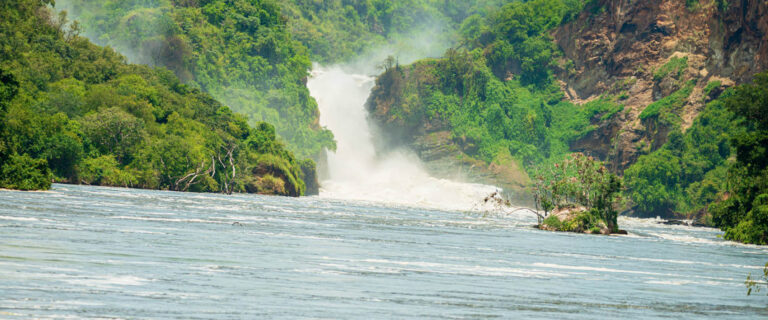
Combine Rhino tracking in Uganda with savannah wildlife viewing in Murchison Falls National Park. This is one of the most practical safari combinations because Ziwa lies along a commonly used road route towards the national park. Travellers can experience rhinos on foot before exploring Murchison Falls’ wildlife habitats, the Nile River and the dramatic waterfall.
Ziwa Rhino Sanctuary and Kampala
Travellers based in Kampala can consider a dedicated rhino tracking excursion or include Ziwa at the beginning of a northern Uganda journey. A visit can be combined with selected cultural or urban experiences in Kampala, depending on the time available. A day excursion requires an early departure and realistic allowance for road travel in both directions.
Ziwa Rhino Sanctuary and Kibale National Park
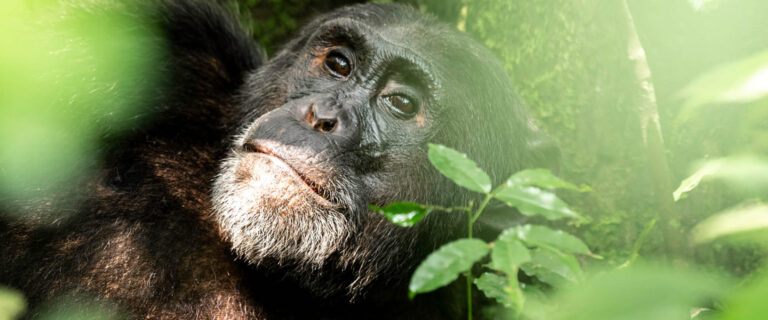
Longer Uganda safaris can combine rhino tracking at Ziwa with chimpanzee tracking in Kibale National Park. This pairing offers contrasting wildlife experiences, from open grassland encounters with rhinos to guided primate tracking in tropical forest. The destinations are not adjacent, so the itinerary should include sufficient travel time and a sensible sequence of overnight stops.
Ziwa Rhino Sanctuary and Queen Elizabeth National Park
Travellers interested in a broader Uganda wildlife journey can combine Ziwa with Queen Elizabeth National Park. This combination brings together Ziwa Rhino Sanctuary rhino tracking, savannah game drives and additional wildlife experiences. Because the destinations are separated by considerable road distances, the pairing is most appropriate within a longer, carefully planned safari.

Responsible Travel in Ziwa Rhino Sanctuary
Visiting Ziwa Rhino Sanctuary provides an opportunity to appreciate one of Uganda’s important wildlife conservation initiatives while supporting the long-term protection of rhinos and their habitats. The sanctuary’s breeding and protection work, historically associated with the Rhino Fund Uganda, forms part of broader efforts to restore rhinos to suitable conservation landscapes in Uganda.
During guided rhino tracking, follow your ranger’s instructions, maintain the required viewing distance and avoid disturbing the animals. Remain with your guide, keep noise to a minimum and never approach rhinos independently. Visitors should also avoid littering, damaging vegetation or entering restricted areas. For broader guidance on wildlife conservation and responsible tourism, consult the Uganda Wildlife Authority and the Uganda Tourism Board.
Responsible travel helps protect the sanctuary’s wildlife, supports conservation awareness and encourages tourism that respects the natural environment and surrounding communities.
Frequently Asked Questions About Ziwa Rhino Sanctuary
Ziwa Rhino Sanctuary is located in Nakasongola District in central Uganda, along the Kampala–Gulu road corridor. It is a popular stop for travellers driving between Kampala or Entebbe and Murchison Falls National Park.
Ziwa Rhino Sanctuary is famous for its southern white rhinos, guided rhino tracking experiences and contribution to rhino conservation in Uganda. The sanctuary has played an important role in rebuilding the country’s rhino population after rhinos disappeared from Uganda’s wild populations.
Yes. Guided rhino tracking on foot is the sanctuary’s principal visitor activity. Visitors accompany authorised guides or rangers to locate rhinos within designated areas. All participants must follow safety instructions and maintain appropriate viewing distances.
Rhino tracking charges depend on the applicable visitor category, current sanctuary tariffs and the activities selected. Additional costs may include transport, accommodation and other guided experiences. Confirm the latest entrance and activity charges with the sanctuary or your safari operator before booking.
The duration varies according to the location of the rhinos, walking conditions and the arrangements made by the guides. Visitors should generally allow approximately one to two hours for the tracking experience, while also allowing time for registration, briefing and onward travel. Actual activity times may differ.
Rhino tracking is conducted under the supervision of authorised guides who understand the animals’ behaviour and the sanctuary’s safety procedures. However, rhinos are powerful wild animals, and all wildlife encounters involve some risk. Visitors must follow ranger instructions and should never approach rhinos independently.
Southern white rhinos are the sanctuary’s main attraction. Its grassland, woodland and wetland habitats also support birds and other wildlife, including selected antelope species and smaller mammals. Sightings vary according to habitat conditions and the guided activity.
Shoebills have been associated with wetland birding experiences in the Ziwa area, but sightings are not guaranteed. The availability of dedicated shoebill excursions depends on current sanctuary operations, access arrangements and wetland conditions. Confirm that the activity is operating before planning a visit specifically for shoebills.
Ziwa can be visited throughout the year. The relatively drier periods, particularly December to February and June to August, are often convenient for walking activities. Rainfall can occur in any season, so visitors should carry suitable footwear, drinking water and weather protection.
Ziwa Rhino Sanctuary is approximately 170–180 kilometres by road from Kampala, depending on the starting point and route. The journey commonly takes around three to four hours, although traffic and road conditions can affect travel time.
Travellers can consider accommodation at or near the sanctuary, in the wider Nakasongola area or in Masindi, depending on the itinerary. Visitors continuing to Murchison Falls National Park may prefer to stay closer to the park after completing their rhino tracking experience.
Yes. Ziwa Rhino Sanctuary and Murchison Falls National Park are a particularly practical combination for a northern Uganda safari. Travellers can track rhinos at Ziwa before continuing towards Murchison Falls for game drives, boat excursions and other wildlife experiences. The itinerary should allow sufficient time for the guided activity and onward road transfer.
Plan Your Visit to Ziwa Rhino Sanctuary
Plan your visit to Ziwa Rhino Sanctuary by confirming guided rhino tracking arrangements, selecting suitable travel dates and considering the other destinations included in your Uganda safari.
Njagi Safaris can organise a private journey combining rhino tracking with Murchison Falls National Park, northern Uganda wildlife experiences and other destinations.
Share your travel dates, group size, accommodation preferences and interests through the enquiry form below. Our team will help you plan a practical itinerary tailored to your trip