Kibale National Park
Kibale National Park is one of Uganda’s leading destinations for chimpanzee tracking, renowned for its tropical rainforest, rich primate diversity and remarkable birdlife. Located in western Uganda near Fort Portal, the park offers visitors an opportunity to explore a forest ecosystem alive with primates, birds and other wildlife.
From guided chimpanzee tracking and the Chimpanzee Habituation Experience to forest birding and community-led wetland walks, Kibale can be the centrepiece of a rewarding Uganda safari.
Kibale National Park at a Glance
- Location: Western Uganda, in the region surrounding Fort Portal.
- Landscape: Tropical forest, woodland, wetlands and varied highland scenery.
- Best known for: Chimpanzee tracking and exceptional primate diversity.
- Other experiences: Chimpanzee habituation, birding, guided forest walks, Bigodi Wetland Sanctuary and nearby crater lakes.
- Signature activity: The guided Kanyanchu chimpanzee tracking experience.
- Safari style: Suitable for private, tailor-made, mid-range and luxury itineraries, subject to accommodation and activity availability.
- Planning priority: Confirm chimpanzee permit arrangements and activity dates before finalising accommodation and transfers.
Kibale’s importance extends beyond chimpanzees. The park protects a diverse forest ecosystem that supports numerous primates and other wildlife. Its proximity to Fort Portal, crater lakes and community tourism experiences makes it an appealing stop on a wider western Uganda safari.
Why Visit Kibale National Park?
Kibale is especially attractive to travellers who want to observe chimpanzees in their natural habitat. Accompanied by authorised guides, visitors follow forest trails in search of a chimpanzee community and learn about the animals’ behaviour, social relationships and forest environment. The duration and conditions of a trek vary with wildlife movements and the terrain.
The park is also known for its diversity of other primates, including several monkey species that may be encountered during forest activities. Birders can explore forest habitats for a range of birdlife, while visitors looking for a different pace can add a guided wetland walk or excursion to the nearby crater lakes.
Kibale works particularly well for travellers combining chimpanzee tracking with savannah wildlife in Queen Elizabeth National Park, gorilla trekking in Bwindi, or a stay around Fort Portal. The combination creates a varied itinerary without relying on one wildlife experience alone. Explore our Uganda Safari Destinations.
Things to Do in Kibale National Park Uganda
The right combination of activities depends on your interests, available time, fitness and the experiences confirmed for your travel dates.
Chimpanzee Tracking
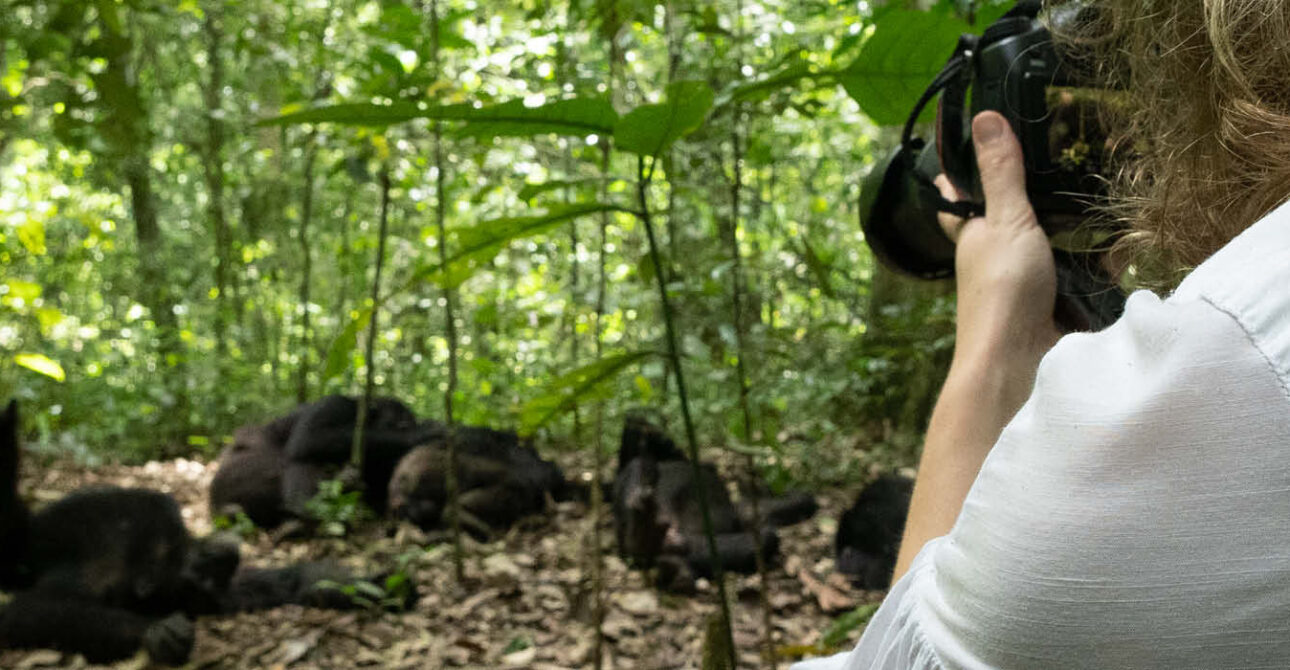
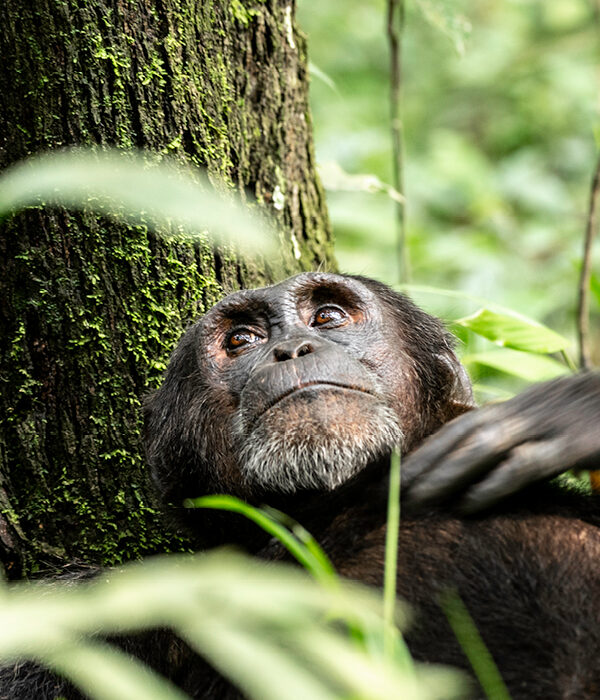
Chimpanzee tracking is Kibale’s signature experience. Join a guided forest trek to search for a habituated chimpanzee community and observe the animals under the applicable park rules. Walking conditions can be muddy, uneven and humid, so suitable footwear and preparation are important.
Read our specialist Chimpanzee Tracking in Uganda guide for more information about the experience, planning and permit arrangements.
Chimpanzee Habituation Experience
The Chimpanzee Habituation Experience offers a different opportunity to learn about chimpanzees that are undergoing habituation to human presence. It is a separate activity from standard tracking, with distinct permit arrangements and a longer experience in the forest. Availability, eligibility, observation rules and current permit requirements must be confirmed before booking.
Birding in Kibale
Kibale’s forest habitats make it an appealing destination for birdwatchers interested in Uganda’s tropical forest birdlife. Birding can be planned as a dedicated activity or added to a broader primate safari. A knowledgeable guide can help visitors look for species and understand the habitats in which they occur.
Explore our Uganda Birding Safaris for itineraries suited to birdwatchers.
Bigodi Wetland Sanctuary
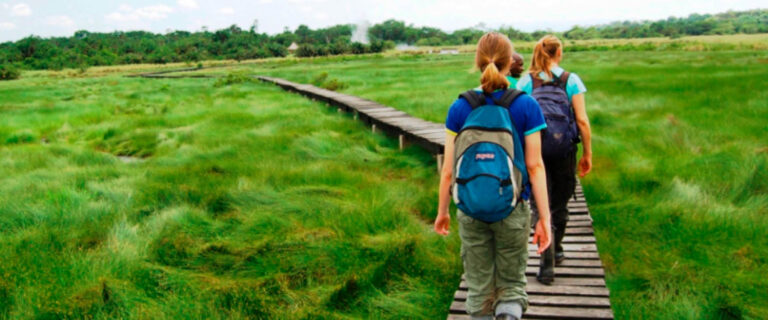
A guided visit to Bigodi Wetland Sanctuary adds a community-based nature experience to a Kibale safari. The wetland and surrounding vegetation attract birds and other wildlife, while guided walks provide insight into the area’s ecology and community tourism initiatives.
Guided Forest Walks and Other Nature Experiences
Guided walks offer a slower way to appreciate Kibale’s vegetation, forest habitats and smaller wildlife. The available walks and routes depend on the area and current operating arrangements. Visitors can also consider excursions to the Ndali–Kasenda crater lakes near Fort Portal for scenic views and a change of landscape.

Wildlife, Forest and Biodiversity
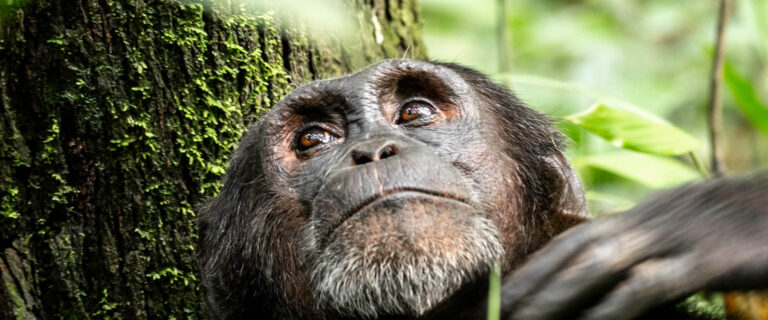
Kibale National Park protects a varied forest ecosystem recognised for its primate diversity. Chimpanzees are the principal attraction, but visitors may also encounter other primates, including red colobus, black-and-white colobus, red-tailed monkeys, blue monkeys and grey-cheeked mangabeys.
The forest also supports a wide variety of birds, mammals, butterflies and other wildlife. Sightings depend on natural conditions, the location of animals and the time spent exploring. No wildlife encounter should be guaranteed in advance.
Kibale’s forests are important not only for wildlife viewing but also for the protection of habitats and ecological processes. Responsible visits, compliance with guide instructions and respect for wildlife help safeguard the environment for future visitors and local communities.
Where to Stay in Kibale National Park
Choosing where to stay in Kibale begins with confirming your planned activities and the location of the relevant briefing point. Accommodation options in the wider Kibale and Fort Portal area range from comfortable camps, mid-range lodges, premium to signature collections with forest or crater-lake views.
Near the Chimpanzee Tracking Area
Staying near the designated tracking area can simplify early-morning arrangements and reduce unnecessary transfers. Confirm the exact location of your activity and the lodge’s transfer arrangements before booking.
Around Fort Portal and the Crater Lakes
Fort Portal and the surrounding crater-lake area can suit visitors who want to combine Kibale with scenic excursions, cultural experiences or a longer stay in western Uganda. Allow sufficient time for transfers to the park activity meeting point.
Choosing Your Accommodation: Match your accommodation to your preferred comfort level, budget, activities and overall route. Njagi Safaris can help coordinate the accommodation and transport arrangements around your confirmed activity dates.
Explore our itineraries, accommodation collection and travel styles to help arrange accommodation and transport around the relevant highland destinations.
Best Time to Visit Kibale Forest National Park
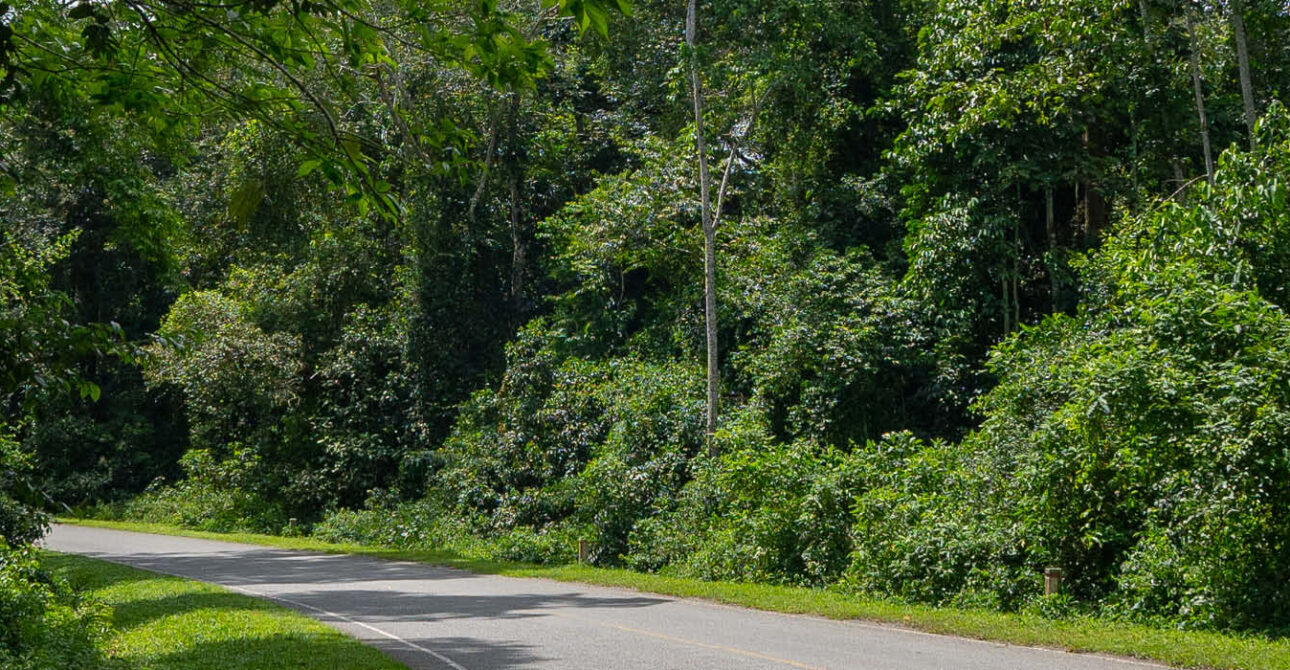
Kibale can be visited throughout the year, but rainfall influences trail conditions and the overall experience. The relatively drier periods, commonly around June to August and December to February, are often favoured for chimpanzee tracking because forest trails may be easier to navigate.
Rain can occur in any season in a tropical forest. Wetter months can bring muddy trails and more demanding walking conditions, while the forest remains lush and birding can still be rewarding. Your choice of travel dates should reflect your activities, flexibility and tolerance for changing weather.
Pack sturdy walking shoes or boots, lightweight clothing, rain protection and a small daypack. Confirm the latest activity guidance and any clothing or health requirements before departure.
How to Get to Kibale National Park
Kibale is located in western Uganda, near Fort Portal. The most suitable route depends on your starting point, accommodation, confirmed activities and other destinations on your itinerary.
By Road
Many visitors travel by private safari vehicle from Kampala or Entebbe via Fort Portal. The drive takes several hours, and the total journey depends on traffic, road conditions, stops and the location of your lodge. An overnight stay in the Fort Portal area can make the journey more comfortable.
By Air
Depending on current schedules and availability, domestic or charter flights to a suitable airstrip in the region may be an alternative to the full road journey. A road transfer is still needed to reach the relevant accommodation or park activity meeting point. Confirm flight schedules, baggage limits and onward transport before booking.
Connecting from Other Safari Destinations
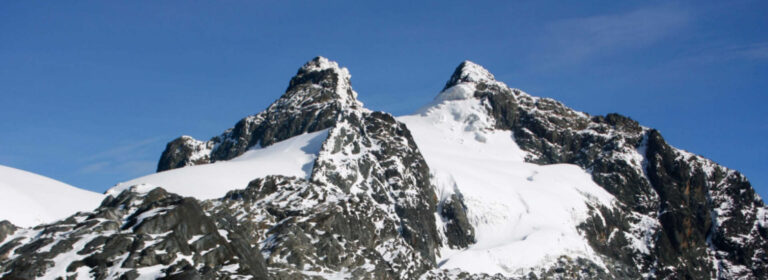
Kibale can be combined with Queen Elizabeth National Park, Bwindi Impenetrable National Park, Semuliki National Park, the Rwenzori Mountains or the Fort Portal crater lakes area. The best sequence depends on the total time available and the experiences you want to include.
Safari Packages Featuring Kibale
Explore Uganda chimpanzee tracking safari packages that include Kibale National Park and match your interests. Depending on the itinerary, a visit may focus on chimpanzee tracking or combine primates with savannah wildlife, gorilla trekking and scenic landscapes.
Combine Kibale with Other Destinations
Kibale is well suited to a wider Uganda itinerary, particularly for visitors who want to combine rainforest experiences with wildlife, mountains or scenic lakes.
Kibale and Queen Elizabeth National Park
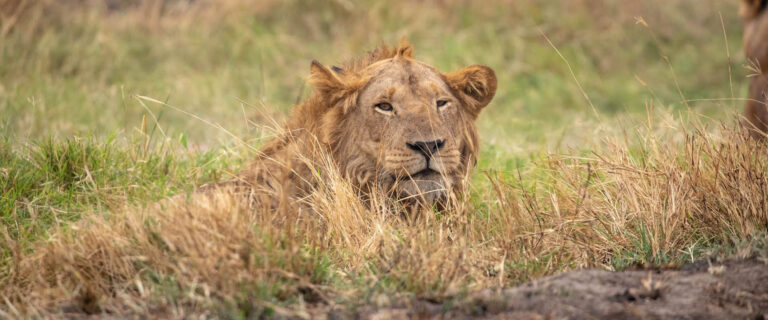
Combine chimpanzee tracking with savannah wildlife viewing and other experiences in Queen Elizabeth National Park. This pairing creates a varied safari featuring both forest and open landscapes.
Kibale and Bwindi Impenetrable National Park
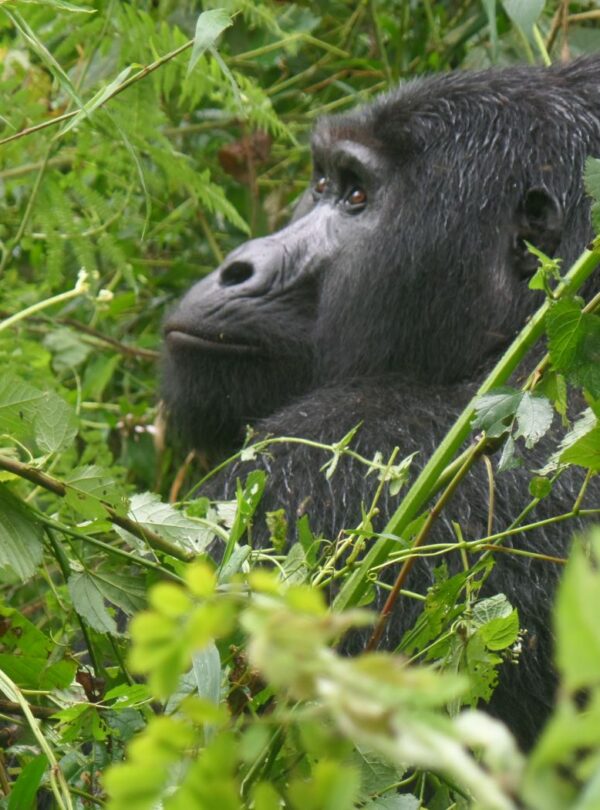
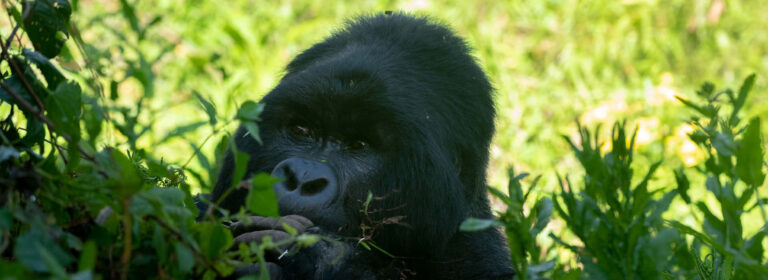
Pair Kibale chimpanzee tracking with mountain gorilla trekking in Bwindi for a primate-focused Uganda safari. The itinerary should allow enough time for transfers, activity briefings and rest between trekking days.
Kibale and Semuliki National Park
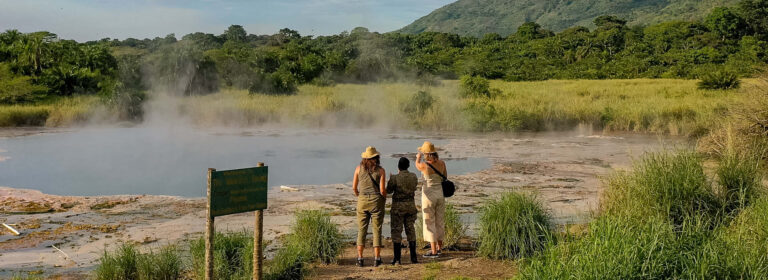
Add Semuliki for a different forest environment and additional nature experiences in western Uganda. Route planning should account for travel time and the activities you wish to include.
Kibale and the Fort Portal Crater Lakes
The crater lakes around Fort Portal provide scenic landscapes and opportunities for a more relaxed stay. They can be a good complement to the physical activity of chimpanzee tracking.


Responsible Travel in Kibale National Park
A visit to Kibale National Park is an opportunity to appreciate Uganda’s forest biodiversity while supporting conservation and responsible tourism. Follow your guide’s instructions, maintain the required distance from chimpanzees, never feed or touch wildlife, and avoid visiting primates when unwell in ways that could expose them to human diseases. Leave no litter and respect the forest environment.
Choose locally operated accommodation and community-guided experiences to help tourism benefit people living around the park. Consider a guided walk at Bigodi Wetland Sanctuary, managed by the Kibale Association for Rural and Environmental Development (KAFRED), a local community organisation that links ecotourism with biodiversity conservation and community development.
For official park information, conservation guidance, chimpanzee-tracking rules and current permit requirements, consult the Uganda Wildlife Authority (UWA). For information on Uganda’s tourism standards and responsible destination development, visit the Uganda Tourism Board (UTB).
Frequently Asked Questions About Kibale National Park
Kibale is best known for chimpanzee tracking and its diversity of primates. The park also offers forest birding, guided nature experiences and access to community-based wetland activities and nearby crater lakes.
The total cost depends on the applicable permit tariff, accommodation, transport, travel dates and the length of your safari. Permit prices can change, so confirm the current rate with Uganda Wildlife Authority before booking. Njagi Safaris can prepare a quotation based on your preferred itinerary.
The time spent in the forest varies with the chimpanzees’ movements, terrain and weather. Allow several hours for the overall activity, including the briefing and trek. Confirm the current schedule and observation rules when arranging your permit.
Chimpanzee tracking involves searching for a habituated community and observing it under the standard activity rules. The habituation experience is a separate activity involving chimpanzees undergoing habituation and has different permit arrangements. Confirm current availability and conditions before choosing.
The relatively drier periods around June to August and December to February are often preferred for walking conditions. Kibale remains a rainforest, so rain is possible throughout the year and trails may be muddy in any season.
Yes. Kibale and Queen Elizabeth National Park make a popular combination, bringing together chimpanzee tracking and savannah wildlife experiences. The itinerary should allow sufficient time for road transfers and activities in each destination.
Choose accommodation based on the location of your confirmed activity, preferred comfort level and wider safari route. Staying closer to the relevant meeting point can simplify early starts. Confirm transfer arrangements directly when finalising your itinerary.
Most visitors travel by road via Fort Portal from Kampala or Entebbe. Domestic or charter flights to a suitable regional airstrip may be possible, followed by a road transfer. The best option depends on your schedule, accommodation and overall route.
Plan Your Visit to Kibale National Park
Plan your visit to Kibale by confirming your chimpanzee activity, arranging the right accommodation and choosing a route that fits your wider Uganda safari. Njagi Safaris can help coordinate a private itinerary combining chimpanzee tracking, forest experiences and other destinations.
Share your travel dates, group size, accommodation preferences and interests through the enquiry form below. Our team will help you plan a practical itinerary tailored to your trip.