
Rwenzori Mountains
The Rwenzori Mountains are among Africa’s most extraordinary mountain destinations, celebrated for their dramatic peaks, high-altitude vegetation, glacial landscapes and exceptional biodiversity. Rising along the Uganda–Democratic Republic of the Congo border, the range is widely known as the Mountains of the Moon and offers some of the continent’s most distinctive trekking experiences.
Unlike volcanic mountain ranges elsewhere in East Africa, the Rwenzori are a rugged, uplifted mountain massif characterised by steep valleys, rocky ridges, waterfalls, alpine wetlands and extraordinary plant communities. Their highest summit, Margherita Peak on Mount Stanley, reaches approximately 5,109 metres above sea level.
From guided mountain hikes and multi-day trekking expeditions to birdwatching, scenic foothill walks and community experiences, the Rwenzori Mountains offer opportunities for both adventurous climbers and visitors seeking a gentler introduction to Uganda’s mountain environments.
Rwenzori Mountains at a Glance
- Location: Western Uganda, along the border with the Democratic Republic of the Congo.
- Landscape: Rugged mountain peaks, montane forests, bamboo zones, giant heather, alpine wetlands, rocky ridges and high-altitude glacial environments.
- Best known for: The Mountains of the Moon, Margherita Peak, distinctive Afro-alpine vegetation and challenging mountain trekking.
- Other experiences: Guided nature walks, birdwatching, mountain photography, foothill exploration and selected community experiences.
- Main trekking routes: The Central Circuit and Kilembe-based trekking routes, subject to current operator and park arrangements.
- Safari style: Suitable for specialist trekking expeditions, active adventure holidays and private Uganda itineraries incorporating shorter mountain experiences.
- Planning priority: Choose the trekking route and difficulty level, assess fitness and altitude requirements, and confirm guides, permits, equipment and accommodation before travel.
- A mountain landscape of global conservation importance: Rwenzori Mountains National Park is recognised as a UNESCO World Heritage Site for its exceptional natural beauty and biodiversity. The protected landscape includes remarkable vegetation zones that change dramatically with elevation, from montane forests to high-altitude plant communities.
The Rwenzori Mountains are more than a destination for summit climbers. Their ecological diversity, dramatic scenery and surrounding communities make them an important part of Uganda’s natural and cultural heritage
Why Visit the Rwenzori Mountains?
The appeal of the Rwenzori Mountains begins with their extraordinary landscapes. The range rises steeply above western Uganda’s lower valleys, creating an environment of forested slopes, rushing streams, waterfalls, mist-covered ridges and high mountain peaks.
For experienced trekkers, the Rwenzori offer the challenge of navigating demanding trails through changing vegetation zones and increasingly rugged terrain. Multi-day expeditions can lead towards high-altitude valleys, alpine lakes and the snow and ice environments associated with the highest peaks.
The mountains also reward travellers who do not intend to reach a summit. Shorter guided walks provide opportunities to experience the lower slopes, observe birdlife, appreciate mountain vegetation and learn about the natural history of the region.
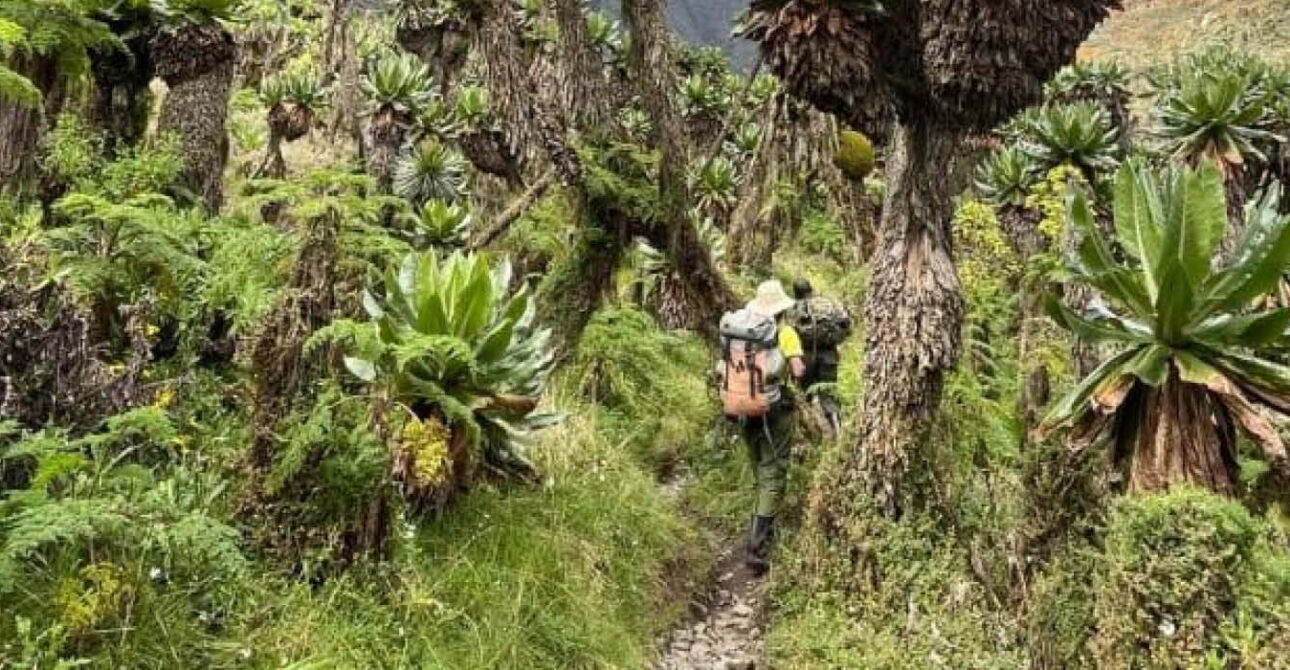
The Rwenzori are particularly interesting for nature enthusiasts because of their unusual Afro-alpine ecosystems. Giant lobelias, groundsels, heather and other specialised plants create landscapes unlike those found in Uganda’s savannah parks.
The surrounding communities add another dimension to the experience. Appropriately arranged cultural visits can introduce travellers to local heritage, farming practices and livelihoods connected with the mountain environment. A visit to the Rwenzori Mountains can therefore bring together hiking, biodiversity, landscape photography and meaningful cultural experiences within a carefully planned Uganda safari. Explore our Uganda Safari Destinations.
Things to Do in the Rwenzori Mountains
The Rwenzori Mountains offer experiences ranging from accessible foothill walks to demanding multi-day expeditions. The appropriate activity depends on your fitness, trekking experience, available time, altitude tolerance and the conditions on the selected route.
Multi-Day Rwenzori Mountain Trekking
Multi-day trekking is the signature adventure experience in the Rwenzori Mountains. Guided expeditions follow established mountain routes through forests, bamboo vegetation, heather zones and high-altitude valleys.
Trekkers may encounter muddy paths, wooden boardwalks, steep ascents, rocky sections and changing weather conditions. The duration and difficulty vary considerably according to the chosen route and intended destination. Proper preparation, suitable equipment and experienced mountain guides are essential.
Climbing Margherita Peak
Margherita Peak, on Mount Stanley, is the highest point in the Rwenzori Mountains and one of Africa’s highest summits. Reaching the peak is a specialist mountaineering undertaking rather than an ordinary hiking excursion. Depending on current conditions, the final ascent can involve exposed rock, ice or snow, technical equipment and professional guiding.
Visitors should assess their mountaineering experience, fitness and ability to cope with altitude before committing to a summit expedition. Summit access is subject to safety assessments, weather and the condition of the mountain’s changing ice environment.
Guided Foothill and Nature Walks
Travellers seeking a less demanding experience can explore selected foothill trails with knowledgeable local guides. These walks provide opportunities to appreciate forest vegetation, mountain streams, scenic viewpoints and the everyday landscapes surrounding the range.
Shorter excursions can suit visitors combining the Rwenzori Mountains with Queen Elizabeth National Park or other western Uganda destinations.
Birdwatching in the Rwenzori Mountains
The Rwenzori Mountains are an important destination for birdwatchers interested in montane forests and the Albertine Rift. Birding opportunities vary with elevation and habitat, with specialist species associated with different forest and mountain environments.
Dedicated birders should plan their routes around suitable habitats and arrange knowledgeable guides who understand local birdlife. Explore our Uganda Birding Guide for broader information on birdwatching destinations and experiences.
Explore Alpine Vegetation and Mountain Landscapes
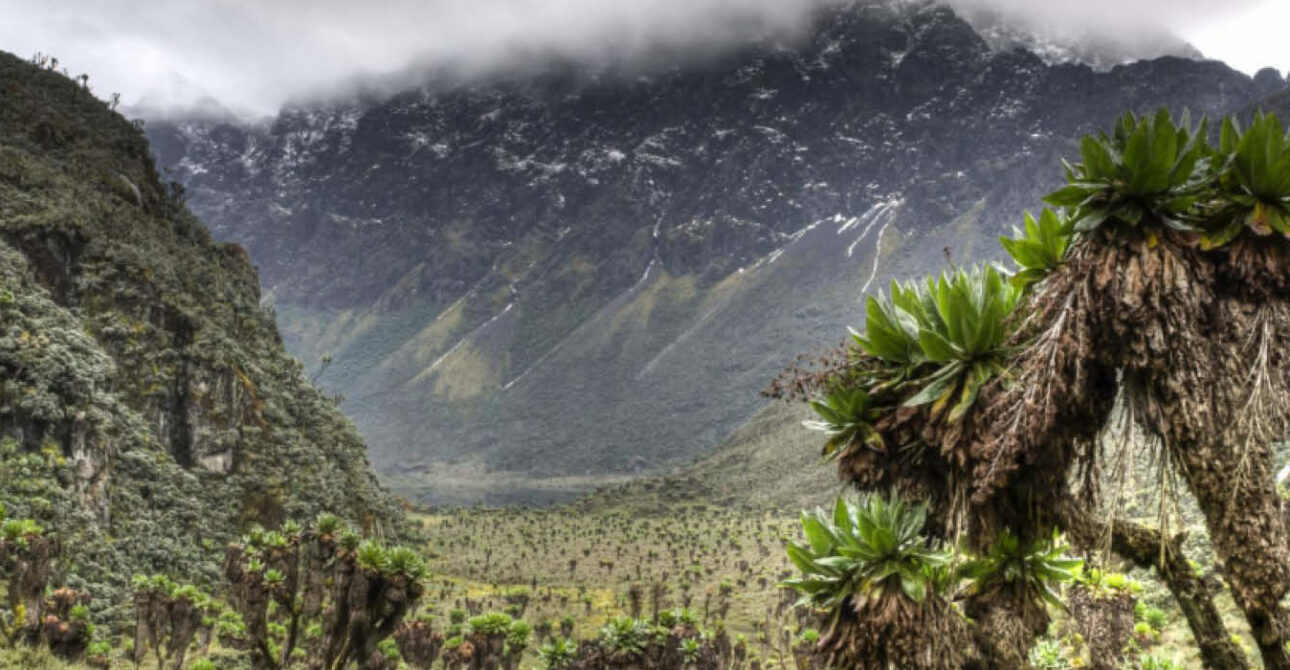
One of the Rwenzori Mountains’ most remarkable features is the dramatic change in vegetation with altitude. Trekkers moving towards higher elevations can encounter bamboo, giant heather, lobelias, groundsels and extensive alpine wetlands.
These specialised plant communities create striking landscapes, particularly in the misty high-altitude valleys. The experience is especially rewarding for travellers interested in ecology, botanical photography and mountain environments.
Waterfalls, Rivers and Scenic Mountain Trails
Streams and rivers descending from the Rwenzori create waterfalls, rocky channels and scenic valleys. Selected guided routes provide opportunities to observe these features while learning about the mountain’s role as an important water catchment. Trail accessibility varies, and some waterfall viewpoints require longer or more demanding walks.
Cultural and Community Experiences
Communities surrounding the Rwenzori Mountains have long-standing cultural connections with the landscape. Appropriately arranged experiences can introduce visitors to local traditions, agricultural livelihoods, crafts and community-led tourism initiatives. Cultural visits should respect local customs and ensure that participating communities have meaningful control over the experience.
Mountain Photography and Scenic Exploration
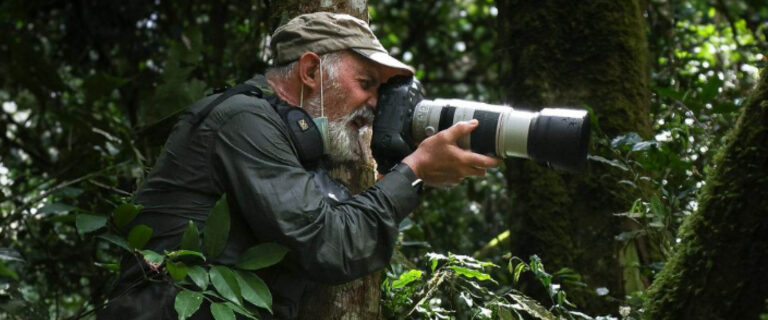
The Rwenzori Mountains offer exceptional photographic subjects, from mist-covered forest slopes and waterfalls to alpine plants and dramatic rocky peaks. Photographic conditions change rapidly with cloud cover, elevation and weather. Travellers interested in landscape photography should allow sufficient time for changing light and follow their guides’ instructions when working near steep or exposed terrain.
Main Rwenzori Mountain Peaks and Trekking Routes
Understanding the Rwenzori Mountains’ principal peaks and trekking routes is essential when planning a visit. The range contains several major massifs, while established trekking routes provide access to different valleys, vegetation zones, mountain camps and high-altitude objectives.
The most suitable route depends on your trekking experience, physical fitness, available time and intended destination. Not every itinerary involves a summit attempt, and some of the most rewarding experiences are found below the highest peaks.
Mount Stanley and Margherita Peak
Mount Stanley contains the Rwenzori Mountains’ highest summits, including Margherita Peak at approximately 5,109 metres. The mountain is associated with the range’s remaining high-altitude ice and demanding technical terrain.
A summit expedition requires suitable equipment, acclimatisation, experienced guides and careful attention to weather and route conditions. For many travellers, reaching the surrounding high-altitude valleys and viewpoints can be a rewarding alternative to attempting the summit.
Mount Speke
Mount Speke is one of the Rwenzori’s prominent mountain massifs, rising to approximately 4,890 metres. Its rugged terrain and dramatic mountain setting make it an important feature of the central Rwenzori landscape. Exploring the surrounding valleys can provide views of steep slopes, alpine vegetation and the mountain’s distinctive topography, while any summit objective requires specialist route planning.
Mount Baker
Mount Baker rises to approximately 4,843 metres and forms part of the Rwenzori’s high mountain environment.
Its steep slopes and rocky terrain create challenging conditions for mountaineers, while the surrounding landscape offers opportunities to appreciate the range’s alpine scenery.
Travellers interested in Mount Baker should discuss appropriate routes, technical requirements and current access conditions with experienced mountain operators.
Other Major Rwenzori Massifs
The Rwenzori Mountains also include Mount Gessi, Mount Emin and Mount Luigi di Savoia. These massifs contribute to the range’s complex topography of ridges, valleys and high-altitude habitats.
They are generally of greater interest to specialist trekkers, mountaineers and travellers seeking an extended exploration of the mountain environment.
Central Circuit Trail
The Central Circuit is one of the established trekking routes in the Rwenzori Mountains, traditionally accessed through the Nyakalengija area. It passes through different vegetation zones and mountain valleys, with routes that can incorporate high-altitude camps and scenic features such as the Bujuku and Kitandara lakes.
The exact itinerary, accommodation arrangements and potential summit extensions depend on the operator, route conditions and current park requirements.
Kilembe Trail
The Kilembe Trail provides another established approach to exploring the Rwenzori Mountains, beginning from the Kilembe area near Kasese. Its itineraries pass through forest, heather and alpine environments, with options ranging from shorter mountain experiences to longer high-altitude expeditions.
Trekkers should confirm the intended route, mountain accommodation, guiding arrangements and technical requirements before departure.
Important planning note: Rwenzori trekking routes are not interchangeable at short notice. Confirm the trailhead, authorised operator, park arrangements, overnight facilities and any summit objectives before booking accommodation or transport. Conditions can change due to rainfall, trail damage, high-altitude weather and safety considerations.
Wildlife, Mountain Habitats and Biodiversity
The Rwenzori Mountains protect one of Uganda’s most distinctive mountain ecosystems, with habitats changing significantly across their considerable elevation range.
Lower mountain slopes support montane forests and other vegetation associated with the Albertine Rift. As elevation increases, these environments give way to bamboo, giant heather, Afro-alpine moorland and specialised plant communities adapted to cold, wet and exposed conditions.
The park supports wildlife associated with mountain forests, including primates, forest mammals, birds, reptiles and smaller animals. Some species are difficult to observe because of the dense vegetation, rugged terrain and limited visibility along mountain trails.
The Rwenzori’s botanical diversity is particularly remarkable. Giant lobelias, groundsels and heathers create unusual landscapes, while mosses, lichens and wetland vegetation contribute to the mountain’s distinctive ecological character.
The mountains also function as an important water catchment, supplying rivers and streams that support ecosystems and communities beyond the protected area. UNESCO recognises the national park for its exceptional natural beauty, varied habitats and biodiversity, including species associated with the Albertine Rift.
Birdlife of the Albertine Rift
The Rwenzori Mountains are an important destination for birdwatchers interested in montane and Albertine Rift species. Different elevations support different bird communities, and specialist birding can be incorporated into selected forest walks and lower mountain treks.
Species of interest may include the Rwenzori turaco and other forest birds associated with western Uganda’s highland habitats. Visitors with specific birdwatching interests should arrange suitable routes and knowledgeable guides, as high-altitude trekking routes are not always the most practical choice for dedicated birding.
Afro-Alpine Plants and Mountain Ecology
The Rwenzori’s high-altitude vegetation is among its most distinctive natural features. Giant groundsels, lobelias and heathers are adapted to the cold, wet and variable conditions found at higher elevations.
Their unusual forms create striking scenery around alpine valleys and wetlands. These habitats are environmentally sensitive, making responsible trail use and careful waste management particularly important.
Where to Stay in the Rwenzori Mountains
Choosing accommodation for a Rwenzori Mountains visit begins with the type of experience you plan to undertake. Travellers exploring the foothills can stay in hotels, guesthouses or lodges around Kasese and nearby communities, while multi-day trekkers generally use designated mountain camps or huts.
Accommodation on a trekking expedition is usually linked to the selected route and operator. Facilities at higher elevations can be basic, and visitors should not expect the same comfort or services available at conventional safari lodges.
Kasese Town
Kasese is a practical base for travellers preparing to explore the Rwenzori Mountains. The town offers accommodation options and access to services useful before or after a trekking expedition. Staying in Kasese can also suit visitors combining shorter Rwenzori experiences with Queen Elizabeth National Park.
Nyakalengija and the Central Circuit Gateway
Nyakalengija serves as an important access area for Central Circuit trekking itineraries. Accommodation around the gateway can be convenient for early departures, guide briefings and equipment checks. The available options should be confirmed according to the selected route and trekking operator.
Kilembe and the Southern Trekking Gateway
Kilembe provides access to trekking routes approaching the mountains from the Kasese side. Travellers may find accommodation in the wider Kilembe and Kasese area before beginning their mountain journey. The best location depends on the operator’s meeting point and the planned departure time.
Mountain Huts and Trekking Camps
Multi-day Rwenzori expeditions commonly involve overnight stays at designated mountain huts or camps along the selected route. Facilities may include shared sleeping arrangements, basic shelters and limited amenities. Conditions become more demanding with altitude. Trekkers should confirm sleeping arrangements, food preparation, drinking water, sanitation and the equipment they must carry.
Fort Portal and Wider Western Uganda
Fort Portal and selected western Uganda lodges can provide additional accommodation choices for travellers combining the Rwenzori Mountains with other destinations. These locations are generally better suited to broader itineraries than to early-morning departures for demanding mountain treks.
How to choose: Match accommodation to the selected trailhead, trekking programme and intended departure time. For multi-day expeditions, confirm the complete mountain accommodation plan before booking.
Explore our itineraries, accommodation collection and travel styles to plan a suitable Rwenzori Mountains experience.
Best Time to Visit the Rwenzori Mountains
The best time to visit the Rwenzori Mountains depends on the type of trekking experience you intend to undertake, your physical preparation and your tolerance for wet and cold conditions.
The relatively drier periods, commonly from December to February and June to August, are often preferred for mountain trekking. These months may offer more manageable trail conditions and improved opportunities for mountain views, although rain, cloud and cold weather remain possible throughout the year.
The Rwenzori Mountains receive substantial rainfall, and conditions can change rapidly across different elevations. Lower trails may become muddy and slippery, while higher routes can involve cold temperatures, strong winds, wet vegetation and challenging visibility.
Wetter periods can bring lush vegetation and dramatic mountain scenery, but they may also increase the difficulty of trekking and affect access to certain routes. For summit expeditions, seasonal expectations alone are insufficient. High-altitude conditions, remaining ice, technical route requirements and guide assessments are critical to planning.
Visitors should pack waterproof clothing, insulated layers, sturdy trekking boots and appropriate personal equipment. Specialist mountaineering gear may be necessary for technical objectives. Planning recommendation: Allow sufficient time for acclimatisation, discuss route difficulty with an experienced operator and retain flexibility for adverse weather.
A favourable travel season does not guarantee safe summit conditions.
How to Get to the Rwenzori Mountains
Reaching the Rwenzori Mountains generally involves travelling to western Uganda and continuing towards the selected trekking gateway. Kasese is a principal access town, while Nyakalengija and Kilembe serve different trekking routes. The appropriate approach depends on your itinerary, guide arrangements and intended mountain experience.
By Road from Kampala or Entebbe
Travellers commonly reach the Rwenzori region by private safari vehicle from Kampala or Entebbe, travelling towards Kasese through western Uganda. The journey usually takes most of a day, depending on traffic, road conditions, stops and the chosen route.
Visitors undertaking a demanding trek should consider arriving before their scheduled trekking departure to allow time for rest, equipment checks and briefings.
By Domestic or Charter Flight
Depending on current flight services and schedules, travellers may be able to reach Kasese Airstrip by domestic or charter flight. A road transfer is then required to the selected trekking gateway or accommodation.
Flight availability, baggage allowances and onward transport should be confirmed before booking, particularly for travellers carrying specialist trekking equipment.
Access Through Nyakalengija
Nyakalengija is associated with the Central Circuit approach to the Rwenzori Mountains. Visitors travelling through this gateway should confirm the meeting point, guide arrangements and timing of their trekking departure. Road conditions can vary, especially during wetter periods.
Access Through Kilembe
Kilembe is another important gateway for trekking itineraries in the Rwenzori Mountains. Travellers should arrange transfers according to the specific operator and route they have booked. The Kilembe and Nyakalengija approaches serve different trekking programmes, making early route selection important.
Connecting from Other Safari Destinations
The Rwenzori Mountains can be incorporated into a western Uganda itinerary that includes Queen Elizabeth National Park, Kibale National Park or other destinations.
The order of travel should reflect the selected trekking route, physical demands, available recovery time and onward transfers. A carefully arranged itinerary can reduce unnecessary driving and allow adequate rest before and after mountain activities.
Safari Packages Featuring the Rwenzori Mountains
Explore Uganda safari packages that incorporate the Rwenzori Mountains and match your preferred level of adventure. Depending on the itinerary, a visit may involve a short guided foothill walk, a multi-day trekking expedition or a specialist ascent towards the higher mountain peaks.
The Rwenzori Mountains can also complement wildlife-focused safaris by adding hiking, mountain scenery and ecological exploration to the journey.
Combine the Rwenzori Mountains with Other Destinations
Combining the Rwenzori Mountains with other destinations can create a varied Uganda safari featuring mountain scenery, wildlife viewing, primate experiences and cultural exploration. The ideal combination depends on the duration and difficulty of your mountain activities, the time available and your wider travel interests.
Rwenzori Mountains and Queen Elizabeth National Park
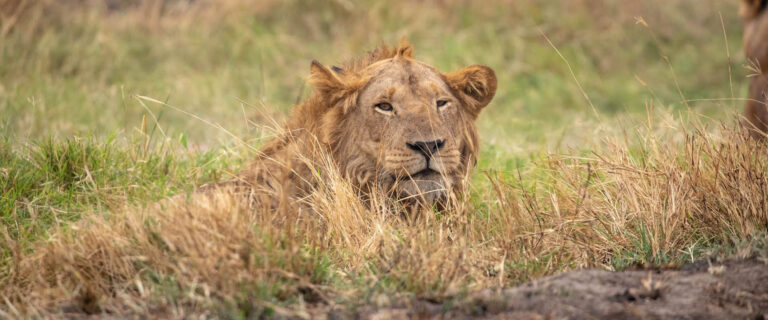
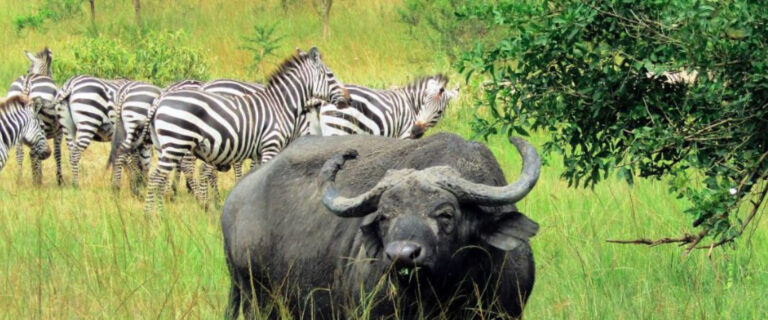
Combine mountain trekking or scenic foothill walks with wildlife viewing in Queen Elizabeth National Park. This pairing brings together the Rwenzori’s highland environments and the savannah landscapes of western Uganda. Activities may include game drives and a Kazinga Channel boat excursion, depending on the itinerary.
Rwenzori Mountains and Kibale National Park
The Rwenzori Mountains can be combined with Kibale National Park for an itinerary featuring mountain landscapes and forest primates. Kibale is particularly known for chimpanzee tracking, while the Rwenzori offer a contrasting experience of hiking and high-altitude biodiversity. The route should allow adequate time for transfers, trekking preparation and recovery.
Rwenzori Mountains and Semuliki National Park
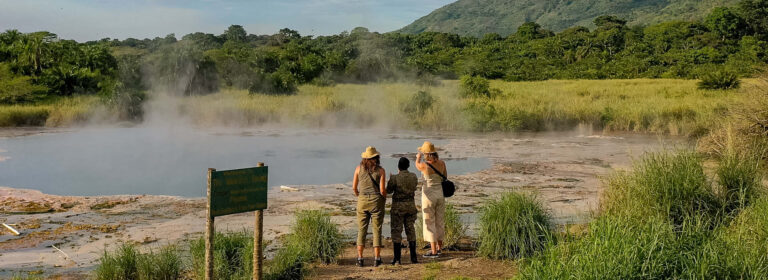
Combine the Rwenzori’s mountain habitats with the lowland forest environment of Semuliki National Park. This combination offers contrasting ecosystems, with opportunities to explore forest biodiversity, birdlife and the Sempaya hot springs. Travel times and road conditions should be considered when planning the route.
Rwenzori Mountains and Bwindi Impenetrable National Park
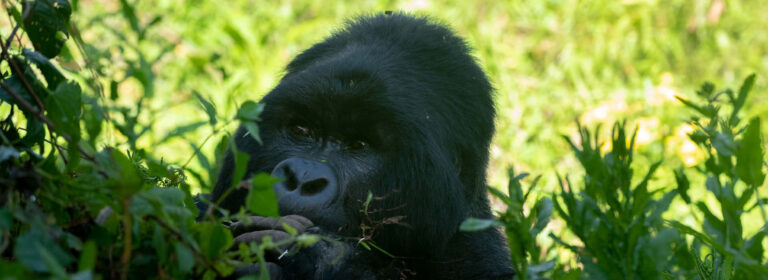
Travellers with additional time can combine the Rwenzori Mountains with Bwindi Impenetrable National Park. This itinerary brings together mountain trekking and gorilla encounters in Bwindi’s rainforest.
Because both activities can be physically demanding, the journey should include adequate rest and careful coordination of permits, accommodation and transport.


Responsible Travel in the Rwenzori Mountains
Visiting the Rwenzori Mountains provides an opportunity to experience one of Uganda’s most important protected mountain environments while supporting conservation and communities associated with the range. Rwenzori Mountains National Park is recognised as a UNESCO World Heritage Site for its exceptional scenery, biodiversity and distinctive high-altitude ecosystems. Responsible tourism is particularly important because alpine vegetation, wetlands and mountain trails can be vulnerable to disturbance.
During your visit, follow authorised guides, remain on designated trails and avoid damaging vegetation or disturbing wildlife. Carry out litter, respect mountain campsite rules and use appropriate sanitation arrangements. Choose experienced local guides and trekking operators who prioritise safety, fair working conditions and environmental protection. For official conservation guidance, consult the Uganda Wildlife Authority, learn about the park’s international significance through the UNESCO World Heritage Centre and explore Uganda’s tourism standards through the Uganda Tourism Board.
By travelling thoughtfully, visitors can help protect the Rwenzori’s fragile mountain habitats while supporting the people whose livelihoods are connected to the region.
Frequently Asked Questions About the Rwenzori Mountains
The Rwenzori Mountains are located in western Uganda along the border with the Democratic Republic of the Congo. Kasese is a principal gateway for travellers approaching the mountains, while Nyakalengija and Kilembe serve established trekking routes.
The Rwenzori Mountains are famous for their dramatic peaks, high-altitude trekking, distinctive Afro-alpine vegetation and remaining glacial environments. The range is known as the Mountains of the Moon and includes Margherita Peak, which rises to approximately 5,109 metres.
Margherita Peak, on Mount Stanley, reaches approximately 5,109 metres above sea level. It is Uganda’s highest summit and Africa’s third-highest peak after Kilimanjaro and Mount Kenya. Reaching the summit requires a demanding, carefully planned mountain expedition.
Trekking difficulty varies considerably. Short foothill walks can be accessible to visitors with moderate fitness, while multi-day high-altitude expeditions require strong physical preparation, appropriate equipment and experienced guides. Summit attempts may involve technical mountaineering and exposure to cold, wet conditions.
The duration depends on your selected route and objectives. Shorter guided walks may take part of a day or a full day, while multi-day treks commonly require several days. Margherita Peak expeditions often require approximately seven to ten days or longer, depending on the route, acclimatisation and conditions.
The Central Circuit and Kilembe Trail are established approaches to trekking in the Rwenzori Mountains. They use different access points and mountain itineraries. The Central Circuit is associated with Nyakalengija, while Kilembe-based routes begin near Kasese. The best option depends on the intended destination, route difficulty, available time and operator arrangements.
Yes. Beginners can consider selected foothill walks and shorter guided experiences that do not involve demanding high-altitude objectives. However, extended mountain trekking requires greater preparation, and technical summit routes are not suitable for inexperienced hikers without appropriate training and professional support.
The relatively drier periods, particularly December to February and June to August, are commonly preferred for trekking. However, the mountains receive substantial rainfall, and cold, wet or cloudy conditions can occur throughout the year. Summit conditions must be assessed independently of the general travel season.
Margherita Peak is a technical high-altitude objective, and prior mountaineering experience or suitable training is strongly advisable. Conditions can involve steep rock, ice, exposed terrain and specialist equipment. Travellers should consult qualified mountain guides and undergo a realistic assessment of their fitness and experience before attempting the ascent.
Accommodation options include hotels and guesthouses around Kasese, properties near the Nyakalengija and Kilembe gateways, and designated mountain huts or camps on multi-day trekking routes. The best choice depends on your itinerary, trekking operator and planned departure point.
Most travellers reach the Rwenzori region by road through western Uganda, usually travelling towards Kasese before continuing to the selected trekking gateway. Domestic or charter flights to Kasese may also be possible, subject to current schedules, followed by a road transfer.
Yes. The Rwenzori Mountains can be combined with Queen Elizabeth National Park for savannah wildlife viewing or Kibale National Park for chimpanzee tracking. Longer itineraries can also include Semuliki or Bwindi. Allow sufficient time for travel, trekking preparation and recovery between physically demanding activities.
Plan Your Visit to the Rwenzori Mountains
Plan your visit to the Rwenzori Mountains by selecting the right trekking experience, assessing the physical demands of your chosen route and confirming the required guiding, equipment, accommodation and park arrangements.
Njagi Safaris can help organise a private Uganda journey incorporating scenic mountain walks, specialist trekking arrangements and complementary destinations such as Queen Elizabeth National Park, Kibale National Park or Bwindi Impenetrable National Park.
Share your travel dates, group size, trekking experience, preferred comfort level and interests through the enquiry form below. Our team will help you plan a practical itinerary suited to your abilities and travel goals.